
Choosing the right work van is one of the most important decisions for any business that depends on transportation, delivery, or mobile services. Whether you are running a small courier company, a plumbing or electrical service, or a large logistics fleet, the long-term running cost of a van can significantly impact your profit margins.
Many buyers focus only on the initial purchase price, but that is only a small part of the total cost of ownership. Fuel consumption, maintenance frequency, repair costs, insurance premiums, tire wear, resale value, and downtime all combine to determine how expensive a vehicle really is over its lifetime.
In today’s commercial vehicle market, manufacturers are competing not only on performance and payload capacity but also on efficiency and durability.
Some vans are designed with simpler mechanical systems that are cheaper to maintain, while others focus on advanced technology, comfort, and premium features that can increase long-term servicing costs. For business owners, the challenge is finding a balance between reliability, efficiency, and affordability over several years of continuous use.
Work vans are typically driven much more than personal vehicles, often covering tens of thousands of kilometers annually in urban traffic, highways, and rough road conditions. This makes durability and maintenance intervals extremely important.
Even small differences in fuel efficiency or repair frequency can lead to thousands of dollars in savings or expenses over time. Additionally, the availability of spare parts and local service support can strongly influence running costs, especially in regions where imported parts may be expensive or delayed.
This guide ranks 7 popular work vans based on long-term running cost, from the most economical to the most expensive to maintain. The ranking considers real-world usage factors such as fuel efficiency, maintenance simplicity, reliability history, and ownership experience.
It is designed to help business owners make informed decisions when investing in a commercial vehicle that must perform consistently for many years.
By the end of this article, you will have a clear understanding of which vans offer the lowest operating costs and which ones may require a higher budget to maintain, helping you choose a vehicle that aligns with your business goals and financial planning.
Also Read: 7 Most Reliable Motorcycles You Can Buy Today
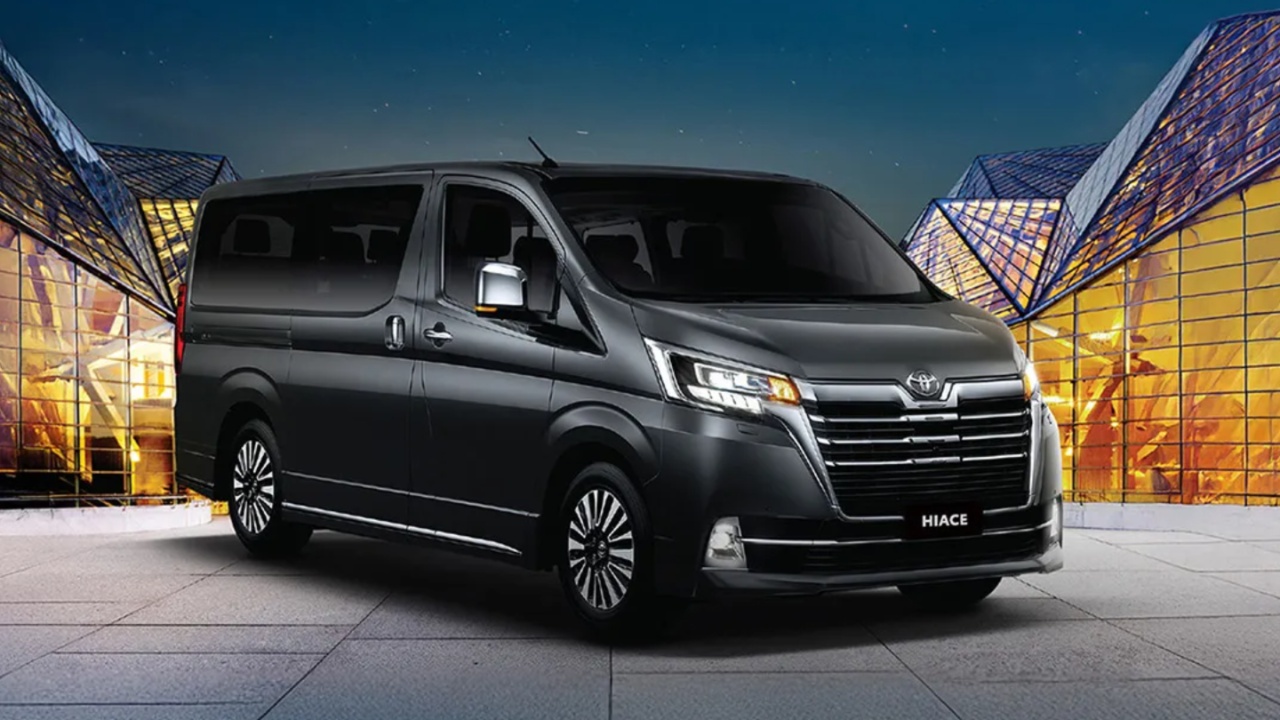
- Engine: 2.8L turbo diesel (common global variant)
- Horsepower: ~174 hp
- Torque: ~450 Nm
- Length: ~5,300 mm (varies by wheelbase)
- Width: ~1,970 mm (without mirrors)
1. Toyota HiAce
The Toyota HiAce consistently ranks as one of the most cost-efficient work vans in the world due to its exceptional reliability and low maintenance requirements.
Businesses that prioritize long-term savings often choose this model because it is engineered for durability and simplicity. The mechanical design is straightforward, which reduces the likelihood of expensive repairs and minimizes workshop downtime.
The strongest advantages of the HiAce is its fuel efficiency relative to its cargo capacity. It is optimized for both city driving and highway routes, allowing businesses to manage fuel expenses more effectively over time. Even when driven under heavy loads, the engine performance remains stable and predictable, which contributes to lower stress on components and fewer breakdowns.
Maintenance costs are also significantly lower compared to many competitors. Routine servicing, such as oil changes, brake replacements, and filter changes, is generally inexpensive, and parts are widely available in most global markets. This makes the HiAce particularly attractive for small and medium businesses that need predictable operating expenses.
Another major factor contributing to its low running cost is its strong resale value. After several years of usage, the HiAce tends to retain a higher percentage of its original value compared to other vans. This reduces the total cost of ownership because businesses can recover more money when upgrading their fleet.
The HiAce has a reputation for lasting high mileage without major engine issues. Many units operate well beyond typical commercial lifespans with minimal major repairs. This long service life spreads the initial investment over more years, making it one of the most economical vans in the long run.
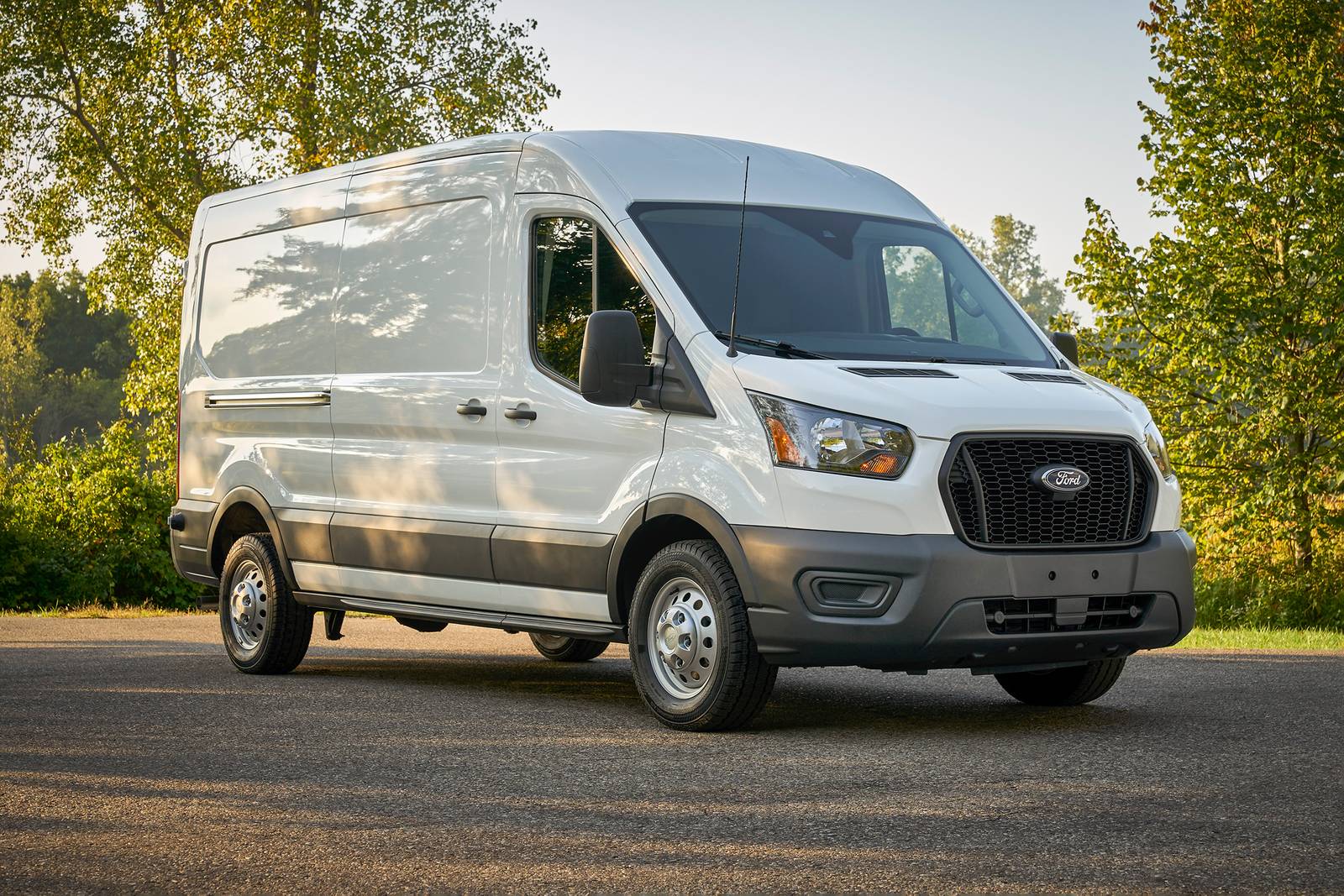
- Engine: 2.0L EcoBlue diesel (common modern variant)
- Horsepower: ~105 to 185 hp (depending on tuning)
- Torque: ~360 to 415 Nm
- Length: ~5,530 mm to 6,700 mm (high roof/long wheelbase versions)
- Width: ~2,050 mm (without mirrors)
2. Ford Transit
The Ford Transit is one of the most widely used commercial vans globally and offers a strong balance between operating cost and performance. It is slightly more expensive to maintain than the Toyota HiAce, but still remains relatively affordable for most businesses due to its efficient engineering and widespread service network.
Fuel efficiency in the Ford Transit varies depending on engine type and load conditions, but modern diesel variants are designed to deliver competitive mileage. Businesses that use the Transit for long-distance deliveries often benefit from its highway efficiency, which helps reduce fuel expenses over time.
Maintenance costs are moderate and manageable. While not as low as simpler vans, the Transit benefits from a large global parts supply chain, which keeps repair costs under control. Most mechanics are familiar with its systems, which reduces diagnostic time and labor expenses.
One of the reasons the Transit remains cost-effective is its durability under commercial use. It is built to handle heavy payloads and frequent driving, which means fewer structural issues over its lifespan. However, electronic components and advanced features can sometimes increase repair costs compared to more basic vans.
The Ford Transit offers a practical long-term ownership experience. It may not be the cheapest van to maintain, but its balance of efficiency, reliability, and availability makes it a strong choice for businesses that need versatility without excessive running costs.
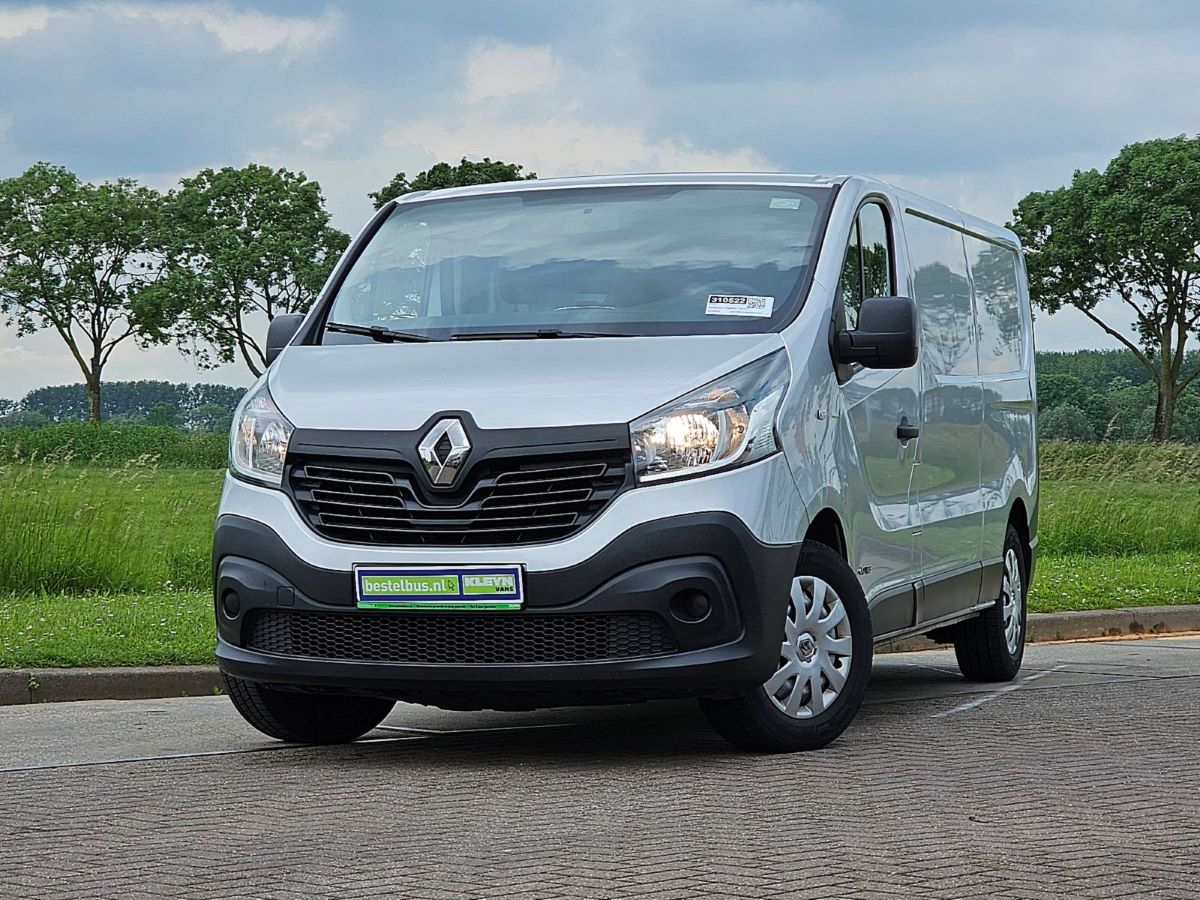
- Engine: 2.0L dCi diesel
- Horsepower: ~120 to 170 hp
- Torque: ~320 to 380 Nm
- Length: ~5,080 mm to 5,480 mm
- Width: ~1,967 mm (without mirrors)
3. Renault Trafic- Efficient Mid-Range Operating Cost
The Renault Trafic is known for offering good fuel efficiency and relatively low service costs, making it a strong mid-range option for businesses focused on operational savings. It is especially popular in urban delivery services where stop-and-go driving is common.
Fuel consumption is one of its strongest advantages. The Trafic is engineered with smaller, efficient diesel engines that provide solid mileage even in congested city environments. This helps reduce monthly fuel expenses significantly for businesses with frequent short trips.
Maintenance costs are generally reasonable, especially for standard servicing tasks. The vehicle design emphasizes practicality, which means fewer overly complex systems that could lead to expensive repairs. However, certain specialized parts may cost more depending on regional availability.
Reliability is considered good, though not as exceptional as Japanese competitors. Regular servicing is important to maintain long-term performance. When properly maintained, the Trafic can provide many years of consistent service without major mechanical issues.
In terms of long-term running costs, the Renault Trafic stands as a balanced option. It is not the cheapest, but it provides a solid mix of affordability and practicality that suits many small to medium-sized businesses.
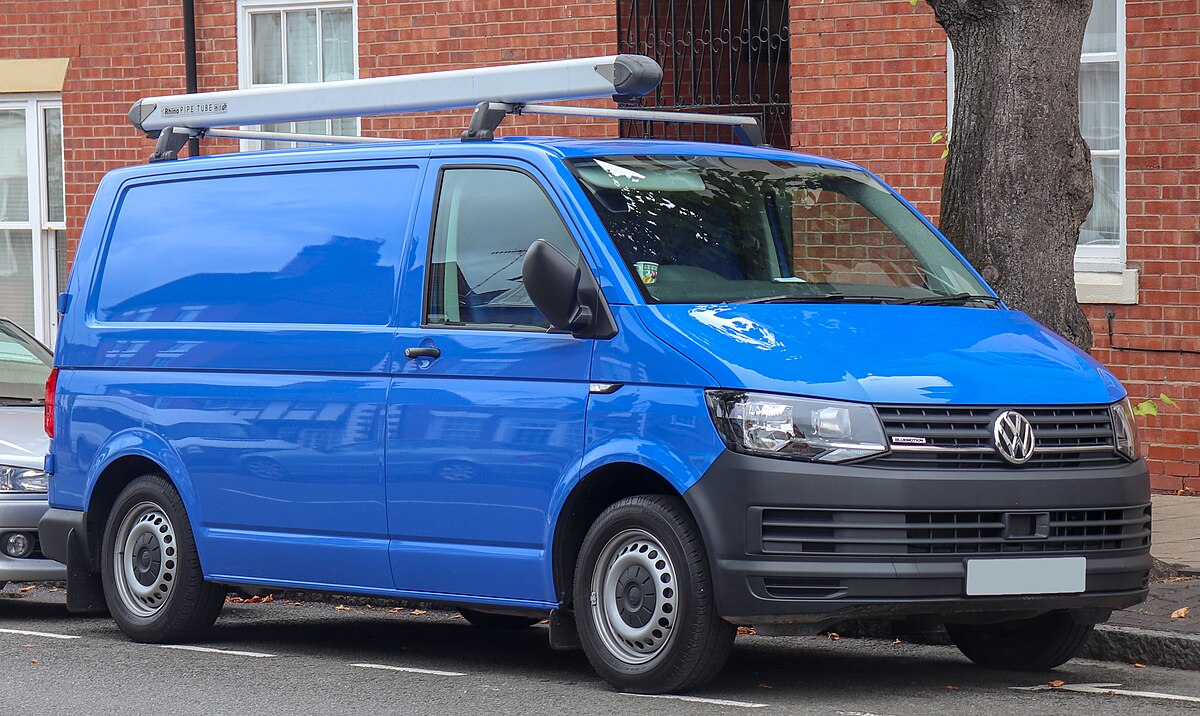
- Engine: 2.0L TDI diesel
- Horsepower: ~110 to 204 hp
- Torque: ~250 to 450 Nm (depending on version)
- Length: ~4,904 mm to 5,300 mm
- Width: ~1,904 mm (without mirrors)
4. Volkswagen Transporter
The Volkswagen Transporter is a popular premium work van known for its build quality, driving comfort, and strong performance. However, these advantages come with moderately higher long-term running costs compared to more budget-focused vans.
Fuel efficiency is decent but not class-leading. Depending on engine choice, it can consume more fuel than simpler competitors, especially under heavy load conditions. This can increase operational expenses for businesses with high mileage requirements.
Maintenance and repair costs are generally higher due to the use of advanced engineering and more complex electronic systems. While this improves driving experience and safety, it can lead to higher labor and parts costs over time.
On the positive side, the Transporter offers strong durability and a refined driving experience, which can reduce driver fatigue and improve productivity. Businesses that prioritize comfort for long-distance driving may find this beneficial despite the higher cost.
The Volkswagen Transporter is a solid but more expensive option to maintain in the long run. It suits businesses that value quality and comfort over absolute cost efficiency.
Also Read: 10 Cars That Drove Over 800,000 Miles
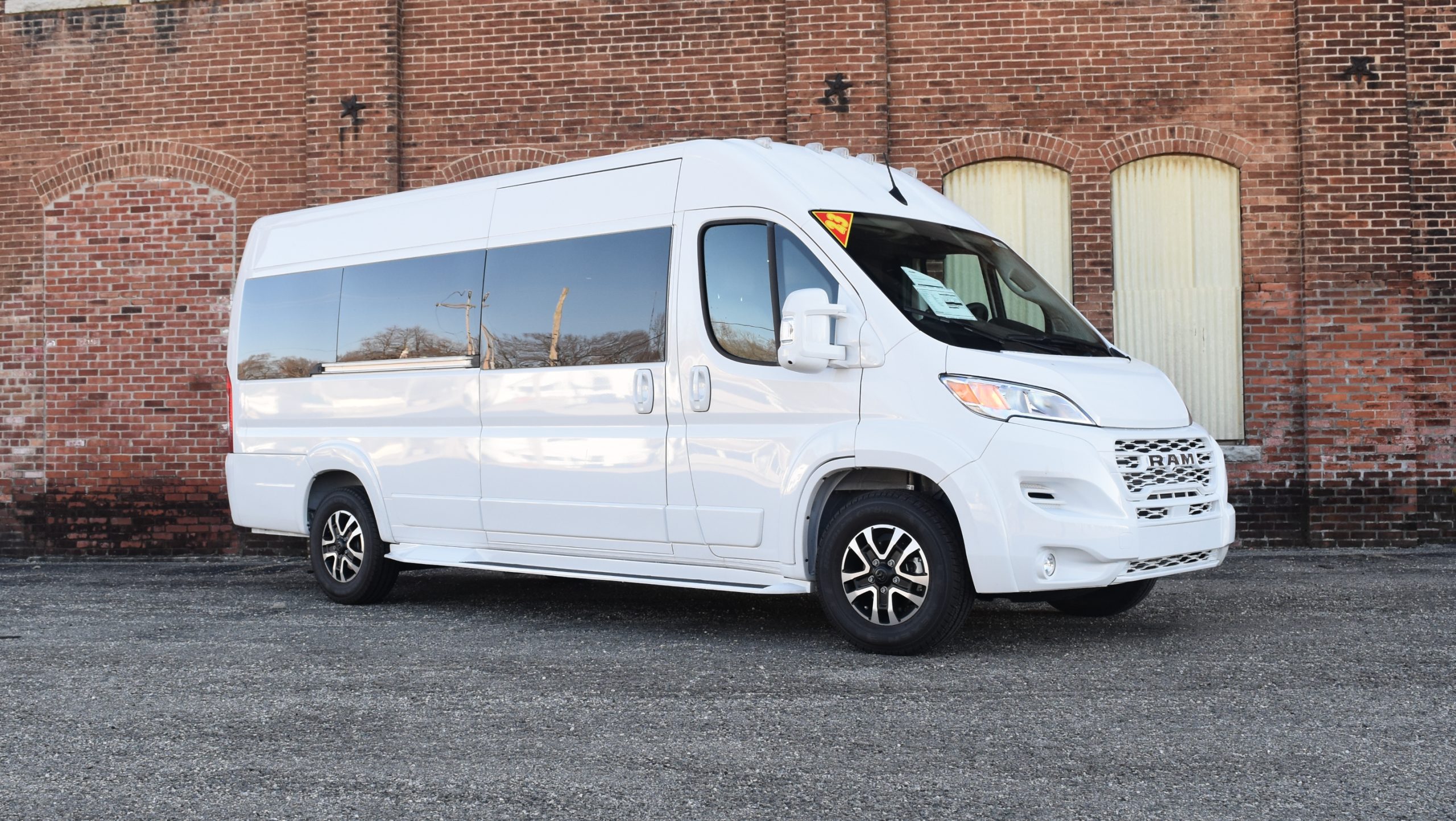
- Engine: 3.6L Pentastar V6 petrol (common variant)
- Horsepower: ~280 hp
- Torque: ~352 Nm
- Length: ~5,050 mm to 6,360 mm (various cargo lengths)
- Width: ~2,050 mm (body width), ~2,100+ mm with mirrors
5. Ram ProMaster
The Ram ProMaster is widely used in North America for delivery and service businesses. Its long-term running cost is considered moderate but can vary depending on usage patterns and maintenance discipline.
Fuel efficiency is average compared to competitors. While it performs adequately in city environments, heavy highway use can increase fuel consumption, impacting operating costs.
One of the advantages of the ProMaster is its simple Front Wheel Drive layout, which reduces some mechanical complexity and can lower certain repair costs. However, transmission and suspension wear can become a concern under heavy commercial use.
Maintenance costs are moderate, but parts availability outside North America may be limited, which can increase expenses in certain regions. Regular servicing is essential to avoid larger repair bills.
The Ram ProMaster offers a mixed cost profile. It can be economical in some conditions, but may become more expensive depending on the driving environment and maintenance habits.
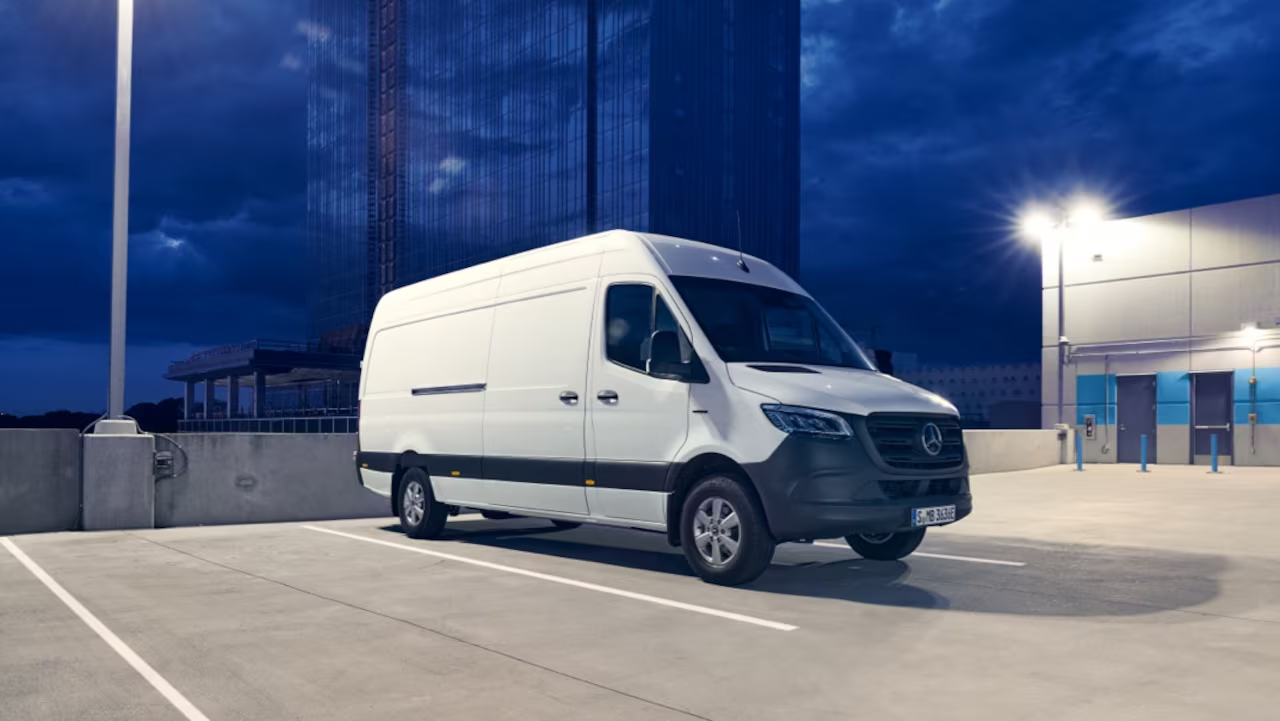
- Engine: 2.0L diesel / 3.0L V6 diesel (varies by market)
- Horsepower: ~114 to 190 hp (4-cylinder) / up to ~190–211 hp (V6 in older models)
- Torque: ~300 to 450 Nm
- Length: ~5,268 mm to 7,367 mm
- Width: ~1,993 mm (without mirrors)
6. Mercedes-Benz Sprinter
The Mercedes-Benz Sprinter is a premium commercial van known for its advanced engineering, high performance, and strong reputation in logistics and passenger transport. However, these features contribute to higher long-term running costs.
Fuel efficiency is reasonable for its size, but heavier configurations and powerful engine options can increase fuel consumption. Businesses operating large fleets may notice significant fuel expenses over time.
Maintenance and repair costs are among the highest in this category. The Sprinter uses advanced systems that require specialized servicing and expensive parts. Even routine repairs can cost more than average commercial vans.
Despite the higher cost, the Sprinter offers excellent durability and high load capacity. It is often used in demanding industries where performance and reliability are more important than cost savings.
The Mercedes-Benz Sprinter is a premium option with high operating expenses. It is best suited for businesses that prioritize capability and brand value over long-term cost efficiency.
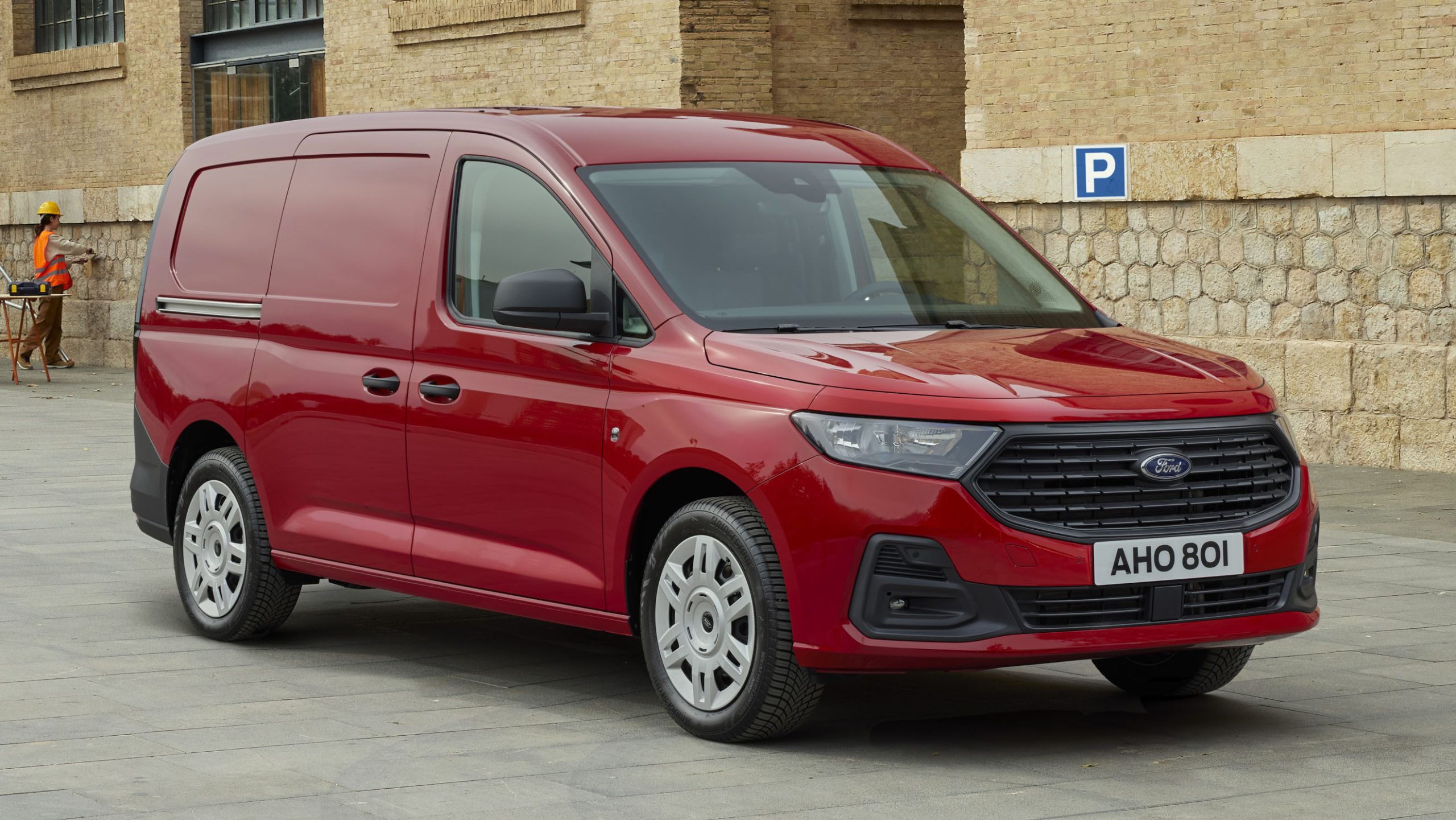
- Engine: 2.0L petrol / 2.5L petrol (NV1500/NV2500 variants)
- Horsepower: ~131 hp (NV200) up to ~261 hp (NV larger variants)
- Torque: ~190 Nm (NV200) up to ~385 Nm (NV larger variants)
- Length: ~4,400 mm (NV200) to ~6,200 mm (NV1500/NV2500)
- Width: ~1,695 mm (NV200) to ~2,030 mm (larger NV variants)
7. Nissan NV Series
The Nissan NV series, including models like the NV200 and NV1500, has been widely used in commercial applications but generally falls on the higher side of long-term running costs in modern comparisons.
Fuel efficiency is decent in smaller variants like the NV200, but larger models consume more fuel, especially under heavy payload conditions. This affects long-term operating expenses for high-mileage users.
A key challenge with the NV series is parts availability in some regions due to discontinuation or reduced production focus. This can increase maintenance costs and lead to longer downtime during repairs.
While the mechanical design is relatively simple, the aging platform means that long-term reliability may not match newer competitors. Businesses may face higher repair frequency as the vehicle ages.
The Nissan NV series can still be useful for budget-conscious buyers in the short term, but its long-term running cost tends to be higher compared to more modern and widely supported alternatives.
