
The automotive industry is entering a decisive transition period where hybrid technology is no longer just an optional bridge between internal combustion engines and full electrification but a central pillar of global mobility strategy.
By 2027, most major automakers are expected to expand their hybrid lineups significantly, refining efficiency, performance, and emissions control while maintaining affordability and driving familiarity for mainstream buyers. This shift is driven by stricter global emission regulations, rising fuel costs in many regions, and consumer demand for vehicles that balance sustainability with long-range practicality.
Hybrid vehicles combine a traditional internal combustion engine with an electric motor and battery system. This setup allows vehicles to optimize fuel consumption by switching between or blending power sources depending on driving conditions. In urban traffic, hybrids can operate on electric power at low speeds, reducing fuel usage and emissions.
On highways, the combustion engine takes a more active role, ensuring sustained performance without range anxiety. Over the years, hybrid systems have evolved from simple fuel-saving mechanisms into highly sophisticated powertrains capable of delivering both efficiency and strong acceleration.
As we approach 2027, manufacturers such as Toyota, Honda, Hyundai, Kia, Ford, Jeep, and BMW are expected to refine existing hybrid platforms rather than completely redesign them.
This means better battery density, improved regenerative braking, smarter energy management systems, and more seamless integration between electric motors and combustion engines. In many cases, these upgrades will not result in entirely new nameplates but rather enhanced hybrid versions of already popular models.
The appeal of hybrids remains particularly strong in markets like India, Europe, and North America, where infrastructure for full electric vehicles is still developing unevenly.
For many consumers, hybrids represent the most practical step toward electrification without requiring lifestyle changes such as installing home charging systems or planning long trips around charging stations. This is why the next wave of hybrid models is expected to dominate global sales charts in the mid 2020s.
In this article, we explore eight anticipated hybrid versions of popular models that are expected to evolve or arrive in refined form by 2027. These models are not speculative inventions but grounded in current automotive trends, existing hybrid platforms, and manufacturer direction.
Each section breaks down how these vehicles are likely to improve, what technologies they may adopt, and why they matter in the broader shift toward electrified transportation.
Also Read: 7 Most Reliable Motorcycles You Can Buy Today
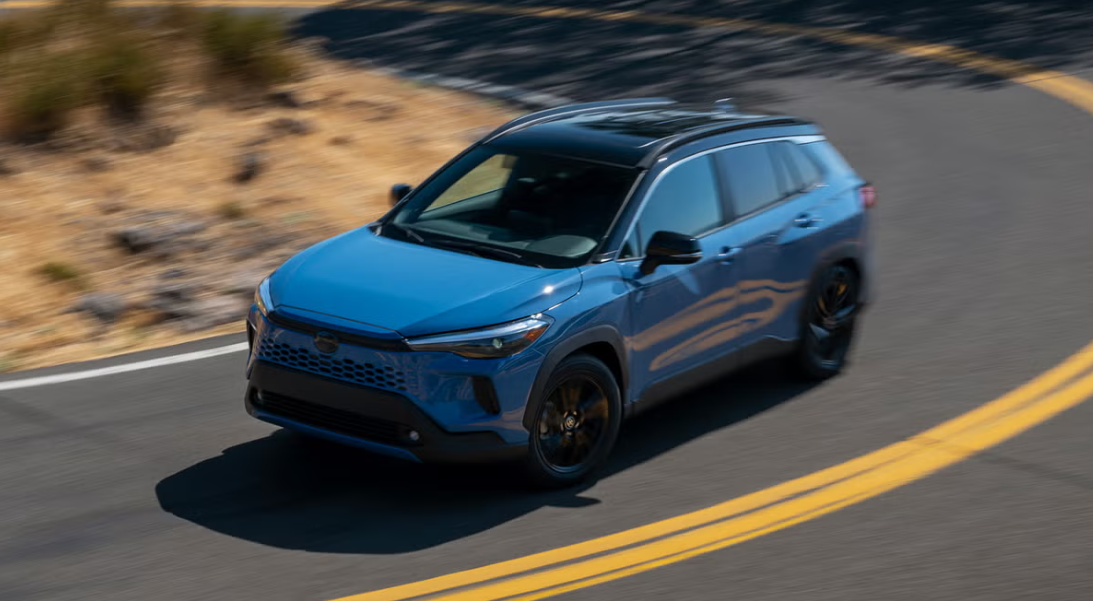
- Engine: 1.8L 4-cylinder petrol hybrid system
- Horsepower: ~138 hp (combined system output)
- Torque: ~142 Nm (approx combined system torque, varies by market)
- Length: ~4630 mm
- Width: ~1780 mm
1. Toyota Corolla Hybrid Evolution for 2027
The Toyota Corolla Hybrid is expected to remain one of the world’s most significant compact hybrid vehicles by 2027.
Toyota has consistently positioned the Corolla as a dependable, fuel-efficient, and affordable vehicle, and its hybrid version has played a key role in bringing electrification to mainstream buyers. The next evolution is likely to focus on improving efficiency, enhancing driving refinement, and integrating more advanced software-driven energy management systems.
One of the most expected improvements is in battery technology. By 2027, Toyota is likely to adopt higher-density lithium-ion or next generation solid state influenced batteries in its hybrid lineup.
This would allow the Corolla Hybrid to run longer distances in electric-only mode at low speeds, particularly in urban environments like city traffic. The goal is not to transform it into a full electric vehicle but to reduce fuel dependency significantly during daily commuting cycles.
Major focus will be on refinement in hybrid synchronization. The seamless interaction between the gasoline engine and electric motor is expected to become even smoother, reducing the slight hesitation that can sometimes be felt in current hybrid systems.
This will likely be achieved through improved software control units and predictive energy distribution based on navigation data and driving behavior.
Interior technology is also expected to evolve. By 2027, the Corolla Hybrid will likely feature a more advanced infotainment system with deeper integration of driver assistance systems.
Features such as adaptive cruise control, lane centering, and predictive braking will likely become standard rather than optional, making the vehicle safer and more aligned with semi-autonomous driving trends.
Toyota may focus on reducing the carbon footprint of production and lifecycle emissions. This includes more recyclable materials in interior design and improved manufacturing efficiency.
The Corolla Hybrid is expected to remain a global leader in the compact hybrid segment due to its balance of affordability, reliability, and continuous incremental innovation.
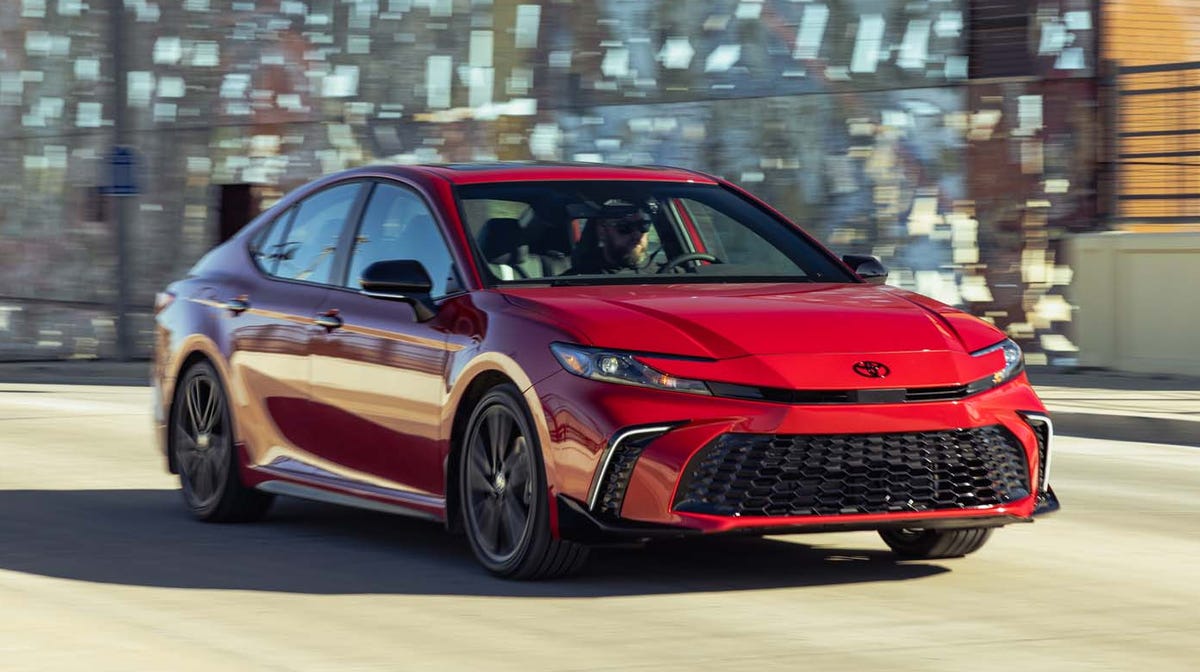
- Engine: 2.5L 4-cylinder petrol hybrid system
- Horsepower: ~225 hp (FWD), up to ~232 hp (AWD variant)
- Torque: ~221 Nm (engine torque, system figures not directly standardized)
- Length: ~4885 mm
- Width: ~1840 mm
2. Toyota Camry Hybrid
The mid-size sedan segment will continue to be led by models such as the Toyota Camry Hybrid, which is expected to receive a significant hybrid-focused update by 2027. The Camry has already transitioned heavily toward hybridization in many markets, and the next generation is likely to deepen this commitment by making hybrid powertrains the default or even exclusive option in some regions.
A key development expected in the Camry Hybrid is improved thermal efficiency of its internal combustion engine. Toyota has been working on highly efficient engines that maximize energy extraction from fuel, and by 2027, these improvements are likely to be integrated with next-generation hybrid systems. This would result in better mileage figures and lower emissions without sacrificing performance.
Performance tuning is also expected to improve. Unlike earlier hybrids that prioritized efficiency over driving dynamics, the next Camry Hybrid is likely to offer a more engaging driving experience. Electric motor assistance will likely be enhanced to provide stronger acceleration from a standstill, making the vehicle feel more responsive in urban and highway conditions.
Comfort and cabin refinement will remain central to the Camry identity. By 2027, we can expect a quieter cabin due to improved sound insulation and more frequent electric-only operation at low speeds. This will make the vehicle feel more premium, aligning it closer to entry luxury sedans.
Toyota is expected to integrate more connected vehicle technology. The Camry Hybrid will likely feature over-the-air updates, advanced driver monitoring systems, and predictive maintenance alerts. These upgrades will ensure the vehicle remains relevant in a rapidly digitizing automotive ecosystem.
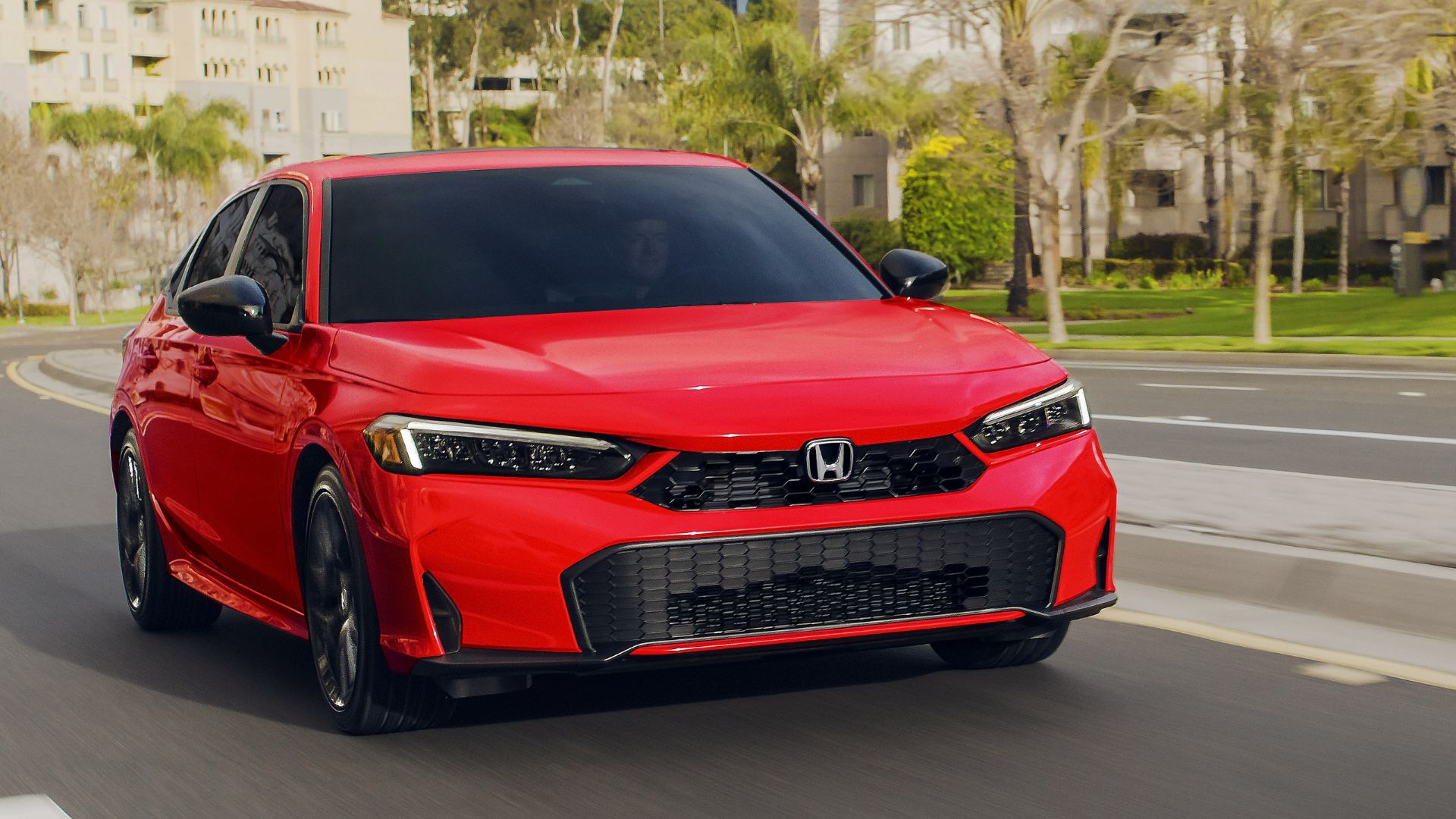
- Engine: 2.0L 4-cylinder Atkinson-cycle hybrid system (e:HEV)
- Horsepower: ~200 hp (estimated combined output)
- Torque: ~315 Nm (approx combined electric assist torque)
- Length: ~4670 mm
- Width: ~1800 mm
3. Honda Civic Hybrid
Hybrid technology is expected to play an increasingly important role in the compact car segment, with the Honda Civic Hybrid positioned as a key part of that shift by 2027. Building on the success of Honda’s e:HEV powertrains, the Civic is likely to strengthen its position as one of the company’s leading hybrid models across global markets.
One of the most important expected improvements is in real-world fuel efficiency. Honda’s hybrid system is designed for high efficiency in both city and highway driving, and future updates will likely optimize engine load balancing further. This means the Civic Hybrid could achieve even more consistent fuel savings across different driving conditions.
One area of advancement is weight reduction. By 2027, Honda may incorporate more lightweight materials in the Civic’s structure, improving both performance and efficiency. Reduced weight directly enhances acceleration, braking, and energy recovery through regenerative systems.
The Civic Hybrid is also expected to receive upgrades in digital integration. A more intelligent infotainment system with improved voice control, smartphone connectivity, and real-time energy flow visualization will likely become standard. This will help drivers better understand and optimize their driving habits.
Safety technology will continue to improve as well. Honda Sensing, the brand’s driver assistance suite, is expected to become more predictive, using enhanced sensors and AI-based algorithms to anticipate traffic behavior. This will make the Civic Hybrid one of the safest compact cars in its category.
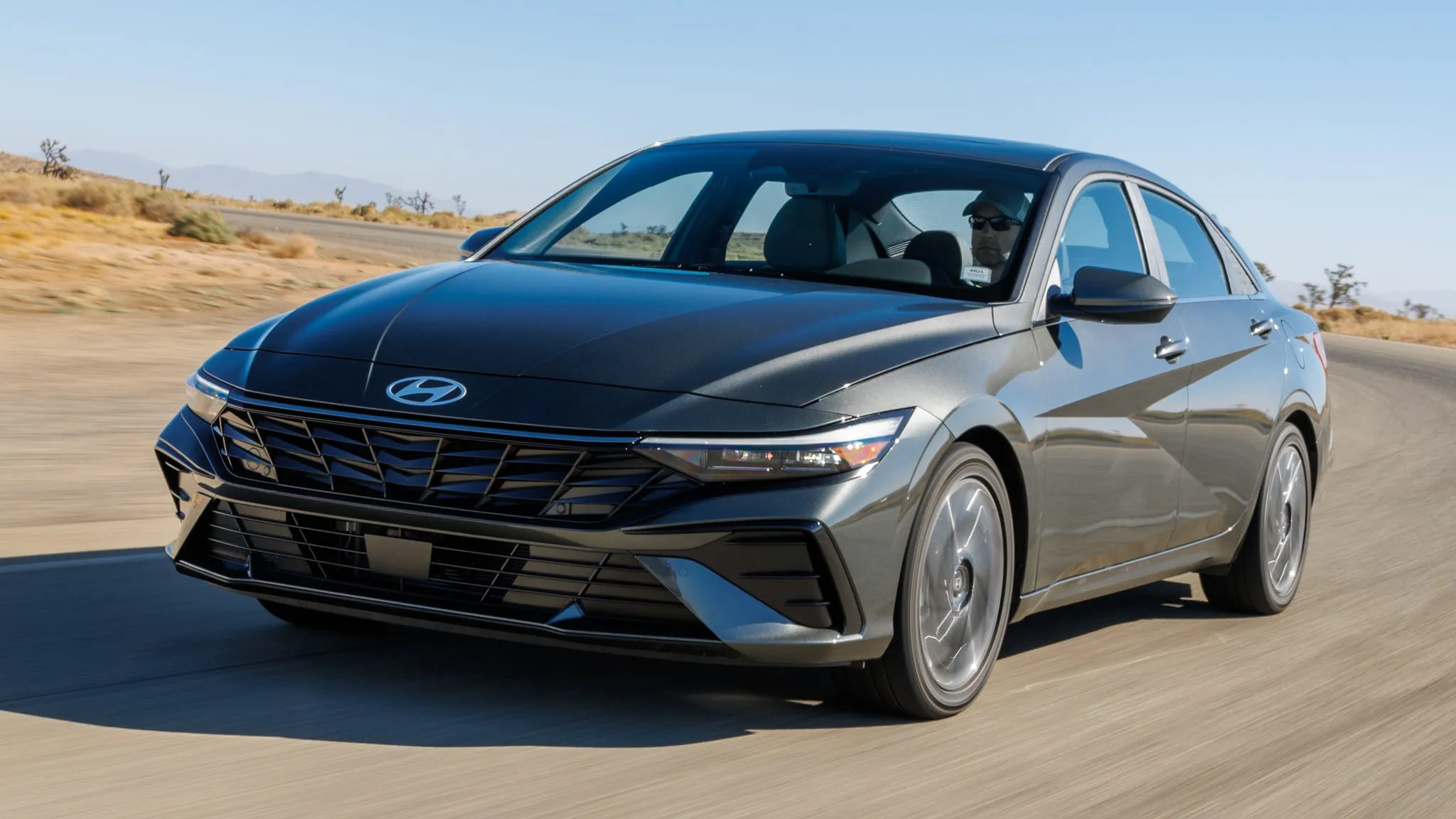
- Engine: 1.6L 4-cylinder petrol hybrid system
- Horsepower: ~139 hp (combined system output)
- Torque: ~264 Nm (combined system output)
- Length: ~4650 mm
- Width: ~1825 mm
4. Hyundai Elantra Hybrid
As hybrid technology continues to advance, the Hyundai Elantra Hybrid is expected to receive significant updates by 2027. Hyundai’s ongoing investment in electrification and hybrid development will likely translate into improved efficiency, enhanced technology, and a more competitive package for the Elantra Hybrid within the compact sedan segment.
A major focus will be on efficiency improvements in urban driving conditions. Hyundai is expected to refine its hybrid motor control systems to increase electric-only operation in stop-and-go traffic. This will make the Elantra Hybrid particularly attractive in densely populated cities where fuel efficiency is most critical.
One anticipated development is enhanced driving comfort. Suspension tuning and noise insulation are likely to be improved, making the cabin quieter and smoother over rough roads. This aligns with Hyundai’s strategy of offering premium features at mainstream prices.
The Elantra Hybrid is also expected to benefit from expanded digital dashboards and connected services. Real-time driving analytics, energy monitoring, and predictive route optimization could become standard features, helping drivers maximize fuel economy effortlessly.
Hyundai may strengthen the design language of the Elantra Hybrid by 2027, giving it a more futuristic and aerodynamic appearance. This would not only improve aesthetics but also contribute to better efficiency through reduced drag.
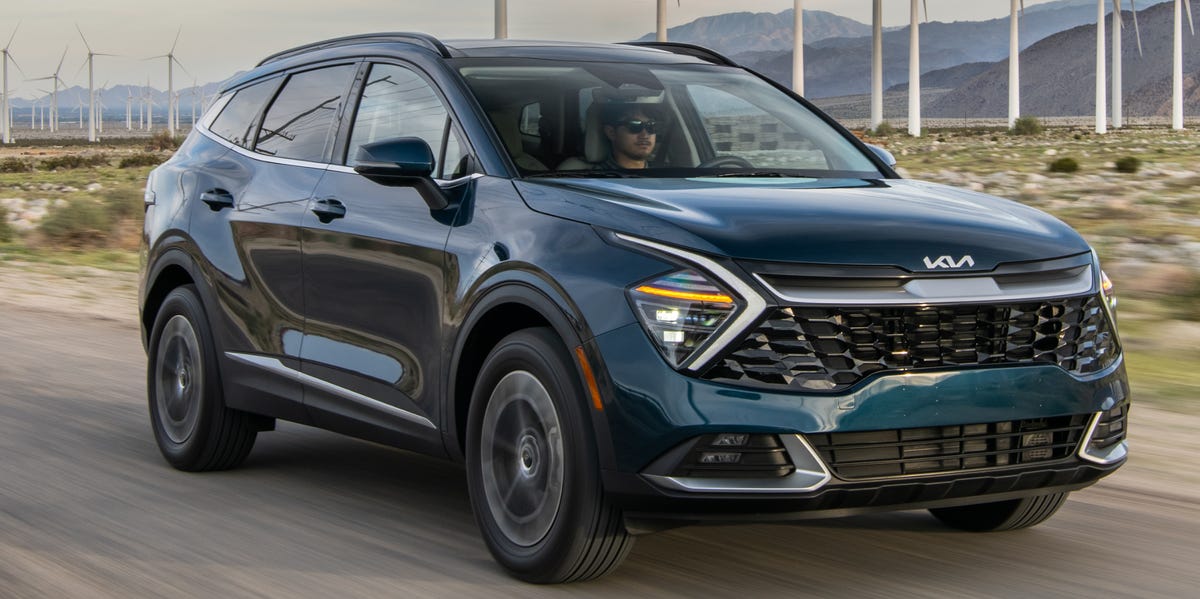
- Engine: 1.6L turbocharged 4-cylinder hybrid system
- Horsepower: ~227 hp (FWD), slightly higher in AWD setups
- Torque: ~350 Nm (approx combined system torque)
- Length: ~4660 mm
- Width: ~1865 mm
5. Kia Sportage Hybrid Growth
The growing popularity of SUVs is expected to further strengthen the role of hybrid models such as the Kia Sportage Hybrid by 2027. With buyers increasingly seeking a combination of practicality, performance, and fuel efficiency, the Sportage Hybrid is likely to receive notable improvements that enhance its appeal in a highly competitive segment.
One of the main expected improvements is in torque delivery. Hybrid SUVs benefit significantly from electric motor assistance, and by 2027, the Sportage Hybrid is likely to offer smoother and stronger low-end torque for city driving and light off-road conditions.
Fuel efficiency will also see incremental gains. Kia is expected to optimize its hybrid system for both highway cruising and urban stop-start traffic, ensuring balanced performance across different driving environments.
Interior space utilization and comfort will remain strong priorities. The Sportage Hybrid is likely to feature improved seating materials, better cabin insulation, and more flexible cargo configurations, making it ideal for families and long-distance travel.
Advanced driver assistance systems will also become more refined. Features such as lane keeping, adaptive cruise control, and collision avoidance are expected to become more accurate and responsive, improving both safety and convenience.
Also Read: 10 Cars That Drove Over 800,000 Miles
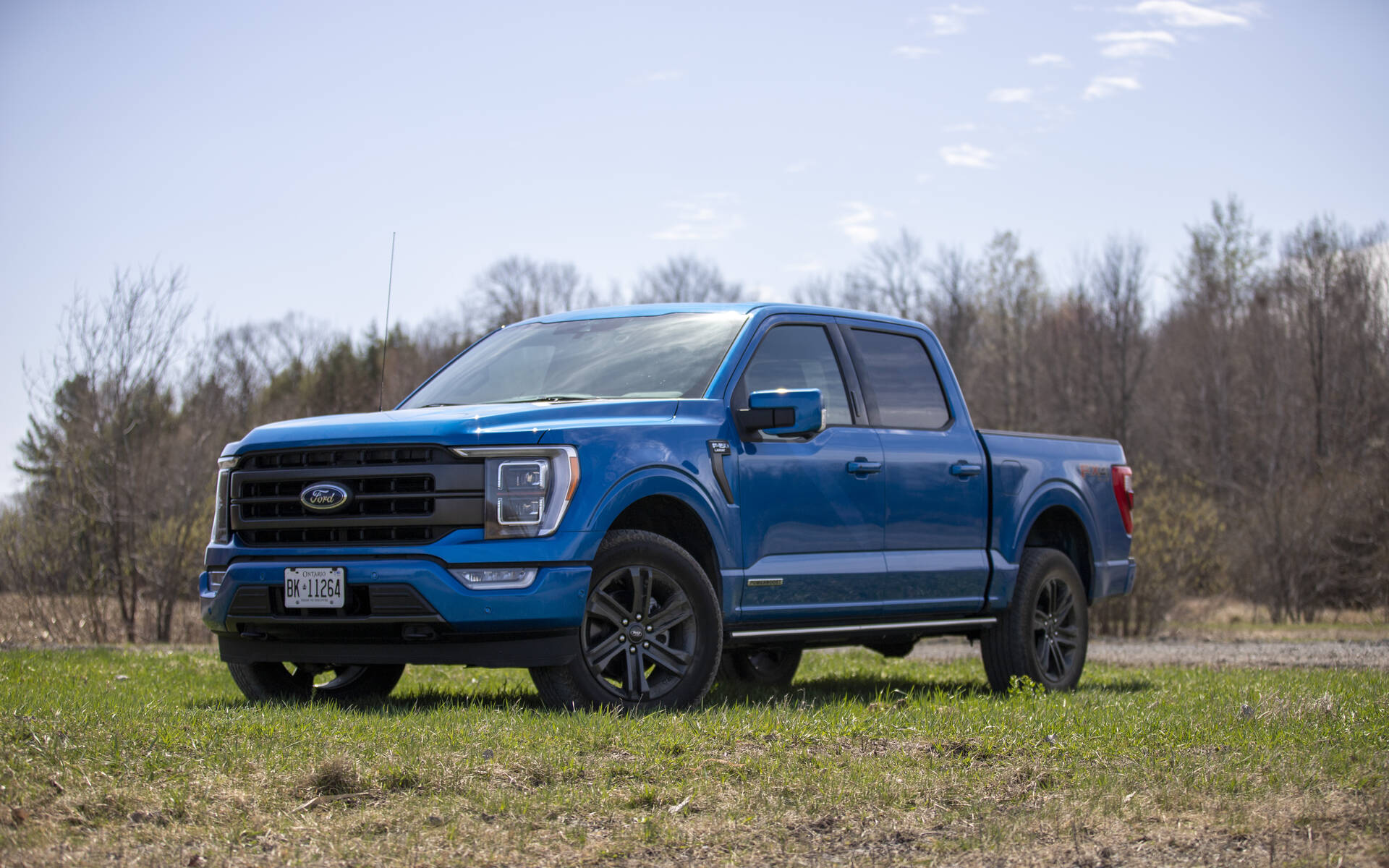
- Engine: 3.5L V6 twin-turbo hybrid system
- Horsepower: ~430 hp
- Torque: ~773 Nm
- Length: ~5310 mm to ~6180 mm (varies by bed configuration)
- Width: ~2030 mm (without mirrors)
6. Ford F-150 Hybrid
One of the most important hybrid pickup trucks expected to evolve by 2027 is the Ford F-150 Hybrid. The F-150 is already a dominant force in the pickup segment, and its hybrid version represents a crucial step toward reducing fuel consumption in heavy-duty vehicles.
A major expected improvement is in towing efficiency. Hybrid systems can provide additional torque at low speeds, which is particularly useful for towing and hauling. By 2027, this capability is expected to become even more refined and predictable.
Power management systems are also likely to improve significantly. The truck will likely feature a smarter distribution of power between the engine and electric motor, ensuring optimal performance under load while maintaining fuel efficiency.
Worksite utility features may expand as well. Hybrid power could be used to supply external electrical devices, making the truck more useful for construction, camping, and emergency scenarios.
Ford is expected to enhance software integration, allowing drivers to monitor energy usage, towing efficiency, and maintenance needs through advanced digital dashboards.
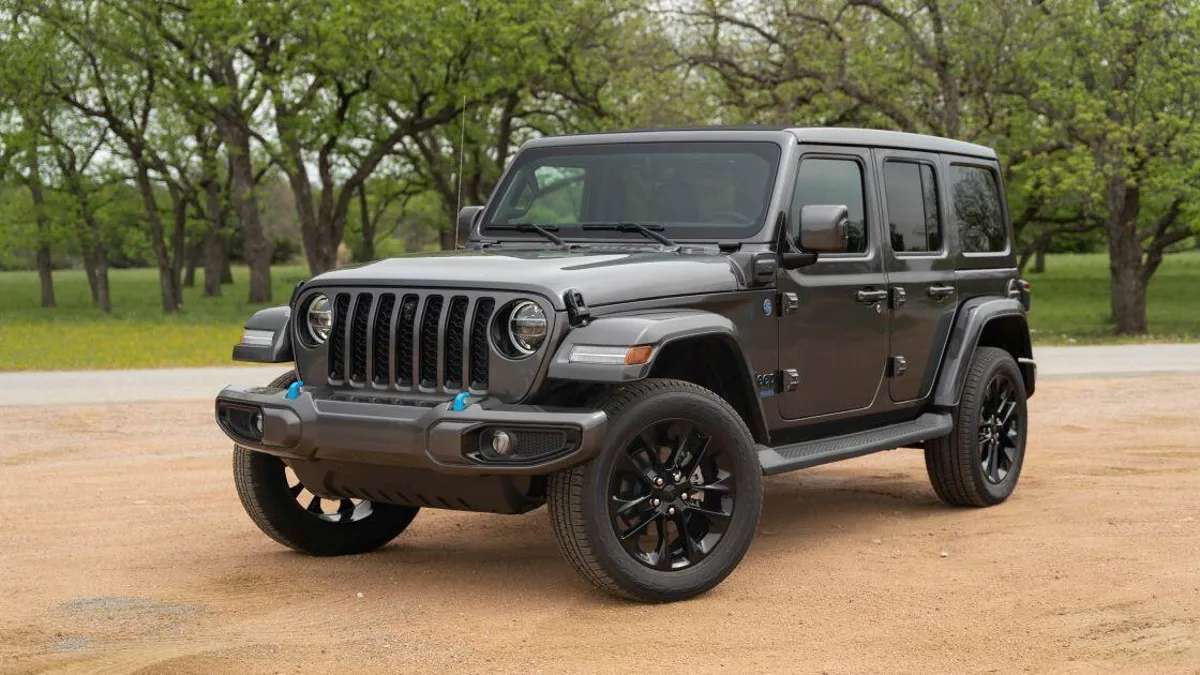
- Engine: 2.0L turbocharged 4-cylinder plug-in hybrid system
- Horsepower: ~375 hp
- Torque: ~637 Nm
- Length: ~4785 mm (4-door Unlimited variant)
- Width: ~1875 mm
7. Jeep Wrangler 4xe
Off-road hybrid technology will continue advancing through models like the Jeep Wrangler 4xe, which already demonstrates the potential of plug-in hybrid systems in rugged environments. By 2027, this model is expected to become more efficient while maintaining its iconic off-road capability.
One key improvement will be an extended electric range for low-speed off-road driving. This allows silent operation in natural environments, reducing noise impact while improving traction control in challenging terrain.
Battery durability is also expected to improve, with better protection against heat, water, and impact. This is essential for maintaining reliability in extreme conditions.
Off-road performance tuning will likely become more intelligent, with hybrid systems adjusting torque distribution dynamically based on terrain type.
Jeep is expected to integrate more advanced navigation systems tailored for off-road exploration, helping drivers plan routes and avoid difficult terrain.
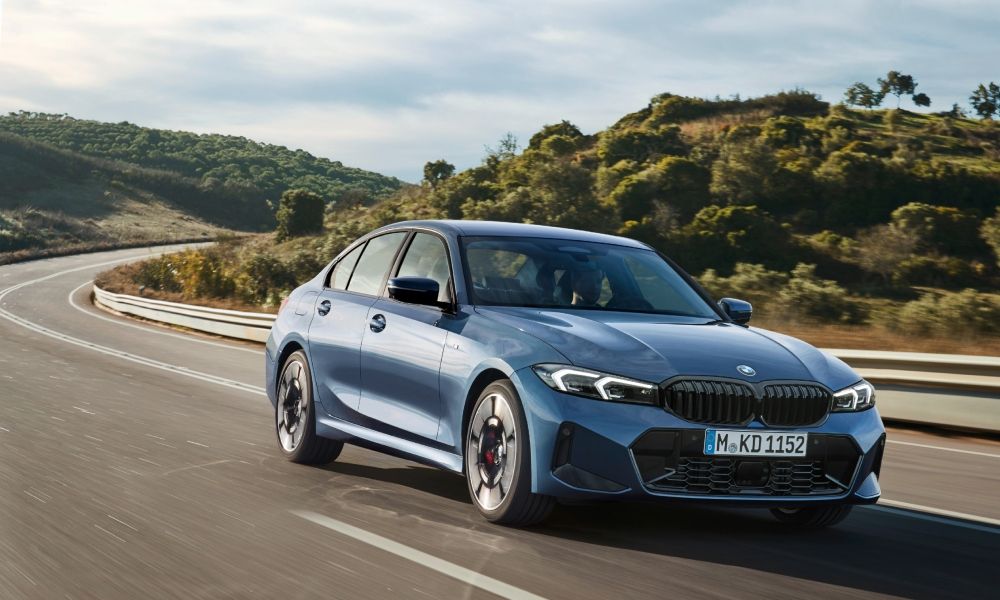
- Engine: 2.0L turbocharged 4-cylinder plug-in hybrid system
- Horsepower: ~288 hp (combined output)
- Torque: ~420 Nm
- Length: ~4713 mm
- Width: ~1827 mm
8. BMW 3 Series Hybrid Enhancement
Among luxury sedans, the BMW 3 Series Plug-in Hybrid is expected to remain a standout choice as manufacturers continue expanding their electrified offerings. Advances in hybrid technology by 2027 could provide improved electric range, greater efficiency, and stronger performance, further enhancing the blend of practicality and driving enjoyment for which the 3 Series is known.
A major expected improvement is in the electric-only range. Plug-in hybrid systems are rapidly improving, and the 3 Series is likely to offer significantly extended electric driving capability for daily commuting.
Performance remains central to BMW’s identity, so hybrid assistance will likely be tuned to enhance acceleration and responsiveness rather than simply reduce fuel consumption.
Interior technology will also advance, with more immersive digital dashboards, AI-assisted driving features, and seamless connectivity across devices.
BMW is expected to refine chassis dynamics to ensure that adding hybrid components does not compromise handling, maintaining the brand’s signature driving feel.
