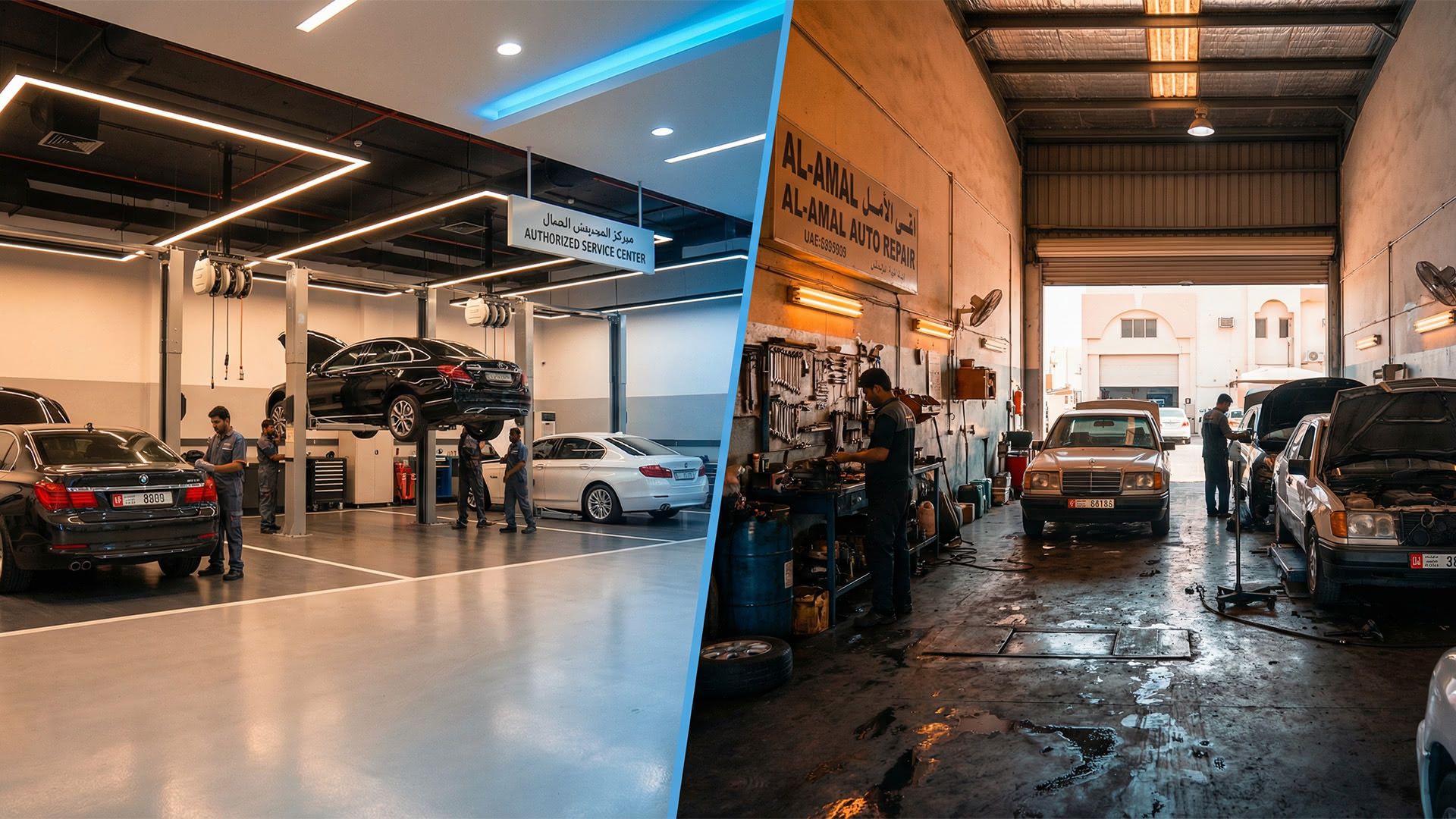
Vehicle repairs can create a difficult decision for owners once the factory warranty has ended. A dealership may seem like the safest choice because its technicians work with one brand, use factory diagnostic equipment, and can access original manufacturer parts.
Those advantages matter for recalls, warranty claims, software updates, and certain complicated brand-specific problems. Yet a dealership is not automatically the best-value option for every repair.
Independent repair shops often charge lower labor rates, have less overhead, and may offer choices between original equipment parts and high-quality aftermarket replacements. The difference can be substantial for common jobs, although it is not accurate to say every dealer’s repair costs exactly three times as much.
Price gaps depend on the vehicle, local labor rates, part availability, repair complexity, and whether a shop uses factory or aftermarket components. Recent comparisons show dealer labor rates can be much higher than independent-shop rates, which becomes especially important on labor-heavy repairs.
The smartest approach is to compare written estimates that list parts, labor hours, diagnostic charges, taxes, shop supplies, and warranty coverage. A low quote is not always a good quote if it uses poor-quality parts or skips necessary work.
Still, for many out-of-warranty vehicles, a qualified independent shop can complete routine repairs safely while saving a meaningful amount of money.
Also Read: 10 Trucks That Held Their Value Better Than Most Over the Last Decade
1. Brake Pads, Rotors, And Caliper Service
Brake work is one of the most common areas where dealership pricing can rise quickly. A dealer may quote original manufacturer brake pads, rotors, hardware, fluid service, and a higher hourly labor rate as one large package. On some vehicles, this can produce a bill that feels disproportionate to what appears to be a straightforward repair.
An independent shop can often perform the same work using original-equipment-equivalent pads and rotors from established brake suppliers. These parts can meet the vehicle’s requirements without carrying the same dealership parts markup.
The shop may also offer several choices, such as a standard daily-driving pad, a low-dust pad, or a premium option for drivers who tow or carry heavy loads.
The key is not to choose the cheapest brake quote without asking questions. A proper estimate should identify whether it includes pads, rotors, caliper inspection, brake hardware, fluid condition, and road testing.
Some shops quote pads only, then add rotors and hardware later. Others may recommend calipers when only a sticking slide pin needs service.
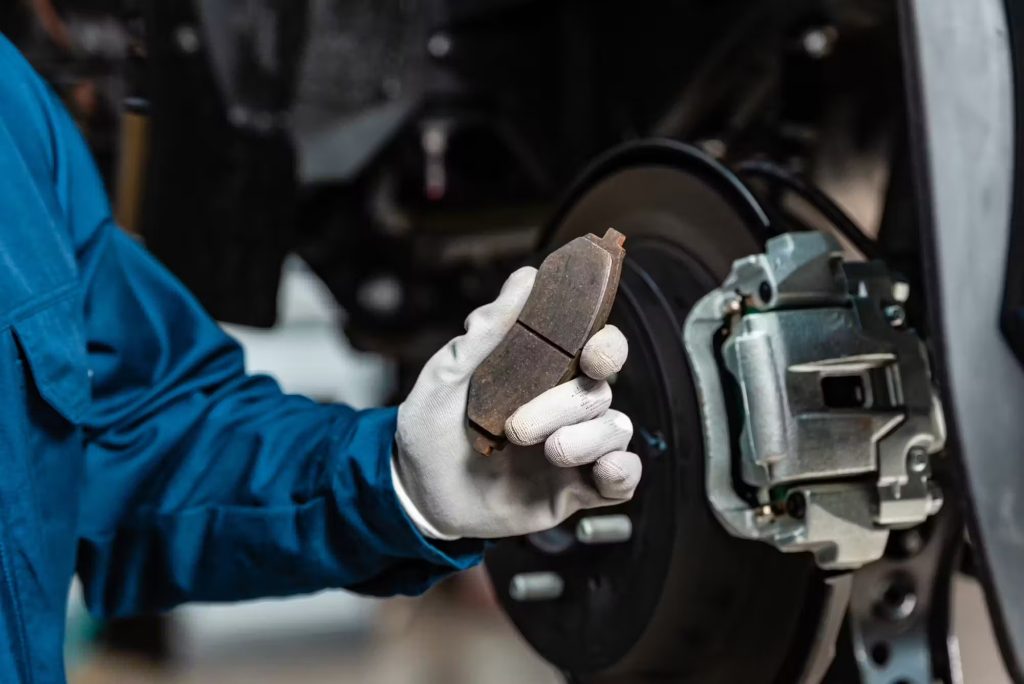
Brake repairs should never be delayed when there is grinding, vibration, a soft pedal, pulling during braking, warning lights, or visible fluid leaks. This is a safety system, so the goal is not simply to spend less. The goal is to receive correct work with reliable components.
A dealer can still make sense when brake work is covered under warranty, involves an electronic brake issue, or requires a manufacturer-specific procedure. For a standard out-of-warranty pad-and-rotor replacement, however, an experienced independent shop is often worth comparing.
2. A/C Compressor And Refrigerant System Repairs
Air-conditioning repairs can become expensive at a dealership because the system includes several connected components.
A compressor replacement may require refrigerant recovery, evacuation, recharging, oil balancing, seals, a receiver-drier or accumulator, and checks for contamination. If the dealer uses only factory components and applies a high labor rate, the final invoice can climb rapidly.
Independent A/C specialists can be a strong alternative for an out-of-warranty vehicle. Many have the same recovery equipment, pressure-testing tools, and refrigerant-handling capability needed to diagnose leaks and repair climate-control systems properly.
They may also provide choices between factory parts, premium aftermarket compressors, and remanufactured units when appropriate.
A failing compressor should not be diagnosed from warm air alone. Low refrigerant, a leaking hose, a failed relay, a damaged condenser, a blocked expansion valve, or an electrical fault can produce similar symptoms.
Paying for a proper diagnosis may prevent an unnecessary compressor replacement. Kelley Blue Book notes that compressor replacement costs can vary widely, while the total can include labor and refrigerant service in addition to the component itself.
Before approving work, ask whether the estimate includes flushing the system if contamination is present, replacing required seals, checking the condenser, and adding the correct refrigerant amount. A cheaper repair that ignores metal debris or a major leak can fail quickly.
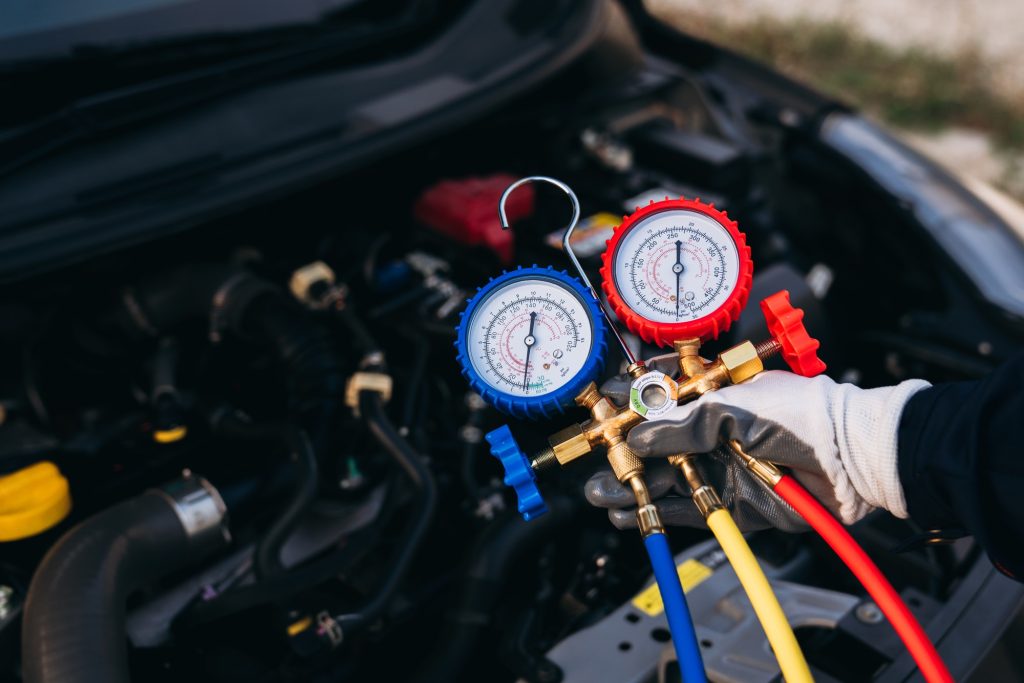
The dealer remains the better option when the repair is covered by warranty, the vehicle has a manufacturer campaign, or the climate-control system requires a brand-specific software update. For many conventional A/C repairs, a certified independent specialist can offer a much more competitive price.
3. Wheel Bearing And Hub Assembly Replacement
A worn wheel bearing can begin as a faint humming sound that becomes louder with speed. Many drivers mistake it for tire noise, especially when the sound changes on different road surfaces.
In some cases, the noise becomes more noticeable while turning because the vehicle’s weight shifts from one side to the other. If ignored for too long, a damaged bearing can create wheel play, vibration, uneven tire wear, and unsafe handling.
Dealerships often replace the complete hub assembly rather than servicing individual bearing components. This approach can be efficient and may follow the manufacturer’s recommended procedure, but the price can become high once factory parts and dealer labor rates are added.
On certain vehicles, the repair may also involve sensors, axle hardware, seized bolts, or suspension disassembly, which increases the labor charge.
A skilled independent repair shop can usually handle this job at a lower cost, particularly when it has access to quality replacement hub assemblies from established suppliers.
The important detail is confirming that the shop uses a reputable part rather than the cheapest available option. Low-quality bearings can develop noise early, trigger wheel-speed sensor issues, or fail under heavy use.
The technician should also inspect the surrounding components before replacing the hub. A damaged tire, worn CV joint, loose suspension part, or uneven tread pattern can create sounds that resemble a failed wheel bearing. A careful diagnosis prevents the owner from paying for the wrong repair.
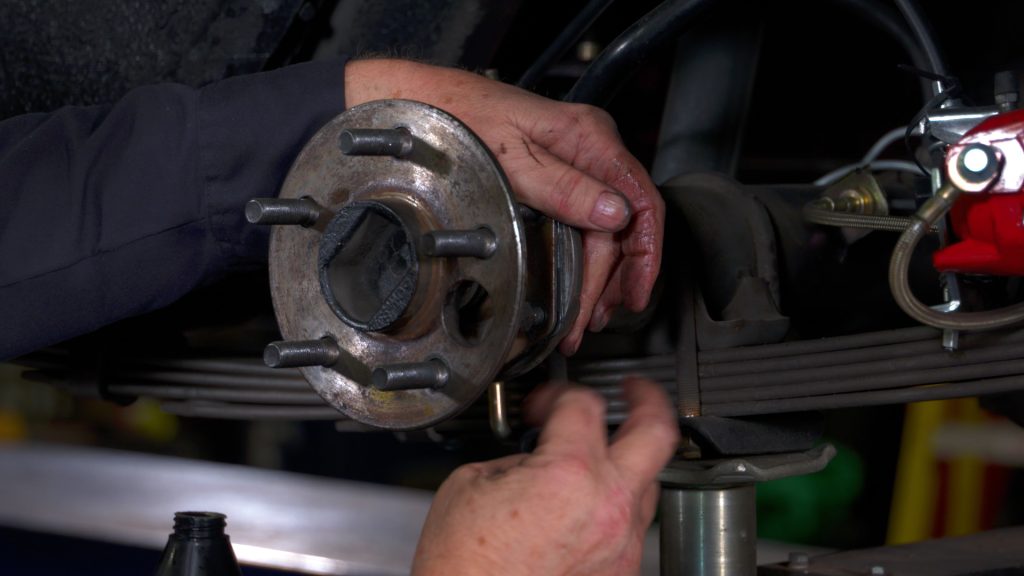
This is not a job to delay once the bearing has confirmed play or severe noise. A proper independent shop can offer meaningful savings, but the repair should be completed promptly and with dependable parts.
4. Alternator Replacement And Charging-System Diagnosis
A weak alternator can cause a vehicle to behave in confusing ways. The battery warning light may appear, the headlights can dim, the infotainment screen may restart, the power steering assistance may feel different, or the engine may eventually stall after the battery loses its charge.
Because modern vehicles rely heavily on electrical systems, an alternator problem can look more serious than it actually is.
At a dealership, the repair bill may include a factory alternator, diagnostic charges, battery testing, belt inspection, and higher labor costs. Those steps are not unnecessary, but the total can become difficult to justify on an older vehicle that is no longer covered by warranty.
An independent shop may be able to perform the same charging-system diagnosis and replacement using either an original-equipment alternator or a high-quality new aftermarket unit.
The diagnosis matters as much as the replacement. A battery warning light does not automatically mean the alternator has failed.
Loose battery terminals, a worn drive belt, corroded wiring, a failing battery, damaged grounds, or a blown fuse can create similar symptoms. Replacing the alternator without testing the voltage output and system condition can waste money.
A reliable independent technician should check battery health, alternator output, belt condition, voltage drop, and electrical connections before recommending major work.
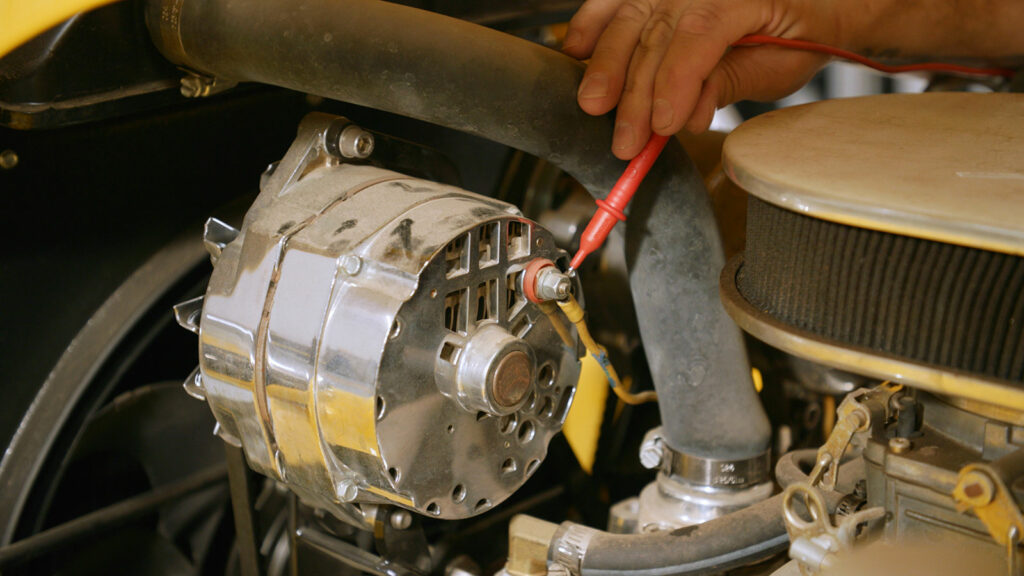
If the alternator is confirmed faulty, ask whether the estimate includes the belt or tensioner inspection, since those parts can affect charging performance.
Drivers should avoid continuing to operate the vehicle after serious charging symptoms appear. Once the battery is depleted, the engine can shut down without warning. Comparing estimates can save money, but a quick diagnosis remains important.
5. Starter Motor Replacement
A vehicle that clicks once, cranks slowly, or refuses to start can create immediate frustration, particularly when the problem appears before work, school, or a long trip. Many owners assume the battery is responsible, but a worn starter motor can produce very similar symptoms.
The starter is responsible for turning the engine over during ignition, and when its internal components begin to fail, the vehicle may start intermittently before refusing to crank at all.
Dealership starter replacement can become expensive because the quote may include a factory starter, diagnostic labor, battery testing, electrical inspection, and a higher hourly rate.
In some vehicles, the starter is buried beneath intake components, near the transmission, or in a location that requires several parts to be removed. Labor time can therefore make the repair much more costly than the part itself.
An independent shop can often perform the same repair for less, especially when it has access to reliable original-equipment or premium aftermarket starters.
The owner should avoid the cheapest remanufactured unit available, because poor rebuild quality can lead to repeat failures, weak cranking, or fitment problems. A quality new starter may cost more initially but can provide better long-term reliability.
Before replacing the starter, a technician should inspect the battery, cables, ground connections, ignition switch signals, starter relay, and charging system. Corroded terminals or a weak battery can imitate starter failure.
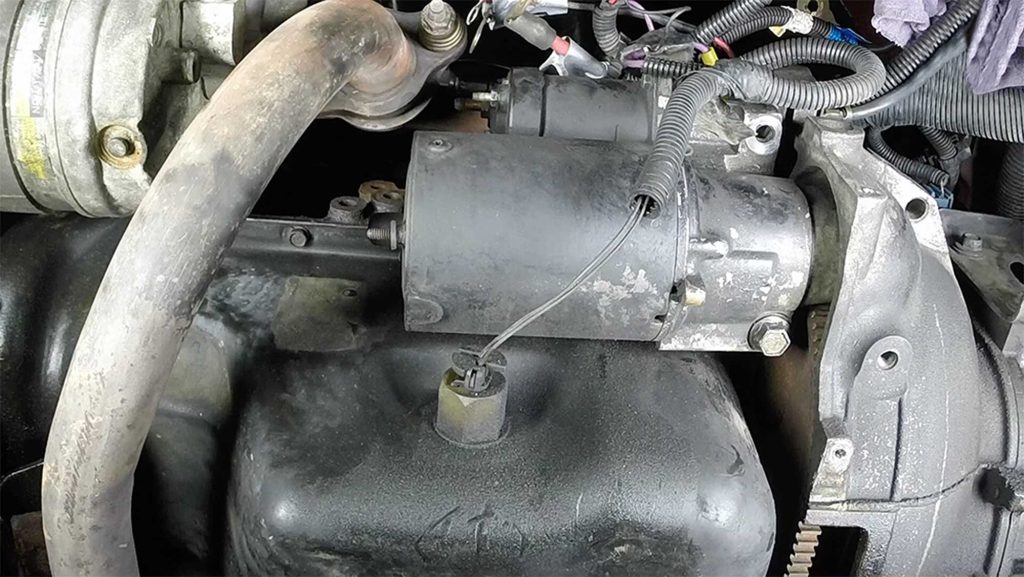
A proper voltage-drop test can help identify whether the problem is truly inside the starter circuit.
If the starter is confirmed faulty, comparing an independent-shop estimate with a dealer quote can be worthwhile. The repair is common, and a capable local technician can usually complete it without needing dealership-only equipment.
6. Engine Mount Replacement
Engine mounts are designed to secure the engine and transmission while reducing vibration inside the cabin. They are often ignored because they do not receive the same attention as brakes, tires, or oil changes.
However, worn mounts can create noticeable symptoms, including clunks during acceleration, vibration at idle, harsh shifting sensations, and movement under the hood when the vehicle is placed in gear.
At a dealership, engine mount replacement can carry a high price because access is often difficult. The engine may need to be supported from above or below while one or more mounts are removed.
On some vehicles, the technician must work around exhaust components, subframes, suspension parts, or tight engine-bay packaging. Factory mounts and dealer labor rates can push the estimate far beyond what many owners expect.
Independent shops may offer lower labor rates and can often source original-equipment-equivalent mounts from reputable suppliers.
This can create major savings, especially on older vehicles where replacing every mount with factory-branded parts may not be necessary. Still, the quality of the mount matters. Cheap rubber mounts may collapse quickly, transmit more vibration, or fit poorly.
A technician should confirm that the mount is actually damaged before replacement. Rough idle, transmission problems, misfires, and worn suspension components can sometimes create similar sensations.
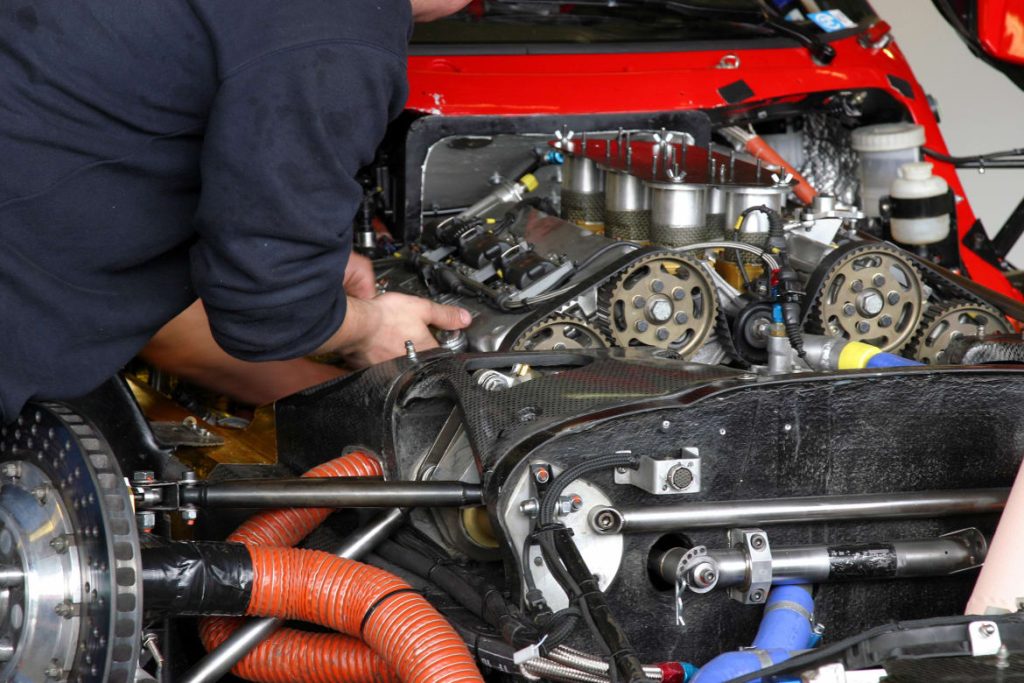
The inspection should include checking for cracked rubber, leaking hydraulic fluid from hydraulic mounts, excessive engine movement, and contact marks where parts have shifted.
Engine mount work is rarely an emergency unless the engine moves severely or contacts nearby components.
Yet delaying the repair for too long can place stress on hoses, wiring, exhaust connections, and drivetrain parts. A qualified independent shop can often perform the job properly at a much lower cost than a dealership.
Also Read: 8 Hidden Safety Features Most Drivers Never Turn On