
The global automotive industry is experiencing one of the most significant shifts in its history, with the sports car and roadster segment among the areas where these changes are most apparent.
Once celebrated as the purest expression of driving passion, roadsters have always represented freedom, simplicity, and emotional engagement. However, as the industry shifts toward electrification, stricter emissions regulations, rising production costs, and changing consumer preferences, the traditional two-seat convertible is rapidly disappearing from manufacturer lineups.
By 2026 and beyond, the market is witnessing a sharp decline in internal combustion engine roadsters and compact sports cars. Several iconic models are being discontinued without direct replacements, marking the end of decades-long automotive heritage.
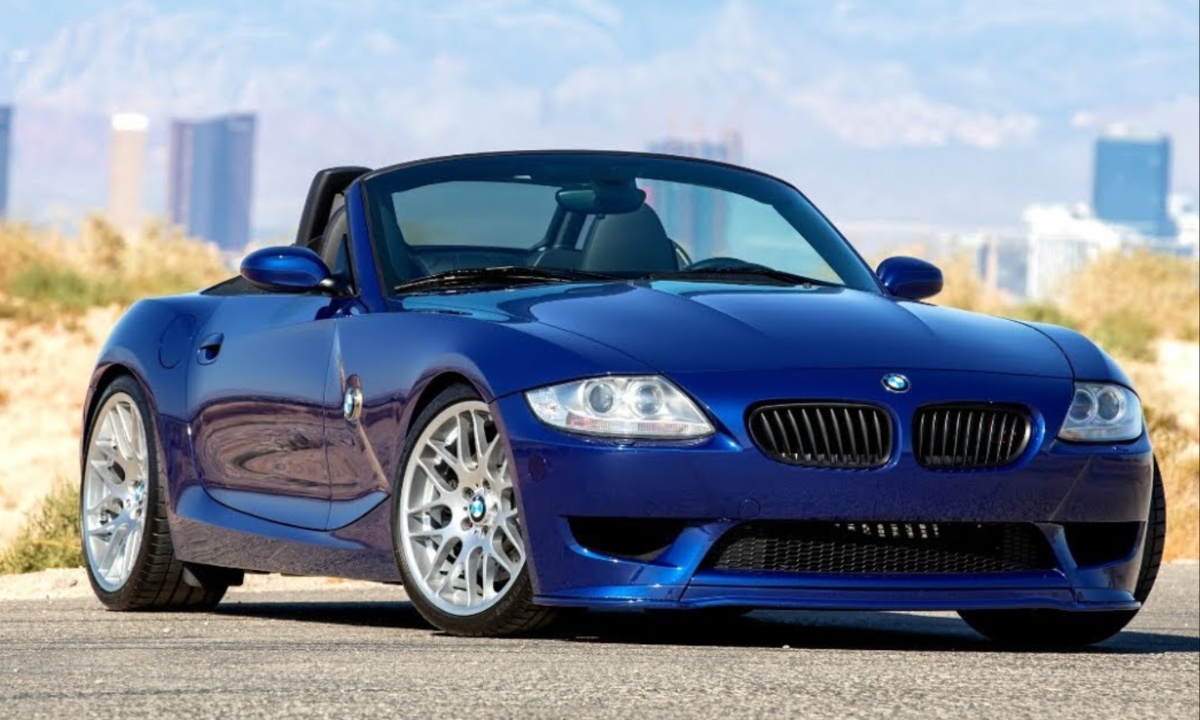
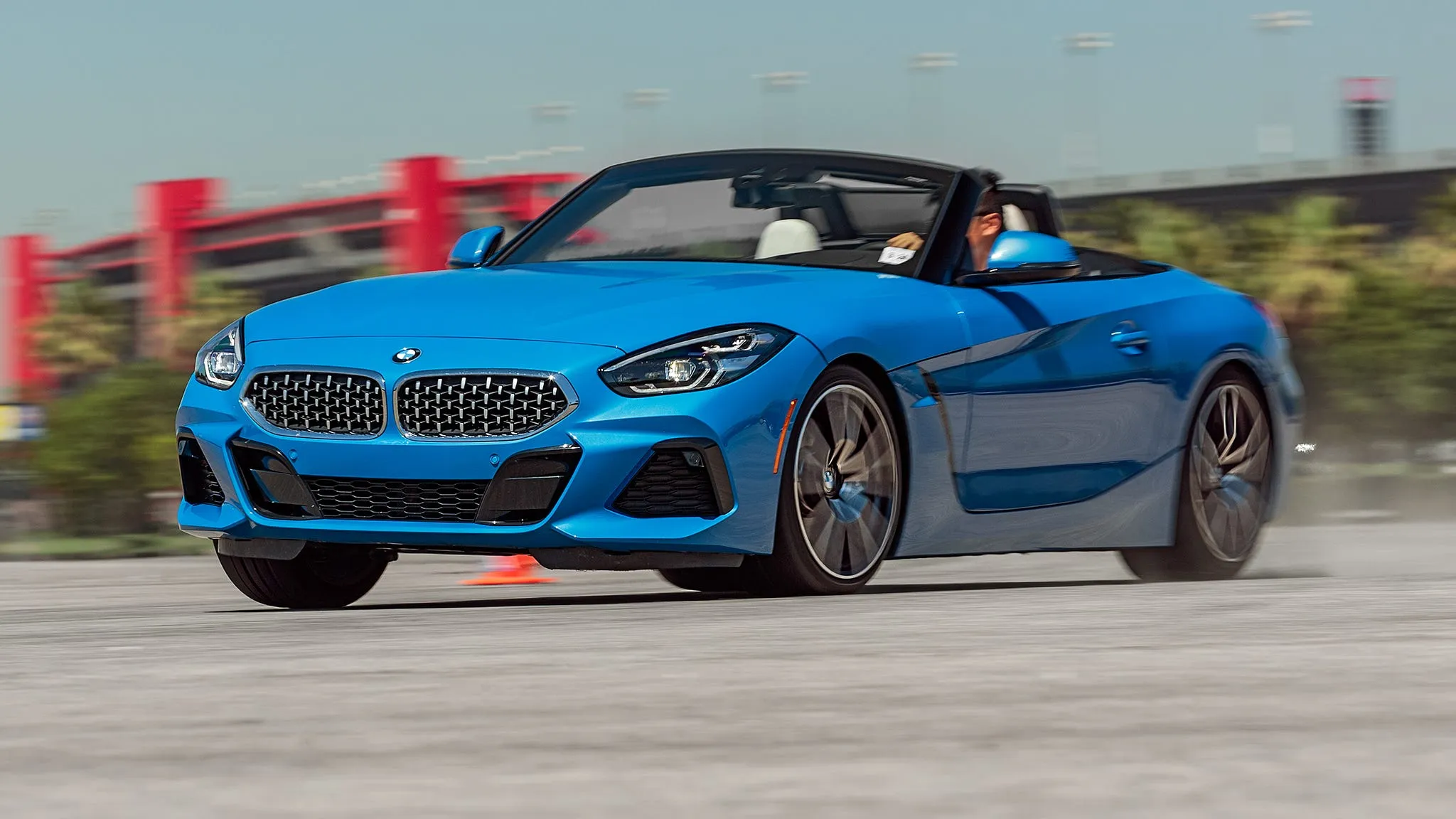
For example, the BMW Z4 has officially ended production in 2026 with no confirmed successor, leaving BMW without a modern roadster for the first time in decades. At the same time, other sports cars and coupe roadsters are being phased out or transitioned into electric successors that fundamentally change their driving character.
The decline of roadsters is not happening in isolation. It reflects broader structural changes in the automotive industry. Consumers are increasingly choosing SUVs, crossovers, and electric vehicles due to practicality, efficiency, and advanced technology.
Meanwhile, automakers are consolidating platforms to reduce costs, which often leads to low-volume niche models being discontinued first. Roadsters, which typically have lower sales volumes and higher engineering costs per unit, are among the most vulnerable segments.
At the same time, manufacturers are prioritizing electrification strategies. While electric sports cars are emerging, they often lack the lightweight simplicity and mechanical feedback that defined traditional roadsters. This transition raises questions about whether the roadster concept can survive in an electric future or whether it will evolve into something entirely different.
As we move deeper into 2026, the list of disappearing roadsters continues to grow. Some models are ending production due to natural lifecycle completion, while others are being replaced by SUVs or electric platforms. A few are being quietly retired with no successors planned at all, effectively closing entire chapters of automotive history.
This article explores which roadsters and sports cars are leaving the market after 2026, why this is happening, and what the future may hold for this once iconic segment.
Also Read: 10 Trucks That Held Their Value Better Than Most Over the Last Decade
The Decline of Traditional Roadsters in the Modern Automotive Era
The roadster segment has always been niche, but its decline in the 2020s is accelerating faster than many enthusiasts expected. Historically, roadsters like the Mazda MX-5 and BMW Z series represented affordable or premium open-top driving experiences. However, shifting market forces have significantly reduced demand for two-seat convertibles.
One of the primary reasons for this decline is consumer preference. Modern buyers increasingly prioritize SUVs and crossovers, which offer higher seating positions, more cargo space, and perceived safety advantages. Even sports car enthusiasts are often drawn to coupe-based performance models rather than lightweight convertibles, which are seen as less practical for daily use.
Emissions standards in major markets such as Europe, the United States, and China have become stricter, making it more expensive to certify low-volume engines. Roadsters typically rely on performance-oriented engines that are less fuel efficient, making compliance more costly for manufacturers.
Production economics also play a critical role. Roadsters are expensive to design because they require structural reinforcement to compensate for the lack of a fixed roof. This increases development costs while limiting profitability due to lower sales volumes. As automakers streamline portfolios, these low-margin vehicles are often first in line for discontinuation.
The rise of electrification has also disrupted the roadster formula. Electric platforms are typically heavy due to battery packs, which conflicts with the lightweight philosophy of traditional sports cars. While some electric roadster concepts exist, they often struggle to replicate the balance and feel of their internal combustion counterparts.
Finally, lifestyle changes are influencing demand. Younger buyers are less likely to purchase second or recreational cars, which historically supported the roadster market. With rising urbanization and cost-of-living pressures, practical vehicles are favored over emotional purchases.
Together, these factors have created a perfect storm that is rapidly shrinking the roadster segment, setting the stage for a wave of discontinuities after 2026.
Major Roadsters and Sports Cars Ending Production After 2026
One of the most significant developments in the automotive world is the confirmed exit of several well-known sports cars and roadsters after 2026. These discontinuations are reshaping the performance car segment and signaling the end of an era.
A major example is the BMW Z4, which officially ended production in 2026 without a confirmed successor. This marks a historic moment for BMW, as the brand no longer offers a dedicated roadster. Reports confirm that the final generation of the Z4 concluded its production run at Magna Steyr in Austria, closing a decades-long legacy of open-top BMW driving experiences.
Another notable departure is the broader trend affecting sports coupes such as the Porsche 718 Boxster and Cayman, which are being phased out in favor of electric successors. While replacements are expected, the transition to electric platforms fundamentally changes the driving dynamics that made these models iconic.
Luxury performance brands are also restructuring. Maserati has refreshed its lineup but continues to struggle with low-volume sports models, including the GranTurismo and GranCabrio, which are being repositioned within an evolving brand strategy. Although not fully discontinued, their future depends heavily on electrification and market response.
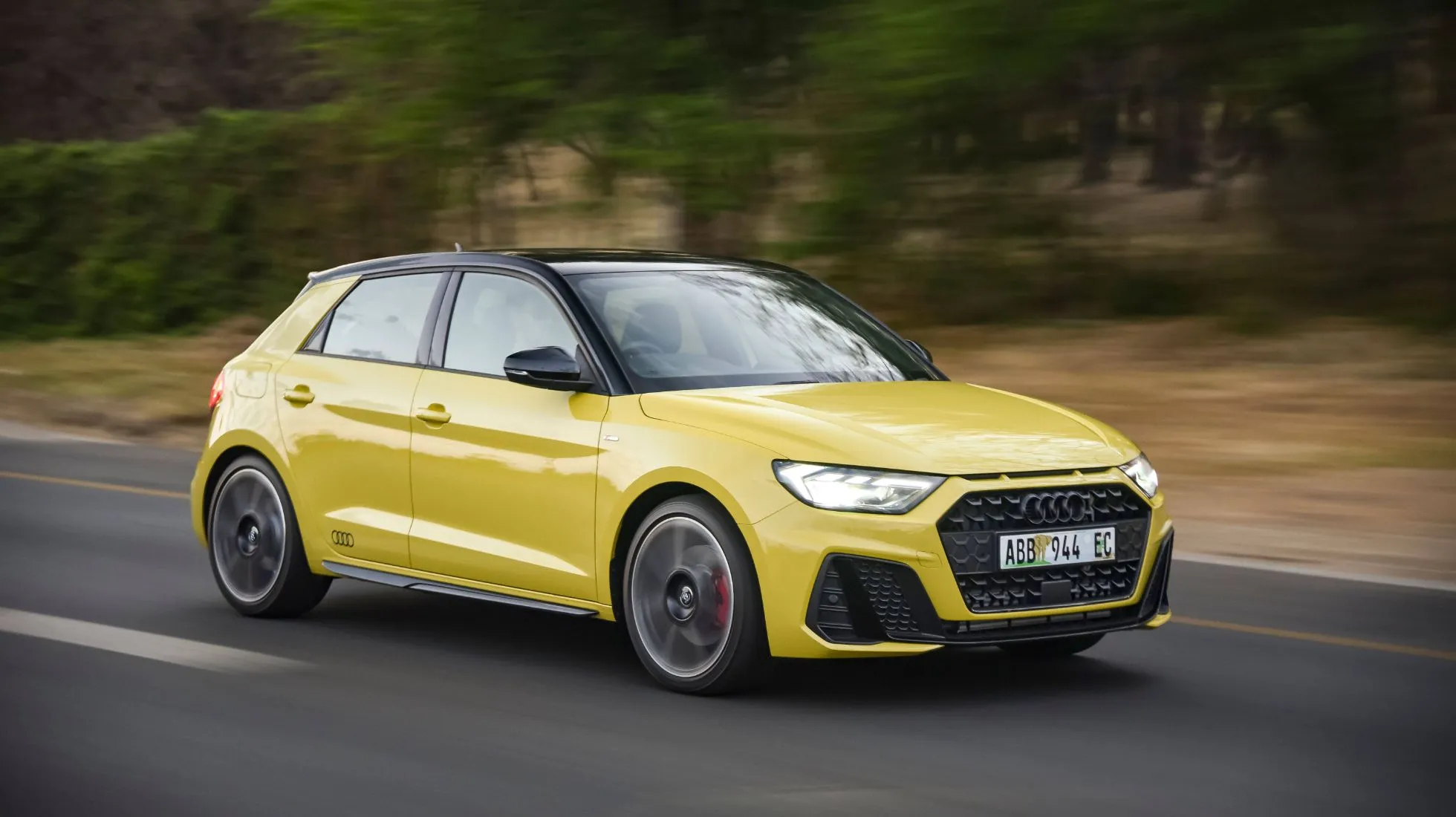
Other vehicles across different segments are also being phased out in 2026, including performance-oriented coupes and sedans that once formed the backbone of enthusiast driving culture. According to industry reports, models like the Lexus RC, Audi A1, and various BMW performance variants are exiting production cycles as manufacturers streamline portfolios.
The key takeaway is that the traditional sports car ecosystem is shrinking rapidly. Even when replacements exist, they often shift toward electrification or crossover-inspired designs, moving away from the pure roadster formula.
This wave of discontinuities highlights a major turning point: the end of mass-market internal combustion sports cars as we know them.
Why Automakers Are Killing Off Roadsters
The disappearance of roadsters is not accidental. It is the result of deliberate strategic decisions made by automakers responding to economic, regulatory, and technological pressures.
One of the biggest drivers is profitability. Roadsters typically sell in low volumes compared to SUVs and crossovers. For example, many modern roadsters sell only a fraction of what mainstream models achieve in a single month. This makes them difficult to justify in corporate product planning.
Regulatory compliance costs also weigh heavily. Meeting global safety standards requires expensive engineering, especially for convertible vehicles that must compensate for reduced structural rigidity. Combined with emissions requirements, this makes roadsters disproportionately costly.
Automakers are reducing the number of unique platforms they maintain, instead using shared architectures across multiple models. Roadsters often require specialized platforms that cannot easily be shared, increasing their cost further.
Electrification strategies also play a central role. Companies are investing heavily in electric SUVs and sedans that can generate higher margins and meet regulatory goals more efficiently. Roadsters, by contrast, are harder to electrify without adding significant weight and cost, which undermines their core appeal.
Consumer behavior is equally important. The rise of ride-sharing, urban congestion, and economic uncertainty has reduced demand for secondary or recreational vehicles.
Roadsters are often considered luxury or hobby cars rather than practical transportation, making them vulnerable in times of economic pressure.
Finally, branding priorities have shifted. Many manufacturers now use performance branding within SUVs and electric crossovers instead of maintaining niche sports cars. This allows them to appeal to broader audiences while maintaining performance credibility.
These combined pressures explain why roadsters are being phased out across multiple brands simultaneously, rather than as isolated decisions.
Also Read: 10 2010s Cars That Could Become Future Classics
The Electric Future of Roadsters and Sports Cars
Although traditional roadsters are disappearing, the concept of the open-top sports car is not entirely dead. Instead, it is evolving into new forms driven by electrification and advanced technology.
Electric roadsters are being explored by several manufacturers, although most remain in concept or early development stages. These vehicles aim to deliver instant torque, advanced handling systems, and futuristic design while maintaining open-top driving excitement.
However, challenges remain significant. Battery weight is one of the biggest obstacles, as it directly impacts agility and balance. Roadsters rely heavily on lightweight construction, and current battery technology makes it difficult to achieve the same driving dynamics as internal combustion models.
Range limitations also affect feasibility. High-performance driving consumes energy quickly, and converting a roadster into a practical electric vehicle requires large battery packs, which further increase weight.
Despite these challenges, manufacturers are experimenting with new materials such as carbon fiber structures and solid-state battery research. These innovations may eventually allow electric roadsters to become more viable.
Some automakers are also exploring hybrid approaches, where smaller combustion engines are combined with electric motors to preserve driving emotion while improving efficiency.
A potential future direction is digital driving engagement. Advanced simulation systems, adaptive suspension, and AI-enhanced handling could attempt to recreate the emotional experience of traditional roadsters in a digital or partially automated environment.
While the pure mechanical roadster may be fading, its spirit is likely to survive in new technological forms.
5. What the End of Roadsters Means for Car Enthusiasts
The decline of roadsters represents more than just a product shift. It marks a cultural transition in automotive enthusiasm itself.
For decades, roadsters symbolized the idea of driving as an emotional experience rather than a purely functional activity. Cars like the BMW Z4 and Mazda MX-5 offered an accessible way to enjoy performance without excessive complexity. Their disappearance signals a shift toward a more technology-driven automotive world.
Enthusiasts are increasingly turning to used markets to preserve access to traditional roadsters. As new models disappear, demand for existing generations is likely to remain strong, potentially increasing their long-term value.
At the same time, the definition of a performance car is changing. Electric vehicles now dominate acceleration benchmarks, and software-driven performance features are becoming more important than mechanical simplicity.
This shift creates a divide between traditional driving purists and modern performance technology enthusiasts. While some embrace the future, others view the loss of roadsters as the end of a more engaging driving era.
Automakers are aware of this emotional gap and are attempting to address it through synthetic sound design, simulated gear shifts, and enhanced steering feedback systems. However, whether these innovations can replace the authenticity of a lightweight open-top roadster remains uncertain.
The disappearance of roadsters after 2026 is not just about cars leaving production lines. It represents the closing of a philosophical chapter in automotive history, where driving was once defined by simplicity, connection, and mechanical purity.
