
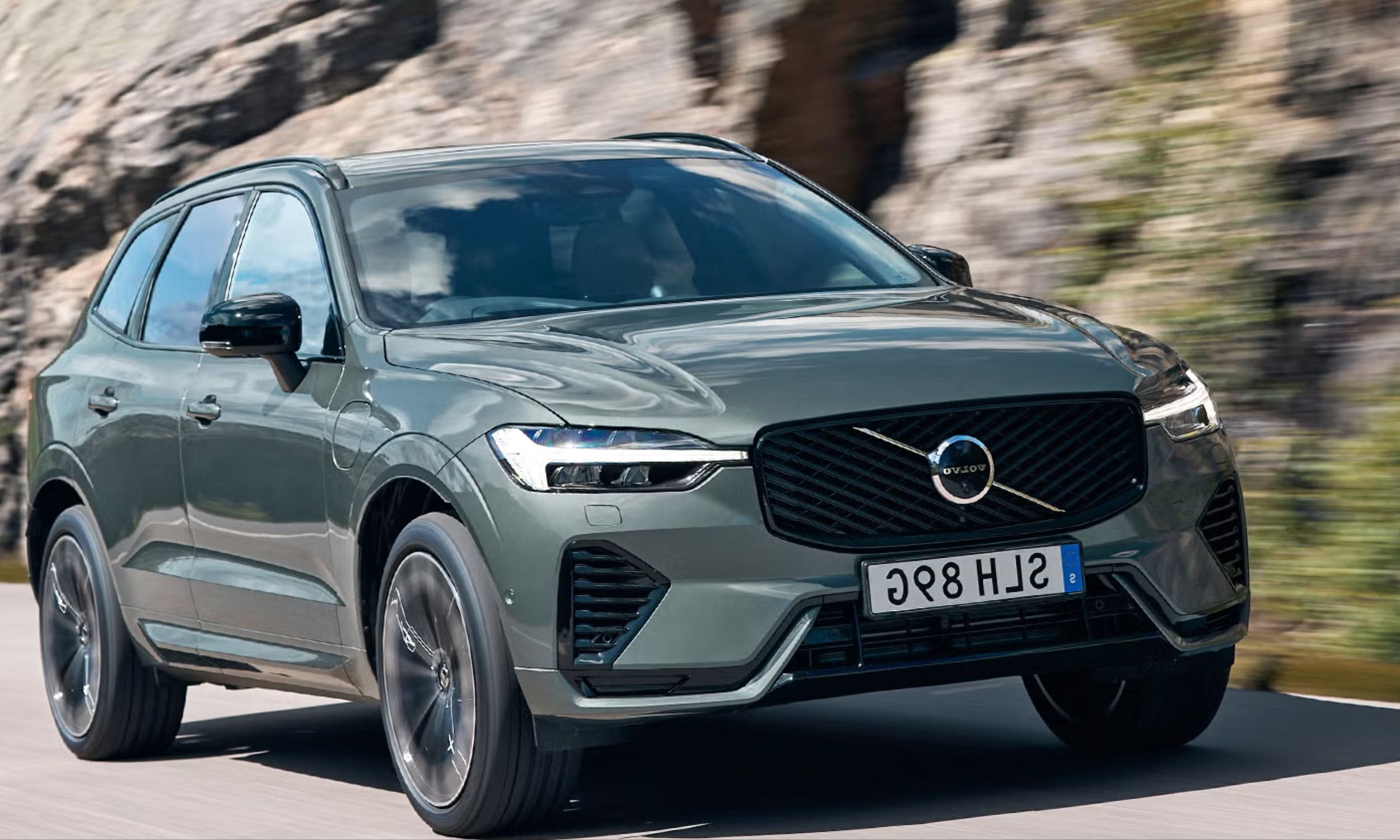
Car theft has changed a lot in recent years, and so has the technology designed to stop it. Modern vehicles are no longer protected by basic alarms alone. Today’s top models rely on layered digital security systems that combine encrypted key communication, real-time GPS tracking, remote immobilization tools, and advanced camera monitoring systems that actively record suspicious activity.
Automakers have also started designing vehicles with cybersecurity in mind. Ultra-wideband key fobs reduce the risk of relay attacks, while biometric access systems and PIN-based start functions make it nearly impossible for unauthorized users to drive away with a vehicle. Many models now connect directly to smartphone apps, sending instant alerts when movement, vibration, or tampering is detected.
Security-focused engineering is especially strong in electric vehicles and high-end SUVs, where software integration allows continuous monitoring even when the vehicle is parked. Some systems can disable engine power remotely or track stolen vehicles through encrypted cellular networks that function even in enclosed spaces like parking garages.
This page looks at ten vehicles known for having some of the strongest built-in anti-theft systems available today. Each model combines performance, practicality, and factory-installed protection features that go far beyond traditional security systems found in older vehicles.
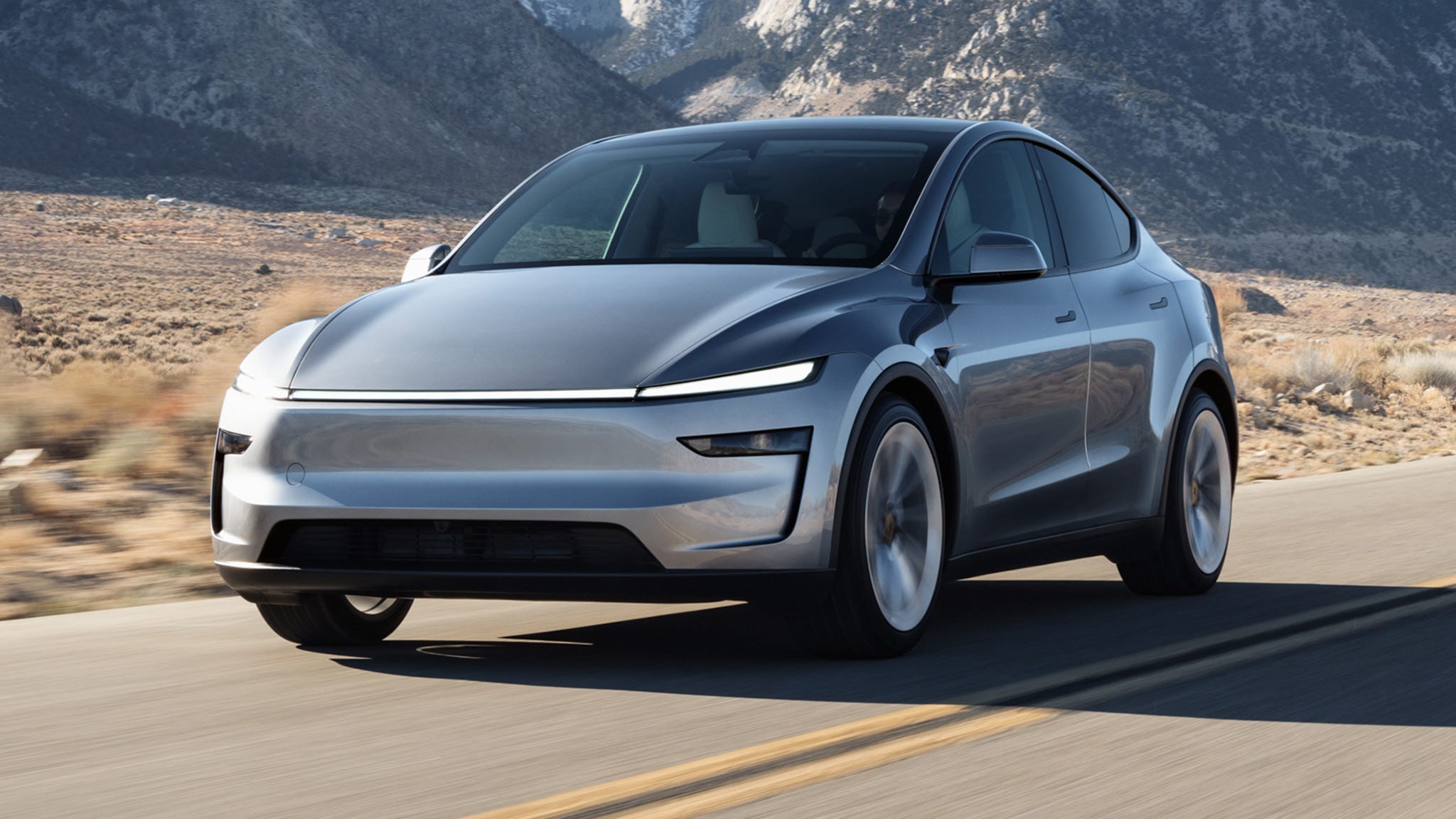
1. Tesla Model Y
- Engine: Dual Electric Motors
- Horsepower: 425 hp to 455 hp
- Torque: 475 lb-ft to 500 lb-ft
- Size: 187.4 in Long x 75.6 in Wide
Tech-driven security defines the Tesla Model Y, where anti-theft protection is deeply integrated into the vehicle’s software ecosystem rather than relying on traditional mechanical safeguards. This electric SUV uses a combination of camera surveillance, driver authentication, and remote connectivity to create a constantly active security environment.
Power comes from a dual electric motor setup producing between 425 and 455 horsepower, along with torque ranging from 475 to 500 lb-ft. Measuring 187 inches in length and 75.6 inches in width, it maintains a compact SUV footprint while housing a dense network of sensors and cameras.
Security features stand out immediately through Sentry Mode, a system that keeps exterior cameras active whenever the vehicle is parked. Any movement near the car triggers automatic recording, with footage stored and sent to the owner through the Tesla mobile app. This creates a digital record of any attempted interference.
A second layer of protection comes from PIN-to-Drive functionality. Even if someone gains access to the key or phone, the vehicle cannot be driven without entering a custom four-digit code on the touchscreen. This blocks common theft methods involving signal cloning or device theft.
Remote access through Tesla’s cloud system adds another defensive layer. Owners receive instant alerts for suspicious activity, and the vehicle can be tracked in real time if movement occurs without authorization. Combined, these systems form a highly reactive security network that operates continuously without driver input.
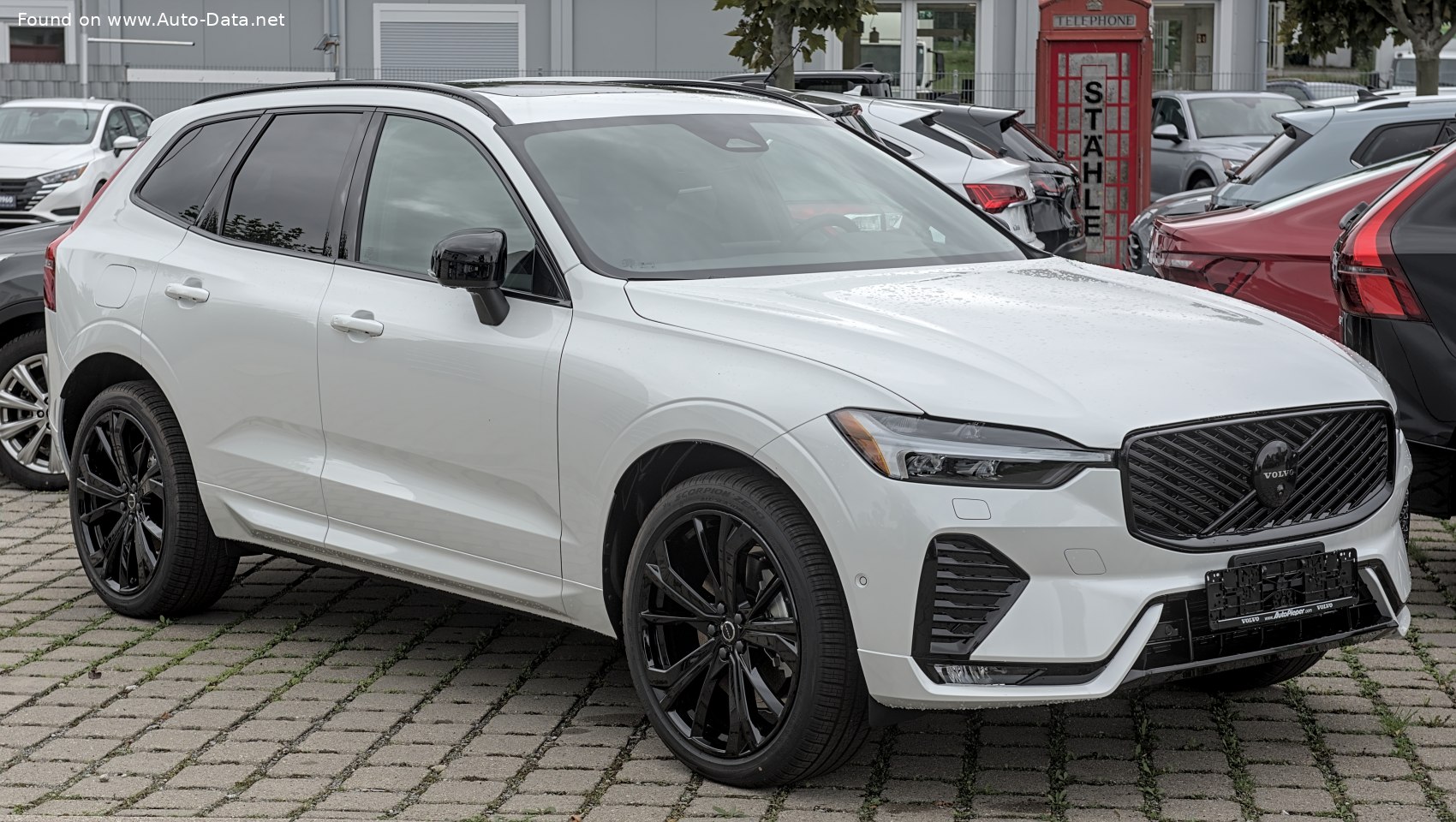
2. Volvo XC60
- Engine: 2.0L Turbo 4-Cylinder (Mild-Hybrid or Plug-in Hybrid)
- Horsepower: 247 hp to 455 hp
- Torque: 258 lb-ft to 523 lb-ft
- Size: 184.6 in Long x 74.9 in Wide
Security engineering takes a practical approach in the Volvo XC60, where anti-theft systems are designed to respond quickly to physical interference and unauthorized access attempts. Rather than relying on a single method, Volvo integrates multiple detection layers that work together to protect the vehicle in real time.
Engine options include a 2.0-liter turbocharged four-cylinder available in mild-hybrid or plug-in hybrid formats, producing between 247 and 455 horsepower and torque ranging from 258 to 523 lb-ft. With a length of 184.6 inches and a width of 74.9 inches, it sits in the compact luxury SUV segment while still supporting advanced electronics.
Protection begins with motion and tilt sensors embedded throughout the chassis. If the vehicle is lifted or tilted, such as during wheel theft or towing attempts, the system immediately triggers an alarm. This makes it especially effective against catalytic converter theft and similar attacks.
Interior monitoring systems add another layer of defense. Volume sensors detect movement inside the cabin, while perimeter sensors track external disturbances. If unusual activity is detected, alerts are activated locally and transmitted to the owner through connected services.
Encrypted rolling-code technology strengthens key communication, preventing signal duplication or interception. Each key signal changes continuously, reducing the possibility of electronic cloning.
Location tracking is integrated into Volvo’s connected platform, allowing stolen vehicles to be monitored and recovered with assistance from law enforcement partnerships in supported regions. This combination of physical detection and digital tracking creates a balanced security system designed for real-world theft scenarios.
Also Read: 8 Family Vehicles With the Lowest Five-Year Running Costs
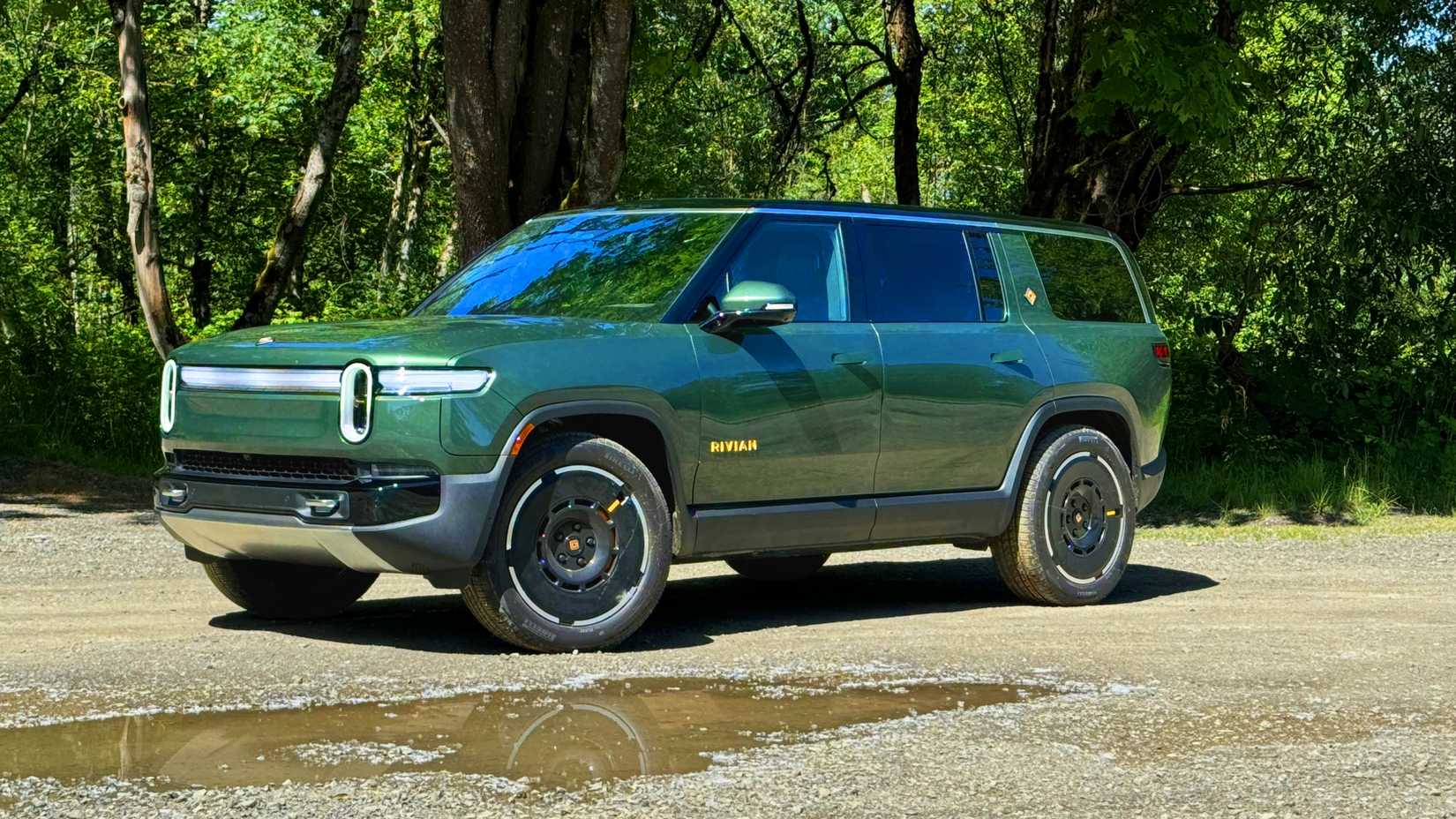
3. Rivian R1S
- Engine: Dual-Motor, Tri-Motor, or Quad-Motor AWD Electric Setup
- Horsepower: 533 hp to 1,025 hp
- Torque: 610 lb-ft to 1,198 lb-ft
- Size: 200.8 in Long x 79.0 in Wide
Electric adventure SUVs bring a different kind of security approach, and the Rivian R1S focuses heavily on camera-based monitoring and real-time digital alerts. Designed with outdoor use in mind, it integrates security into its hardware and software systems without requiring external add-ons.
Depending on configuration, the R1S uses dual, tri, or quad-motor electric setups producing between 533 and 1,025 horsepower, with torque ranging from 610 to 1,198 lb-ft. It measures 200.8 inches in length and 79 inches in width, giving it a large and stable platform for both performance and equipment integration.
Security functions center around the Gear Guard system, which uses multiple exterior cameras positioned around the vehicle. These cameras continuously record when tampering is detected, capturing high-definition footage of anyone interacting with the SUV while it is parked.
Live streaming capabilities allow owners to view the vehicle remotely through the Rivian mobile app. If movement or forced entry is detected, alerts are sent instantly along with video evidence. This direct connection between vehicle and smartphone creates rapid awareness of potential threats.
Additional safeguards include motion-triggered lighting and audible alerts designed to deter unauthorized access. The system is always active when the vehicle is locked, requiring no manual activation from the driver.
Cloud storage integration ensures recorded footage is saved securely, preventing loss of evidence even if the vehicle is physically damaged or moved. This digital-first approach to vehicle security reflects Rivian’s focus on software-driven protection systems.
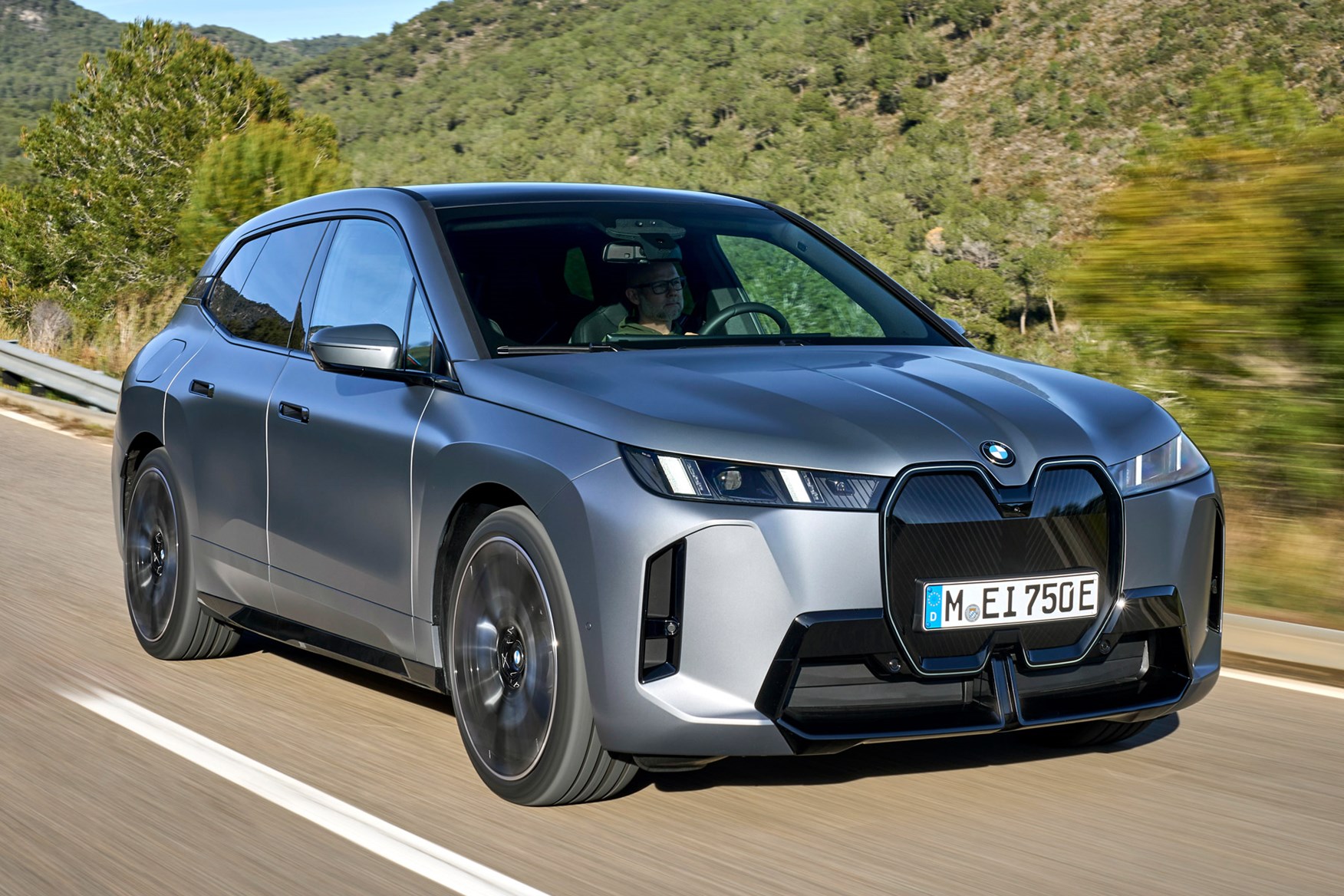
4. BMW iX
- Engine: Dual Electric Motors
- Horsepower: 516 hp to 610 hp
- Torque: 564 lb-ft to 749 lb-ft
- Size: 195.0 in Long x 77.4 in Wide
Digital protection systems define the BMW iX, where cybersecurity plays a major role in preventing unauthorized access. Instead of relying solely on physical barriers, BMW integrates encrypted communication systems and smart authentication tools to secure the vehicle.
Power output ranges from 516 to 610 horsepower, with torque between 564 and 749 lb-ft. Measuring 195 inches in length and 77.4 inches in width, the iX combines electric performance with a structure designed to support advanced electronics.
Ultra-wideband (UWB) key technology forms the foundation of its security system. Unlike traditional key fobs, UWB keys measure precise distance between the key and the vehicle, ensuring the car only unlocks when the authorized user is physically nearby. This effectively prevents relay attacks, where thieves attempt to extend or copy key signals from inside buildings.
Anti-theft recording systems monitor movement and activity around the vehicle, storing data for review if suspicious behavior occurs. These recordings are linked to BMW’s connected services, allowing remote access through secure mobile applications.
Data encryption between the key, vehicle, and onboard computer system ensures that communication cannot be easily intercepted or duplicated. Each signal is continuously verified before allowing access or engine activation.
Additional protection includes automatic locking behavior when the key moves out of range, reducing the chance of accidental exposure or unauthorized entry. Together, these systems form a layered defense structure that relies heavily on secure digital communication rather than mechanical locks alone.
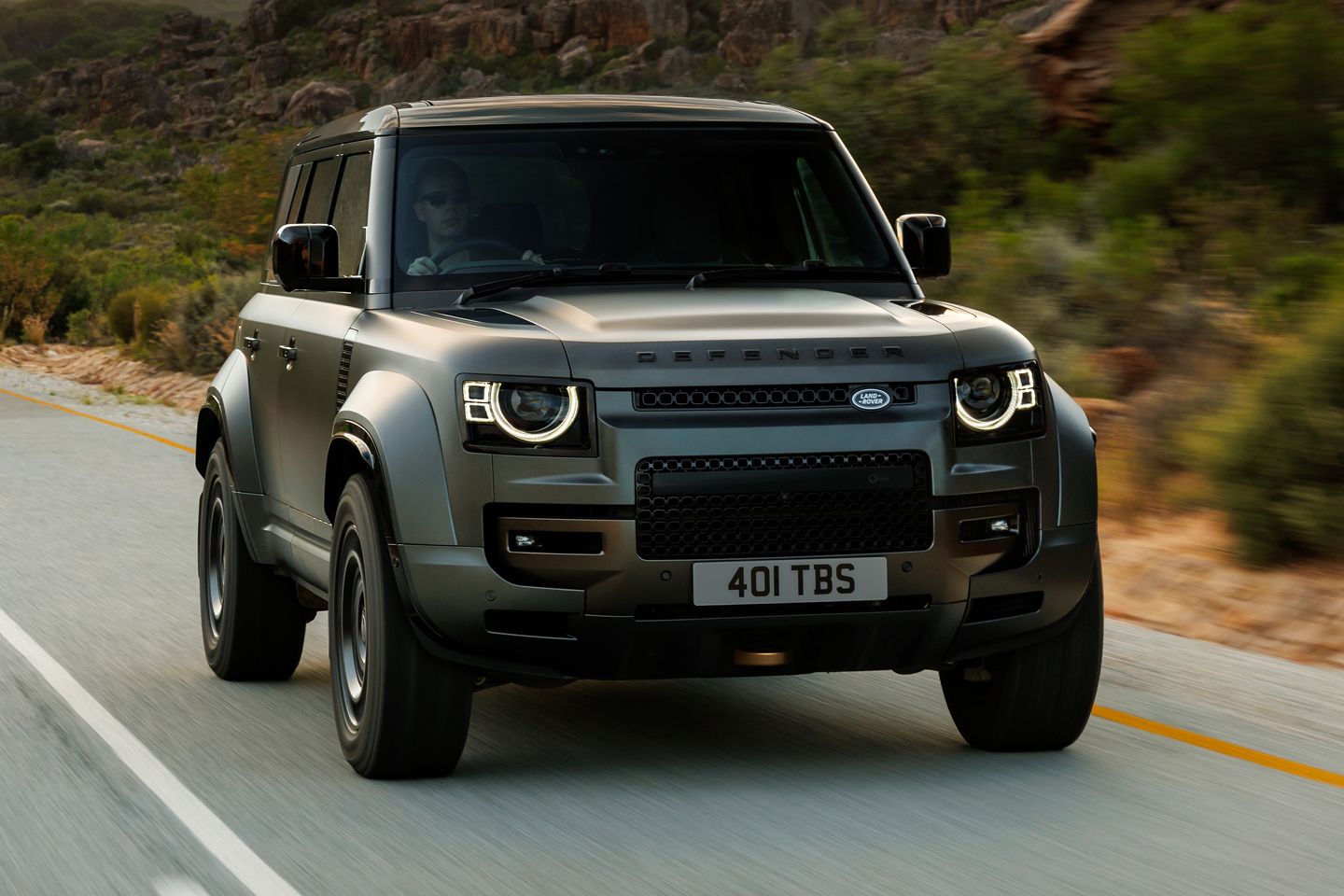
5. Land Rover Defender (2025-Present)
- Engine: 3.0L Turbo Inline-6 (or 5.0L Supercharged V8)
- Horsepower: 296 hp to 518 hp
- Torque: 295 lb-ft to 461 lb-ft
- Size: 187.4 in (Defender 110) Long x 78.6 in Wide
Built with a focus on both durability and electronic protection, the modern Land Rover Defender blends off-road toughness with advanced anti-theft technology. Its design supports resistance against physical break-ins while also addressing modern digital intrusion attempts through layered software security.
Powertrain choices include a 3.0-liter turbocharged inline-six producing up to 296 horsepower, along with a 5.0-liter supercharged V8 delivering as much as 518 horsepower. Torque output can reach 461 lb-ft depending on configuration. The Defender 110 version measures 187.4 inches in length and 78.6 inches in width, giving it a strong, balanced frame suited for both urban use and rough environments.
Protection systems are centered around Secure Tracker Pro, a connected monitoring service that provides live location tracking. If the vehicle is moved without authorization, alerts are sent immediately to both the owner and designated monitoring services, allowing quick response to potential theft situations.
Automatic locking adds everyday convenience while strengthening security. Once the key moves out of range, the doors lock without requiring any driver action, reducing the chance of leaving the vehicle unintentionally unsecured. Software protection is built directly into the Defender’s electronic architecture.
Any attempt to access or alter internal systems through diagnostic ports is blocked unless verified through Land Rover’s encrypted cloud authentication network. This reduces the risk of tampering using external tools or unauthorized devices.
Connectivity systems stay active even in areas with weak signal strength by switching between communication channels when available. This helps maintain tracking capability during incidents where continuous monitoring is required. Strong structural design paired with digital protection tools gives the Defender a balanced security profile.
It supports drivers who need dependable off-road performance while also benefiting from factory-installed anti-theft technology designed for modern threats.
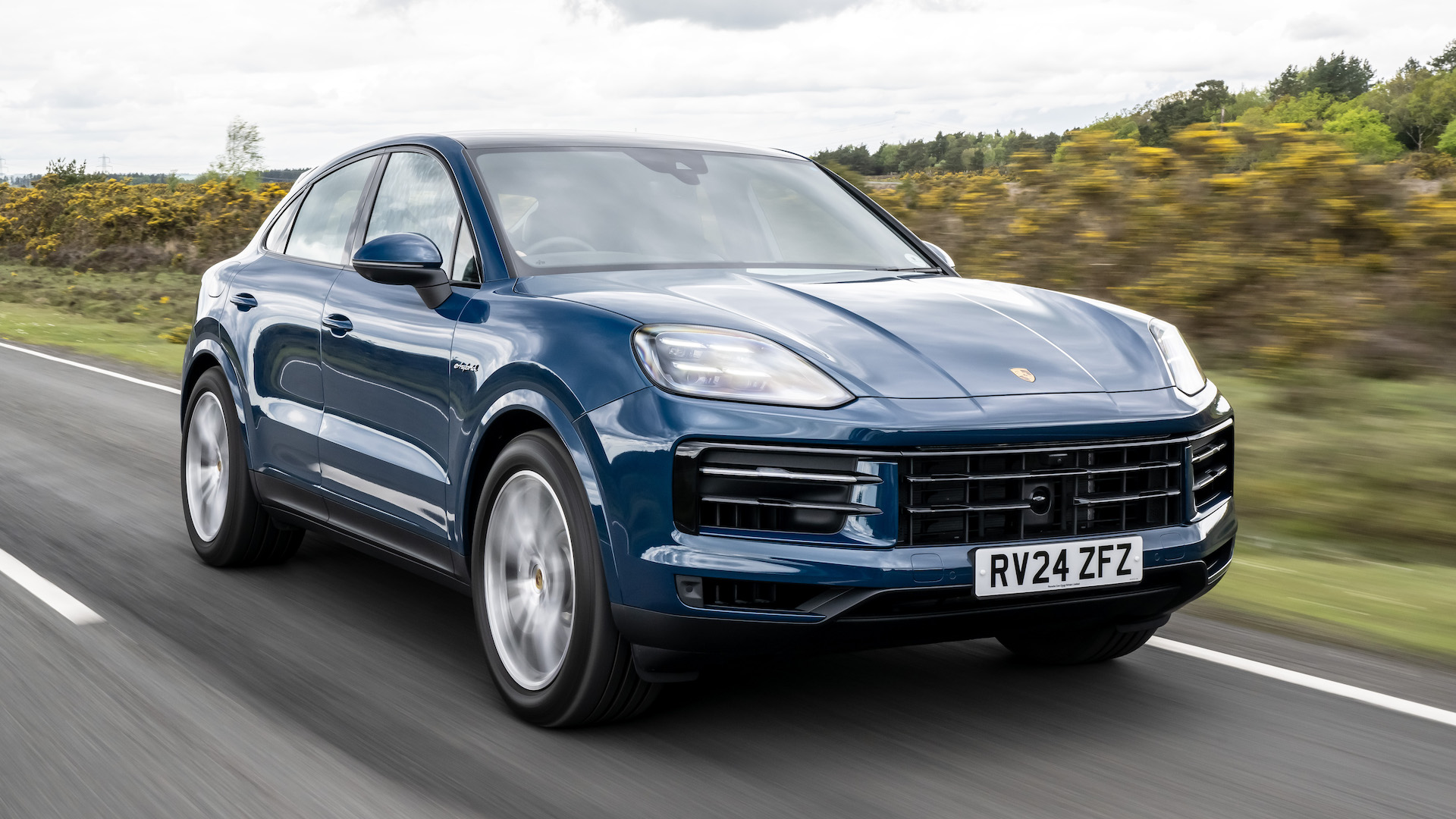
6. Porsche Cayenne
- Engine: 3.0L Turbo V6 (or 4.0L Twin-Turbo V8)
- Horsepower: 348 hp to 650 hp
- Torque: 368 lb-ft to 626 lb-ft
- Size: 194.1 in Long x 78.1 in Wide
Security technology in the Porsche Cayenne leans heavily on fast response systems designed to protect both the vehicle and its occupants in real time. Instead of relying on passive deterrents, Porsche integrates active control features that allow direct intervention when unauthorized movement is detected, giving the system a more immediate defensive role.
Engine options include a 3.0-liter turbocharged V6 producing 348 horsepower, along with a 4.0-liter twin-turbo V8 that reaches up to 650 horsepower and 626 lb-ft of torque. With a length of 194.1 inches and a width of 78.1 inches, the Cayenne maintains a performance-oriented SUV profile while supporting advanced electronic systems.
Security functionality is anchored by Porsche Car Connect, a remote monitoring and control platform. When suspicious activity is detected, the system can alert the owner and the tracking center instantly. If unauthorized movement continues, remote immobilization can be activated, shutting down engine performance through encrypted commands.
This immobilization feature plays a major role in theft prevention because it disables driving capability even if physical access is achieved. Instead of relying solely on alarms or tracking, the Cayenne adds a layer of direct control over vehicle operation.
Real-time tracking systems provide continuous location updates, allowing recovery teams to monitor movement patterns. Communication remains active through cellular networks, ensuring that alerts can be transmitted quickly during theft attempts. Digital authentication also contributes to security. The vehicle verifies access credentials before allowing ignition, reducing risk from cloned keys or unauthorized electronic entry devices.
Performance remains strong even with these systems in place. The Cayenne continues to deliver high acceleration and stable handling, meaning security features do not interfere with driving dynamics. This balance between performance and protection makes it a strong choice for drivers seeking both speed and advanced anti-theft technology.
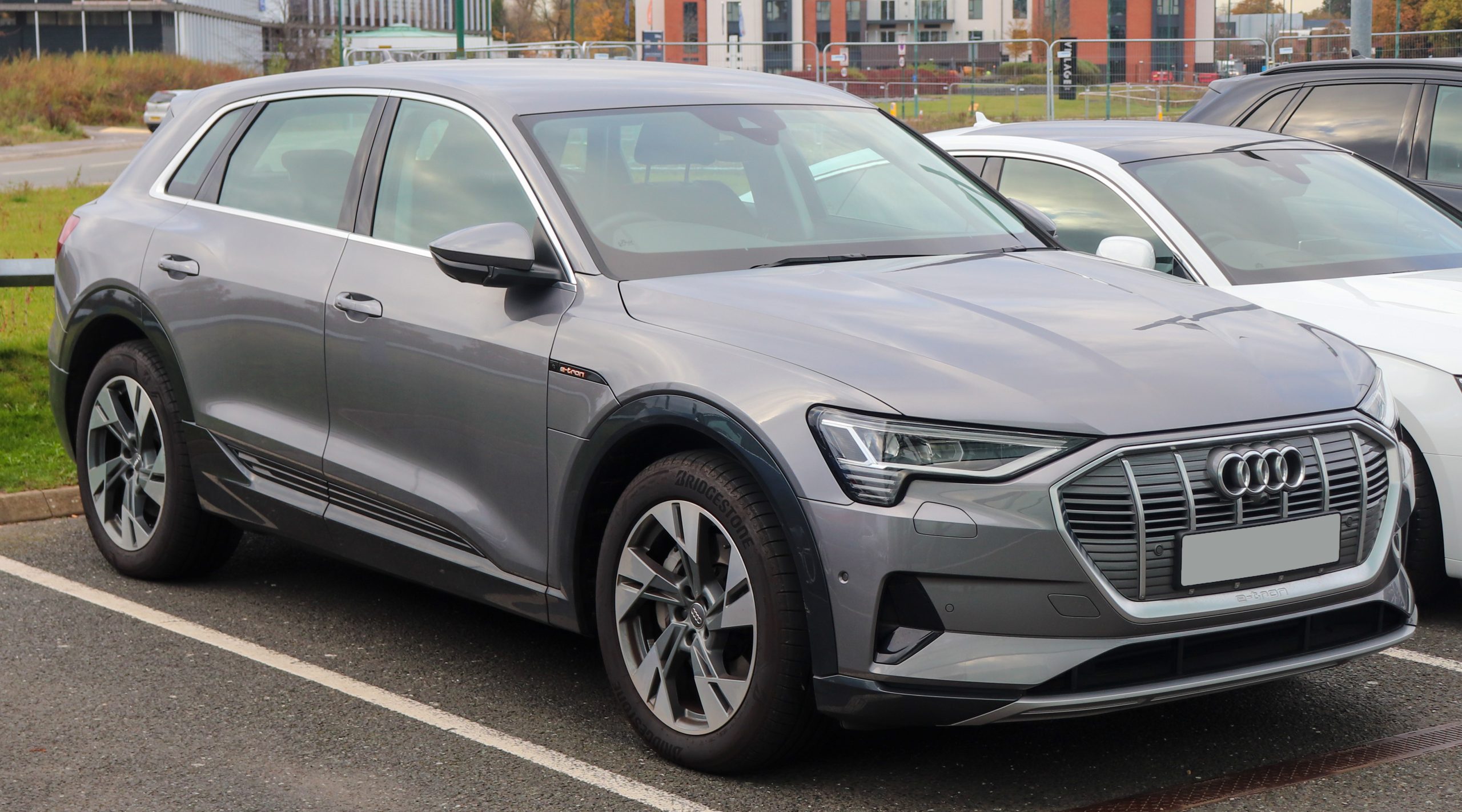
7. Audi Q8 e-tron
- Engine: Dual Electric Motors
- Horsepower: 402 hp
- Torque: 490 lb-ft
- Size: 193.5 in Long x 76.3 in Wide
Cybersecurity takes center stage in the Audi Q8 e-tron, where protection focuses on preventing electronic intrusion rather than physical tampering alone. The system is built around constant communication between internal control units, creating a moving encryption structure that blocks external hacking attempts.
Power comes from dual electric motors producing 402 horsepower and 490 lb-ft of torque. The SUV measures 193.5 inches in length and 76.3 inches in width, offering a balanced platform for electric drivetrains and integrated digital systems.
One of its strongest defenses is the advanced electronic anti-scan immobilizer. This system continuously generates and exchanges random data codes between the dashboard interface and the drivetrain computer. Because these codes change constantly, external devices cannot replicate or predict the authentication sequence required to start the vehicle.
This method directly targets modern car theft techniques that rely on signal interception or software exploitation. Instead of a fixed signal, the system behaves like a constantly changing encryption loop that resets in real time. Additional security features include multi-layer authentication protocols that verify access attempts through both hardware and software checks.
If inconsistencies are detected, ignition is blocked, and alerts are triggered through Audi’s connected services. Remote monitoring capabilities allow owners to track vehicle status and receive notifications if unusual activity occurs while the vehicle is parked. These alerts are delivered through encrypted mobile channels, ensuring secure communication.
The Q8 e-tron demonstrates how electric vehicles can leverage computing power to enhance protection systems, shifting anti-theft technology toward software-driven defense strategies.
8. Genesis GV80
- Engine: 2.5L Turbo 4-Cylinder (or 3.5L Twin-Turbo V6)
- Horsepower: 300 hp to 375 hp
- Torque: 311 lb-ft to 391 lb-ft
- Size: 194.7 in Long x 77.8 in Wide
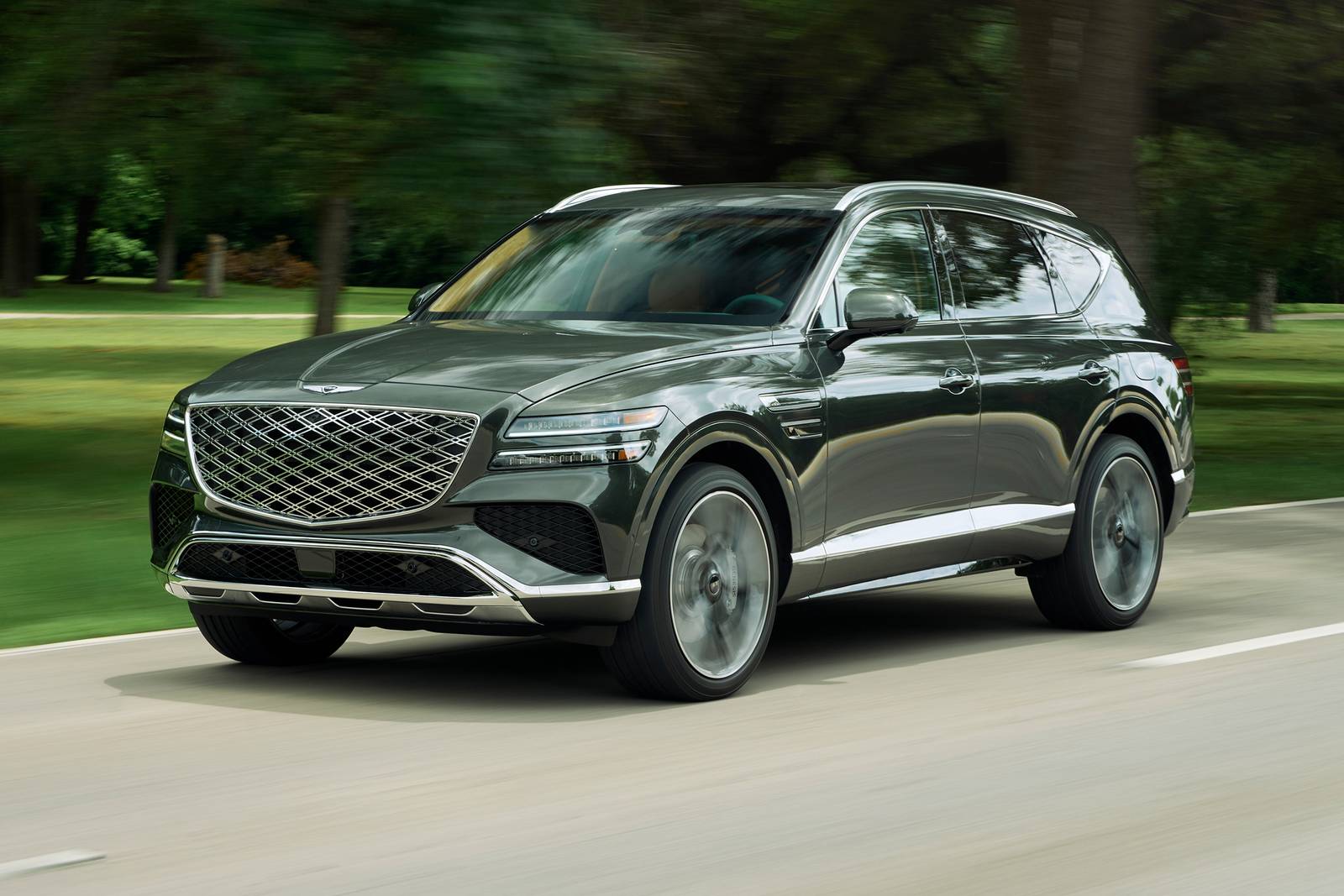
Biometric access plays a central role in the security system of the Genesis GV80, shifting vehicle protection beyond traditional key-based entry. Instead of depending only on a fob or digital signal, this SUV requires fingerprint verification at the dashboard before the engine can be started, adding a physical layer of identity confirmation that ties directly to the authorized driver.
Powertrain choices include a 2.5-liter turbocharged four-cylinder engine producing 300 horsepower, along with a 3.5-liter twin-turbo V6 that delivers up to 375 horsepower and 391 lb-ft of torque. With a length of 194.7 inches and a width of 77.8 inches, the GV80 sits in the midsize luxury SUV category while still supporting advanced electronic integration and safety systems.
Access control begins the moment the driver enters the cabin. A built-in fingerprint scanner located on the dashboard verifies identity before allowing ignition. Even if someone manages to obtain a key fob or digital credentials, the system will not start the vehicle unless a registered fingerprint matches the stored profile.
This approach creates a security barrier that is not dependent on wireless signals, making it resistant to relay attacks, key cloning, or signal interception methods commonly used in modern vehicle theft. Control is tied directly to biometric input, which cannot be duplicated electronically in the same way as traditional access methods.
Further protection comes from encrypted smart key communication. Each access attempt is continuously validated through secure coding protocols that prevent unauthorized duplication or spoofing of the vehicle’s entry system. Connected vehicle services add another layer of awareness.
Owners can monitor location data, receive instant alerts, and track movement in real time if unusual activity is detected. This allows rapid response in the event of unauthorized use or attempted theft. Inside the cabin, design and technology work together to maintain both comfort and functionality.
The biometric system is integrated cleanly into the dashboard layout, preserving the luxury feel of the interior while still delivering strong security performance.
9. Ford Super Duty F-250 / F-350
- Engine: 6.8L V8 Gas, 7.3L V8 Gas, or 6.7L Power Stroke Turbo Diesel
- Horsepower: 405 hp (Gas) to 500 hp (High-Output Diesel)
- Torque: 445 lb-ft (Gas) to 1,200 lb-ft (Diesel)
- Size: 231.8 to 266.2 in Long x 80.5 in Wide
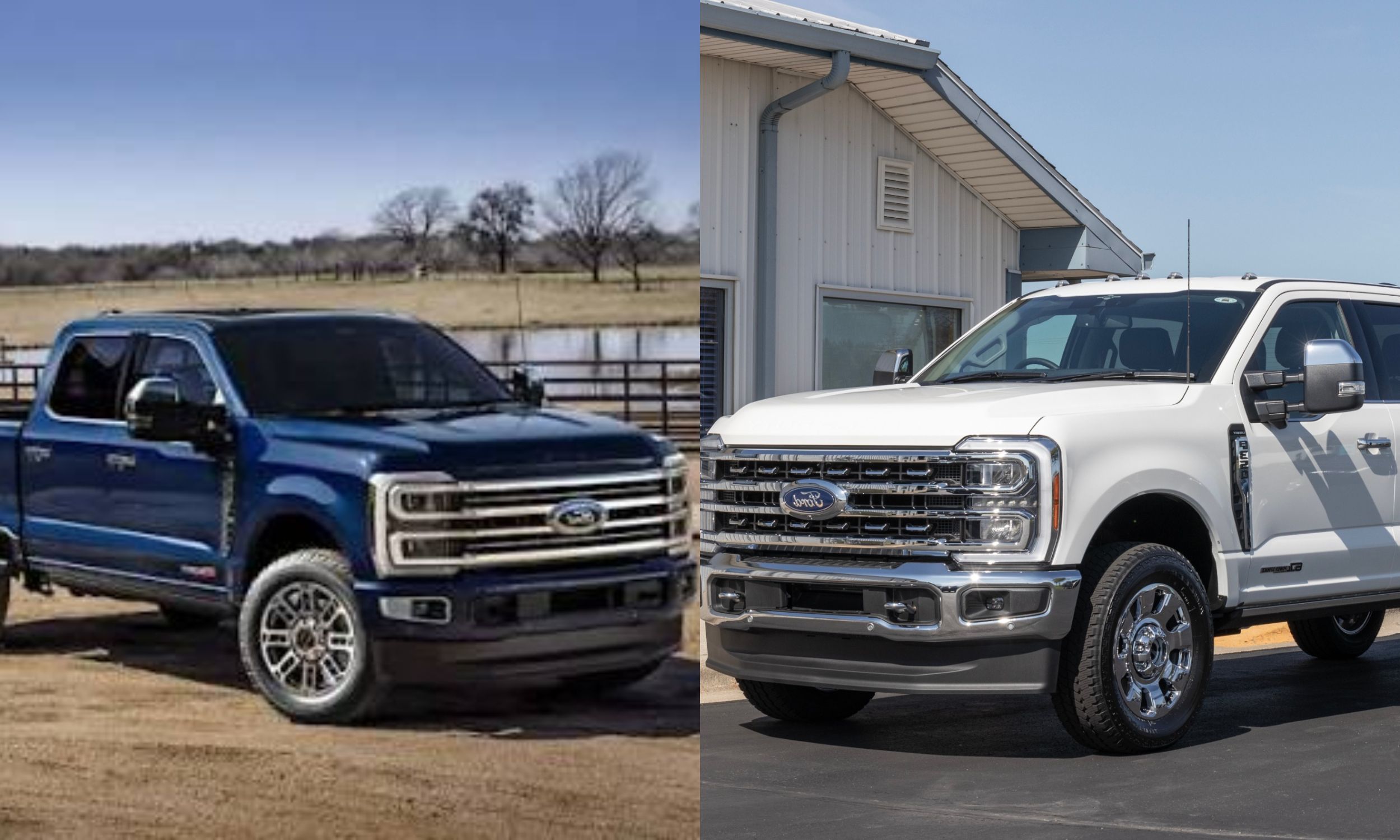
Attention around heavy-duty pickup trucks often comes from their strong towing ability and high-value cargo use, which is why the Ford Super Duty F-250 and Ford Super Duty F-350 include built-in protections focused on both access control and cargo security.
Engine choices range from a 6.8-liter V8 gasoline unit and a 7.3-liter V8 to a 6.7-liter Power Stroke turbo diesel producing up to 500 horsepower and 1,200 lb-ft of torque. Size varies between 231.8 inches and 266.2 inches in length, with an 80-inch width that gives the truck a wide, stable stance for demanding workloads.
Security begins at ignition through the SecuriLock passive anti-theft system. Each key carries a coded chip that must match the truck’s internal programming before startup is allowed. If the signal is not verified, both ignition and fuel systems remain locked, preventing unauthorized operation.
Trailer monitoring strengthens cargo protection during everyday use. The system tracks the electrical connection between the truck and trailer and triggers an alert if the trailer is disconnected while the vehicle is locked. This helps protect tools, machinery, and hauled materials from theft attempts.
Real-time alerts are sent directly to the owner’s mobile device when unusual activity is detected. This allows quick reaction and reduces the window of opportunity for unauthorized access or tampering. Fleet operators often add extra tracking layers such as GPS modules and centralized monitoring platforms, used in commercial and government operations.
These tools provide location visibility and usage tracking across multiple vehicles. Structural durability adds another protective layer. A reinforced frame, heavy suspension components, and rugged body construction make forced entry more difficult and reduce the chances of quick theft attempts compared to lighter vehicles.
Also Read: 8 Vehicles With Rear-Seat Airbags Most Buyers Don’t Know About
10. Lexus RX
- Engine: 2.5L 4-Cylinder, 2.5L Hybrid, or 2.4L Turbo 4-Cylinder
- Horsepower: 246 hp (Hybrid) to 366 hp (Turbo Hybrid)
- Torque: 233 lb-ft to 406 lb-ft
- Size: 192.5 in Long x 75.6 in Wide
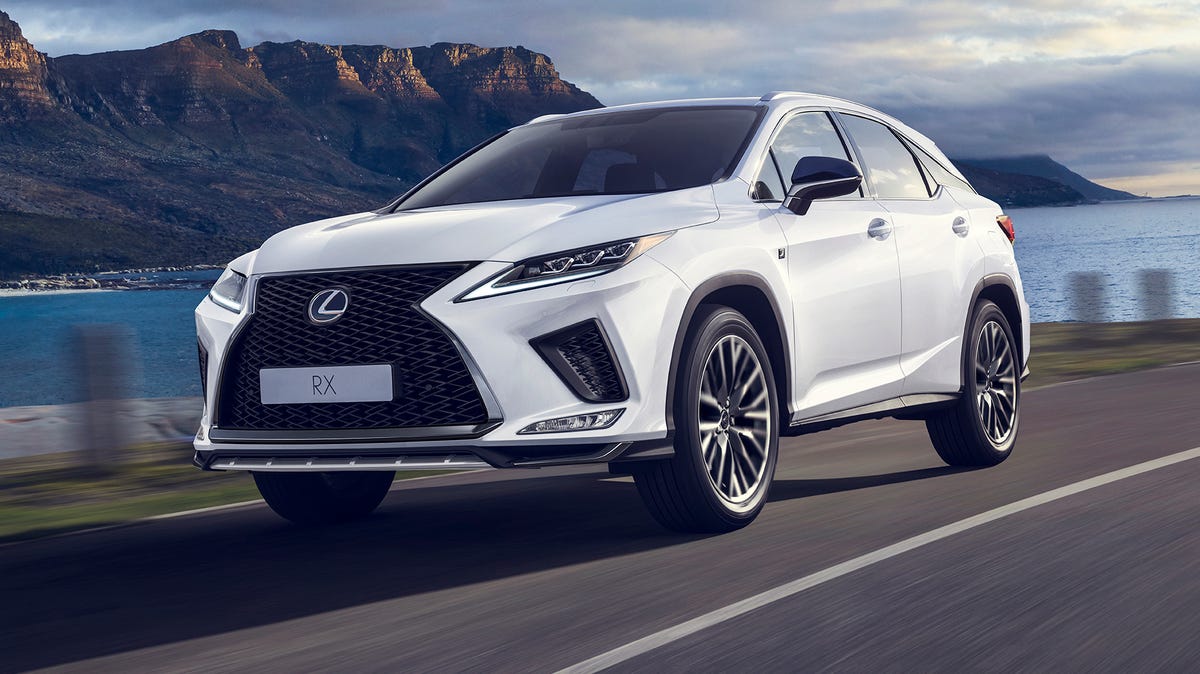
Luxury crossover protection in the Lexus RX centers on connected tracking tools and encrypted access systems designed to reduce unauthorized use while keeping daily operation simple. Powertrain choices range from a 2.5-liter four-cylinder to hybrid setups, plus a 2.4-liter turbocharged engine producing up to 366 horsepower and 406 lb-ft of torque.
With a body length of 192.5 inches and a width of 75.6 inches, it sits comfortably in the midsize luxury SUV category. Security integration relies on Lexus Enform Safety Connect, a factory-linked system that connects the vehicle to a live monitoring network. When movement occurs without proper authorization, tracking data is relayed to response centers that can coordinate recovery steps.
Access protection is handled through SmartAccess encryption, which secures communication between the key system and onboard electronics. Each signal is validated through rotating encrypted codes, reducing the risk of signal interception or duplication attempts.
Tracking capability extends beyond open-sky GPS use thanks to an embedded cellular beacon. Even when the vehicle is parked underground or inside a structure where satellite signals weaken, location reporting can still function through cellular networks.
Remote intervention tools are available through authorized monitoring services. During theft events, controlled shutdown commands can be issued to limit movement and assist recovery teams in locating the vehicle more quickly. Inside the cabin, these systems are built into the vehicle’s electronic architecture without disrupting usability or comfort.
Drivers and passengers still experience a refined interior environment while the RX continuously operates its protective technology in the background.
