

Modern vehicles have evolved far beyond mechanical machines that simply transport people from one place to another. Today’s cars are effectively rolling computers, equipped with sensors, internet connectivity, voice recognition systems, GPS tracking, and advanced infotainment platforms.
While these technologies improve convenience, navigation, entertainment, and safety, they also introduce a significant and often overlooked concern: personal data privacy. Many drivers are unaware that their vehicles continuously collect, store, and sometimes share sensitive information such as location history, driving behavior, phone contacts, voice recordings, and even biometric preferences.
Car manufacturers and technology partners use this data for multiple purposes. These include improving vehicle performance, offering personalized user experiences, enabling remote services, and, in some cases, sharing anonymized data with third parties for analytics and product development.
However, not all drivers are comfortable with this level of data collection. The challenge is that most privacy-related settings are hidden deep inside infotainment menus or mobile applications, making them difficult to find without guidance.
Brands such as Tesla, Toyota, BMW, and systems like Android Auto or Apple CarPlay integrate deeply with smartphones and cloud services. These ecosystems often rely on continuous data exchange to function smoothly, but that same connectivity can expose user behavior patterns if privacy settings are not properly configured.
Similarly, connected vehicle platforms like OnStar collect driving and location data to provide emergency assistance and remote diagnostics, which raises additional privacy considerations.
Understanding how to control these systems is essential for anyone who values digital privacy. Many drivers assume that privacy protection requires technical expertise, but in reality, most protections come down to a handful of settings buried inside menus labeled “data sharing,” “location services,” “personalization,” or “connected services.”
Once these settings are adjusted correctly, users can significantly reduce the amount of personal data their vehicle transmits without losing essential functionality.
This article explores eight hidden car settings that protect privacy and personal data. Each section breaks down how the feature works, why it matters, and how disabling or adjusting it can help drivers regain control over their digital footprint.
By the end, readers will have a clear understanding of how modern vehicles handle data and what steps can be taken to stay private in an increasingly connected automotive world.
Also Read: 8 SUVs With The Most Space For Comfort
1. Location Services and GPS Tracking Controls
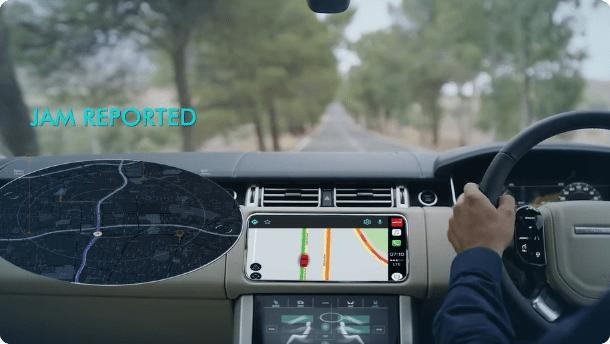
Modern vehicles rely heavily on GPS systems to provide navigation, traffic updates, and emergency assistance. However, what many drivers do not realize is that location data is often recorded even when navigation is not actively in use.
This data can include travel history, frequently visited places, and real-time movement patterns. In many cases, this information is stored in the vehicle’s internal memory or synced with cloud accounts tied to the driver’s profile.
The first hidden setting to review is the location services control menu. Most vehicles, especially those from brands like Tesla and BMW, include options that allow users to limit location sharing or disable history tracking. Turning off location history can prevent the car from storing detailed logs of every trip while still allowing basic GPS navigation when needed.
An important aspect is app-based location access. When smartphones are connected through Apple CarPlay or Android Auto, location data may be shared between the phone and the car system. Disabling continuous location access for connected apps reduces cross-platform tracking and ensures that travel patterns are not synced across devices without consent.
Some manufacturers also provide “privacy mode” or “incognito navigation” options. These features are designed to temporarily stop recording destinations and routes. While they are not always enabled by default, they can be useful for drivers who want occasional privacy without fully disabling navigation systems.
Users should check whether their vehicle shares location data with third-party services. Platforms like OnStar may provide safety features that depend on location tracking, but users can often opt out of certain data-sharing programs. Understanding these controls ensures that drivers maintain awareness and authority over where their vehicle goes and who can see that information.
2. Infotainment Data Collection and Profile Settings
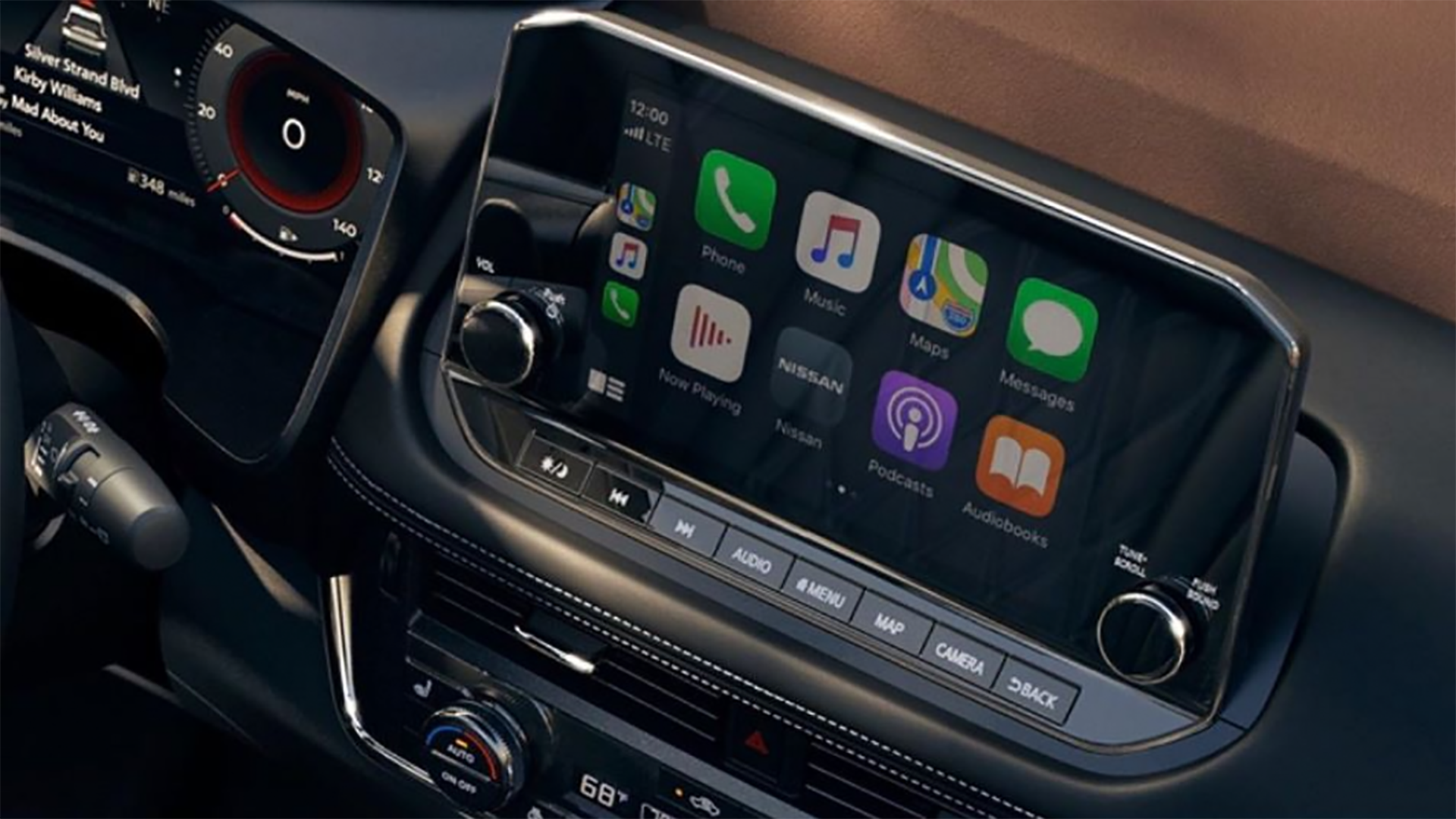
Infotainment systems are central hubs for entertainment, navigation, and communication, but they are also major collectors of personal data. These systems store contact lists, call logs, music preferences, calendar events, and even browsing history when connected to smartphones. Over time, this creates a detailed digital profile of the driver’s habits and interests.
One of the most important hidden settings is the personal profile management feature. Many vehicles allow multiple driver profiles, each storing individualized settings such as seat position, climate control preferences, and media history. While convenient, these profiles can also retain sensitive behavioral data. Clearing or limiting profile storage reduces long-term data accumulation.
Vehicles from manufacturers like Toyota and BMW often include options to disable personalization features. Turning off personalization prevents the system from learning user habits and storing predictive behavior data, which is often used for targeted recommendations.
When services like music streaming or navigation apps are connected, they may sync usage data back to external servers. Reviewing permissions within the infotainment system ensures that only necessary data is shared. Disconnecting unused apps is a simple but effective privacy step.
Many systems include a hidden “data reset” or “factory reset privacy mode.” This feature clears stored preferences, contacts, and usage history. It is especially useful when selling or transferring a vehicle, ensuring that personal data does not remain accessible to future users.
3. Voice Assistant Privacy and Microphone Permissions
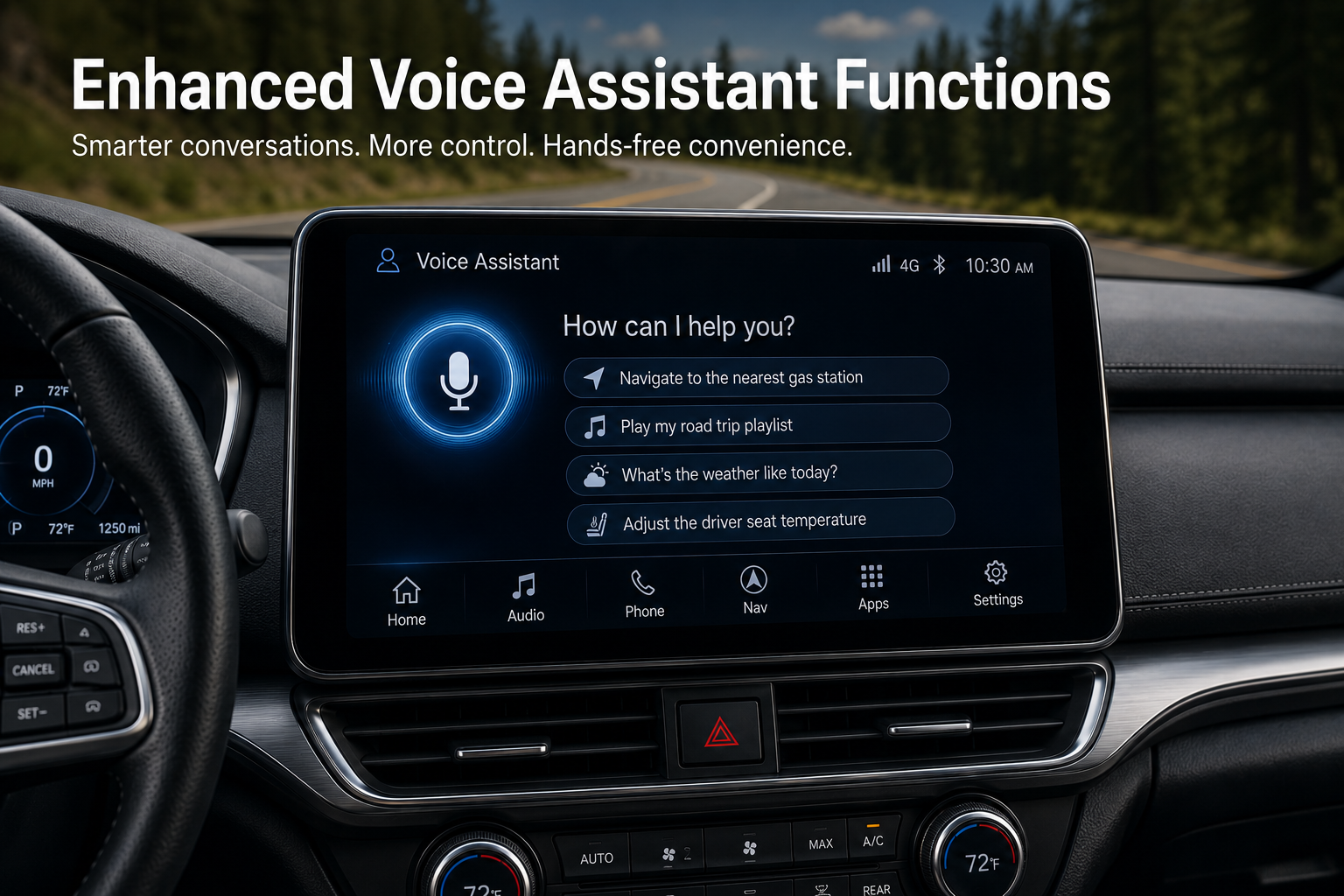
Voice assistants have become a standard feature in modern vehicles, enabling hands-free control of navigation, calls, and entertainment. However, these systems rely on always listening microphones that may temporarily store voice data for processing. This raises concerns about unintended recording and data retention.
The most important hidden setting is the microphone activation control. Many vehicles allow users to disable wake word detection, which prevents the system from constantly listening for activation phrases. This significantly reduces passive audio processing.
In systems integrated with Android Auto or Apple CarPlay, voice data may be shared with smartphone assistants. Adjusting permissions on the connected phone ensures that voice commands are not stored beyond immediate processing.
Some manufacturers, including Tesla, offer options to delete voice recordings or opt out of data sharing for system improvement. Disabling these features limits the amount of audio data stored in external servers.
Drivers should check whether voice training features are enabled. These features improve recognition accuracy by learning speech patterns but require storing voice samples. Turning them off reduces biometric data retention while still allowing basic voice functionality.
4. Bluetooth and Device Pairing Data Leakage Prevention
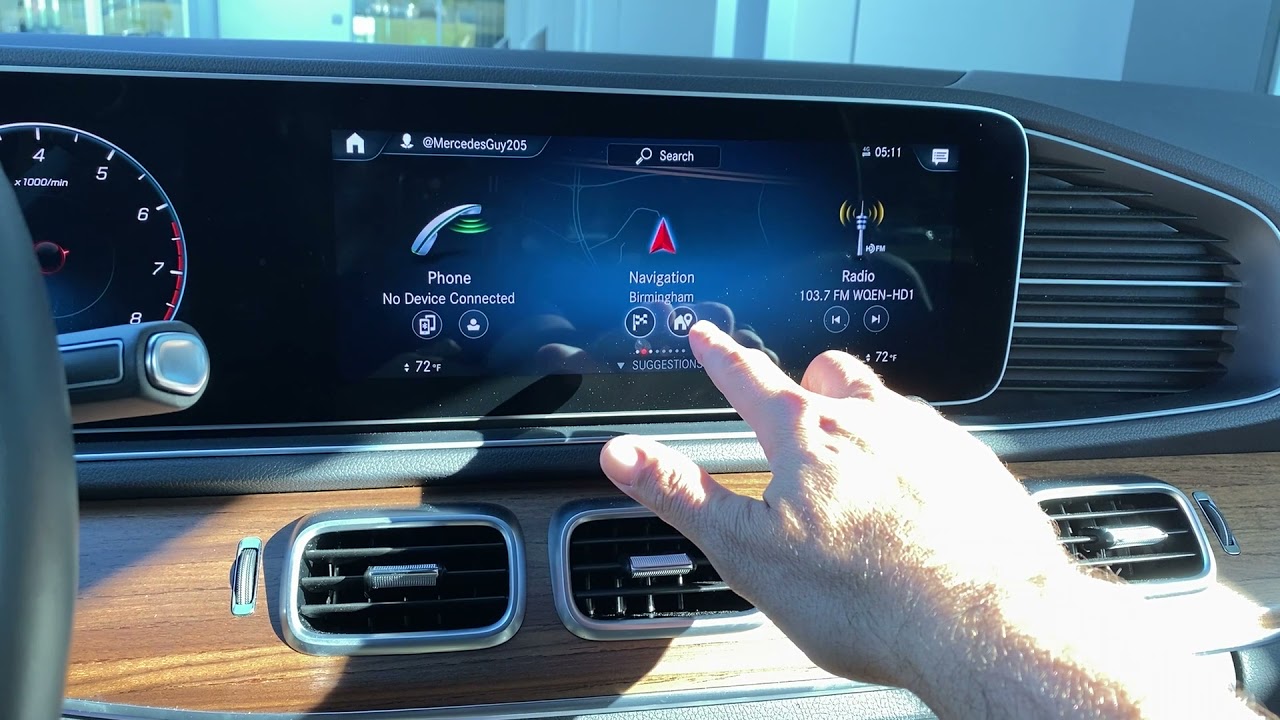
Bluetooth connectivity allows seamless integration between smartphones and vehicles, but it also creates a pathway for data exchange that is often overlooked. When a device is paired, it can share contacts, call history, and even media access automatically.
The first hidden setting involves contact synchronization. Many vehicles automatically download entire address books when a phone is paired. Disabling contact sharing prevents unnecessary storage of personal and professional information inside the car system.
One important setting is auto-reconnect behavior. Vehicles often reconnect to previously paired devices without user confirmation. Adjusting this setting ensures that unknown or previously connected devices cannot automatically access the system.
Brands like Toyota and BMW often include advanced Bluetooth privacy controls that allow users to limit what data is shared per device. Reviewing each paired device individually is essential for maintaining control.
Clearing old or unused device records reduces the risk of unauthorized access. Many users forget that vehicles store long lists of previously connected phones, which can remain active unless manually removed.

5. Telematics Systems and Manufacturer Data Sharing Opt-Outs
Telematics systems are designed to improve safety and performance by collecting real-time driving data such as speed, braking patterns, and engine diagnostics. While useful, this data is often transmitted to manufacturers and third-party analytics providers.
The hidden setting here is data sharing consent management. Many vehicles include a section where users can opt out of sharing driving behavior data. This is particularly important in connected platforms like OnStar, which provide remote diagnostics and emergency services.
Some manufacturers, including Tesla, also collect detailed driving analytics to improve autonomous driving systems. Users can often adjust data collection levels, limiting what is shared beyond essential safety functions.
Key control is over the “vehicle health report” system. These reports are automatically generated and may include location and usage data. Disabling automatic reporting reduces external visibility into vehicle activity.
Drivers should regularly review privacy agreements inside their vehicle settings menu, as updates may reset previously selected preferences after software upgrades.
Also Read: 7 Most Reliable Motorcycles You Can Buy Today
6. App Permissions in Car Apps
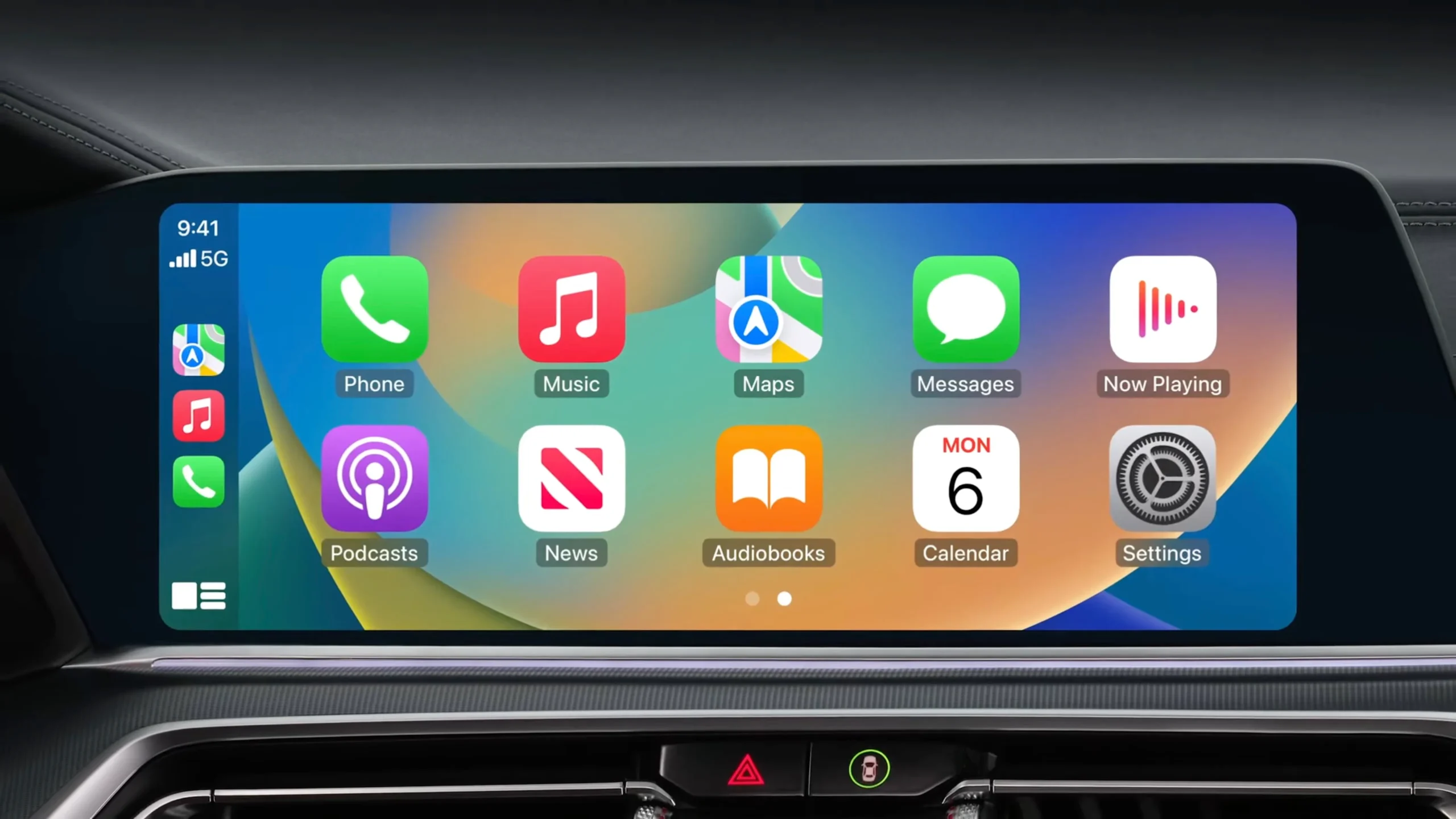
Most modern vehicles come with mobile companion apps that allow remote control of locks, climate settings, and location tracking. While convenient, these apps often request extensive permissions on smartphones.
The hidden privacy setting here is granular app permission control. Users should review permissions such as location access, contacts, and background data usage. Restricting unnecessary permissions reduces data exposure.
Manufacturers like BMW and Toyota often integrate features like remote start and vehicle tracking, which rely heavily on continuous location sharing. Disabling background tracking when not needed improves privacy.
One major step is reviewing account linking. Many apps remain logged into cloud accounts that sync vehicle data continuously. Logging out when not in use reduces data retention.
Disabling push notifications related to driving behavior or trip summaries limits the amount of behavioral data analyzed by external systems.
7. Wi Fi Hotspot and In-Car Network Privacy Settings
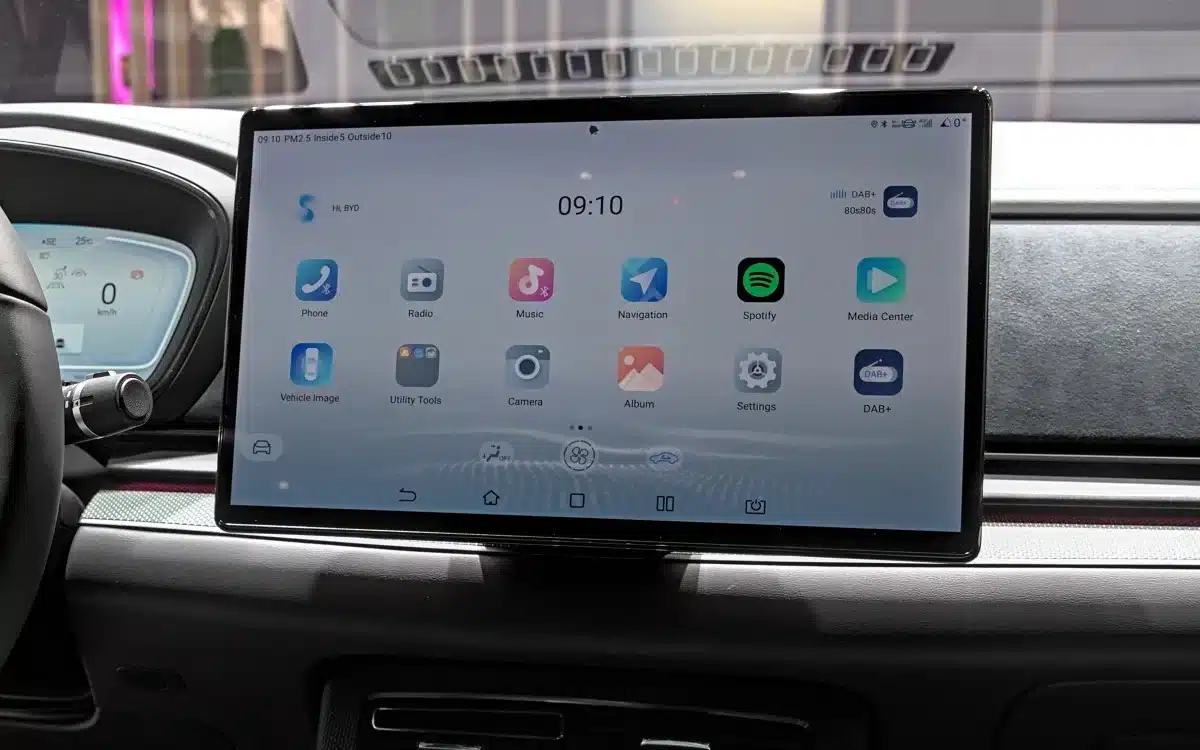
Many modern vehicles offer built-in Wi-Fi hotspots that allow passengers to connect to the internet. While useful, these systems can log browsing activity and connected device information.
The hidden setting involves hotspot administration controls. Users can change network passwords regularly and disable the hotspot when not in use to prevent unauthorized access.
Some systems integrated into Tesla vehicles also allow data sharing between vehicle networks and cloud services. Reviewing these settings ensures that internet usage data is not unnecessarily stored.
When available, enabling this ensures that connected devices cannot access internal vehicle systems.
8. Remote Access and Keyless Entry Data Security Settings
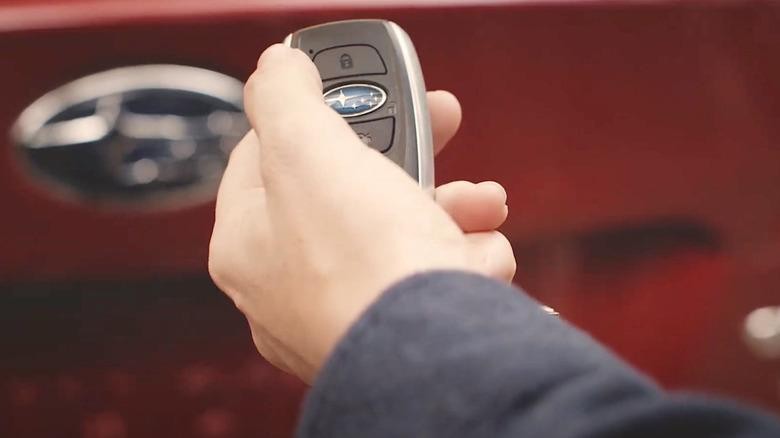
Keyless entry systems and remote access features allow drivers to unlock and start vehicles without physical keys. However, these systems rely on encrypted digital signals that can be vulnerable if not properly configured.
The hidden setting here is remote access authorization control. Users can often disable remote unlocking or require additional authentication for sensitive actions.
Vehicles from brands like BMW and Tesla provide mobile-based access logs that show when the car was accessed remotely. Reviewing these logs helps detect unauthorized activity.
Another important feature is passive key detection range adjustment. Reducing the detection range minimizes the risk of signal interception from nearby attackers.
