
Ferrari is best known for its legendary supercars, racing pedigree, and powerful V8 and V12 engines, but its engineering expertise has also influenced a variety of vehicles beyond the Prancing Horse brand. Through corporate ties, shared ownership within the Fiat Group, and strategic partnerships, Ferrari has developed or contributed to engines used by several non-Ferrari manufacturers over the years.
Brands such as Maserati, Lancia, Fiat, and Alfa Romeo have benefited from Ferrari-derived powertrains, many of which were closely related to engines found in iconic Ferrari models. These collaborations brought exotic performance and advanced engineering to vehicles ranging from luxury sedans and grand tourers to rally-inspired sports cars and modern SUVs.
The result was a unique blend of practicality and Ferrari-inspired performance that helped redefine the identities of these vehicles. This article examines 10 non-Ferrari cars powered by Ferrari-built or Ferrari-derived engines, highlighting the partnerships behind them, their significance in automotive history, and the lasting impact of Ferrari’s engineering influence across the industry.
Also Read: 8 SUVs With The Most Space For Comfort
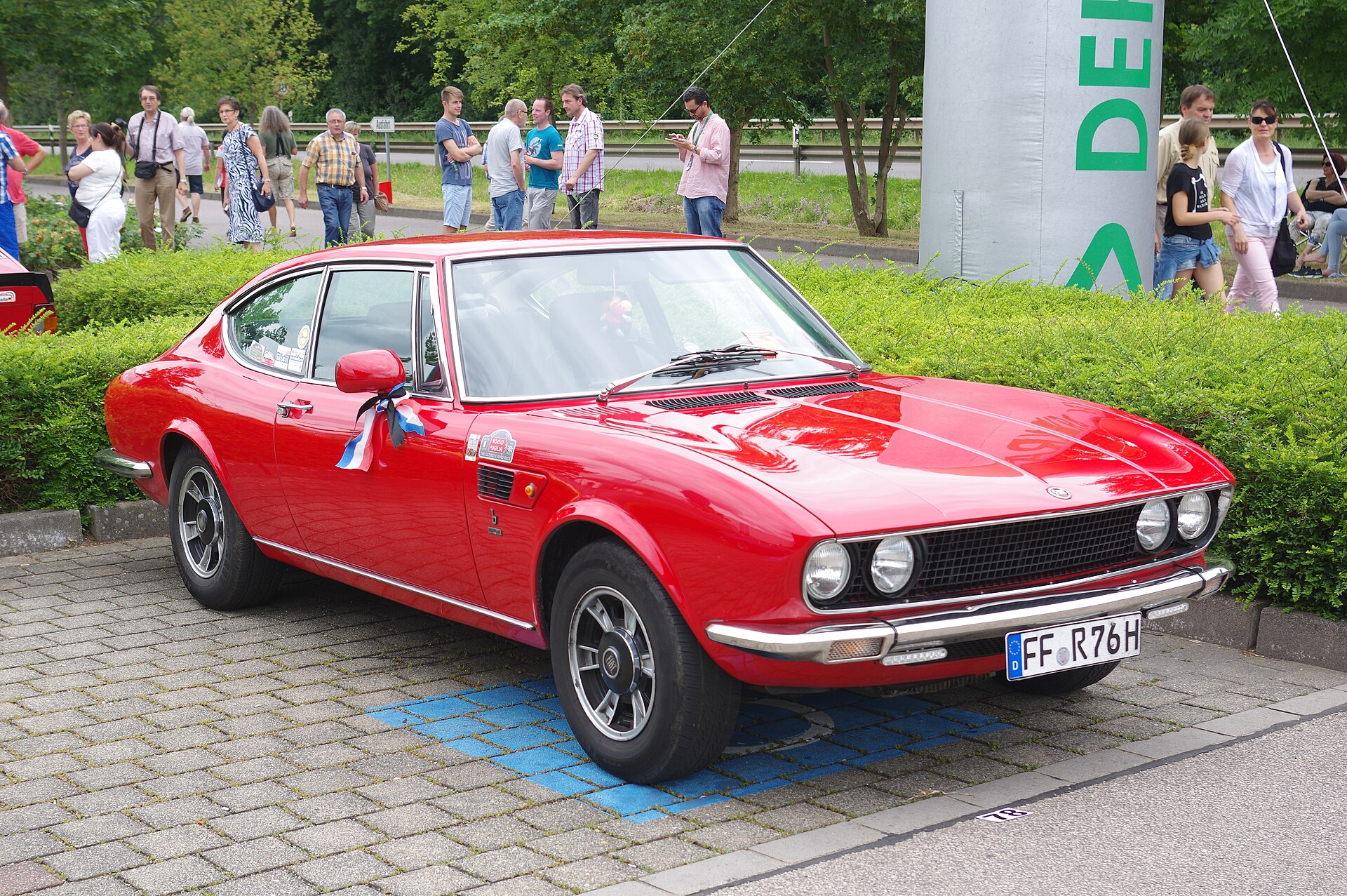
- Engine: 2.0L or 2.4L Ferrari V6 (naturally aspirated)
- Horsepower: 160 hp to 180 hp (approx.)
- Torque: 179 Nm to 216 Nm (approx.)
- Length: 4,280 mm (coupe approx.)
- Width: 1,720 mm (approx.)
1. Fiat Dino
The Fiat Dino stands as one of the most fascinating examples of cross-brand engineering in Italian automotive history. It was created during a period when Ferrari needed to homologate its V6 engine for Formula 2 racing, which required a minimum number of production units.
Since Ferrari alone could not meet the production requirement, Fiat stepped in as a manufacturing partner. This collaboration resulted in a road car that carried genuine Ferrari engineering under a Fiat badge, making it one of the most accessible ways to experience Ferrari performance in the late 1960s and early 1970s.
At the heart of the Fiat Dino lies a Ferrari-designed 2.0-liter V6 engine, later expanded to a 2.4-liter version. This engine was directly derived from the same technical lineage as the power unit used in the Ferrari Dino 206 GT and 246 GT.
It was engineered with a focus on high-revving capability, lightweight construction, and smooth power delivery. The aluminum construction and advanced design allowed it to behave like a true sports car engine even when installed in a more conventional Fiat platform.
What makes the Fiat Dino especially interesting is how the engine completely transformed the character of the car. While Fiat was traditionally known for practical and affordable vehicles, the Dino project introduced a level of performance and sophistication that was previously unseen in the brand’s lineup.
The engine delivered strong acceleration and a thrilling top end, making the car feel much more exotic than its exterior styling suggested. It blurred the line between mass-produced vehicles and true sports cars.
Design-wise, the Fiat Dino was offered in two distinct body styles. The coupe version was designed by Bertone and featured sharp, elegant lines, while the spider version was crafted by Pininfarina and emphasized a more open, flowing aesthetic.
Both versions maintained a subtle appearance that did not immediately reveal the Ferrari-derived performance beneath the hood. This understated nature contributed to its appeal as a hidden gem among enthusiasts.
The Fiat Dino is a collectible classic due to its rarity, historical significance, and direct connection to Ferrari engineering. It represents a unique moment in automotive history when Ferrari and Fiat collaborated closely, resulting in a car that delivered authentic Ferrari performance in a more approachable and versatile package.
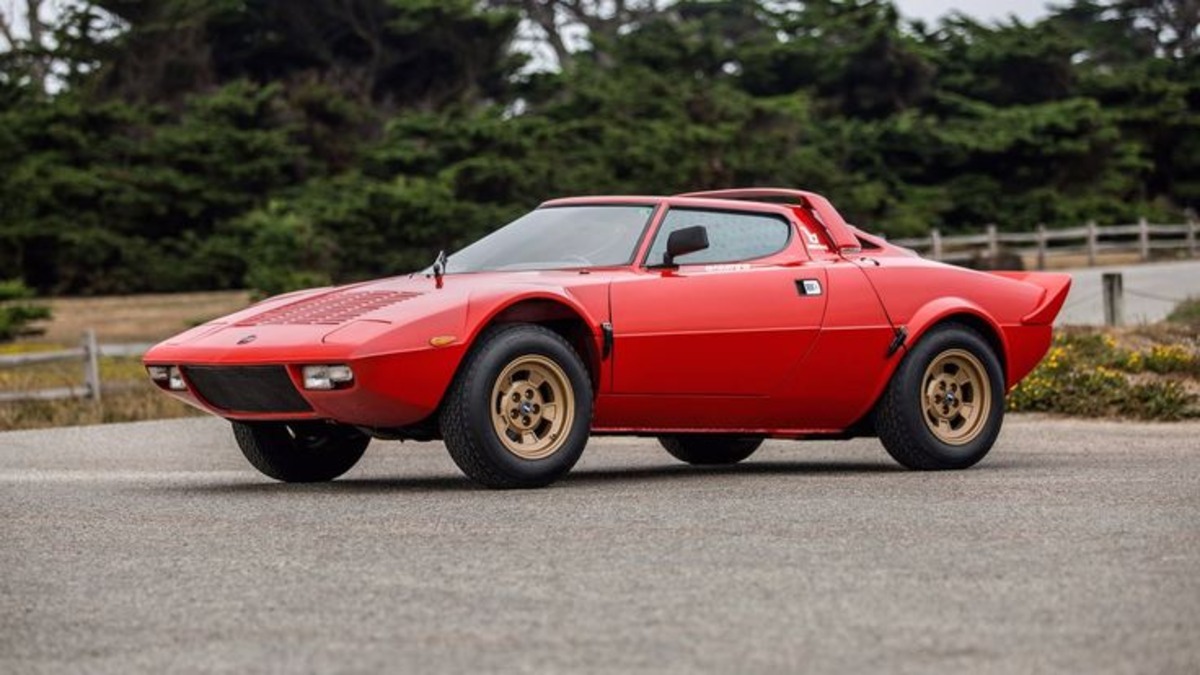
- Engine: 2.4L Ferrari Dino V6 (naturally aspirated)
- Horsepower: 190 hp to 320 hp (road and rally versions vary)
- Torque: 226 Nm (approx.)
- Length: 3,710 mm
- Width: 1,750 mm
2. Lancia Stratos
The Lancia Stratos is widely regarded as one of the most iconic rally cars ever built, and its success is deeply tied to its Ferrari-derived engine.
Introduced in the early 1970s, the Stratos was built with a single goal of conquering the World Rally Championship. Rather than being based on an existing road car, it was engineered specifically for rally competition. This purpose-built approach gave the Stratos a clear edge through its optimized weight distribution, sharp handling, and outstanding performance.
Powering the Stratos is a 2.4-liter V6 engine sourced from Ferrari Dino architecture. This engine was chosen for its compact size and exceptional responsiveness, both of which were essential for a mid-engine rally car.
Ferrari’s engineering ensured that the unit could withstand the harsh and unpredictable conditions of rally racing, including rapid changes in terrain, temperature, and load. The result was a powertrain that delivered both reliability and explosive performance when needed.
The placement of the Ferrari-derived engine in a mid-engine configuration gave the Stratos near-perfect balance. This allowed it to rotate quickly through tight corners and maintain exceptional stability on loose surfaces such as gravel and snow.
Drivers could confidently push the car to its limits knowing that the engine and chassis combination was designed to work in perfect harmony. This balance became one of the Stratos’ defining strengths in competition.
During its rally career, the Lancia Stratos achieved extraordinary success, securing multiple championship titles and dominating the sport throughout the mid 1970s.
Its compact size, lightweight construction, and Ferrari-engineered powerplant made it nearly unbeatable in the hands of skilled drivers. It set a new benchmark for what a dedicated rally car could achieve and influenced the design of future competition vehicles.
Even today, the Lancia Stratos is remembered not only for its striking design but also for its engineering excellence. The Ferrari engine at its core is a major reason why it remains one of the most celebrated and respected rally cars in motorsport history.
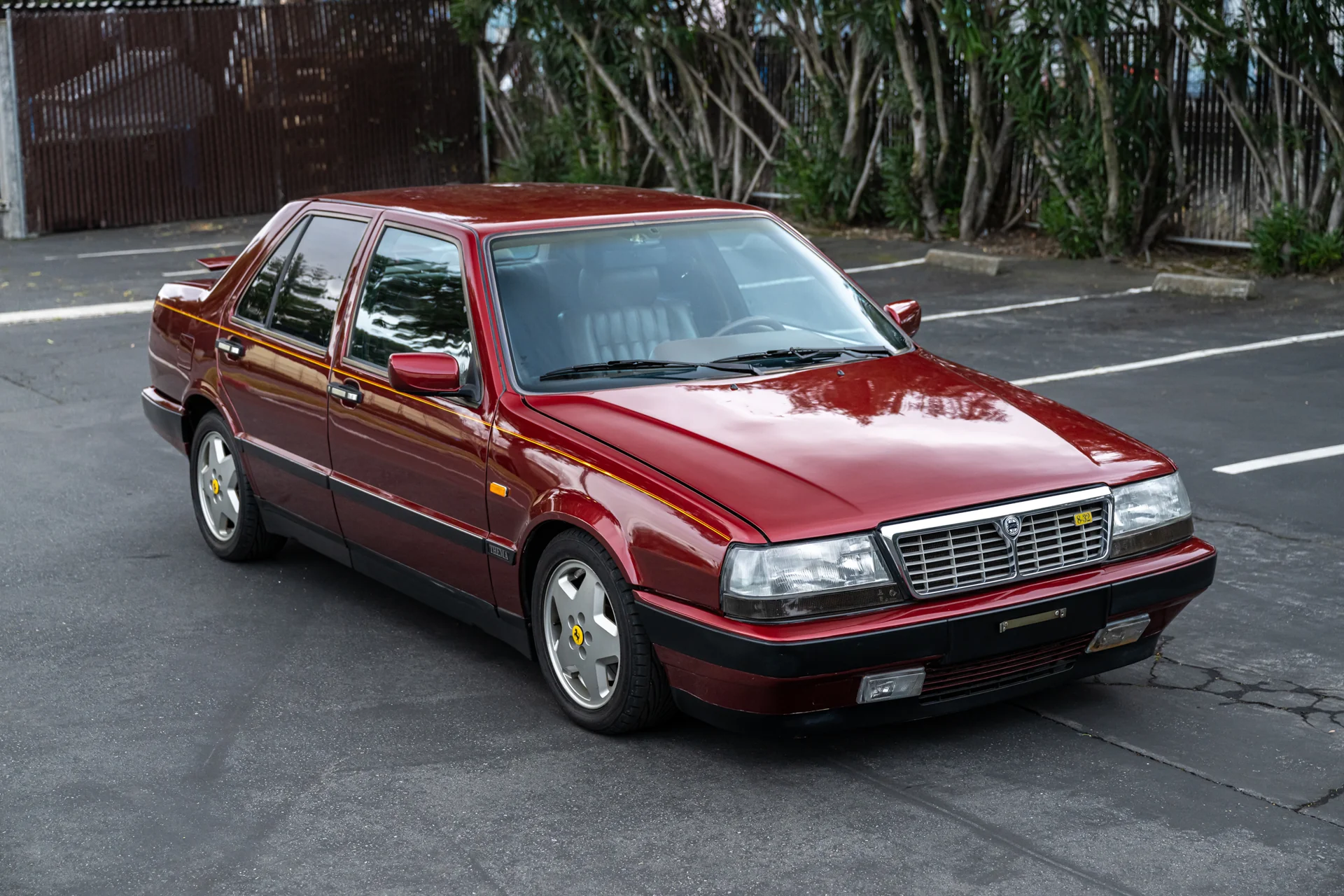
- Engine: 2.9L Ferrari V8 (308/328 derived)
- Horsepower: 205 hp (early), 215 hp (later version)
- Torque: 285 Nm (approx.)
- Length: 4,590 mm
- Width: 1,760 mm
3. Lancia Thema 8.32
The Lancia Thema 8.32 is one of the most unexpected and intriguing luxury sedans ever produced, primarily because it hides a Ferrari V8 engine beneath its understated exterior.
Introduced in the mid 1980s, the Thema was originally designed as a comfortable executive sedan, but the 8.32 version elevated it into a performance-oriented luxury vehicle. The name 8.32 itself refers to the engine configuration, meaning 8 cylinders and 32 valves.
At the heart of the Thema 8.32 is a 2.9-liter V8 engine derived from Ferrari’s 308 and 328 sports cars. While it was slightly detuned for use in a sedan application, it retained much of its Ferrari character, including its high-revving nature and distinctive exhaust note.
The engine was hand-built and maintained many of the performance characteristics that made Ferrari engines so desirable, even when adapted for a more refined driving experience.
This was unusual for a Ferrari-powered vehicle, as most Ferrari applications were Rear Wheel Drive or mid-engine. Despite this layout, the car delivered impressive acceleration and smooth power delivery, making it one of the fastest executive sedans of its time. It demonstrated how Ferrari engineering could be adapted to different vehicle platforms without losing its identity.
The exterior design of the Thema 8.32 was intentionally subtle, especially compared to its performance capabilities.
It featured minor styling upgrades such as alloy wheels, discreet badging, and refined trim details, but it avoided the aggressive styling cues commonly associated with high-performance cars. This created a sleeper effect, where the car appeared modest but delivered exceptional performance when driven.
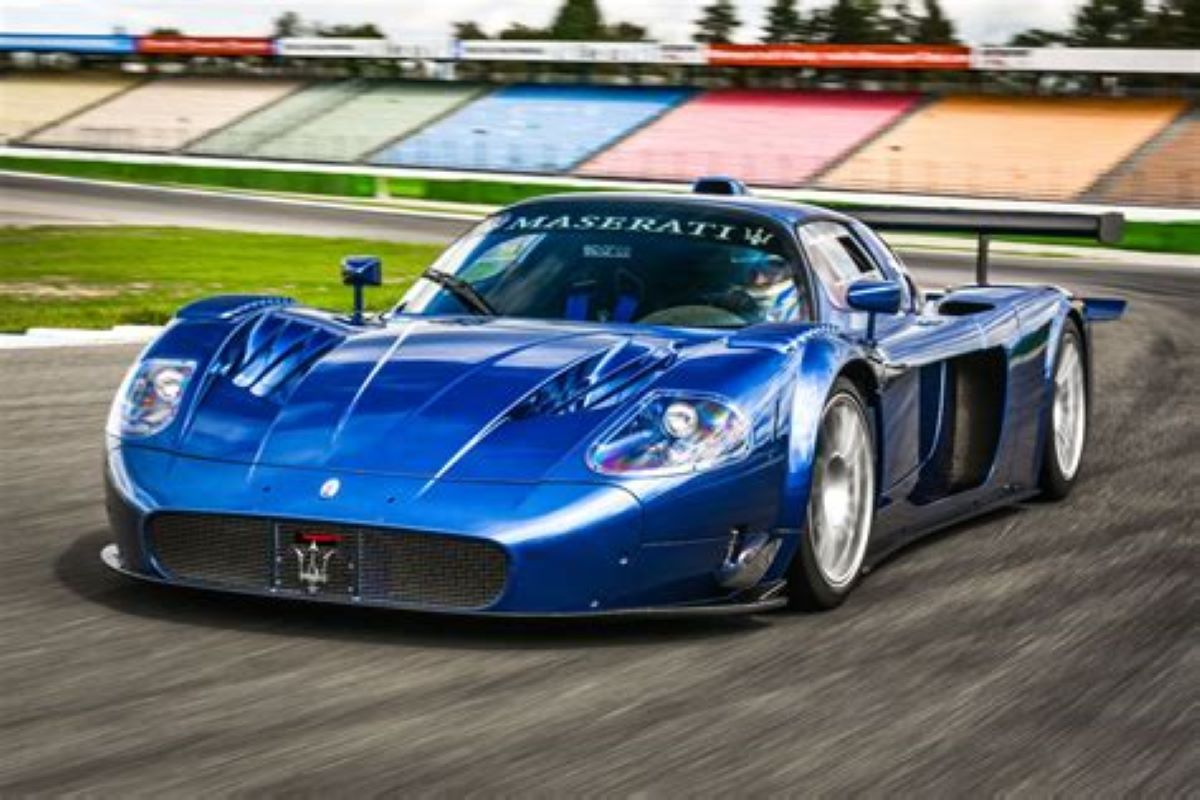
- Engine: 6.0L Ferrari Enzo derived V12
- Horsepower: 630 hp
- Torque: 652 Nm
- Length: 5,143 mm
- Width: 2,096 mm
4. Maserati MC12
The Maserati MC12 is one of the most extreme and track-focused vehicles ever produced by Maserati, and it shares a deep engineering connection with Ferrari. Developed in the early 2000s, the MC12 was created as a homologation model for FIA GT racing. Its development was closely tied to the Ferrari Enzo, which served as the foundation for its mechanical and structural design.
At the core of the MC12 is a 6.0-liter naturally aspirated V12 engine directly derived from the Ferrari Enzo. This engine is one of the most advanced naturally aspirated units of its time, designed to deliver extremely high performance with linear power delivery and rapid throttle response.
In the MC12, it produces slightly different tuning characteristics, optimized for endurance racing and stability rather than outright aggression.
The chassis of the MC12 is based heavily on Ferrari technology, featuring a carbon fiber tub that provides exceptional rigidity while keeping weight to a minimum. The car is longer than the Enzo, which improves aerodynamic efficiency and stability at high speeds. This design choice was intentional, as the MC12 was built primarily for GT racing success rather than road car agility.
On the track, the Maserati MC12 became one of the most successful GT racing cars of its era. It dominated FIA GT championships and proved that Ferrari-derived engineering could be adapted into a different brand identity while still achieving elite-level performance.
Its racing success cemented its reputation as one of the most capable competition cars ever produced under the Maserati name.
MC12 is extremely rare and highly valuable, both as a road car and as a collector’s item. Its Ferrari V12 engine and shared engineering with the Enzo make it one of the most desirable modern supercars outside the Ferrari brand.
Also Read: 7 Most Reliable Motorcycles You Can Buy Today
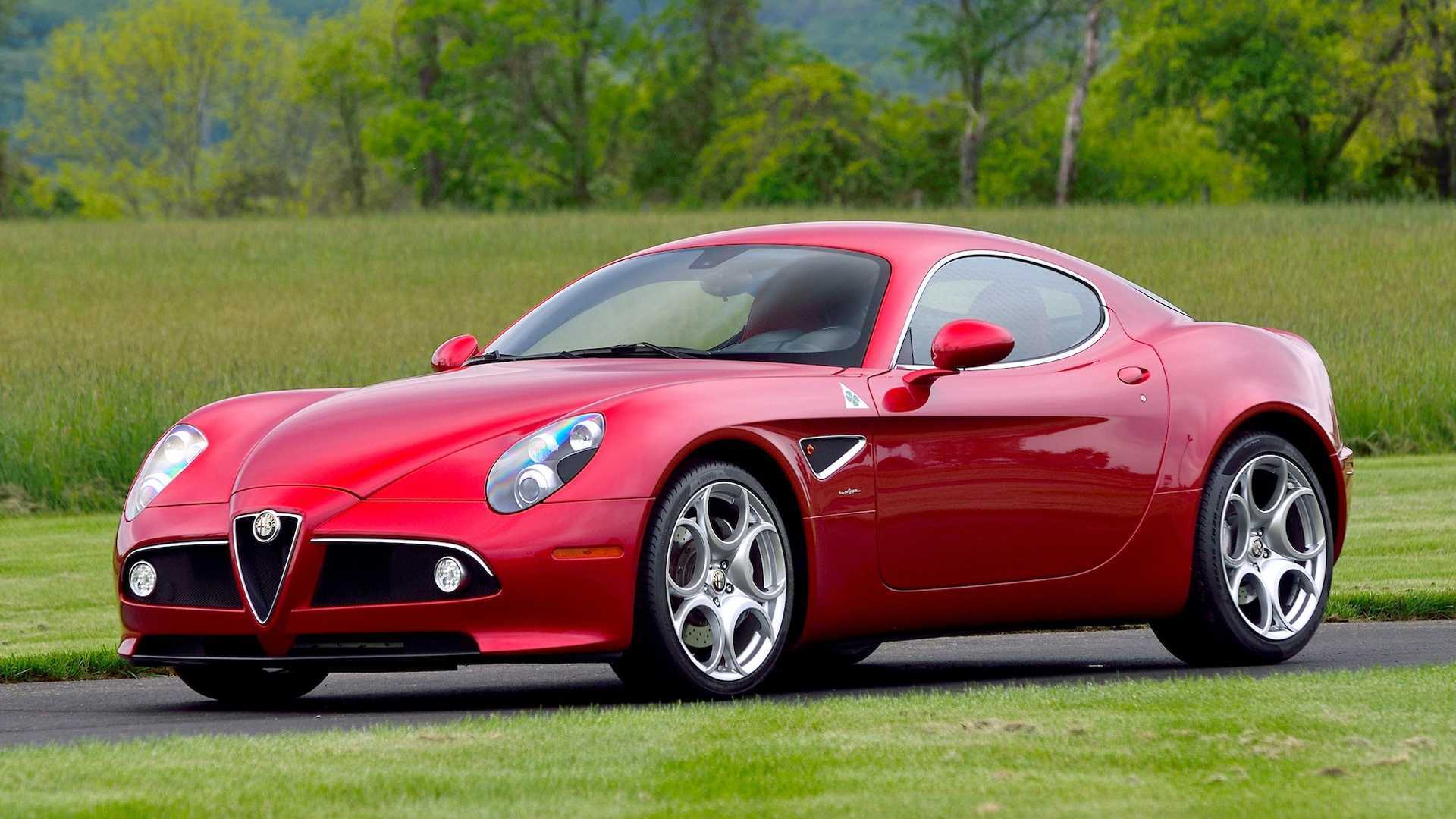
- Engine: 4.7L Ferrari Maserati F136 V8
- Horsepower: 450 hp
- Torque: 470 Nm
- Length: 4,280 mm
- Width: 1,894 mm
5. Alfa Romeo 8C Competizione
The Alfa Romeo 8C Competizione is widely regarded as one of the most beautiful modern Italian sports cars, and its performance identity is closely tied to Ferrari-influenced engineering. Introduced in the late 2000s, the 8C was designed as a halo model to revive Alfa Romeo’s image as a premium performance brand with strong emotional appeal and motorsport heritage.
Powering the 8C Competizione is a 4.7-liter V8 engine that belongs to the Ferrari Maserati F136 engine family. This engine was produced in Ferrari’s manufacturing facility and shares core architecture and design principles with several Ferrari V8 engines.
It is naturally aspirated, high-revving, and engineered to deliver a strong emotional driving experience rather than just raw numerical performance.
The driving character of the 8C is defined by its smooth power delivery and distinctive exhaust note. Ferrari engineering ensured that the engine responded quickly to throttle input and maintained strong performance throughout the rev range. This made the car feel alive and engaging, especially during spirited driving on open roads or track environments.
Beyond its engine, the 8C Competizione features a carbon fiber body and rear wheel drive layout, which contribute to its balanced handling characteristics.
The combination of lightweight construction and Ferrari-derived power allowed Alfa Romeo to position the 8C as a true modern sports car rather than just a design exercise. It successfully bridged the gap between aesthetics and performance.
Alfa Romeo 8C Competizione is considered a modern classic and one of the most desirable Alfa Romeo models ever built. Its Ferrari-derived V8 engine plays a central role in its legacy, making it a standout example of how Ferrari engineering has influenced other Italian performance brands.
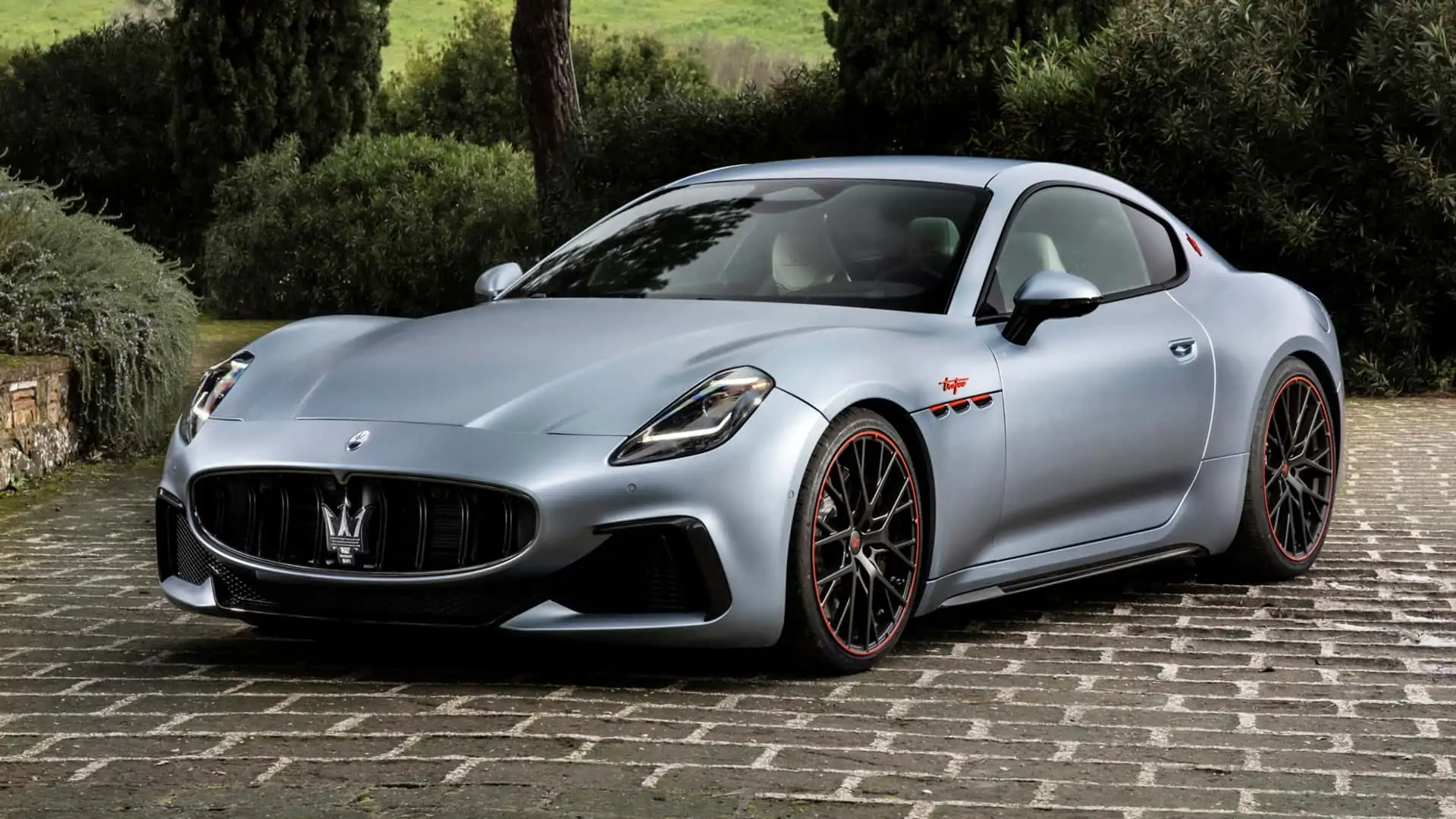
- Engine: 4.2L or 4.7L Ferrari derived F136 V8
- Horsepower: 400 hp to 460 hp (varies by version)
- Torque: 460 Nm to 520 Nm (approx.)
- Length: 4,881 mm
- Width: 1,915 mm
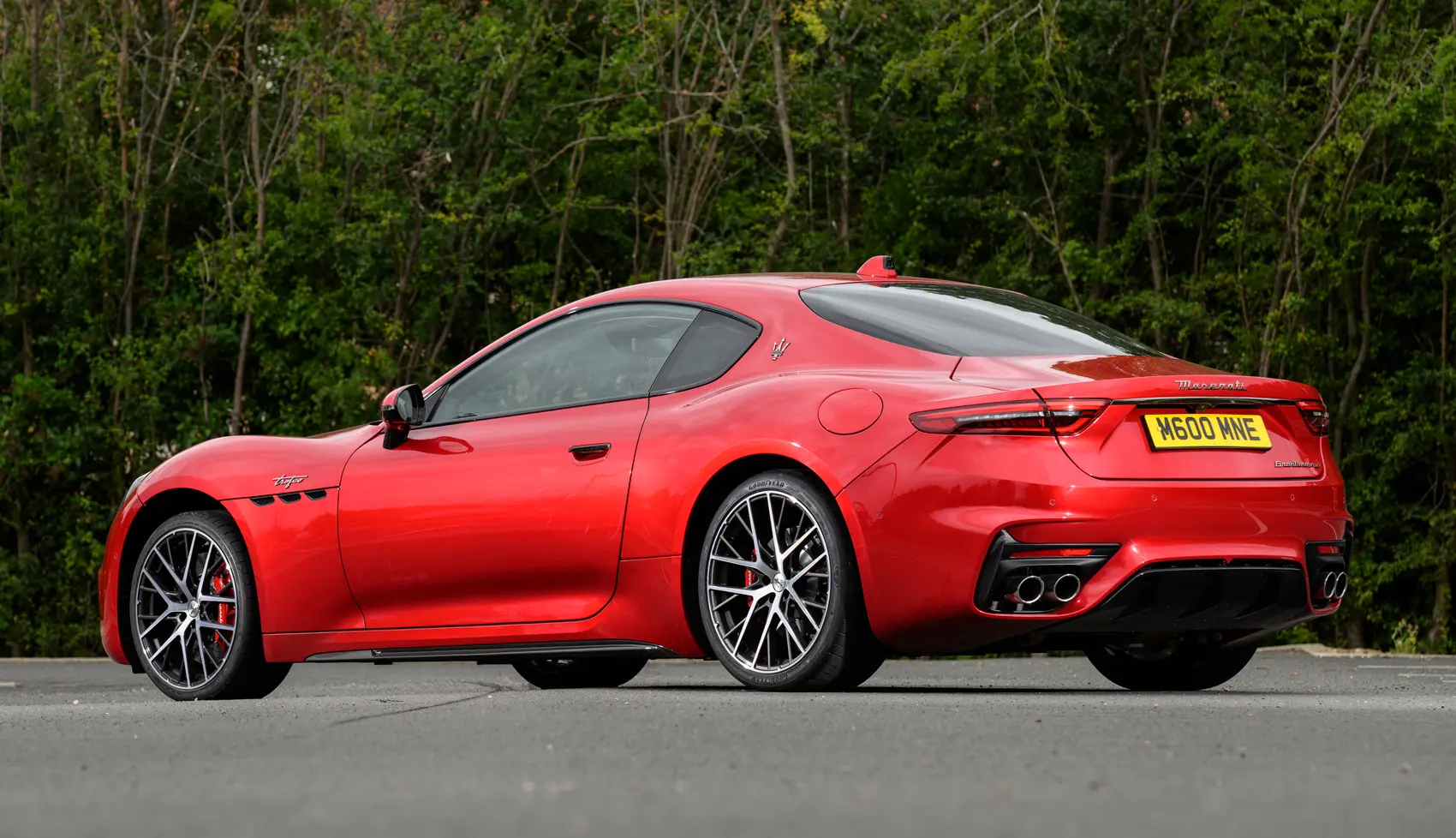
6. Maserati GranTurismo
The Maserati GranTurismo is one of the most iconic grand tourers of the modern era, and its identity is strongly tied to Ferrari-derived engineering.
First introduced in 2007, it was designed to combine long-distance comfort with genuine sports car performance. Maserati positioned it as a successor to its earlier coupe models, but with a more refined chassis, improved reliability, and a significantly upgraded powertrain sourced from Ferrari, influenced by architecture.
At the heart of the GranTurismo lies the Ferrari Maserati F136 V8 engine. Depending on the variant, it comes in 4.2-liter and 4.7-liter forms, both naturally aspirated and built with Ferrari engineering expertise at Maranello.
This engine was widely respected for its high-revving nature, linear power delivery, and mechanical character, which made it stand out in a segment increasingly dominated by turbocharged competitors.
The exhaust note produced by the Ferrari-derived V8 is often considered one of the best-sounding among modern production cars. It delivers a sharp, melodic, and rising tone that becomes more aggressive as engine speed increases. This auditory experience plays a major role in the car’s emotional appeal and sets it apart from German and British rivals.
In terms of driving dynamics, the GranTurismo balances comfort with performance. It is not a track-focused machine, but rather a grand touring vehicle designed for high-speed cruising and spirited road driving.
The Ferrari engine ensures that even though the car is heavy compared to pure sports cars, it still offers strong acceleration and a rewarding driving experience. The Maserati GranTurismo remains one of the most recognizable Maserati models ever built.
Its Ferrari-engineered V8 is central to its legacy, making it a benchmark for Italian grand tourers that prioritize emotion, sound, and elegance alongside performance.
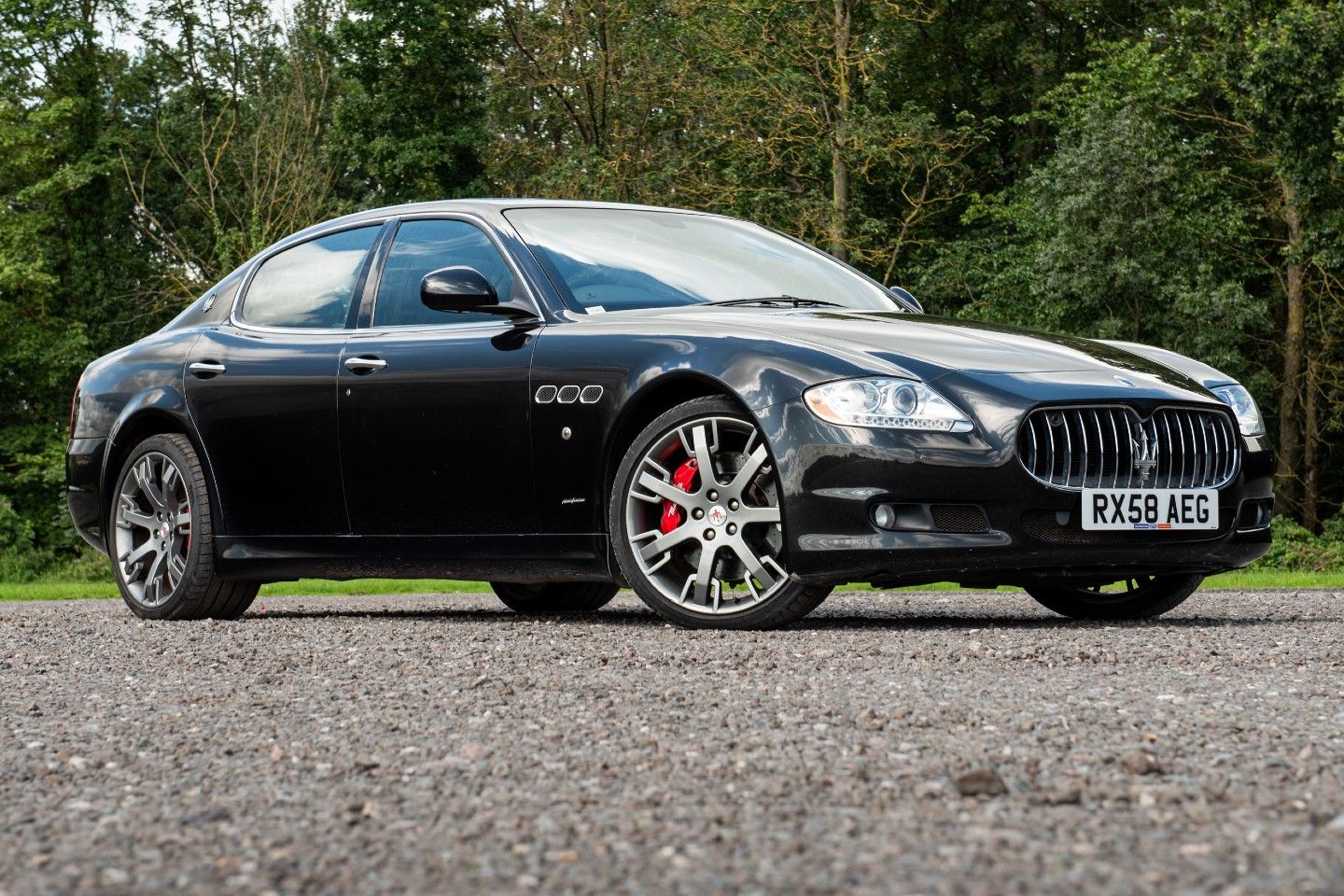
- Engine: 4.2L / 4.7L Ferrari derived V8 (F136)
- Horsepower: 400 hp to 430 hp (approx.)
- Torque: 450 Nm to 490 Nm (approx.)
- Length: 5,097 mm
- Width: 1,895 mm
7. Maserati Quattroporte
The Maserati Quattroporte is Maserati’s flagship luxury sedan, and its evolution has been closely linked with Ferrari engine technology, particularly during the fifth generation. Designed to compete with high-end German sedans, the Quattroporte needed a powertrain that could deliver both refinement and performance, and Ferrari engineering provided exactly that foundation.
Under the hood of the Quattroporte lies the Ferrari-derived F136 V8 engine, shared with models like the GranTurismo. This engine was built in Ferrari’s production facility and tuned to suit the characteristics of a luxury sedan. While it retained its strong revving personality, it was calibrated to provide smoother power delivery and improved drivability for everyday use.
The integration of a Ferrari engine into a full-size luxury sedan created a unique driving experience. Unlike traditional executive cars that prioritize quiet operation and comfort, the Quattroporte introduced a more emotional and performance-oriented character.
Acceleration felt immediate and engaging, while the engine provided a distinctive exhaust note that reminded drivers of its Ferrari origins.
Despite its performance capabilities, the Quattroporte maintained a strong focus on luxury. The interior featured premium materials, handcrafted details, and a design philosophy rooted in Italian elegance. This combination of Ferrari performance and luxury sedan comfort made it one of the most distinctive vehicles in its class.
The Quattroporte has become a symbol of Maserati’s identity as a luxury performance brand. Its Ferrari-derived engine remains one of its most important attributes, reinforcing its position as a true alternative to more conventional executive sedans.
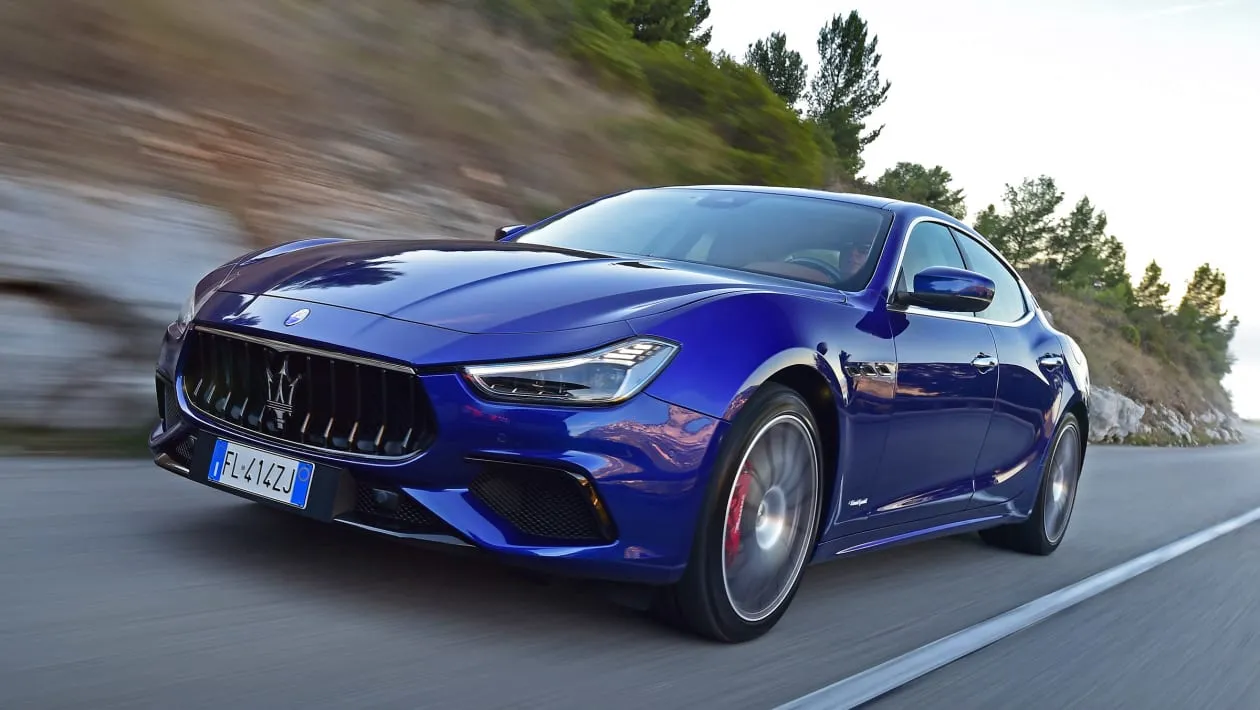
- Engine: 3.0L Ferrari-developed twin-turbo V6
- Horsepower: 345 hp to 430 hp (depending on variant)
- Torque: 500 Nm to 580 Nm
- Length: 4,971 mm
- Width: 1,945 mm
8. Maserati Ghibli
The Maserati Ghibli represents the brand’s entry into the modern executive sports sedan segment, and it continues the tradition of Ferrari-influenced engineering. Introduced in the 2010s, the Ghibli was designed to compete directly with German rivals such as the BMW 5 Series and Mercedes E-Class, but with a stronger emphasis on emotional driving dynamics and Italian styling.
Higher-performance versions of the Ghibli are powered by a Ferrari-developed twin-turbocharged V6 engine. This engine was designed in collaboration with Ferrari and shares engineering principles with other high-performance units developed within the Ferrari ecosystem. It marked a shift from naturally aspirated engines to forced induction while still preserving a sporty and responsive character.
The Ferrari connection ensures that the engine retains a distinctive personality despite being turbocharged. It delivers strong mid-range torque, rapid acceleration, and a uniquely tuned exhaust note that distinguishes it from typical turbocharged sedans.
Maserati engineers worked carefully to preserve emotional feedback, which is a key part of Ferrari-influenced design philosophy.
In real-world driving, the Ghibli offers a blend of comfort and performance suitable for both city use and highway cruising. It is more accessible and practical than traditional Ferrari-powered sports cars, making it an important model for expanding Maserati’s customer base while maintaining performance credibility.
The Ghibli plays a key role in Maserati’s modern lineup. Its Ferrari-influenced engine architecture ensures that it remains true to the brand’s performance heritage while adapting to contemporary automotive demands.
- Engine: 3.8L Ferrari-built twin-turbo V8
- Horsepower: 580 hp to 590 hp
- Torque: 730 Nm
- Length: 5,003 mm
- Width: 1,981 mm
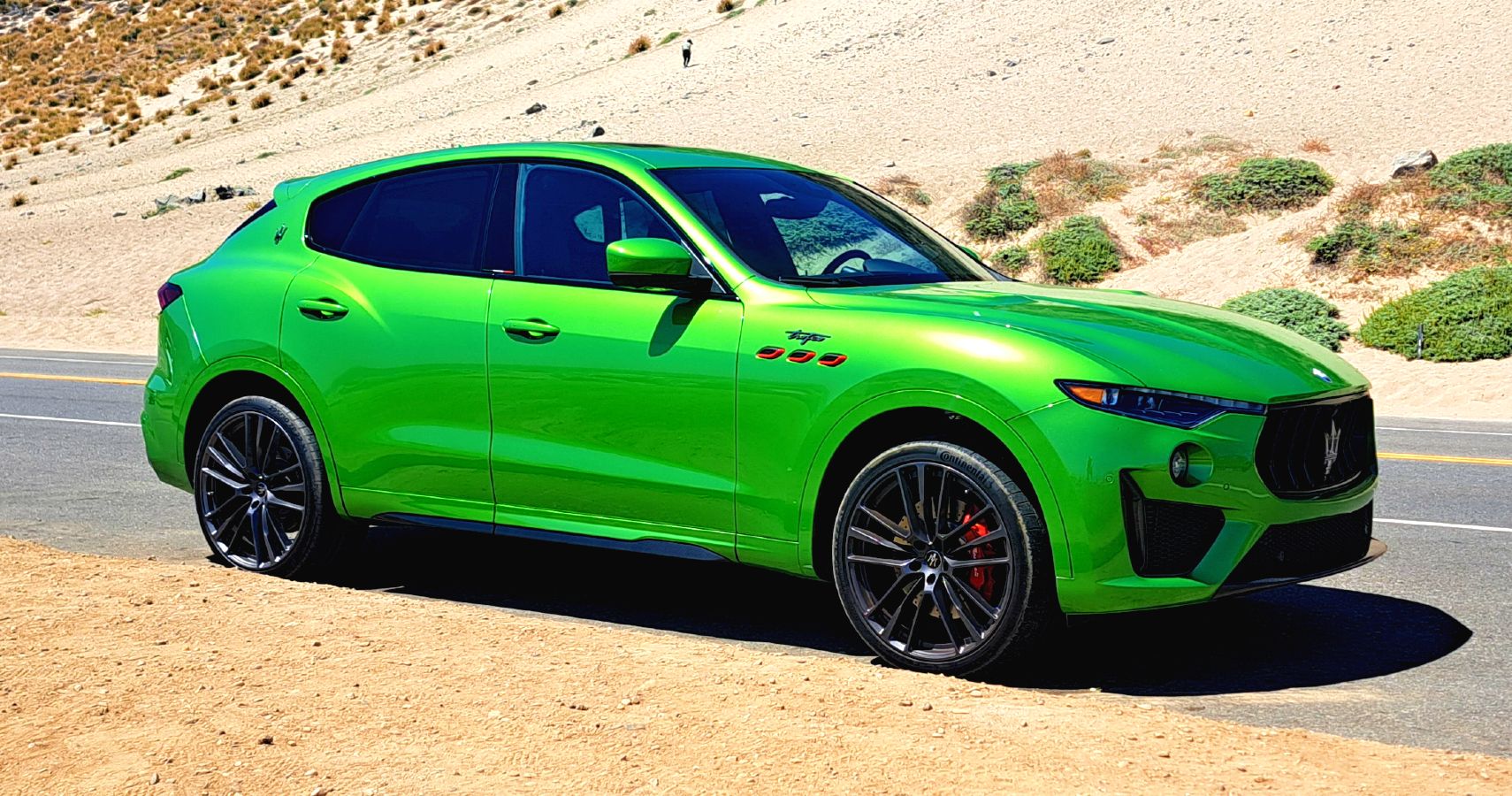
9. Maserati Levante Trofeo
The Maserati Levante Trofeo is a high-performance luxury SUV that showcases how Ferrari engine technology has expanded into modern utility-focused vehicles. As part of Maserati’s SUV lineup, the Levante was designed to combine practicality with performance, and the Trofeo variant represents the most powerful expression of that concept.
Powering the Levante Trofeo is a Ferrari-built 3.8-liter twin-turbo V8 engine. This engine is derived from Ferrari architecture and is tuned specifically for SUV applications. It produces extremely high output, enabling the Levante to achieve acceleration figures that rival many sports cars despite its larger size and heavier weight.
The Ferrari-engineered V8 gives the Levante Trofeo a dramatic and engaging driving character. Unlike typical SUVs that prioritize comfort and efficiency, the Levante delivers strong acceleration, sharp throttle response, and a distinctive exhaust note that enhances the driving experience. This makes it one of the most emotionally engaging SUVs in its segment.
From a design perspective, the Levante maintains Maserati’s signature styling while incorporating aerodynamic and performance-oriented enhancements for the Trofeo version. These improvements help manage high-speed stability and cooling requirements for the powerful Ferrari-derived engine.
Trofeo is a clear example of how Ferrari engine technology has evolved beyond traditional sports cars. It demonstrates that high-performance engineering can be successfully adapted into SUV platforms without losing emotional appeal.
- Engine: 4.2L Ferrari F136 V8
- Horsepower: 390 hp
- Torque: 451 Nm
- Length: 4,523 mm
- Width: 1,822 mm
10. Maserati Coupé and Spyder (4200 GT)
The Maserati Coupé and Spyder, also known as the 4200 GT series, represent a pivotal moment in Maserati’s modern revival, and they owe much of their performance identity to Ferrari engineering. Introduced in the early 2000s, these models marked Maserati’s return to producing truly competitive sports cars after years of limited offerings.
At the core of these vehicles is the Ferrari F136 4.2-liter V8 engine. This naturally aspirated engine was shared across several Maserati and Ferrari-related models and was built with Ferrari’s technical expertise. It was designed to deliver high-revving performance, smooth power delivery, and strong emotional character, all of which are essential traits of Italian sports cars.
The driving experience of the 4200 GT is defined by responsiveness and engagement. The Ferrari-derived engine reacts quickly to throttle input, delivering a linear surge of power that builds toward high engine speeds. This makes the car particularly enjoyable during spirited driving on winding roads where engine responsiveness is critical.
The exterior design of the Coupé and Spyder was crafted by Giorgetto Giugiaro and reflects a balance of elegance and aggression. While the styling is understated compared to exotic supercars, the performance potential of the Ferrari engine beneath the hood gives the car a hidden depth that enthusiasts appreciate.
