
Buying a vehicle that can remain dependable beyond 250,000 miles is not simply about choosing a famous badge or following online opinions. Long-term durability depends on design, maintenance, driving conditions, repair history, and an owner’s willingness to fix minor issues before they become costly failures.
Still, large-scale vehicle data can reveal which models have a much stronger record of reaching very high mileage than the average vehicle.
This list uses findings from iSeeCars’ 2025 longest-lasting vehicle study, which analyzed nearly 400 million vehicles to estimate the likelihood that each model would reach at least 250,000 miles. The industry average was only 4.8 percent.
The models included here performed far above that figure, with the leading vehicles showing predicted quarter-million-mile chances several times higher than the average.
Toyota dominated the research, while Lexus and Honda also placed strongly. SUVs, trucks, sedans, hybrids, and a minivan all appeared among the strongest performers.
A high ranking does not guarantee that every example will last forever. Poor maintenance, overheating, neglected transmission service, rust, accidents, and hard towing can shorten the life of any vehicle.
Yet these models have data behind them, not just a reputation. The first two entries show why Toyota’s large body-on-frame SUVs continue to set the standard for long-distance durability.
Also Read: 10 Cars Disappearing From Showrooms After 2026
1. Toyota Sequoia
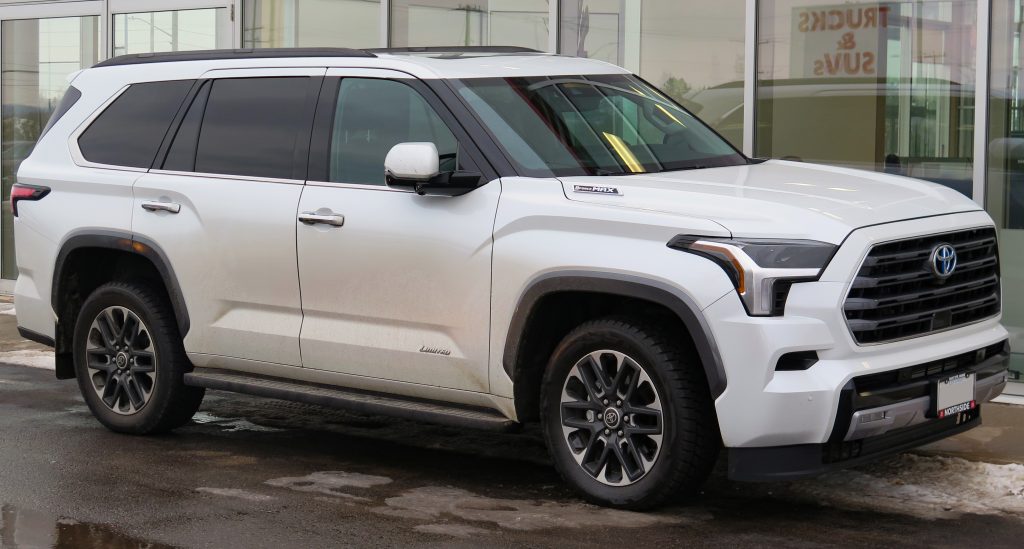
The Toyota Sequoia ranked first in the iSeeCars study, with a predicted 39.1 percent chance of reaching 250,000 miles. That is more than eight times the 4.8 percent industry average, making it the strongest performer in the research.
The result is especially notable because the Sequoia is a large three-row SUV, a vehicle type often used for family travel, towing, highway driving, and carrying heavy loads.
One reason behind its long-life reputation is its traditional truck-based construction. Earlier Sequoia generations used proven V8 engines, sturdy automatic transmissions, and body-on-frame architecture related to Toyota’s full-size pickup trucks.
These components were designed to manage heavy use rather than only provide a comfortable ride for short urban trips. The latest Sequoia uses a hybridized twin-turbo V6, so buyers looking specifically for the simplest long-term mechanical layout may prefer older V8 versions with documented maintenance.
The Sequoia’s size also encourages a different ownership pattern. Many are purchased by families who keep them for years, maintain them regularly, and use them for long highway trips instead of short city commutes.
Highway mileage can be less demanding on an engine and transmission than constant stop-and-go driving, provided oil changes, cooling-system service, and brake maintenance are not ignored.
Used buyers should inspect the frame carefully for rust, especially on vehicles from snowy regions. Suspension wear, timing-belt service on older V8 models, water-pump history, and transmission maintenance should also be checked.
A Sequoia with a complete service record is far more valuable than a lower-mileage example with unknown care.
- Engine: 3.4-liter twin-turbocharged V6 hybrid
- Torque: 583 lb-ft
- Horsepower: 437 hp
- Length/Width: 208.1 inches / 79.8 inches
2. Toyota 4Runner
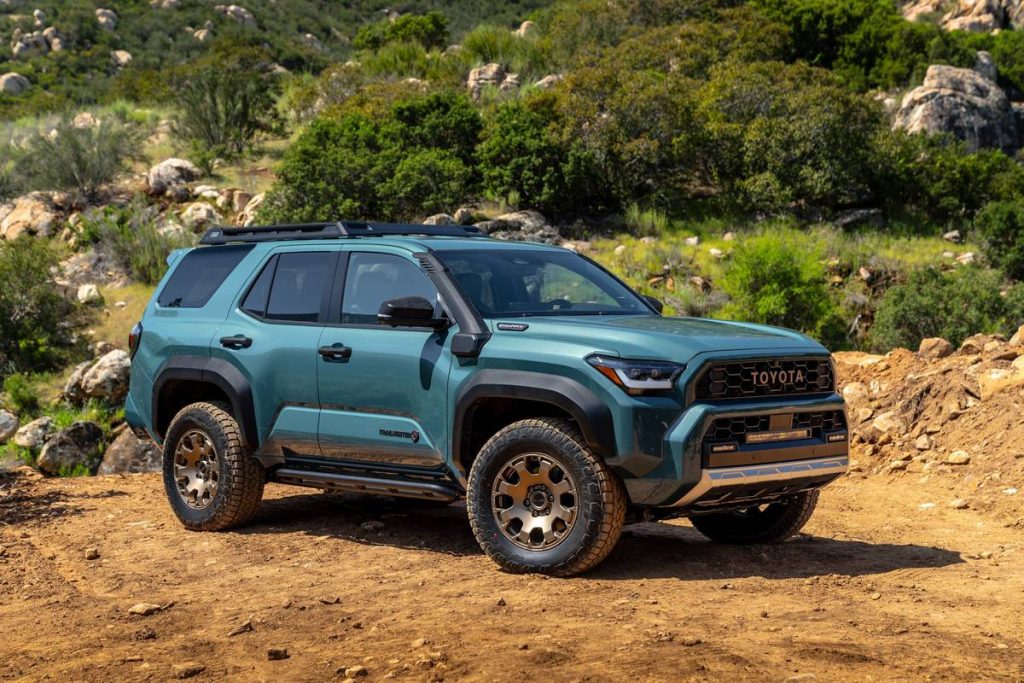
The Toyota 4Runner earned second place in the iSeeCars data, with a 32.9 percent predicted chance of reaching 250,000 miles. That gives it nearly seven times the likelihood of the average vehicle reaching the same milestone.
Few modern SUVs have built such a strong reputation for long-term ownership, and the data support why so many owners keep their 4Runners for decades.
The previous-generation 4Runner followed a straightforward formula with a naturally aspirated V6 engine, a conventional automatic transmission, body-on-frame construction, and available four-wheel drive.
It did not chase the newest infotainment technology or the highest fuel-economy figures, but its mechanical design remained familiar and proven for many years. That consistency helped repair shops understand the vehicle well, while parts availability stayed strong.
Its durability is also connected to the way it is engineered for demanding conditions. The 4Runner is designed to travel on rough roads, tow moderate loads, and handle weather that can challenge a typical crossover.
The suspension, chassis, and drivetrain have a tougher character than many car-based SUVs. That does not mean every 4Runner is invincible. Off-road use can damage skid plates, suspension components, wheel bearings, and underbody parts if the vehicle has been driven carelessly.
For used buyers, service records matter more than a clean-looking exterior. Check for frame corrosion, leaks from the engine or transfer case, worn suspension bushings, and evidence of poor aftermarket modifications. A heavily lifted example may have more wear than a stock vehicle that spent most of its life on pavement.
The 4Runner’s 32.9 percent result confirms that its reputation is supported by real high-mileage data. It remains one of the strongest choices for drivers who want a durable SUV and are prepared to accept lower fuel economy in exchange for long-term toughness.
The iSeeCars study found that the Sequoia had a 39.1 percent predicted chance of reaching 250,000 miles, while the 4Runner reached 32.9 percent. The research examined nearly 400 million vehicles and placed the industry average at 4.8 percent.
- Engine: 2.4-liter turbocharged inline-four hybrid
- Torque: 465 lb-ft
- Horsepower: 326 hp
- Length/Width: 194.9 inches / 77.8 inches
3. Toyota Highlander Hybrid
The Toyota Highlander Hybrid placed third in the iSeeCars quarter-million-mile study, with a predicted 31.0 percent chance of reaching 250,000 miles. That figure is 6.5 times higher than the industry average.
It is a significant result because hybrids contain both an internal-combustion engine and electric-drive components, yet the data shows that the Highlander Hybrid has remained one of the strongest long-distance family SUVs.
Its durability case begins with the way Toyota’s hybrid system operates. At lower speeds, the electric motor can reduce the workload on the gasoline engine. During braking, the system captures energy that would normally be lost as heat and sends it back to the battery.
The gasoline engine also does not spend every moment idling in traffic. These operating habits can reduce wear in certain situations, especially for drivers who regularly travel through congested urban areas.
The Highlander Hybrid also attracts owners who tend to keep their vehicles for many years. It is often bought for family transportation, commuting, road trips, and school runs rather than short-term performance use.
Regular maintenance remains essential, particularly oil changes, coolant service, brake inspections, tire rotations, and hybrid-system checks. The battery is a major component, but many Toyota hybrid batteries have lasted well beyond the original warranty period when the cooling system has been kept clean.
Used buyers should inspect the hybrid battery condition, check whether the inverter coolant system has been serviced, and make sure the vehicle has not suffered flood damage. A pre-purchase inspection is important because electrical repairs can be expensive if problems have been ignored.
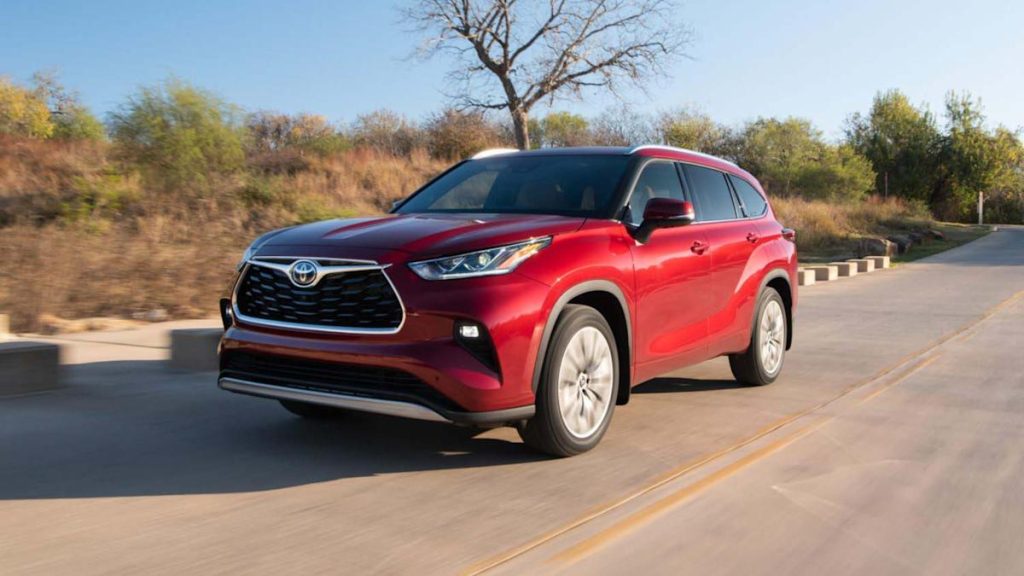
The Highlander Hybrid proves that a practical three-row SUV does not need a simple old-fashioned powertrain to last. Its 31.0 percent result places it among the best vehicles in the study and makes it a strong choice for buyers who want efficiency with long-term ownership potential.
- Engine: 2.5-liter four-cylinder hybrid system
- Torque: 176 lb-ft
- Horsepower: 243 hp
- Length/Width: 194.9 inches / 76.0 inches
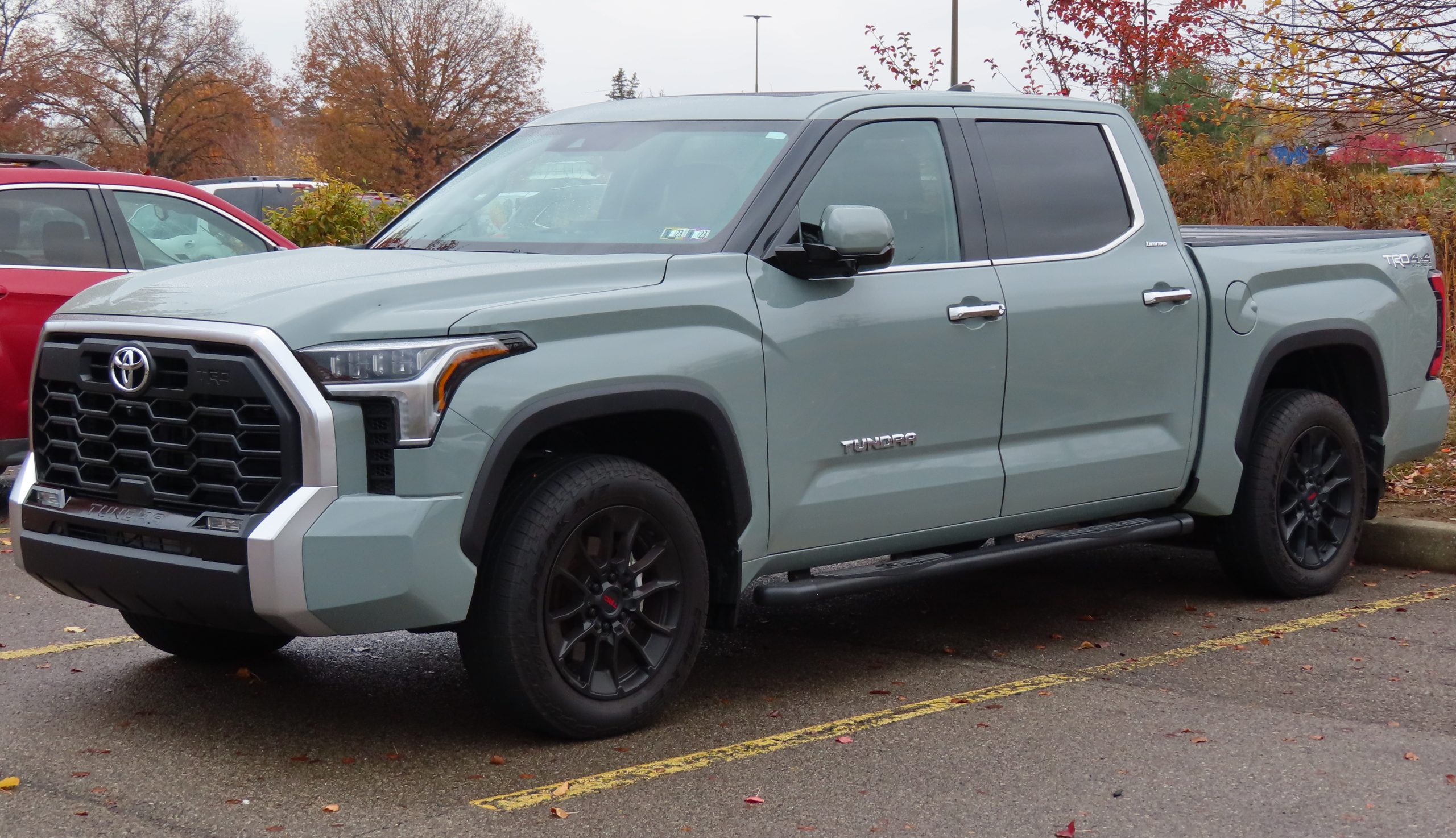
4. Toyota Tundra
The Toyota Tundra ranked fourth in the research, with a 30.0 percent predicted chance of reaching 250,000 miles. For a full-size pickup truck, that is an impressive figure.
Trucks are frequently used for towing, hauling, job-site travel, and long-distance driving, all of which can place heavy demands on engines, transmissions, brakes, suspension parts, and cooling systems.
Older Tundra generations built their reputation with large naturally aspirated V8 engines. These trucks were not the most fuel-efficient choices in the segment, but their mechanical simplicity and strong construction helped many examples remain on the road for years.
The newest Tundra uses a twin-turbo V6, with a hybrid option available on selected trims. Buyers shopping for a quarter-million-mile truck should remember that the data includes prior generations, so it should not be treated as a guarantee for every newer powertrain.
What the ranking does show is that the Tundra has historically been owned and maintained as a long-term work vehicle. Its body-on-frame structure, strong towing hardware, and broad parts support make repairs more manageable when mileage climbs.
Owners who use a Tundra for towing should follow the severe-service schedule rather than waiting for normal maintenance intervals. Transmission fluid, differential oil, brakes, tires, and cooling components deserve extra attention when the truck regularly pulls a trailer.
A used Tundra should be checked for frame rust, evidence of excessive towing, rear-suspension wear, oil leaks, and neglected service records. The best purchase is usually a truck with honest mileage and documented care, not one that looks clean but has an uncertain history.
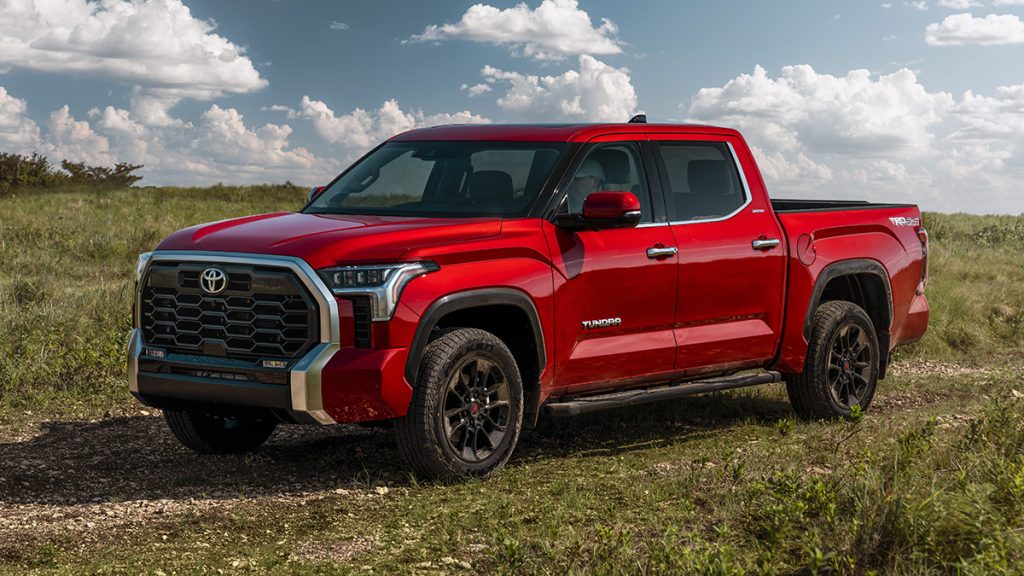
With a 30.0 percent chance of reaching 250,000 miles, the Tundra stands far above the average vehicle in the iSeeCars study. Its record supports the view that a well-maintained pickup can remain useful long after many ordinary vehicles have been retired.
- Engine: 3.4-liter twin-turbocharged V6
- Torque: 479 lb-ft
- Horsepower: 389 hp
- Length/Width: 233.6 inches / 80.2 inches
5. Lexus IS
The Lexus IS ranked fifth in the iSeeCars study, with a 27.5 percent predicted chance of reaching 250,000 miles. That is 5.7 times greater than the industry average, making it the highest-ranked passenger car in the research.
Its placement is important because it shows that long-term durability is not limited to trucks and large SUVs. A compact luxury sedan can also remain on the road for decades when it is built with proven mechanical components and maintained carefully.
The IS has long benefited from Lexus engineering, which emphasizes smooth power delivery, conservative tuning, and strong quality control. Earlier generations used naturally aspirated V6 engines that developed a reputation for durability when serviced on schedule.
Newer versions continue with a 3.5-liter V6 in the IS 350, paired with an eight-speed automatic transmission in rear-wheel-drive form or a six-speed automatic in all-wheel-drive versions.
Unlike many luxury cars that become expensive to maintain because of complicated turbocharged engines, air suspension systems, or heavily stressed performance parts, the IS 350 remains relatively straightforward.
It still includes modern technology, premium materials, and driver-assistance equipment, but its core mechanical package is less complicated than many rivals.
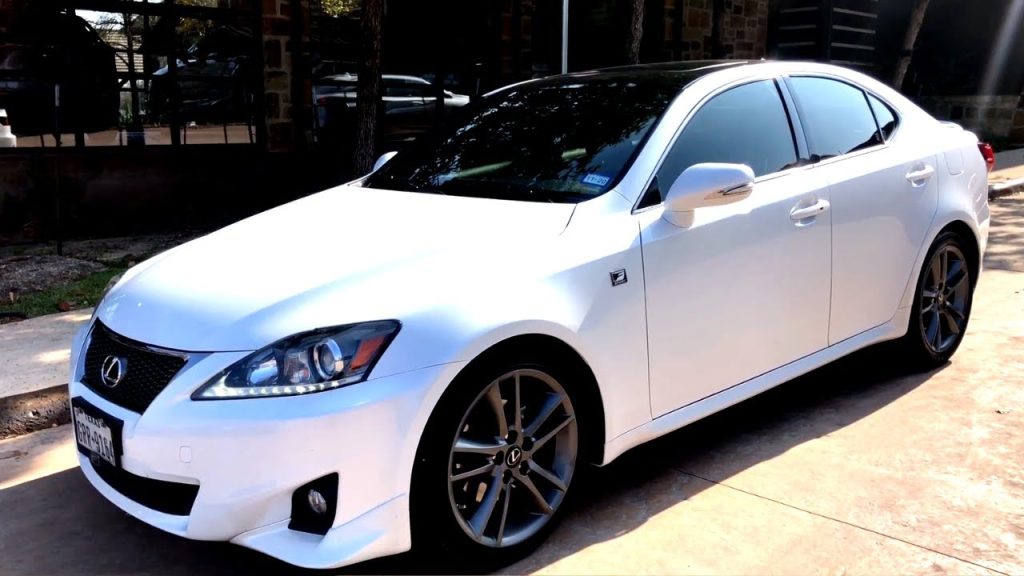
Used buyers should pay attention to maintenance records, tire wear, brake condition, and suspension components. The IS is often purchased by enthusiasts, so some examples may have aftermarket wheels, lowered suspension, loud exhaust systems, or performance tuning.
A stock vehicle with regular dealership or specialist service is usually the better long-term purchase.
The iSeeCars data does not mean every Lexus IS will automatically reach a quarter-million miles. It does show that the model has a much stronger chance than the average vehicle. For buyers who want a luxury sedan with proven durability, refined road manners, and strong resale value, the IS remains one of the safest choices.
- Engine: 3.5-liter naturally aspirated V6
- Torque: 280 lb-ft
- Horsepower: 311 hp
- Length/Width: 185.4 inches / 72.4 inches
6. Toyota Tacoma
The Toyota Tacoma secured sixth place in the iSeeCars ranking, with a 25.3 percent predicted chance of reaching 250,000 miles.
That is more than five times the industry average. The Tacoma has been one of the most trusted midsize pickups for years, and its high-mileage result reflects the way owners use and maintain these trucks.
A Tacoma is often purchased for work, outdoor travel, towing, hauling, and long-term ownership. It is not unusual to see older examples still being used daily with very high mileage.
Earlier generations earned their reputation with naturally aspirated four-cylinder and V6 engines, conventional automatic transmissions, and durable body-on-frame construction.
The latest Tacoma uses turbocharged four-cylinder engines and an available hybrid system, so buyers should remember that the study includes many older generations rather than only the newest model.
The strongest long-term Tacoma purchase is usually one with complete maintenance records and limited modification.
These trucks are popular with off-road enthusiasts, and lifted examples may have added stress on suspension parts, wheel bearings, driveshafts, steering components, and CV joints. A stock or lightly modified Tacoma that has spent most of its life on normal roads can be a safer choice for a buyer focused on durability.
Rust inspection is essential, especially for trucks from regions with harsh winters and salted roads. Buyers should also check the frame, bed mounts, suspension, transfer case, differential seals, and service history. A truck used for regular towing should have documented transmission and differential fluid changes.
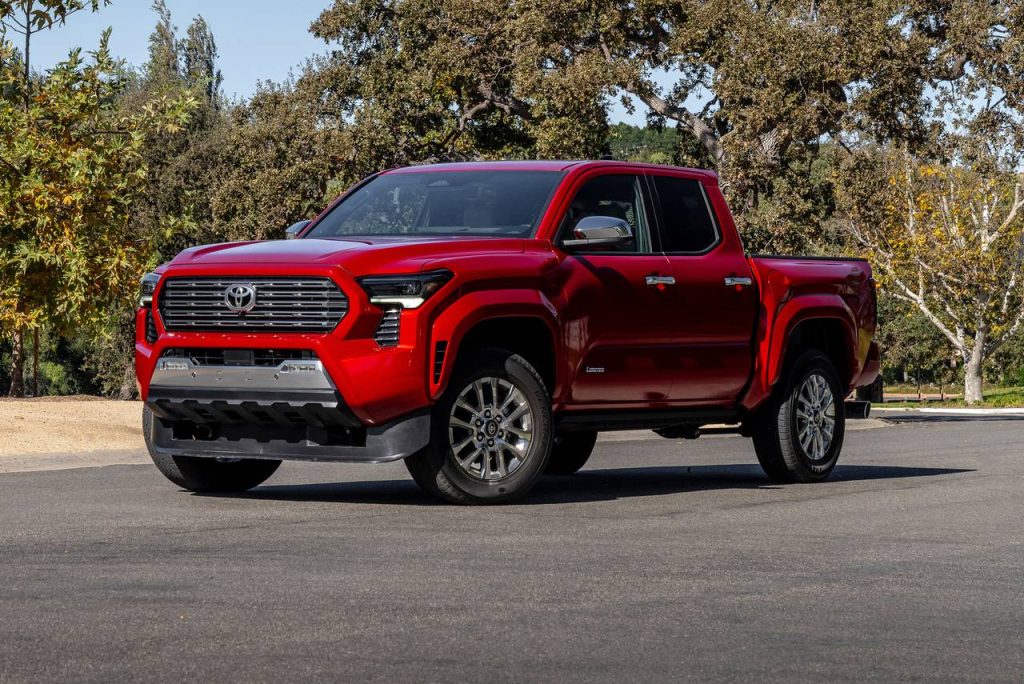
The Tacoma’s 25.3 percent result places it far ahead of the average vehicle. Its success comes from a practical combination of tough construction, strong resale demand, broad parts availability, and a long history of owners keeping their trucks rather than replacing them quickly.
- Engine: 2.4-liter turbocharged inline-four
- Torque: 317 lb-ft
- Horsepower: 278 hp
- Length/Width: 213.0 inches / 75.2 inches
7. Toyota Avalon
The Toyota Avalon earned an 18.9 percent predicted chance of reaching 250,000 miles in the iSeeCars study, placing it seventh among the models with the strongest long-distance potential.
That figure is nearly four times the 4.8 percent industry average. It also confirms that a large sedan can remain a practical long-term ownership choice even in a market increasingly dominated by SUVs and trucks.
The Avalon built its reputation around comfort rather than aggressive performance. Its spacious interior, soft ride, quiet cabin, and smooth V6 power made it a popular choice for commuters and highway travelers.
Many Avalons accumulated miles on long trips, a driving pattern that can be less demanding on major mechanical components than constant short-distance city use.
The final generation offered a 3.5-liter naturally aspirated V6 producing 301 horsepower. It used an eight-speed automatic transmission and delivered confident highway performance without relying on turbochargers.
Toyota also offered a hybrid version, but the conventional V6 model remains attractive for buyers who prefer a familiar engine and transmission setup.
Since production ended after the 2022 model year, condition matters more than model year for used buyers. A complete maintenance history should be the priority.
Inspect the suspension, tires, brakes, cooling system, transmission behavior, and underbody for corrosion. The Avalon was often owned by drivers who valued careful maintenance, but every used example still deserves a proper inspection.
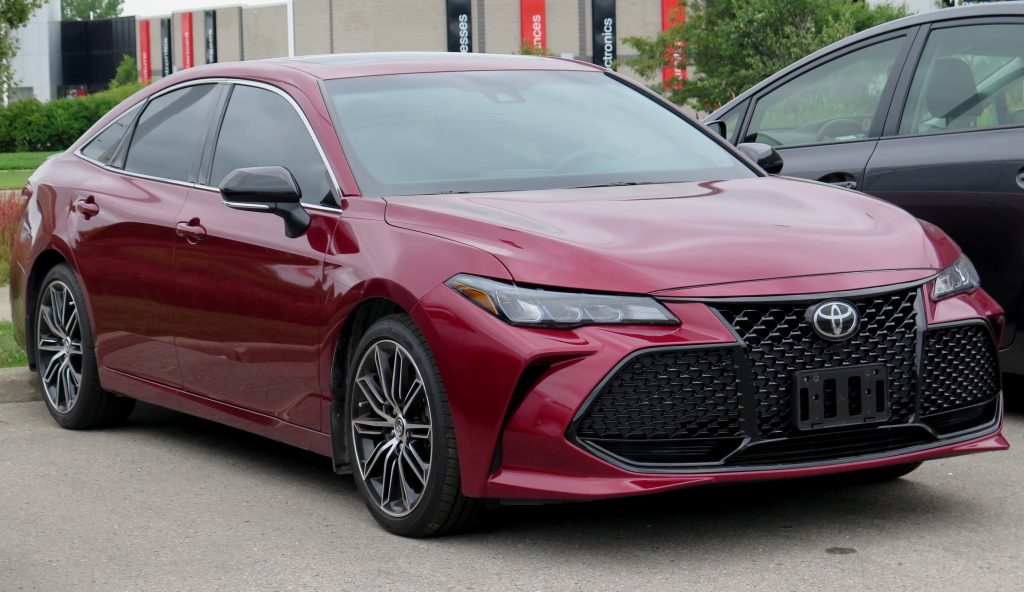
Its 18.9 percent result gives the Avalon a much stronger predicted chance of reaching 250,000 miles than the average vehicle. It remains an excellent option for buyers who want a comfortable, dependable sedan with a record supported by large-scale data.
- Engine: 3.5-liter naturally aspirated V6
- Torque: 267 lb-ft
- Horsepower: 301 hp
- Length/Width: 195.9 inches / 72.8 inches
8. Lexus GX
The Lexus GX belongs in the eighth position, with an 18.3 percent predicted chance of reaching 250,000 miles. That is 3.8 times the industry average, making it one of the strongest luxury SUVs in the iSeeCars data.
Its high ranking is not surprising because the GX has traditionally combined Lexus comfort with a rugged body-on-frame platform closely related to Toyota’s global off-road vehicles.
Unlike many luxury SUVs that focus mainly on pavement performance, the GX was engineered with durability and rough-road capability in mind. Earlier generations used a naturally aspirated V8, a conventional automatic transmission, full-time four-wheel drive, and a strong ladder-frame chassis.
Those components gave it the ability to handle long highway trips, poor roads, towing, and light off-road use without relying on highly stressed performance hardware.
The newest GX uses a 3.4-liter twin-turbocharged V6, but buyers should understand that the quarter-million-mile study includes older generations as well.
The data reflects the model’s long-term history rather than providing a guarantee for one specific engine. Shoppers focused on maximum durability may prefer a well-maintained previous-generation GX with a documented service record.
Frame condition deserves close attention, especially on vehicles driven in regions where roads are salted in winter. Buyers should inspect suspension components, transfer-case operation, differential fluid history, cooling-system maintenance, and evidence of off-road damage. A luxury badge does not remove the need for careful inspection.
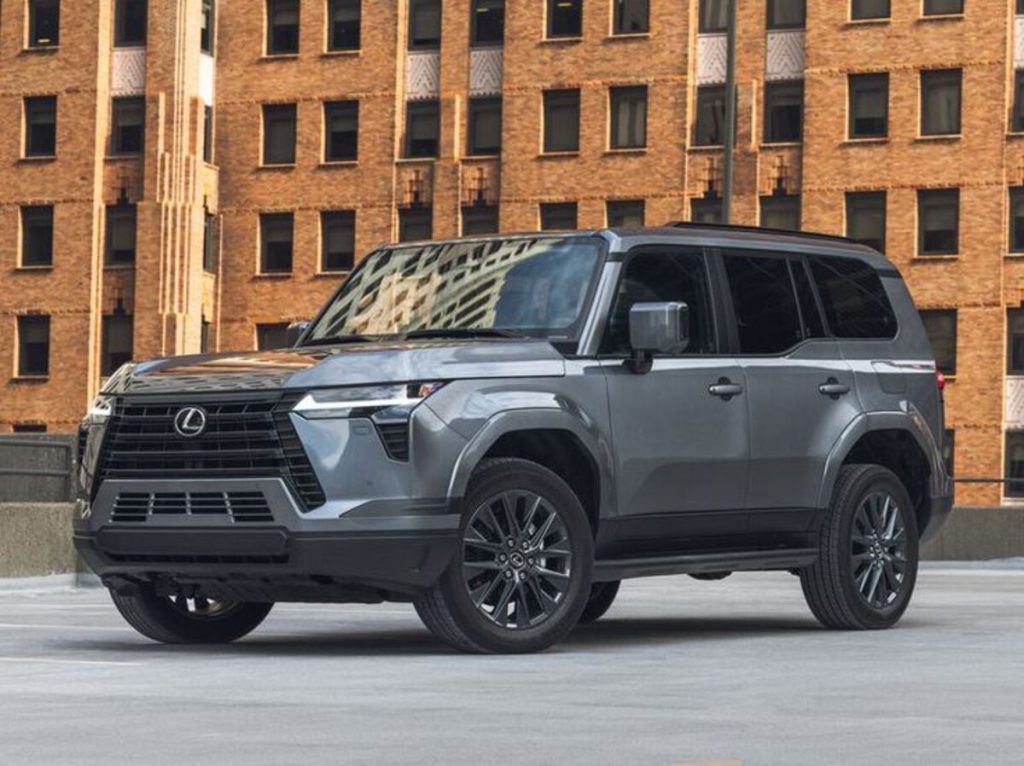
The GX proves that a premium SUV can still be built for long-term use. Its 18.3 percent predicted chance of reaching 250,000 miles places it ahead of most luxury vehicles and supports its reputation as a durable choice for drivers who want comfort with real mechanical toughness.
- Engine: 3.4-liter twin-turbocharged V6
- Torque: 479 lb-ft
- Horsepower: 349 hp
- Length/Width: 197.0 inches / 78.0 inches
9. Lexus RX Hybrid
The Lexus RX Hybrid ranked ninth in the iSeeCars research, with a predicted 17.0 percent chance of reaching 250,000 miles. That figure is 3.5 times higher than the 4.8 percent industry average, which is a strong result for a luxury SUV.
It shows that buyers do not necessarily have to choose between premium comfort and long-term ownership potential.
The RX Hybrid uses Toyota’s well-established hybrid technology, combining a gasoline engine with electric motors and a battery pack. In everyday city traffic, the electric side of the system can handle part of the workload, reducing fuel use and allowing the gasoline engine to operate less often.
Regenerative braking also helps recover energy during deceleration while reducing reliance on conventional brake components.
A major reason the RX Hybrid has remained popular is its calm driving character. It is not designed as an aggressive performance SUV. Instead, it focuses on quiet operation, a comfortable ride, smooth acceleration, and a well-finished interior.
That relaxed nature can be useful for long-term ownership because the vehicle is less likely to be driven as hard as a high-performance luxury model.
Used buyers should focus on service history rather than simply choosing the newest vehicle available. Hybrid battery condition, cooling-system maintenance, tire wear, suspension components, and electronic features should all be checked during a pre-purchase inspection.
Flood damage is especially important to avoid because water can create costly problems in hybrid electrical systems.
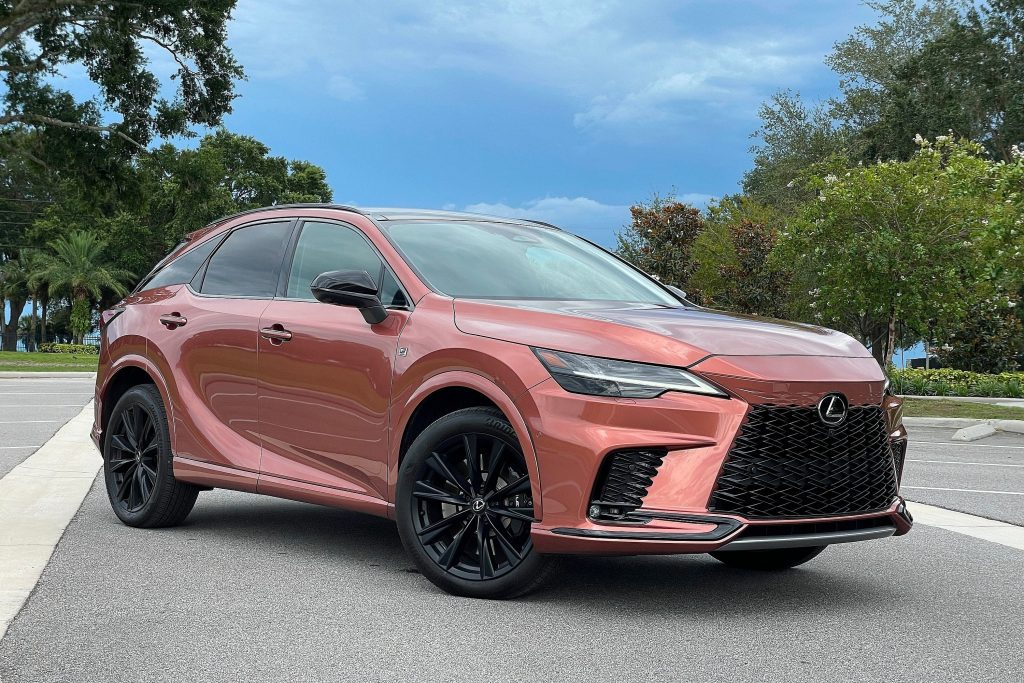
The data places the RX Hybrid ahead of most vehicles on the road when it comes to quarter-million-mile potential. Its 17.0 percent prediction does not promise that every example will last that long, but it gives buyers a much stronger starting point than the average luxury SUV.
- Engine: 2.5-liter four-cylinder hybrid system
- Torque: 233 lb-ft
- Horsepower: 246 hp
- Length/Width: 192.5 inches / 75.6 inches
10. Honda Ridgeline
The Honda Ridgeline completed the top ten in the iSeeCars ranking, with a predicted 14.7 percent chance of reaching 250,000 miles. That gives it just over three times the likelihood of the average vehicle.
Its place in the study is notable because the Ridgeline does not follow the usual pickup-truck formula. It uses a unibody platform, independent rear suspension, and a more comfortable ride than traditional body-on-frame trucks.
That design makes the Ridgeline particularly suitable for owners who need a truck bed but spend most of their time on normal roads. It can carry home-improvement supplies, camping equipment, motorcycles, or weekend luggage while still feeling easy to drive in traffic.
The practical layout also includes a lockable in-bed trunk, a dual-action tailgate, and a spacious cabin that works well for families.
Honda’s 3.5-liter V6 is central to the Ridgeline’s long-term appeal. It produces smooth power without turbochargers, and it is paired with a nine-speed automatic transmission and standard all-wheel drive.
The truck is not intended for extreme commercial work, but it is capable enough for light towing, outdoor travel, and daily hauling.
Maintenance matters greatly once mileage rises. Owners should follow the transmission-fluid service schedule, inspect the rear differential, maintain the cooling system, and keep tires properly inflated.
A truck that has been used for towing should receive more frequent inspections of brakes, suspension parts, and drivetrain fluids.
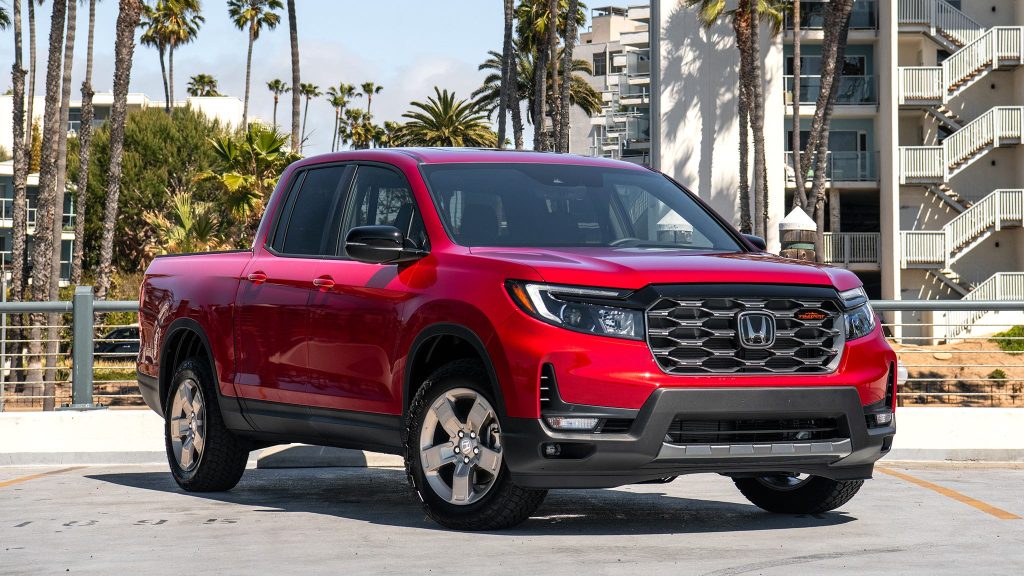
The Ridgeline’s 14.7 percent result supports its reputation as a sensible long-term truck for drivers who value comfort as much as utility. It may not have the rugged image of a traditional pickup, but the data shows that it has a far better chance of reaching a quarter-million miles than the average vehicle.
The study analyzed nearly 400 million vehicles, and its top ten placed the Lexus RX Hybrid ninth at 17.0 percent and the Honda Ridgeline tenth at 14.7 percent.
- Engine: 3.5-liter naturally aspirated V6
- Torque: 262 lb-ft
- Horsepower: 280 hp
- Length/Width: 210.2 inches / 78.6 inches
Also Read: 10 Cars Worth More Used Today Than Their Original MSRP
