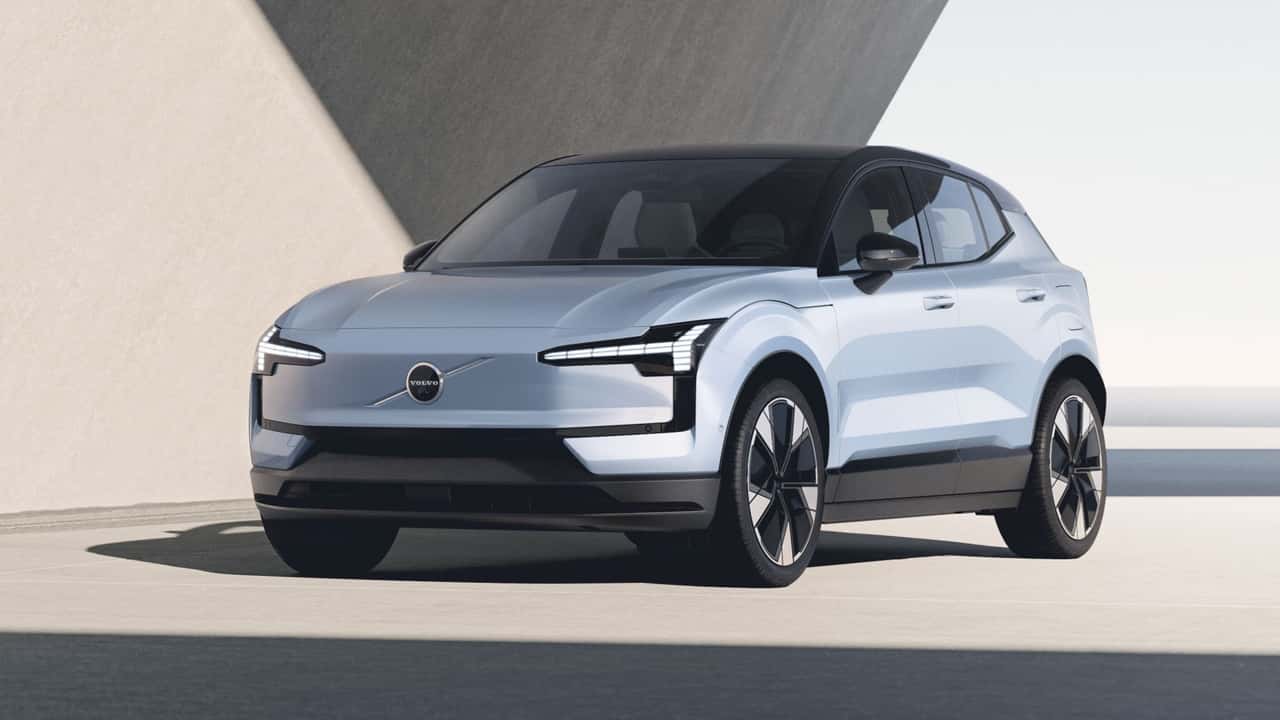
The transition to electric mobility is no longer limited to established EV manufacturers. A growing number of automakers and startups are preparing to introduce their first fully electric vehicles, using these debut models to redefine their brands and secure a place in an increasingly competitive market.
Rather than adapting existing gasoline-powered models, many are investing in dedicated EV platforms, next-generation battery technology, advanced software systems, and sustainable production methods. Others are focusing on affordability, performance, or specialized mobility solutions to appeal to specific groups of buyers.
From luxury brands embracing electrification for the first time to emerging companies challenging traditional automotive design, these launches highlight the wide range of approaches shaping the future of transportation. Whether the goal is premium performance, practical family transportation, or innovative urban mobility, each manufacturer brings a unique vision to the electric vehicle segment.
Here are 9 brands launching their first EV in 2026, showcasing how their inaugural electric models reflect evolving consumer demands, technological innovation, and long-term strategies for a future centered on cleaner, smarter, and more sustainable transportation.
1. Volvo
The Volvo ES90 is the brand’s first dedicated fully electric luxury sedan, developed on a purpose-built EV platform rather than adapting a combustion architecture. This design enables improved efficiency, optimized aerodynamics, and a more spacious, lounge-like cabin that uses sustainable Scandinavian materials.
The model is engineered for executive users, offering long-distance driving capability, rapid charging performance, and advanced driver-assistance systems built around Volvo’s safety-first engineering philosophy. Its structural safety cage and next-generation software features position it as a direct competitor to established premium electric sedans.
Volvo is expanding its electrified range with upcoming models such as the EX60 and ES90 to strengthen its presence in high-volume premium EV segments. This shift reflects a deliberate move away from maintaining separate combustion and electric product lines, allowing resources to be concentrated on electric mobility and software innovation. The strategy is also shaped by tightening emissions regulations and increasing demand for high-end electric vehicles across global markets.
A major advantage in this transition comes from Volvo’s relationship with Geely Holding Group, which provides access to shared EV architectures like SPA3 and advanced software-defined vehicle systems. These platforms support faster development cycles and more integrated digital features.
Volvo is also prioritizing software-defined vehicle technology, incorporating AI-driven predictive maintenance, continuous updates, and digital twin systems. This approach treats software as a central element of the driving experience rather than a secondary feature.
Through these initiatives, Volvo is positioning its electric lineup to compete directly in the premium EV segment while building a foundation centered on sustainability, digital integration, and long-term electrification goals.
2. Alpine
France’s motorsport manufacturer Alpine is expanding its identity through the introduction of the A390, an all-electric five-seat sports fastback crossover. The model brings racing-inspired dynamics into the compact family segment, combining torque-vectoring all-wheel drive with a streamlined fastback shape that enhances aerodynamics while preserving interior space. This move signals Alpine’s evolution from a niche sports car maker into a broader premium electric vehicle competitor.
A key part of this transformation is the upcoming A110 EV, scheduled for launch in 2026. It is designed to lead Alpine’s global expansion while retaining the lightweight agility that defines the brand’s performance heritage. Both the A390 and A110 EV reflect a coordinated strategy to scale production, improve profitability, and enter new markets such as North America.
At the core of this shift is the Alpine Performance Platform, a modular aluminum architecture built to support lightweight construction and energy-dense batteries. It also allows flexibility for future powertrain choices, including internal combustion compatibility.
The “Dream Garage” strategy connects seven planned electric models, including the A290 hot hatch, the A110 EV, and the A390 crossover. This diversified lineup is intended to increase revenue streams and strengthen brand presence across multiple vehicle categories.
Alpine’s approach focuses on balancing heritage with electrification, using advanced engineering to maintain its motorsport identity while scaling into a global premium EV brand with wider market reach and stronger financial performance.
These initiatives position Alpine to strengthen competitiveness, broaden international sales, and sustain long-term innovation in electric performance engineering worldwide development efforts
3. Polestar
Polestar is entering a decisive phase of expansion as it shifts from a lineup dominated by SUVs and fastbacks toward a broader performance-oriented portfolio. A key milestone in this evolution is the introduction of the Polestar 6, a fully electric convertible roadster that translates the brand’s O2 concept into production form. Built on a bespoke bonded aluminum chassis, it emphasizes rigidity, high-performance handling, and sports car-level acceleration through a dual-motor setup. Its design combines minimalist Swedish aesthetics with eco-conscious interior materials, reinforcing Polestar’s identity in sustainable luxury performance.
Alongside this flagship roadster, Polestar is preparing a broader 2026 model offensive aimed at strengthening its presence in the ultra-premium EV segment. Central to this strategy is the Polestar 5, a high-performance grand tourer built on a similarly advanced bonded aluminum platform. Together with updates to the Polestar 4 SUV coupe, these vehicles are designed to push the brand into higher-margin, high-performance categories while expanding its global appeal.
This aggressive product push reflects three major strategic priorities. First, Polestar is targeting ultra-premium markets with high-output vehicles, including models reaching extreme performance levels such as the Polestar 6’s reported 884-horsepower output. Second, the brand is reinforcing its independent identity, further distinguishing itself from its origins within Volvo and its ownership under Geely. Third, it is executing a structured multi-year roadmap, aiming to introduce several new models by 2028 to support sustained volume growth and market expansion.
Polestar’s 2026 strategy signals a transition toward a more diversified, performance-led luxury EV portfolio built on exclusivity, engineering innovation, and brand differentiation.
4. Cadillac
Cadillac is undergoing a major transformation as it shifts from a traditional luxury automaker into a fully electric-focused brand. This evolution is anchored by new models designed to cover every major luxury SUV segment while reinforcing performance and technology leadership.
At the top of its lineup, the Cadillac Escalade IQ represents the electrification of its most iconic nameplate. This full-size electric SUV emphasizes long-range capability, strong towing performance, and a highly digital cabin experience highlighted by a wide pillar-to-pillar display. It serves as Cadillac’s statement vehicle for modern luxury at scale.
In the compact luxury category, the Cadillac Optiq is positioned as an entry point into the brand’s EV ecosystem. It targets younger and first-time premium buyers with a sleeker design, accessible pricing strategy, and advanced in-car technology, helping broaden Cadillac’s customer base globally.
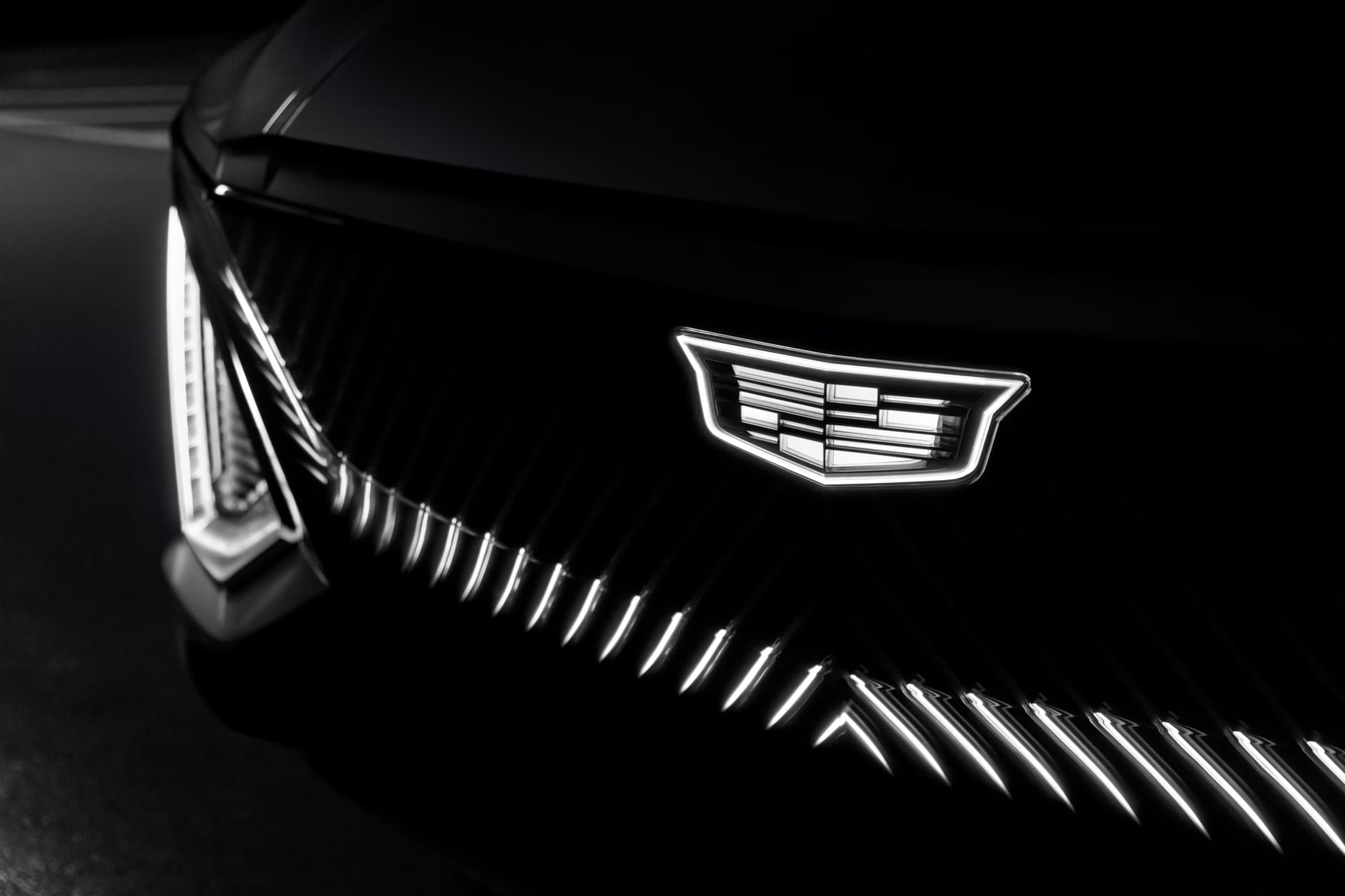
Cadillac is also expanding upward and outward with the Cadillac Vistiq, a three-row electric SUV designed for families seeking space without sacrificing luxury or performance. Alongside this, performance variants such as the Lyriq-V extend Cadillac’s V-Series heritage into the electric era, blending high horsepower with refined electric efficiency.
These developments are supported by General Motors’ Ultium platform strategy, which enables flexible architecture across multiple vehicle sizes and segments. Cadillac is leveraging this to accelerate its EV rollout in 2026 and beyond.
The brand’s strategy focuses on diversification, customer retention, and electrified performance, positioning Cadillac as a key competitor in the global premium EV market while transitioning its legacy identity into a fully electric future.
Also read: 10 Cars That Cost the Most Per Mile to Keep Running
5. Suzuki e-Vitara
Suzuki has entered the global electric vehicle (EV) market with the launch of the Suzuki e-Vitara, its first mass-produced battery-electric vehicle. This marks a major shift for the Japanese automaker as it adapts to changing consumer preferences, stricter environmental regulations, and the growing demand for sustainable transportation. Designed on the newly developed Heartect-e platform, the compact SUV combines practicality, affordability, and efficiency qualities that have long defined the Suzuki brand.
The Suzuki e-Vitara comes with a 61 kWh lithium iron phosphate battery paired with a front mounted electric motor producing 172 horsepower. It can achieve a tested driving range of around 475 kilometers on a single charge which helps ease one of the main worries for EV buyers which is range anxiety. Its tough Metal Beast inspired exterior design along with its competitive price point makes it an appealing choice for families and daily drivers who are moving away from internal combustion engine vehicles.
Suzuki’s entry into the EV market is driven by several strategic considerations. Tightening emissions regulations, such as Australia’s New Vehicle Efficiency Standard (NVES), have made electrification essential for maintaining global competitiveness. To reduce development costs and accelerate production, Suzuki partnered with Toyota to co-develop the Heartect-e platform and vehicle architecture.
In addition, the company is leveraging India as a major EV manufacturing hub to supply both emerging and developed markets. By combining cost-effective production, practical performance, and accessible pricing, the Suzuki e-Vitara reflects the company’s long-term strategy of expanding its global presence while supporting the industry’s transition toward cleaner and more sustainable mobility.
6. Slate Auto
As electric vehicles become increasingly sophisticated and expensive, Slate Auto is taking a different path by prioritizing simplicity, affordability, and adaptability. The startup aims to address a gap in the market with the introduction of the Slate Truck, an all-electric pickup designed for first-time EV buyers, small businesses, and commercial fleets. Rather than competing with premium electric trucks, Slate Auto focuses on delivering a practical and customizable vehicle that meets everyday transportation and work-related needs at a significantly lower price point.
Expected to launch in 2026, the Slate Truck is projected to start at approximately $24,950, making it one of the most affordable electric vehicles available. Its modular design allows owners to transform the vehicle from a compact two-door pickup into a five-seat SUV while adding accessories such as cargo beds, tool racks, and storage systems based on changing requirements. To reduce manufacturing costs, the company eliminates many conventional luxury features, including built-in infotainment systems, instead relying on smartphone integration and retaining manual crank windows as standard equipment.
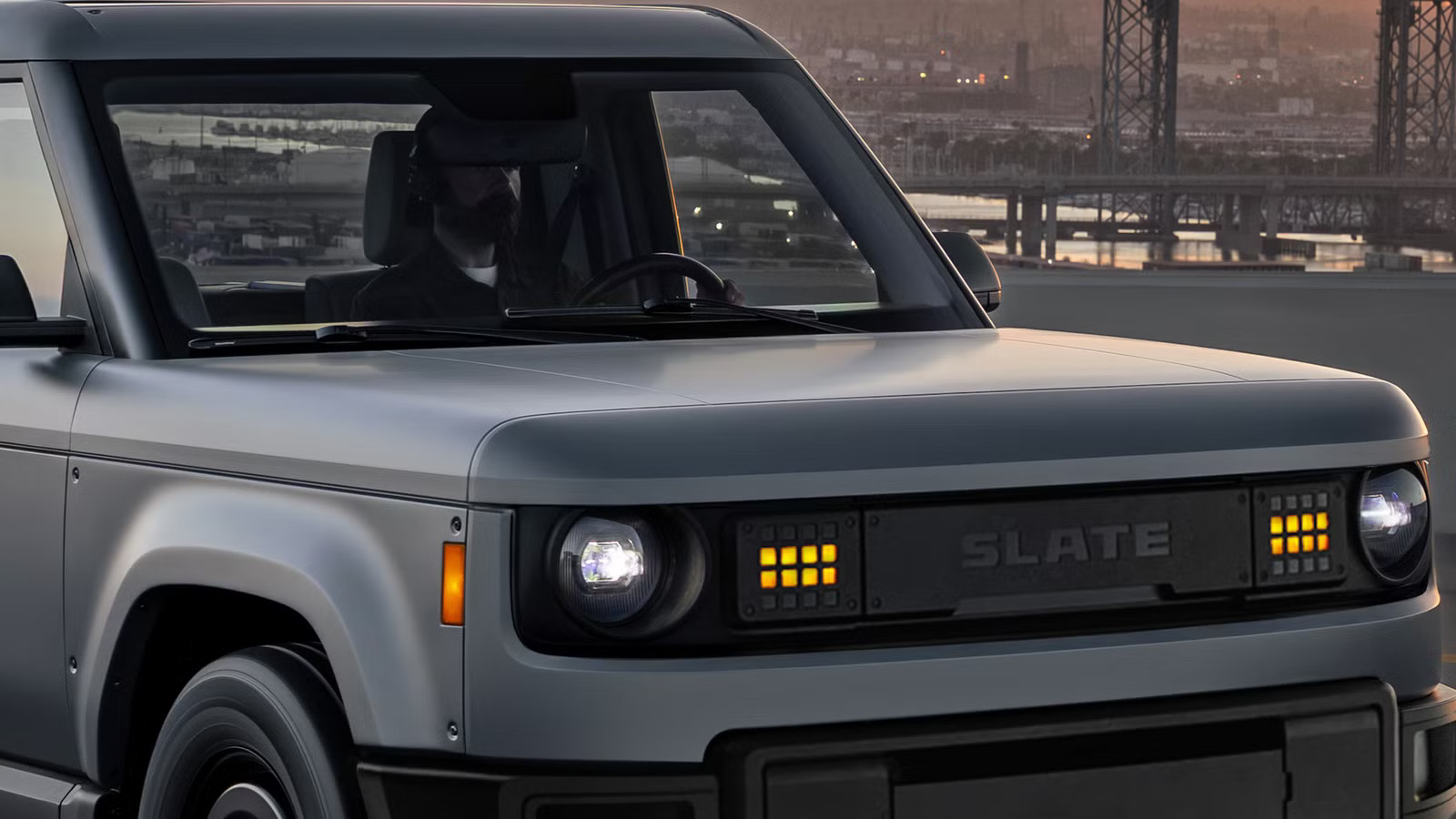
Beyond affordability, the Slate Truck is engineered for utility. Its electric powertrain delivers strong low-end torque, enabling efficient cargo transport in urban environments while supporting zero-emission operations. The startup has also gained considerable momentum through nearly $700 million in funding from major investors, including Jeff Bezos, and is led by former Amazon executive Peter Faricy. With more than 160,000 reported pre-orders, Slate Auto demonstrates strong market interest in a vehicle that emphasizes function over luxury. By combining low-cost manufacturing, flexible design, and sustainable technology, the company seeks to make electric vehicles accessible to a much broader segment of consumers and businesses.
7. BMW Group (Neue Klasse)
BMW Group is transforming its electric vehicle strategy through the launch of the Neue Klasse, a next-generation EV platform that represents the company’s largest technological and manufacturing shift in decades. Instead of modifying existing combustion-engine models, BMW has developed a dedicated electric architecture that will underpin future vehicles, beginning with the all-new BMW iX3 crossover and the upcoming BMW i3. This new platform is designed to improve efficiency, performance, digital connectivity, and sustainability while strengthening BMW’s competitiveness in the rapidly evolving global EV market.
Central to the Neue Klasse platform is BMW’s sixth-generation eDrive system, which incorporates an 800-volt electrical architecture and newly developed cylindrical battery cells. These innovations deliver approximately 30% faster charging speeds and 30% greater driving range than previous electric models while introducing bidirectional charging capabilities that allow vehicles to interact with home energy systems.
The platform also features the “Heart of Joy,” an advanced electronics architecture consisting of four powerful onboard computers that coordinate driving dynamics, energy management, traction control, and driver assistance systems to provide a more intelligent and responsive driving experience.
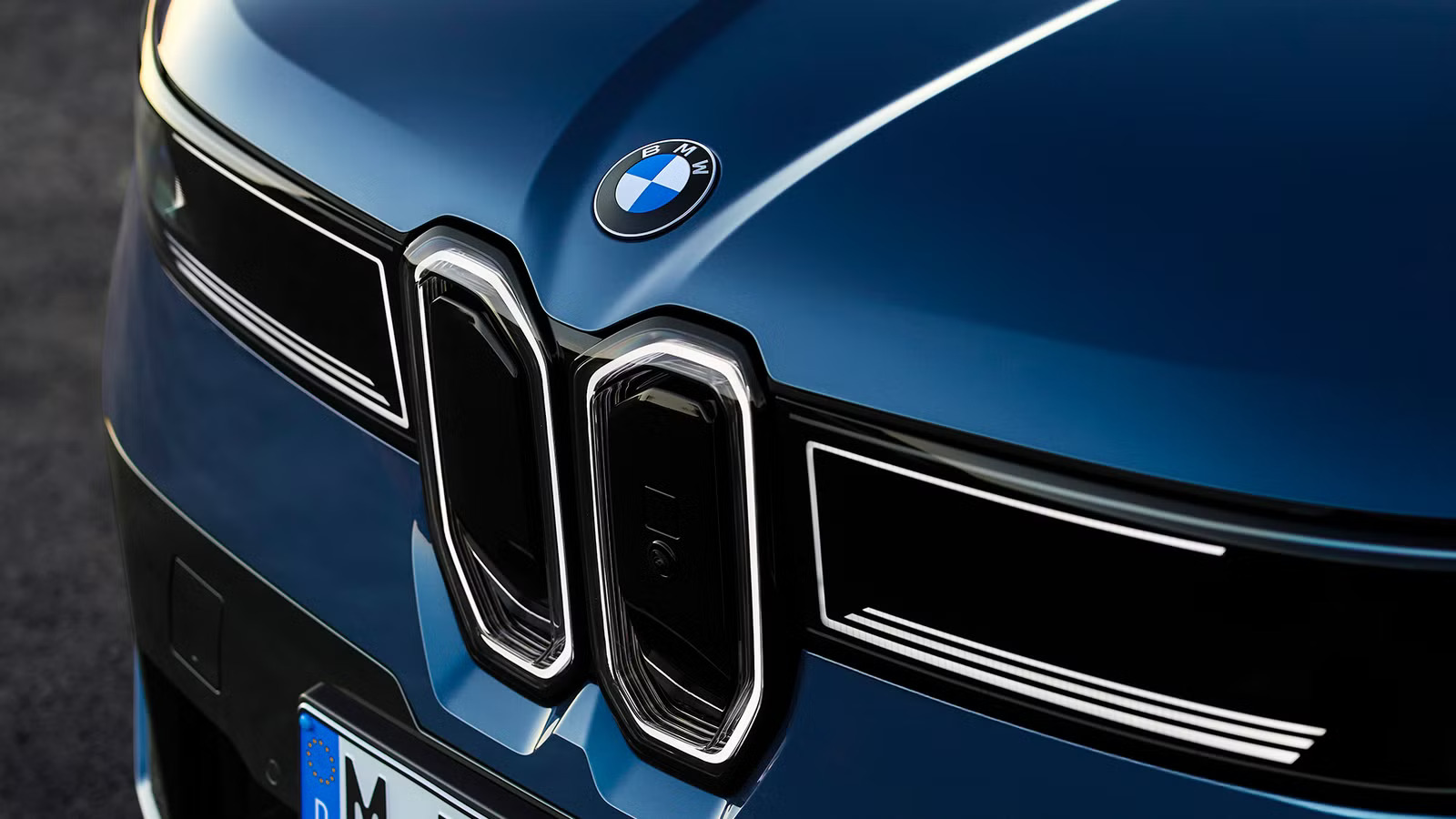
Another defining feature is BMW Panoramic Vision, a full-width windshield head-up display that replaces the traditional dashboard with a more immersive and intuitive interface. Beyond technological innovation, the Neue Klasse emphasizes sustainability by incorporating recycled materials, localized production, and circular supply chains to reduce the environmental impact throughout the vehicle’s lifecycle.
The platform has already gained global recognition, with the BMW iX3 receiving major automotive awards. Through Neue Klasse, BMW demonstrates its commitment to combining premium engineering, digital innovation, and environmentally responsible manufacturing to shape the future of electric mobility.
8. Amble
As cities and communities seek more efficient transportation solutions, Amble is introducing an electric vehicle designed specifically for short-distance mobility rather than conventional road travel. The Lisbon-based startup, founded by former Apple, Audi, and Cowboy executives, is launching the Amble One in 2026 to address the growing demand for lightweight, environmentally friendly vehicles suited for neighborhoods, campuses, resorts, and private estates.
Instead of competing with traditional passenger cars, Amble aims to bridge the gap between large electric SUVs and micromobility options by creating a practical, street-legal vehicle for everyday local travel.
The Amble One features a minimalist, open-air design that prioritizes efficiency, affordability, and ease of use. Its lightweight construction reduces energy consumption and charging requirements while providing a compact footprint that simplifies parking and maneuvering in confined spaces. By removing unnecessary features such as excessive digital interfaces and complex vehicle systems, the company delivers a simple yet enjoyable driving experience focused on short journeys rather than long-distance travel.
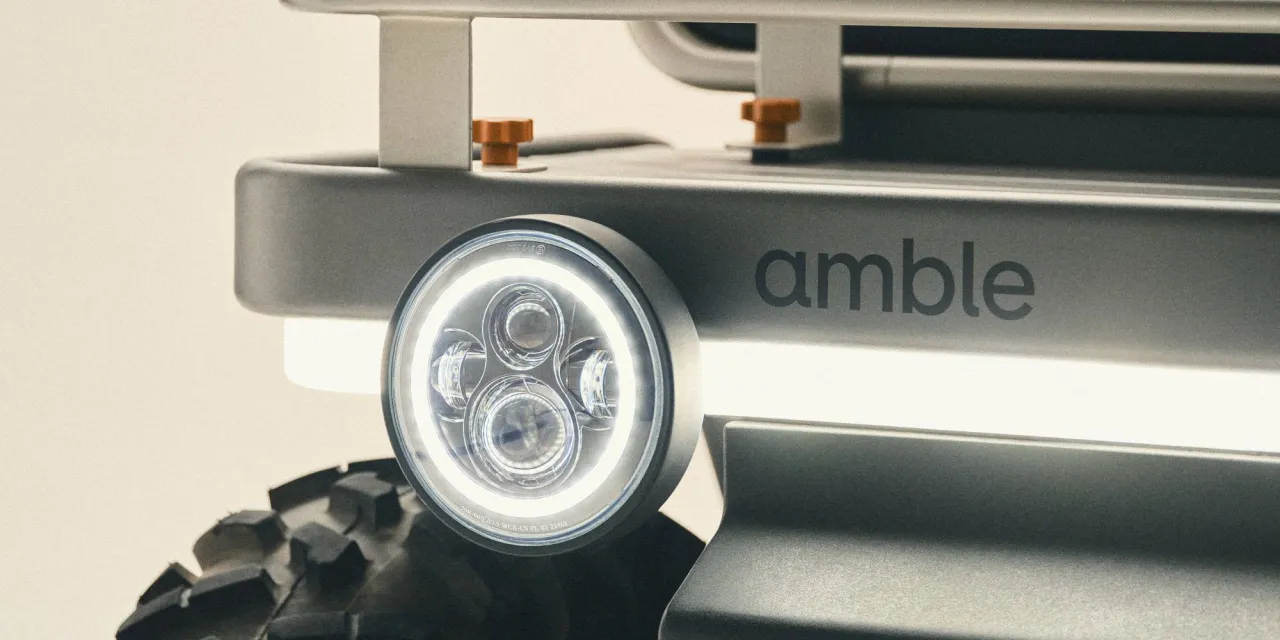
Amble’s design philosophy is centered on enhancing the connection between passengers and their surroundings. Using sustainable materials such as aluminum, leather, cotton, and cork, the vehicle reflects the company’s commitment to environmentally responsible manufacturing while complementing scenic landscapes and luxury hospitality destinations. Developed by experts in automotive design and hospitality, the Amble One is intended to offer both functional transportation and an engaging travel experience.
The vehicle is scheduled to debut in 2026, with initial deliveries reserved for premium hospitality brands, including Amangiri and Six Senses, in 2027. Consumer orders are already available, while broader deliveries will begin in 2028. Through its innovative concept, Amble seeks to redefine neighborhood mobility by offering an accessible, sustainable, and purpose-built alternative for short-range transportation.
9. Ferrari
Ferrari has officially entered the electric vehicle era with the introduction of the Ferrari Luce, a fully electric high-performance model producing an impressive 1,035 horsepower through a four-motor powertrain. The vehicle represents a major evolution for the Italian automaker as it responds to stricter global emissions rules, changing customer expectations, and the growing demand for advanced electrified performance in the ultra-luxury segment.
The Luce was developed with input from famed Apple designer Jony Ive, combining Ferrari’s traditional aerodynamic philosophy from Maranello with a futuristic design approach. It features the largest wheels ever fitted to a production Ferrari, measuring 23 inches at the front and 24 inches at the rear, reinforcing its bold and aggressive stance.
The cabin places a strong emphasis on advanced digital technology, with the cockpit layout featuring four Samsung OLED screens that are fully integrated into the design. It also includes a steering wheel made entirely from recycled aluminum, highlighting a combination of sustainability and performance driven innovation.
Ferrari’s shift toward electrification is driven by several key factors, including global emissions compliance, evolving buyer demographics, and the technical advantages of electric platforms. The EV architecture allows for independent motor control, instant torque delivery, and improved packaging flexibility, enabling new design possibilities such as expanded interior layouts and advanced performance systems.
Despite its technological achievements, the Luce has sparked debate among long-time enthusiasts due to its unconventional styling and five-seat configuration. The reaction reportedly influenced internal changes within Ferrari’s marketing division. Following initial market hesitation and a dip in investor sentiment, Ferrari is carefully rolling out the model, prioritizing its most loyal clients as it gauges demand in the high-end electric performance market.