
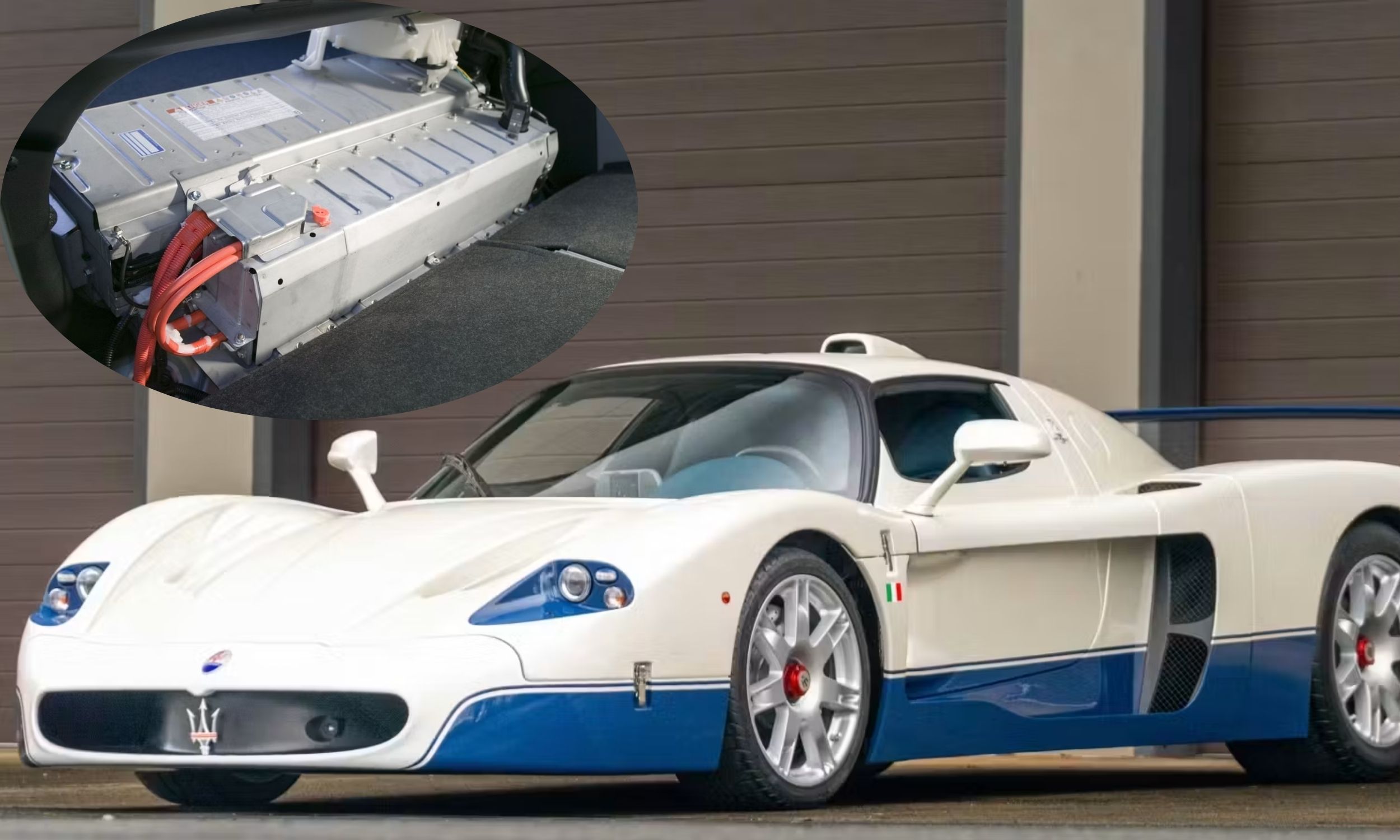
For most drivers, replacing a dead battery is one of the least expensive maintenance jobs a car will ever need. A quick visit to an auto parts store or repair shop is usually enough to get back on the road without spending much money or time. That expectation changes dramatically once luxury and exotic vehicles enter the picture. What should be a routine service can quickly become an expensive repair costing hundreds or even thousands of dollars.
Today’s premium vehicles rely on sophisticated electrical systems that go far beyond simply starting the engine. Many manufacturers install batteries in difficult-to-access locations, requiring technicians to remove trim panels, seats, suspension components, or structural braces before the battery can even be reached. Once the new battery is installed, the work is often not finished. Many luxury models require the replacement battery to be electronically registered with the vehicle’s computer so the charging system can recognize the new unit and operate correctly.
Without that programming process, some vehicles may display warning lights, reduce electrical performance, or disable certain convenience features. Completing the job requires specialized diagnostic equipment that is usually available only at dealerships or experienced independent repair shops, adding labor costs to an already expensive replacement.
This list highlights ten vehicles where a simple battery replacement becomes anything but routine. Between premium battery prices, lengthy labor procedures, and mandatory software programming, these models prove that even basic maintenance can carry a surprisingly high price tag. Understanding those ownership costs before buying can help prevent expensive surprises later.
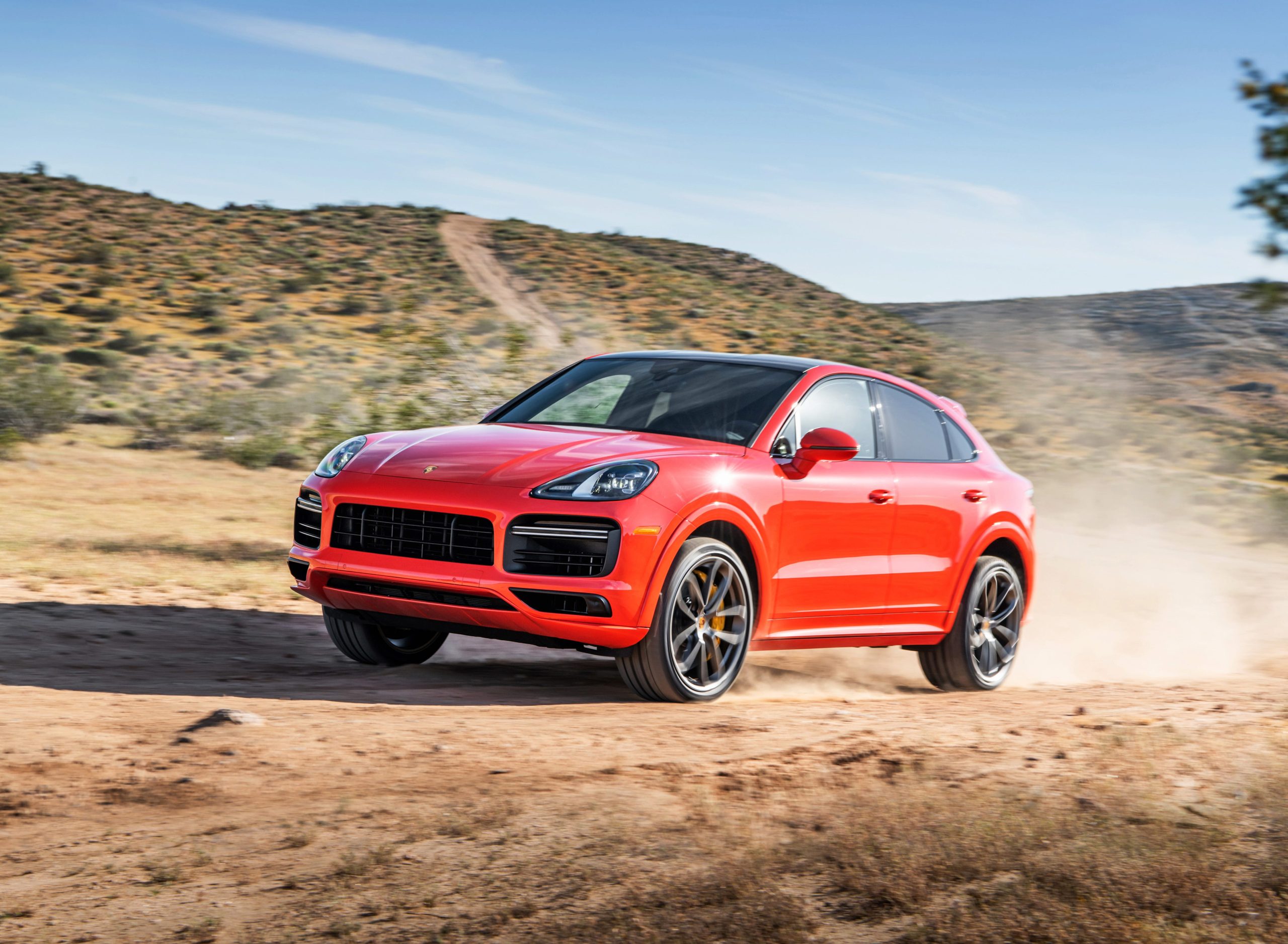
1. Porsche Cayenne (2019 to Present)
- Engine: 3.0L Turbo V6 (or 4.0L Twin-Turbo V8)
- Horsepower: 348 hp to 650 hp
- Torque: 368 lb-ft to 626 lb-ft
- Size: 194.1 in Long x 78.1 in Wide
The Porsche Cayenne blends sports car performance with the everyday usefulness of a luxury SUV. Buyers can choose between a 3.0-liter turbocharged V6 and a 4.0-liter twin-turbo V8, with output ranging from 348 to 650 horsepower depending on the model. Torque varies between 368 and 626 lb-ft, while the SUV measures 194.1 inches long and 78.1 inches wide. Hidden beneath its impressive performance is a battery system that surprises many owners when replacement time arrives.
Instead of using a traditional lead-acid battery, Porsche equips the Cayenne with a 12-volt lithium-ion starter battery designed to support the vehicle’s advanced electrical system. While this setup improves efficiency and performance, it also raises replacement costs. Purchasing the battery alone from a Porsche dealership usually costs between $800 and $1,200 before labor is even added.
The expense increases once installation begins. Replacing the battery requires about two hours of dealership labor, followed by programming the vehicle’s power management system so it can recognize and properly charge the new battery. This registration process is required because the onboard computer must adjust charging behavior based on the battery’s specifications. Without proper programming, charging performance and electrical operation may be affected.
Many owners who are comfortable replacing a battery at home quickly discover that the Cayenne does not allow such a simple repair. Its lithium-ion battery and required software registration turn what is usually routine maintenance into a costly service visit. Bills commonly range from $1,400 to $1,800, making battery replacement one of the more expensive maintenance jobs owners may encounter.
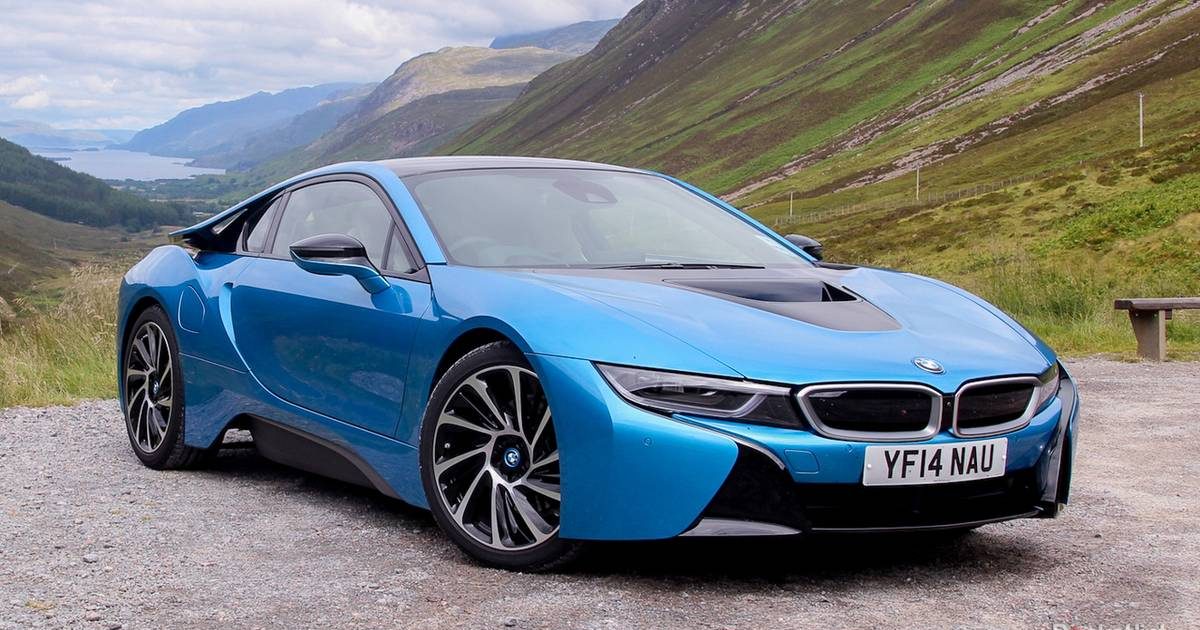
2. BMW i8
- Engine: 1.5L Turbo 3-Cylinder paired with an Electric Motor
- Horsepower: 369 hp (total system output)
- Torque: 420 lb-ft (total system output)
- Size: 184.6 in Long x 76.5 in Wide
BMW’s i8 remains one of the most distinctive hybrid sports cars ever produced, pairing a 1.5L turbocharged three-cylinder engine with an electric motor to generate a combined 369 horsepower and 420 lb-ft of torque. Measuring 184.6 inches long and 76.5 inches wide, this striking coupe turned heads throughout its production run, yet its battery situation has quietly frustrated more than a few owners over the years.
While the substantially high-voltage hybrid battery pack naturally draws most of the attention surrounding this car, the i8 also depends on a completely separate standard 12V AGM battery responsible for powering its onboard computers and even its doors. BMW’s engineering team made the curious decision to bury this 12V battery deep inside the front nose of the vehicle, tucked beneath multiple layers of structural bracing and plastic aerodynamic cowling components.
That placement decision creates a genuine headache anytime this small, otherwise unremarkable battery eventually needs replacing. Mechanics must spend close to three to four hours carefully dismantling the front end of the car simply to gain physical access to the battery terminal, a labor-intensive process considering how minor the actual component being replaced really is.
All that disassembly time adds up quickly on a shop invoice, driving total replacement costs well past $1,100 once everything gets reassembled correctly. Owners who assume a “regular” 12V battery should mean a regular, affordable repair often learn the hard way that the i8’s body design simply was not built with easy access in mind, prioritizing aerodynamics and structural rigidity over any consideration for future routine maintenance.
Also Read: 10 5-Star Cars That Dropped to 3 Stars After a Redesign
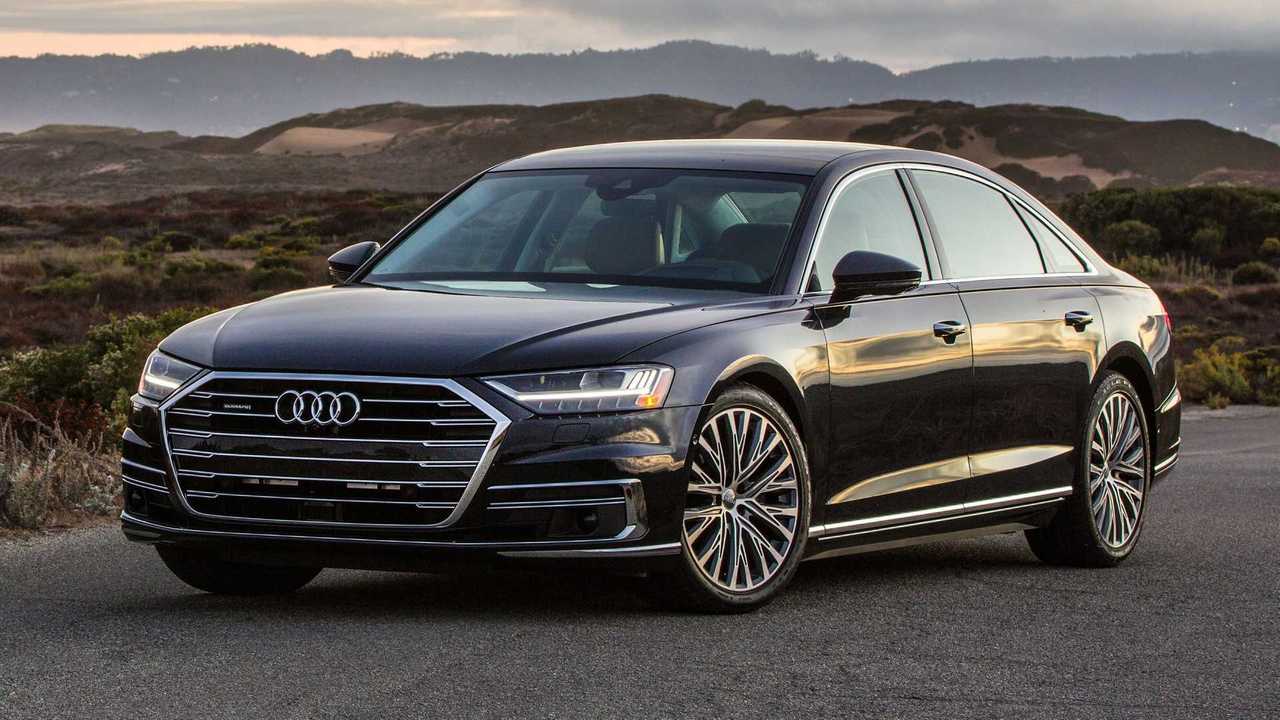
3. Audi A8 / S8
- Engine: 3.0L Turbo V6 (or 4.0L Twin-Turbo V8)
- Horsepower: 335 hp to 563 hp
- Torque: 369 lb-ft to 590 lb-ft
- Size: 208.7 in Long x 76.6 in Wide
Audi positions its A8 and performance-oriented S8 variant as the brand’s flagship sedan, a genuine rolling showcase of nearly every advanced technology Audi currently offers. Buyers choose between a 3.0L turbocharged V6 and a 4.0L twin-turbo V8, generating horsepower between 335 and 563 alongside torque ranging from 369 to 590 lb-ft. At 208.7 inches long and 76.6 inches wide, this full-size luxury sedan treats its electrical architecture with the same seriousness most cars reserve for their engine.
That seriousness shows up clearly the moment the battery fails. The A8 relies on an intricate 48-volt mild-hybrid electrical system working alongside a heavy-duty AGM battery mounted in the trunk, a setup considerably more sophisticated than the simple starter battery found in most vehicles. If that battery dies completely rather than simply weakening gradually, the car responds by locking its electronic transmission and air suspension into a defensive park state, refusing to move until properly addressed.
Restoring normal function after a complete battery failure cannot happen through a simple swap alone. Dealership software registration becomes mandatory at this point, specifically required to realign the alternator, safety sensors, and broader power grid throughout the vehicle. Skipping this registration step leaves multiple systems operating on stale data that no longer matches the new battery’s actual condition and characteristics.
Once labor and that mandatory software work get added to the parts cost, the invoice typically lands somewhere between $1,000 and $1,300. Audi’s flagship sedan delivers genuinely impressive technology throughout the cabin, but that same technological sophistication turns a routine battery replacement into a procedure only a properly equipped dealership or specialized independent shop can complete correctly.
4. McLaren MP4-12C / 570S / 720S
- Engine: 3.8L Twin-Turbo V8 (or 4.0L Twin-Turbo V8)
- Horsepower: 562 hp to 710 hp
- Torque: 443 lb-ft to 568 lb-ft
- Size: 178.3 in Long x 76.0 in Wide (720S)
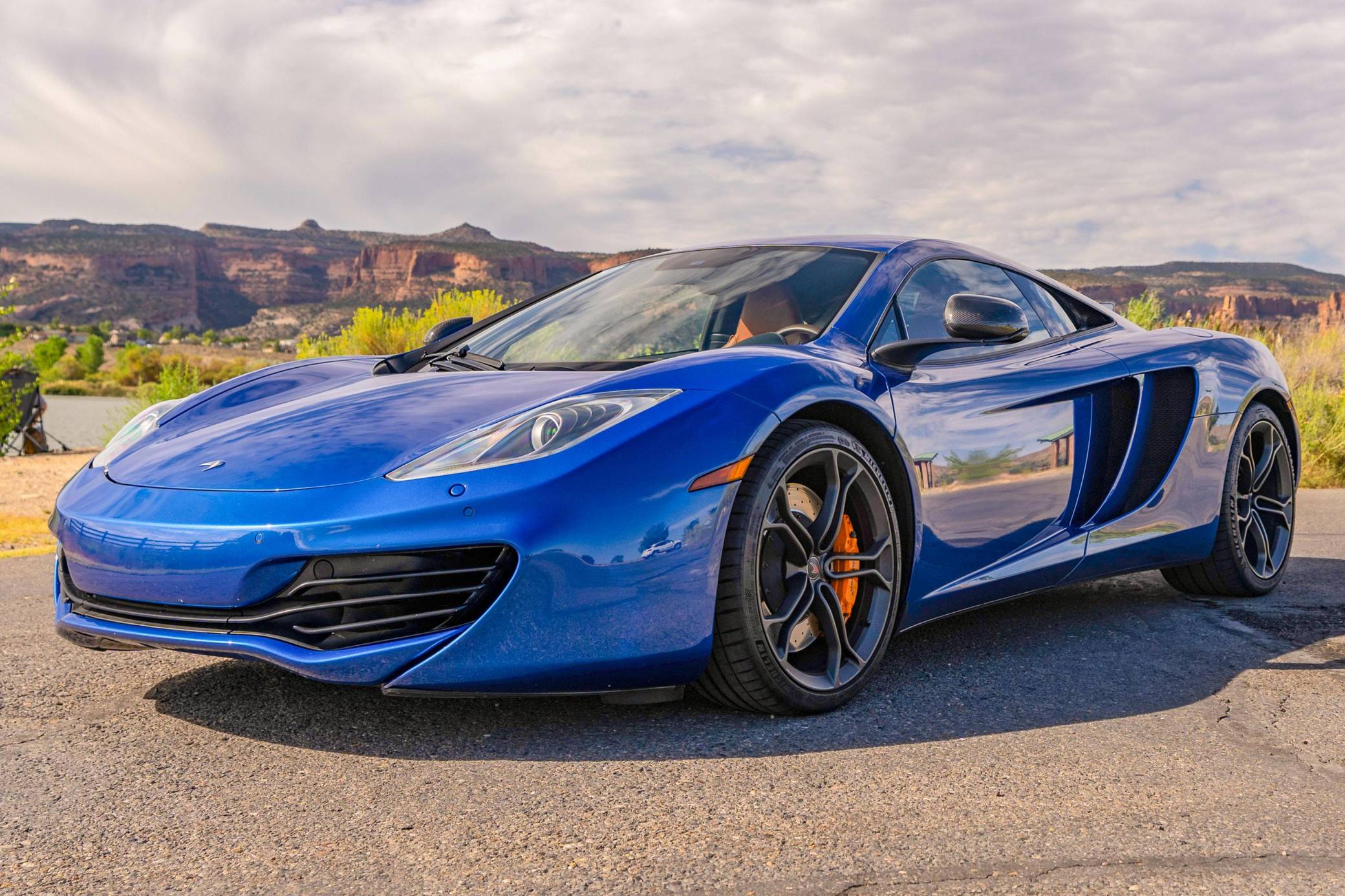
McLaren built its reputation on shaving away every unnecessary ounce of weight from its supercars, a philosophy that touches absolutely every component throughout the vehicle, including the battery. The lineup spans the MP4-12C through the 570S and flagship 720S, powered by either a 3.8L or 4.0L twin-turbo V8 producing between 562 and 710 horsepower, with torque ranging from 443 to 568 lb-ft. The 720S measures 178.3 inches long and 76.0 inches wide, embodying McLaren’s obsessive focus on performance over practicality.
That weight-saving obsession extends directly into the battery McLaren chose to install. A featherweight, proprietary lithium-ion starter battery handles the supercar’s electrical needs, shaving precious pounds compared to a conventional lead-acid unit while still delivering the power output these high-performance engines require during startup.
This specialized battery comes with a genuinely unforgiving downside that has caught plenty of owners by surprise. If an owner leaves the car sitting too long without a battery tender plugged in, the internal battery management system permanently bricks itself, rendering the entire unit completely unusable rather than simply weak or in need of a recharge. There is no jump-starting or trickle-charging a battery back from this particular failure state.
Replacing this specialized exotic component cannot happen through any ordinary parts supplier, since it requires ordering directly from the factory itself. That exclusivity, combined with the labor involved in installation, results in a parts-and-labor bill that can range anywhere from $2,000 to over $3,000, a genuinely staggering figure for what remains, at its core, just a car battery.
5. Mercedes-Benz S-Class (W222 / W223 Generations)
- Engine: 3.0L Turbo Inline-6 (or 4.4L Twin-Turbo V8)
- Horsepower: 429 hp to 496 hp
- Torque: 384 lb-ft to 516 lb-ft
- Size: 210.0 in Long x 75.6 in Wide
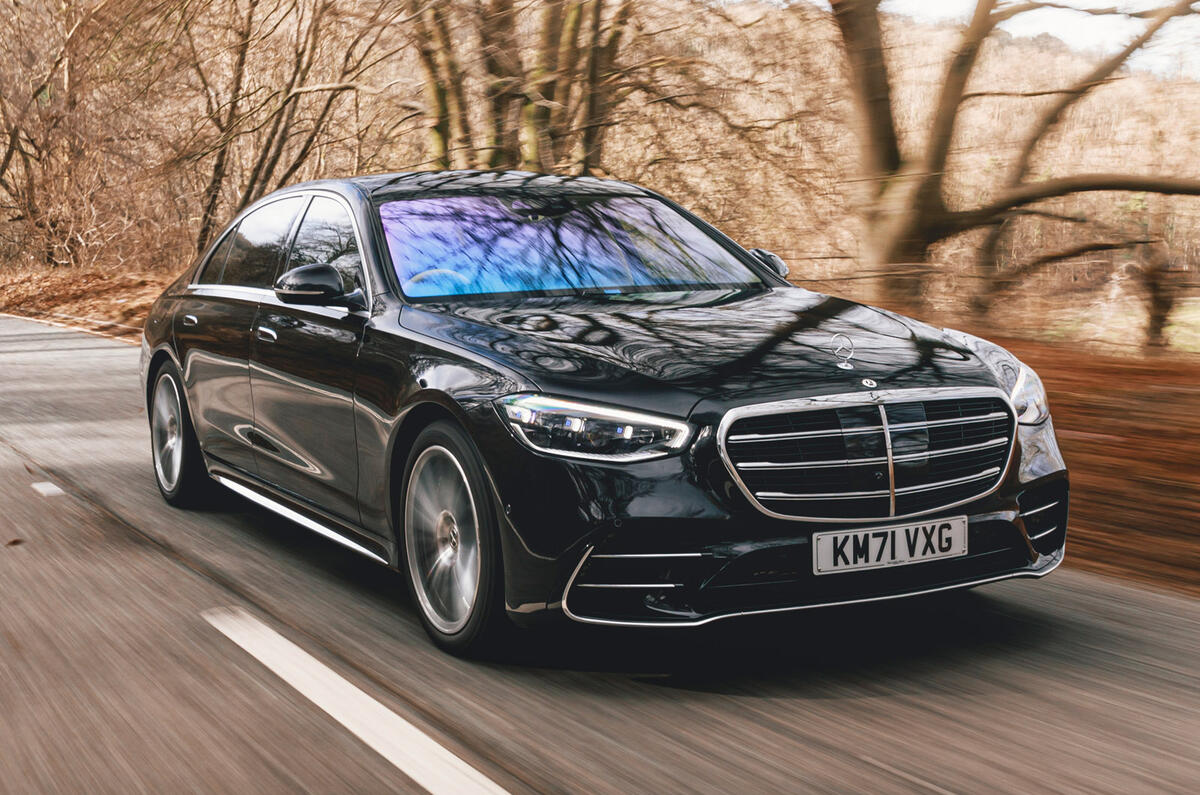
Mercedes-Benz engineered the S-Class as its flagship luxury sedan, filling it with advanced technology that depends on a highly sophisticated electrical system. Buyers can choose between a 3.0-liter turbocharged inline-six and a V8 engine, delivering between 429 and 496 horsepower along with torque ranging from 384 to 516 lb-ft. Measuring 210.0 inches in length and 75.6 inches in width, the sedan offers premium comfort while supporting a long list of electronic features working behind the scenes.
Unlike most vehicles that rely on a single battery, the S-Class uses two separate batteries to manage its electrical demands. The primary battery is responsible for starting the engine, while a secondary auxiliary battery sits behind the dashboard to supply power to the cabin’s many electronic systems. This design improves reliability for luxury features but also makes repairs much more involved when electrical problems appear.
Trouble rarely ends with a dead starter battery. When the primary battery fails, the voltage converters linking both battery systems can also suffer damage. What might seem like a simple battery replacement often turns into a larger repair that requires attention to several electrical components instead of just one.
Restoring the system properly usually means replacing both batteries at the same time rather than installing only the failed unit. Afterward, technicians must clear numerous fault codes using the Mercedes Star diagnostic system. Once labor, replacement parts, and programming are included, repair costs typically range from $1,000 to $1,400, showing how much advanced engineering supports every function inside the S-Class.
6. Land Rover Range Rover (Late Models)
- Engine: 3.0L Turbo Inline-6 (or 4.4L Twin-Turbo V8)
- Horsepower: 395 hp to 606 hp
- Torque: 406 lb-ft to 551 lb-ft
- Size: 199.0 in Long x 78.7 in Wide
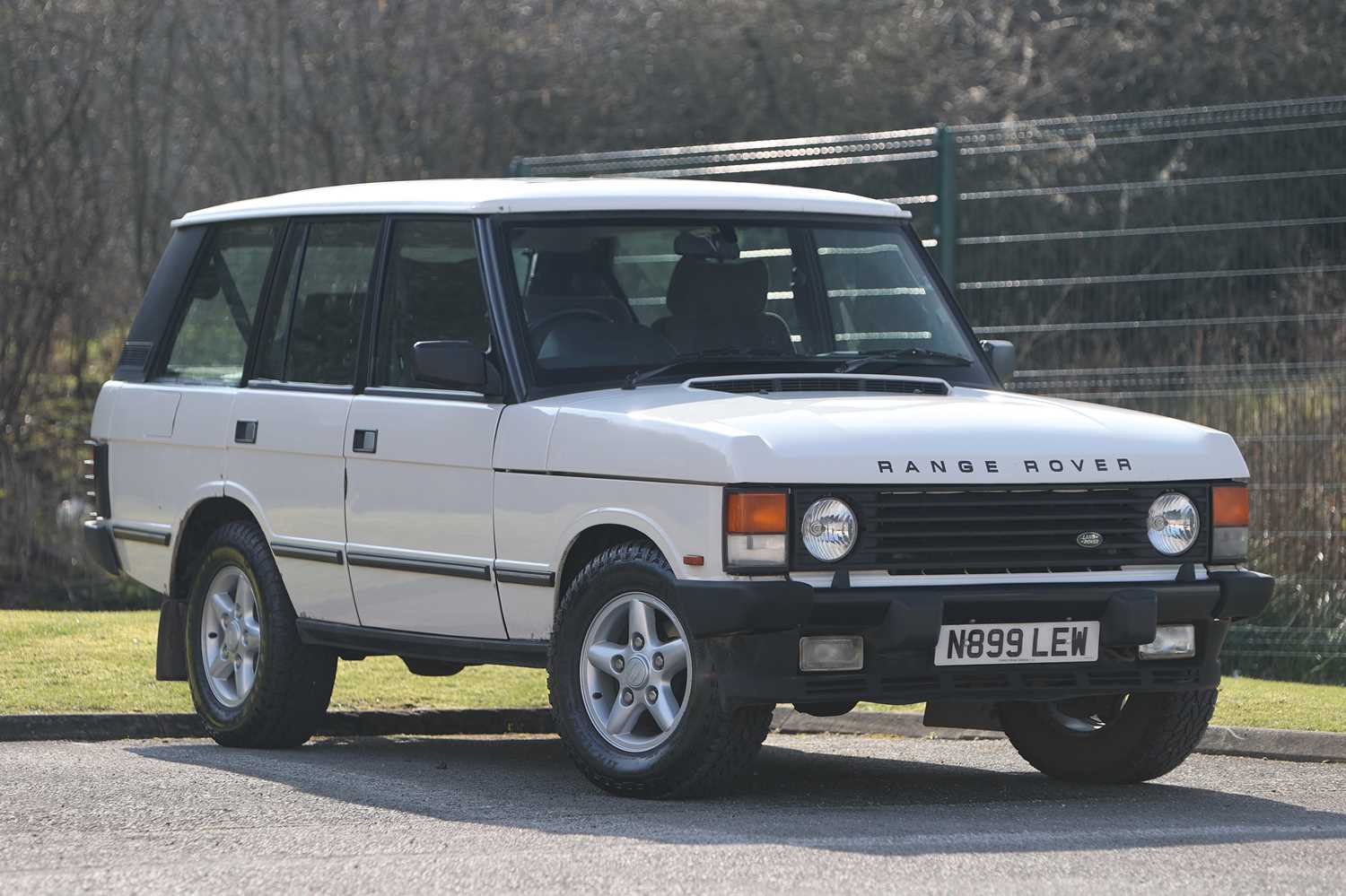
Land Rover designed the Range Rover to deliver premium comfort without giving up true off-road ability. Its refined interior rivals many luxury sedans, while buyers can choose between a 3.0-liter turbocharged inline-six or a 4.4-liter twin-turbo V8. Depending on the engine, output ranges from 395 to 606 horsepower with torque figures between 406 and 551 lb-ft. Stretching 199.0 inches in length and 78.7 inches in width, this full-size luxury SUV also relies on one of the most advanced electrical systems used in a modern vehicle.
Replacing the battery is far from a straightforward task because it is hidden beneath the rear cargo floor near the spare tire instead of under the hood. Surrounding it are electronic differential controllers and multiple safety modules, leaving little room for error during service. Anyone accessing the battery must work carefully around the systems responsible for traction control and the vehicle’s advanced off-road technology.
Another challenge comes from the SUV’s constant electrical demand. Even when parked and switched off, many security, monitoring, and convenience features continue drawing power. After installing a replacement battery, the vehicle requires a factory calibration procedure. Skipping this step can result in charging system damage, recurring warning lights, or electronic faults that remain even after the battery issue has been fixed.
Because of the battery’s hard-to-reach position and the specialized programming needed afterward, owners often spend about $1,100 for the complete service. Many people appreciate the Range Rover’s luxury and rugged performance, yet a routine battery replacement quickly reveals just how much advanced technology is hidden beneath its refined exterior.
7. Dodge Journey (Classic Modern Engineering Example)
- Engine: 2.4L 4-Cylinder (or 3.6L V6)
- Horsepower: 173 hp (I4) / 283 hp (V6)
- Torque: 166 lb-ft (I4) / 260 lb-ft (V6)
- Size: 192.4 in Long x 72.2 in Wide
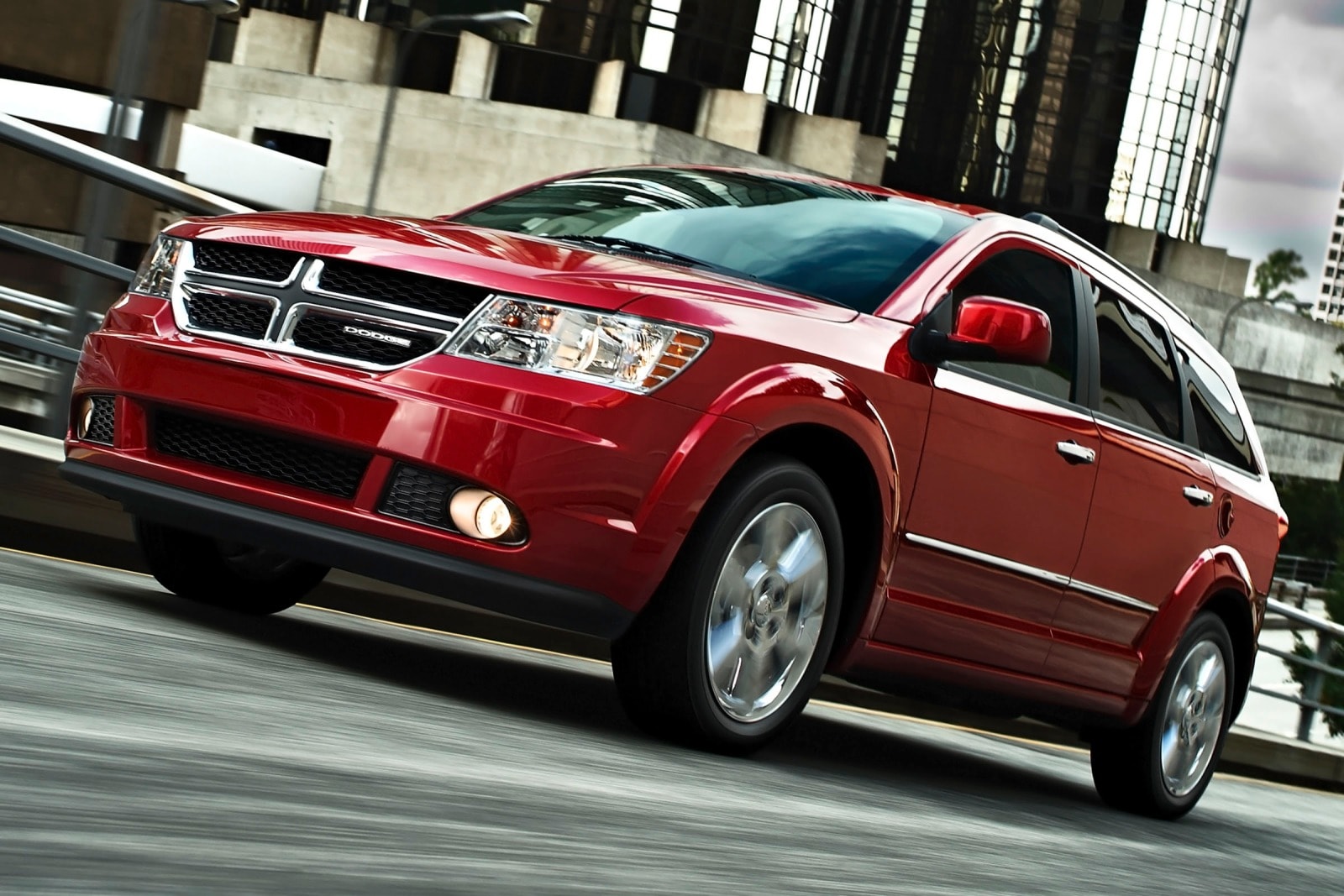
Dodge’s Journey occupies a completely different price bracket than every other vehicle discussed throughout this entire roundup, positioned as an affordable family crossover rather than an exotic or luxury offering. Buyers could choose between a 2.4L four-cylinder producing 173 horsepower and 166 lb-ft of torque, or a more powerful 3.6L V6 generating 283 horsepower and 260 lb-ft of torque. At 192.4 inches long and 72.2 inches wide, the Journey served budget-focused families looking for practical, three-row seating.
Despite that modest, affordable positioning, the Journey earned a genuinely notorious reputation for having one of the most frustrating battery layouts in automotive history, a distinction that has nothing to do with luxury technology and everything to do with bizarre packaging decisions made during the vehicle’s original engineering. Rather than placing the battery anywhere near the engine in a conventional location, Dodge’s engineers positioned it inside the front driver’s side wheel well instead.
Changing a dead battery under this arrangement turns into a genuinely involved mechanical project rather than a quick five-minute task. A mechanic must jack up the car, completely remove the front left wheel, and then pull down the entire plastic inner fender liner just to expose the battery itself, a sequence of steps that has frustrated countless independent mechanics and do-it-yourself owners alike over the years.
Independent shops familiar with this quirky design typically keep the entire repair under $1,000, since they have developed efficient routines for handling this unusual wheel-well access point. Dealerships utilizing standard factory flat-rate labor codes, by comparison, can push a basic battery swap dangerously close to a $600 to $800 bill, a genuinely shocking figure for what should rank among the cheapest repairs imaginable on any budget-friendly family vehicle.
Also Read: 10 Cars That Lost Their Top Safety Pick Status in 2026
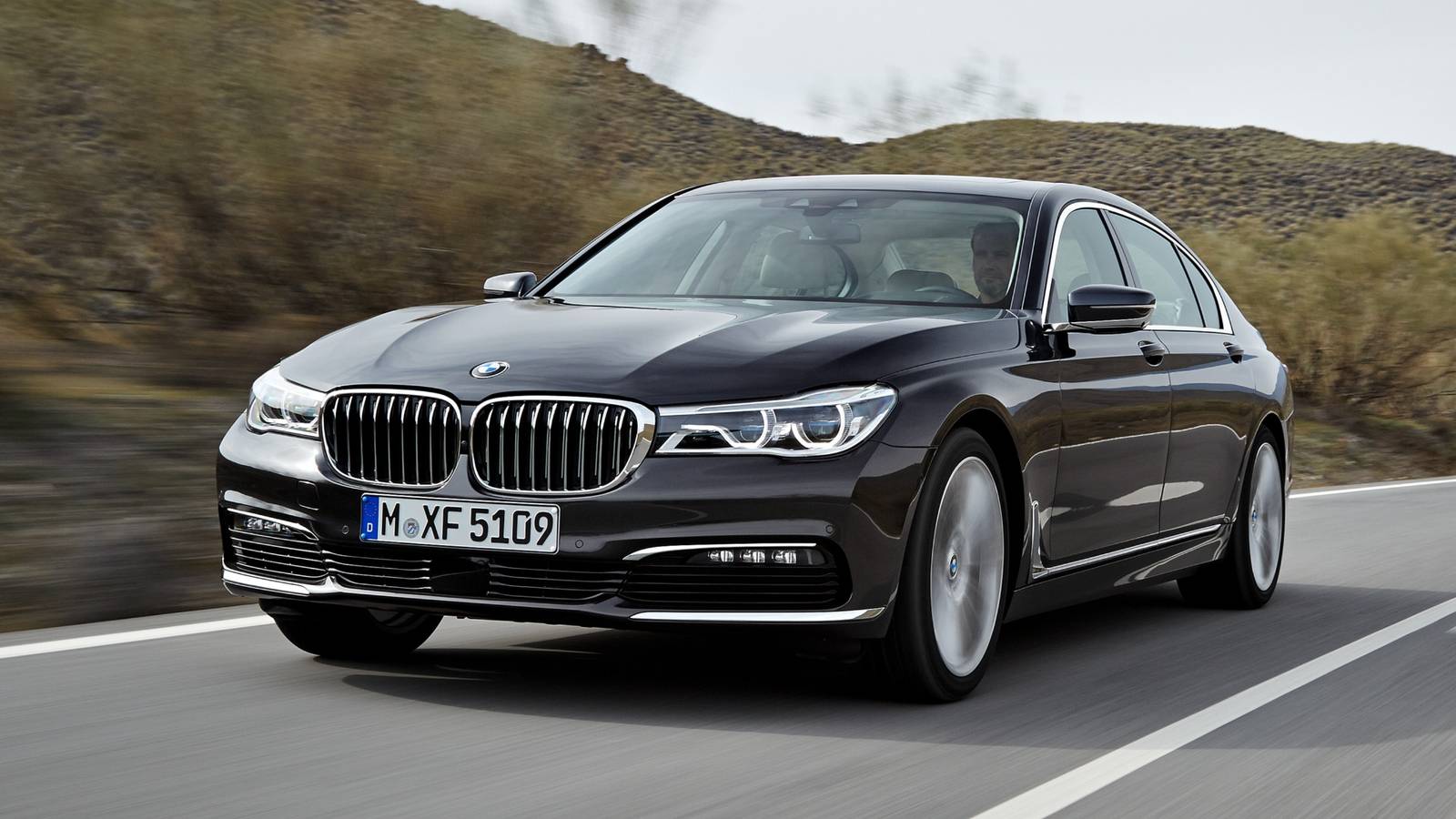
8. BMW 7 Series
- Engine: 3.0L Turbo Inline-6 (or 4.4L Twin-Turbo V8)
- Horsepower: 375 hp to 536 hp
- Torque: 398 lb-ft to 553 lb-ft
- Size: 212.2 in Long x 76.8 in Wide
BMW’s 7 Series represents the brand’s flagship luxury sedan, combining advanced technology with powerful engine options and a premium driving experience. Buyers can choose between a 3.0-liter turbocharged inline-six producing 375 horsepower or a 4.4-liter twin-turbo V8 delivering up to 536 horsepower. Torque ranges from 398 to 553 lb-ft, and the sedan measures 212.2 inches long and 76.8 inches wide. Its cabin is packed with high-end features, making it one of BMW’s most technologically advanced models.
That level of sophistication also affects routine maintenance. Like the smaller 5 Series, the 7 Series requires a newly installed battery to be electronically registered through BMW’s iDrive system. The vehicle constantly monitors battery performance because it powers features such as active rear-wheel steering, massaging seats, and the available 31-inch rear theater display.
If the replacement battery is installed without completing the required registration process, the vehicle may activate a reduced-power mode. This can prevent certain luxury features from operating correctly until the battery is properly recognized by the onboard computer. Entering the correct battery information is necessary for the electrical system to function as intended.
Fixing the issue requires specialized diagnostic equipment, making battery replacement far more expensive than on a typical sedan. Costs commonly range from $950 to $1,200. Anyone considering a BMW 7 Series should keep these maintenance expenses in mind. Advanced technology delivers exceptional comfort and convenience, though it also increases the cost of even routine service items, such as replacing the battery.
