
A perfect safety score feels permanent, the kind of achievement that should stick with a car for its entire life. That assumption, though comforting, simply is not how modern crash testing works. Safety bureaus like Euro NCAP and ANCAP rewrite their grading rules every few years, raising the bar on everything from cyclist detection to rear-seat whiplash protection.
A car that earned a flawless 5-star rating five years ago might roll off the very same assembly line today and land at a disappointing 3 stars, even with a fresh redesign or facelift attached to its name. Sensors that once felt advanced now seem outdated next to newer pedestrian and cyclist detection standards, and cabin structures once considered bulletproof are getting exposed by far more demanding side-impact and frontal-overlap simulations.
This list breaks down ten vehicles that suffered exactly this kind of safety reversal, dropping from a perfect score down to a middling 3-star classification under tougher modern testing. If you are shopping for a car based on an old star rating you remember seeing, this rundown might change how you read that badge entirely.
Vehicles Dropped to 3 Stars Under Stricter Safety Audits
1. Volkswagen T-Cross
- Engine: 1.0L Turbocharged 3-Cylinder (or 1.5L Turbo 4-Cylinder)
- Horsepower: 95 hp to 150 hp
- Torque: 129 lb-ft to 184 lb-ft
- Size: 161.7 in Long x 70.0 in Wide
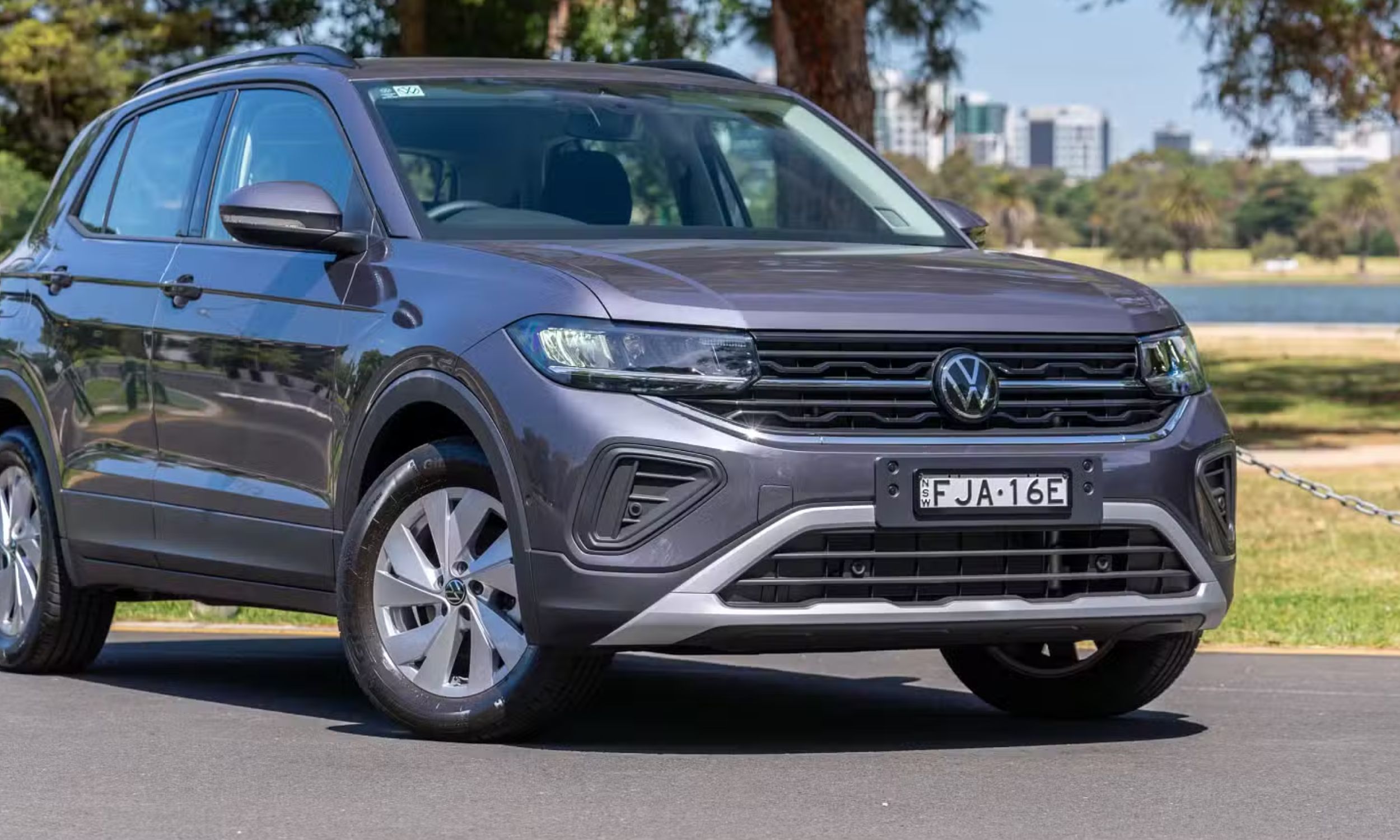
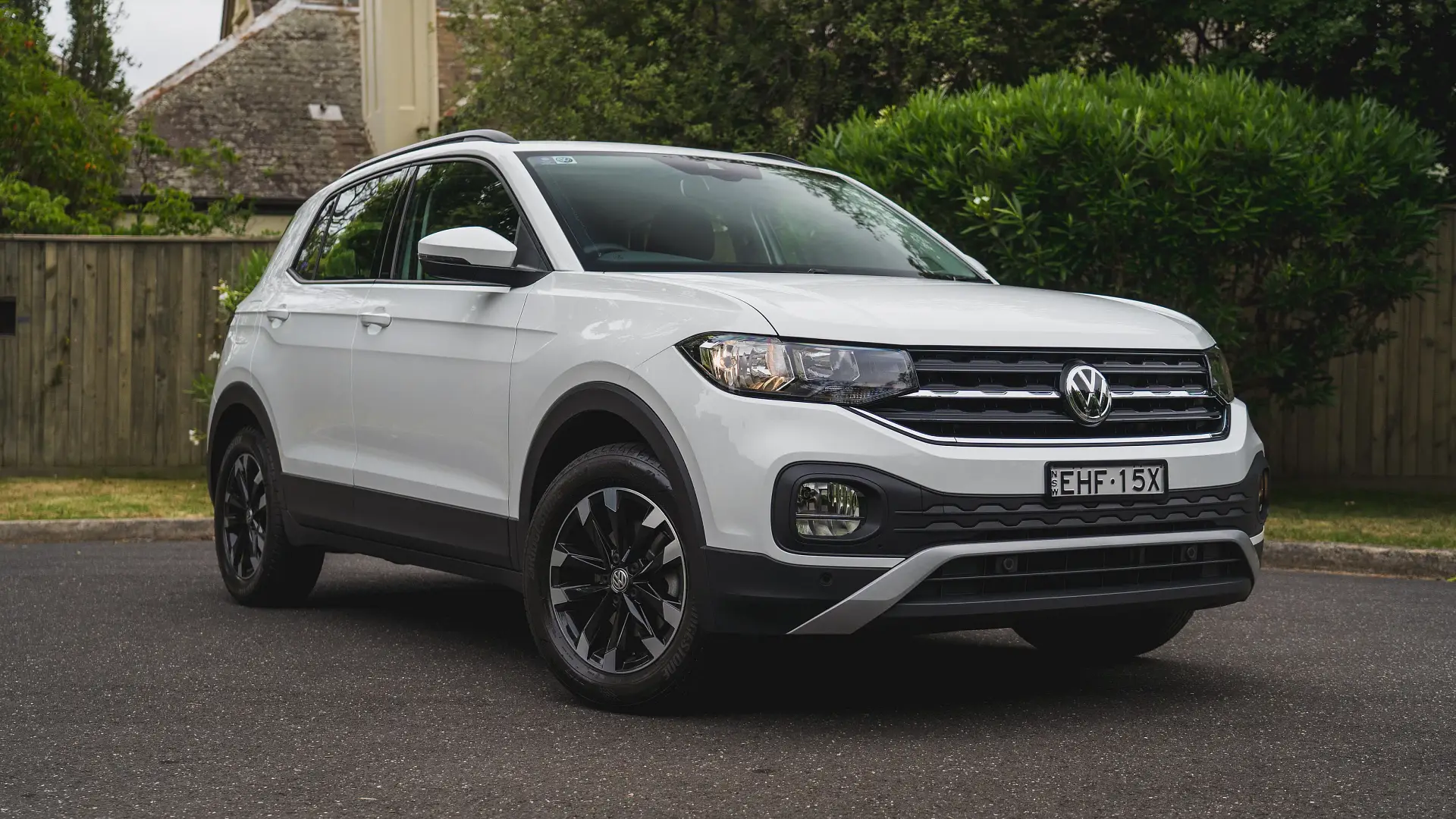
Early buyers had plenty of reasons to like the Volkswagen T-Cross. Available with either a 1.0-liter turbocharged three-cylinder or a stronger 1.5-liter turbocharged four-cylinder engine, it delivers between 95 and 150 horsepower and 129 to 184 lb-ft of torque. At 161.7 inches long and 70 inches wide, the T-Cross fits comfortably into the subcompact SUV class, offering an easy-to-drive size while still providing practical passenger and cargo space for everyday use.
At launch, the T-Cross earned a five-star safety rating, helping Volkswagen position it as one of the safer choices in its category. Families and commuters alike were drawn to that strong safety reputation. Years later, however, updated evaluations painted a different picture. When safety organizations reassessed the vehicle using newer testing standards, its rating dropped to three stars, surprising many shoppers who remembered its earlier success.
Much of that decline came from advances in testing methods rather than changes to the vehicle itself. The driver-assistance systems that once performed well struggled to meet newer requirements, especially when detecting vulnerable road users such as cyclists and motorcyclists. Updated crash tests also highlighted concerns with rear-seat passenger chest protection during frontal collisions, an area that receives far more attention in modern safety assessments than it did when the T-Cross first entered the market.
This serves as a reminder that safety ratings are not permanent achievements. Testing organizations regularly raise their standards as technology improves and new risks are identified. Anyone considering a used Volkswagen T-Cross should check the specific model year and the date of its safety evaluation, since an older rating may not accurately reflect how the vehicle measures up against today’s much tougher testing requirements.
2. Ford Tourneo Courier
- Engine: 1.0L EcoBoost Turbo 3-Cylinder
- Horsepower: 123 hp
- Torque: 125 lb-ft
- Size: 170.8 in Long x 71.3 in Wide
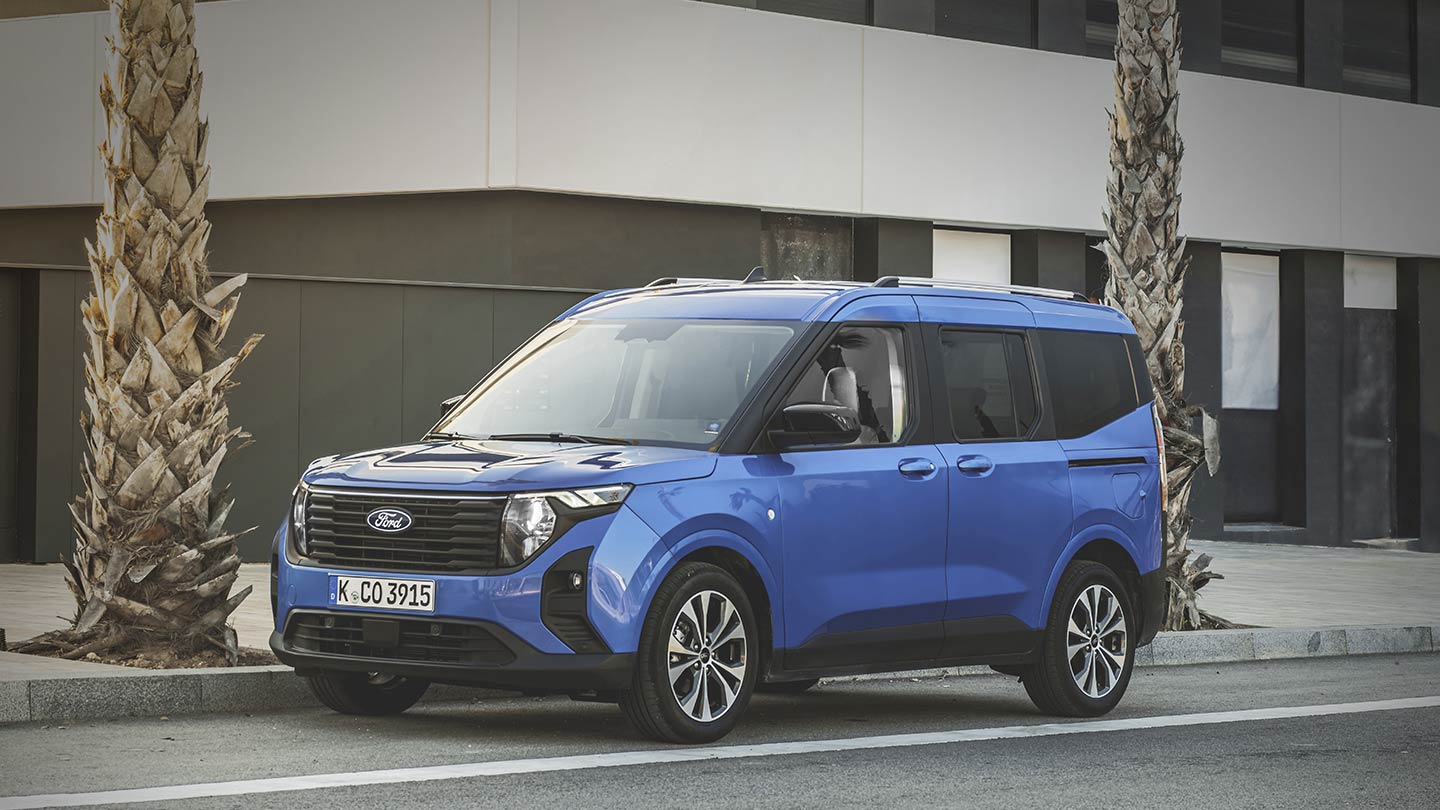
Ford has long positioned the Tourneo Courier as a practical and family-focused vehicle, offering flexibility and everyday usefulness without the size of a traditional minivan. The latest generation is powered by a 1.0-liter EcoBoost turbocharged three-cylinder engine producing 123 horsepower and 125 lb-ft of torque. Measuring 170.8 inches in length and 71.3 inches in width, it fits comfortably into the compact MPV segment, appealing to buyers who need passenger space while maintaining easy maneuverability in daily driving.
Early safety testing, however, raised concerns for the redesigned model. Despite the vehicle’s history as a dependable family transporter, it received only a three-star safety rating during its initial evaluation. The result surprised many industry observers, especially considering the stronger performance of previous versions. Much of the criticism stemmed from a demanding full-width frontal crash test that exposed weaknesses in occupant protection during severe impacts.
Data collected from crash-test dummies placed in the rear seats highlighted the vehicle’s biggest shortcomings. Results indicated lower-than-expected head protection for rear passengers, raising concerns about injury risk in serious collisions. Test measurements also showed that rear occupants could experience higher impact forces than safety experts consider desirable, suggesting that the restraint systems were not managing crash energy as effectively as expected.
Following the disappointing results, Ford responded with engineering updates rather than leaving the issue unaddressed. Structural improvements were introduced to strengthen protection in later production models. Because of those revisions, buyers should pay close attention to build dates and model specifications.
Also Read: 10 Upcoming Hybrid Cars In 2027
3. Dacia Duster
- Engine: 1.2L 3-Cylinder Mild-Hybrid (or 1.6L Hybrid)
- Horsepower: 130 hp (Mild-Hybrid) / 140 hp (Hybrid)
- Torque: 170 lb-ft to 151 lb-ft
- Size: 170.9 in Long x 71.3 in Wide
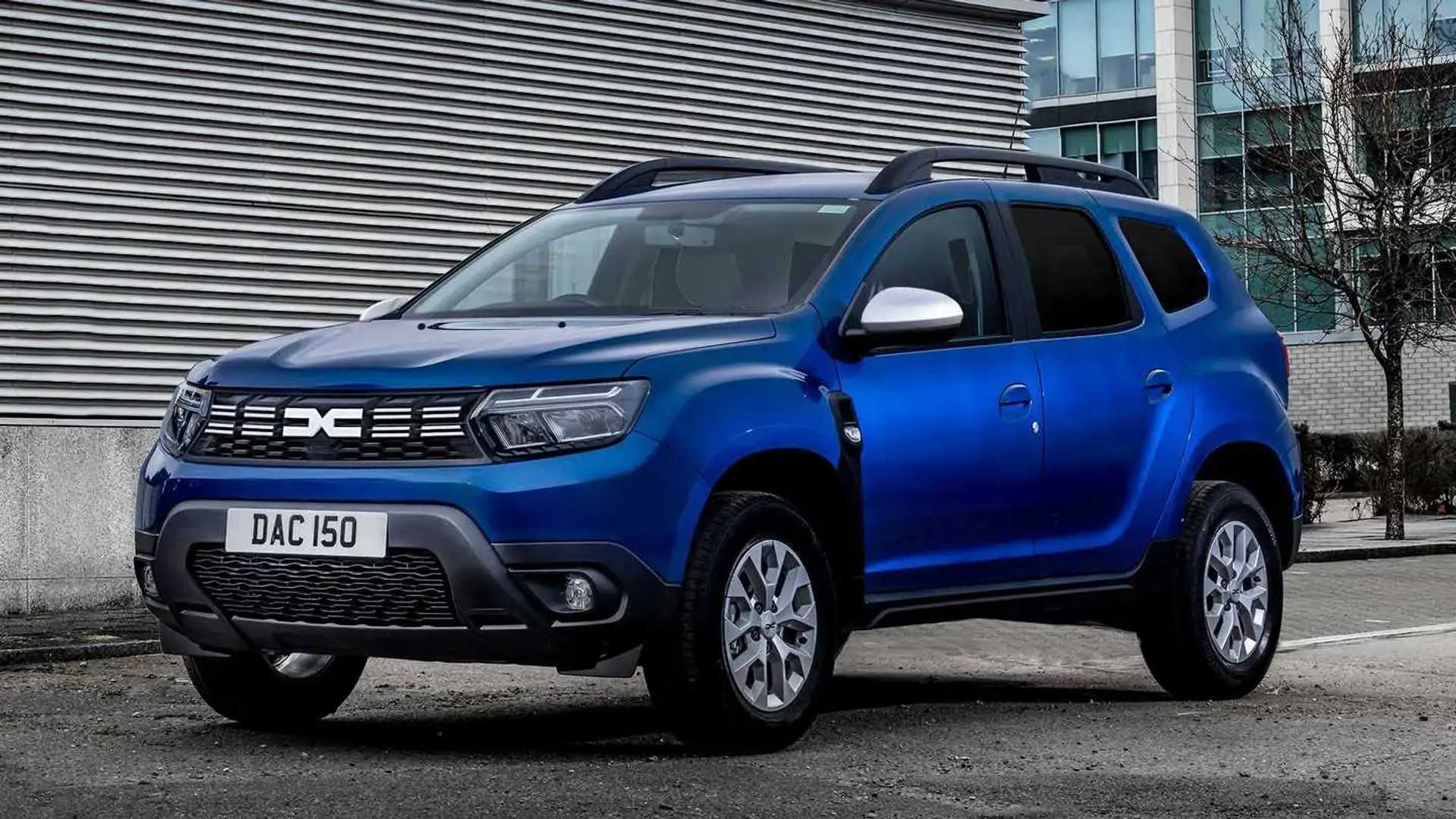
Dacia has earned plenty of attention with the Duster by delivering SUV styling and practical capability at a price that remains lower than many competitors. The latest third-generation model continues that formula while introducing a more refined appearance and an updated platform.
Buyers can choose between a 1.2-liter three-cylinder mild-hybrid engine producing 130 horsepower or a 1.6-liter hybrid generating 140 horsepower. Torque ranges from 151 to 170 lb-ft, while the SUV measures 170.9 inches long and 71.3 inches wide.
Praise for the redesigned Duster came quickly, with many reviewers highlighting its improved design, upgraded cabin, and stronger driving experience. Despite those advances, safety testing produced less impressive results. The compact SUV received a 3-star rating, a result that surprised some observers, given the vehicle’s many improvements.
Rather than stemming from a structural weakness, the rating was largely influenced by Dacia’s decision to keep costs under control by limiting certain advanced driver-assistance technologies. Modern safety assessments place substantial emphasis on electronic crash-prevention systems, and the absence of some of these features affected the Duster’s final score.
This situation highlights an important consideration for budget-conscious shoppers. A vehicle can offer solid crash protection and strong value while still losing points for lacking the latest accident-avoidance technology. Features such as automatic emergency braking, designed to detect cyclists and motorcycles, now play a major role in safety evaluations.
Anyone considering the Duster should understand that its affordable pricing comes with compromises in certain safety technologies, and those omissions are reflected directly in independent testing results.
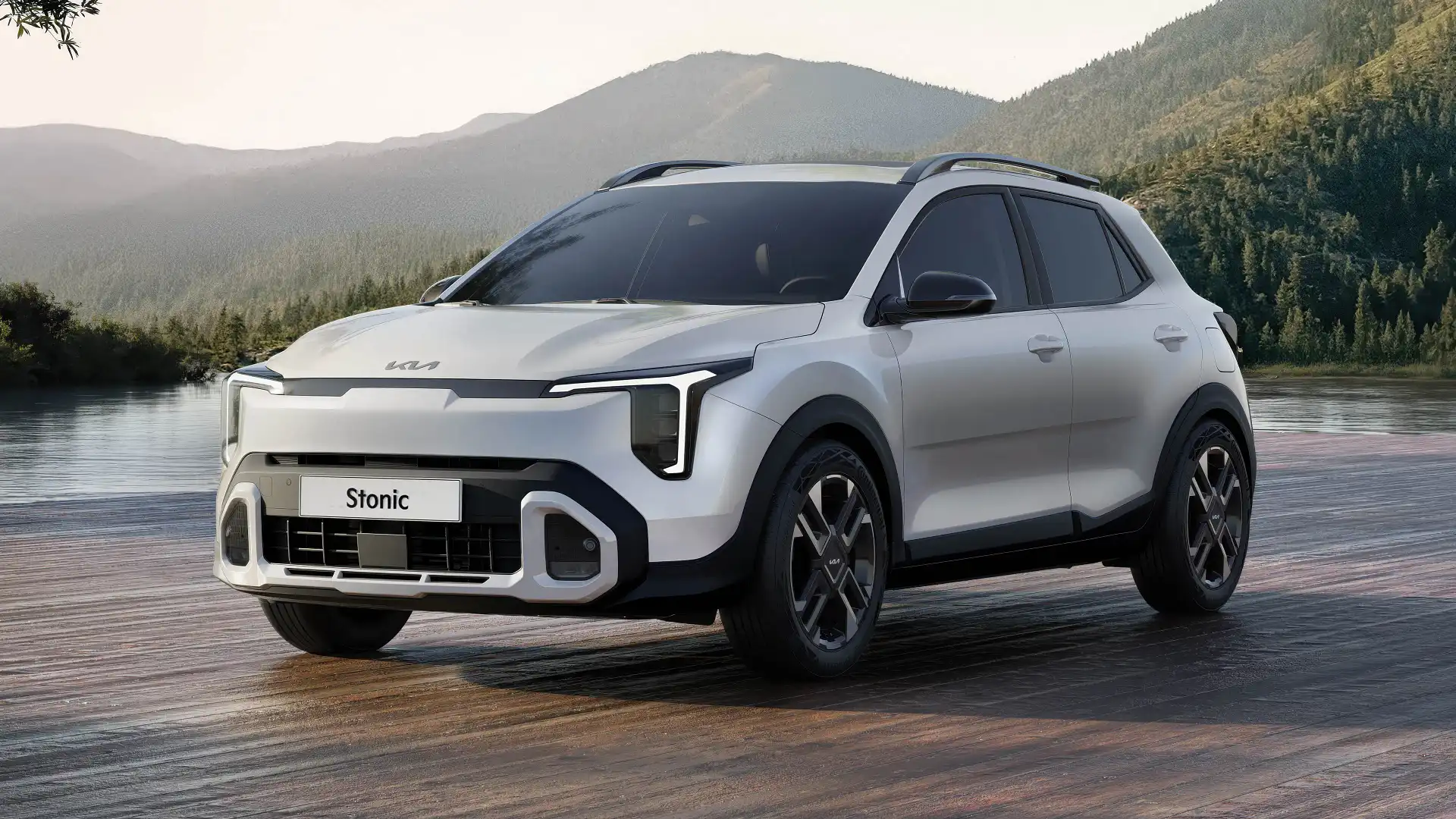
4. Kia Stonic
- Engine: 1.0L Turbo 3-Cylinder Mild-Hybrid
- Horsepower: 118 hp
- Torque: 148 lb-ft
- Size: 163.0 in Long x 69.3 in Wide
Among subcompact crossovers, the Kia Stonic has attracted buyers looking for stylish design, fuel efficiency, and the elevated driving position of an SUV without the size of a larger vehicle. Power comes from a 1.0-liter turbocharged three-cylinder mild-hybrid engine that produces 118 horsepower and 148 lb-ft of torque. Measuring 163.0 inches long and 69.3 inches wide, the Stonic is well-suited to crowded city streets and tight parking spaces.
Earlier versions of the Stonic earned a 5-star safety rating when equipped with optional advanced safety features. This approach was common across the auto industry, as manufacturers often submitted fully equipped models for evaluation. As safety organizations refined their testing methods, greater attention was placed on the equipment included in vehicles that most customers actually purchase, rather than premium trims with every available option.
Under these updated standards, the base version of the Stonic now carries a 3-star rating. A major reason for the lower score is the absence of certain driver-assistance systems in entry-level models. Automatic emergency braking with pedestrian and cyclist detection, a feature that plays an important role in modern safety assessments, is not included as standard equipment on all versions.
The Stonic’s rating change highlights an important point for vehicle shoppers. A model may have earned excellent safety scores in the past, yet those results may apply only to specific trims equipped with extra technology. Before relying on any advertised safety rating, buyers should confirm which model version and safety package were tested, since equipment differences can have a major effect on current safety performance.
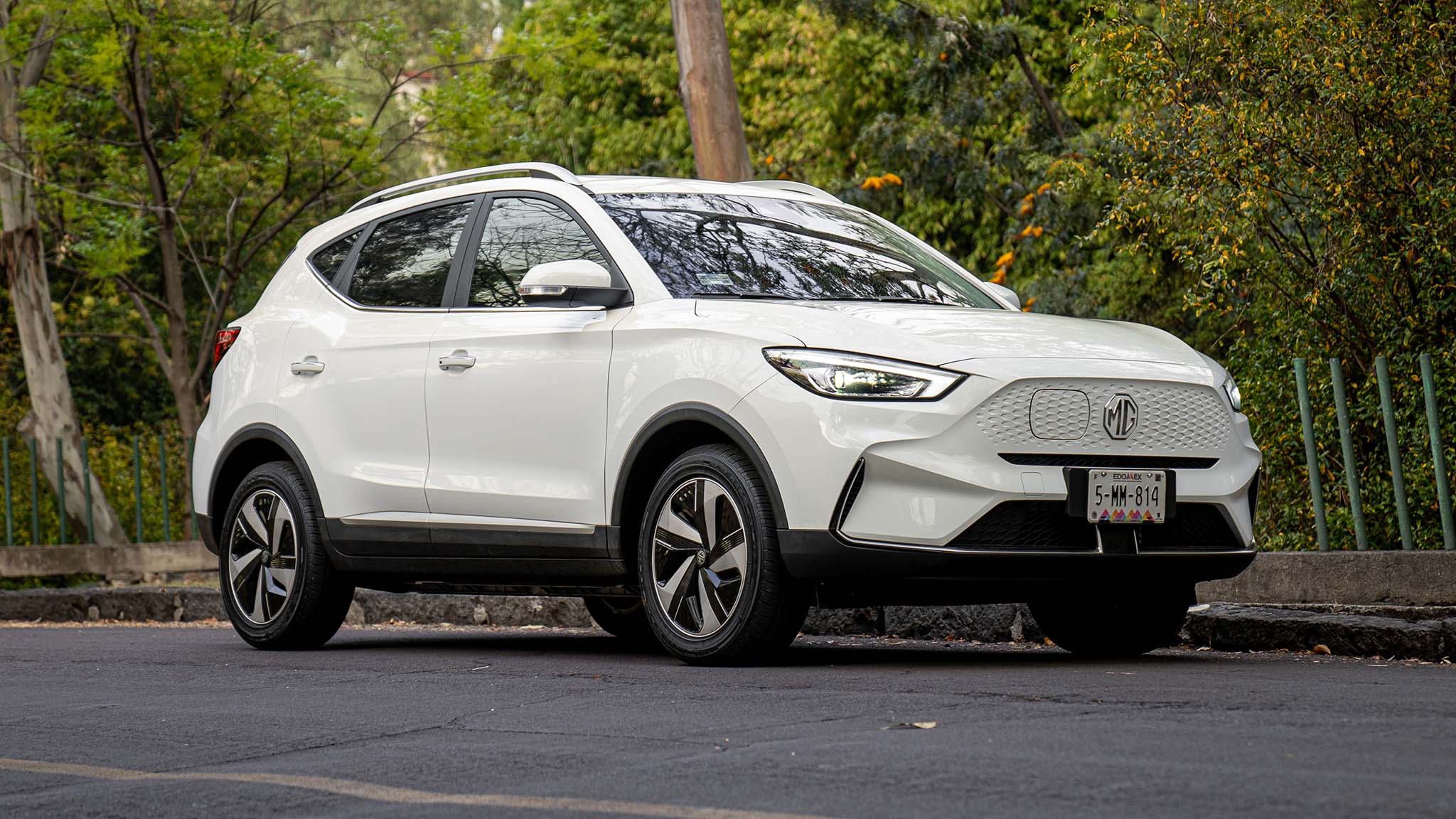
5. MG ZS
- Engine: 1.5L 4-Cylinder (or 1.0L Turbo 3-Cylinder)
- Horsepower: 106 hp to 111 hp
- Torque: 104 lb-ft to 118 lb-ft
- Size: 170.2 in Long x 71.2 in Wide
Affordable pricing and a lengthy list of standard features helped the MG ZS gain traction in the crowded compact crossover market. The model became an important part of MG’s effort to strengthen its image and attract buyers looking for value without giving up modern amenities.
Depending on the version, the ZS comes with either a 1.5-liter four-cylinder engine or a 1.0-liter turbocharged three-cylinder. Output ranges from 106 to 111 horsepower, while torque figures fall between 104 and 118 lb-ft. The crossover measures 170.2 inches long and 71.2 inches wide, placing it among many similarly sized rivals.
When first evaluated, the ZS earned a 5-star safety rating, giving MG a strong selling point as it worked to gain consumer confidence in various markets. That achievement featured heavily in promotional materials and helped position the vehicle as a credible option in its segment. As testing standards became more demanding, however, the crossover was reassessed and later received a 3-star rating under newer evaluation methods.
Detailed crash-test results highlighted a pair of weaknesses that affected the vehicle’s standing. Rear-seat whiplash protection produced less favorable results than expected, raising concerns about how effectively the seats and head restraints protect occupants during rear-end collisions. Safety assessors also deducted points because many versions lacked standard lane-keeping assistance technology.
While some drivers may view lane-keeping assistance as a convenience feature, modern safety organizations consider it an important accident-prevention system, it can help reduce the risk of crashes caused by distraction or fatigue by keeping the vehicle from drifting out of its lane.
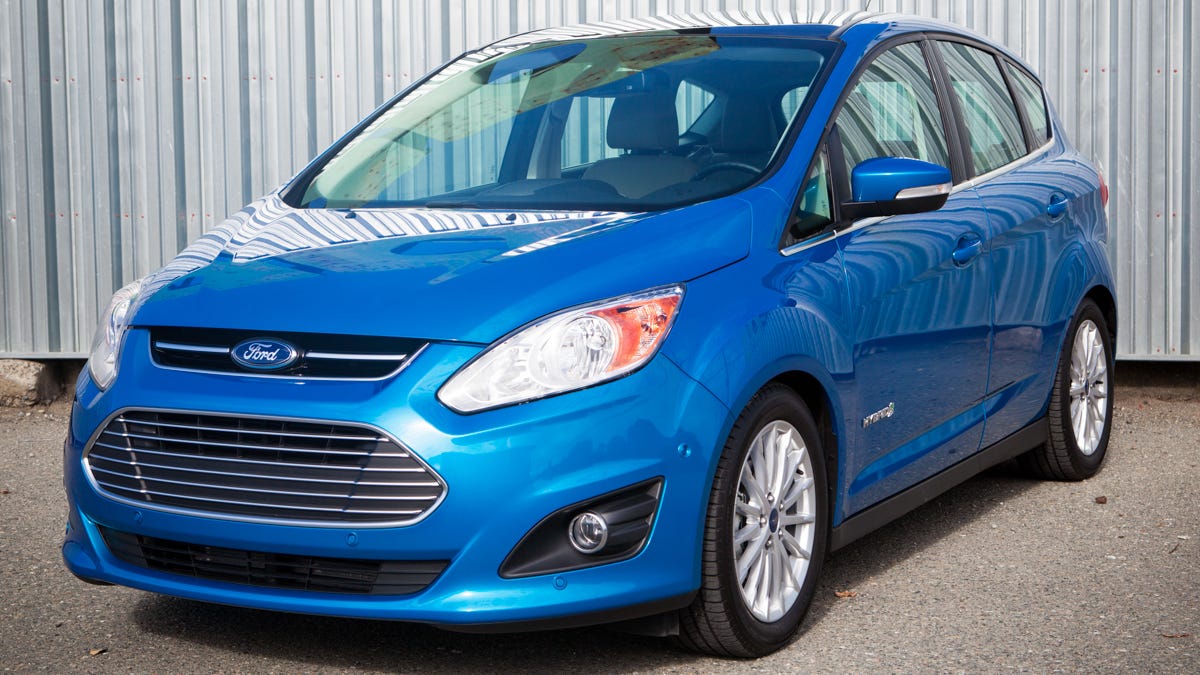
6. Ford C-MAX / Grand C-MAX
- Engine: 1.5L EcoBoost 4-Cylinder
- Horsepower: 150 hp
- Torque: 177 lb-ft
- Size: 178.0 in Long x 72.0 in Wide
Family-focused buyers once viewed the Ford C-MAX and the larger Grand C-MAX as practical choices that balanced passenger space, versatility, and strong safety credentials. Powered by a 1.5-liter EcoBoost four-cylinder engine, these vehicles produced 150 horsepower and 177 lb-ft of torque. Measuring 178.0 inches in length and 72.0 inches in width, they offered the flexibility many households wanted without stepping up to a full-size minivan.
During their early years, these models earned impressive safety ratings that helped build trust among consumers across Europe. Those results reflected the standards in place at the time and contributed to the vehicles’ strong reputation. As safety organizations introduced more demanding testing methods, however, the aging platform found it increasingly difficult to meet newer expectations. When reevaluated under updated criteria, the rating dropped to 3 stars.
One area that caused concern was side-pole impact performance. This test is designed to replicate a vehicle striking a narrow object such as a utility pole. During these evaluations, crash-test data pointed to weaknesses in chest protection for adult occupants. Findings suggested that the vehicle’s side structure and airbag system were not fully effective at reducing injury risk in this type of collision.
Unlike traditional front or side crashes, a pole impact concentrates force into a much smaller section of the vehicle. That focused energy creates a tougher challenge for safety systems and structural components. Many vehicles developed before this test became a major part of safety assessments struggled when subjected to these newer standards.
The C-MAX serves as a reminder that a vehicle can perform well in many crash scenarios while still showing weaknesses in specific situations that newer testing procedures are designed to identify.
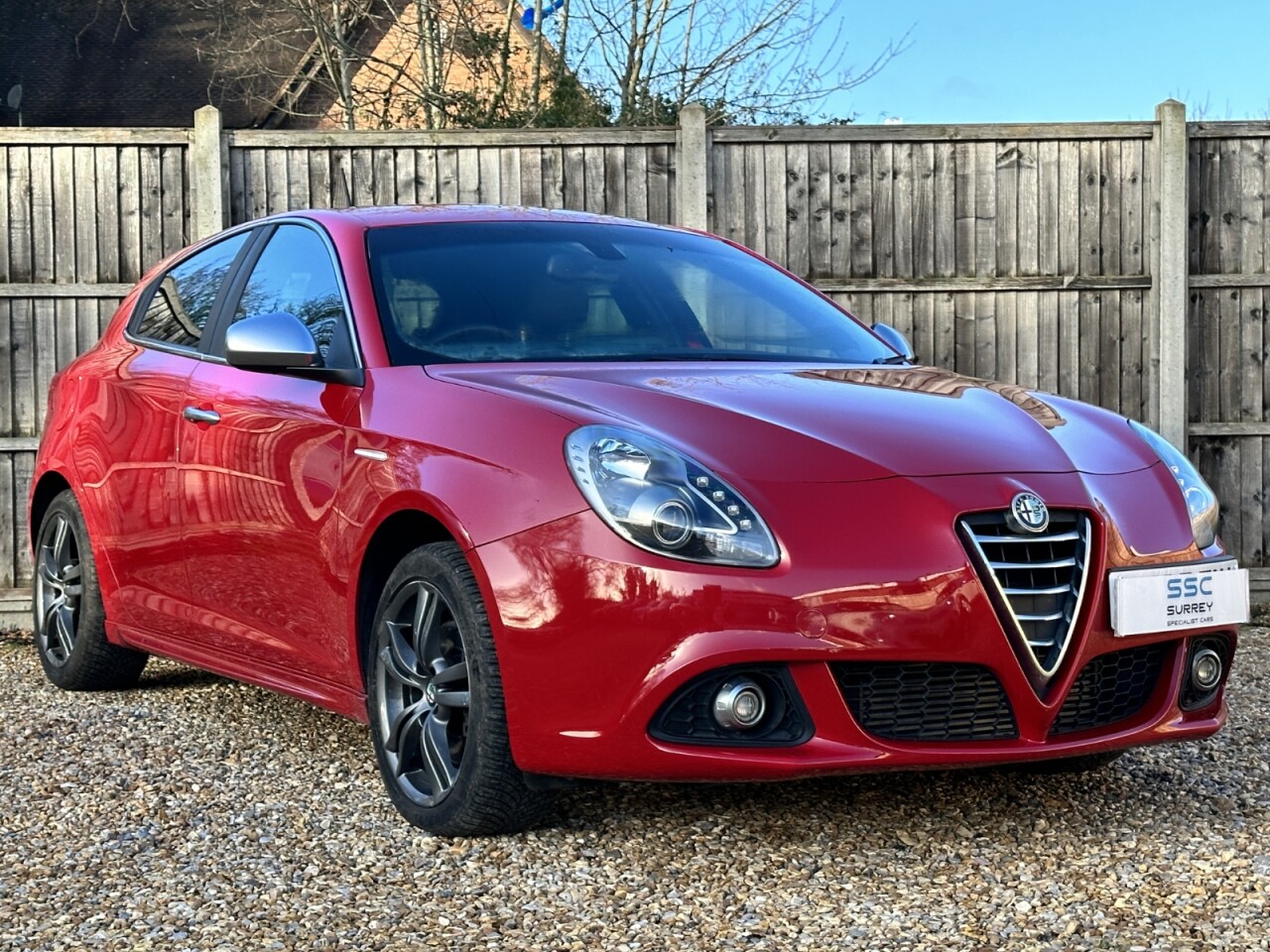
7. Alfa Romeo Giulietta
- Engine: 1.4L Turbocharged 4-Cylinder
- Horsepower: 120 hp to 170 hp
- Torque: 151 lb-ft to 184 lb-ft
- Size: 171.3 in Long x 70.8 in Wide
When the Alfa Romeo Giulietta arrived on the market, it attracted attention as a stylish premium hatchback that offered Italian character in a segment dominated by established competitors. Buyers could choose from versions powered by a 1.4-liter turbocharged four-cylinder engine, delivering between 120 and 170 horsepower and producing 151 to 184 lb-ft of torque. With a length of 171.3 inches and a width of 70.8 inches, the Giulietta competed directly with other upscale hatchbacks throughout its lifespan.
At launch, the car earned one of the strongest 5-star safety ratings in its category, giving Alfa Romeo a valuable achievement to promote. The result reflected the standards of that period and helped strengthen the model’s appeal among buyers seeking both style and safety. As years passed, though, the vehicle struggled to maintain the same standing under newer testing requirements.
Instead of making major structural upgrades to improve crash protection, Alfa Romeo focused on updating the Giulietta’s appearance. Revised exterior styling, refreshed interior materials, and cosmetic enhancements helped keep the hatchback looking current, but the underlying structure remained largely unchanged. Once newer and more demanding safety evaluations were introduced, the aging design could no longer match newer rivals, leading to a drop to a 3-star rating.
The Giulietta’s experience highlights an important distinction between a visual update and a thorough redesign. Fresh headlights, revised bumpers, and cabin improvements can make a vehicle appear modern, yet those changes do not automatically improve crash performance.
Buyers often assume a refreshed model has been comprehensively updated, but that is not always the case. This hatchback serves as a reminder that appearance upgrades and safety advancements are not necessarily the same thing.
8. DS 3 (Late Facelift Era)
- Engine: 1.2L PureTech 3-Cylinder
- Horsepower: 100 hp to 130 hp
- Torque: 151 lb-ft to 170 lb-ft
- Size: 162.1 in Long x 70.5 in Wide
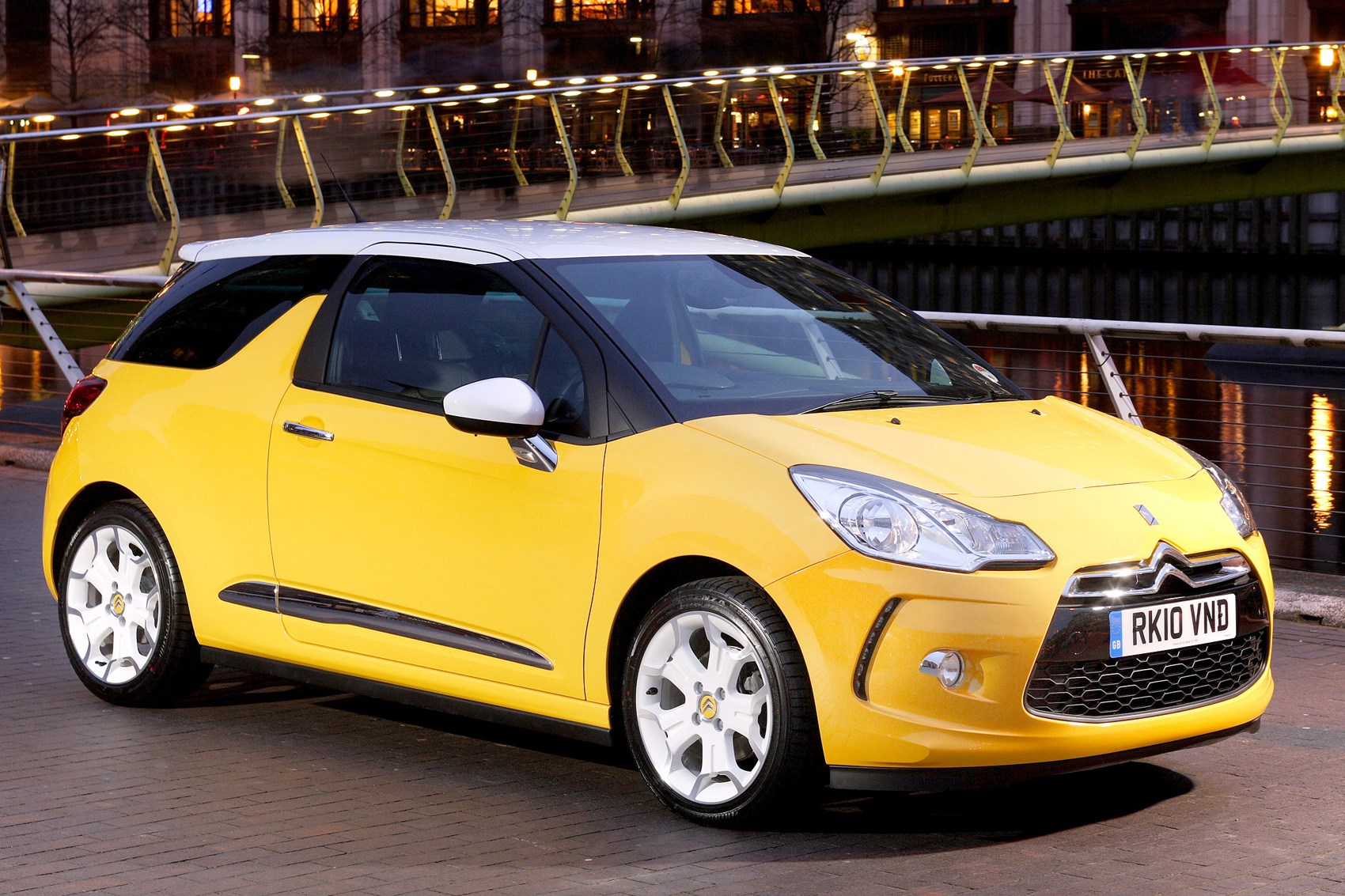
Designed to attract buyers seeking luxury features in a small package, the DS 3 helped establish DS Automobiles as a premium brand separate from its Citroen roots. The compact hatchback offered stylish design, upscale materials, and a choice of 1.2-liter PureTech three-cylinder engines producing between 100 and 130 horsepower. Torque output ranged from 151 to 170 lb-ft, while the vehicle measured 162.1 inches long and 70.5 inches wide, making it a practical option for drivers who wanted premium appeal without a larger footprint.
During its early years, the DS 3 earned a 5-star safety rating and received praise for combining comfort, style, and strong crash-test performance. That reputation helped the model compete with well-known premium rivals. As safety standards became more demanding, however, the aging vehicle platform struggled to meet newer requirements, leading to a reduced 3-star rating.
One of the biggest concerns emerged during updated offset frontal crash tests. Unlike older evaluations that spread impact forces across a wider area, these tests focus energy on a smaller section of the vehicle’s front structure. This creates greater stress on specific parts of the body shell and exposes weaknesses that earlier testing methods may not have revealed.
Results showed concerns regarding child occupant protection, particularly in chest compression measurements recorded during crash evaluations. For families considering a used DS 3, this finding deserves careful attention. Child safety assessments can reveal weaknesses in both structural design and restraint systems that may not appear as clearly in adult occupant results.
The DS 3 demonstrates how an aging platform can struggle to satisfy modern safety expectations, regardless of its premium image or refined driving experience.
9. Toyota Aygo
- Engine: 1.0L 3-Cylinder
- Horsepower: 72 hp
- Torque: 69 lb-ft
- Size: 136.0 in Long x 63.6 in Wide
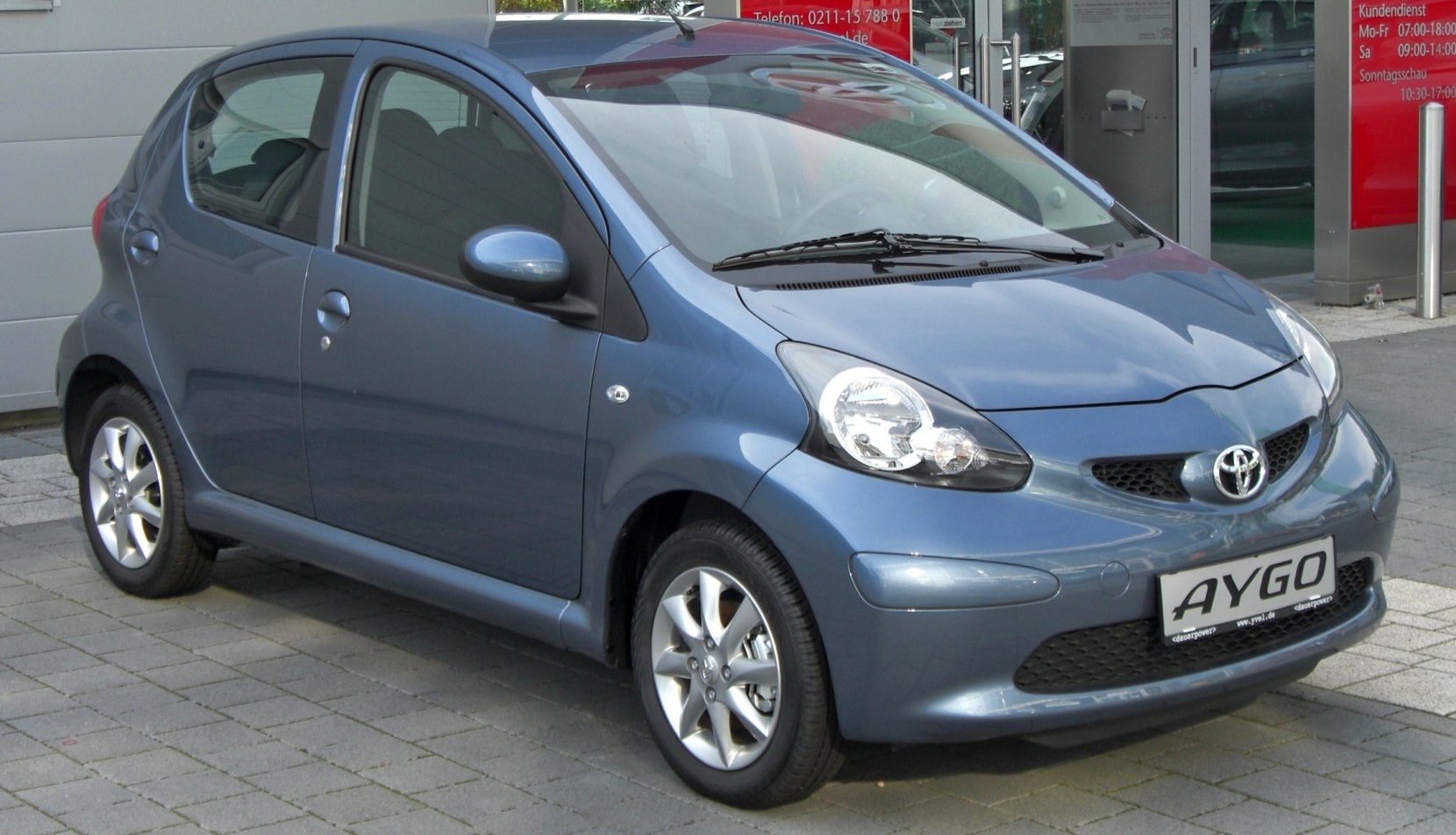
Small city cars have long appealed to drivers looking for inexpensive transportation, and the Toyota Aygo earned plenty of attention for its practicality, fuel efficiency, and ease of maneuvering in crowded urban areas. Under the hood, it featured a 1.0-liter three-cylinder engine that delivered 72 horsepower and 69 lb-ft of torque. Its compact dimensions, measuring 136.0 inches long and 63.6 inches wide, made it one of the smallest vehicles available during its production years.
Safety results revealed a clear difference between well-equipped versions and entry-level models. Higher trims fitted with advanced safety technology managed to maintain stronger ratings in updated evaluations, showing that Toyota had the ability to improve occupant protection when additional equipment was included. The standard version, however, struggled under the same testing conditions and received a much lower 3-star rating.
A major factor behind that result was the vehicle’s size. During side-impact testing, smaller cars face a natural disadvantage because there is less distance between occupants and the point of impact. Even with reinforced door structures and airbags, limited space reduces the amount of energy that can be absorbed before reaching passengers.
Another issue involved the absence of radar-based driver assistance systems in the base model. Without those sensors, the Aygo failed to earn any points in crash-avoidance assessments, a category that carries considerable weight in modern safety evaluations. Receiving no credit in an entire section of testing can heavily affect a vehicle’s final score.
The Aygo serves as another example of how budget-focused city cars often miss out on advanced safety technology. As testing standards continue to place greater emphasis on collision-prevention systems, vehicles lacking those features face a tougher path to achieving strong safety ratings.
Also Read: 8 Cars Whose Resale Defies Their Brand’s Reputation
10. Opel Karl / Vauxhall Viva
- Engine: 1.0L Naturally Aspirated 3-Cylinder
- Horsepower: 75 hp
- Torque: 70 lb-ft
- Size: 144.7 in Long x 62.8 in Wide
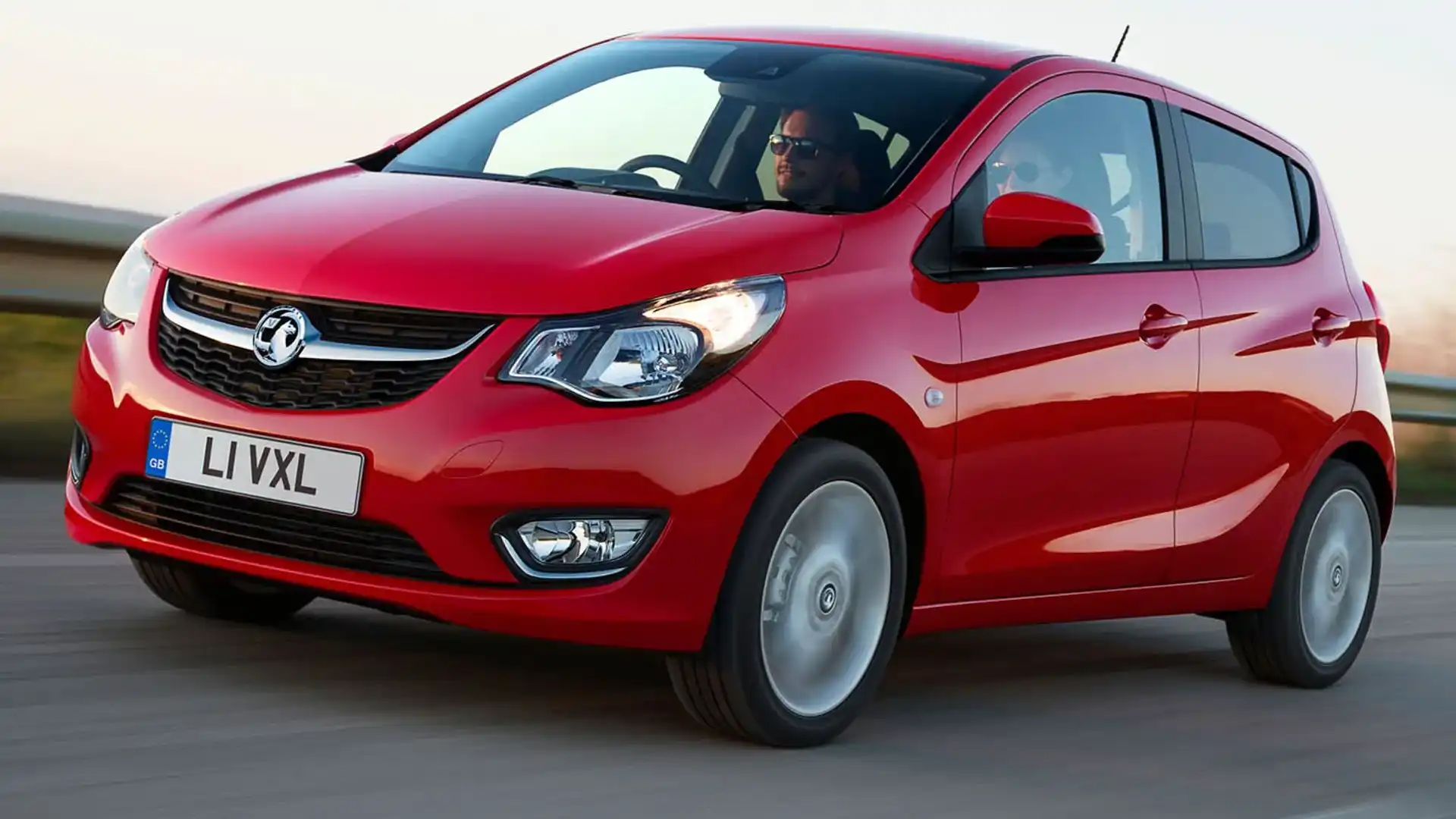
Budget-minded buyers once looked to the Opel Karl, marketed as the Vauxhall Viva in some regions, as a straightforward solution for daily transportation. Designed with affordability at its core, the compact hatchback came equipped with a naturally aspirated 1.0-liter three-cylinder engine generating 75 horsepower and 70 lb-ft of torque. Measuring only 144.7 inches in length and 62.8 inches in width, it ranked among the smallest vehicles in its class and was built primarily for urban driving.
What raised concern was the vehicle’s decline from a previously respectable safety rating to a 3-star classification. Unlike many older cars that lose ground because they lack newer driver-assistance technology, Karl’s lower score stemmed from a much deeper safety concern discovered during updated crash evaluations. Testing conducted at higher impact speeds revealed troubling results involving rear-seat passenger protection.
Engineers identified a condition known as submarining, which occurs when a passenger slides beneath the lap portion of the seatbelt during a collision. Instead of securing the pelvis as intended, the belt can move upward into the abdominal area. Such movement increases the possibility of serious internal injuries because the restraint system is no longer controlling the occupant’s motion correctly during impact.
Among the safety concerns identified in aging vehicles, this type of failure is particularly troubling because it points to a weakness in the restraint system itself. Anyone considering a used Opel Karl or Vauxhall Viva, especially if rear-seat passengers will be carried regularly, should pay close attention to these findings.
This example highlights why safety ratings should never be judged solely by a vehicle’s reputation. Testing standards continue to develop, exposing weaknesses that earlier evaluations may not have measured. Before purchasing any older vehicle, it is wise to review the exact model year and the date of its most recent safety assessment rather than relying on ratings earned years earlier.
