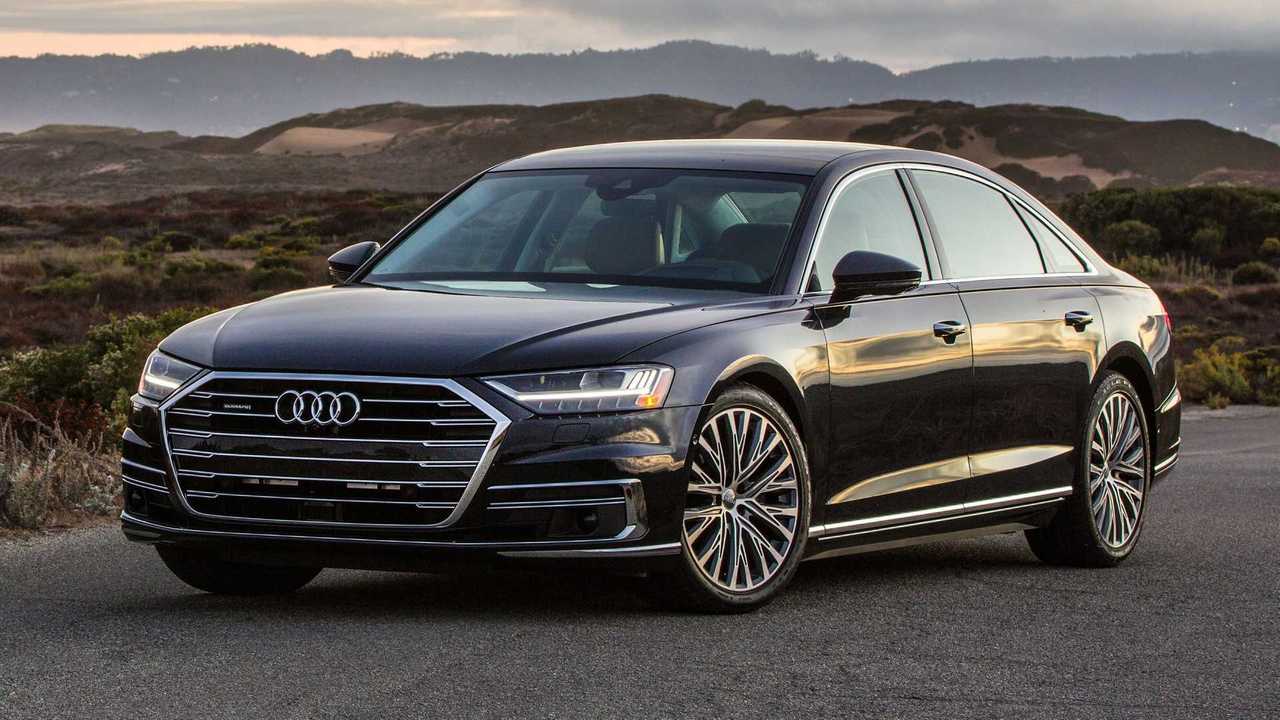
Modern cars are packed with technology that makes driving safer, more comfortable, and more enjoyable. One feature that has changed dramatically over the past decade is the humble headlight.
What was once a simple halogen bulb costing a few dollars has evolved into an advanced lighting system featuring adaptive LEDs, laser beams, digital matrix technology, cornering functions, cameras, sensors, and intricate cooling hardware.
While these innovations improve nighttime visibility and driver confidence, they also bring a hidden ownership expense that many buyers never anticipate.
A damaged headlight is no longer a quick trip to the auto parts store. In many luxury and high-performance vehicles, replacing a single headlight assembly can cost well over $3,000 before labor and calibration are added.
Insurance often covers accident-related damage, but owners paying out of pocket after minor impacts or debris strikes may face surprisingly large repair bills. Even a parking lot collision or a cracked lens can require replacing the entire sealed assembly because individual components cannot always be serviced separately.
Manufacturers continue pushing lighting technology forward, but buyers should understand the financial trade-off. The following vehicles represent some of the most expensive examples on the road today.
Their sophisticated lighting systems deliver remarkable performance after dark, yet they also remind owners that advanced engineering often comes with equally advanced repair costs.
Also Read: 10 Reasons Cars Got Smaller Over the Last 60 Years
1. Mercedes-Benz S-Class
The Mercedes-Benz S-Class has long served as the company’s technology showcase, and its headlight system demonstrates exactly why replacement costs can become so high. Recent models equipped with DIGITAL LIGHT technology contain millions of individually controlled micro-mirrors that constantly adjust the beam pattern.
Instead of simply switching between high and low beams, the system projects extremely precise light distributions that can avoid dazzling other drivers while still illuminating pedestrians, road signs, and lane markings farther ahead.
This sophisticated hardware is housed inside a complex assembly containing LED modules, cooling components, electronic control units, adaptive motors, sensors, and precision optics. If the housing suffers significant damage from even a relatively minor collision, replacing only the lens is usually not possible.
Dealers frequently install an entirely new assembly before performing software programming and calibration, so the lighting functions operate correctly.
The high replacement price reflects far more than the visible lens. Owners are paying for advanced electronics, intricate manufacturing, premium materials, and specialized installation procedures.
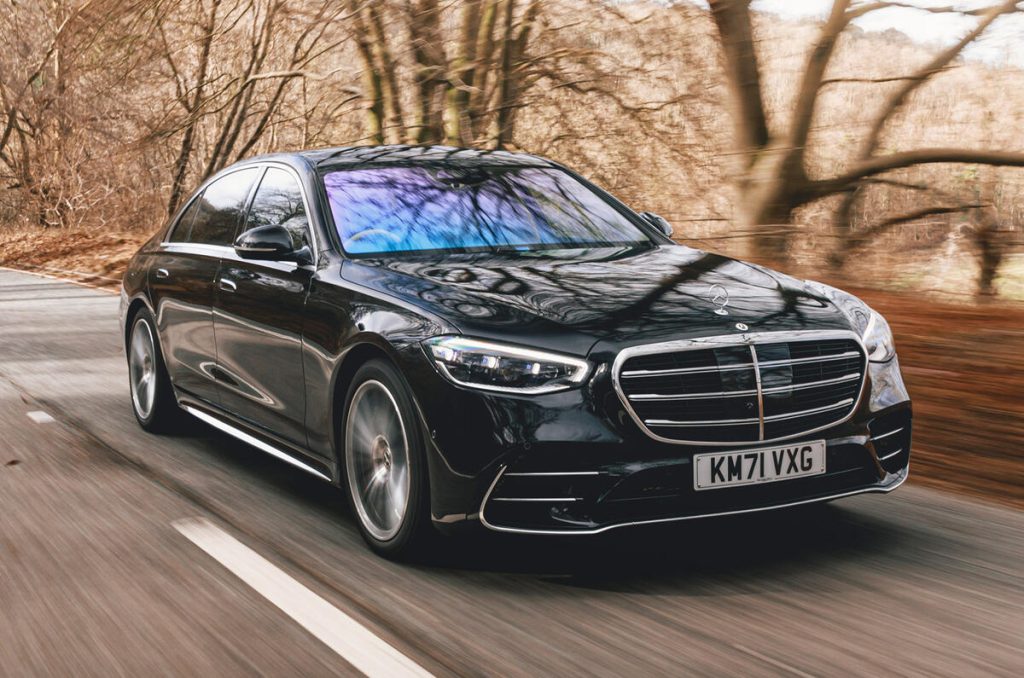
Labor charges also tend to be higher because technicians must align and calibrate the adaptive system using factory equipment. The result is one of the costliest headlight replacements available on a production luxury sedan, making comprehensive insurance particularly valuable for long-term ownership.
Specifications
- Engine: 3.0-liter Turbocharged Inline-6 with Mild Hybrid
- Torque: 369 lb-ft
- Horsepower: 442 hp
- Length/Width: 208.2 in / 76.9 in
2. BMW i7
Luxury electric vehicles introduce another layer of complexity to lighting systems, and the BMW i7 is a prime example. Depending on the trim level, the sedan features crystal headlights paired with adaptive LED technology.
Decorative crystal elements create a distinctive appearance, while advanced lighting modules automatically adjust beam direction and intensity according to traffic conditions, vehicle speed, and steering angle.
The expensive replacement cost begins with the premium construction of the assembly itself. Crystal accents, precision optics, multiple LED projectors, integrated daytime running lights, electronic controllers, and adaptive mechanisms are all packaged into one sealed unit.
Because these parts function together as a single system, repairing individual damaged sections is rarely practical. In many cases, the complete assembly must be replaced.
Installation involves much more than bolting on a new headlight. Technicians typically perform electronic coding, aiming procedures, and system calibration so the adaptive lighting communicates properly with the vehicle’s numerous driver assistance features.
Those additional service requirements increase labor expenses beyond the already costly hardware.
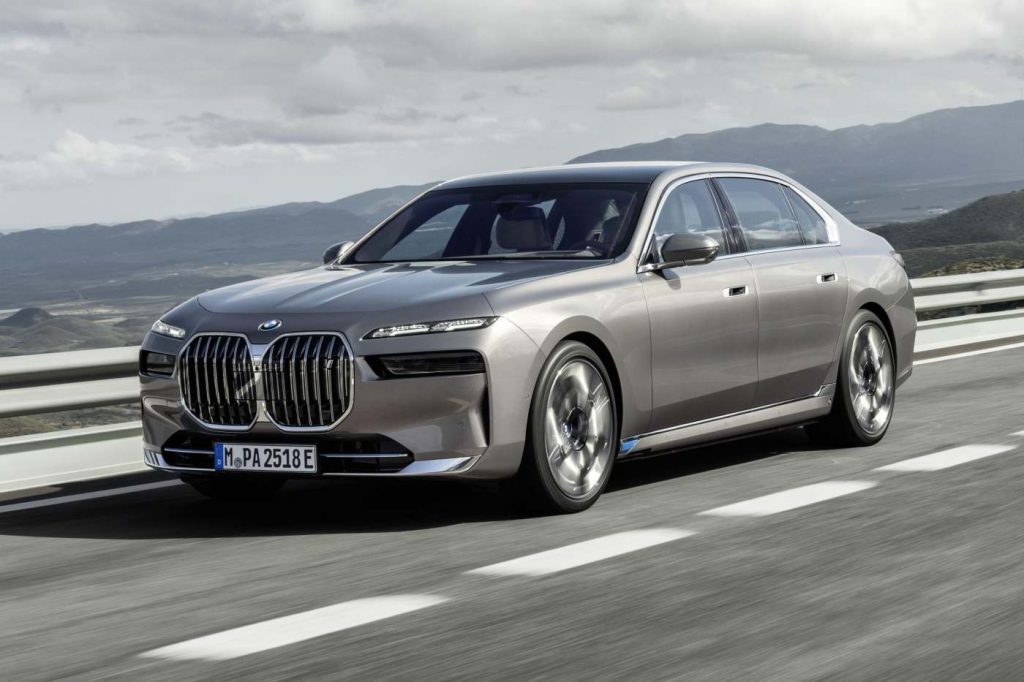
Owners appreciate the impressive illumination and unmistakable nighttime signature, but a cracked housing caused by road debris or a parking accident can quickly become an expensive repair.
The BMW i7 illustrates how premium styling and cutting-edge engineering often translate into replacement costs exceeding expectations.
Specifications
- Engine: Dual Electric Motors
- Torque: 549 lb-ft
- Horsepower: 536 hp
- Length/Width: 212.2 in / 76.8 in
3. Audi A8
Audi has built much of its reputation around lighting innovation, and the A8 stands among the company’s most technologically advanced sedans. Buyers can equip it with HD Matrix LED headlights featuring Audi Laser Light, a system designed to provide exceptional visibility during high-speed nighttime driving.
Rather than projecting a fixed beam, the headlights constantly adapt to changing road conditions. Individual LEDs can brighten, dim, or switch off independently, allowing the vehicle to maintain maximum illumination without blinding approaching traffic.
The laser module extends the high beam even farther when conditions allow, making rural highways noticeably easier to navigate.
That level of sophistication comes at a significant price if damage occurs. Each headlight assembly contains laser modules, adaptive LED projectors, cooling systems, electronic controllers, precision lenses, stepper motors, and numerous internal sensors.
The entire unit is manufactured to extremely tight tolerances, and replacing only the outer lens is generally not an option after substantial damage. Even a relatively low-speed impact can require fitting a completely new assembly.
The expense does not stop once the replacement part arrives. Technicians must configure the lighting electronics, calibrate the adaptive beam functions, and verify communication with the vehicle’s safety systems before returning the car to the road.
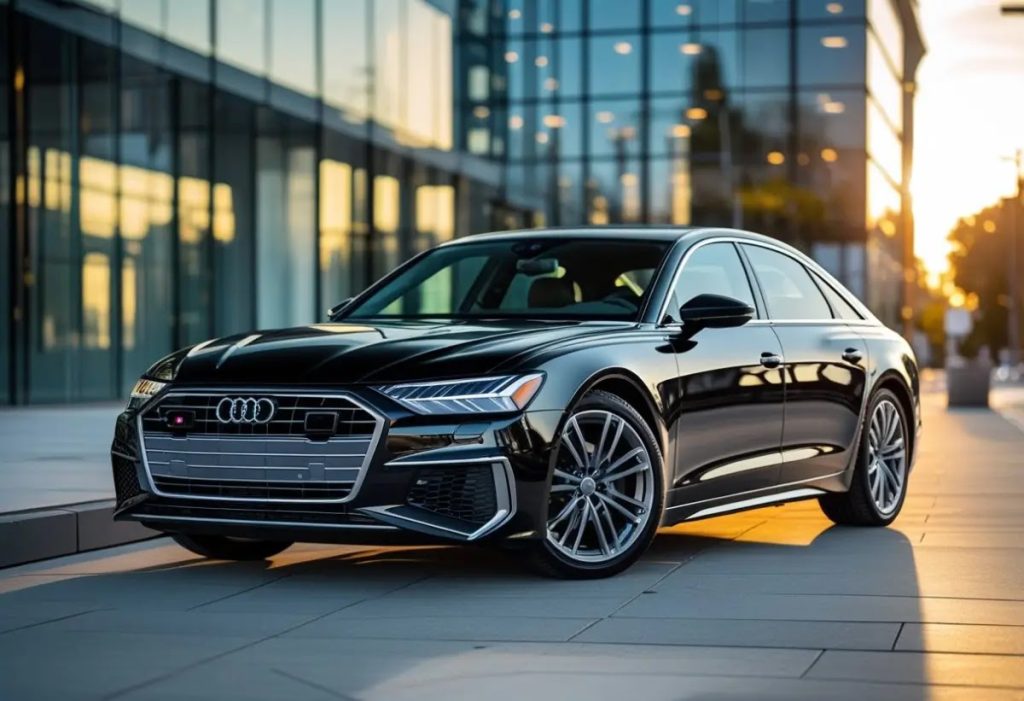
Those specialized procedures increase labor costs and help explain why a single headlight replacement can comfortably exceed the $3,000 mark. It is an excellent example of how premium engineering delivers extraordinary capability while creating equally premium repair bills.
Specifications
- Engine: 3.0-liter Turbocharged V6 with Mild Hybrid
- Torque: 369 lb-ft
- Horsepower: 335 hp
- Length/Width: 208.7 in / 76.6 in
4. Porsche Cayenne Turbo GT
The Porsche Cayenne Turbo GT is engineered to deliver sports car performance in an SUV package, and every component reflects that philosophy, including its lighting system.
Equipped with Porsche Dynamic Light System Plus and advanced Matrix LED technology, the SUV continuously adjusts beam distribution based on steering input, vehicle speed, weather conditions, and surrounding traffic.
The result is exceptional visibility without distracting other road users, particularly during spirited driving on winding roads.
Its headlights are considerably more sophisticated than conventional LED units. Inside each assembly are multiple high-output LED projectors, adaptive motors, control electronics, cooling elements, intricate reflectors, and durable sealed housings designed to withstand demanding operating conditions.
Because these components function as an integrated package, physical damage usually means replacing the complete assembly rather than repairing isolated sections. That alone pushes parts costs into luxury territory.
Another factor contributing to the final bill is Porsche’s strict installation process. After fitting the new headlight, technicians must perform precise alignment and electronic calibration to ensure every adaptive feature operates exactly as intended.
The lighting system also communicates with several driver assistance technologies, requiring additional diagnostic checks before the vehicle leaves the workshop.
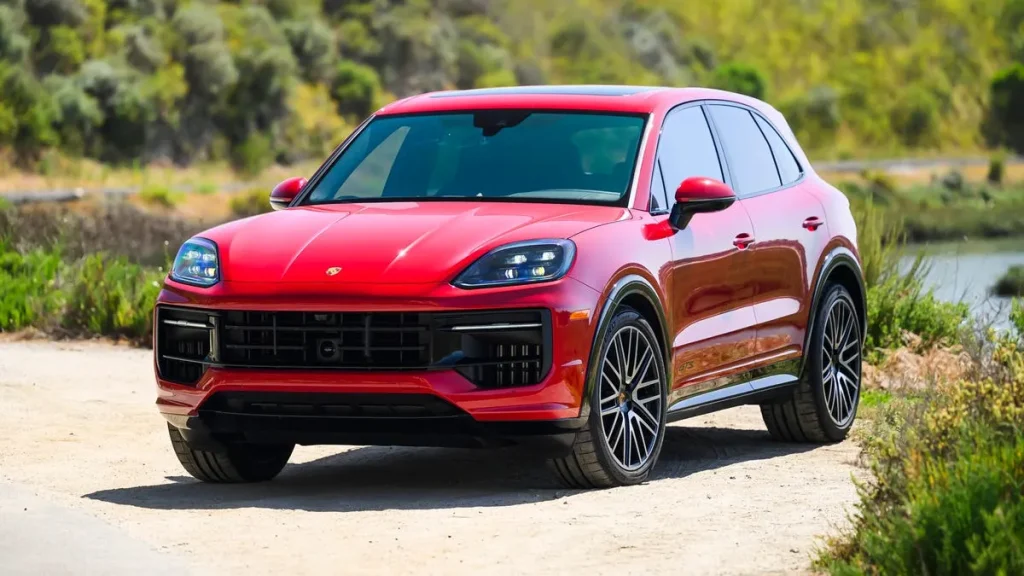
Owners enjoy remarkable nighttime performance and unmistakable styling, yet even a seemingly minor collision involving the front corner can generate a repair estimate that surprises many first-time luxury SUV buyers.
Advanced lighting technology enhances the driving experience, but it also becomes one of the most expensive exterior components to replace.
Specifications
- Engine: 4.0-liter Twin-Turbocharged V8
- Torque: 627 lb-ft
- Horsepower: 650 hp
- Length/Width: 194.2 in / 78.1 in
5. Lucid Air Grand Touring
Unlike many established luxury brands, Lucid entered the market with a clean-sheet approach, allowing it to integrate cutting-edge technology into nearly every component.
The Air Grand Touring reflects that philosophy through an advanced lighting system designed to complement the sedan’s futuristic styling and aerodynamic profile. Its adaptive LED headlights provide wide, evenly distributed illumination while automatically responding to steering angle, traffic, and changing road conditions.
The sleek, ultra-thin design leaves little room for traditional serviceable components, making the entire assembly a sophisticated piece of engineering.
Each headlight contains high-output LED projectors, adaptive beam hardware, electronic control modules, precision optics, cooling elements, and sealed housings manufactured to extremely tight tolerances.
These components are engineered to work together as one unit. If the housing cracks or internal electronics fail after an impact, replacing the complete assembly is typically the only practical repair solution.
Since Lucid produces its vehicles in relatively low volumes, replacement parts are naturally more expensive than those for mass-market automobiles.
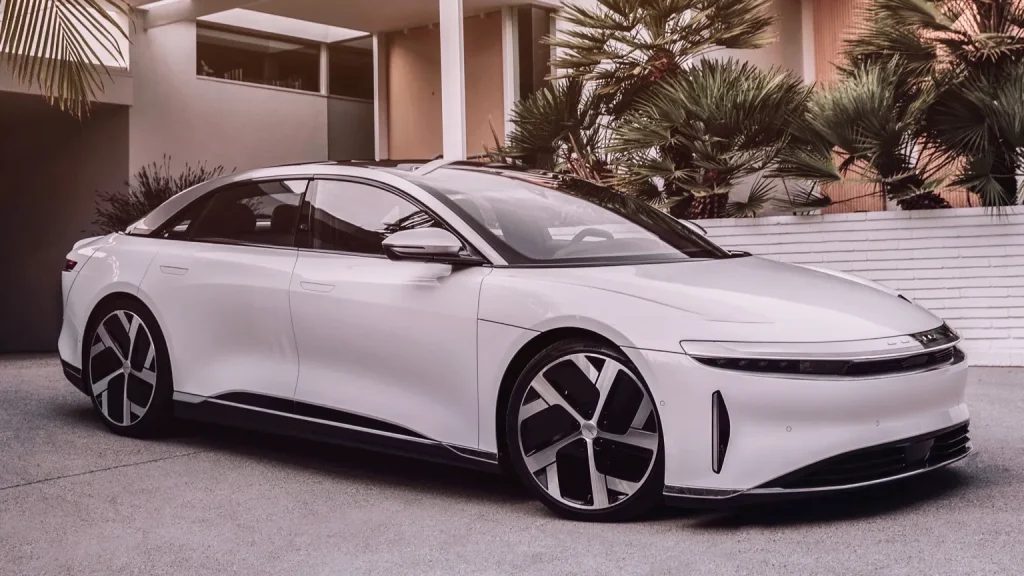
Repair costs also rise because technicians must recalibrate the adaptive lighting after installation. Diagnostic equipment verifies that the headlights communicate properly with the vehicle’s driver assistance technologies before the sedan is returned to the owner.
When the price of the assembly is combined with labor and programming, replacing a single headlight can easily exceed $3,000. It is another reminder that the newest luxury EVs often hide substantial ownership costs beneath their elegant exterior design.
Specifications
- Engine: Dual Permanent Magnet Electric Motors
- Torque: 885 lb-ft
- Horsepower: 819 hp
- Length/Width: 195.9 in / 76.4 in
6. Lexus LS 500
The Lexus LS 500 has earned a reputation for craftsmanship and refinement, yet it also showcases some of the brand’s most advanced lighting technology.
Premium trims feature BladeScan Adaptive High-beam technology, which differs from traditional adaptive headlights by using rapidly rotating mirrors to direct light with remarkable precision.
Instead of simply turning LEDs on and off, the system distributes illumination exactly where it is needed while keeping glare away from approaching drivers. The result is a broader field of vision and improved confidence during nighttime travel.
Such innovation demands exceptionally complex hardware. Every headlight houses multiple LED light sources, BladeScan mirror assemblies, electric motors, sensors, electronic controllers, cooling systems, and precision optics inside a sealed enclosure.
These parts are carefully synchronized, leaving little opportunity to repair individual damaged components. In many situations involving front-end damage or cracked housings, replacing the complete assembly becomes the recommended repair.
Installation requires more than mechanical work alone. The adaptive lighting system must be electronically initialized, accurately aimed, and tested to ensure it functions with the vehicle’s safety and driver assistance features. Those procedures add valuable workshop time and increase the total repair invoice.
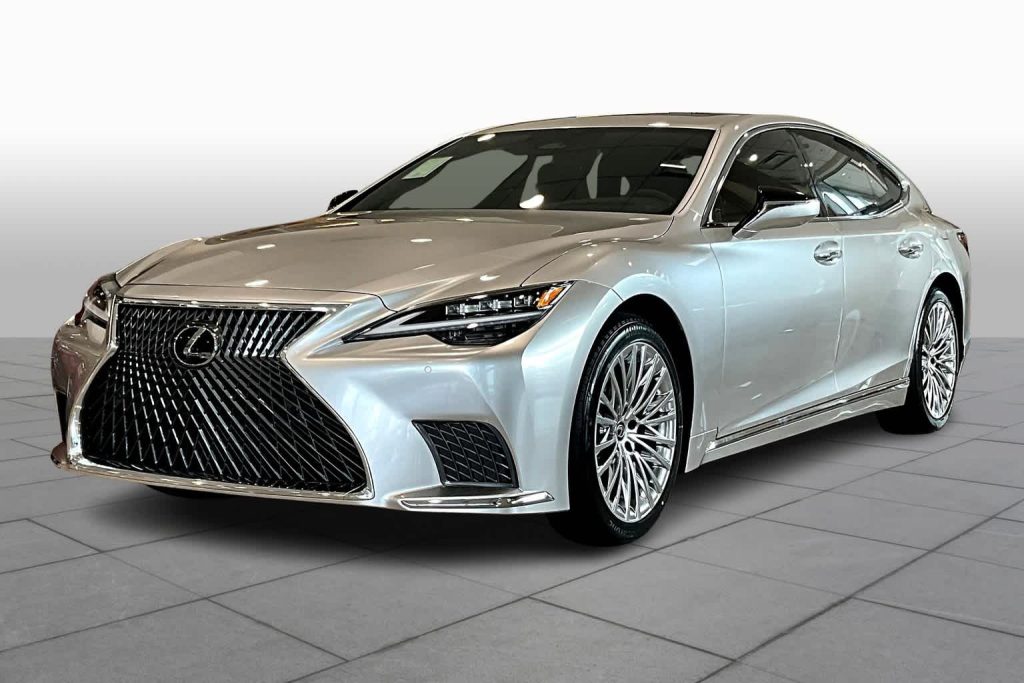
Although Lexus has built its reputation on long-term reliability, sophisticated equipment still carries premium replacement costs.
Owners appreciate the exceptional nighttime visibility every time they drive after sunset, but they may be surprised to learn that a single damaged headlight can represent one of the costliest exterior repairs on the vehicle.
Specifications
- Engine: 3.4-liter Twin-Turbocharged V6
- Torque: 442 lb-ft
- Horsepower: 416 hp
- Length/Width: 206.1 in / 74.8 in
7. Rivian R1S
The Rivian R1S may be marketed as an adventure-focused electric SUV, but its distinctive front lighting is among the most recognizable designs on today’s roads. The oval headlights and full-width LED light bar have become defining styling elements for the brand, giving the SUV an unmistakable appearance both day and night.
Beneath that minimalist exterior sits a highly engineered lighting system that combines premium LED projectors, integrated daytime running lights, sophisticated electronic control modules, and adaptive functions that work alongside the vehicle’s growing suite of driver assistance technologies.
While these features contribute to excellent visibility and a modern look, they also make repairs far more expensive than many owners expect.
Unlike older vehicles that allowed individual bulbs or lenses to be replaced, the R1S uses sealed lighting assemblies containing numerous interconnected components.
If the housing cracks after striking wildlife, road debris, or another vehicle, technicians typically replace the complete headlight assembly rather than attempting to repair internal elements.
The assembly itself is costly because it incorporates premium optics, multiple LED modules, thermal management hardware, waterproof seals, and electronic controllers designed specifically for Rivian’s architecture.
Since Rivian remains a relatively low-volume manufacturer, replacement components are produced in smaller quantities than those of mainstream automakers, further increasing their price.
The repair process extends beyond simply installing a new unit. Once fitted, technicians must verify alignment, perform electronic initialization, and ensure the adaptive lighting communicates correctly with the SUV’s safety systems.
Diagnostic scans and calibration procedures are necessary to restore proper operation, adding labor costs to an already expensive replacement part. By the time parts, programming, calibration, and dealership labor are combined, replacing a single damaged headlight can exceed the $3,000 threshold.
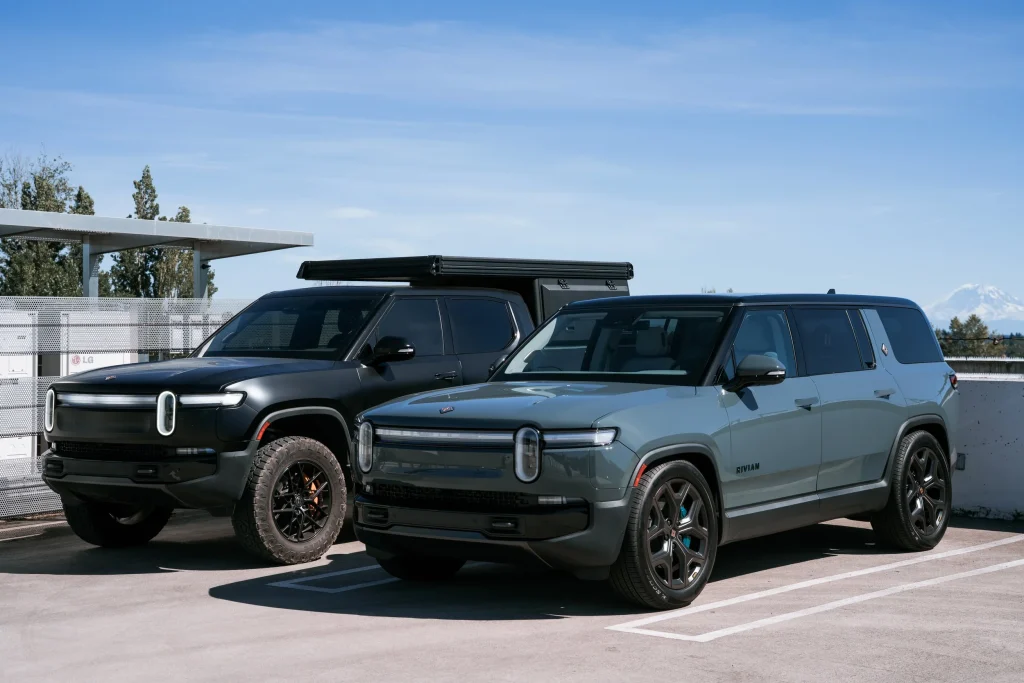
Owners appreciate the impressive illumination and unmistakable styling, but the R1S serves as another reminder that advanced lighting technology can become one of the most expensive components to repair after even a relatively modest front-end impact.
Specifications
- Engine: Quad Electric Motors
- Torque: 908 lb-ft
- Horsepower: 835 hp
- Length/Width: 200.8 in / 81.8 in
8. Bentley Flying Spur
Luxury sedans rarely compromise on craftsmanship, and the Bentley Flying Spur demonstrates that philosophy down to its headlights. Every exterior detail is designed to communicate prestige, including the beautifully sculpted LED lighting assemblies that combine elegant styling with sophisticated engineering.
Depending on the model year and specification, the Flying Spur features Matrix LED technology capable of automatically adjusting beam patterns according to steering input, vehicle speed, surrounding traffic, and road conditions.
Drivers benefit from exceptional nighttime visibility without sacrificing comfort for other motorists, making the system both practical and visually impressive.
Producing such a refined headlight requires far more than fitting powerful LEDs behind a clear lens.
Each assembly integrates precision projectors, adaptive beam motors, electronic control units, advanced optics, intricate chrome detailing, cooling components, and premium weather sealing within an exceptionally well-finished housing.
Bentley also maintains extremely high manufacturing standards, ensuring every lighting assembly complements the handcrafted quality expected from one of the world’s most prestigious luxury brands. Those standards inevitably contribute to replacement costs that are substantially higher than those of conventional vehicles.
Damage to the front corner of the car can quickly become an expensive repair because the complete assembly is generally replaced rather than repaired.
Once installed, technicians must electronically configure the new unit, calibrate the adaptive lighting functions, and verify that the headlights communicate properly with onboard safety systems.
The combination of premium materials, specialized manufacturing, dealership labor, and mandatory calibration frequently pushes the final invoice well beyond $3,000 for a single headlight.
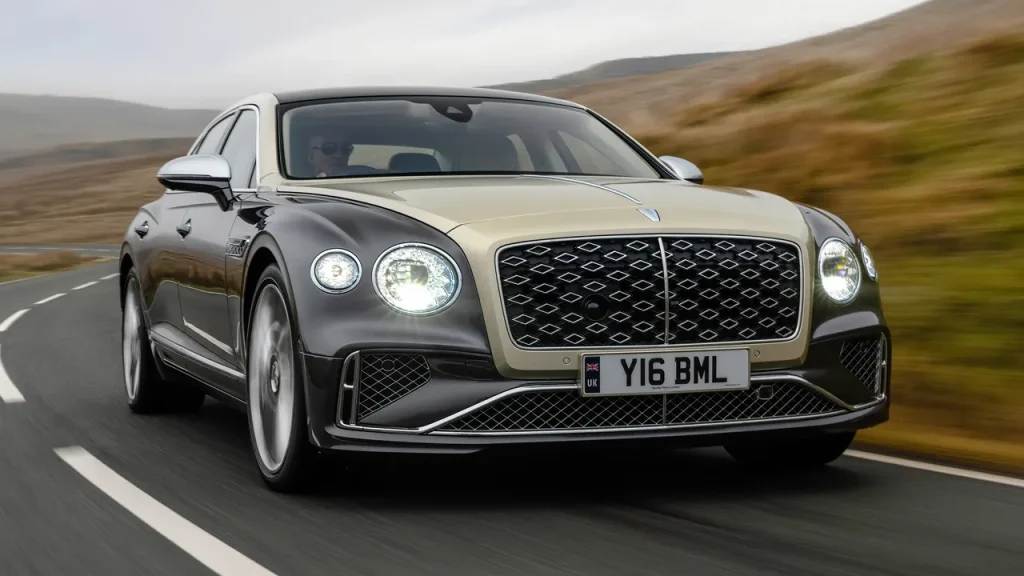
For Flying Spur owners, the remarkable lighting performance and unmistakable appearance are part of the ownership experience, but they also represent one of the most costly exterior components to replace if misfortune strikes.
Specifications
- Engine: 4.0-liter Twin-Turbocharged V8
- Torque: 568 lb-ft
- Horsepower: 542 hp
- Length/Width: 209.3 in / 77.9 in
Also Read: 10 Electric Vehicles That Spend the Least Time at Charging Stations