
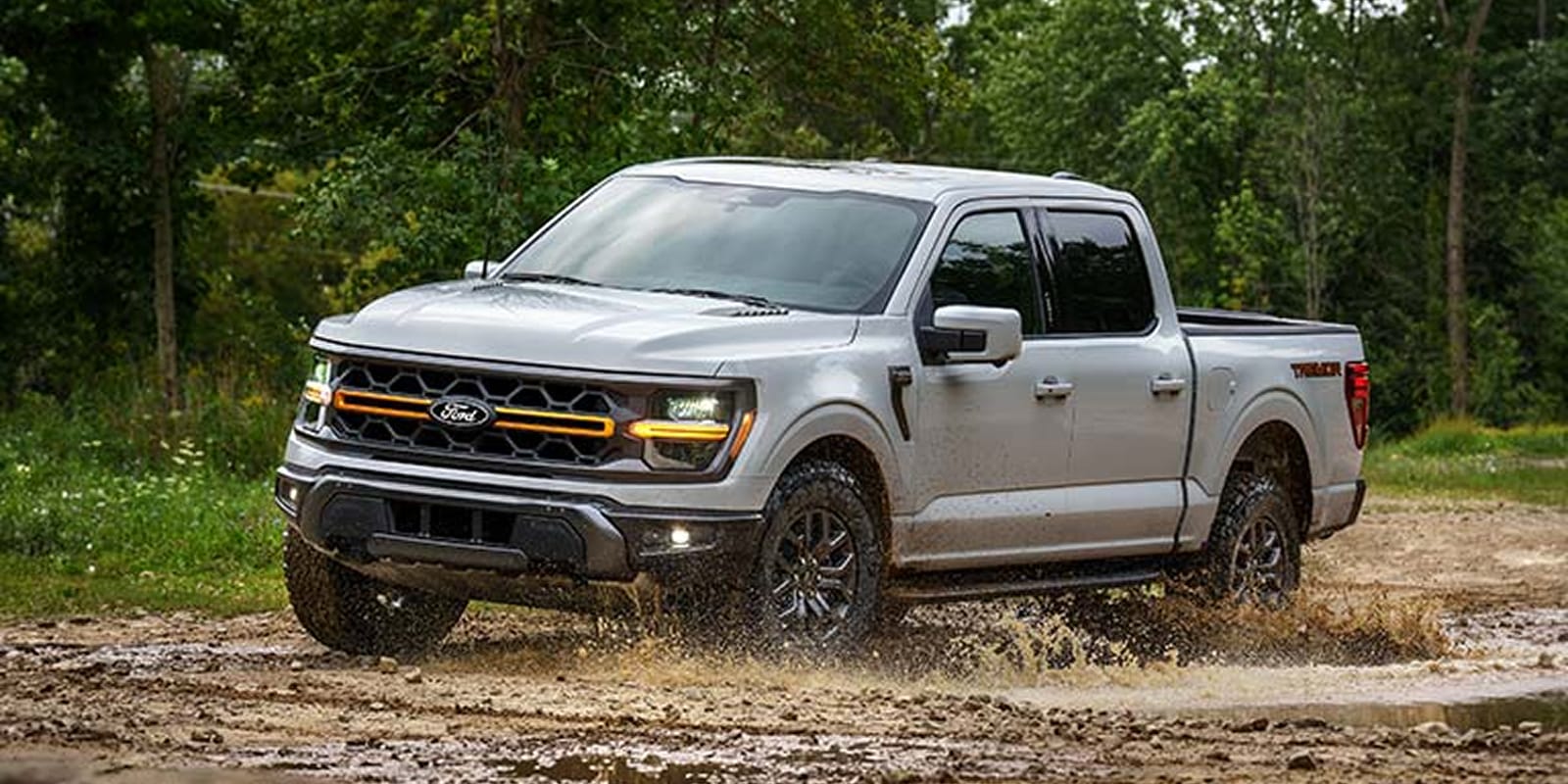
Crash-test ratings are one of the most important safety benchmarks used in the automotive industry, especially for pickup trucks. These vehicles are often chosen for their power, towing capability, and durability, but many buyers overlook a critical factor: how well they protect occupants in a collision.
Organizations such as the Insurance Institute for Highway Safety (IIHS) and the National Highway Traffic Safety Administration (NHTSA) conduct controlled crash tests to evaluate structural integrity, airbag performance, restraint systems, and injury risk for both front and rear passengers.
Pickup trucks present unique engineering challenges in crash safety. Their higher ride height, heavier curb weight, and body-on-frame construction can sometimes improve performance in certain impacts, particularly in collisions with smaller vehicles.
However, the same design characteristics can also introduce weaknesses, especially in moderate overlap front crashes and rear-seat occupant protection. In recent IIHS updates, many popular trucks struggled significantly with rear passenger safety, leading to lower ratings even when front-seat protection appeared acceptable.
For example, newer IIHS evaluations now include rear-seat crash test dummies and stricter injury measurements, which have exposed structural and restraint system weaknesses in several well-known pickup trucks.
It is also important to understand that a poor crash-test rating does not always mean a vehicle is unsafe in all real-world conditions. Instead, it indicates specific weaknesses under controlled conditions that may increase injury risk in certain types of accidents.
These findings are critical for manufacturers because they drive safety improvements, such as reinforced cabin structures, advanced seatbelt pretensioners, and improved airbag deployment systems.
In this article, we examine 9 trucks that have performed poorly in crash testing over various model years and safety evaluations, based on publicly available IIHS and NHTSA results. These vehicles include mid-size and full-size pickups that struggled in categories such as frontal offset crashes, side impacts, rollover resistance, and rear-seat occupant protection.
While many of these trucks remain popular in global markets due to performance and utility, their safety records highlight the importance of looking beyond horsepower and towing capacity when choosing a pickup.
Also Read: 8 SUVs With The Most Space For Comfort
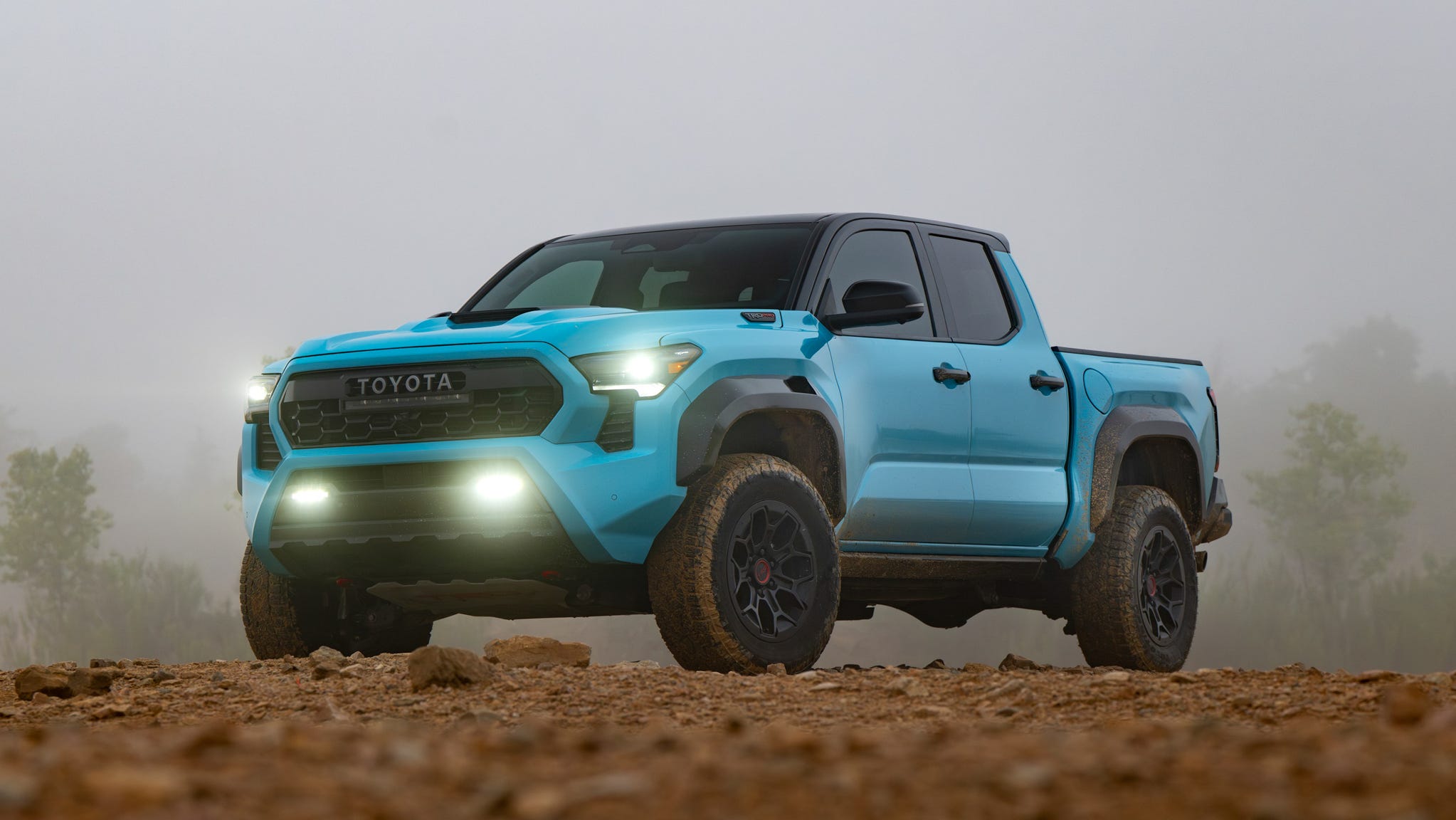
- Engine: 2.4L turbocharged inline 4 (latest generation)
- Horsepower: 228 hp to 278 hp (depending on tune)
- Torque: 243 lb-ft to 317 lb-ft
- Length: About 5,395 mm (varies by cab and bed)
- Width: About 1,895 mm
1. Toyota Tacoma Crash Test Performance Issues
The Toyota Tacoma has built a strong reputation as a dependable mid-size pickup, especially among drivers who value long-term durability and off-road capability. However, when it comes to modern crash-test evaluations, particularly those conducted under updated IIHS protocols, its performance has shown some clear weaknesses that are worth understanding in detail.
One of the most discussed concerns is how the Tacoma’s cabin structure behaves in moderate overlap frontal crashes. In several test cycles, the vehicle exhibited noticeable deformation around the driver-side footwell and lower dashboard area.
This type of intrusion is important because even small shifts in the cabin space can increase the likelihood of leg injuries or compromise driver control during impact. While the frame remains robust in many situations, it does not always distribute crash forces as efficiently as newer designs that use more advanced crumple zones.
Rear-seat safety has also become a major focus in recent evaluations. Unlike earlier testing standards that emphasized front-seat protection, newer assessments include detailed measurements for rear passengers.
In these tests, rear-seat dummies in certain Tacoma model years recorded elevated injury risk values, particularly in head and chest impact zones. This is often linked to seatbelt geometry and the way rear seats manage forward momentum during a sudden stop.
The Tacoma tends to transfer a higher portion of crash energy into the cabin rather than fully dissipating it through deformation zones. While this does not make the vehicle unsafe in a general sense, it does place it at a disadvantage when compared with competitors that have redesigned their frames for better energy dispersion.
Despite these shortcomings, the Tacoma remains extremely popular due to its mechanical reliability and resale value. Still, its crash-test record highlights an important distinction between rugged construction and modernized occupant protection systems.
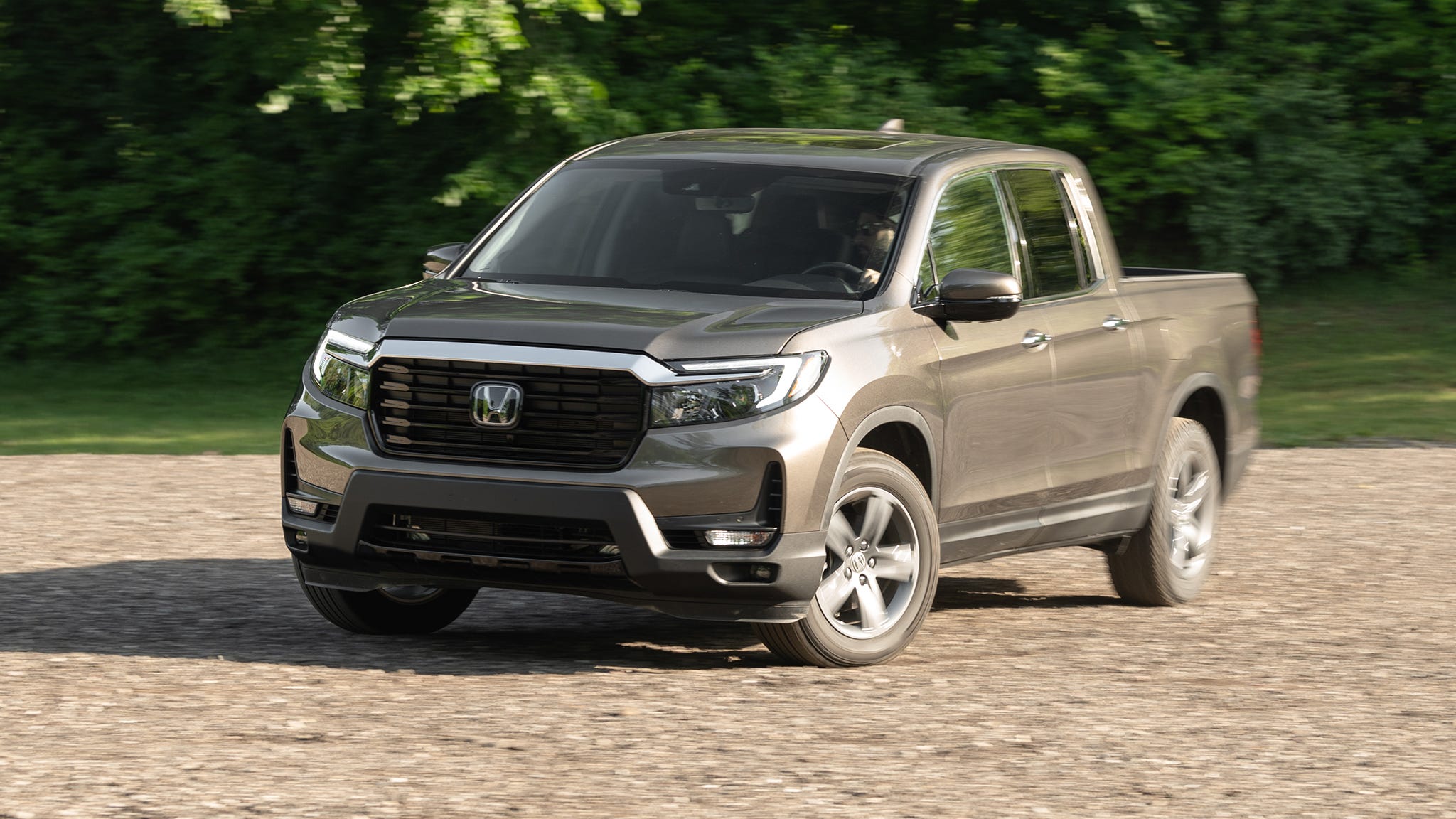
- Engine: 2.7L turbocharged inline 4
- Horsepower: 237 hp to 310 hp (depending on variant)
- Torque: 260 lb-ft to 430 lb-ft
- Length: About 5,410 mm
- Width: About 1,880 mm (excluding mirrors)
2. Chevrolet Colorado Crash Test Ratings
The Chevrolet Colorado has gone through multiple generations, and its safety performance has varied noticeably across those updates. While newer versions show improvement, certain older models struggled significantly in crash-test environments, especially under IIHS moderate overlap frontal testing.
One of the primary issues identified in weaker-performing model years is structural intrusion into the cabin during offset impacts.
In these scenarios, the driver-side structure, including the A-pillar and footwell area, tended to deform more than ideal. This kind of intrusion is critical because it directly affects lower limb safety and can also shift the steering column position, increasing injury risk.
In some tests, the Colorado did not absorb impact forces evenly across its front frame. Instead, stress concentrations developed in specific areas of the chassis, which reduced the effectiveness of its crumple zones. This uneven energy transfer contributes to higher readings for dummy injury metrics.
Airbag and restraint synchronization also played a role in its mixed ratings. In certain evaluations, airbags deployed appropriately, but they were not always fully supported by seatbelt restraint timing. When these systems are not perfectly coordinated, occupants may experience excessive forward movement before full protection engages.
Rear-seat safety has improved in later generations, but earlier models showed weaker performance in this area. Combined, these factors placed some versions of the Colorado in the lower tier of crash-test rankings for its class at the time, even though it remains a capable and widely used midsize truck.
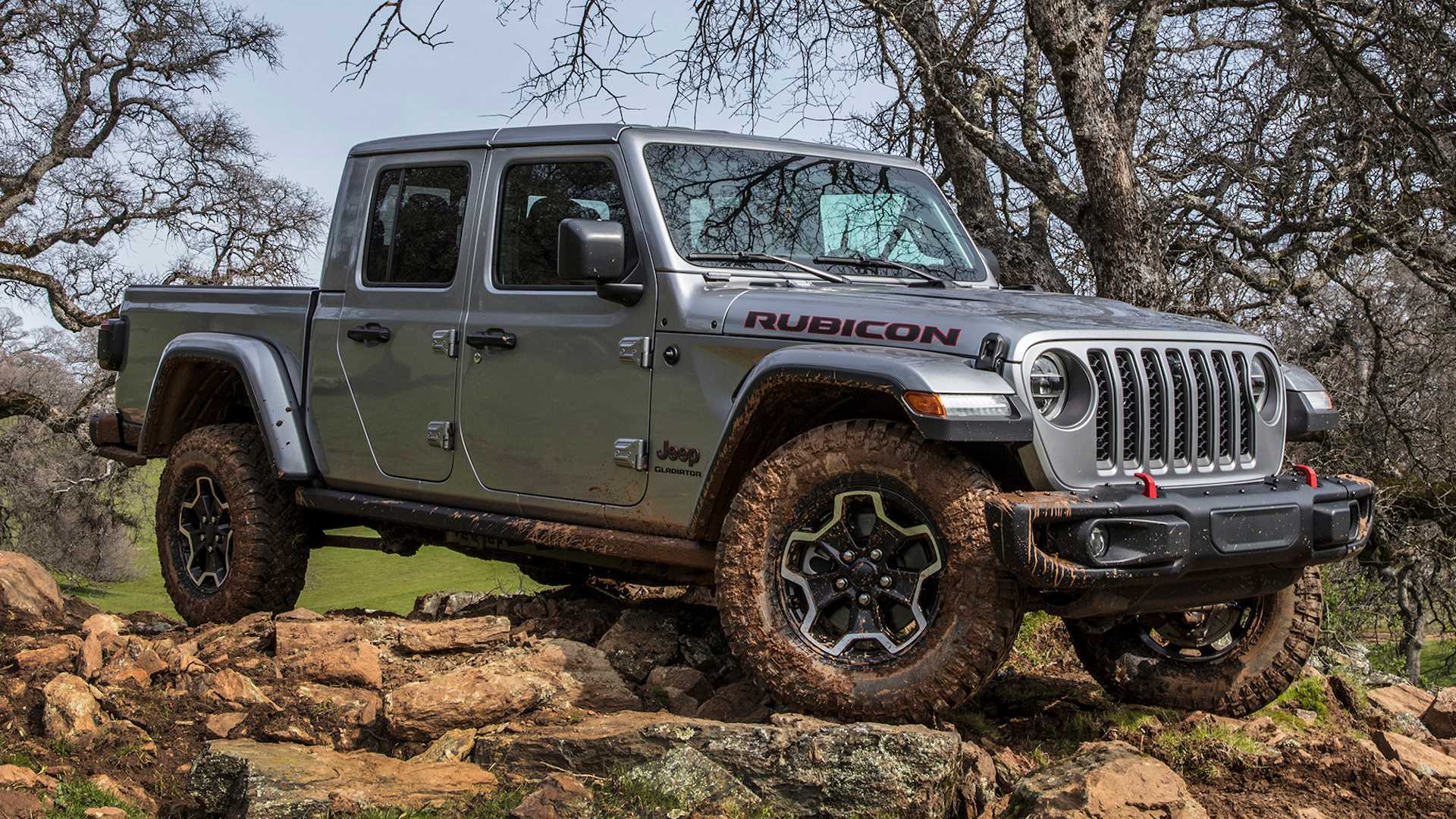
- Engine: 3.6L V6 Pentastar (main option)
- Horsepower: 285 hp
- Torque: 352 lb-ft
- Length: About 5,539 mm
- Width: About 1,875 mm
3. Jeep Gladiator Crash Test Weaknesses
The Jeep Gladiator is engineered with a strong focus on off-road capability, durability, and mechanical toughness. Its design reflects its roots in rugged terrain performance rather than purely urban or highway safety optimization, which helps explain its mixed crash-test outcomes.
In several IIHS evaluations, the Gladiator showed moderate weaknesses in frontal offset crash performance. The most common issue observed was intrusion into the driver’s footwell area. When this occurs, the lower part of the cabin is pushed inward, increasing the risk of injury to the legs and reducing the available survival space for the driver during a severe collision.
The truck’s structural layout, influenced by its body-on-frame construction and removable roof design, plays a role in how crash forces are managed.
While this design is excellent for off-road rigidity and flexibility, it can make it more challenging to fine-tune energy absorption in controlled crash scenarios. As a result, some of the force from an impact may be transmitted into the cabin rather than being fully absorbed by external crumple structures.
Rear-seat protection is an area where performance has been inconsistent. In newer testing protocols, rear passengers are evaluated more closely, and results have shown that seatbelt positioning and seat geometry in certain Gladiator models may allow more upper body movement than ideal during a collision. This can increase the likelihood of head or chest contact with interior components.
The Gladiator continues to appeal to buyers who prioritize off-road strength and open-air driving features. However, its crash-test results highlight the trade-off between rugged engineering and modern passenger safety optimization.
- Engine: 2.3L EcoBoost inline 4
- Horsepower: 270 hp
- Torque: 310 lb-ft
- Length: About 5,370 mm
- Width: About 1,860 mm
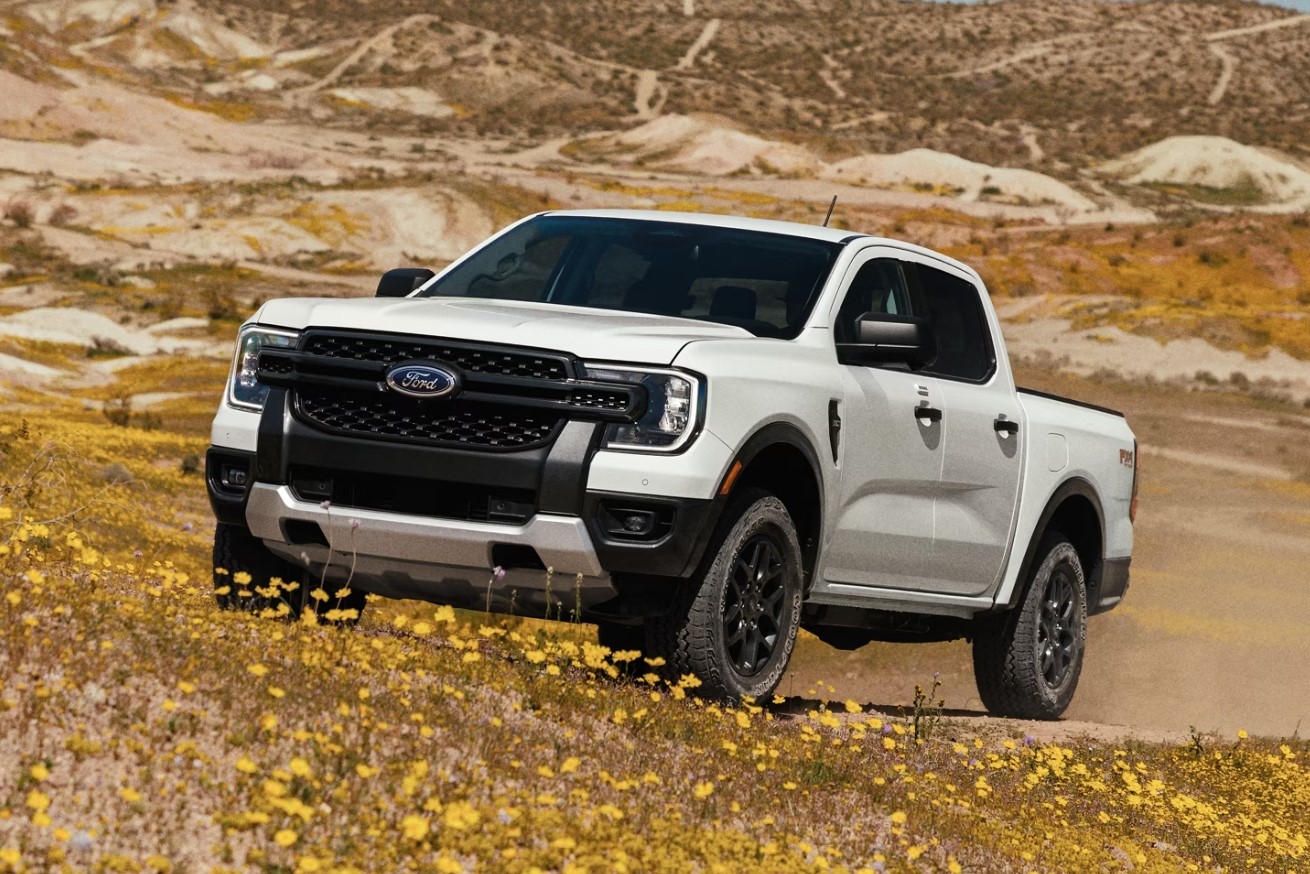
4. Ford Ranger Crash Test Concerns
The Ford Ranger has generally been positioned as a balanced mid-size pickup that blends utility with everyday usability. Over time, it has achieved reasonably stable crash-test performance, but it has not consistently reached top-tier safety ratings across all categories.
One area of concern in updated evaluations is rear-seat occupant protection. In modern IIHS tests, which include a more detailed analysis of second-row safety, some Ranger models recorded elevated injury measurements for rear passengers.
These results are often tied to how seatbelts restrain occupants during rapid deceleration, as well as the distance rear passengers move forward before restraint systems fully engage.
Front-seat crash performance has been relatively more stable, with the Ranger generally maintaining acceptable structural integrity in moderate overlap tests. However, it sometimes falls short of the highest ratings because small weaknesses in cabin rigidity or restraint timing prevent it from achieving optimal injury scores.
A factor that influences its results is how the vehicle handles crash energy distribution across different impact zones. While the Ranger is designed with modern safety features, its structure does not always spread forces as evenly as some of its newer competitors, which can result in slightly higher localized stress during impact.
Side-impact performance is typically stronger, benefiting from reinforced door structures and improved airbag systems in newer models. Still, the safety profile places it in a middle category rather than among the highest-performing trucks in crash-test rankings.
- Engine: 3.8L V6
- Horsepower: 310 hp
- Torque: 281 lb-ft
- Length: About 5,260 mm
- Width: About 1,850 mm
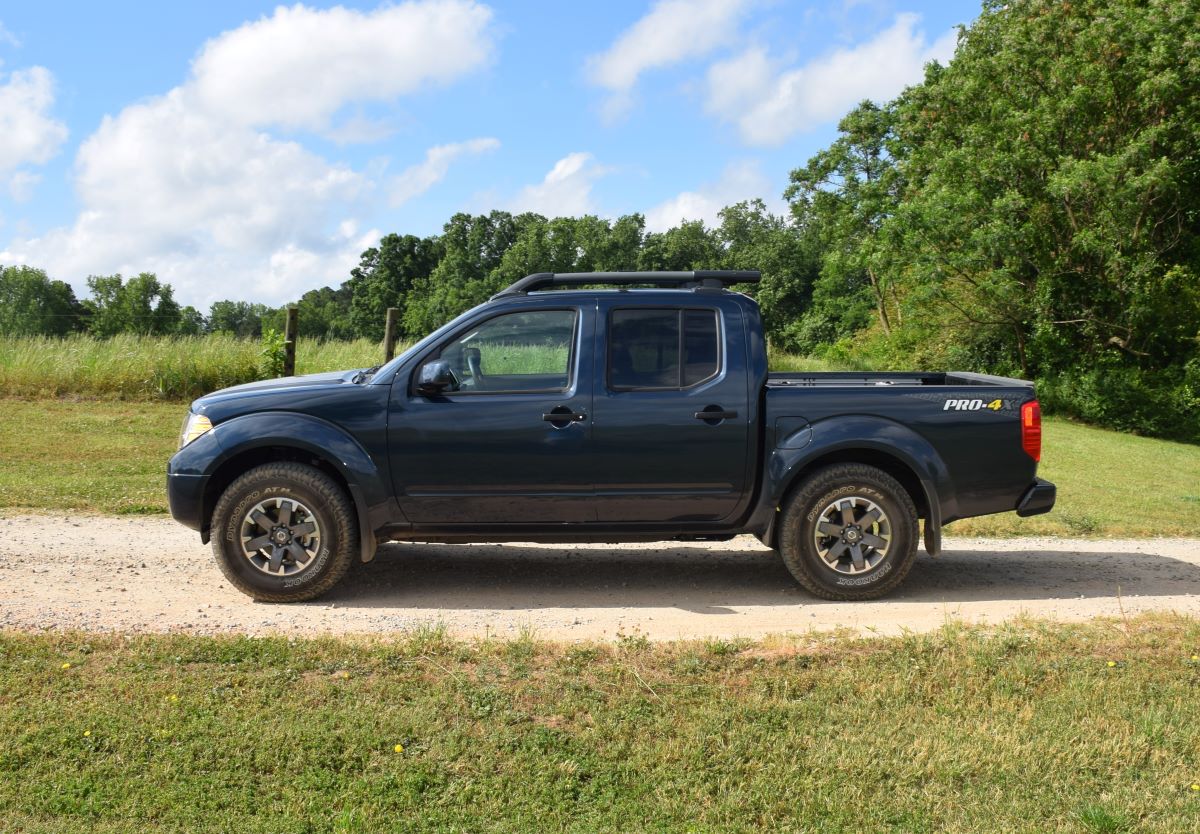
5. Nissan Frontier Crash Test Results
The Nissan Frontier has seen gradual improvements over the years, but its crash-test history reflects a vehicle that has evolved slowly compared to some competitors. Earlier generations, in particular, showed weaknesses when evaluated under modern safety standards.
One of the main issues identified in past testing was cabin rigidity during frontal offset impacts. In these scenarios, the vehicle’s front structure sometimes allowed moderate intrusion into the passenger compartment. Even when the intrusion was not extreme, it was enough to raise injury risk measurements for both lower and upper body regions.
In certain evaluations, seatbelt systems did not limit forward movement as effectively as newer designs found in more recently engineered trucks. This can lead to increased stress on the chest and neck areas of crash test dummies.
Rear-seat protection has also been an area where the Frontier lagged behind top performers. In updated crash protocols, rear passengers are assessed more rigorously, and results showed that injury risk values were higher than ideal in some model years. This is often linked to seat structure and how energy is transferred through the rear cabin during a collision.
On the positive side, newer generations of the Frontier have addressed several of these weaknesses through improved frame design and updated safety systems. However, its historical crash-test record still reflects a gradual development path rather than a consistently strong safety performance across all generations.
Also Read: 7 Most Reliable Motorcycles You Can Buy Today
- Engine: Options include 2.7L turbo I4, 5.3L V8, 6.2L V8, 3.0L diesel
- Horsepower: 310 hp to 420 hp
- Torque: 383 lb-ft to 495 lb-ft
- Length: About 5,890 mm to 6,190 mm (varies by bed/cab)
- Width: About 2,065 mm
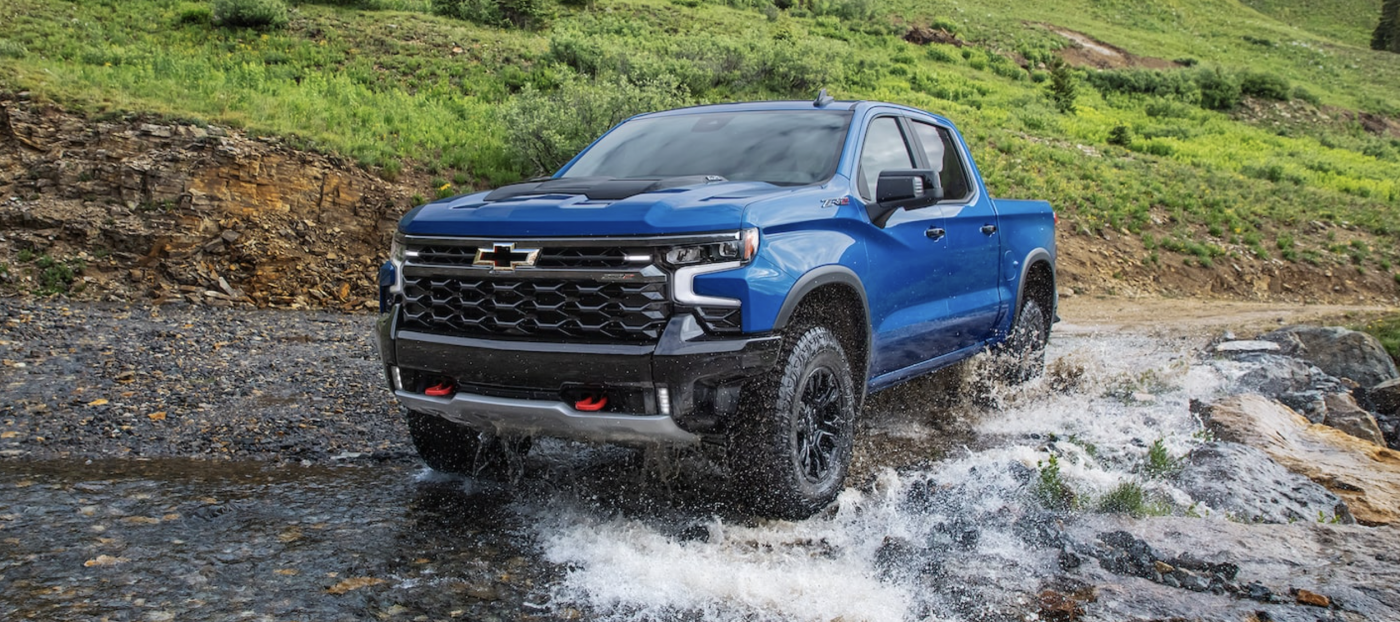
6. Chevrolet Silverado 1500 Crash Test Limitations
The Chevrolet Silverado 1500 is one of the most recognizable full-size pickup trucks on the road, known for its strong towing capacity, long-distance comfort, and wide range of configurations. However, when examined through updated crash-test standards, particularly those focusing on rear-seat protection, certain model years have shown weaknesses.
One of the biggest concerns is how rear passengers are protected in moderate overlap frontal crashes. In some IIHS evaluations, rear-seat dummies recorded higher injury readings compared to front occupants.
This does not necessarily mean the cabin collapses, but rather that the rear seating position does not manage crash forces as effectively as newer competitors. The result is more forward movement of the torso and head, which increases injury risk.
One issue is how the Silverado interacts with smaller vehicles in multi-vehicle collisions. Because of its height and mass, the front-end structure does not always align cleanly with lower passenger cars. This mismatch can cause the impact force to be concentrated in areas that are not optimized for energy absorption in the other vehicle, increasing crash severity.
Structural performance in front crashes is generally stable, and the Silverado often maintains good driver-side protection. However, inconsistencies appear when newer testing protocols evaluate both front and rear occupants together, which has lowered its safety rating in certain model years.
The Silverado remains a top-selling truck due to its capability and versatility. Still, its crash-test record shows that full-size strength does not always guarantee balanced occupant protection across all seating positions.
- Engine: 2.7L EcoBoost V6, 3.5L EcoBoost V6, 5.0L V8, hybrid options
- Horsepower: 325 hp to 450+ hp
- Torque: 400 lb-ft to 510 lb-ft
- Length: About 5,880 mm to 6,300 mm
- Width: About 2,030 mm
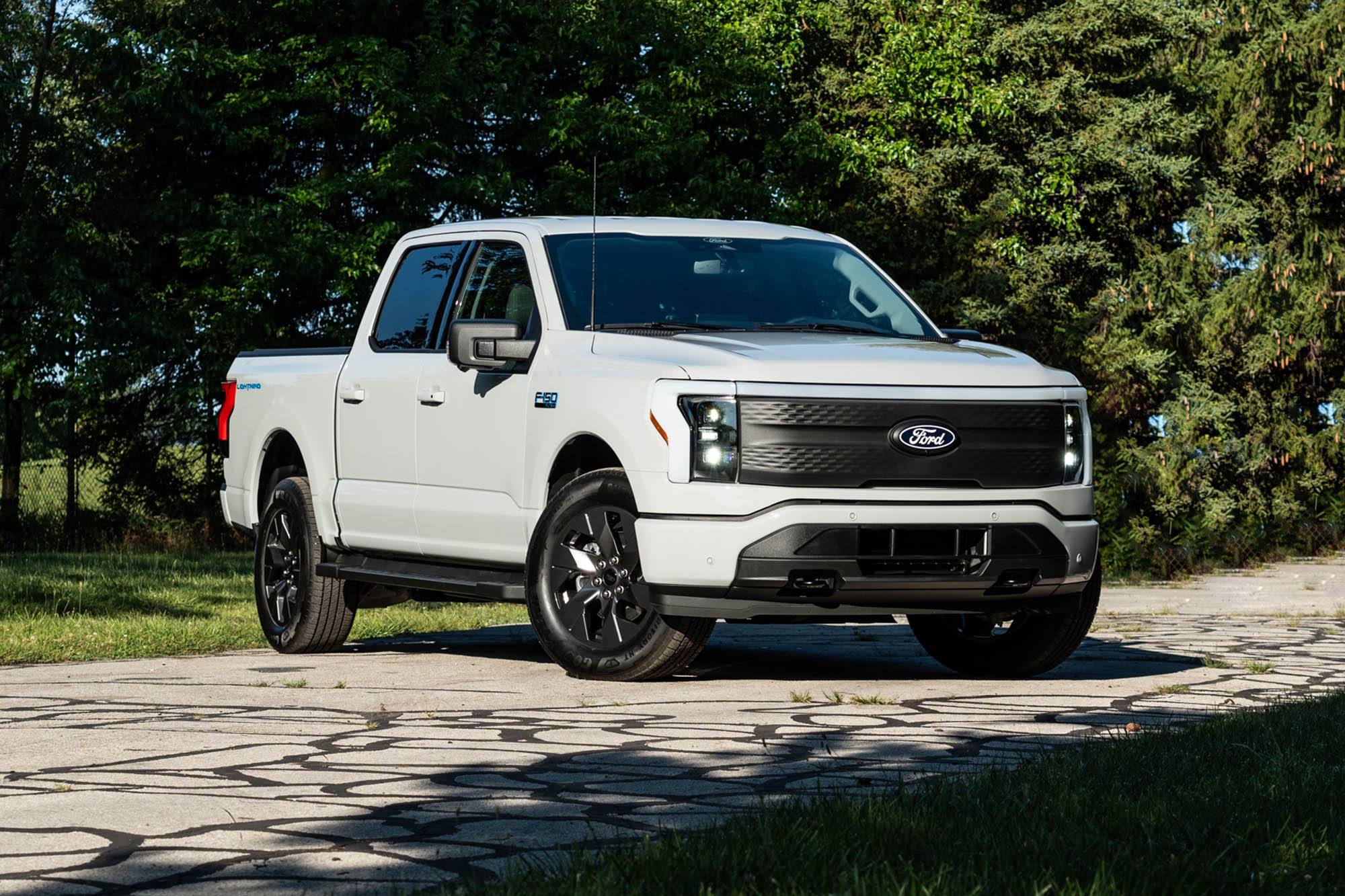
7. Ford F-150 Crash Test Variability
The Ford F-150 is one of the most influential vehicles in the global automotive market, and it has undergone continuous evolution over several generations. Its crash-test performance reflects that evolution, showing both strong results and periods of inconsistency depending on the model year and testing criteria.
In earlier crash evaluations, the F-150 often performed reasonably well in frontal and side-impact tests. However, as safety standards became more advanced, especially with the introduction of rear-seat dummy measurements, some weaknesses began to appear.
These newer tests revealed that rear passengers in certain model years were exposed to higher levels of injury risk than previously understood.
One contributing factor is how energy is distributed through the cabin during a frontal crash. While the front structure is generally well designed, the rear seating area does not always benefit from the same level of force management. This can lead to greater forward motion for rear occupants, increasing strain on seatbelts and airbags.
One aspect affecting its ratings is structural consistency across different trims and generations. Because the F-150 is produced in a wide range of configurations, slight variations in weight distribution and frame tuning can influence crash outcomes. Some versions perform significantly better than others under identical test conditions.
Newer generations of the F-150 have shown meaningful improvements, especially in cabin strength and restraint systems. Still, older models are often referenced when discussing trucks with weaker or inconsistent crash-test records.
- Engine: 3.6L V6, 5.7L HEMI V8, mild hybrid eTorque options
- Horsepower: 305 hp to 395 hp
- Torque: 269 lb-ft to 410 lb-ft
- Length: About 5,900 mm to 6,140 mm
- Width: About 2,080 mm
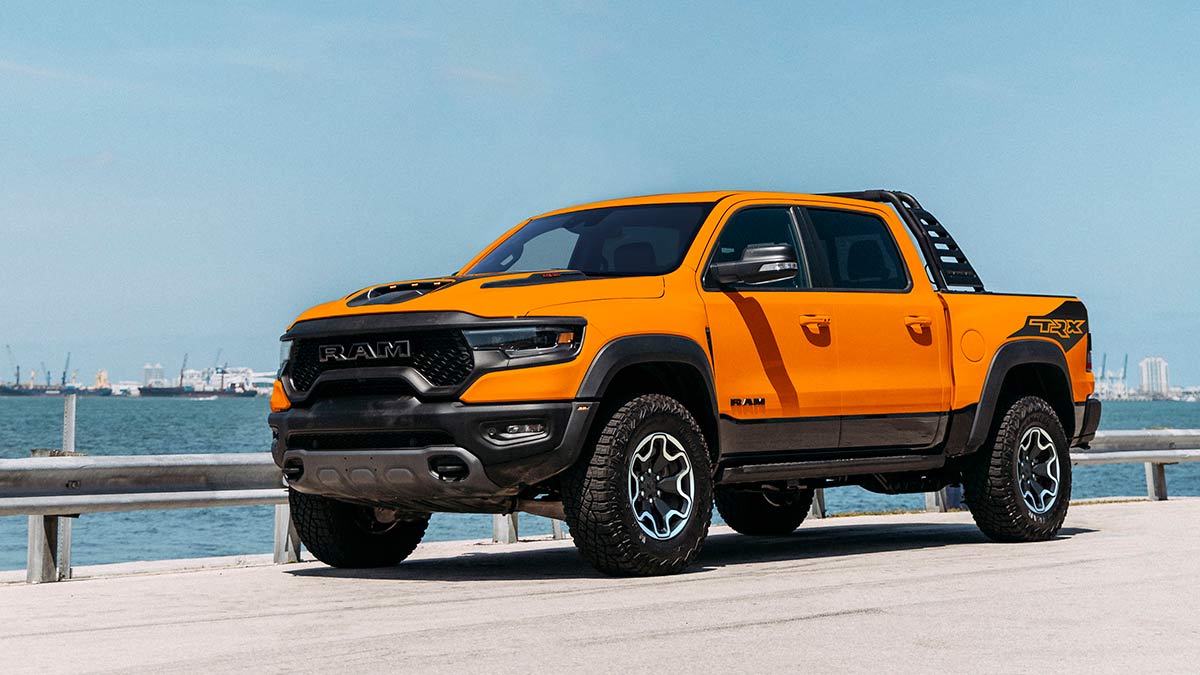
8. Ram 1500 Crash Test Issues
The Ram 1500 is widely appreciated for its smooth ride quality, refined interior, and strong towing performance. Over the years, it has also improved in safety technology, but crash-test evaluations have revealed mixed results in certain areas, particularly involving rear-seat protection.
One of the key concerns in some IIHS tests is how rear passengers respond during moderate overlap frontal crashes. In certain model years, injury measurements for rear-seat dummies indicated higher-than-ideal stress levels in the chest and head regions. This suggests that restraint systems and seat design may not fully control occupant movement during a severe frontal impact.
Front-seat protection is generally stronger, with the cabin maintaining acceptable structural integrity in many tests. However, the difference in safety performance between front and rear seating positions has been a recurring theme in evaluations.
While the Ram 1500 uses modern engineering techniques, some tests suggest that energy transfer into the cabin is not always evenly distributed. This can result in slightly higher movement for passengers seated in less protected zones.
Side-impact performance is typically solid, benefiting from improved door reinforcement and airbag systems in newer models. Still, the crash-test profile is considered uneven when all seating positions are taken into account.
Even with these concerns, the Ram 1500 remains a strong competitor in the full-size truck segment, but its safety record shows that refinement in occupant protection is still an ongoing process.
- Engine: 3.5L twin turbo V6 (i-FORCE / hybrid variants)
- Horsepower: 348 hp to 437 hp
- Torque: 405 lb-ft to 583 lb-ft
- Length: About 5,930 mm to 6,450 mm
- Width: About 2,030 mm
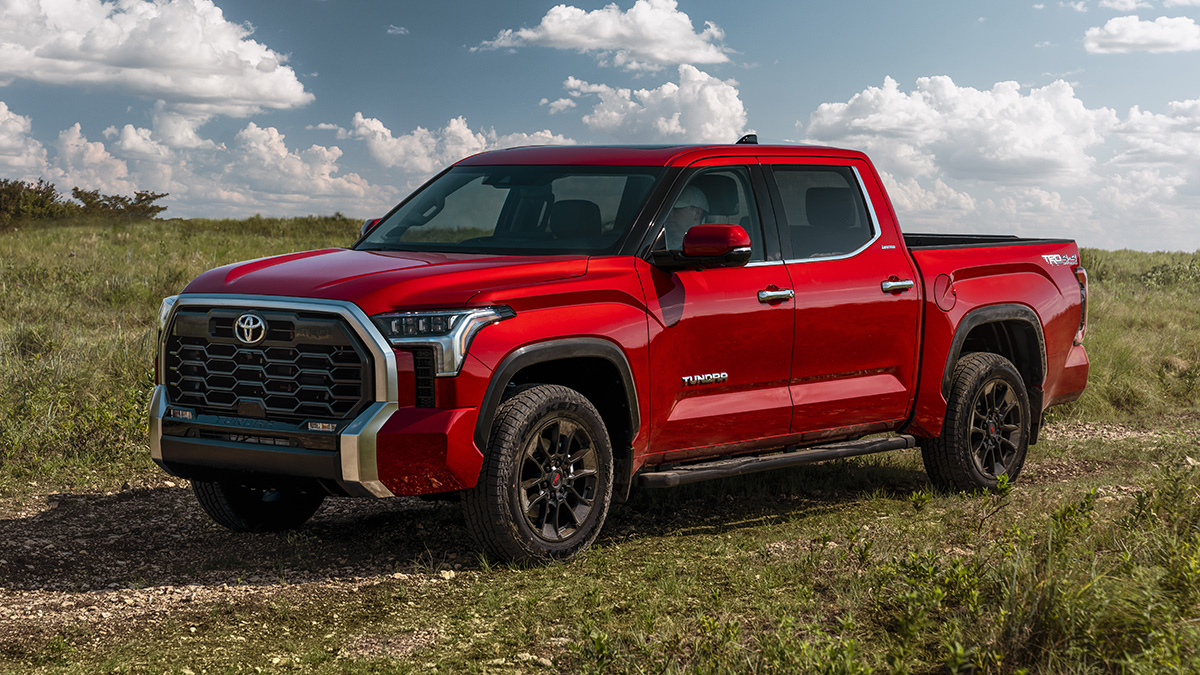
9. Toyota Tundra Older Model Crash Performance
The Toyota Tundra has built a reputation for durability and long-term reliability, but older generations of the truck reflect a time when crash safety engineering was not as advanced as it is. Early model Tundra, particularly from the early 2000s and around that era, showed limitations in several crash-test categories.
One of the main issues was cabin deformation during moderate overlap frontal crashes. In these tests, the structure did not always maintain a rigid survival space, leading to intrusion into the driver and passenger areas. Even moderate intrusion can significantly increase injury risk, especially in lower-body regions.
In some evaluations, airbags did not deploy in a way that fully compensated for the forward movement of occupants, reducing their protective value. Combined with older seatbelt systems, this resulted in higher injury readings in crash test dummies.
Side-impact protection was also less advanced in early models, with limited reinforcement in door structures compared to modern standards. This made the vehicle more vulnerable in collisions from the side, which are often among the most dangerous types of crashes.
It is important to note that newer Tundra generations have significantly improved in nearly every safety category, reflecting advancements in design, materials, and testing standards. However, older models remain a clear example of how crash safety has evolved over time in the pickup segment.
