
The Dodge Charger is one of the most recognizable nameplates in American automotive history, blending muscle car heritage with evolving performance and design philosophies across multiple decades.
First introduced in the mid 1960s, the Charger has gone through dramatic transformations, shifting from a fastback performance coupe into a full-size luxury-oriented cruiser, and later reborn as a modern muscle sedan. Each generation reflects the priorities of its era, whether that was raw horsepower, emissions compliance, fuel efficiency concerns, or technological advancement.
What makes the Charger especially interesting is that it never stayed in one identity for too long. Some generations leaned heavily into performance and racing heritage, while others were criticized for being underpowered or lacking the aggressive spirit that defined the original models.
Yet even the less celebrated versions played an important role in keeping the name alive during periods when muscle cars were fading from the market entirely.
Ranking the six Charger generations from worst to best requires more than just looking at horsepower numbers. It involves evaluating design influence, cultural impact, driving experience, engineering innovation, and how well each generation captured the essence of the Charger badge.
Some models succeeded in delivering thrilling V8 power and bold styling, while others were constrained by fuel crises or platform sharing that diluted their character.
The Charger’s journey also mirrors broader changes in the automotive industry. The 1970s brought tightening emissions rules and rising fuel costs that forced manufacturers to rethink performance.
The 1980s and 1990s leaned toward efficiency and practicality, often at the expense of excitement. Then came the revival era in the 2000s, where retro-inspired design and modern engineering brought muscle cars back into mainstream popularity.
Today’s Charger stands as a symbol of modern American performance, but its roots stretch through decades of experimentation, reinvention, and occasional compromise. Understanding its evolution helps explain why some generations are celebrated while others are often overlooked or criticized.
With that in mind, we begin the ranking from the least impressive generation and work our way up to the most iconic version of the Dodge Charger ever built.
Also Read: 10 Electric Vehicles That Spend the Least Time at Charging Stations
- Engine options: 2.2L Inline 4, 2.2L Turbo I4
- Horsepower: 94 hp to 146 hp (Turbo versions higher end)
- Torque: 122 lb ft to 170 lb ft
- Length: about 174 inches
- Width: about 66 inches
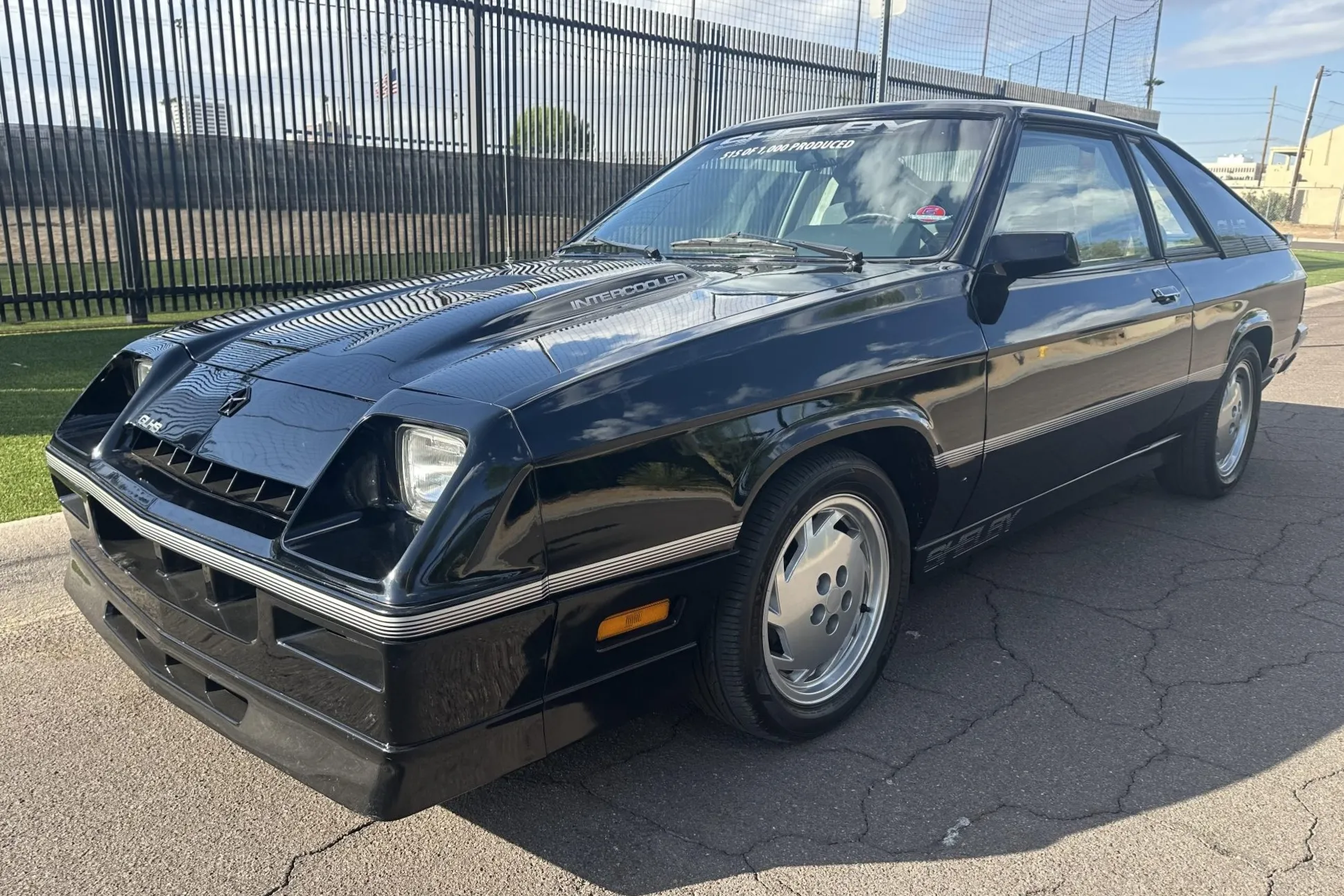
6. 1982–1987 Dodge Charger (Front Wheel Drive Era)
The early 1980s Charger is widely considered the weakest interpretation of the nameplate. Built on the Front Wheel Drive L platform, it shared much of its engineering with compact economy cars of the time. This alone was a major departure from the Rear Wheel Drive muscle car identity that defined earlier Chargers.
Performance was modest at best. Most versions came equipped with small four-cylinder engines that prioritized fuel efficiency over speed. Even turbocharged variants, while interesting on paper, struggled with reliability and delivered inconsistent power. Acceleration was far removed from the tire-shredding reputation of the 1960s models, leaving enthusiasts disappointed.
Styling also reflected the era’s focus on practicality. The boxy design lacked the aggression and presence that muscle car fans expected. While it did carry the Charger badge, many felt it was closer to a commuter hatchback than a performance machine. The interior followed a similar philosophy, emphasizing function over excitement.
However, it is important to acknowledge the context. The automotive industry in the early 1980s was heavily influenced by fuel economy regulations and shifting consumer demand.
Manufacturers were trying to survive in a market where large displacement engines were becoming difficult to justify. In that sense, the Charger name was used to keep brand recognition alive, even if the product itself had changed dramatically.
Despite its shortcomings, this generation did experiment with turbocharging technology, which would later become more refined in the industry. It also represented Dodge’s attempt to adapt rather than abandon performance branding entirely during a difficult period.
Still, compared to every other Charger generation, this version falls to the bottom of the list. It lacked the power, presence, and emotional appeal that define the nameplate, making it the least memorable chapter in the Charger story.
Also Read: 10 Reasons Cars Got Smaller Over the Last 60 Years
- Engine options: 3.7L Inline 6, 5.2L V8, 5.9L V8
- Horsepower: 110 hp to 170 hp
- Torque: 170 lb ft to 280 lb ft (approx range)
- Length: about 215 inches
- Width: about 74.0 inches
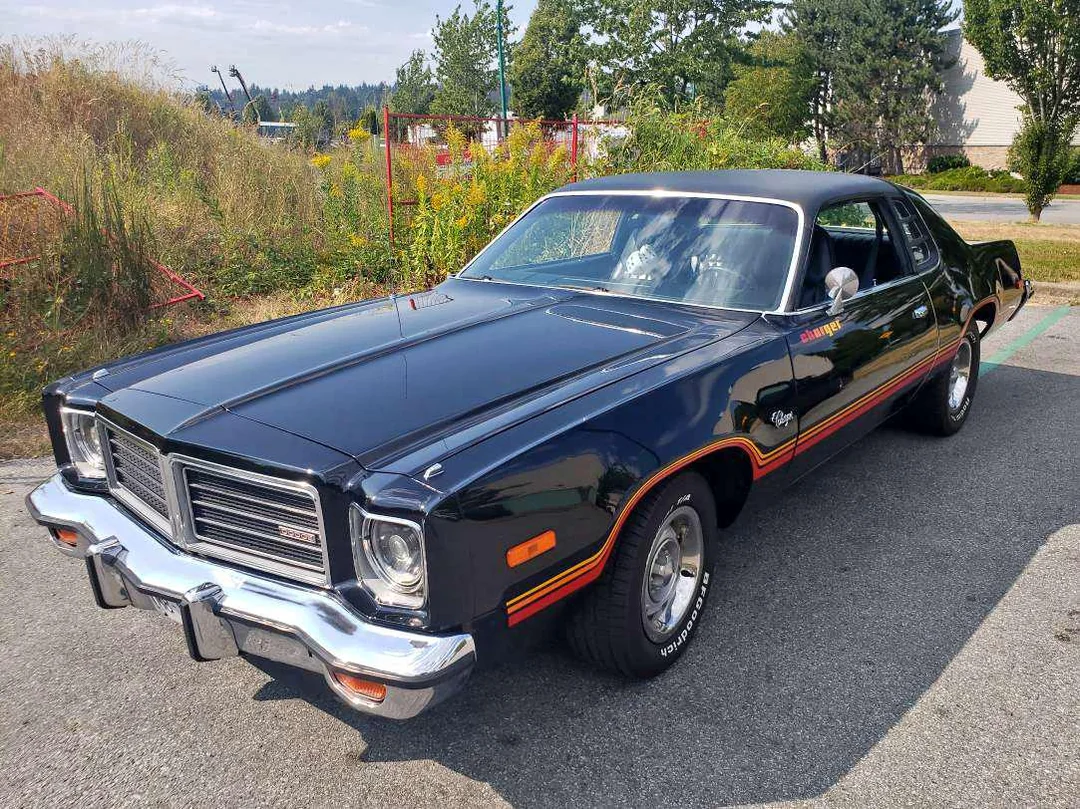
5. 1975–1978 Dodge Charger (Malaise Era Shift)
This mid-to-late 1970s Charger sits in a strange position in automotive history. It was no longer the sharp-edged street fighter of the late 60s, yet it had not fully transformed into something entirely new either. Instead, it reflected a transitional phase where performance took a back seat to comfort, emissions compliance, and changing consumer expectations.
Under the hood, powertrains were significantly toned down compared to earlier high-output big-block engines. Many versions relied on smaller V8 options that produced far less excitement on the road.
Acceleration felt restrained, and the once thrilling personality of the Charger was noticeably softened. Drivers who remembered the aggressive nature of earlier models often found this era underwhelming.
Design-wise, Dodge attempted to keep some visual connection to the Charger identity by using a two-door coupe based on the Chrysler Cordoba platform. While it had a longer, more refined profile, the stance lacked the muscular tension that once defined the badge. Chrome detailing and a more luxurious approach gave it a personal luxury coupe character rather than a true performance machine.
Inside the cabin, comfort was prioritized more heavily than driver engagement. Plush seating, softer materials, and convenience features reflected the broader American automotive trend of the time. It was a car built more for cruising than attacking corners or chasing speed records. That shift was not accidental but rather a response to fuel concerns and stricter regulations.
Even though enthusiasts often dismiss this generation, it still carried importance in keeping the Charger name visible during a difficult era for muscle cars. Without adaptations like this, many performance badges might have disappeared entirely during the 1970s downturn. It acted as a bridge, even if not a particularly exciting one.
Looking back, this version of the Charger is often remembered more for what it moved away from rather than what it achieved. It lacked the raw spirit of earlier years and the engineering ambition that would return later, placing it near the bottom of this ranking.
- Engine options: 3.7L Inline 6, 5.2L V8, 6.3L V8, 7.2L V8, 7.0L HEMI V8 (early 70s)
- Horsepower: 105 hp to 425 hp (Hemi and high-output 440 variants)
- Torque: 170 lb ft to 490 lb ft
- Length: about 215.8 inches (varies slightly by year)
- Width: about 79.0 inches
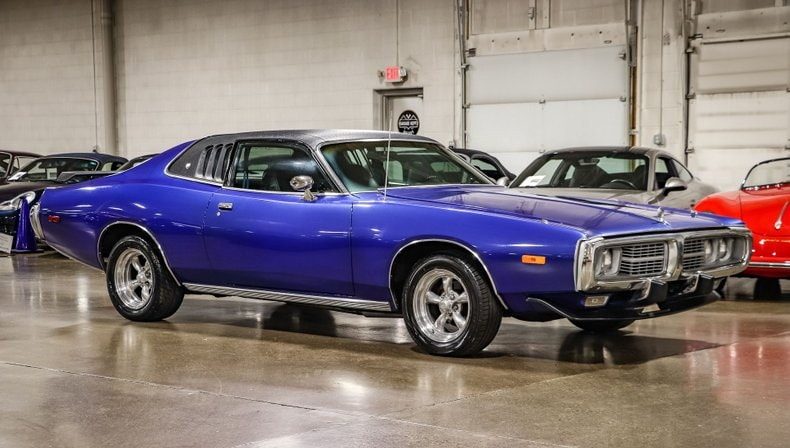
4. 1971–1974 Dodge Charger (Bigger, Heavier Muscle Evolution)
The early 1970s Charger marked a dramatic turning point where design became larger, heavier, and more aggressive in appearance. This was the era of the second-generation facelift and the beginning of the third-generation evolution, where styling took center stage with its signature “Coke bottle” body shape and hidden headlight design.
At its peak, this generation still offered serious performance. High displacement engines like the 426 Hemi and 440 cubic inch V8 delivered impressive straight-line speed. When properly equipped, these cars could still dominate drag strips and street races, carrying forward the muscle car legacy with authority.
However, the added size and weight slightly diluted the sharpness that earlier Chargers were known for. Handling became less responsive, and the driving experience leaned more toward brute force rather than agility. While power was still abundant, the balance shifted toward grand touring comfort in certain trims.
Styling is where this generation truly shines. The wide stance, sculpted body lines, and aggressive front fascia made it one of the most visually iconic Chargers ever produced. It looked powerful even when standing still, which helped cement its place in pop culture and film appearances of the era.
At the same time, the muscle car era was beginning to face new challenges. Stricter emissions requirements and rising insurance costs steadily limited the availability of high-performance models. By the end of this generation, the peak years of unrestricted muscle cars were already coming to a close.
This Charger remains highly respected for its design impact and remaining performance capability. It represents one of the last moments when raw American horsepower could still be experienced in near full form before regulatory changes reshaped the industry.
- Engine options: 3.7L Inline 6, 5.2L V8, 6.3L V8, 7.0L HEMI V8 (rare)
- Horsepower: 145 hp to 425 hp
- Torque: 215 lb ft to 490 lb ft
- Length: about 207.5 inches
- Width: about 75.8 inches
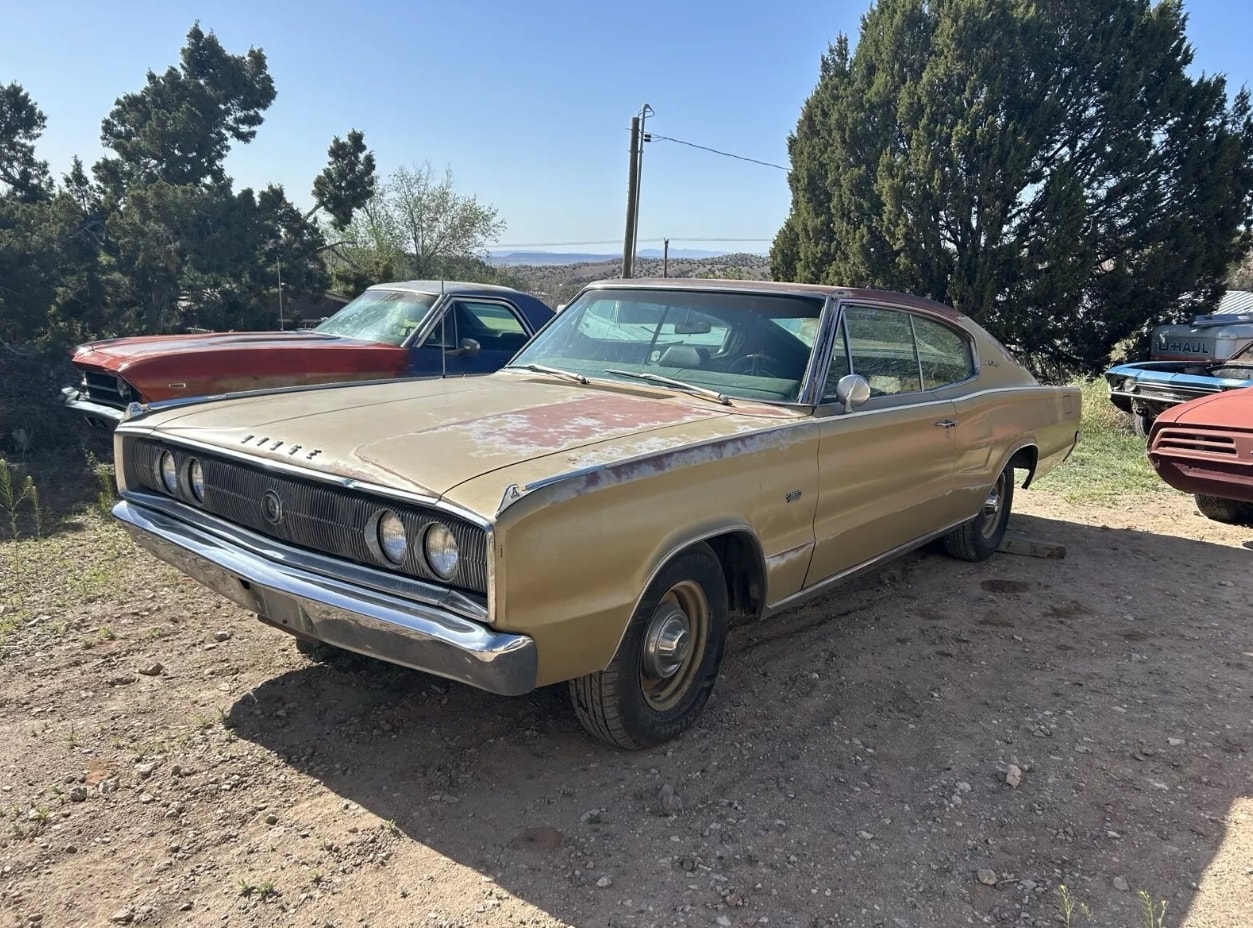
3. 1966–1967 Dodge Charger (First Fastback Performance Identity)
The earliest production Charger introduced in the mid 1960s carries a special place in automotive history because it established the foundation of what the nameplate would represent. Built during the golden era of American performance, it arrived as a bold fastback coupe that immediately stood apart from many competitors of its time.
From a performance standpoint, this generation offered a wide range of V8 engines, including powerful options that delivered strong straight-line acceleration for the period. While it did not yet reach the extreme output levels seen in later muscle cars, it still provided an exciting driving experience that appealed to enthusiasts who wanted something more aggressive than standard family vehicles.
The defining feature of this model was its fastback roofline paired with a full-width grille and hidden headlight design. These elements gave it a futuristic and slightly dramatic appearance, especially compared to more conservative sedans of the era. It looked fast even when parked, which helped it build instant recognition.
Inside, the Charger featured a unique four-bucket-seat layout in early versions, creating a cabin that felt more like a personal performance cruiser than a traditional coupe. This design choice emphasized individuality and driver focus, which aligned well with its sporty intentions.
Despite its strengths, this generation had some drawbacks. It was heavier than some rivals, and handling was not as refined as later iterations. However, those limitations were typical for the era, where straight-line speed mattered more than cornering precision.
This Charger stands out for establishing identity rather than perfecting it. It laid the groundwork for everything that followed and introduced styling cues that would become legendary in automotive design circles.
- Engine options: 3.7L Inline 6, 5.2L V8, 6.3L V8, 7.2L Magnum V8, 7.0L HEMI V8
- Horsepower: 145 hp to 425 hp (Hemi)
- Torque: 215 lb ft to 490 lb ft (approx Hemi range)
- Length: about 206.6 inches
- Width: about 76.7 inches
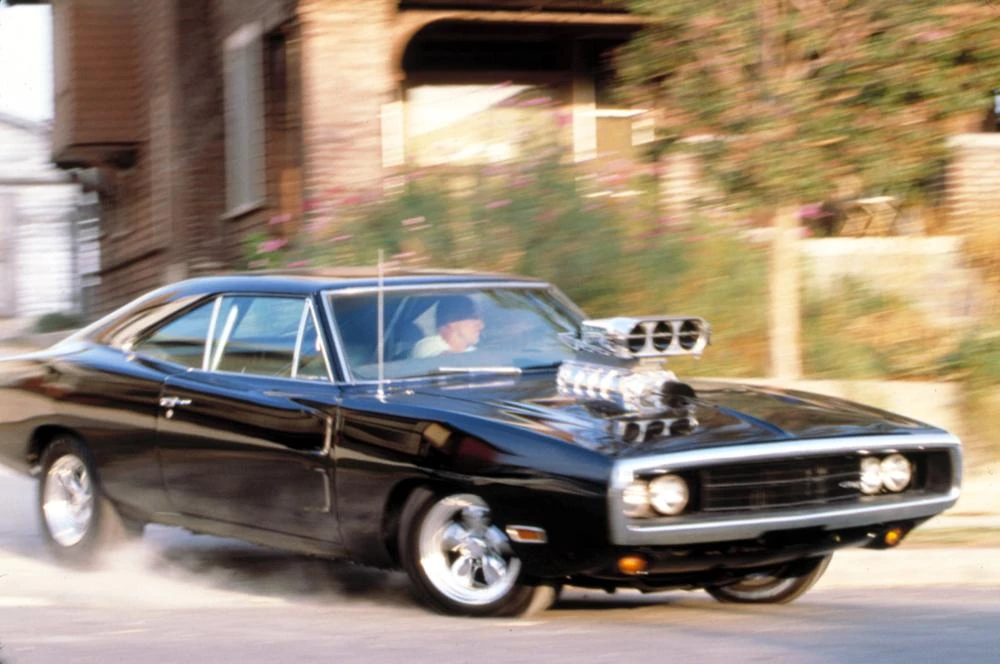
2. 1968–1970 Dodge Charger (Iconic Muscle Car Peak)
This generation is often regarded as one of the most iconic muscle cars ever built, and for good reason. It refined the formula introduced by its predecessor and turned it into something far more aggressive, polished, and culturally significant.
The design was a major leap forward. The hidden headlight “electric eye” grille system, long sculpted body lines, and dramatic fastback profile created one of the most recognizable silhouettes in automotive history. It had a commanding road presence that made it instantly memorable.
Performance reached legendary status during this era. Buyers could choose from a variety of high-output V8 engines, including some of the most celebrated powerplants of the muscle car age. Acceleration was brutal for its time, and the Charger became a serious competitor on both street and strip.
This generation also benefited from motorsport influence, particularly in NASCAR, where aerodynamic considerations led to special versions like the Daytona. These variants pushed design boundaries even further, adding oversized rear wings and pointed nose cones that prioritized speed over everyday practicality.
Inside, the cabin remained driver-oriented but slightly more refined than earlier models. While still simple by modern standards, it struck a balance between performance focus and usability. The experience behind the wheel felt purposeful and engaging.
Pop culture also played a major role in cementing this Charger’s reputation. Film and television appearances helped turn it into a symbol of American automotive aggression and style, a reputation that continues to influence its legacy today.
This generation earns its high ranking because it represents the perfect intersection of design, performance, and cultural impact. It is widely considered the benchmark against which all other Chargers are measured.
- Engine options: 3.6L V6 Pentastar, 5.7L HEMI V8, 6.4L HEMI V8, 6.2L Supercharged HEMI V8 (Hellcat)
- Horsepower: 292 hp to 797 hp (depending on trim)
- Torque: 260 lb ft to 707 lb ft
- Length: about 200.8 inches (5100 mm)
- Width: about 75.0 inches (80+ inches with mirrors on wider trims not included)
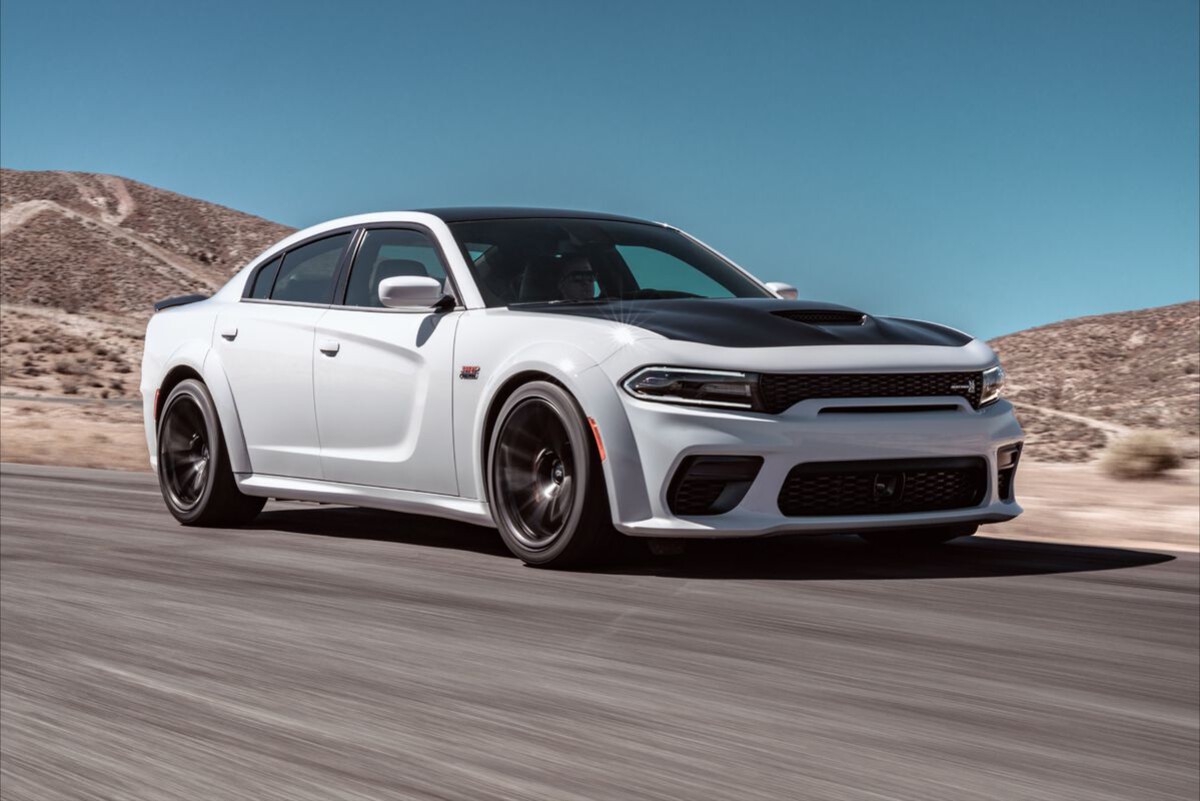
1. 2006–2023 Dodge Charger (Modern Muscle Revival and SRT Era)
The modern Charger era represents a full-scale revival of the nameplate, bringing it back from decades of uncertainty into a dominant force in the performance sedan segment. When Dodge reintroduced the Charger in 2006, it arrived as a full-size four-door sedan, a controversial decision at the time, but one that reshaped its identity for a new generation of buyers.
At its core, this version successfully blended practicality with genuine muscle car character. Unlike earlier attempts that compromised performance for economy, this generation leaned heavily into power and attitude. Engine choices ranged from efficient V6 setups to thunderous V8 configurations that restored the emotional appeal the Charger had been missing for years.
The real transformation came with the SRT performance variants. Models like the SRT8 and later the supercharged Hellcat editions pushed output to extreme levels, turning a family-sized sedan into one of the most powerful production cars ever built. Acceleration became astonishing, with figures that rivaled exotic sports cars at a fraction of the price.
Styling also played a major role in its success. The design borrowed subtle inspiration from classic Chargers while adding modern aggression through wide stances, sculpted bodywork, and a bold front fascia. It managed to feel retro without being a replica, which helped it appeal to both longtime enthusiasts and newer buyers.
Inside the cabin, the focus shifted toward technology and usability. Infotainment systems, driver assistance features, and improved materials made it far more livable than earlier muscle cars. This combination of comfort and performance gave it a unique position in the market, where few competitors could match its versatility.
Another key factor in this generation’s success was consistency. Over nearly two decades, Dodge refined and expanded the lineup without losing the core identity. While many performance cars moved toward smaller engines and hybrid systems, the Charger stayed committed to large-displacement power for as long as regulations allowed.
This generation earns the top spot because it did something rare in automotive history. It revived a legendary name, adapted it to modern needs, and still managed to preserve its rebellious spirit. It proved that muscle car heritage could survive in a contemporary world without losing its essence.
