
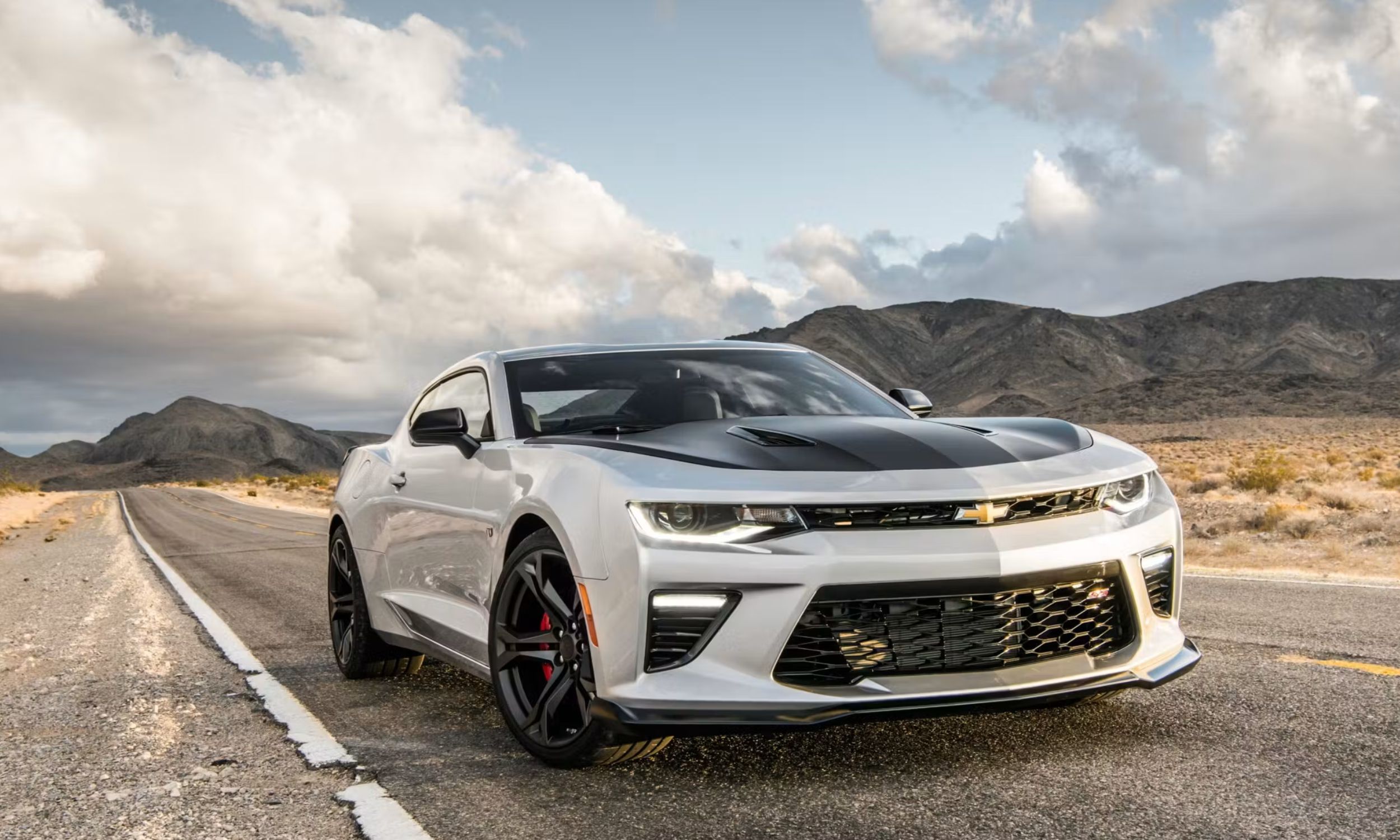
Few vehicles from the United States stir strong feelings the way the Chevrolet Camaro does. Its story began in 1966, when Chevrolet created it as a direct response to the rapid rise of the Ford Mustang. What started as a fast solution to fierce competition grew into a long-running performance name that reflected changing American tastes. Across nearly sixty years, the Camaro moved from a simple pony car to a refined front-engine sports machine shaped by engineering progress and market pressure.
Several periods in the Camaro’s history came with hard lessons. Some versions were built on shared platforms that limited their full potential. Others arrived during periods of strict emissions rules and economic pressure, which reduced power and design freedom. Certain generations also struggled with cabin materials that failed to match their strong engines and sharp handling. Even with these issues, each phase added lessons that influenced later improvements and kept the badge alive.
This breakdown reviews all six Camaro generations, arranging them from weakest to strongest based on build quality, driving ability in real conditions, and their place in automotive history. Each generation is represented through its most influential performance model, supported by four essential factory specifications. The aim is to show how design choices and engineering priorities changed from era to era.
Whether you have owned a Camaro for years, plan to buy a used example, or simply enjoy learning about performance cars, this guide presents a clear view of how the Camaro developed from its early days to its most recent form, without missing the lessons learned along the way.
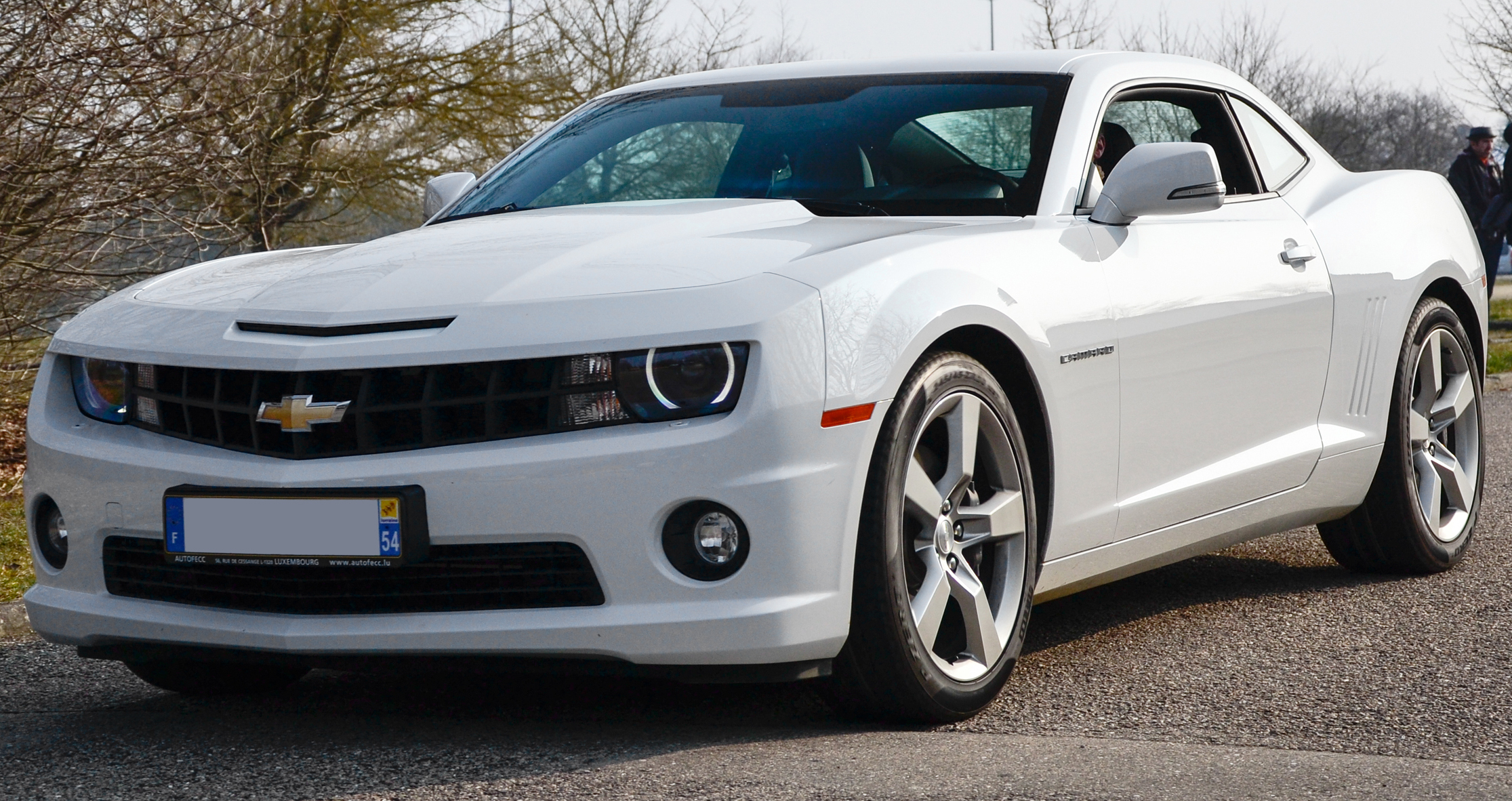
1. Fifth Generation Chevrolet Camaro 2010 to 2015
Ranking Position: Worst
- Engine: 6.2L Naturally Aspirated V8 (SS Trim)
- Horsepower: 400 hp to 426 hp
- Torque: 410 lb-ft to 420 lb-ft
- Size: 190.4 in Long x 75.5 in Wide
Bringing the Camaro back after an eight-year absence was a genuinely courageous decision from General Motors, and commercially, it worked. Sales numbers for the fifth generation were strong from launch, and the retro styling inspired by the 1969 original drew exactly the kind of emotional response GM’s design team was targeting. At 400 to 426 horsepower from a 6.2-liter naturally aspirated V8, the SS trim delivered real performance muscle that justified the Camaro badge on raw output alone. So why does this generation sit at the bottom of the ranking?
Platform. GM built the fifth-generation Camaro on a heavily modified version of the Holden Zeta architecture, a rear-wheel-drive sedan platform originally developed in Australia. That platform was never designed to be a sports car foundation, and its limitations showed immediately to anyone who drove the car with any critical attention.
Curb weight climbed well above 3,800 pounds on most configurations, which made the Camaro feel considerably heavier and less agile than its power figures suggested it should be. Steering feedback was muted. Body roll under hard cornering was more pronounced than that of competitors in the same price range.
Measuring 190.4 inches long and 75.5 inches wide, the fifth generation was a large car for its segment, and the interior packaging did not use that size efficiently. Headroom was genuinely tight for drivers above six feet tall. Thick roof pillars created substantial blind spots that made reversing and lane changes more stressful than they should have been.
The seating position that critics nicknamed the “bathtub” placed drivers low in the cabin with limited outward sightlines in multiple directions. For daily driving, these ergonomic limitations compounded into a car that required more driver adaptation than its competitors demanded.
This generation deserves credit for reviving a legendary nameplate and reintroducing American muscle car culture to a new generation of buyers. As a pure driving tool measured against what sports cars in this price range were delivering in 2010, though, the fifth generation’s platform constraints hold it to the bottom of this ranking.
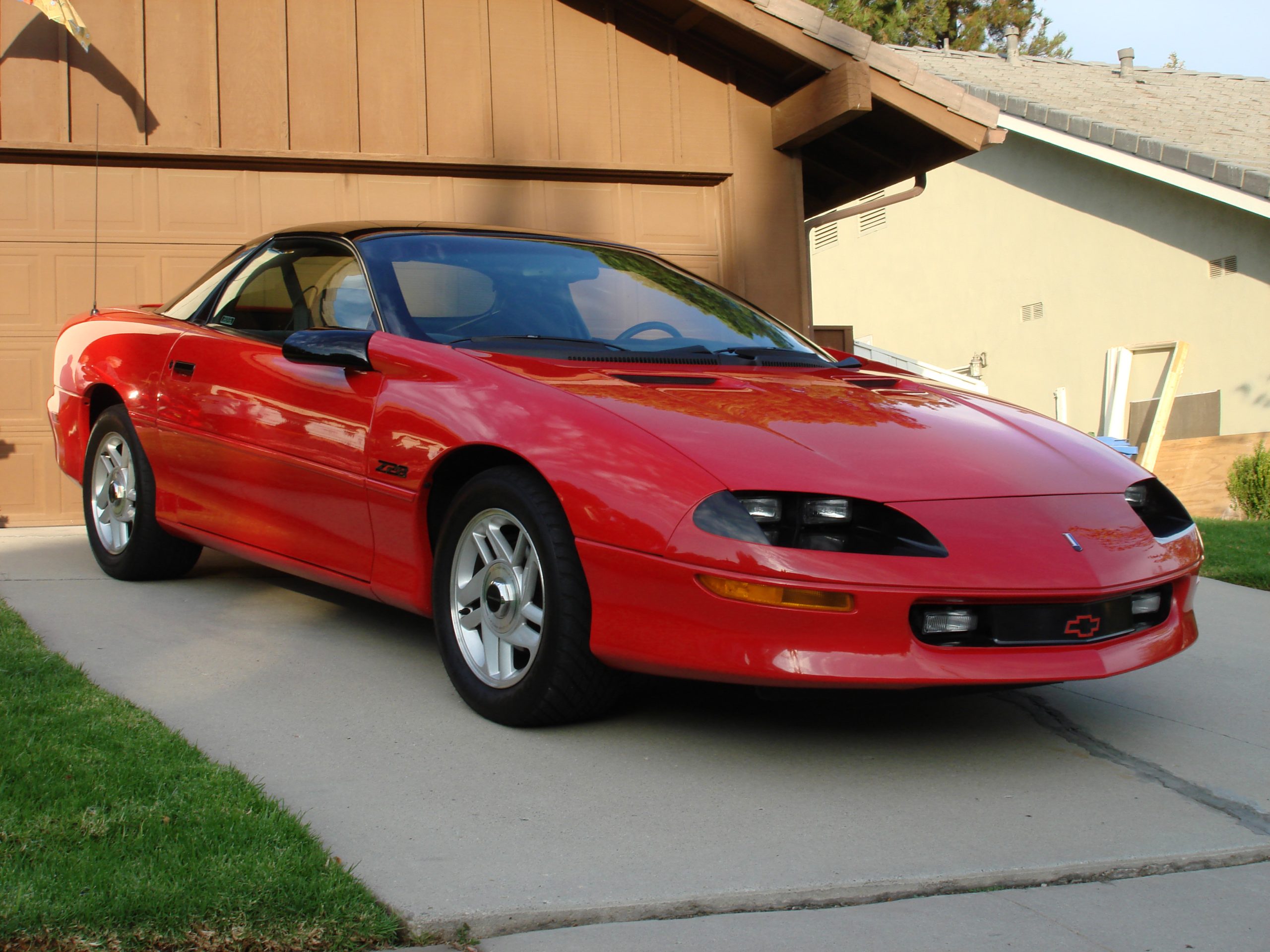
2. Fourth Generation Chevrolet Camaro 1993 to 2002
Ranking Position: Fifth
- Engine: 5.7L Naturally Aspirated V8 SS Trim with LS1 Engine
- Horsepower: 305 hp to 325 hp
- Torque: 335 lb-ft to 350 lb-ft
- Size: 193.5 in Long x 74.1 in Wide
During the nineteen nineties, few affordable performance cars delivered straight-line speed like the fourth-generation Chevrolet Camaro SS. When General Motors installed the LS1 V8 from the Chevrolet Corvette into the Camaro for the 1998 model year, the result became a benchmark for value-focused performance buyers.
Power ranged from 305 to 325 horsepower from a 5.7-litre engine that shared its basic design with a far more expensive sports car. Quarter-mile acceleration figures regularly surpassed those of cars sold at much higher prices, giving the SS a reputation that still stands today.
The fourth generation earned the nickname Catfish because of its low and wide front shape. Styling moved away from traditional muscle cues and adopted a smooth sport coupe profile that looked modern at the time. At 193.5 inches long and 74.1 inches wide, the car sat low and wide, projecting speed and purpose more clearly than the later retro-inspired fifth generation.
Problems appeared once inside the cabin. Interior materials were disappointing even by the standards of that era. Hard plastics covered nearly every surface, panel fit varied, and squeaks developed early in ownership. Higher mileage examples often suffered constant noise on ordinary roads. A deep dashboard and long windshield base also created a tight feeling behind the wheel despite the wide exterior.
Those cabin issues do not reduce the raw acceleration ability of the LS1-powered Camaro SS. Buyers who cared most about speed for their money found little else that could match it. Quality limits its standing.
Also Read: 10 Most Durable Chevrolet Engines That Refuse to Die
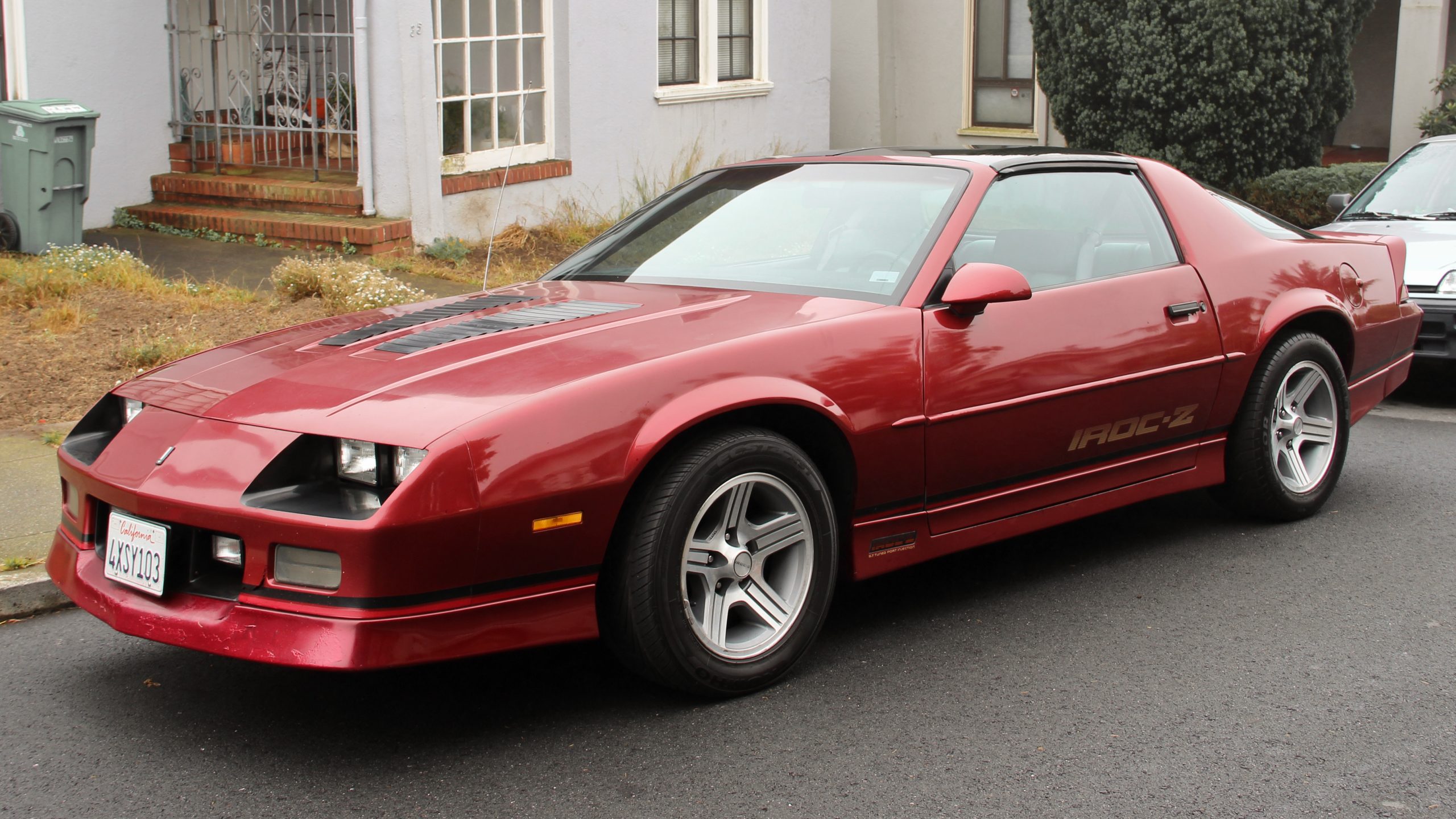
3. Third Generation Chevrolet Camaro 1982 to 1992
Ranking Position: Fourth
- Engine: 5.7L Tuned Port Injection V8 IROC-Z
- Horsepower: 220 hp to 245 hp
- Torque: 320 lb-ft to 345 lb-ft
- Size: 188.5 to 192.0 in Long x 72.8 in Wide
Grasping the third generation of the Chevrolet Camaro calls for a clear look at the period that shaped it from the start. By 1982, American performance cars had spent almost ten years restricted by emissions rules, catalytic converters, and low-octane fuel policies that forced manufacturers to reduce engine output to levels that feel modest today.
The second generation ended with V8 engines delivering figures that barely matched modern economy vehicles. Against that background, the third generation arrived with a real step forward through electronic fuel injection. The Tuned Port Injection system used on the IROC Z 5.7-litre V8 marked a turning point for American performance design. Fuel injection allowed Chevrolet to raise output, improve fuel use, and deliver reliable cold starts at the same time.
It showed that emissions rules and driving excitement could exist together. With between 220 and 245 horsepower plus 320 to 345 pound-feet of torque, the IROC Z was not a classic muscle car by late nineteen-sixties standards. In the mid-eighties, it ranked among the strongest performance options sold in the country.
Stretching from about 188.5 to 192.0 inches long and 72.8 inches wide, the body featured sharp angles and a rear hatch that added daily usefulness. Its suspension delivered steady cornering that earlier Camaros never prioritized. Early versions from 1982 to 1984 struggled with weak output, while later models built from 1987 through 1992 showed the platform at its best and deserve stronger recognition in Camaro history today by modern standards.
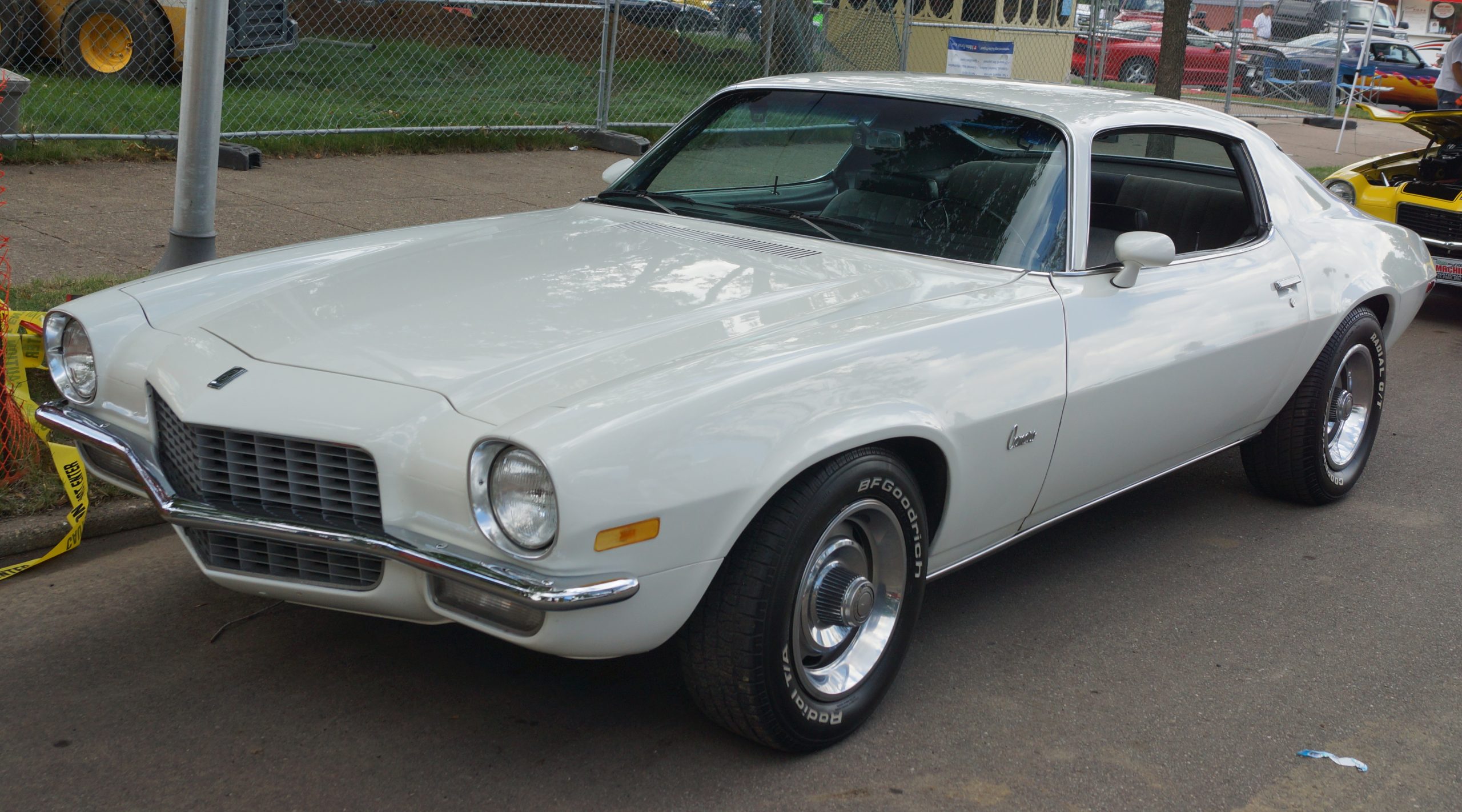
4. Second Generation Chevrolet Camaro 1970 to 1981
Ranking Position: Third
- Engine: 5.7L 350 ci Naturally Aspirated V8 Early Z28
- Horsepower: 360 hp (1970 Gross) down to 175 hp (late 1970s Net)
- Torque: 380 lb-ft down to 270 lb-ft
- Size: 188.0 to 197.6 in Long x 74.4 in Wide
Chevrolet gave the second generation more development time than the rushed first generation received, and the result was a car whose styling influence persisted for decades after the last one rolled off the line. Drawing on European sports car design principles rather than pure American muscle car visual language, the second-generation Camaro’s sleek fastback roofline and dramatically proportioned long hood created a silhouette that aged better than almost any American car of its era. It remains one of the most photographed and most replicated body shapes in the country’s automotive history.
Production ran from 1970 through 1981, making it the longest-running single generation in Camaro history, though that longevity reflects a combination of genuine commercial success in the early years and internal corporate delays in developing a replacement rather than sustained excellence throughout.
The 1970 and 1971 model years, particularly the Split-Bumper Z28, represent the generation at its absolute mechanical and aesthetic peak. Producing 360 horsepower from a 350 cubic inch V8 on the gross measurement system used at the time, the early Z28 was a genuinely fast car with handling characteristics that matched its straight-line performance.
What complicates the second generation’s legacy is what happened to it after 1972. The oil crisis, insurance surcharges on high-performance vehicles, and tightening emissions regulations forced Chevrolet to progressively detune these engines through the mid- and late 1970s.
Power outputs dropped year over year until the same V8 that had produced 360 horsepower in 1970 was rated at 175 net horsepower a decade later. Federally mandated plastic bumpers added visual bulk to a car whose elegant original proportions had been one of its defining qualities. The second generation’s ranking reflects its early brilliance and acknowledges its mid-era decline with equal honesty.
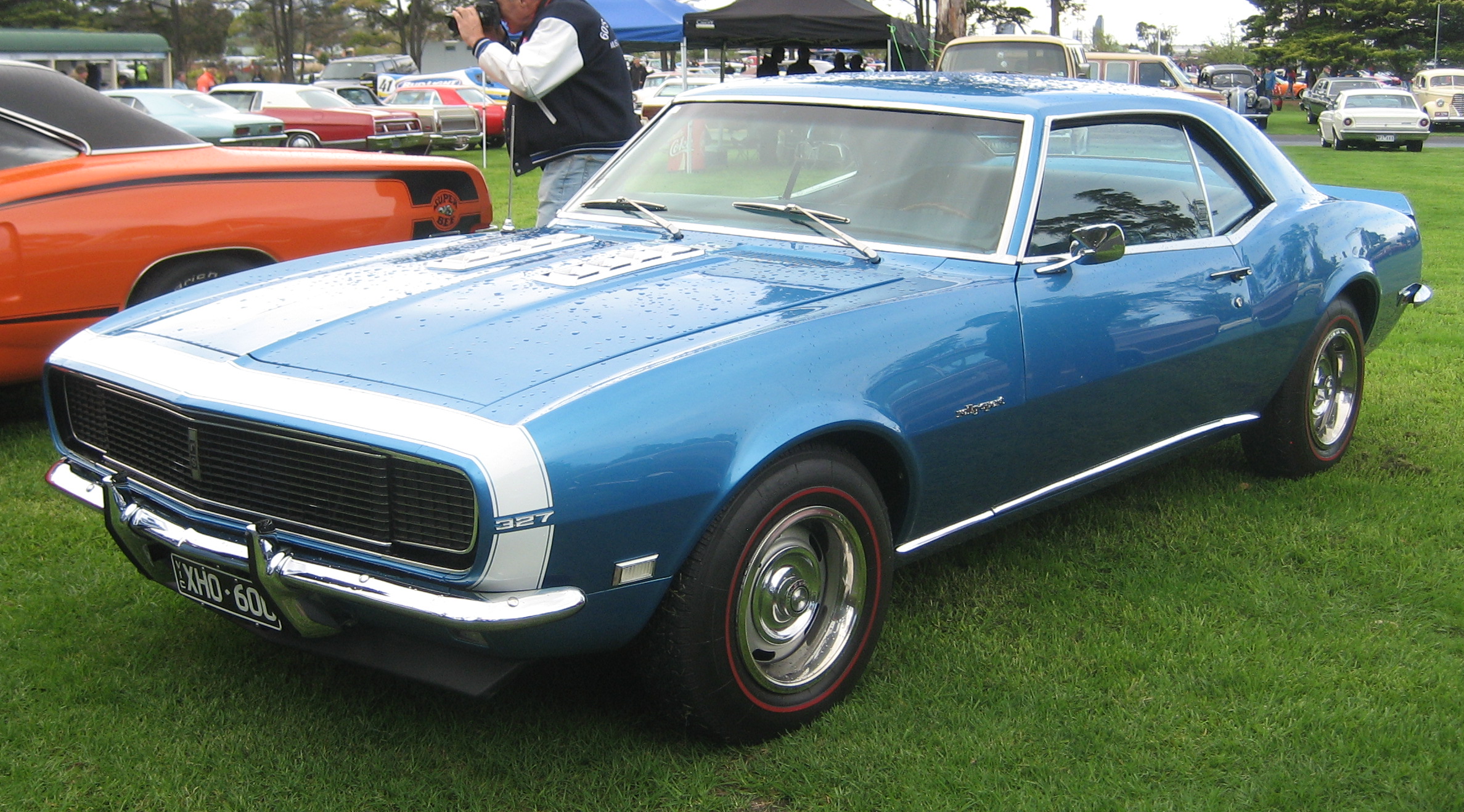
5. First Generation Chevrolet Camaro 1967 to 1969
Ranking Position: Second
- Engine: 6.5L 396 ci Big-Block V8 Super Sport and COPO variants featuring 7.0L 427
- Horsepower: 325 hp to 375 hp (COPO variants hit 425 hp and above)
- Torque: 410 lb-ft to 415 lb-ft
- Size: 184.6 to 186.1 in Long x 72.5 in Wide
Three model years. That is all Chevrolet had to work with before the second generation replaced this car, and in those three years, the first-generation Camaro built a legacy that has sustained an entire collector car market for more than half a century. Developed under the internal code name Panther and rushed to market in September 1966 as a 1967 model to directly challenge Ford’s Mustang, the original Camaro arrived with an engine option list so extensive that buyers could configure virtually any performance level they needed from a single body platform.
At the top of the production engine lineup sat the 396 cubic-inch big-block V8, producing between 325 and 375 horsepower with 410 to 415 lb-ft of torque. For buyers who knew about the Central Office Production Order system, the legendary COPO variants unlocked even more extreme powertrains, including the 427 cubic-inch L72 and ZL1 aluminum engines that pushed output above 425 horsepower in a car weighing under 3,500 pounds.
Those COPO Camaros, along with dealer-built Yenko variants that used the same powerplants, became some of the most sought-after collector vehicles in American history. Measuring between 184.6 and 186.1 inches long and 72.5 inches wide, the first generation had a timeless coke-bottle body shape that looked proportionally correct from every angle. At just under 186 inches long, it felt nimble and purposeful in a way the later and heavier generations could not fully replicate.
The 1969 model year Z28, built specifically to meet Trans-Am racing homologation requirements, added a competition chapter to the first generation’s story that further cemented its place in performance car history. Three years was enough time to build something immortal.
Also Read: 10 Fastest Chevrolet Camaros Ever Built That Remain Iconic
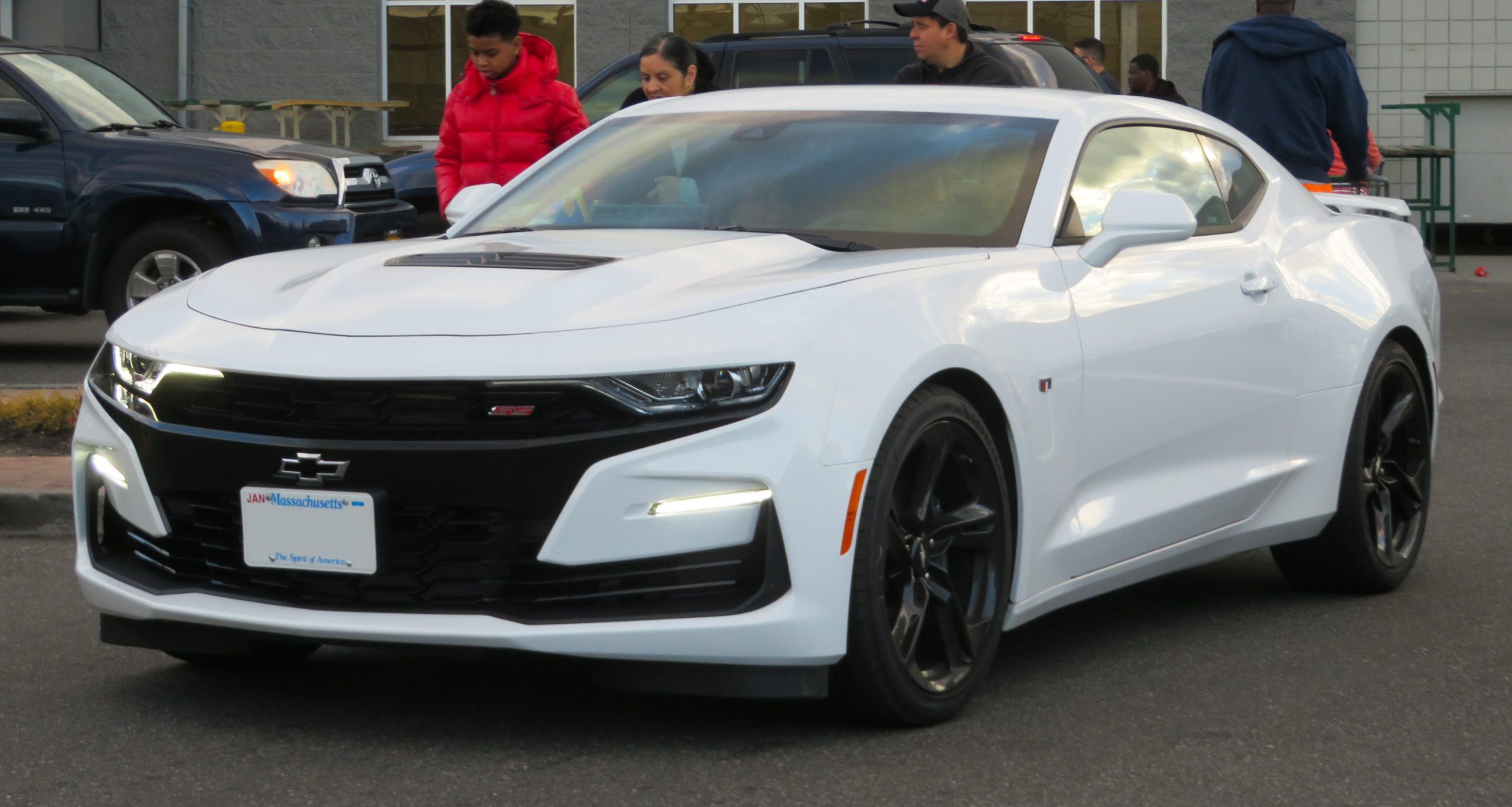
6. Sixth Generation Chevrolet Camaro 2016 to 2024
Ranking Position: Best
- Engine: 6.2L Supercharged V8 ZL1 1LE Trim
- Horsepower: 650 hp
- Torque: 650 lb-ft
- Size: 188.3 in Long x 74.7 in Wide
Each era of the Chevrolet Camaro aimed for progress through stronger output, sharper control, and polish. The sixth generation reached those goals at the same moment, creating a car that could challenge sports models priced far above it. In ZL1 1LE form, the supercharged 6.2-litre V8 delivers 650 horsepower and 650 pound-feet of torque. Those figures impress on paper, yet the real achievement comes from how they work with the lighter Alpha architecture underneath, which secures this generation its leading place.
Engineers at General Motors first created the Alpha platform for the Cadillac ATS and CTS sedans, then adapted it for the Camaro. Anyone who drove the fifth and sixth generations back to back noticed the difference immediately. Weight dropped compared to the older Zeta-based model. Steering became more direct and informative, letting drivers feel grip and surface detail clearly. Direction changes felt tighter, giving the car a smaller and more agile character than its size suggested.
At 188.3 inches long and 74.7 inches wide, this version is slightly smaller than the one before it while outperforming it in every driving measure. The ZL1 1LE package added track-tuned suspension and aerodynamic parts that helped produce lap times at the Nürburgring Nordschleife that rivalled those of costlier European machines, confirmed by testers.
Inside the cabin, materials and layout improved beyond earlier models, and buyers could choose engines ranging from a turbo four-cylinder to the supercharged V8. As production paused, this generation ended its history strongly there.
