
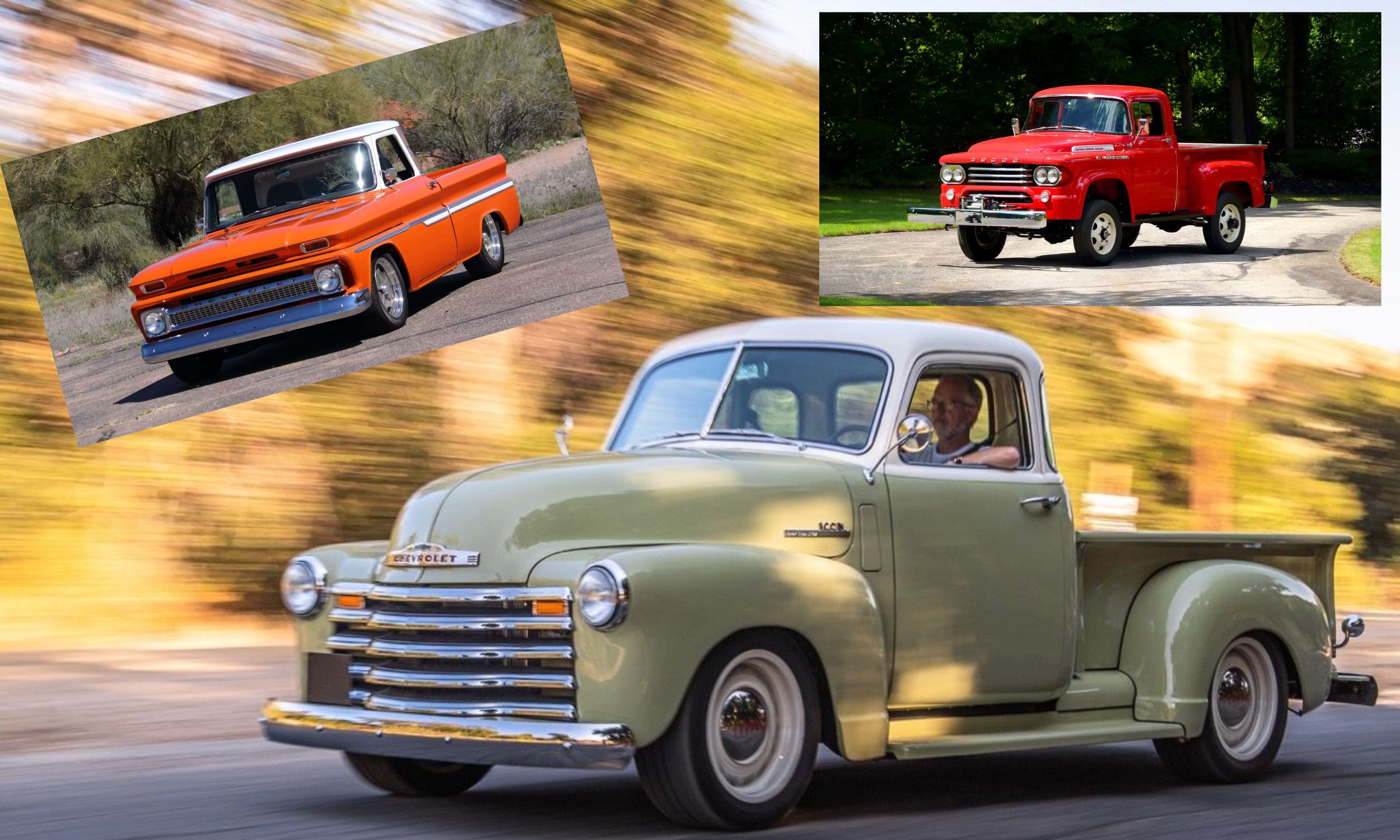
The history of truck sales in the United States tells much more than which model recorded the highest numbers each year. It also reflects how the needs and priorities of buyers have changed from one generation to another. As lifestyles evolved, pickup trucks changed alongside them.
During the years following the Second World War, people wanted dependable vehicles for work and growing communities. Later, rising fuel prices encouraged manufacturers to improve efficiency, while recent buyers have shown strong interest in advanced technology, modern safety features, and better fuel economy without giving up capability.
Looking back across the decades, one pattern stands out clearly. Ford has remained the best-selling truck brand since 1977, holding on to the top position year after year. Before Ford established that long winning streak, Chevrolet dominated the market for about twenty years. During that period, the company introduced fresh ideas and practical improvements that influenced the design of many pickup trucks that followed. Those early innovations helped shape the modern truck drivers enjoy today.
This decade-by-decade review highlights the best-selling trucks from each era and explains why they connected so well with buyers at the time. It also shows how pickup trucks gradually changed from simple work vehicles into comfortable family transportation packed with premium features. Today’s trucks offer refined interiors, advanced technology, and impressive performance while still handling demanding jobs.
That steady development explains why modern pickups appeal to such a wide range of buyers, from tradespeople and business owners to families looking for comfort, versatility, and everyday practicality in a single vehicle.
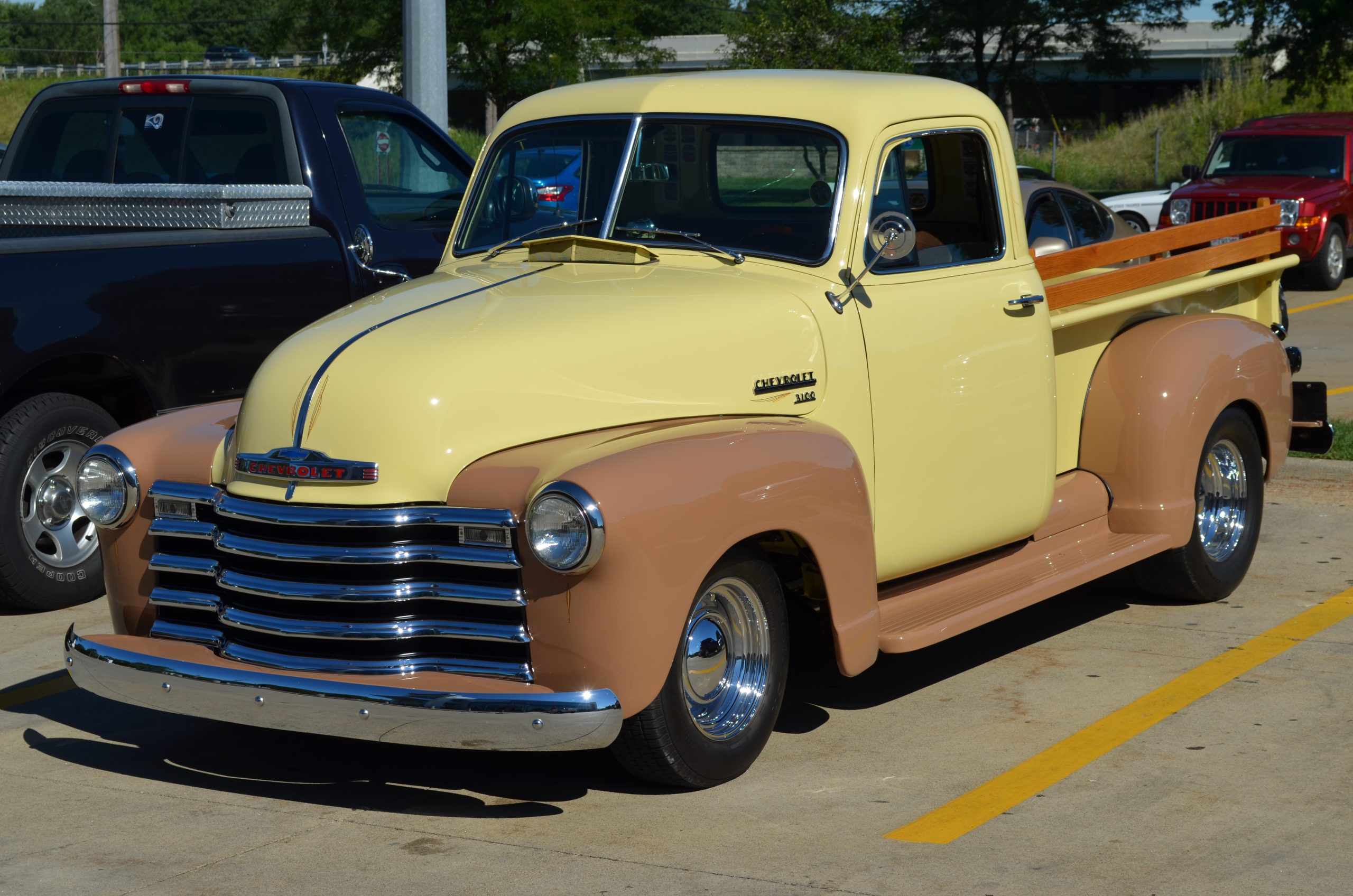
1. The 1950s: Chevrolet Advance Design / Task Force Series
- Engine: 3.9L Naturally Aspirated Inline-6 (Thriftmaster)
- Horsepower: 140 hp
- Torque: 210 lb-ft
- Size: 196.1 in Long x 74.5 in Wide
Chevrolet walked into the 1950s with serious momentum built from its dominant post-war truck lineup, and the Advance Design transitioning into the Task Force series gave the brand everything it needed to maintain that sales leadership throughout an entire decade of booming American consumer spending and suburban expansion.
A 3.9L inline-six producing 140 horsepower and 210 lb-ft of torque powered the standard configuration, with the entire dimensions measuring 196.1 inches long and 74.5 inches wide, proportions that felt genuinely substantial on roads still shared with the far smaller pre-war vehicles that many buyers were trading in for their first new postwar truck.
Chevrolet introduced something genuinely revolutionary to the pickup truck segment with the Task Force series that arrived in 1955, bringing a wrap-around windshield design borrowed from passenger car styling that immediately made competing trucks look visually dated and old-fashioned by comparison. This single styling decision signaled something important to buyers: trucks no longer needed to look like farm equipment just because they worked like farm equipment.
Hidden running boards gave the exterior a cleaner, more modern profile that further closed the visual gap between a truck and a proper passenger car, appealing to buyers who wanted genuine work capability without the purely utilitarian appearance that earlier truck generations wore without apology.
Perhaps most importantly, this generation introduced the legendary small-block V8 engine to pickup truck buyers for the first time, planting the seed for the V8-obsessed truck culture that would define American pickup preferences for the following several decades.
Chevrolet’s combination of fresh styling, improved passenger car-like comfort, and genuinely new powertrain technology gave buyers every reason they needed to choose the bowtie badge throughout this entire decade of strong economic growth and rising consumer confidence.
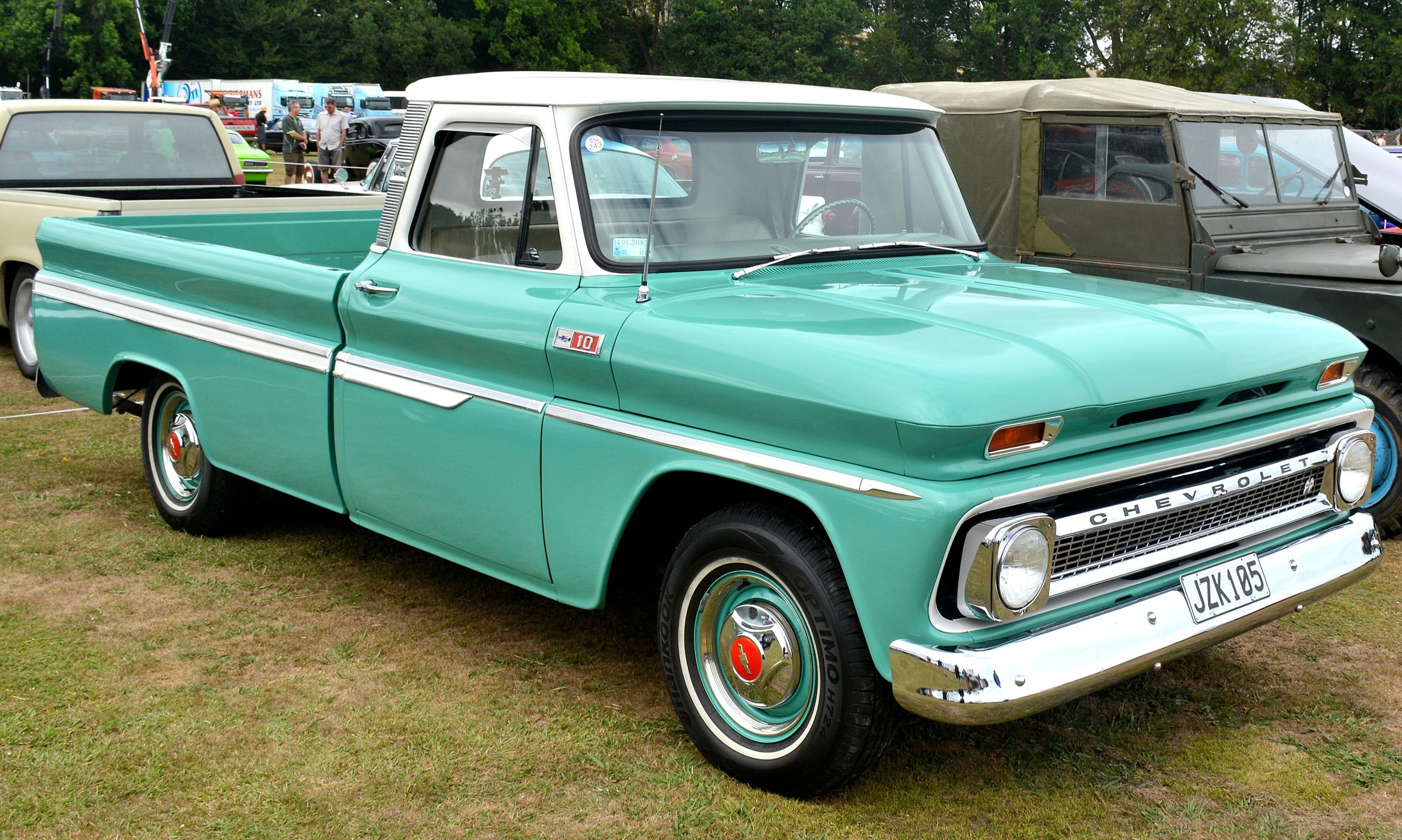
2. The 1960s: Chevrolet C/K Series (First and Second Generation)
- Engine: 4.6L Naturally Aspirated V8
- Horsepower: 175 hp
- Torque: 275 lb-ft
- Size: 188.5 in Long x 78.8 in Wide
Carrying its sales dominance directly from the 1950s into a new decade required Chevrolet to understand exactly why buyers had chosen its trucks so consistently and then build meaningfully upon that foundation rather than simply refreshing the styling around unchanged mechanical underpinnings. The C/K series demonstrated that Chevrolet understood this distinction clearly.
Powered by a 4.6L naturally aspirated V8 generating 175 horsepower and 275 lb-ft of torque, the C/K series measured 188.5 inches long and 78.8 inches wide, a slightly more compact footprint than the truck it replaced, which still delivered generous interior proportions for the era. That V8 carried forward the performance credibility the small-block had established in the previous generation while delivering more output appropriate for a decade that viewed engine power as genuine status.
Independent front suspension represented the engineering breakthrough that genuinely defined this generation’s appeal beyond simple styling updates. Prior trucks used solid front axles borrowed from commercial vehicle engineering, which transmitted every road imperfection directly through the steering and into the cab with a jarring, industrial character that made long drives genuinely uncomfortable regardless of seat padding or interior insulation.
Switching to independent front suspension transformed how a Chevrolet pickup absorbed road imperfections, producing a ride quality that finally approached what a passenger car delivered rather than merely tolerating what a work vehicle had always been expected to impose on its driver.
Buyers who commuted major distances in their trucks, an increasingly common pattern as suburban development spread farther from city centers throughout the 1960s, found this ride quality improvement genuinely meaningful in daily life rather than simply impressive on a comparison chart.
Chevrolet maintained its truck sales leadership throughout this entire decade by making trucks more comfortable without sacrificing the capability that working buyers specifically needed their vehicles to deliver.
Also Read: American Pickup Trucks From the 2000s, Ranked by Owner Satisfaction
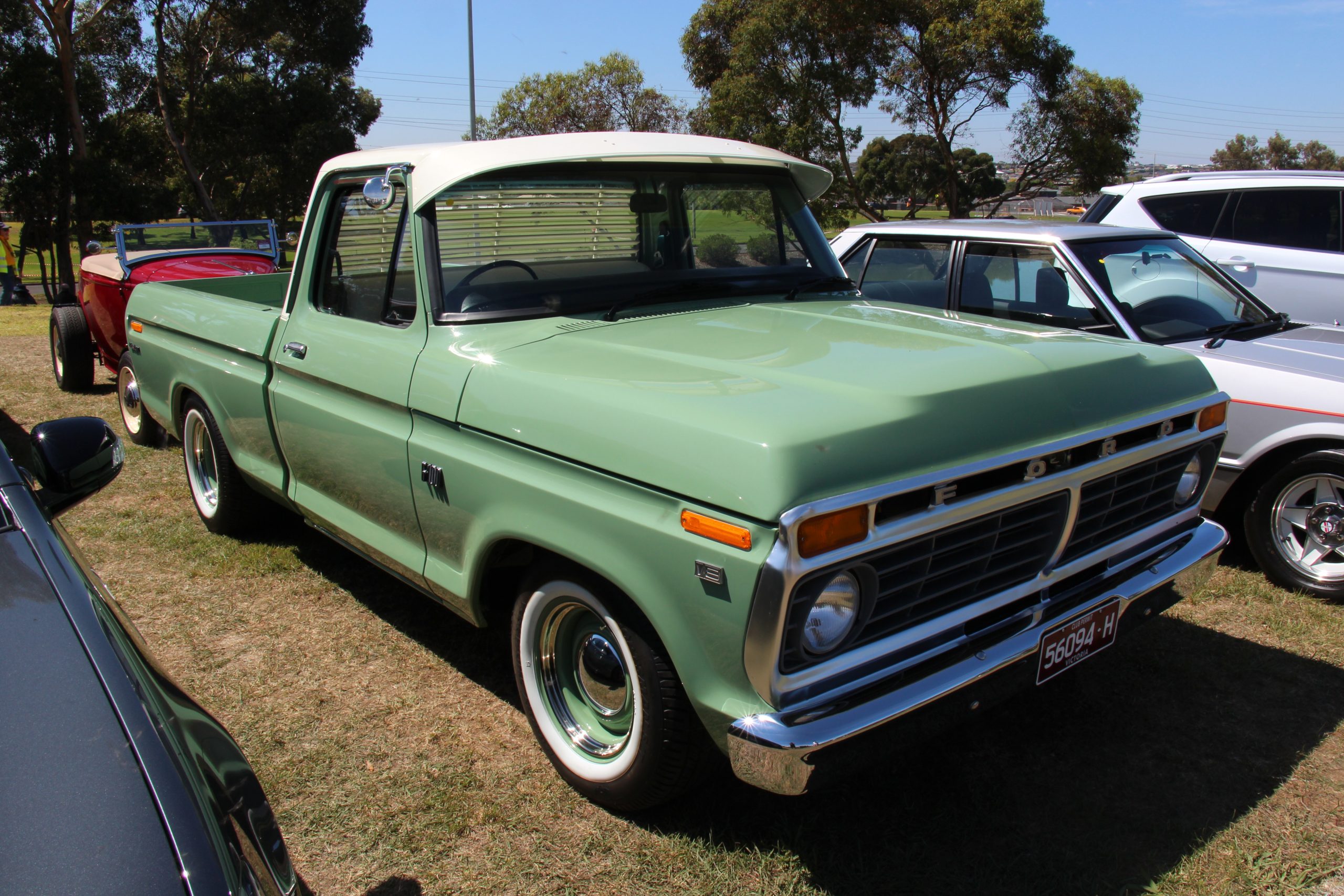
3. The 1970s: Ford F-Series (Sixth Generation)
- Engine: 5.9L Naturally Aspirated V8
- Horsepower: 143 hp (Smog-era restricted)
- Torque: 256 lb-ft
- Size: 210.3 in Long x 79.4 in Wide
Ford’s fortunes changed dramatically in 1977 when the F-Series overtook Chevrolet to become America’s best-selling truck. That victory marked the beginning of a streak that has continued every year since. While many people rarely give enough attention to that milestone, it remains one of the biggest moments in the history of the American auto industry.
The truck came with a 5.9-liter V8 engine that produced 143 horsepower, a figure heavily affected by strict emissions rules introduced during the decade. Government regulations forced manufacturers to install smog-control equipment that reduced power across almost every American V8. Even with the lower horsepower, the F-Series still delivered 256 lb-ft of torque. It measured 210.3 inches in length and 79.4 inches in width, giving buyers a full-size pickup suited for demanding jobs.
Rather than chasing higher engine output, Ford concentrated on making the truck more comfortable and practical. The cabin offered more room than many competing pickups, making it easier for owners to carry passengers, work equipment, and paperwork without feeling cramped. Buyers appreciated having a truck that could handle daily duties while providing a more pleasant driving experience.
Another improvement came through better heating and air conditioning systems, solving a complaint many owners had with earlier models. People who depended on their trucks for work expected comfort similar to what they enjoyed in their family cars.
Ford also introduced the F-150 name in 1975, placing the truck in a vehicle category that avoided tougher federal emissions requirements. That smart decision helped the company deliver a capable full-size pickup while meeting changing government rules.
4. The 1980s: Ford F-Series (Seventh and Eighth Generation)
- Engine: 5.0L Naturally Aspirated V8 (Fuel Injected)
- Horsepower: 185 hp
- Torque: 270 lb-ft
- Size: 210.2 in Long x 79.0 in Wide
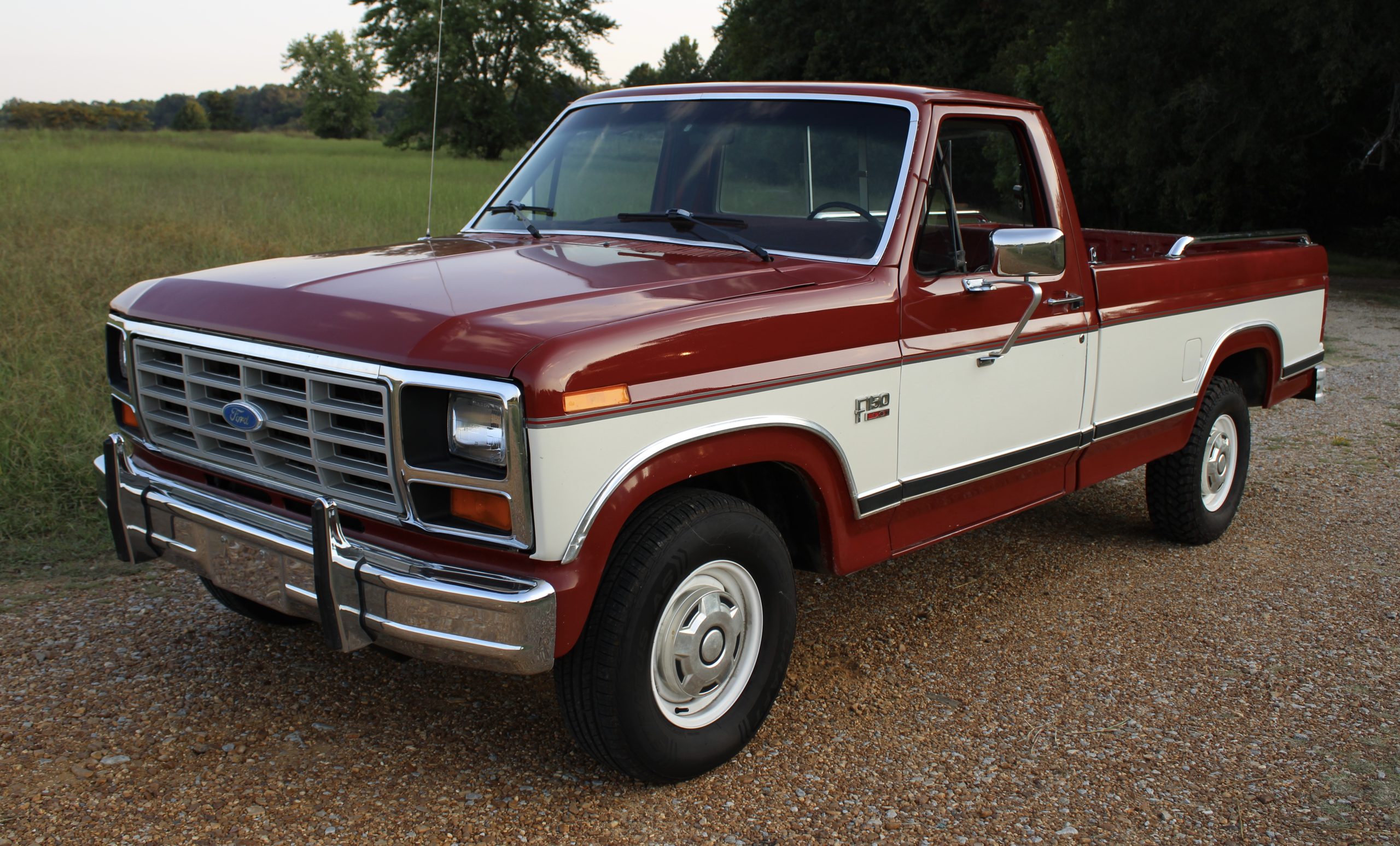
Achieving best-selling truck status represents a genuinely impressive accomplishment, yet the F-Series managed something considerably more remarkable during the 1980s that most automotive discussions do not fully credit. This decade brought the F-Series to best-selling vehicle status in America across all vehicle categories combined, meaning it outsold every car, every crossover, and every alternative truck on the market simultaneously throughout multiple consecutive years.
A 5.0L V8 with fuel injection producing 185 horsepower and 270 lb-ft of torque powered the standard configuration, with total dimensions holding consistent at 210.2 inches long and 79.0 inches wide. That fuel injection technology represented a meaningful engineering leap over the carburetor-fed engines of the previous decade, delivering more consistent power, improved cold-start behavior, and better fuel economy than carbureted alternatives could match with comparable displacement.
Aerodynamic front-end styling arrived on the F-Series during this decade, borrowing design lessons from the passenger car segment that had already embraced sloping hoods and rounded corners for both aesthetic and fuel efficiency reasons. This styling update gave the F-Series a genuinely modern visual presence compared to the boxy, upright front ends that had defined American truck design since the immediate post-war period.
Lariat trim levels pushed the F-Series into territory that buyers a decade earlier would have considered luxurious for a family sedan, introducing premium interior materials, carpeting, and comfort features that redefined what truck buyers could reasonably expect from an upper-trim working vehicle.
This upmarket push proved commercially brilliant, since it allowed Ford to sell considerably higher-margin trucks to buyers who genuinely valued comfort and premium appointments alongside basic capability, establishing a premium truck segment that competitors have spent every decade since trying to match.
5. The 1990s: Ford F-Series (Ninth and Tenth Generation)
- Engine: 4.6L Naturally Aspirated Triton V8
- Horsepower: 220 hp
- Torque: 290 lb-ft
- Size: 224.7 in Long x 79.5 in Wide
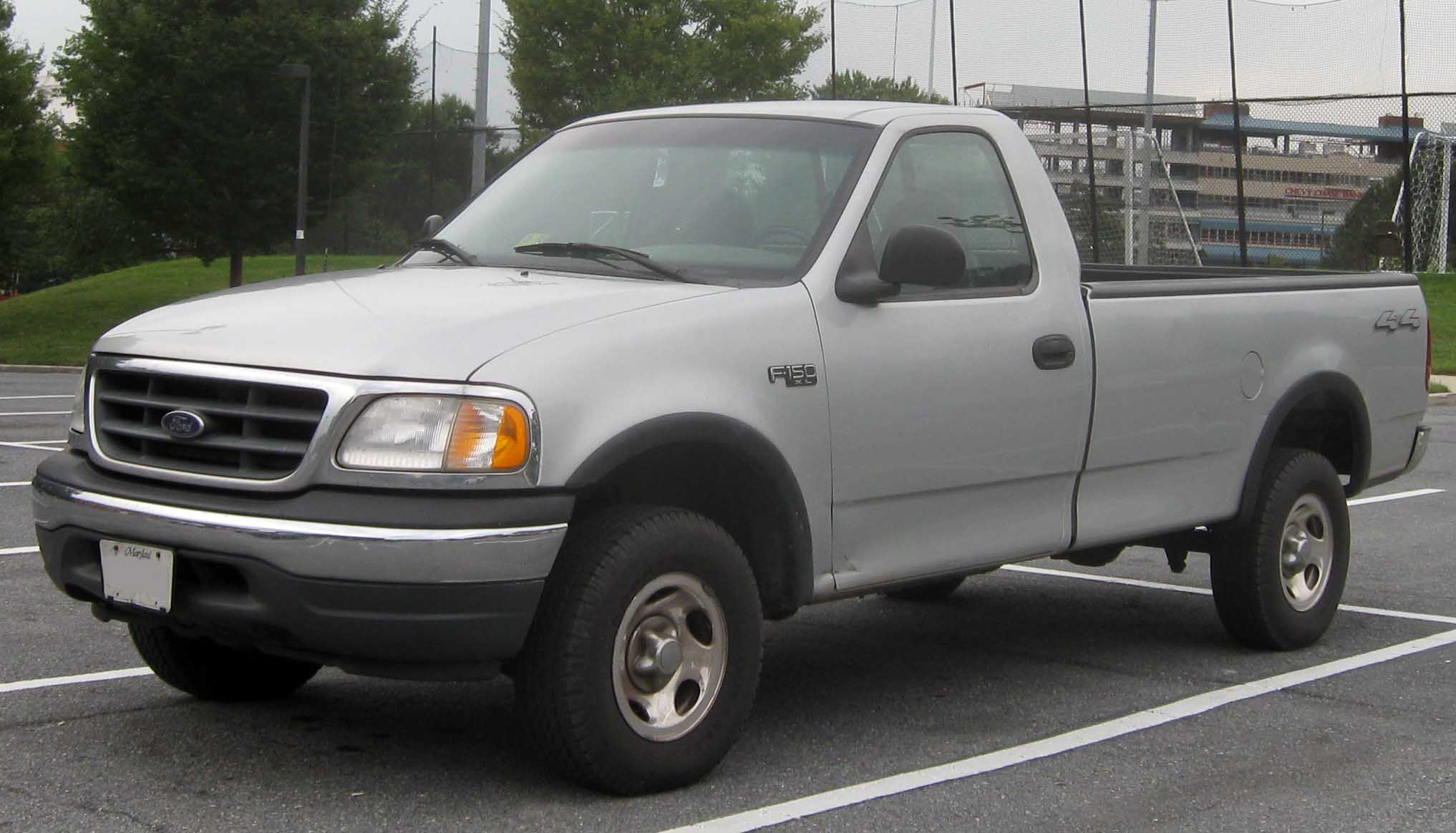
Ford made a decision in 1997 that genuinely shocked automotive industry analysts and competitors alike, choosing to fundamentally split its most valuable product line into two distinct vehicle families rather than continuing to sell one unified F-Series range covering all buyer needs from light commuting through serious commercial heavy-duty work.
A 4.6L Triton V8 producing 220 horsepower and 290 lb-ft of torque powered the standard F-150, with a total length of 224.7 inches and 79.5 inches of width that reflected genuine growth in cabin space compared to the previous decade’s platform. This F-150 received a thorough aerodynamic, rounded redesign that made it look considerably more like a stylish family vehicle and considerably less like a traditional working truck wearing dress clothes.
Simultaneously, Ford spun the heavy-duty variants, previously sold as F-250 and F-350 units within the standard F-Series lineup, into the dedicated Super Duty brand, giving serious commercial operators a truck specifically engineered around maximum work capability rather than the comfort and style compromises required to make the mainstream F-150 appealing to family buyers.
This bifurcated strategy proved commercially brilliant because it allowed Ford to optimize each product for its actual buyer rather than asking one truck platform to satisfy two genuinely different sets of priorities simultaneously. The redesigned F-150 accelerated its conquest of the family vehicle market throughout the 1990s, appealing to buyers who needed a pickup’s cargo flexibility without wanting a vehicle that felt and looked like a commercial tool.
That combination of forward-thinking product strategy, appealing styling, and the reliable Triton V8 kept the F-Series untouchable atop the truck sales charts for the entire decade without a single year of vulnerability to Chevrolet or any other competitor.
6. The 2000s: Ford F-Series (Eleventh and Twelfth Generation)
- Engine: 5.4L Naturally Aspirated Triton V8 (3-Valve)
- Horsepower: 300 hp
- Torque: 365 lb-ft
- Size: 229.8 in Long x 78.9 in Wide
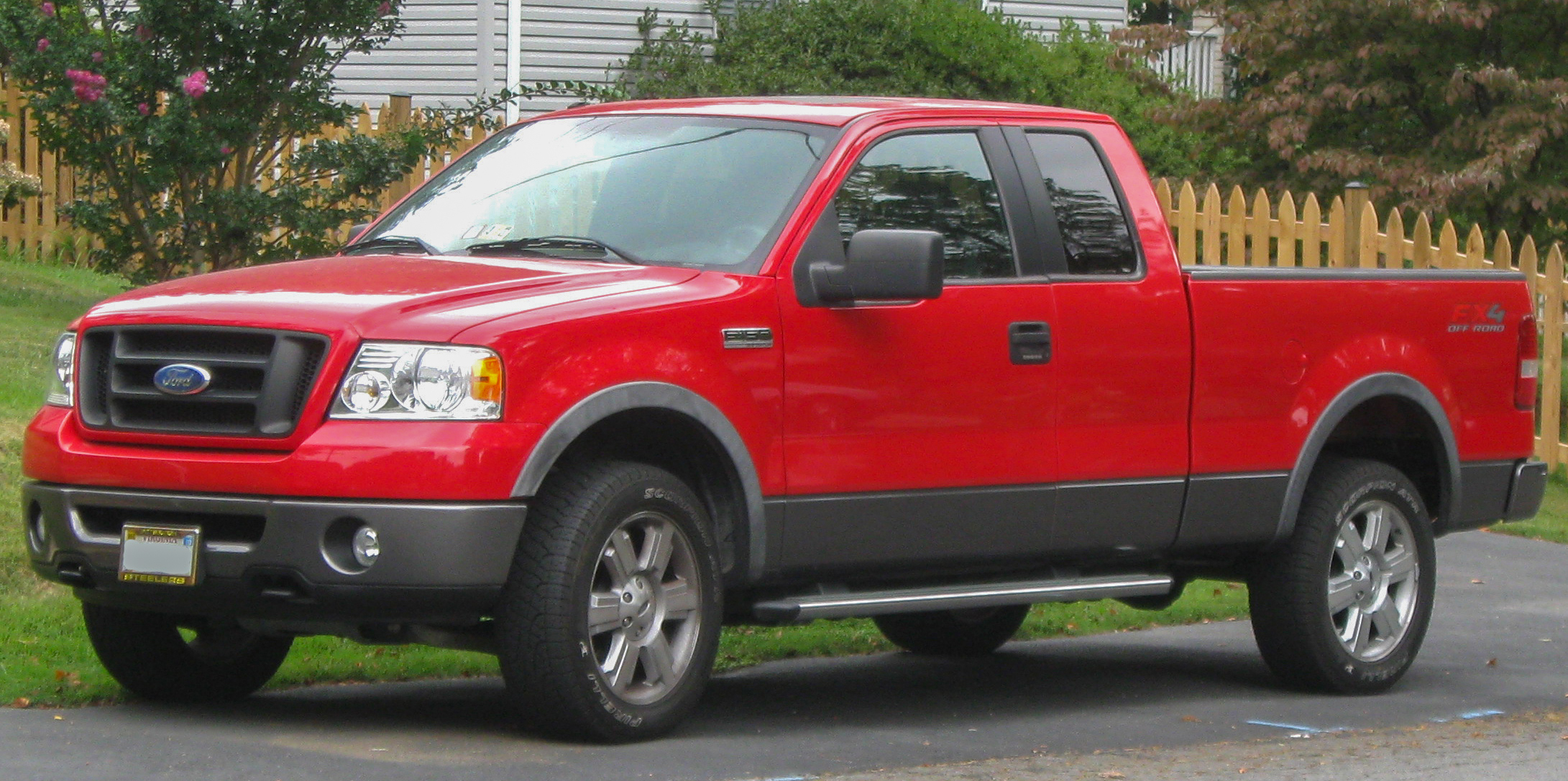
During the 2000s, the role of pickup trucks in American households changed dramatically, and the Ford F-Series helped drive that change. Instead of owning a pickup alongside a family sedan, many households began relying on a single truck for both daily driving and family transportation.
The standard model featured a 5.4-liter three-valve Triton V8 producing 300 horsepower and 365 lb-ft of torque. Measuring 229.8 inches long and 78.9 inches wide, it was larger than the previous generation. Reaching the 300-horsepower mark also gave Ford a strong selling point, as many buyers viewed that figure as a sign of real performance.
A major reason for the truck’s growing popularity was the introduction of the full-size Crew Cab. Earlier extended-cab models had cramped rear seating and small rear-hinged doors that made access difficult. The new Crew Cab offered spacious rear seats, full-size doors, and enough legroom for adults to ride comfortably.
The larger cabin made the F-Series practical for families of five, removing one of the biggest reasons many buyers had avoided using a pickup as their only vehicle. Better interior materials, available satellite navigation, and improved audio systems also made the truck feel more refined. By blending comfort, technology, and everyday practicality with its traditional hauling ability, the F-Series became much more than a work truck.
7. The 2010s: Ford F-Series (Thirteenth Generation)
- Engine: 3.5L Twin-Turbo EcoBoost V6
- Horsepower: 365 hp
- Torque: 420 lb-ft
- Size: 231.9 in Long x 79.9 in Wide
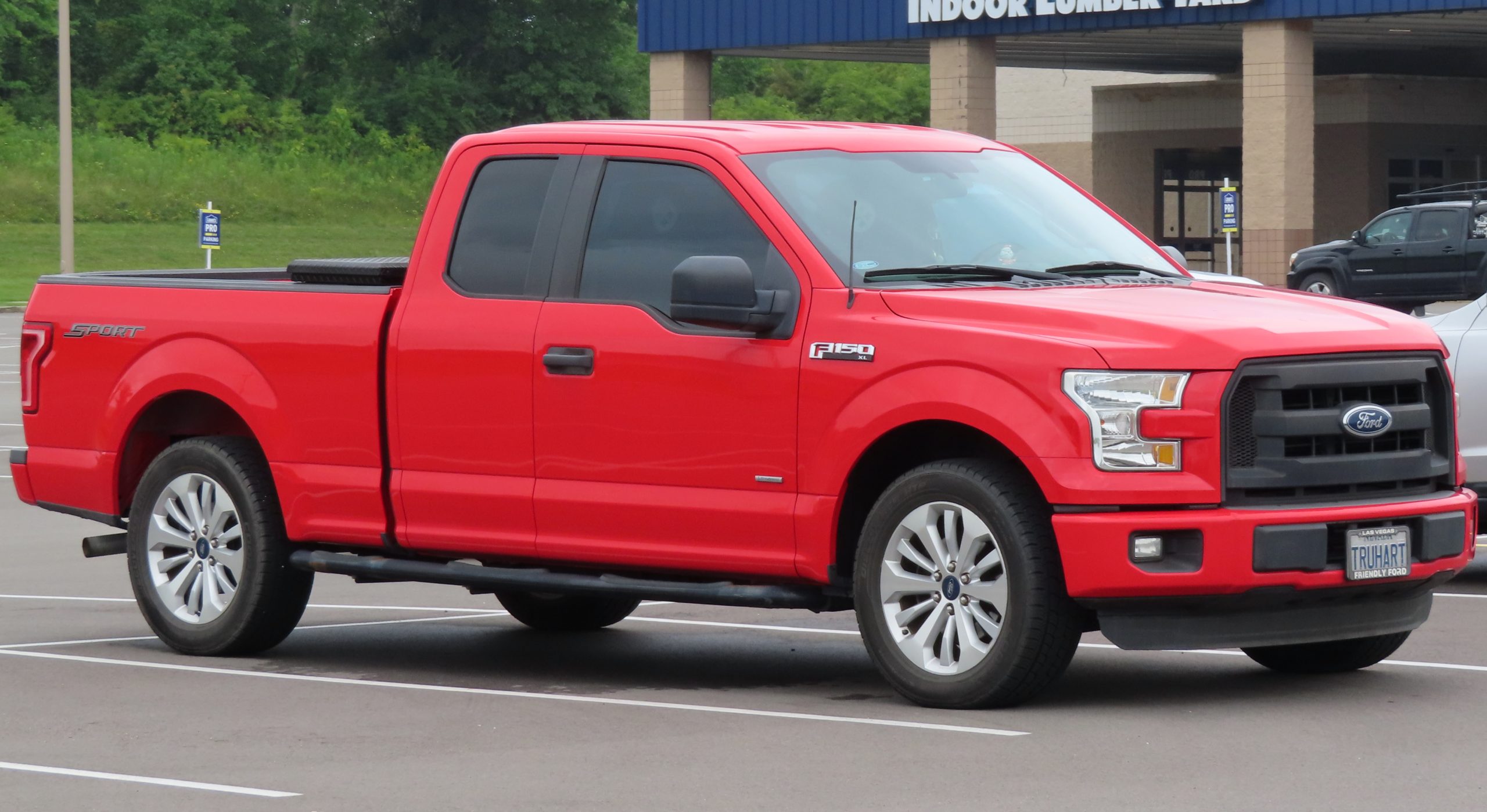
Ford took a bold approach with the thirteenth-generation F-Series by making two major decisions that could easily have driven loyal buyers away. Many truck owners preferred traditional designs, so introducing such big changes came with real risks. Instead, both decisions earned customer approval and helped this generation become one of the most successful full-size pickups ever produced in the United States.
Power came from a 3.5-liter twin-turbo EcoBoost V6 that produced 365 horsepower and 420 lb-ft of torque. Choosing a V6 instead of the familiar V8 surprised many buyers who believed bigger engines delivered better performance. Ford had to prove that the new engine could tow heavy loads, deliver stronger low-end pulling power, and use less fuel. Once drivers experienced it for themselves, many accepted that it matched or even outperformed the V8 it replaced.
Another bold decision involved replacing the traditional steel body with military-grade aluminum. This reduced the truck’s weight by about 700 pounds, improving fuel economy, payload capacity, and acceleration without sacrificing strength. Critics expected buyers to question its durability, yet daily use showed the lighter body could handle demanding work without creating the problems many had predicted.
As this generation grew to 231.9 inches in length and 79.9 inches in width, Ford managed to add more interior space and capability while cutting weight through smart engineering. Years of earning customer confidence also helped buyers accept these fresh ideas. Even with strong competition from Chevrolet and Ram, the F-Series remained the truck that many people continued to choose across America.
Also Read: 10 Most Overrated Pickup Trucks American Buyers Still Worship
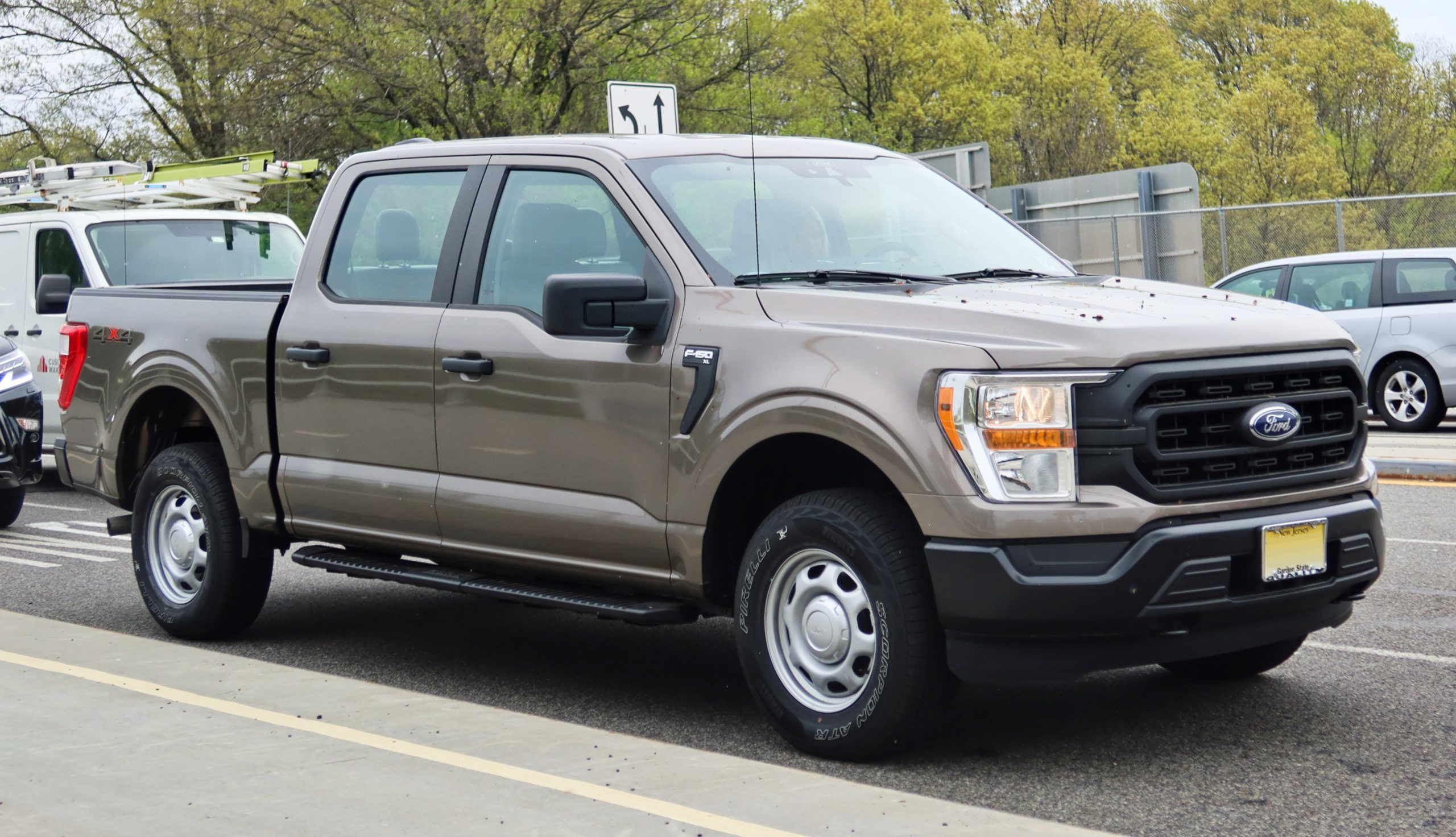
8. The 2020s: Ford F-Series (Fourteenth Generation)
- Engine: 3.5L Twin-Turbo V6 PowerBoost Hybrid
- Horsepower: 430 hp (Total system output)
- Torque: 570 lb-ft (Total system output)
- Size: 232.7 in Long x 79.9 in Wide
Ford introduced the fourteenth-generation F-Series at a time when the pickup market was changing quickly. Buyers wanted more than strong towing and hauling ability. Many also looked for better fuel economy, cleaner powertrains, and extra features that could support everyday life.
Ford recognized these changing expectations and developed a truck that balanced performance, efficiency, and modern technology without giving up the capability drivers had trusted for years. At the center of the lineup is the 3.5-liter twin-turbo PowerBoost Hybrid V6, which combines the EcoBoost engine with an electric motor.
Together, the system delivers 430 horsepower and an impressive 570 lb-ft of torque. Along with its strong pulling power, the hybrid setup also improves fuel economy compared to the regular gasoline version. The truck measures 232.7 inches long and 79.9 inches wide, giving it the bold size and road presence buyers have come to expect from the F-150.
One feature that quickly stood out was Pro Power Onboard. Instead of serving only as transportation, the truck can also operate as a mobile power source. Owners can use their built-in outlets to run tools at construction sites, supply electricity during power outages, or power equipment while camping. This feature made the F-150 useful in many situations where reliable electricity was needed away from home.
Ford also expanded the lineup with the fully electric F-150 Lightning, giving buyers another option without abandoning traditional truck owners. People who preferred a hybrid could choose the PowerBoost, while those ready for an electric pickup had the Lightning. By offering both choices, Ford strengthened the F-Series lineup and continued meeting the needs of a wide range of truck buyers across America.
