
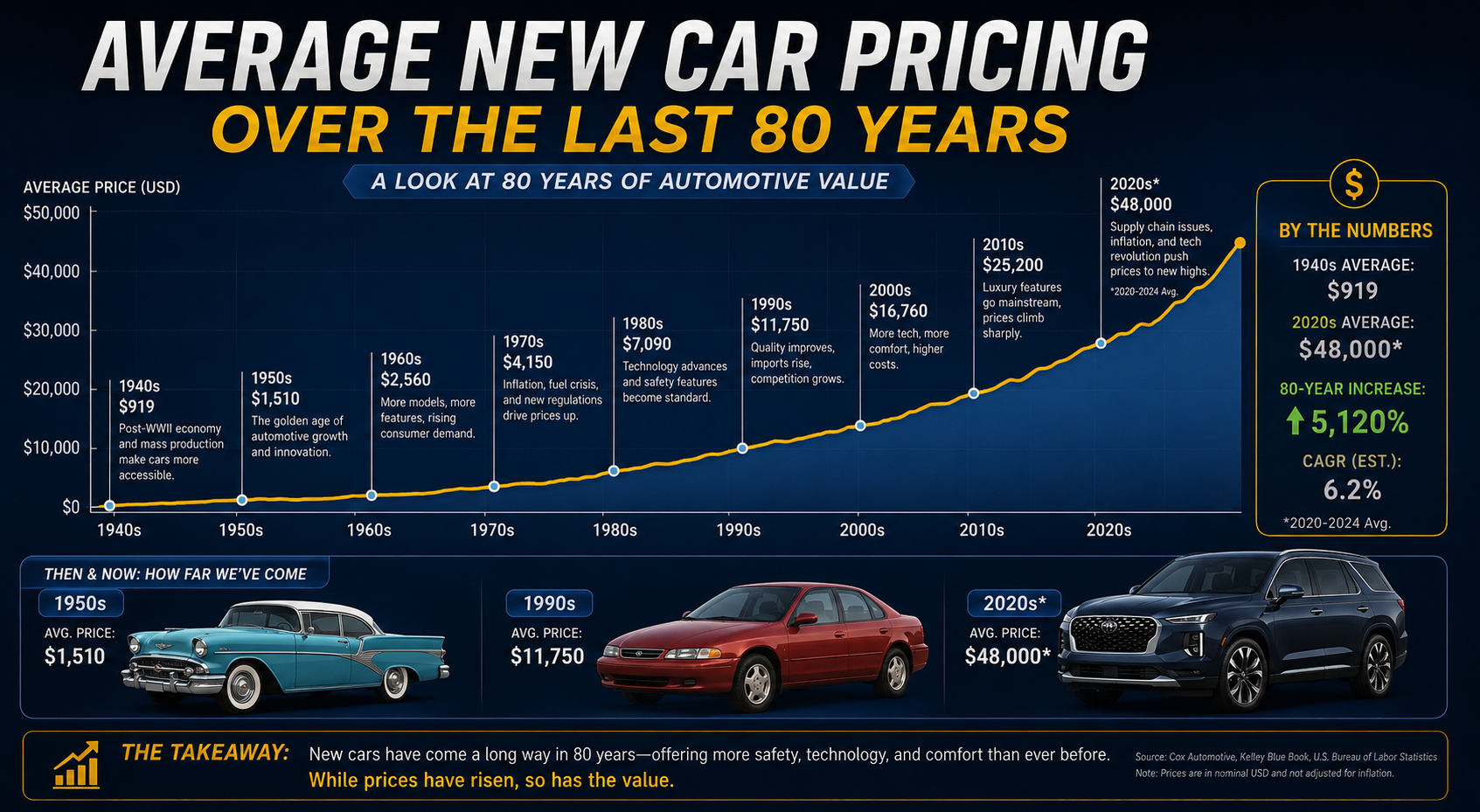
The average price of a new car has changed dramatically over the past eight decades, reflecting shifts in manufacturing technology, consumer demand, inflation, safety regulations, fuel efficiency standards, and global economic conditions.
When we look at historical automobile pricing, it becomes clear that a car was once a relatively simple and affordable household purchase, while today it often represents one of the largest financial commitments a person makes outside of housing.
In the 1950s, a new car could cost just a few thousand dollars, while in the 2010s, the average price of a new vehicle in the United States rose to well over thirty thousand dollars.
This long-term trend is not only a story about rising prices but also about how vehicles have evolved from basic transportation machines into complex technology platforms with advanced safety systems, entertainment features, and fuel-efficient engineering.
Understanding average new car pricing over time also requires considering inflation and purchasing power. A dollar in the 1950s had significantly more value than a dollar today, which means direct price comparisons can be misleading without context.
For example, although a car in the 1950s cost far less in nominal terms, it still represented a significant portion of the average household income at the time.
Similarly, while modern vehicles appear expensive, they also include far more features such as airbags, computer-controlled engines, navigation systems, and hybrid or electric powertrains. Each decade reflects not just price changes but also technological and economic transformation.
This article explores the average new car price by decade from the 1950s through the 2010s, offering a structured overview of how automobile affordability has evolved. Each decade highlights typical price ranges, key industry developments, and the economic forces that influenced vehicle pricing.
By examining these shifts, we can better understand how the automotive industry has grown into a global powerhouse and why car ownership costs continue to rise over time.
Also Read: 10 Electric Vehicles That Spend the Least Time at Charging Stations
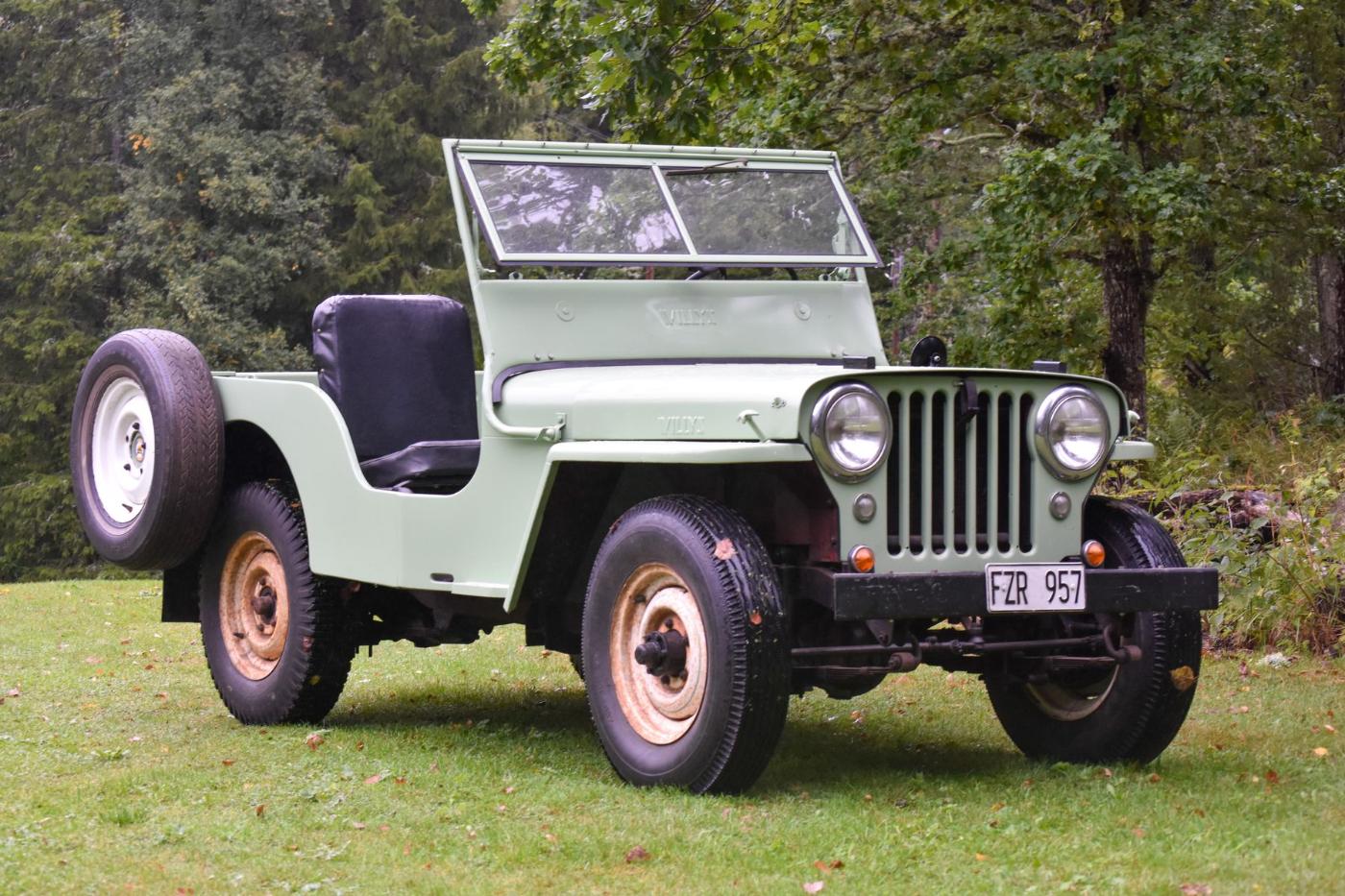
1950s Average New Car Price and Market Overview
The 1950s marked a period of strong post-war economic growth, and the automobile industry experienced rapid expansion in both production and consumer demand.
The average new car price during this decade typically ranged from about 1,500 to 2,200 dollars. Popular models from American manufacturers such as Ford, Chevrolet, and Plymouth were widely accessible to middle-class families, especially as installment payment plans became more common.
During this decade, cars were built with relatively simple mechanical systems compared to modern standards. Features like power steering, air conditioning, and automatic transmissions were either optional or not widely available in the early years.
This simplicity helped keep production costs lower, which contributed to more affordable pricing. However, even at these lower nominal prices, purchasing a vehicle still represented a major financial decision for most households.
One important factor influencing pricing in the 1950s was the rise of mass production efficiency. Automotive factories improved assembly line techniques, allowing manufacturers to produce more vehicles at lower per-unit costs. This increased supply helped stabilize prices despite growing demand.
Additionally, the expansion of suburban living in the United States significantly increased the need for personal vehicles, which supported strong sales across the decade.
Marketing also began to play a larger role in shaping consumer expectations. Automakers emphasized style, chrome detailing, and annual model updates, encouraging buyers to upgrade more frequently. This created a culture of car ownership that was tied not only to transportation needs but also to status and lifestyle.
The 1950s established the foundation for modern car culture while maintaining relatively low average vehicle prices compared to later decades. The combination of industrial efficiency and growing consumer demand defined this era as a turning point in automotive history.
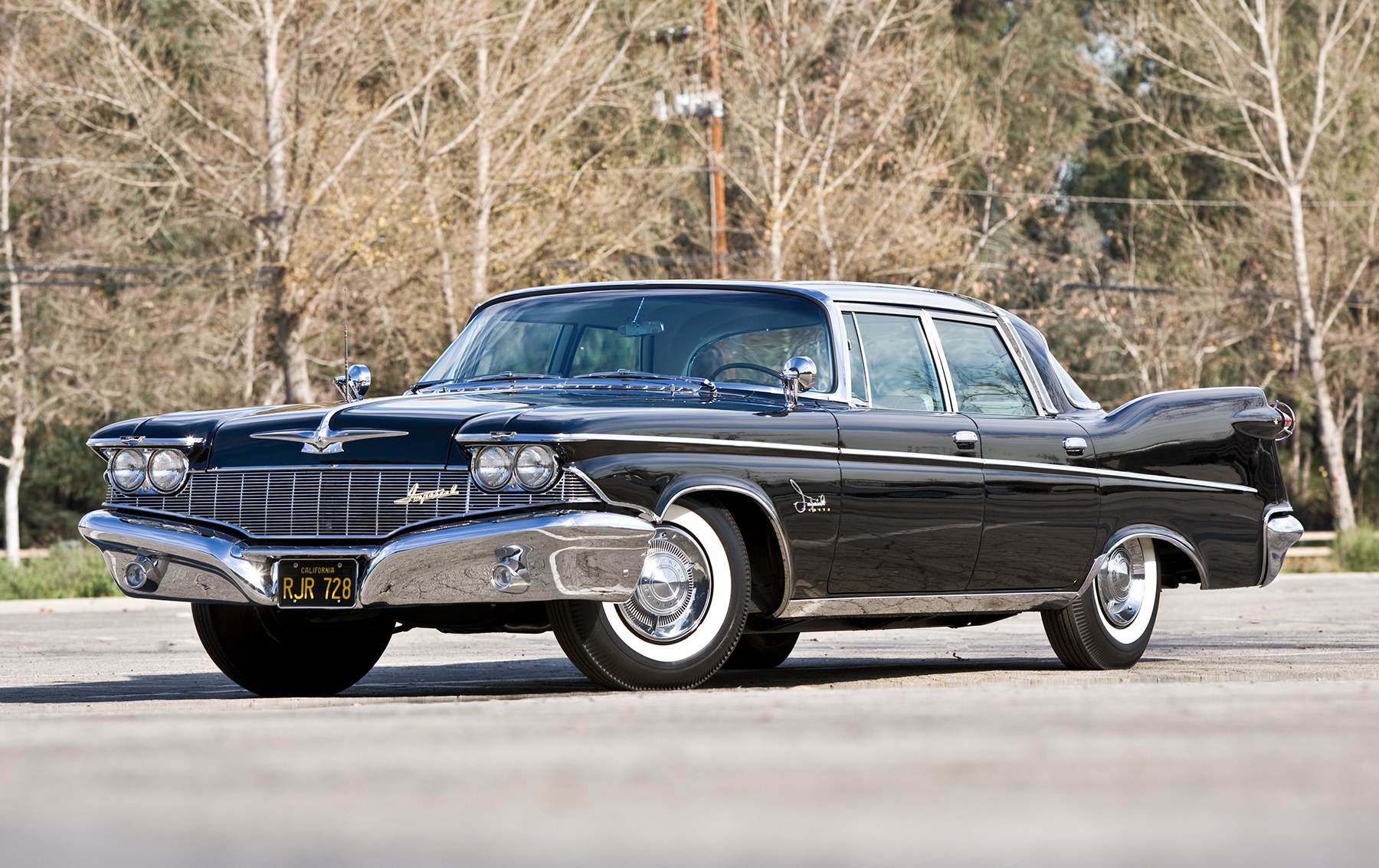
1960s Average New Car Price and Market Trends
The 1960s saw continued economic growth and rising consumer spending power, which gradually pushed the average new car price upward. During this decade, the typical cost of a new vehicle ranged from approximately 2,600 to 3,200 dollars. While this was still affordable relative to income levels of the time, it represented a noticeable increase compared to the previous decade.
One of the key developments in the 1960s was the introduction of more powerful engines and improved vehicle performance. Muscle cars and performance-oriented models gained popularity, especially among younger buyers.
These enhancements increased production complexity and contributed to higher manufacturing costs, which were reflected in retail pricing.
Safety and comfort features also began to evolve during this period. Seat belts became more common, and manufacturers started improving suspension systems and ride quality. While these changes were not yet heavily regulated, they marked the beginning of a long-term shift toward safer and more comfortable vehicles.
The automotive market also became more competitive in the 1960s, with foreign manufacturers beginning to establish a presence in the United States. Brands such as Volkswagen introduced smaller, fuel-efficient cars that offered an alternative to larger American models. This competition gradually influenced pricing strategies and product diversity across the industry.
Financing options continued to expand, making it easier for consumers to purchase new vehicles through long-term loans. This increased accessibility contributed to higher sales volumes, even as average prices slowly rose. The combination of innovation, competition, and consumer demand defined the pricing of the 1960s.
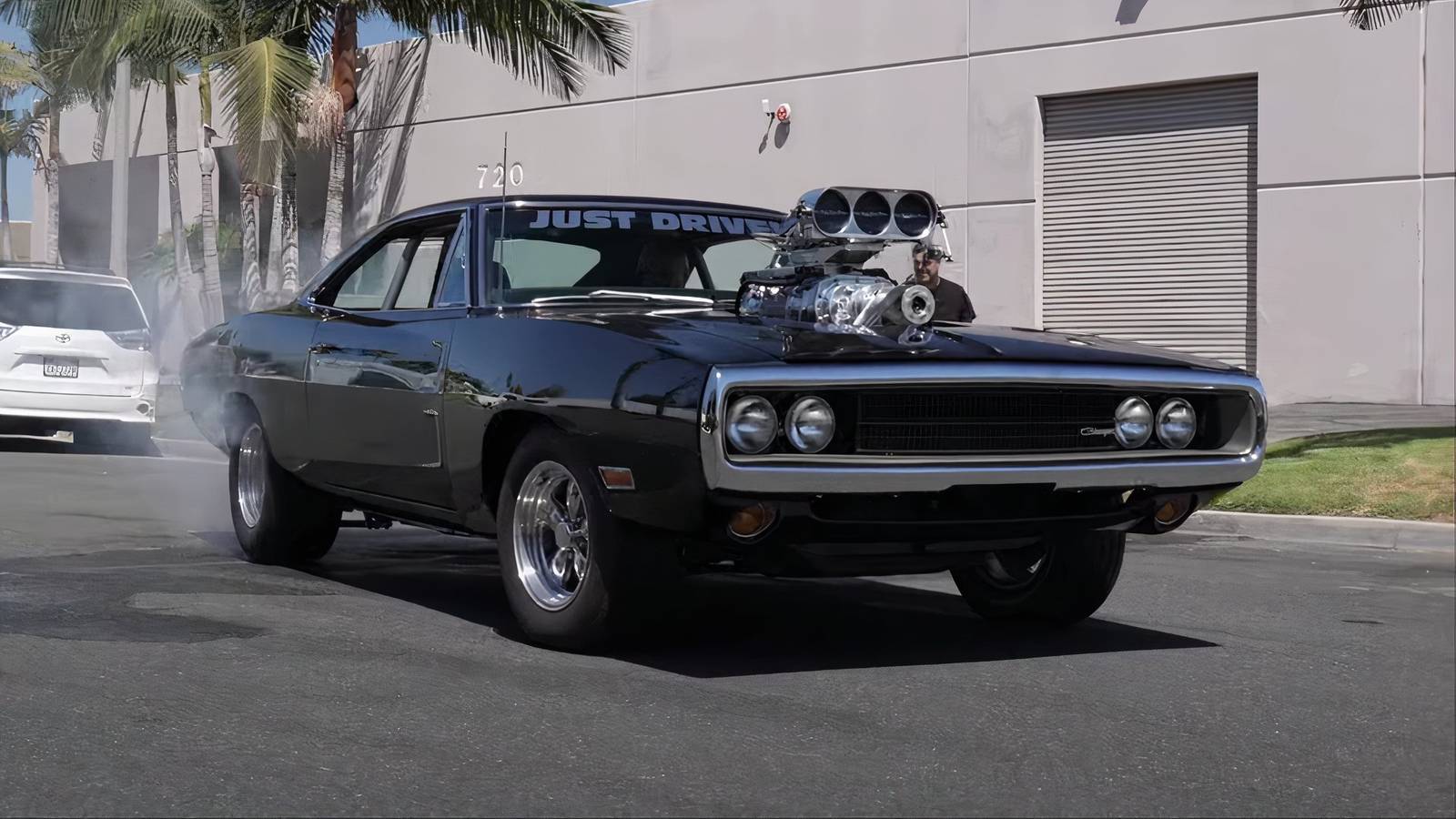
1970s Average New Car Price and Economic Impact
The 1970s were a period of significant economic disruption, including inflation and fuel crises, both of which had a direct impact on new car prices. The average price of a new car during this decade ranged from about 3,500 to 4,500 dollars in the early years, eventually climbing higher by the end of the decade.
One of the most influential events affecting car pricing was the oil crisis, which led to increased fuel costs and shifting consumer preferences.
Buyers began to prioritize fuel efficiency over large engine performance, which forced manufacturers to redesign their vehicles. These engineering changes increased development costs and contributed to rising prices.
Emissions regulations also became stricter during the 1970s, particularly in the United States. Automakers were required to install new systems to reduce pollution, which added complexity and cost to vehicle production. Catalytic converters and other emission control technologies became standard, influencing pricing structures.
At the same time, the decade saw inflationary pressure across the broader economy. Rising material and labor costs made it more expensive for manufacturers to produce vehicles, and these increases were passed on to consumers. As a result, affordability began to decline compared to earlier decades.
Despite these challenges, car ownership remained essential for most households, and demand continued to grow. However, consumer expectations began to shift toward smaller, more economical vehicles, setting the stage for future industry transformation.
Also Read: 10 Reasons Cars Got Smaller Over the Last 60 Years
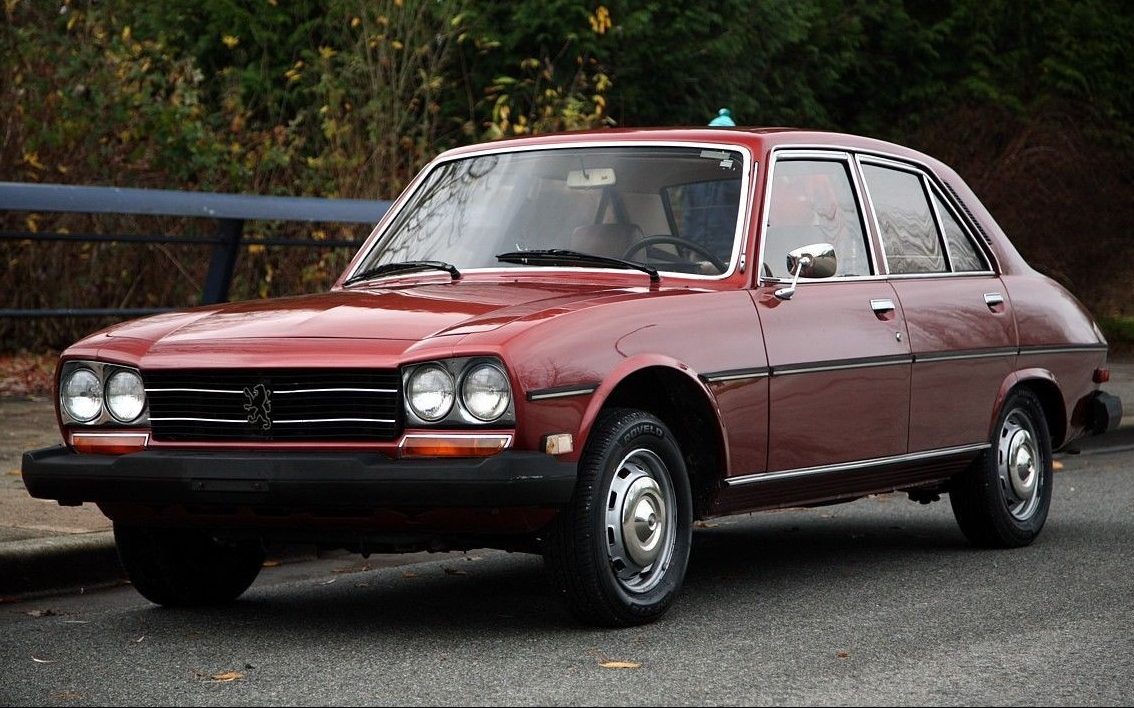
1980s Average New Car Price and Industry Transformation
By the 1980s, the average new car price had increased significantly, typically ranging from about 7,000 to 10,000 dollars. This decade represented a major turning point in automotive history, as technology, globalization, and manufacturing changes reshaped the industry.
One major factor influencing prices was the increasing integration of electronics into vehicles. Features such as fuel injection systems, onboard diagnostics, and early computer controls began to replace older mechanical systems. These innovations improved performance and efficiency but also raised production costs.
Japanese automakers gained significant market share during this decade, introducing highly reliable and fuel-efficient vehicles. This competition forced traditional American manufacturers to improve quality and efficiency, which involved restructuring factories and investing in new technologies. These transitions contributed to short-term cost increases.
Safety regulations also expanded in the 1980s, requiring improvements such as better crash protection and standardized safety equipment. These enhancements added further complexity to vehicle design and manufacturing processes.
Economic conditions, including inflation earlier in the decade and fluctuating interest rates, also influenced car affordability. While wages increased, the pace of vehicle price growth outpaced many consumers’ income gains, making new cars relatively more expensive in real terms.
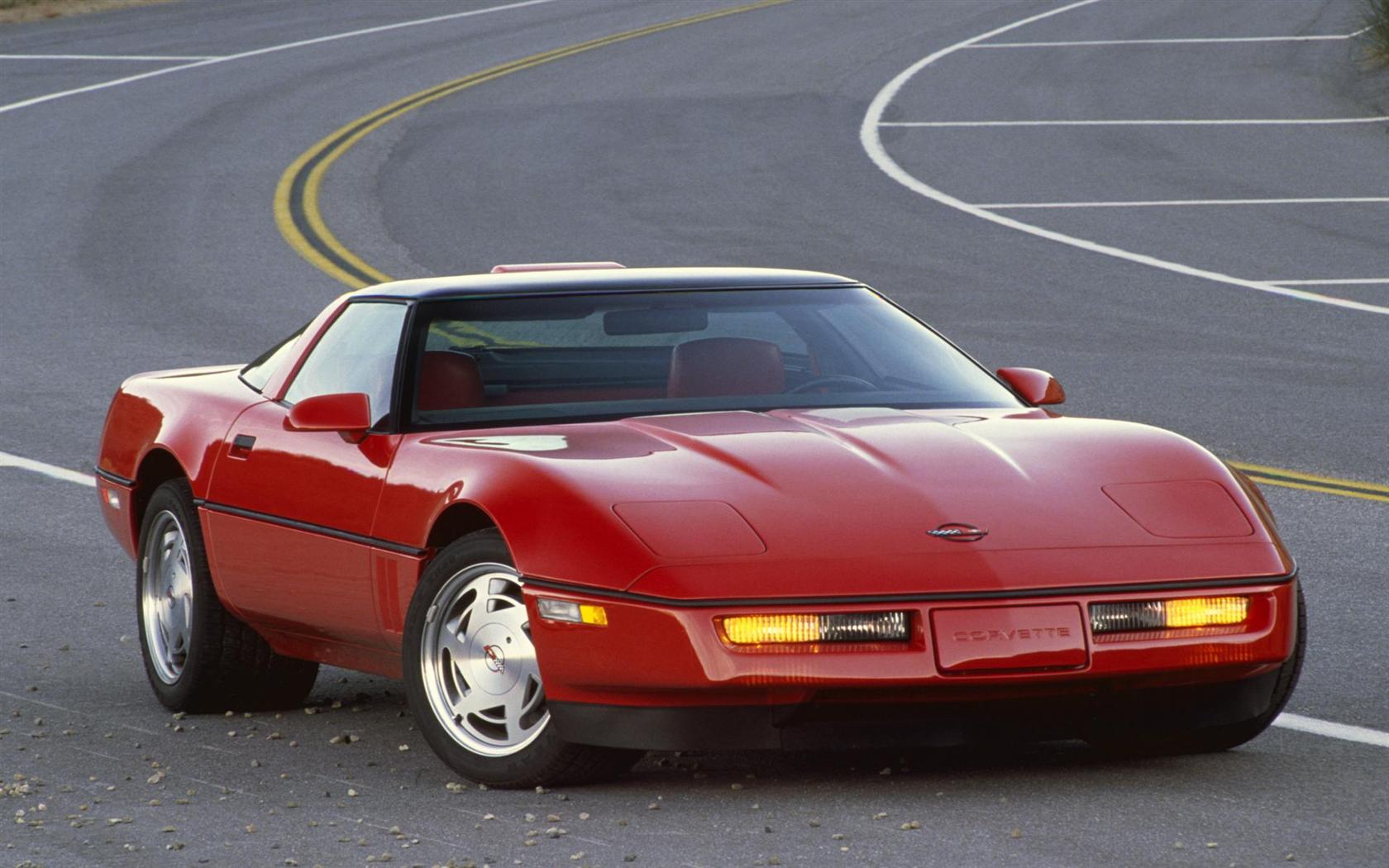
1990s Average New Car Price and Market Stability
The 1990s brought greater stability to the automotive industry, with average new car prices typically ranging from 12,000 to 18,000 dollars. This decade was characterized by improved manufacturing efficiency and increased global competition.
One of the most important developments was the widespread adoption of computer-controlled engine management systems. These systems improved fuel efficiency and reliability while reducing emissions. Although they increased initial production costs, they also helped standardize modern vehicle design.
Globalization played a major role in shaping pricing during this period. Automakers expanded production to international markets, reducing labor costs and improving supply chain efficiency. This helped slow the rate of price increases compared to previous decades.
Consumer preferences also shifted toward sport utility vehicles, which began gaining popularity in the 1990s. These larger vehicles typically carried higher price tags than compact cars, which gradually raised the market average.
Financing options became even more accessible, with longer loan terms and lower interest rates in many cases. This allowed more consumers to afford new vehicles, even as prices slowly climbed.
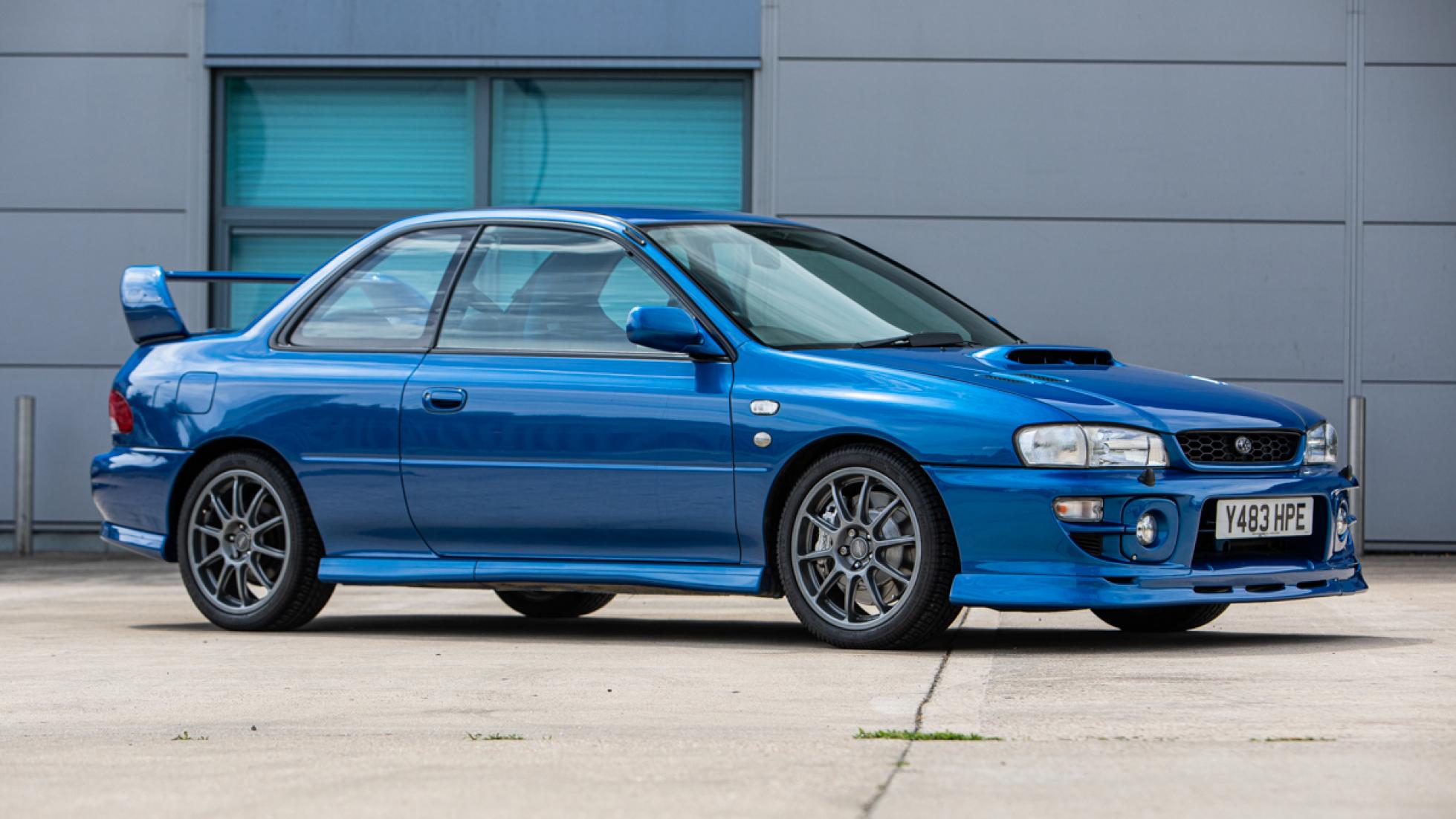
2000s Average New Car Price and Technology Expansion
In the 2000s, the average new car price rose significantly, typically falling between 20,000 and 28,000 dollars. This decade was defined by rapid technological advancement and increasing consumer expectations for comfort and safety.
Vehicles became far more advanced, with features such as GPS navigation systems, advanced airbag systems, anti-lock braking systems, and improved crash safety structures becoming more common. These innovations increased production costs but also improved vehicle value.
The popularity of SUVs and trucks continued to grow, which contributed to higher average prices across the market. These larger vehicles require more materials and more powerful engines, which naturally increases cost.
Global supply chains became increasingly important during this decade, allowing manufacturers to source parts from multiple countries. While this improved efficiency, it also introduced new logistical complexities that influenced pricing.
Economic events toward the end of the decade, including the global financial crisis, temporarily affected car sales and pricing strategies. Manufacturers introduced incentives and discounts to maintain demand during this period.
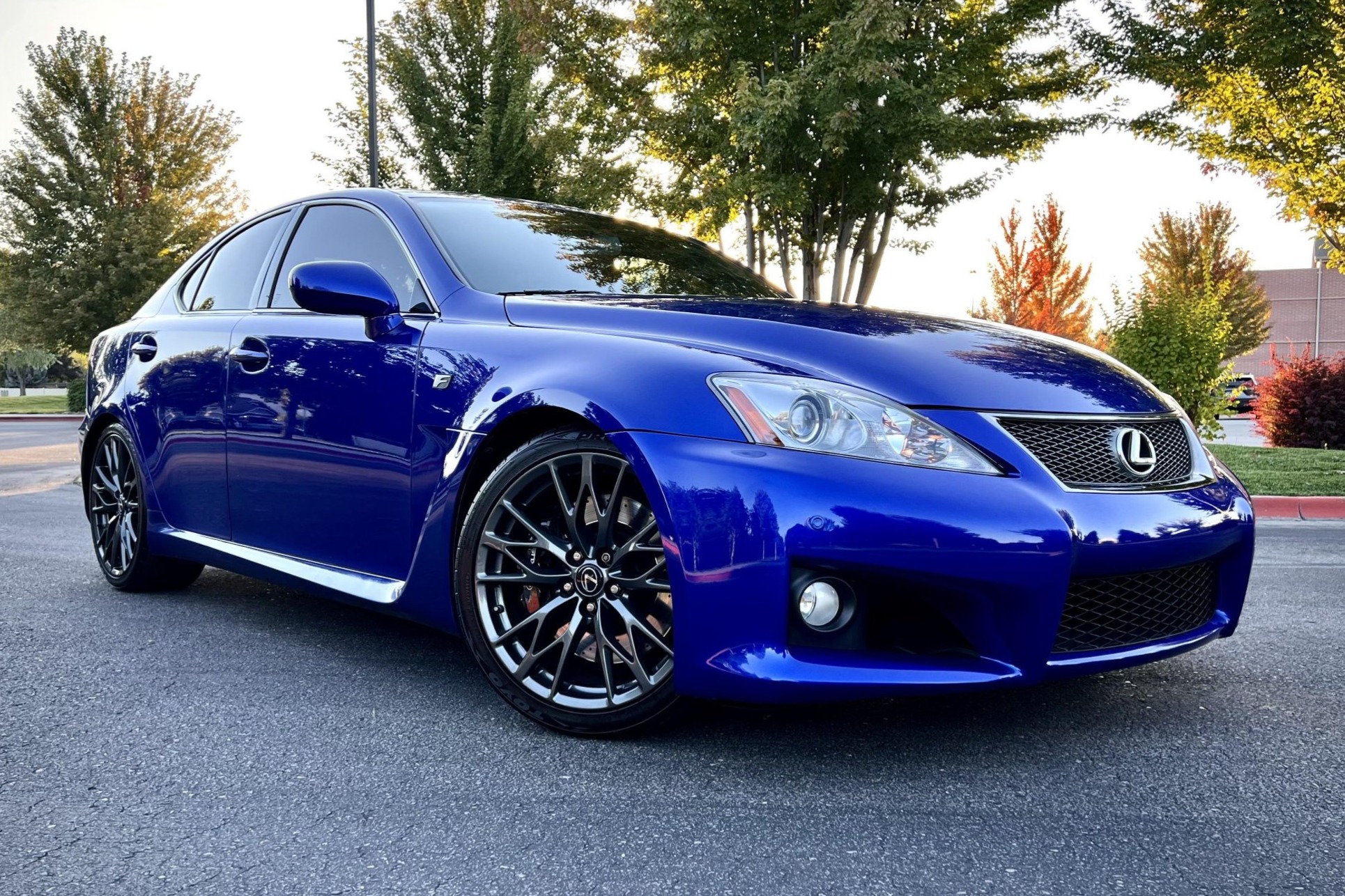
2010s Average New Car Price and Modern Automotive Trends
The 2010s saw the average new car price rise to approximately 30,000 to 35,000 dollars, making this the most expensive decade on record up to that point. This increase reflects the growing complexity of modern vehicles and changing consumer expectations.
Advanced safety systems such as lane departure warning, adaptive cruise control, and automatic emergency braking became more widely available. These technologies significantly improved road safety but also added substantial cost to vehicle manufacturing.
The rise of hybrid and electric vehicles also influenced pricing trends. While these vehicles often had higher upfront costs, they offered long-term savings in fuel expenses and maintenance. Research and development investments in electric technology contributed to higher average prices across the industry.
Consumer demand shifted strongly toward SUVs and crossover vehicles, which continued to dominate sales. These vehicles tend to be more expensive than traditional sedans, further increasing the market average.
Digital connectivity became a standard expectation, with features such as smartphone integration, touch screen infotainment systems, and internet-enabled services becoming common. These advancements marked the transformation of cars into highly connected technology platforms.
2020s Average New Car Price and the Impact of Electrification
The 2020s have pushed new car pricing into a noticeably higher range, with the average new vehicle price in many markets often sitting between 40,000 and 50,000 dollars, depending on region, model mix, and economic conditions.
This decade has been shaped heavily by supply chain disruptions, rapid electrification, and a strong shift toward software-defined vehicles. Compared to earlier decades, the increase is not only driven by inflation but also by structural changes in what a car actually is today.
One of the biggest forces behind rising prices is the acceleration of electric vehicle adoption. Models such as those from Tesla have pushed the industry toward battery-powered platforms that require expensive raw materials like lithium, nickel, and cobalt.
Even traditional automakers transitioning to EV production have had to invest heavily in new factories, battery supply chains, and software development, all of which increase vehicle cost.
Another major factor is the post-pandemic supply chain instability that affected semiconductor availability. Modern cars rely on hundreds of microchips for everything from engine management to infotainment systems.
When chip shortages hit global production, manufacturers reduced output and, in many cases, prioritized higher-margin vehicles. This shift naturally pushed average transaction prices upward.
Consumer expectations have also evolved further in this decade. Features that were once considered premium, such as advanced driver assistance systems, large touchscreen dashboards, over-the-air software updates, and fully digital instrument clusters, are increasingly standard.
These systems improve safety and convenience but significantly increase the engineering and production cost per vehicle.
Regulatory pressure around emissions and safety continues to tighten globally. Automakers must now design vehicles that comply with stricter efficiency standards while also meeting consumer demand for performance and comfort. This balancing act has made vehicle development more expensive than ever before, reinforcing the upward trend in pricing.
