

Buying a used car can be one of the smartest financial decisions if done correctly, but it can also turn into an expensive mistake if important details are ignored. Unlike a new car, a used vehicle comes with a history that you may not fully know at first glance.
That history includes how the car was driven, how well it was maintained, whether it was involved in accidents, and how many shortcuts were taken during repairs. This is why asking the right questions before finalizing a deal becomes the most important step in the entire used car buying process.
A careful approach not only protects your money but also ensures safety, reliability, and long-term satisfaction with your purchase. Many buyers get influenced by appearance, polished interiors, or a smooth short test drive, but these surface impressions rarely reveal deeper mechanical or legal issues.
Understanding what to ask helps you look beyond the shine and focus on real value. It also gives you leverage during price negotiations because informed buyers are harder to mislead. In a competitive used car market, sellers may not always disclose every detail unless asked directly.
That is why having a structured used car inspection mindset is essential. This guide is designed to walk you through the six most important questions you should always ask before buying a used car. Each question uncovers a critical layer of the vehicle’s condition, from accident history and maintenance records to paperwork authenticity and market value comparison.
By the end, you will have a clear understanding of how to evaluate a used car like a professional and avoid common mistakes that lead to regret after purchase. Whether you are a first-time buyer or someone looking to upgrade within a budget, these questions will help you make a confident, informed, and financially sound decision.
Also Read: 10 Electric Vehicles That Spend the Least Time at Charging Stations
1. Has the Car Been in Any Major Accidents?
Understanding whether a used car has been in a major accident is one of the most important steps in evaluating its true condition.
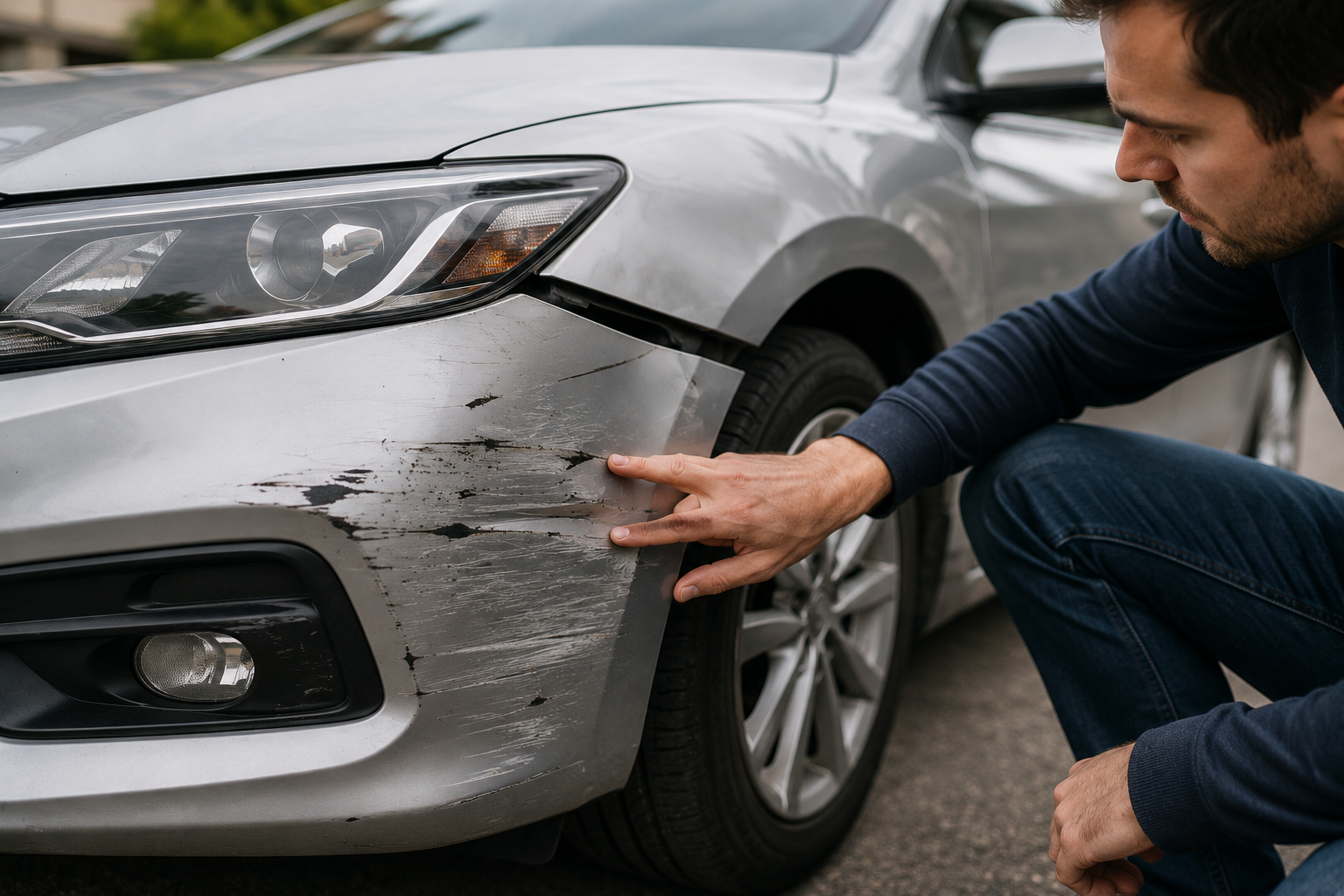
Accident history affects not only the structural integrity of the vehicle but also its long-term safety and resale value. Even if a car looks perfectly repaired on the outside, internal damage to the frame, suspension, or alignment can lead to ongoing issues that are expensive to fix.
When asking this question, it is important to go beyond a simple yes or no answer and request detailed information about the nature of the accident, the severity of the damage, and the type of repairs that were performed. A serious collision can weaken the car’s foundation, making it less stable during high-speed driving or emergency braking situations.
A well-maintained accident report should ideally include insurance claim records or service center documentation. These records provide transparency and help verify whether the repairs were done using genuine parts and proper procedures. Many sellers may downplay minor accidents, but even small impacts can affect sensors, airbags, and wheel alignment.
That is why a physical inspection by a trusted mechanic is also necessary after gathering verbal information. Paint inconsistencies, uneven panel gaps, and welding marks often reveal hidden repair work that is not mentioned by the seller.
One important aspect to consider is whether the car was categorized as a total loss by an insurance company at any point. Such vehicles are often repaired and resold at lower prices, but they carry higher risks in terms of reliability and safety.
Buyers should be extremely cautious in these cases, even if the price looks attractive. A used car buying guide always emphasizes that accident history directly influences long-term ownership costs.
Understanding accident history also helps in resale planning. Cars with clean records retain value better and attract more buyers in the future. Therefore, this question is not just about current safety but also about protecting your investment over time.
2. What Is the Service and Maintenance History?
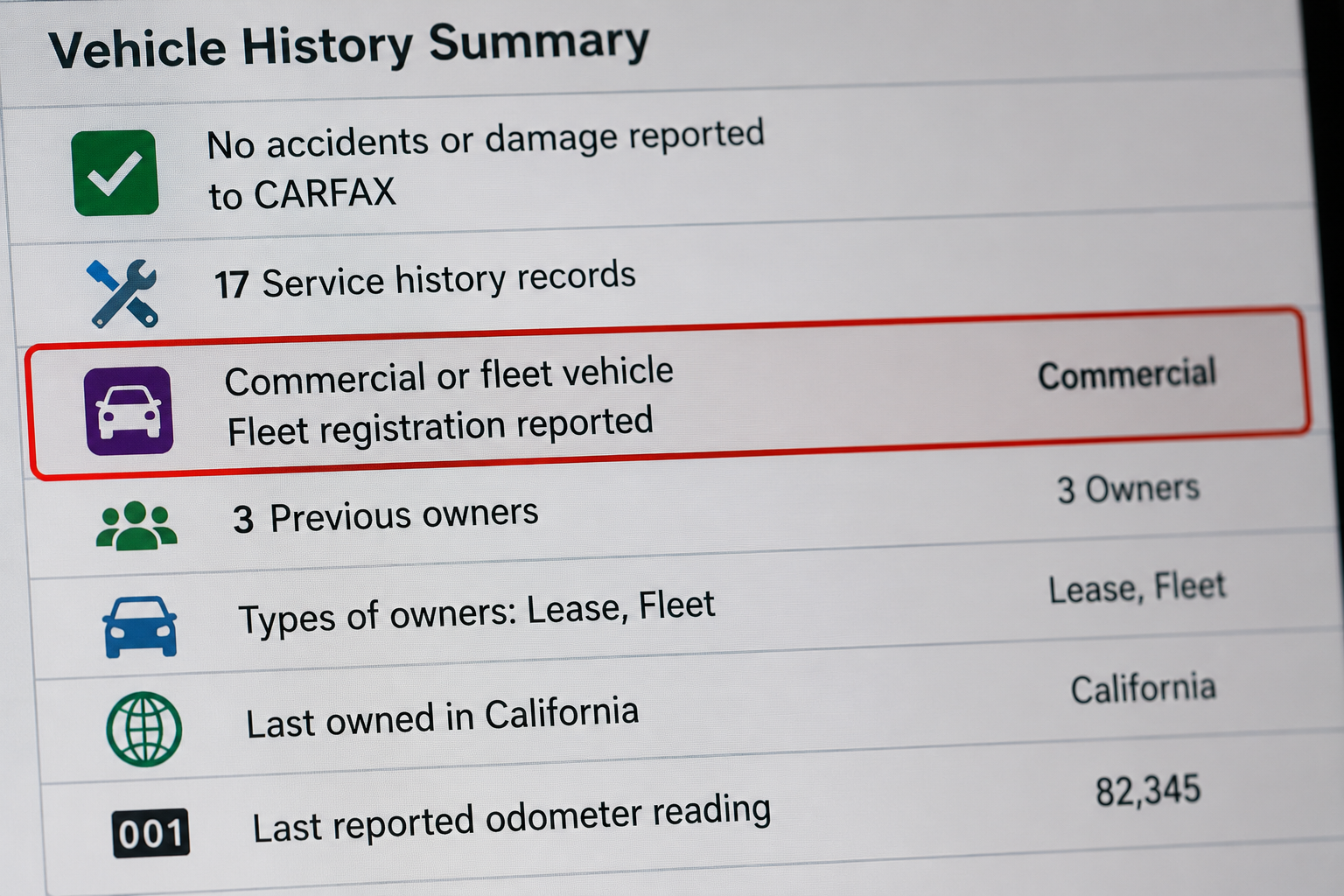
The service and maintenance history of a used car tells you how well the vehicle has been cared for throughout its life. This is often a more reliable indicator of future performance than the car’s appearance or mileage alone.
A properly maintained vehicle will usually have regular servicing records that show oil changes, filter replacements, brake checks, and scheduled inspections at consistent intervals. These records help you understand whether the previous owner followed manufacturer recommendations or ignored basic upkeep.
When reviewing maintenance history, it is important to look for authorized service center stamps or digital service records. These documents provide proof that the car was serviced using proper tools and genuine parts.
Cars that have been maintained irregularly or at unverified workshops may have hidden issues that are not immediately visible. For example, delayed oil changes can lead to engine wear, while ignored brake maintenance can affect driving safety.
A complete service history also reveals patterns in repairs. If the same component has been replaced multiple times, it may indicate an underlying issue that was never fully resolved. This is especially important for parts like the transmission, clutch system, and cooling system, which are expensive to repair.
A well-documented history gives you confidence that the car has been handled responsibly and reduces the risk of unexpected breakdowns.
It is also useful to compare maintenance records with the car’s age and mileage. A low-mileage car with poor service history can sometimes be riskier than a higher-mileage car that has been consistently maintained. This helps buyers avoid common misconceptions about mileage being the only measure of condition.
A strong maintenance record often translates into better resale value and fewer future expenses. It reflects disciplined ownership and gives you a clearer picture of what to expect after purchase, making it a crucial part of any used car buying decision.
3. What Is the Real Mileage and Condition of the Engine?
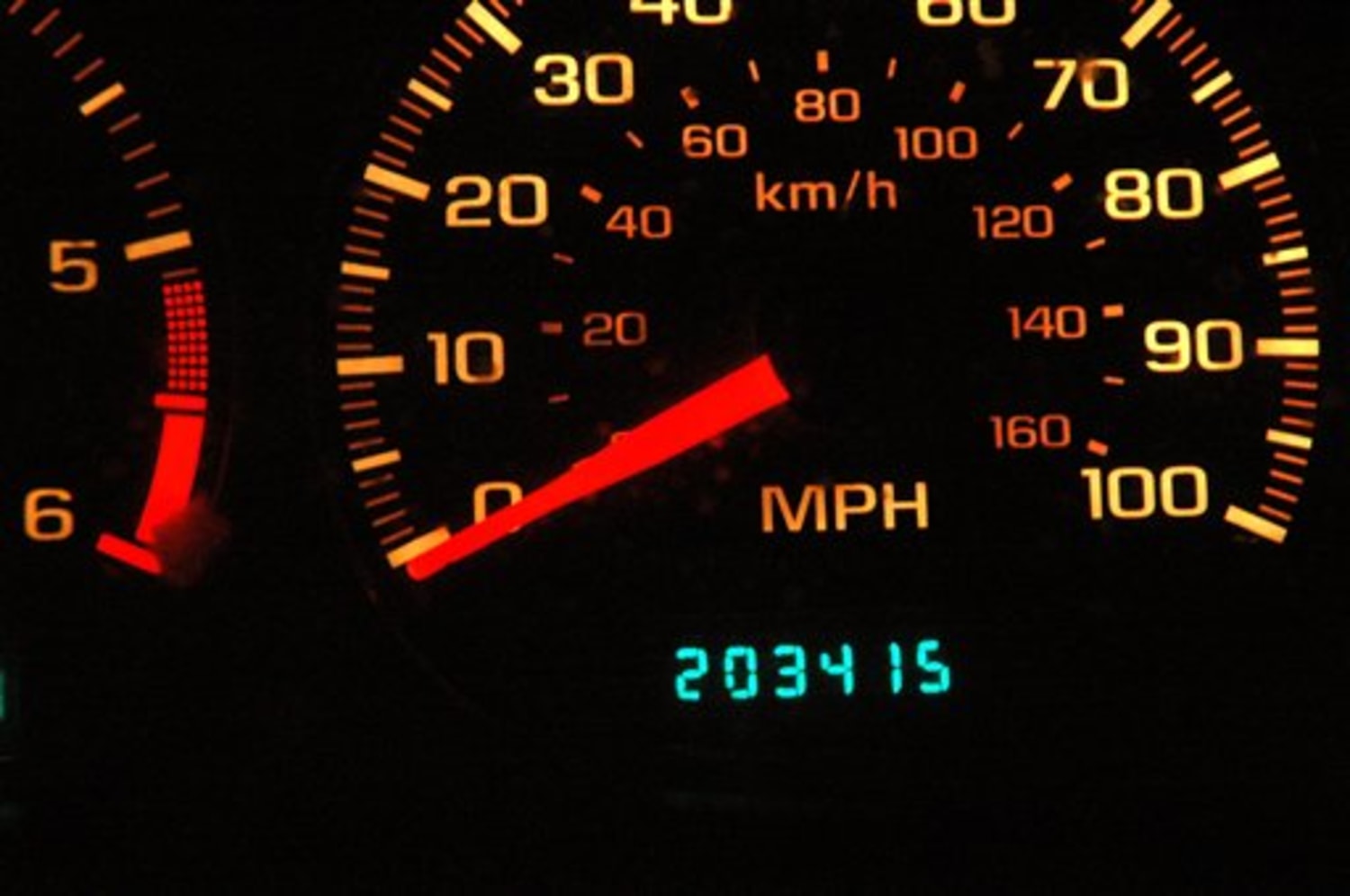
Mileage is often one of the first things buyers check, but it does not always tell the full story about a used car’s condition. Asking about real mileage and engine condition helps you understand how much wear and tear the vehicle has actually experienced.
In some cases, odometers may have been tampered with to show lower readings, which is why verification through service records and inspection becomes essential. A genuine mileage reading combined with proper maintenance history provides a more accurate picture of engine life.
The engine is the heart of any vehicle, and its condition determines performance, fuel efficiency, and reliability. During inspection, factors such as engine noise, smoke from the exhaust, vibration levels, and oil leakage should be carefully evaluated. A healthy engine runs smoothly without unusual knocking sounds or excessive vibration. Any irregular noise could indicate internal wear or lack of proper maintenance.
Compression testing is a method used by mechanics to assess engine health. It measures the pressure inside the cylinders and helps identify issues like worn piston rings or valve leaks.
Although buyers may not perform this test themselves, requesting a professional evaluation adds an extra layer of confidence before purchase. Engine condition directly impacts long-term ownership costs, making this step extremely important.
It is also important to consider how the car was driven. Highway-driven cars often experience less engine stress compared to those used in heavy city traffic. Stop-and-go driving can increase wear on the engine and transmission over time. Understanding driving patterns helps interpret mileage more accurately.
Real mileage combined with engine health gives you a realistic expectation of how long the car will last without major repairs. This question helps prevent overpaying for a vehicle that may look good externally but is mechanically worn out internally.
Also Read: 10 Reasons Cars Got Smaller Over the Last 60 Years
4. Are There Any Hidden Mechanical or Electrical Issues?
Hidden mechanical and electrical issues are among the most common problems in used cars, and they often appear after purchase if not properly checked beforehand.
Modern vehicles contain complex electronic systems that control everything from engine performance to safety features, which means even small faults can become expensive to repair. Asking this question encourages transparency and allows you to identify potential risks early.
A proper inspection should include checking the suspension system, gearbox performance, braking efficiency, and steering response. Any unusual behavior, such as delayed gear shifts, uneven braking, or difficulty in steering, could indicate deeper mechanical problems.
These issues may not always be obvious during a short test drive, which is why a longer and more detailed evaluation is recommended.
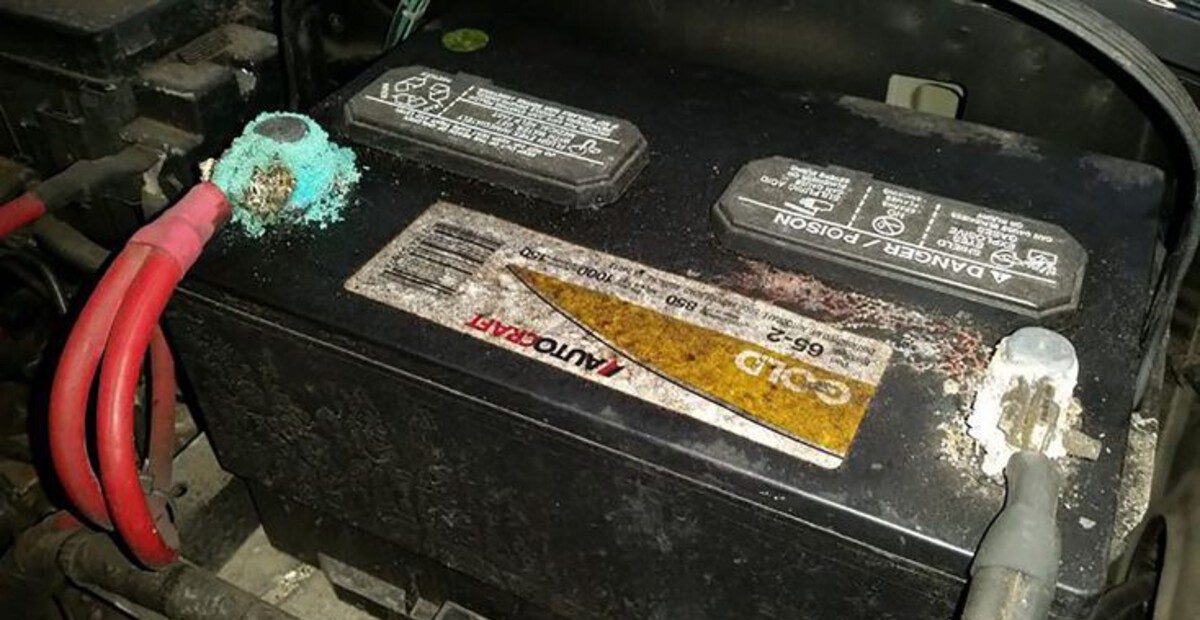
Electrical systems are equally important in today’s vehicles. Faulty wiring, malfunctioning sensors, or battery drainage issues can lead to unpredictable performance. Features such as power windows, air conditioning, dashboard indicators, and infotainment systems should all be tested thoroughly. Even minor electrical faults can signal poor maintenance or previous water damage.
Water damage is a particularly serious concern because it can affect both mechanical and electrical components simultaneously. Signs such as damp interiors, rust under seats, or foggy headlights may indicate past flooding. Such vehicles often have recurring issues that are difficult to fully resolve.
A professional diagnostic scan can help detect hidden error codes stored in the car’s computer system. This is one of the most reliable ways to uncover issues that are not visible during physical inspection. Investing in a diagnostic check before purchase can save significant repair costs later.
5. Is the Paperwork and Ownership History Clean?
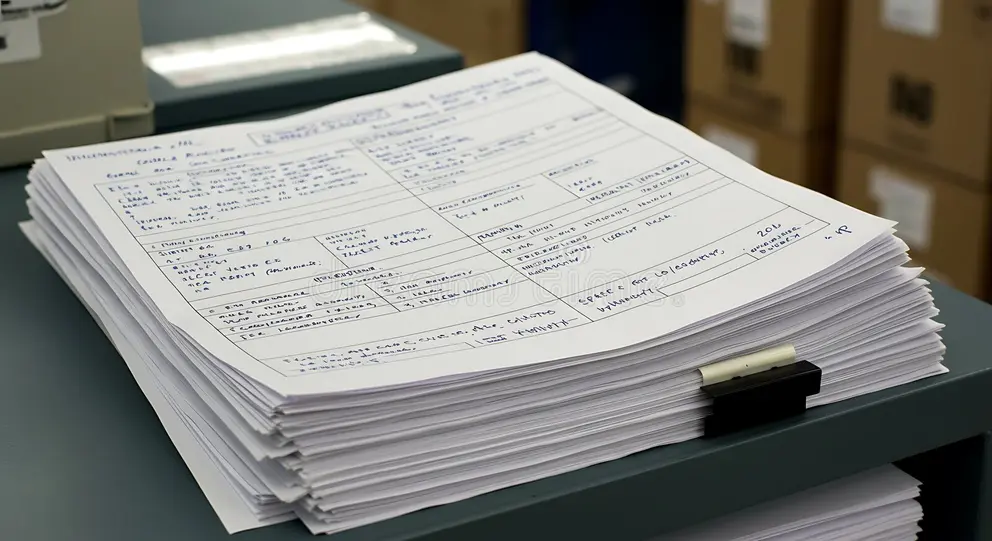
Clean paperwork and clear ownership history are essential when buying a used car because they ensure that the vehicle is legally safe to purchase and register.
Without proper documentation, even a well-performing car can become a legal problem. This question helps verify that the seller has full legal rights to sell the vehicle and that there are no pending disputes, loans, or legal restrictions attached to it.
Important documents include the registration certificate, insurance papers, pollution certificate, and service records. Each of these documents should be checked carefully for authenticity and consistency. Any mismatch in chassis number, engine number, or owner details should be treated as a warning sign. Proper documentation ensures that the car can be transferred to your name without complications.
Ownership history also provides insight into how many people have used the car before you. A single-owner car is generally preferred because it often indicates more consistent maintenance and careful usage. Multiple ownership transfers within a short period may suggest recurring issues or dissatisfaction among previous owners.
It is also important to check for outstanding loans or hypothecation status. If the car is still under finance, the loan must be cleared before ownership transfer. Failing to verify this can lead to legal disputes later. Insurance validity is a critical factor because it affects both protection and resale value.
A clean paperwork history not only ensures legal safety but also increases trust and transparency in the transaction. It protects you from future complications and confirms that the vehicle is truly ready for ownership transfer.

6. Is the Price Fair Compared to Market Value?
Determining whether the asking price of a used car is fair compared to its market value is the final and one of the most strategic steps in the buying process. A well-priced vehicle reflects its condition, age, mileage, and demand in the market. Overpaying for a used car is a common mistake, especially when buyers are emotionally influenced by appearance or urgency.
To evaluate price fairness, it is important to compare similar models with the same year, mileage range, and condition. Market comparison helps establish a realistic price bracket and prevents inflated valuations.
Factors such as accident history, service records, and ownership details also significantly affect pricing. A car with a clean record and full maintenance history usually commands a higher price, while vehicles with issues should be priced lower accordingly.
Negotiation plays a key role in used car purchasing. Once you have identified potential issues through the previous questions, you can use that information to justify a better deal. For example, missing service records or minor repairs needed can be valid points for price reduction. Sellers often expect negotiation, so informed buyers are in a stronger position.
It is also important to consider future resale value when assessing price fairness. A slightly higher initial investment in a well-maintained car can result in better resale returns later. On the other hand, a cheaper car with hidden problems may cost more over time due to repairs and depreciation.
A fair price is not just about the lowest number but about value, reliability, and long-term ownership cost. Making a balanced decision ensures that your investment in a used car remains financially sound and practically useful for years to come.
