
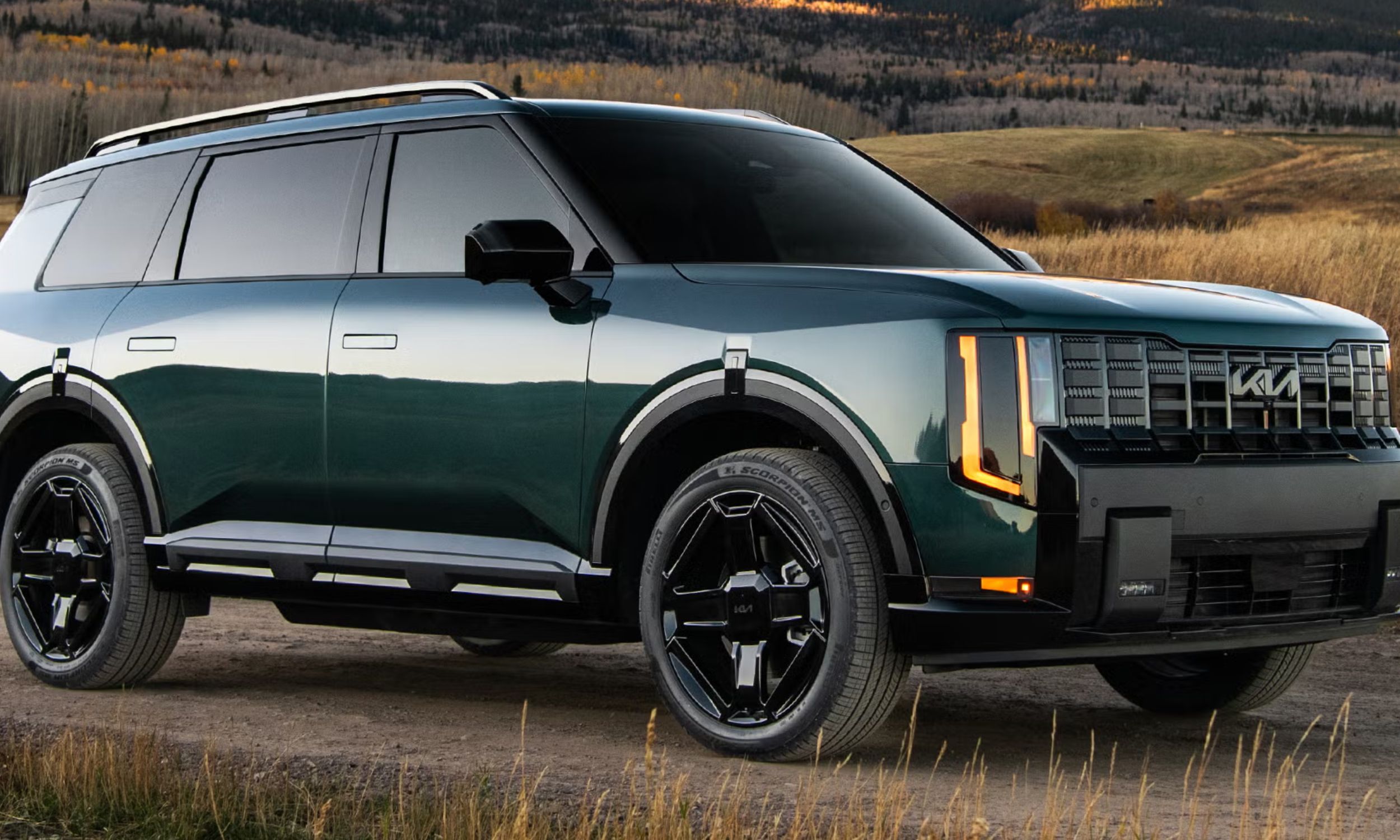
Automakers are preparing a major wave of next-generation vehicles for 2027, bringing fresh designs, updated powertrains, and interior technology that feels closer to advanced digital systems found in modern devices. Many well-known nameplates are receiving complete ground-up rebuilds rather than minor updates, giving buyers new styling directions, improved efficiency, and more refined driving experiences.
Across SUVs, sedans, and pickup trucks, manufacturers are leaning into hybrid systems, turbocharged engines, and electric assistance to meet changing expectations. Cabin layouts are also receiving attention, with wider screens, simplified controls, and improved comfort features becoming common across segments.
This lineup includes family-friendly three-row SUVs, performance-oriented sedans, and heavy-duty trucks that have shaped their segments for years. Each model enters a new generation with revised engineering, new materials, and refreshed proportions that reflect modern design priorities.
From luxury-focused cabins to utility-driven platforms, these vehicles represent how the next wave of automotive development is taking shape for 2027.
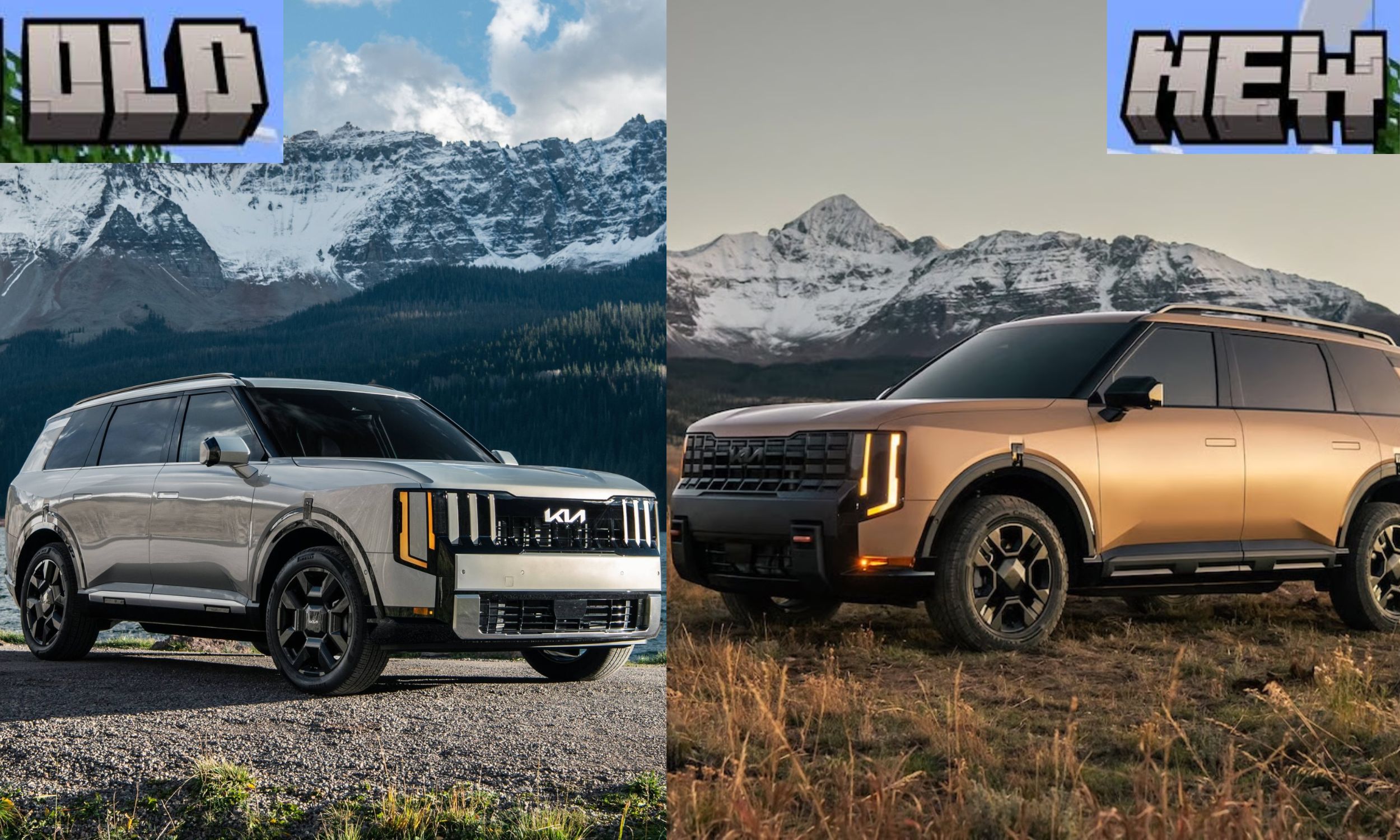
1. Kia Telluride (Second Generation)
- Engine: 2.5L Turbocharged 4 Cylinder Hybrid
- Horsepower: 329 hp (total system output)
- Torque: ~310 lb-ft
- Size: 199.5 in long x 78.3 in wide
The Redesign Evolution: Shifting away from its long-running naturally aspirated V6 engine, the popular three-row family hauler adopts a blocky, ultra-imposing vertical front fascia. The new model introduces a highly anticipated, high-efficiency hybrid engine option paired with massive dual-panoramic interior glass displays.
The second-generation Kia Telluride arrives with a design direction that emphasizes a stronger road stance and updated hybrid engineering. The exterior no longer leans toward rounded body surfacing. Instead, the shape uses straighter body lines, a more vertical front end, and a taller grille structure that gives the SUV a more upright presence when viewed head-on.
Lighting elements are arranged in a stacked pattern that blends into the front fascia rather than sitting as separate units. This approach supports a more unified visual identity from front to rear. Inside the cabin, the layout has been rebuilt with a dual-screen setup stretching across the dashboard.
Driver information and infotainment controls sit side by side under a single glass panel, reducing the separation between instruments and media functions. Seating materials have been updated with higher-density padding that improves long-distance comfort. The third row receives additional legroom due to a longer wheelbase measurement, making it more usable for adults during extended trips.
The powertrain marks a major departure from previous versions. A 2.5-liter turbocharged hybrid system replaces the older naturally aspirated engine lineup. Electric assistance supports acceleration from a standstill and helps reduce fuel use during steady highway travel.
Steering response has been tuned for smoother feedback during city driving, while suspension damping has been adjusted to reduce body movement over uneven surfaces. The Telluride now presents a more structured identity paired with improved efficiency and expanded interior usability.
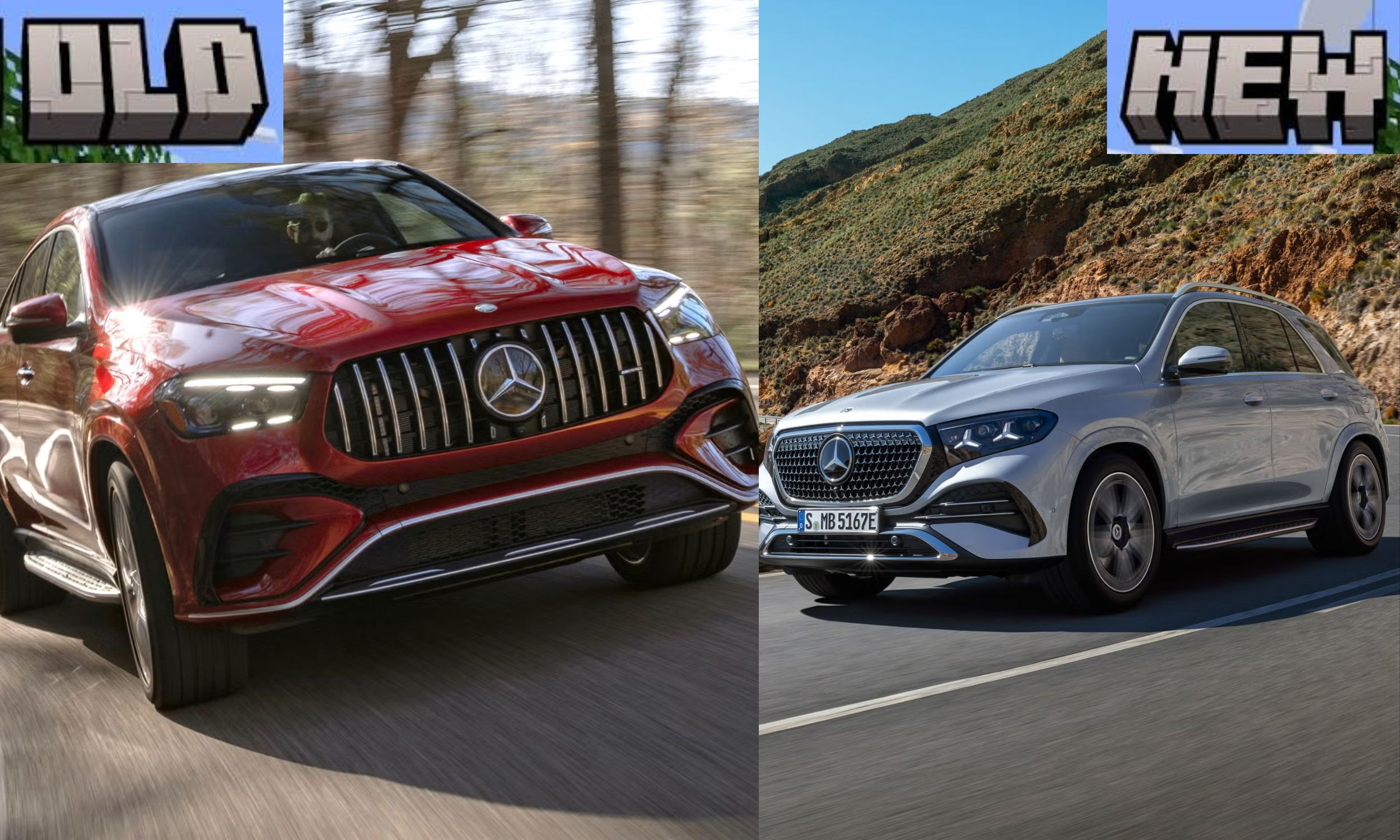
2. Mercedes-Benz GLE-Class
- Engine: 3.0L Turbocharged Inline-6, optional 4.0L Twin-Turbo V8
- Horsepower: 375 hp to 510 hp
- Torque: 369 lb-ft to 516 lb-ft
- Size: 194.4 in long x 76.7 in wide
The Redesign Evolution: The premium midsize SUV enters a brand-new generation focused on extreme digital integration. The exterior features sleeker aero curves, while the interior cabin is completely dominated by a pillar-to-pillar glass dashboard screen utilizing adaptive artificial intelligence architecture.
The redesigned GLE-Class introduces a cabin experience centered on continuous digital display technology. The dashboard is built around a single glass panel that stretches across the entire front row, merging instrument information, navigation, and entertainment functions into one visual surface. Physical buttons have been reduced, replaced by touch-sensitive controls and voice interaction tools designed for quicker input recognition.
Exterior styling takes a smoother direction, with curved aerodynamic surfaces replacing sharper body cuts seen in earlier generations. The front grille retains brand identity but now integrates lighting elements that blend into the bodywork. Wheel designs have also been updated to reduce drag while maintaining visual strength.
Powertrain options include a 3.0-liter turbocharged inline six engine and an available 4.0-liter twin-turbo V8. These setups offer a range of output levels that support both efficient commuting and stronger acceleration demands. Suspension tuning has been revised to improve stability during lane changes and highway cruising, with additional focus on reducing cabin vibration.
Inside, seating surfaces now include multi-layer cushioning materials that support longer driving periods. Ambient lighting zones extend across door panels and dashboard surfaces, giving the interior a more controlled atmosphere during night driving.
Climate management systems also respond faster to cabin temperature changes, improving comfort consistency. The GLE-Class now delivers a more digitally centered cabin paired with refined exterior aerodynamics.
Also Read: 8 SUVs Getting a Ground-Up Redesign for 2027
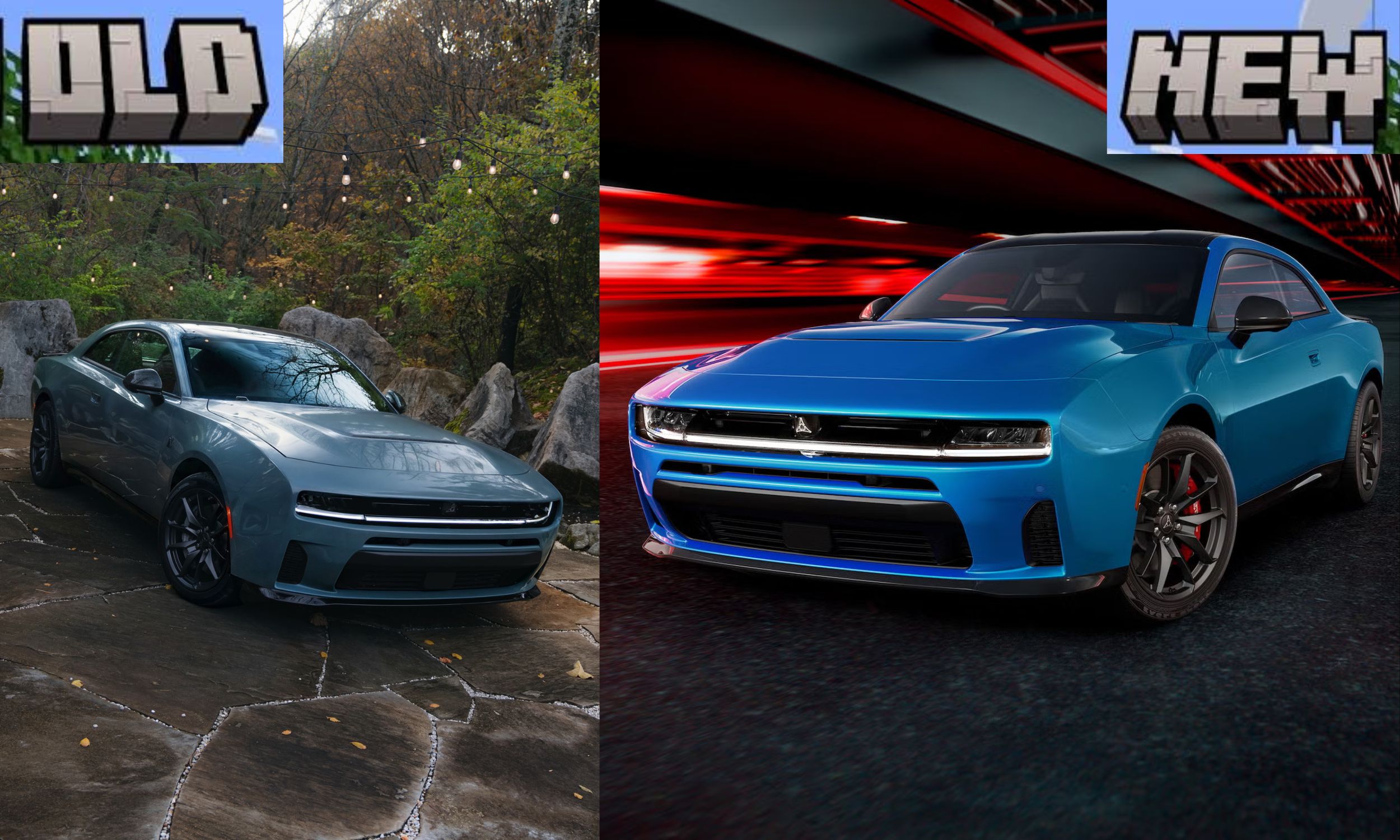
3. Dodge Charger
- Engine: 3.0L Twin-Turbo Inline-6 Hurricane
- Horsepower: 420 hp to 550 hp
- Torque: 469 lb-ft to 521 lb-ft
- Size: 198.5 in long x 74.8 in wide
The Redesign Evolution: Dropping its historic V8 HEMI layout, the icon returns on a sophisticated contemporary chassis. It transitions into a sleek, wide-body design featuring aerodynamic hood-duct technology, high-output twin-turbo power, and a modern digital command cockpit.
As things stand, the Dodge Charger has stepped into a new generation that brings a full change in both its engine setup and body structure. Instead of the long-running V8 arrangement, it now uses a twin-turbo inline-six system designed for a stronger balance between performance and efficiency.
From the outside, the car now sits lower with a wider stance, giving it a more planted look when viewed from the side. Air channels on the hood help control cooling and airflow during fast driving, especially on open roads where heat builds up quickly.
Inside the cabin, attention has moved toward a cleaner and more digital setup. The driver now gets a fully digital instrument display paired with a large central touchscreen that handles most vehicle functions. Seat positioning has been slightly adjusted so that the driver can see better around corners and during lane changes.
The interior materials combine soft-touch finishes with tougher trims that can handle daily use without wearing out quickly. Under the hood, power output sits between 420 horsepower and 550 horsepower, depending on the version chosen. The engine response has been tuned so acceleration feels steady and controlled across different driving situations, whether in traffic or on faster roads.
Steering input has also been refined to give clearer feedback when changing direction, helping the driver feel more in control. For handling, the suspension setup has been reworked to reduce unwanted movement during hard acceleration and sudden braking.
The braking system has also been upgraded with stronger components that can handle repeated heavy use without losing performance during long drives or demanding conditions. The Charger now presents a modern performance sedan identity supported by updated turbocharged engineering.
4. Alfa Romeo Stelvio
- Engine: 2.0L Turbocharged 4 Cylinder Plug-in Hybrid
- Horsepower: 450 hp (total system output)
- Torque: ~400 lb-ft
- Size: 184.8 in long x 74.9 in wide
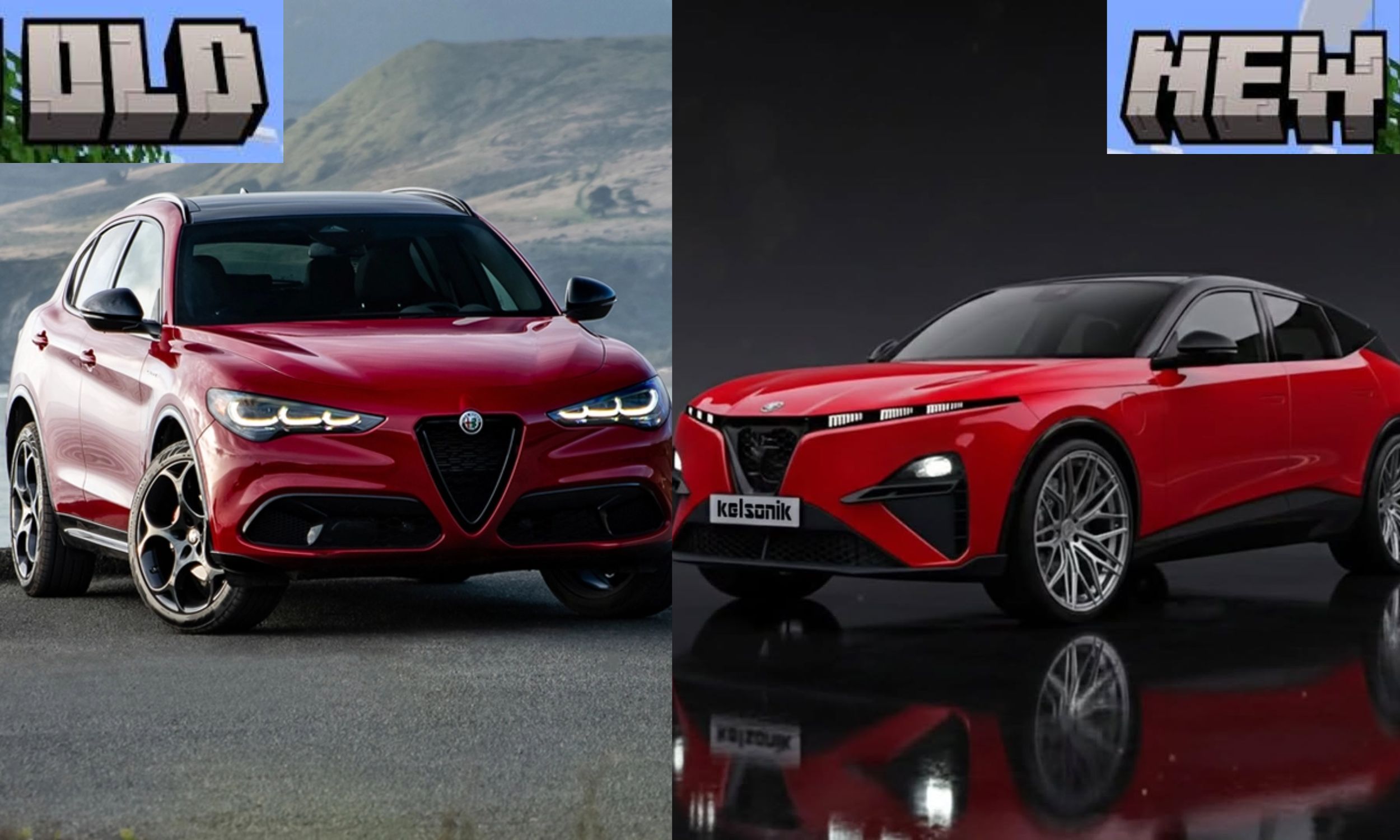
The Redesign Evolution: Moving onto the advanced STLA Large chassis architecture, the Stelvio upgrades to an aggressive Italian styling footprint with a reimagined Trilobo triangular grille matrix. The mechanical loops completely change to favor raw electric and high-performance hybrid traction units.
The Stelvio enters a new generation built on a revised platform that supports hybrid performance and improved structural rigidity. The exterior design introduces a sharper interpretation of the brand grille, paired with a more sculpted hood and tighter body lines that run toward the rear. Lighting signatures have been redesigned to create a thinner, more precise appearance at both ends of the vehicle.
Inside, the cabin uses a driver-centered layout with a reduced number of physical controls. A curved digital display sits within the dashboard, combining driving data and infotainment access in a single visual unit. Seating position has been adjusted for a lower driving feel that supports a better connection with road feedback.
The powertrain combines a 2.0-liter turbocharged engine with plug-in hybrid assistance. This setup produces strong output while allowing electric-assisted driving during short-distance travel. Energy recovery systems have been improved to capture braking energy more efficiently and feed it back into the battery system.
Handling characteristics have been refined with updated suspension tuning that reduces body roll during cornering. Steering response has been calibrated for quicker input reaction without reducing stability at higher speeds. Brake systems also receive upgraded components to support repeated performance use. The Stelvio now presents a performance-oriented hybrid SUV design with updated platform engineering.
5. Toyota Camry
- Engine: 2.5L 4 Cylinder Hybrid
- Horsepower: 230 hp to 238 hp
- Torque: 163 lb-ft
- Size: 194.1 in long x 72.4 in wide
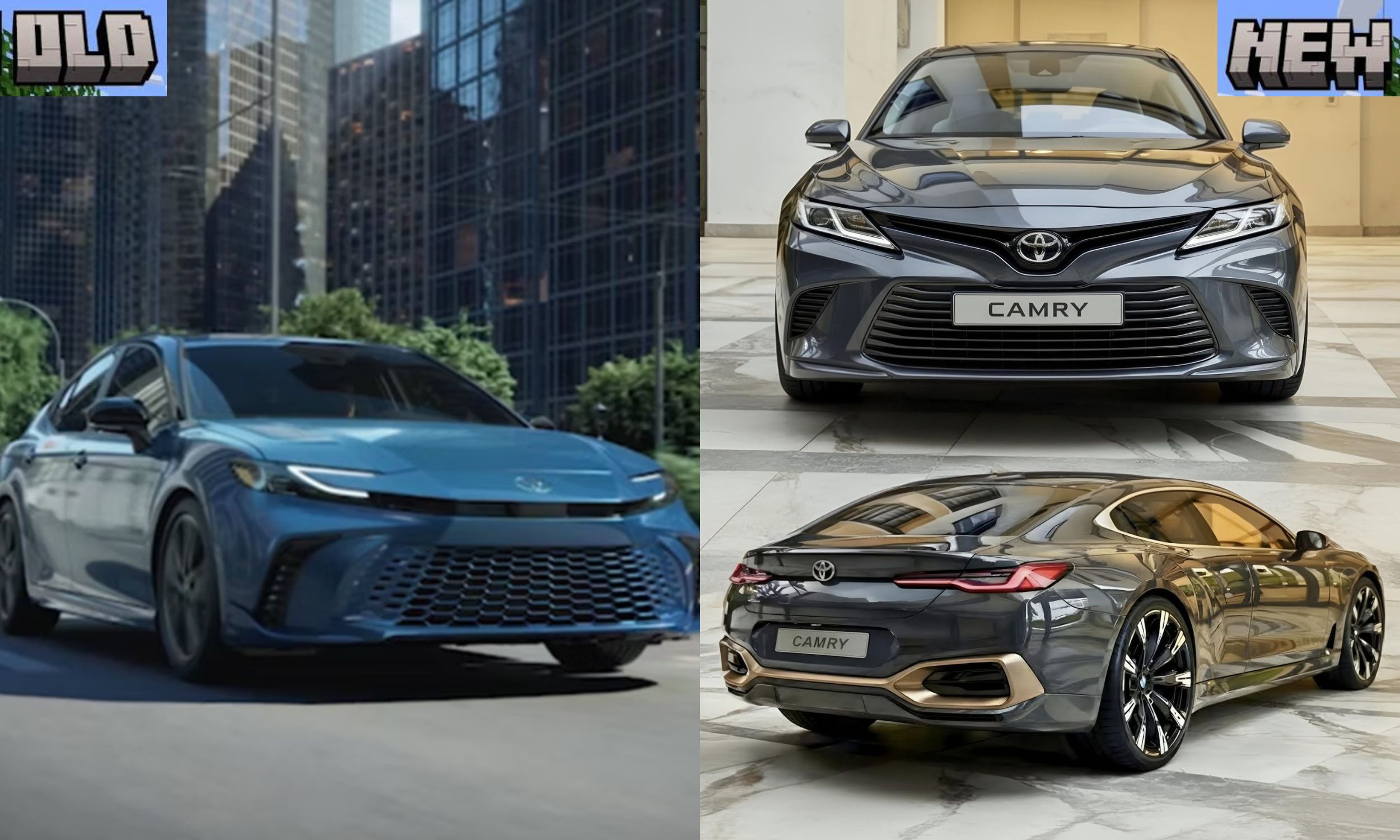
The Redesign Evolution: Following a swift mid-cycle platform advancement, the best-selling sedan receives an elegant, low-profile makeover heavily inspired by Toyota’s luxury Lexus division. The signature updates focus on advanced aerodynamic lower splitters and an upgraded hybrid powertrain map targeting over 54 MPG.
The Camry receives a redesigned body structure that leans toward a lower, more aerodynamic sedan profile. The front fascia has been reshaped with a wider grille opening and slimmer lighting elements that extend toward the fenders. Body surfaces are smoother, reducing airflow resistance during highway driving.
Inside the cabin, the dashboard layout has been simplified with a wider central display and reduced physical switch count. Seat cushioning has been improved to support longer daily commutes. Rear seating space remains generous, with improved knee clearance due to revised cabin packaging.
The hybrid system receives tuning updates that improve fuel efficiency while maintaining consistent acceleration during stop-and-go driving. Engine response has been adjusted for smoother power delivery during city use. Highway stability has been improved through suspension recalibration that reduces cabin vibration.
Noise insulation materials have been upgraded around door panels and floor sections, lowering road noise during higher-speed travel. Steering calibration has also been adjusted to improve straight-line stability during long-distance driving. The Camry now presents a refined sedan structure with updated hybrid efficiency and smoother driving behavior.
6. Kia Seltos
- Engine: 1.6L Turbocharged Hybrid 4 Cylinder
- Horsepower: 195 hp
- Torque: 195 lb-ft
- Size: 173.8 in long x 71.4 in wide
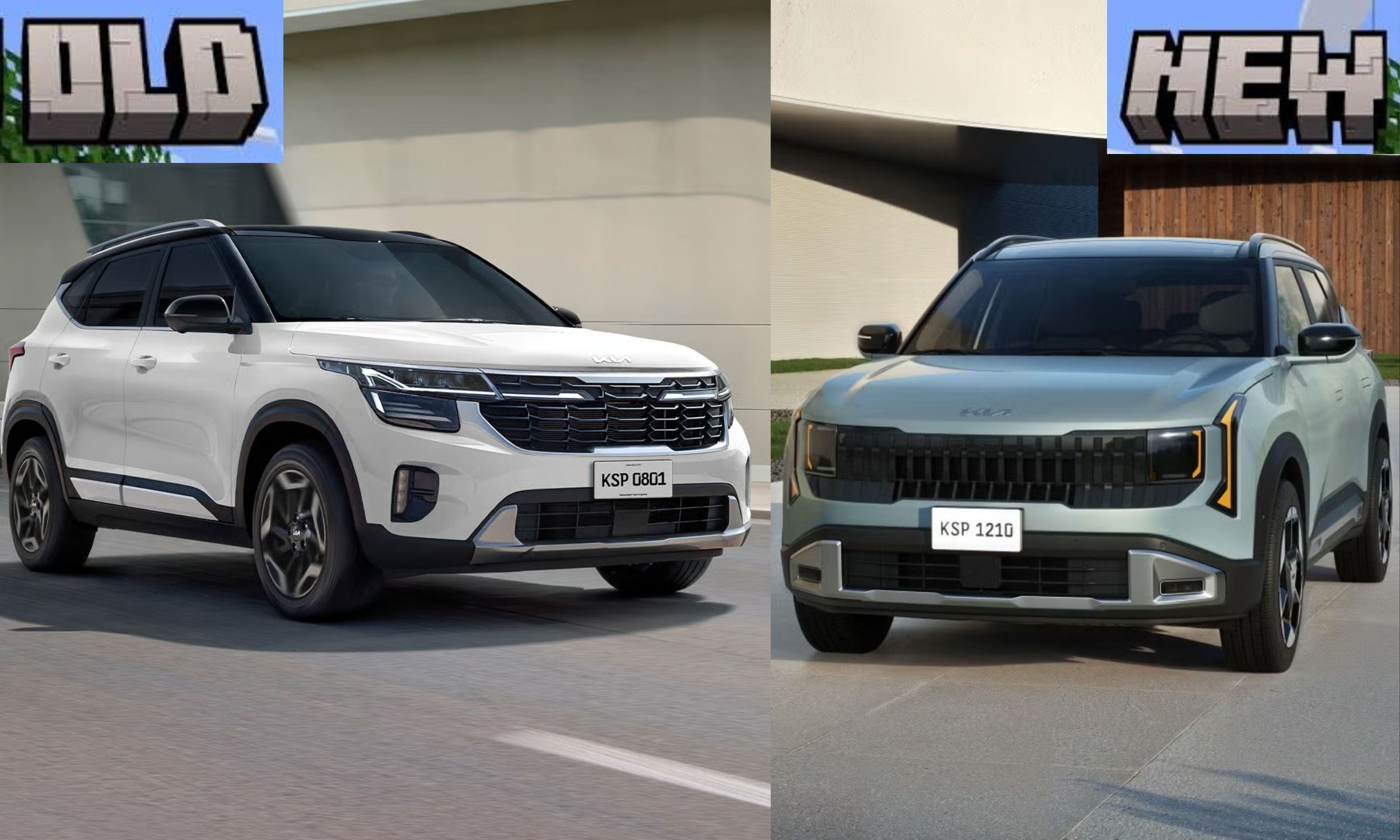
The Redesign Evolution: The subcompact utility cruiser grows slightly in dimensions to yield class-leading second-row legroom. Adopting the rugged, blocky styling language of its larger EV9 and Telluride siblings, it introduces a highly efficient e-AWD hybrid system.
The redesigned Kia Seltos enters a new generation with slightly larger proportions that enhance cabin space while keeping it within the compact SUV category. Its exterior now follows a more squared-off design approach, featuring sharper grille edges and more prominent body cladding around the wheel arches. The lighting elements have been repositioned to create a cleaner, more connected look across the front end, giving the vehicle a more cohesive appearance.
Inside the cabin, passengers benefit from improved space, especially in the second row, thanks to updated platform packaging that frees up additional legroom. The dashboard now includes a wider digital display setup that combines driving information and infotainment functions into one integrated screen system, reducing clutter and simplifying access to controls.
Storage areas throughout the interior have also been redesigned to make everyday items easier to organize and reach during regular use. The powertrain features a hybrid-assisted 1.6-liter turbocharged engine that delivers a balanced mix of efficiency and performance for both city commuting and highway driving.
Electric support helps reduce fuel use during slower speeds and stop-and-go traffic. An electronically controlled all-wheel-drive system distributes power between the front and rear axles, improving grip on wet roads, loose surfaces, and uneven roads.
Ride quality has also been refined through updated suspension tuning that smooths out bumps and road imperfections during urban driving while maintaining stability at higher speeds on the highway. Steering has been recalibrated to make low-speed maneuvers easier, especially in tight areas such as parking lots and narrow city streets, giving the driver a more controlled and responsive feel in everyday driving situations.
The Seltos now offers improved space utilization and hybrid-assisted performance.
7. Chevrolet Suburban / Tahoe
- Engine: 5.3L V8 / 6.2L V8 / 3.0L Diesel
- Horsepower: 305 hp to 420 hp
- Torque: 383 lb-ft to 460 lb-ft
- Size: 225.7 in long x 81.1 in wide
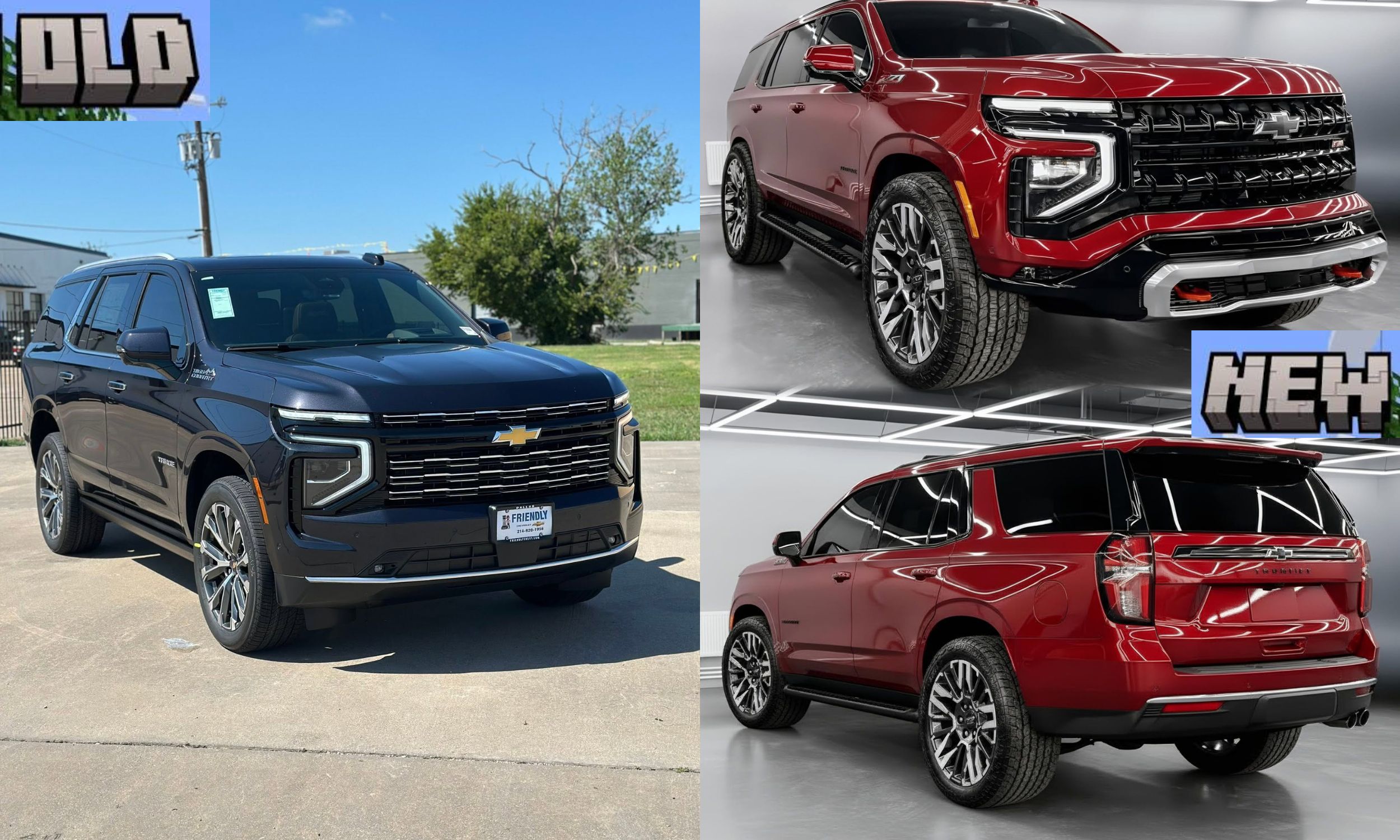
The Redesign Evolution: General Motors overhauls its massive full-size flagship frame with a clean-sheet structural redesign. The exterior ditches traditional block lights for ultra-thin geometric LED matrices, while the inner cabin steps up to column-mounted shifters to accommodate massive high-definition command screens.
The Suburban and Tahoe receive a full structural redesign using a new platform that supports updated powertrain flexibility and improved cabin packaging. Exterior styling replaces traditional block lighting with slim LED elements that extend across the front and rear sections. Body surfaces are smoother, reducing visual weight while maintaining full-size proportions.
Inside, the dashboard features a reworked layout that supports large digital displays and a simplified control arrangement. Column-mounted shifters replace older console-based systems, freeing up additional storage space in the center area. Seating layouts have been refined to improve passenger comfort across all three rows.
Engine options include V8 systems and a diesel variant tuned for towing performance and long-distance travel. Power delivery has been calibrated to support heavy load conditions while maintaining smoother acceleration during highway driving. Suspension improvements help manage vehicle weight more effectively during cornering and braking.
Cabin insulation materials have been upgraded to reduce wind and road noise during travel. Rear seating areas benefit from improved climate control distribution for more consistent temperature balance. The Suburban and Tahoe now deliver updated structural engineering paired with improved interior functionality.
Also Read: 10 Three-Row SUVs Getting Redesigned for 2027
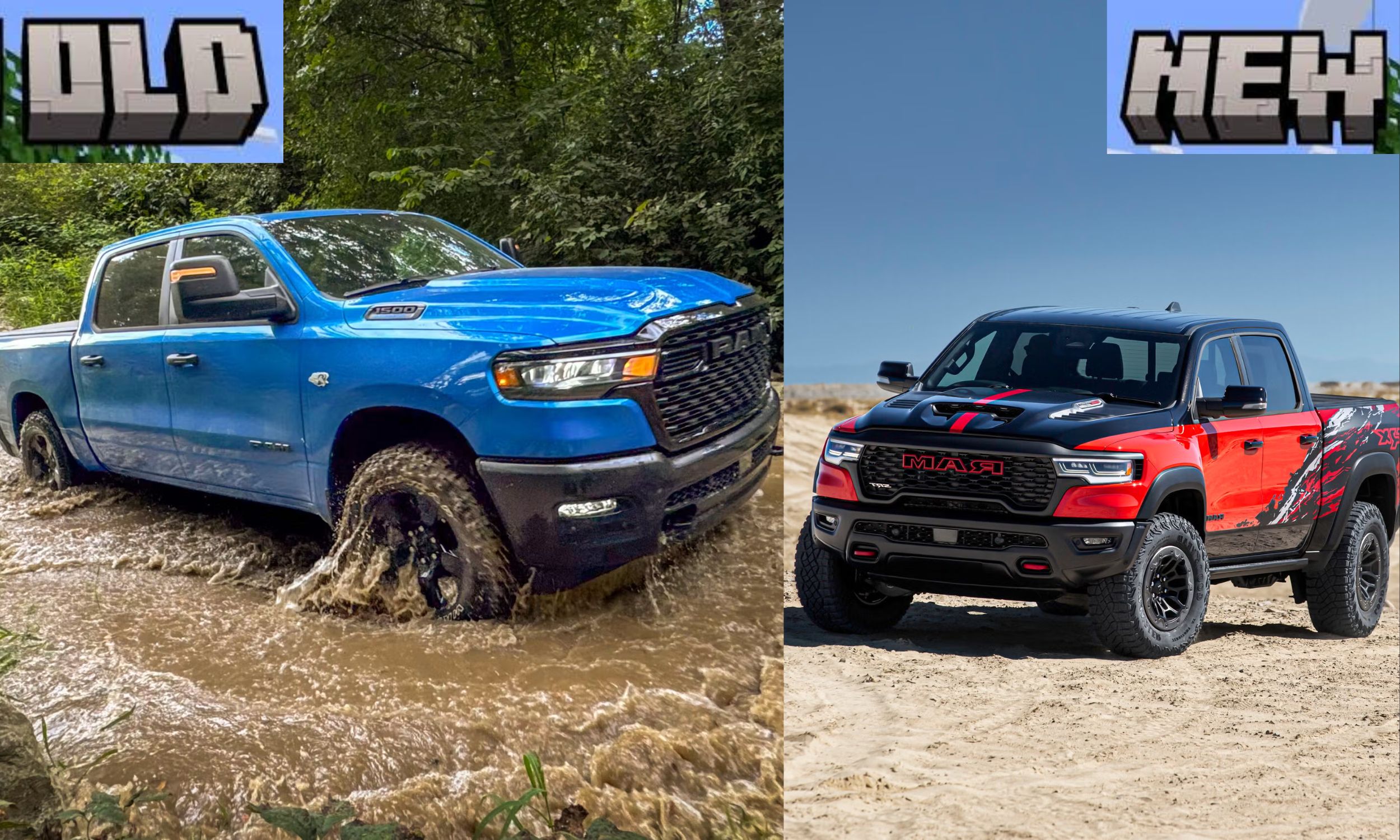
8. Ram 1500 Pickup
- Engine: 3.0L Twin-Turbo Inline-Six Hurricane, EV variants coming
- Horsepower: 420 hp to 540 hp
- Torque: 469 lb-ft to 521 lb-ft
- Size: 232.9 in long x 82.1 in wide
The Redesign Evolution: Ram completely updates its body framing, transitioning away from older steel-rail layouts to allow multi-energy integration. It showcases a highly distinct multi-LED lighting signature, premium luxury acoustic inner cabins, and advanced hands-free driving assist matrices.
The Ram 1500 enters a new generation built on a redesigned frame that accommodates hybrid systems, electric drivetrains, and traditional gasoline engines within the same platform. This updated structure improves flexibility across different configurations while supporting modern powertrain requirements.
On the outside, the truck now features a continuous lighting design that runs across the front end, giving it a more unified visual identity. The hood has been reshaped with stronger contours, and the entire body proportions have been adjusted to create a more confident stance on the road.
Inside the cabin, the focus is on comfort during extended drives. The seats have been upgraded with improved cushioning materials and enhanced adjustment options to provide better support for different body types and seating positions. Sound insulation throughout the cabin has also been improved, helping reduce both engine noise and road vibrations so the interior remains quieter, especially during highway travel.
Under the hood, the twin-turbocharged inline-six engine produces between 420 and 540 horsepower, depending on the selected setup. Power delivery has been refined to feel smoother, particularly when the truck is carrying weight or operating under load.
An upcoming electric version will expand the lineup further, offering additional choices for drivers who want alternative energy options. The suspension system has been redesigned to improve balance and stability when hauling heavy cargo or towing.
Steering has been tuned to deliver more consistent and predictable feedback at higher speeds, which helps during long highway drives. The braking system has also been reinforced to improve stopping performance when the vehicle is under heavier load conditions.
