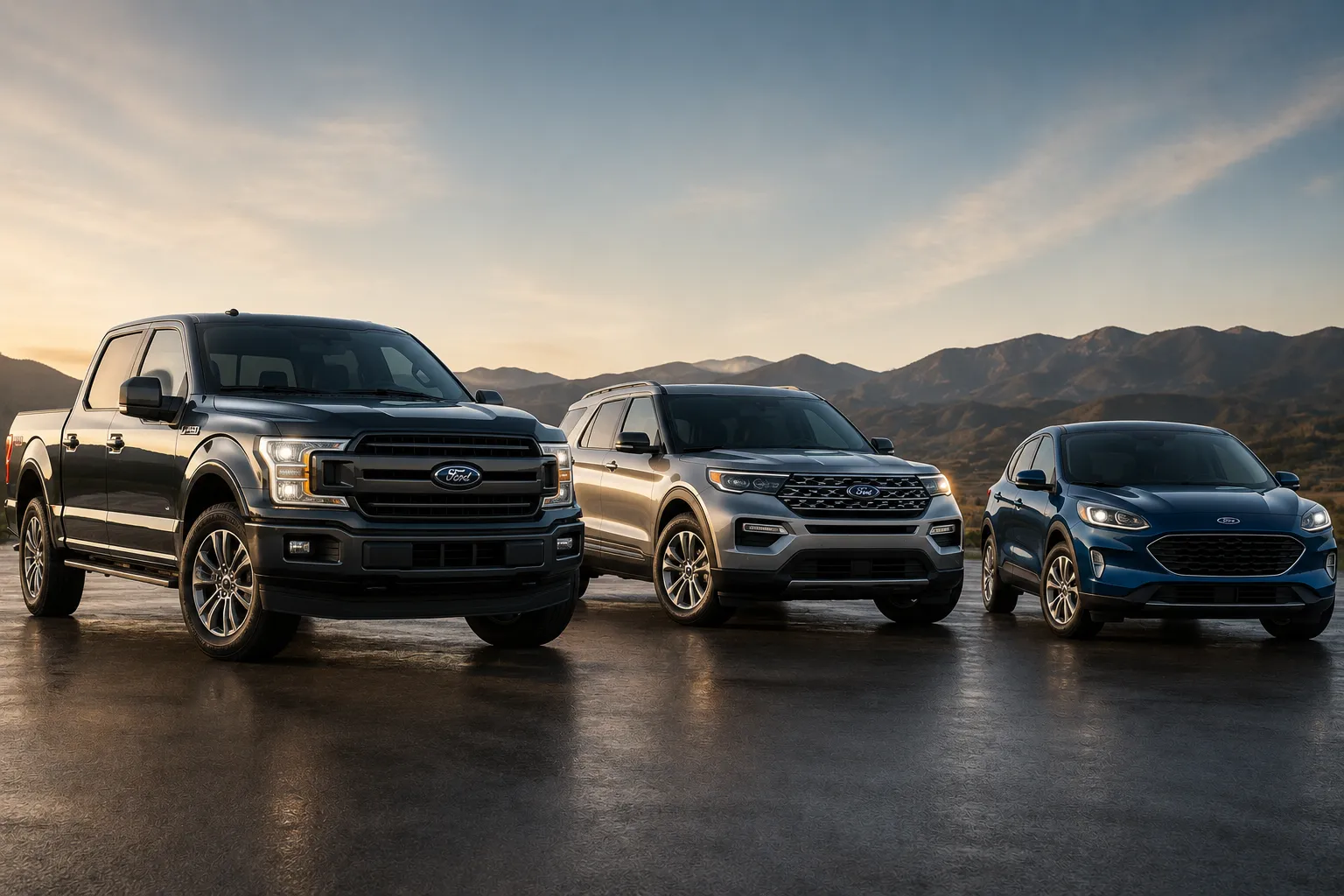
Ford built something bigger than a car company. It built a culture. From the iconic Mustang roaring down an open highway to the F-150 parked at every hardware store in America, Ford vehicles don’t just transport people from point A to point B. They show up in driveways, job sites, school parking lots, and family road trips with a reliability that keeps buyers coming back decade after decade.
The past twenty years weren’t always smooth for Ford. The brand made bold, controversial decisions: killing off most of its passenger car lineup, betting enormous resources on electrification, and doubling down on trucks and SUVs while competitors scrambled to keep sedans relevant. Some moves paid off immediately. Others took time to prove their value.
What never changed was the buying public’s appetite for Ford products when they hit the right notes. The sales figures below cover estimated cumulative US sales from 2006 through 2026, giving a complete twenty-year picture of which models actually moved metal consistently.
Specs listed for each model reflect standard baseline configurations. Here are Ford’s twelve best-selling US models, ranked by total estimated cumulative sales.
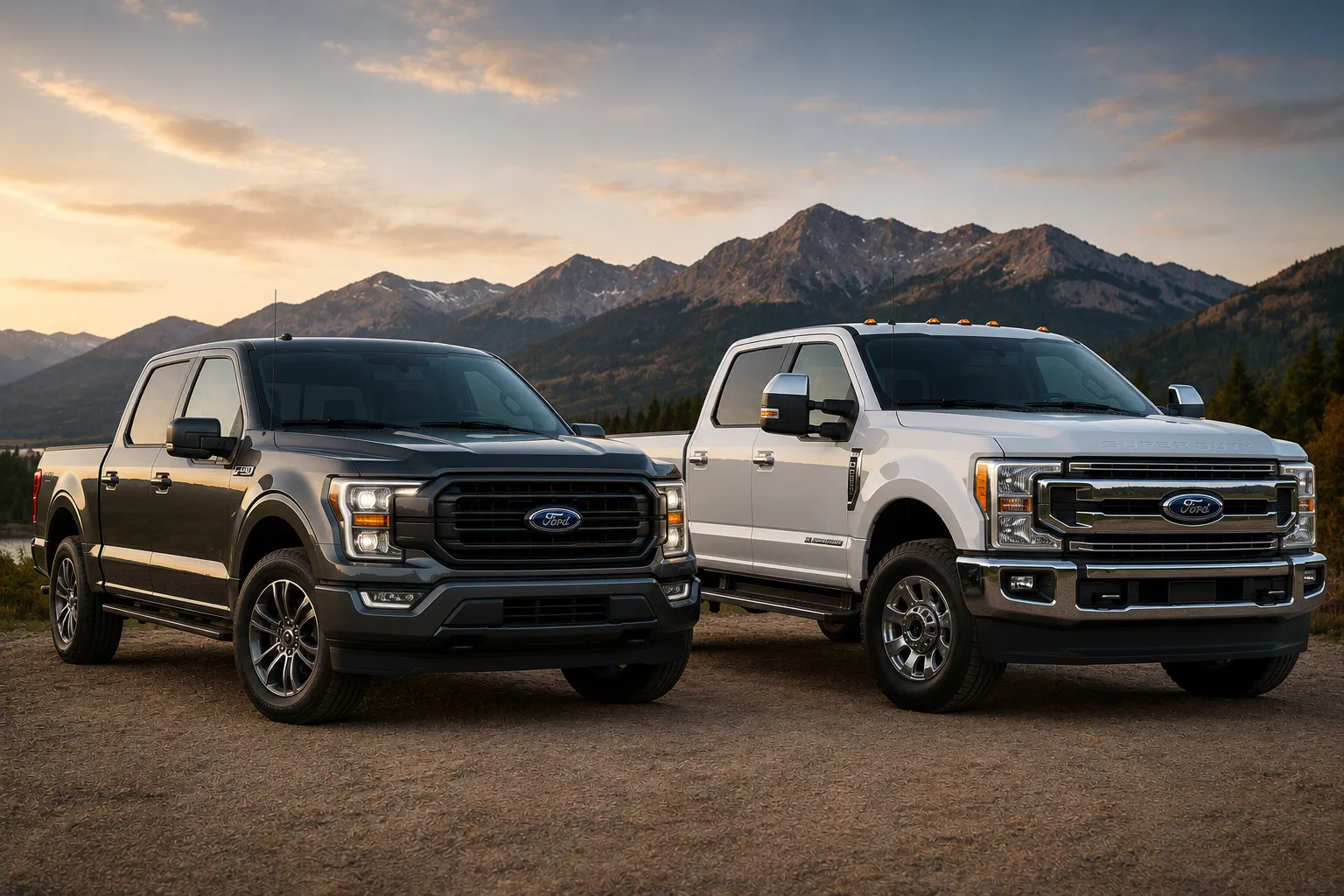
1. Ford F-Series (F-150 / Super Duty)
Total Estimated US Sales (2006-2026): ~15.2 Million Units
- Engine: 3.5L Twin-Turbo EcoBoost V6 (Multiple engine options available)
- Horsepower: 400 hp
- Torque: 500 lb-ft
- Size: 232.7 in Long x 79.9 in Wide (SuperCrew, 5.5-ft Bed)
Forty-nine consecutive years as America’s best-selling truck. Let that land for a moment. Not a best-selling Ford. Not a best-selling pickup. America’s best-selling vehicle, period, across nearly five decades without interruption. The F-Series sits so far above every other entry on this list that comparing it to the Escape or Explorer feels almost unfair.
Somewhere between 700,000 and 900,000 F-Series trucks leave dealerships every single year. That number forms the financial bedrock of the entire Ford Motor Company, funding electric vehicle development, racing programs, and every other initiative Ford pursues. Without the F-Series performing at this level, the company’s trajectory looks entirely different.
Engine options span from fuel-efficient V6 turbocharged units to diesel powerplants and a hybrid configuration, giving buyers genuine flexibility to match their specific hauling and towing requirements. The twin-turbocharged 3.5-liter EcoBoost, producing 400 horsepower and 500 lb-ft of torque, sits as the performance benchmark of the lineup, handling towing loads that would have required a much larger engine just fifteen years ago.
Aluminum body construction, introduced controversially in 2015, reduced weight and improved payload ratings while drawing early skepticism from loyal buyers. That skepticism disappeared once real-world durability matched Ford’s claims, and sales climbed rather than dropped following the change. Few automotive gambles have paid off as visibly.
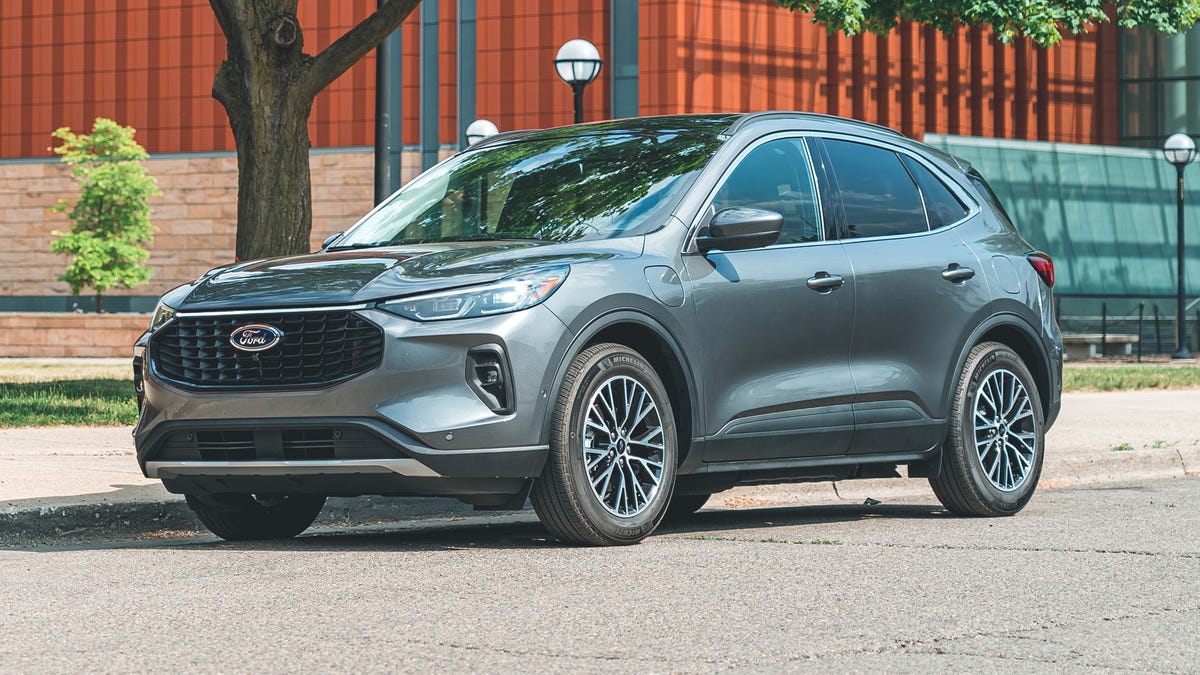
2. Ford Escape
Total Estimated US Sales (2006-2026): ~4.4 Million Units
- Engine: 1.5L Turbocharged 3-Cylinder (Hybrid available)
- Horsepower: 181 hp
- Torque: 190 lb-ft
- Size: 180.1 in Long x 74.1 in Wide
Think of the Escape as Ford’s quiet workhorse, the vehicle that doesn’t command magazine covers but shows up in sales reports consistently enough to accumulate 4.4 million domestic units across twenty years. During its strongest generation cycles, the Escape regularly pushed 250,000 to 300,000 annual sales, making it Ford’s most important passenger-style vehicle outside the truck lineup.
Compact crossover buyers want a specific combination: a manageable footprint for city parking, enough cargo room for weekly grocery runs and weekend gear, fuel economy that doesn’t sting at the pump, and a ride height that feels secure without intimidating new drivers. The Escape delivered that combination reliably through multiple generational refreshes, which explains why buyer loyalty stayed strong even as competition in the segment intensified dramatically.
The plug-in hybrid variant added a new dimension in recent years, attracting environmentally conscious buyers who previously had few options in this size category from a domestic brand. Combined electric and gasoline range addressed the range anxiety concern that pushed some potential hybrid buyers back toward conventional powertrains.
Cargo flexibility earned consistent praise from independent reviewers, with rear seats that fold to create a usable flat floor and front passenger space that maximizes practical daily utility. For buyers who wanted an SUV without stepping up to Explorer pricing, the Escape answered the question cleanly and at scale.
Also Read: 5 Best Ford Explorer Years vs 5 With Major Problems
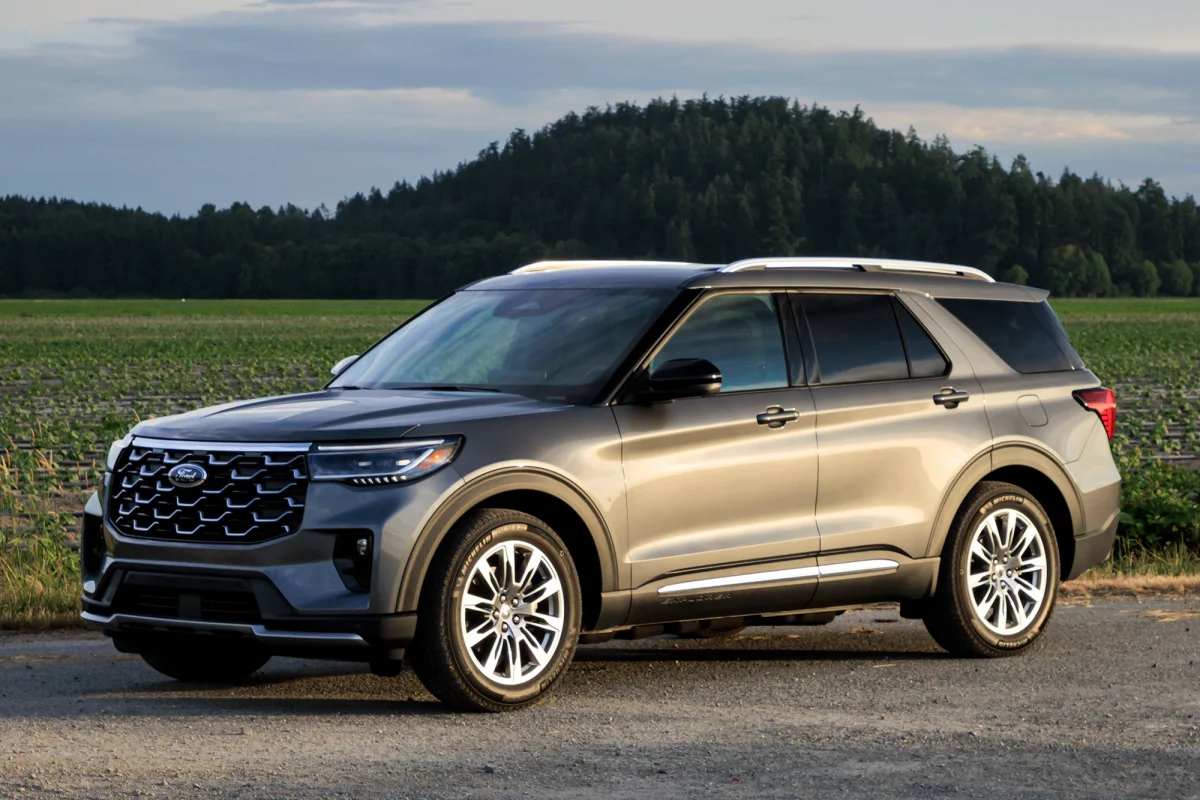
3. Ford Explorer
Total Estimated US Sales (2006-2026): ~4.2 Million Units
- Engine: 2.3L Turbocharged EcoBoost 4-Cylinder
- Horsepower: 300 hp
- Torque: 310 lb-ft
- Size: 198.7 in Long x 78.9 in Wide
The Ford Explorer has remained one of the most trusted three-row SUVs in the United States for many years. During the past two decades, it recorded about 4.2 million sales, proving its lasting appeal among families. Buyers have continued to choose it for its reliability, practicality, and ability to handle everyday family needs with ease.
Families appreciate the Explorer for its spacious three-row seating, which provides enough room for passengers and luggage. Its strong towing capability also makes it suitable for pulling trailers, boats, or small campers. Many owners have replaced an older Explorer with a newer one, reflecting the confidence they have in the model after years of ownership.
Ford introduced a major update with the sixth-generation Explorer by switching to a rear-wheel-drive platform. The change improved handling, stability, and towing performance, even though some people questioned the decision when it was first announced. Buyers quickly accepted the redesign, helping the model maintain strong sales.
The standard Explorer comes with a 2.3-litre turbocharged four-cylinder engine producing 300 horsepower and 310 lb-ft of torque. It delivers enough performance for city driving, highway cruising, and overtaking with confidence. Drivers looking for extra power can choose the ST model, equipped with a 3.0-litre twin-turbocharged V6 generating 400 horsepower. This combination of comfort, space, and performance has helped the Explorer remain one of Ford’s most successful SUVs.
4. Ford Fusion
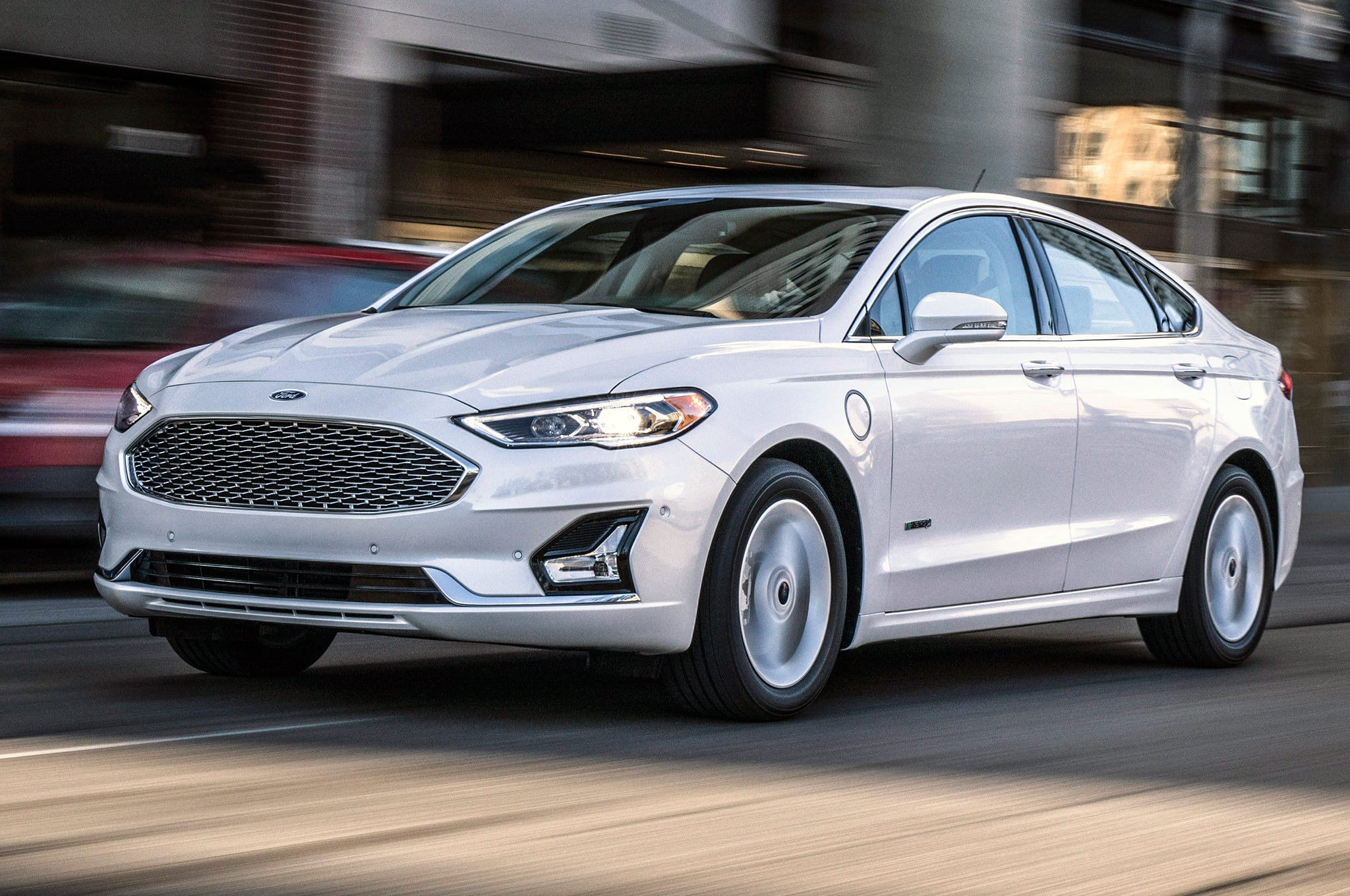
Total Estimated US Sales (2006-2026): ~3.1 Million Units
- Engine: 2.5L Naturally Aspirated 4-Cylinder (Final generation baseline)
- Horsepower: 175 hp
- Torque: 175 lb-ft
- Size: 191.8 in Long x 72.9 in Wide
The Fusion earned its 3.1 million cumulative sales through one of the most straightforward sales propositions in the midsize sedan segment: build a genuinely good-looking car, price it fairly, and let word of mouth do the heavy lifting. During the mid-2010s, the Fusion regularly cleared 300,000 annual US sales, competing directly with the Honda Accord and Toyota Camry from a position of design-led confidence rather than discount-driven desperation.
Ford’s choice to discontinue the Fusion in 2020, redirecting factory capacity toward SUVs and trucks, closed the chapter on one of its most popular nameplates. That decision reflected financial logic rather than product failure. The Fusion was selling well right up to its discontinuation, which made the ending feel abrupt to loyal buyers who had planned future purchases around the nameplate continuing.
The available hybrid powertrain gave the Fusion early credibility in the fuel-efficient sedan space, offering buyers a stylish alternative to the Prius without adopting the distinctly unconventional styling that defined Toyota’s hybrid. Plug-in hybrid availability further expanded the audience, pulling in buyers who charged at home and used gasoline primarily for longer trips.
Corporate fleet buyers kept steady volume running throughout the Fusion’s US lifespan, particularly as rental companies and company car programs valued the combination of interior space, fuel efficiency, and acceptable running costs.
5. Ford Focus
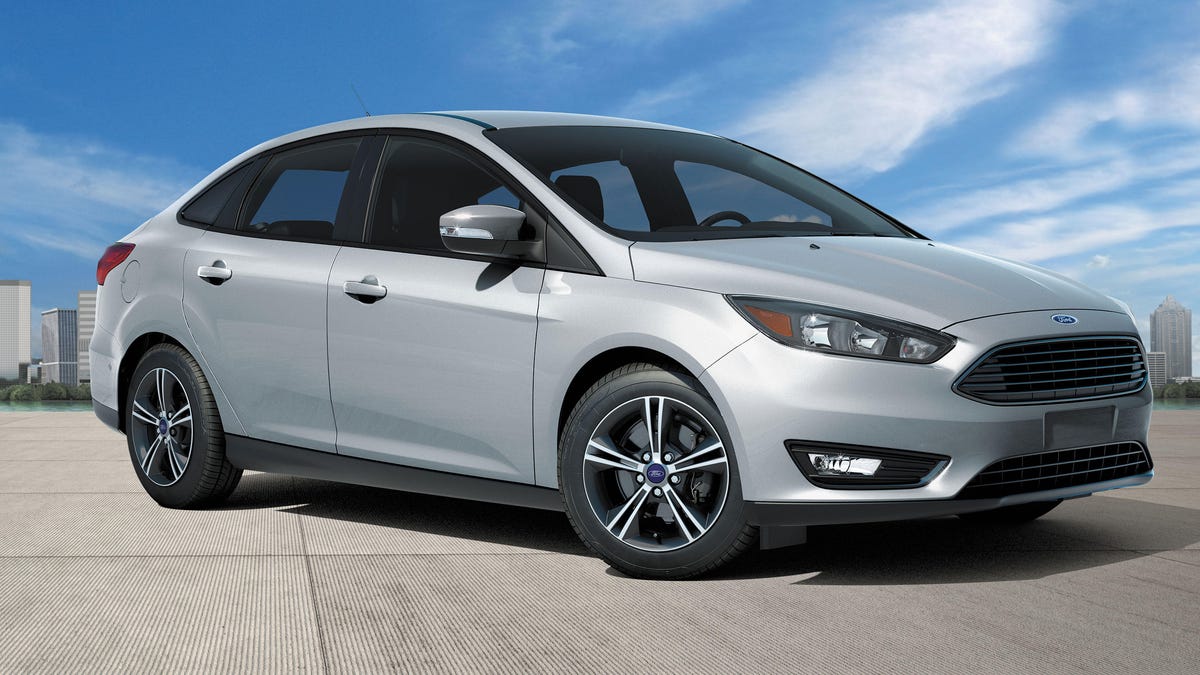
Total Estimated US Sales (2006-2026): ~2.4 Million Units
- Engine: 2.0L Naturally Aspirated 4-Cylinder
- Horsepower: 160 hp
- Torque: 146 lb-ft
- Size: 178.7 in Long x 71.8 in Wide
Global engineering gave the Focus something most American compact cars never achieved: a European driving character at a domestic price point. Approximately 2.4 million domestic sales over the twenty-year window reflect steady demand from buyers who appreciated the car’s handling precision, reasonable running costs, and practical hatchback or sedan format options.
Budget-conscious commuters formed the Focus’s core audience. College students, first-time buyers, and urban dwellers who prioritized fuel economy and parking ease over interior space found the Focus answered their requirements without asking for money they didn’t have. Ford positioned the car globally, which kept engineering investment high enough to deliver a product that felt considered rather than cheaply assembled.
The high-performance ST and RS variants stretched the nameplate’s appeal toward enthusiast buyers who wanted hot hatch capability at an honest price. Those models appeared in relatively modest sales numbers but generated awareness and showroom traffic that benefited the entire Focus family by association.
Ford’s decision to halt North American production of the Focus, part of the broader passenger car phase-out strategy, ended the nameplate’s US chapter cleanly. European sales continued under the same name, a reminder that different markets make different demands, and Ford adjusted accordingly.
6. Ford Edge
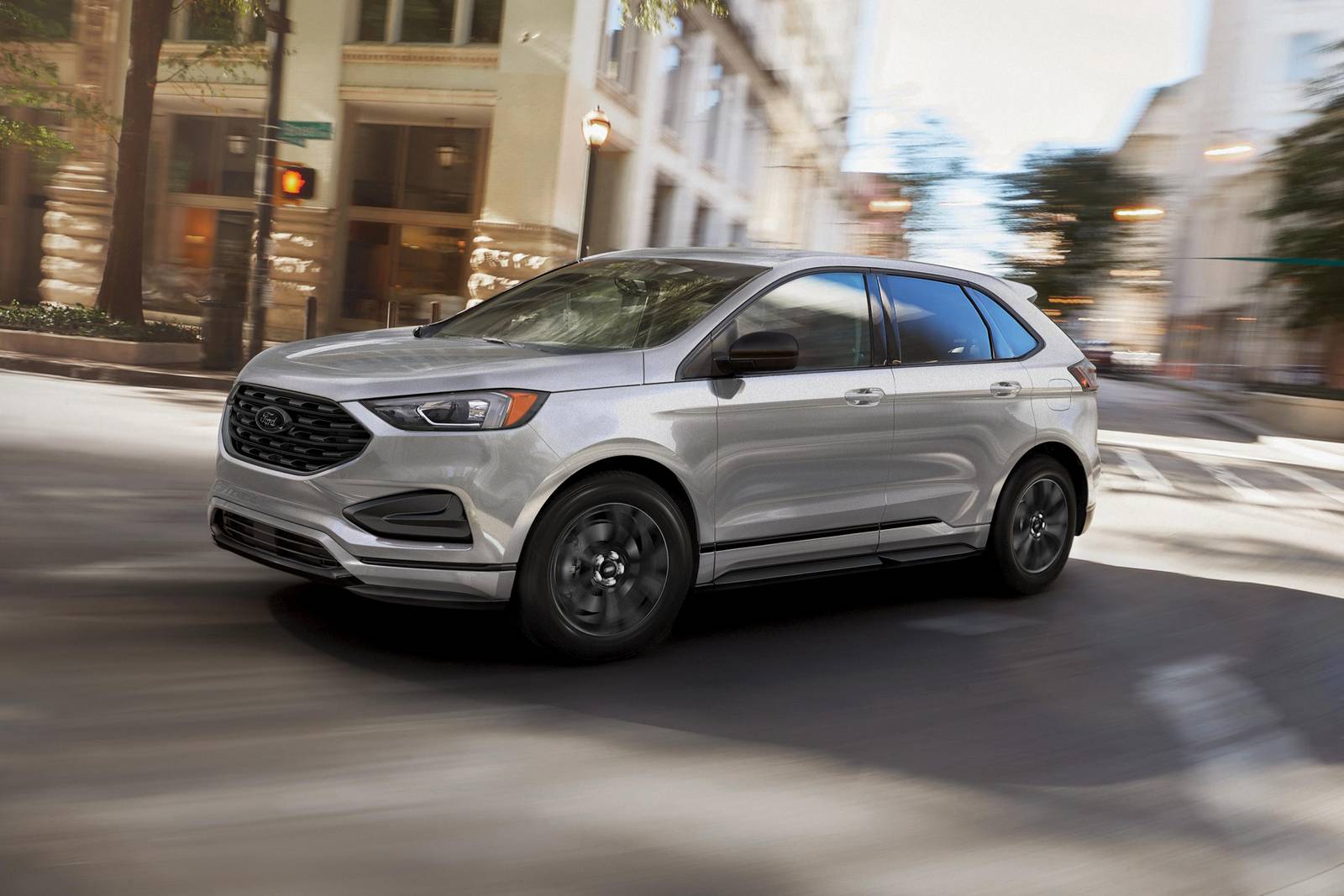
Total Estimated US Sales (2006-2026): ~2.2 Million Units
- Engine: 2.0L Turbocharged EcoBoost 4-Cylinder
- Horsepower: 250 hp
- Torque: 280 lb-ft
- Size: 188.8 in Long x 75.9 in Wide
Many buyers considered the Ford Edge the perfect choice between the smaller Escape and the larger Explorer. It filled the gap for people who wanted extra space without moving to a three-row SUV. That balance helped the Edge build a loyal customer base and achieve about 2.2 million sales in the United States across nearly twenty years.
Instead of making major changes with every new version, Ford focused on improving the vehicle while keeping the qualities buyers already appreciated. Under the bonnet, the standard 2.0-litre turbocharged EcoBoost engine produces 250 horsepower, giving the Edge stronger performance than the Escape.
The extra power makes highway driving and overtaking feel easier without affecting everyday comfort. Steering remains well balanced, giving drivers confidence behind the wheel, while the SUV stays stable at higher speeds. Many reviewers praised its smooth ride, especially during long-distance journeys.
Inside the cabin, passengers enjoy generous rear-seat legroom, making the Edge a comfortable option for families and adults travelling together. The luggage compartment is also practical because the wide opening and low loading height make it easier to place larger items inside.
Ford continued improving its driver-assistance technology through different model years, allowing the Edge to remain competitive against newer rivals from Japan and South Korea. Ford later decided to remove the Edge from its American lineup so production facilities could focus on more profitable trucks and larger SUVs.
Even so, many buyers were disappointed because the Edge had earned a strong reputation for comfort, dependable performance, and practicality. For people who wanted a spacious two-row SUV without stepping up to a much larger model, it remained an excellent choice until production came to an end.
7. Ford Mustang
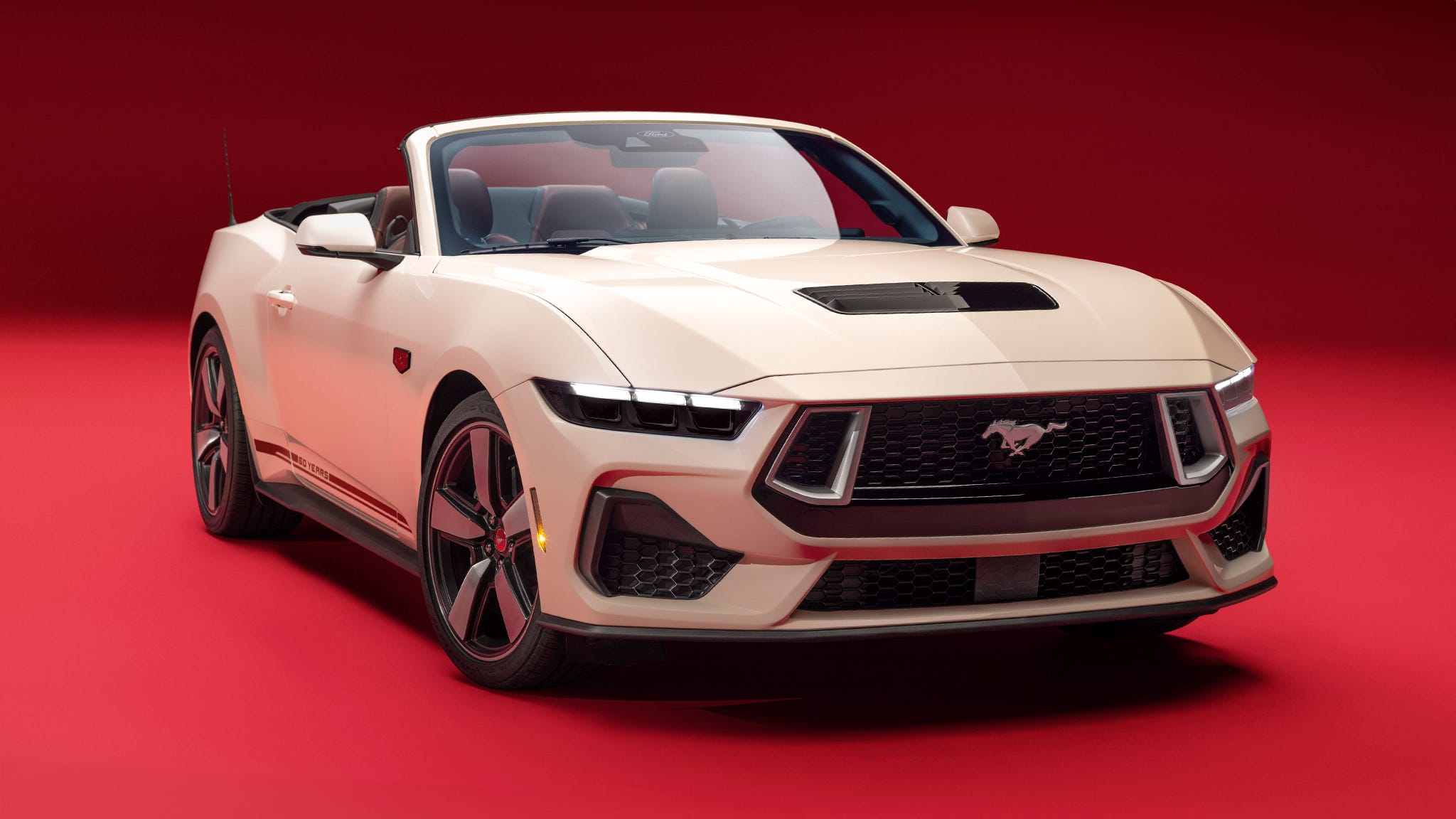
Total Estimated US Sales (2006-2026): ~1.6 Million Units
- Engine: 2.3L Turbocharged EcoBoost 4-Cylinder (V8 available)
- Horsepower: 315 hp
- Torque: 350 lb-ft
- Size: 189.4 in Long x 75.4 in Wide
The Ford Mustang has remained one of America’s most popular sports cars for decades. During the past twenty years, it recorded about 1.6 million sales, showing that buyers continue to appreciate its blend of performance, style, and heritage. Many owners stay loyal to the model, returning whenever a new generation is introduced.
Ford sparked plenty of discussion in 2015 by adding the turbocharged 2.3-litre EcoBoost four-cylinder engine. While some buyers preferred the traditional V8, many welcomed the EcoBoost because it produced 315 horsepower and 350 lb-ft of torque while delivering better fuel economy. Lower running costs also made Mustang ownership more affordable for a wider group of drivers.
People who wanted classic muscle car performance could still choose the 5.0-litre Coyote V8, which delivered the sound and power many buyers expected. Ford also introduced high-performance versions like the GT350 and GT500, giving enthusiasts even more powerful options while strengthening the Mustang’s reputation as a true performance car.
The Mustang’s popularity also grew outside the United States after Ford introduced right-hand-drive versions for markets including Australia and the United Kingdom. This move allowed more buyers to experience one of America’s best-known sports cars.
Through every generation, the Mustang has continued to combine exciting performance, strong heritage, and everyday usability, making it one of Ford’s most successful and respected vehicles.
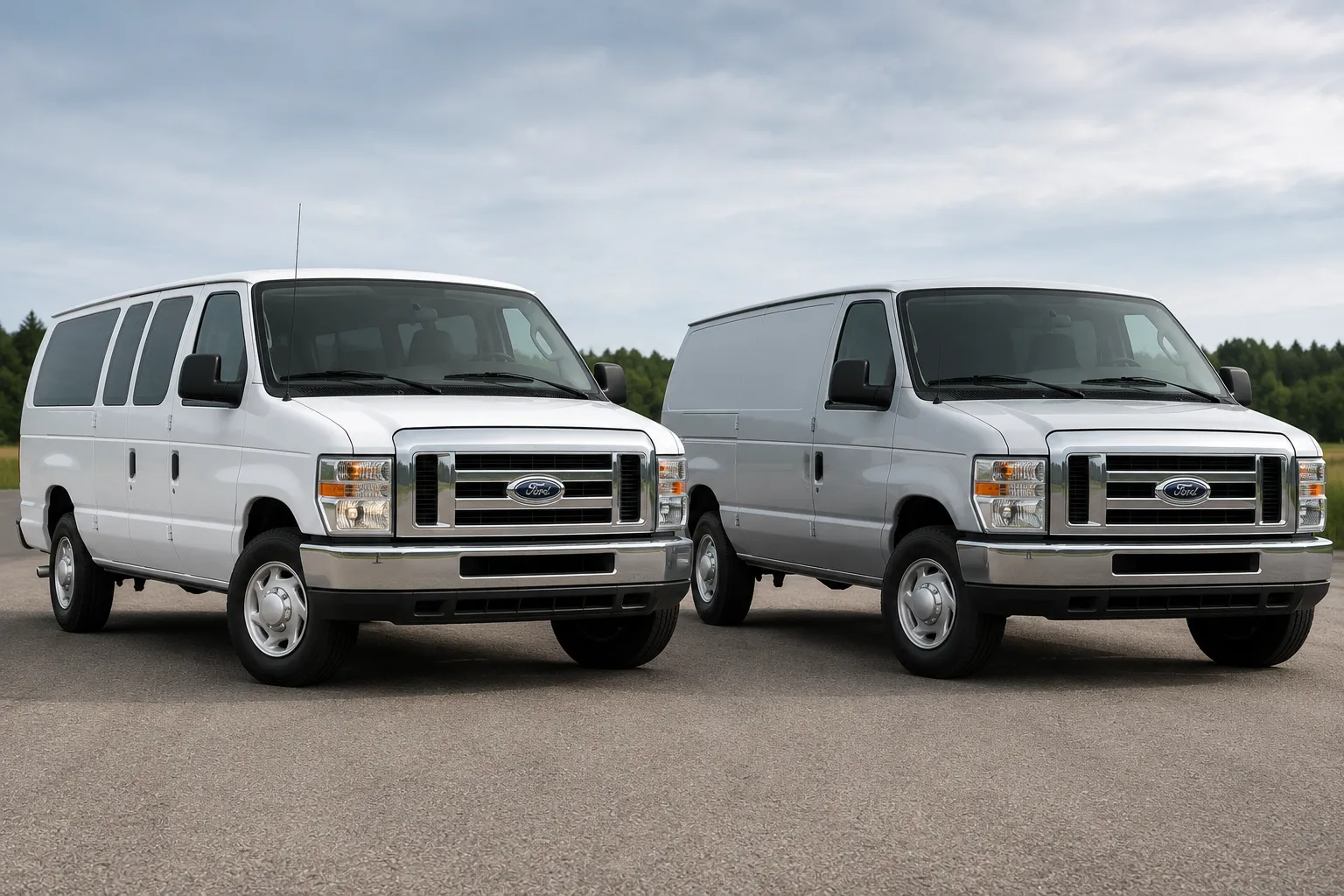
8. Ford E-Series / Econoline
Total Estimated US Sales (2006-2026): ~1.5 Million Units
- Engine: 7.3L Naturally Aspirated V8 (Modern baseline cutaway)
- Horsepower: 325 hp
- Torque: 450 lb-ft
- Size: 216.7 in Long x 79.4 in Wide (varies by configuration)
Hospital fleets, ambulance services, school bus builders, and delivery operations built their logistics around the E-Series for decades, and the cumulative sales figure of approximately 1.5 million units reflects exactly how deeply embedded this platform became in American commercial infrastructure during the first half of the twenty-year window.
The commercial van market operates differently from consumer automotive segments. Fleet purchasing decisions prioritize total cost of ownership, parts availability, service network access, and platform stability rather than infotainment features or interior material upgrades. The E-Series scored on every commercial metric that mattered to institutional buyers, which created the kind of bulk purchasing consistency that consumer-facing products rarely achieve.
Body upfitters built their entire business models around Econoline chassis dimensions, meaning any replacement platform faced enormous switching resistance from the commercial ecosystem that had standardized on E-Series specifications. That installed base kept sales volumes supported well into the period when the Transit was already gaining traction in cargo van applications.
The modern 7.3-liter naturally aspirated V8, introduced for current cutaway and stripped chassis applications, produces 450 lb-ft of torque suited to the demanding duty cycles that commercial operators impose. Ambulance builds, shuttle buses, and specialty service vehicles continue using the platform today, cementing a commercial legacy that passenger car volumes rarely approach.
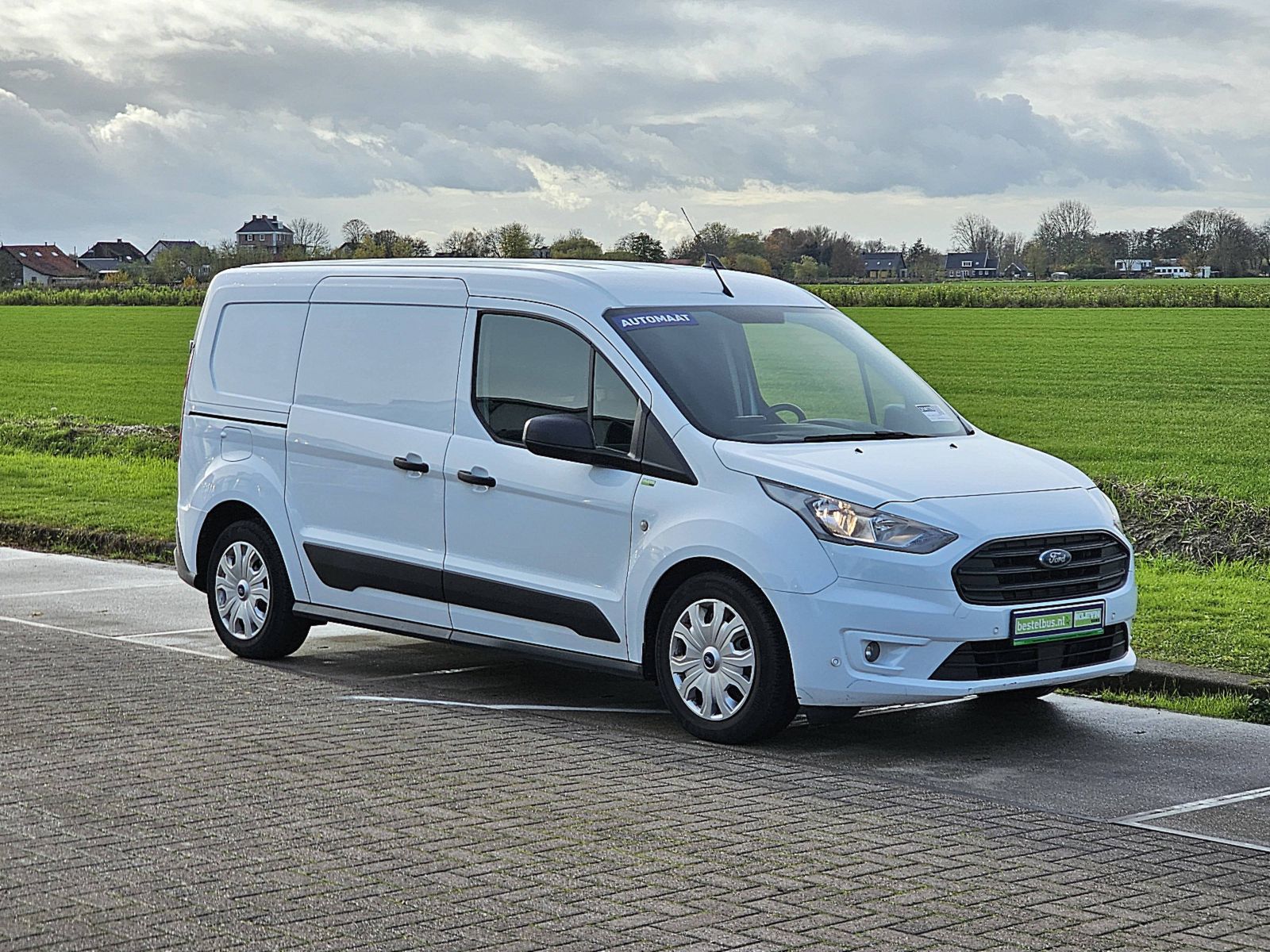
9. Ford Transit
Total Estimated US Sales (2006-2026): ~1.4 Million Units
- Engine: 3.5L Naturally Aspirated V6 (EcoBoost V6 available)
- Horsepower: 275 hp
- Torque: 262 lb-ft
- Size: 235.5 in Long x 81.3 in Wide (Medium Roof configuration)
The Ford Transit quickly changed expectations for full-size commercial vans after arriving in the United States from Europe. Within about ten years, it recorded roughly 1.4 million sales, showing how rapidly businesses accepted its practical design. Buyers could choose from different roof heights, wheelbase lengths, and engine options, allowing the van to suit many types of commercial work.
One feature that made the Transit stand out was its choice of roof heights. Drivers and technicians who spent long hours inside the cargo area appreciated being able to stand upright instead of bending constantly. This made daily work much more comfortable for contractors, medical suppliers, and mobile service operators who relied on their vans throughout the day.
The available EcoBoost turbocharged V6 also helped reduce fuel costs compared to many traditional full-size vans. Businesses operating large fleets benefited from lower running expenses, making the Transit an economical choice for companies covering high annual mileage.
Ford later added an electric version of the Transit, giving businesses another option for deliveries in cities with stricter emission rules. This allowed companies to keep using the same dependable van while choosing either a petrol-powered or an electric model to match their operating needs.
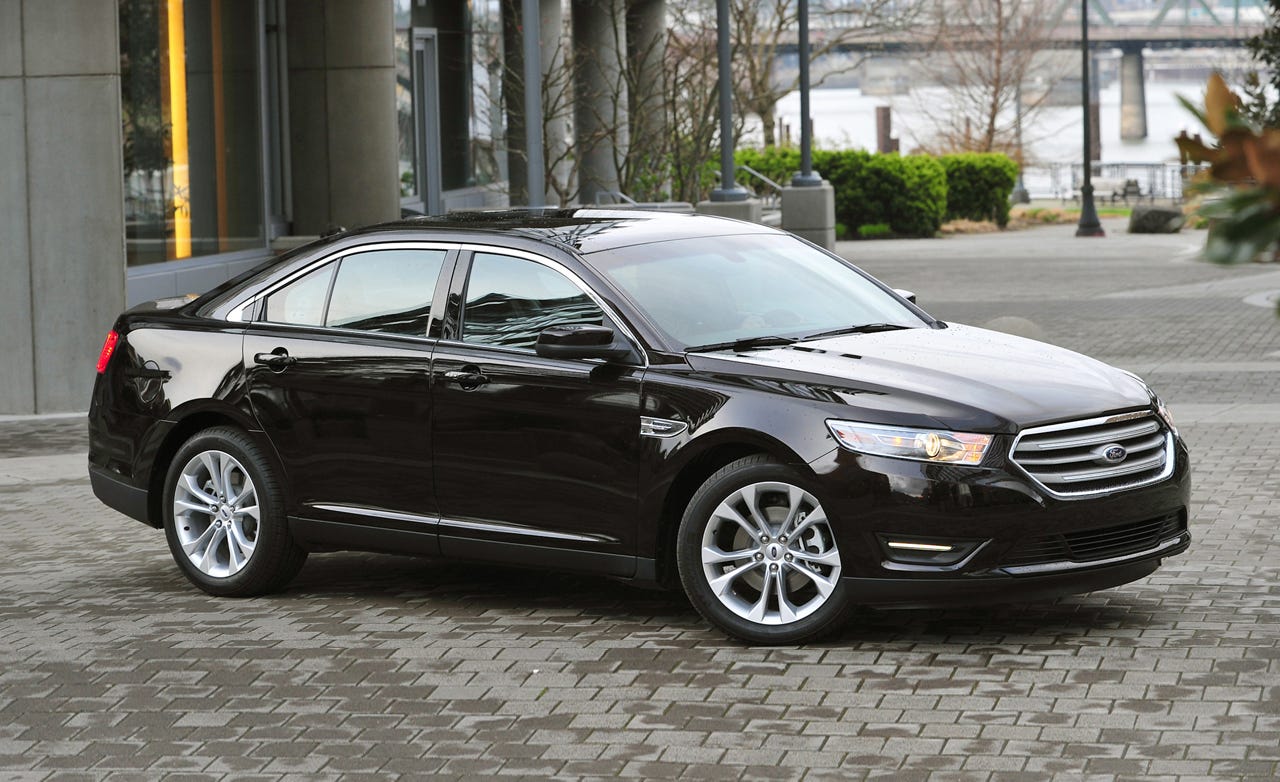
10. Ford Taurus
Total Estimated US Sales (2006-2026): ~1.2 Million Units
- Engine: 3.5L Naturally Aspirated V6
- Horsepower: 288 hp
- Torque: 254 lb-ft
- Size: 202.9 in Long x 76.2 in Wide
Before SUVs took over the American market, the Ford Taurus ranked among the country’s most popular passenger cars. Even as buyers gradually preferred crossovers, the Taurus still recorded about 1.2 million sales during the twenty-year period. Rental companies, government agencies, and many private owners continued choosing it because of its comfort, spacious cabin, and dependable performance.
Police departments also played an important role in keeping the Taurus on the road. During the mid-2010s, many agencies adopted the Police Interceptor version for daily patrol duties. These fleet orders helped maintain production even as demand from private buyers declined. Since government purchases followed planned replacement schedules, Ford benefited from steady business.
Drivers seeking stronger performance had the option of the SHO model. Its twin-turbocharged V6 engine delivered much more power than the standard version, giving the full-size sedan quick acceleration and a more exciting driving experience. Although it appealed to fewer buyers, the SHO proved the Taurus could offer both comfort and strong performance.
Ford discontinued the Taurus in 2019, ending a model that had served American drivers since 1986. Police departments later switched to the Explorer-based Police Interceptor Utility, while many owners continued to remember the Taurus for its reliability, comfort, and years of dependable service.
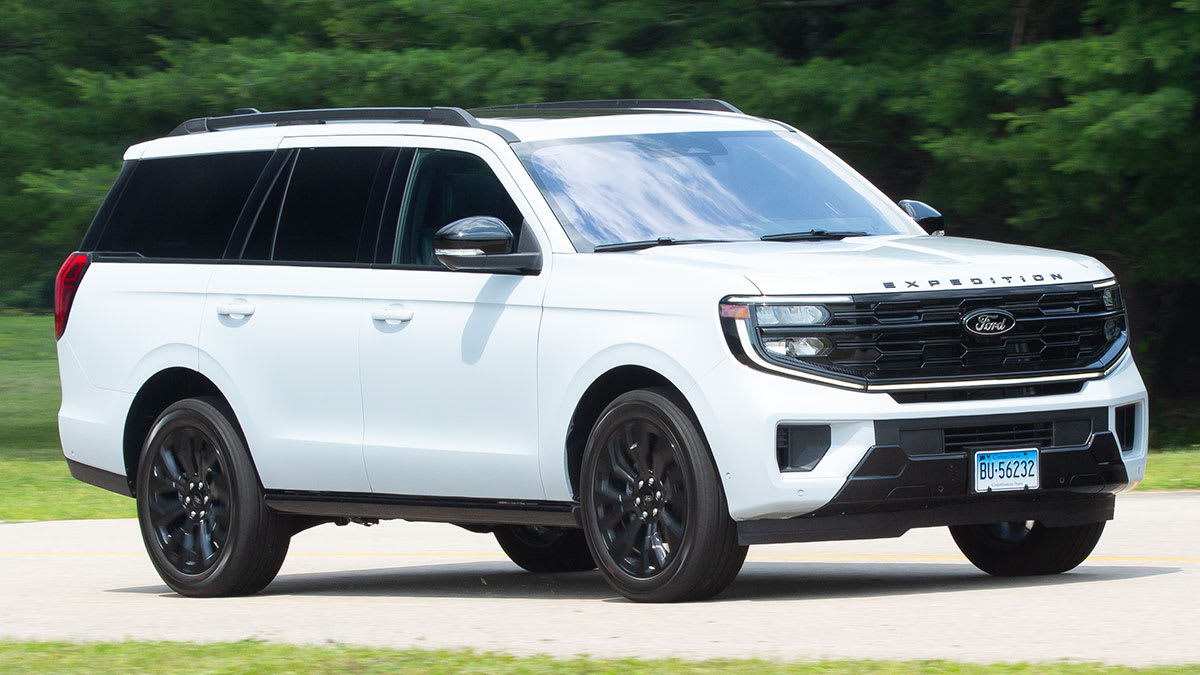
11. Ford Expedition
Total Estimated US Sales (2006-2026): ~1.1 Million Units
- Engine: 3.5L Twin-Turbo EcoBoost V6
- Horsepower: 380 hp to 400 hp
- Torque: 470 lb-ft to 480 lb-ft
- Size: 210.0 in Long x 79.9 in Wide
Body-on-frame construction. Three rows of genuine adult seating. A twin-turbocharged V6 producing up to 480 lb-ft of torque. These specs explain why buyers who need maximum towing alongside maximum passenger capacity consistently choose the Expedition over any crossover alternative, regardless of how capable unibody three-row SUVs have become.
Approximately 1.1 million cumulative US sales over twenty years reflect the Expedition’s enduring appeal to a specific buyer who won’t compromise on capability. Horse trailer owners, large families pulling boats to summer lakes, and buyers who routinely carry seven or eight passengers on road trips don’t find crossovers adequate for their actual usage. The Expedition exists specifically for that audience, and Ford hasn’t wavered on the platform’s purpose across multiple generational refreshes.
The extended-length Expedition MAX provides an even larger footprint for families who need maximum third-row legroom and cargo capacity simultaneously, stretching usability to a point that few competitors can match in the unibody SUV space.
Towing ratings exceeding 9,000 pounds separate the Expedition from the Explorer in practical capability terms, making the distinction between the two vehicles immediately clear for buyers evaluating Ford’s large-SUV hierarchy. Interior quality improved dramatically through recent generations, matching what buyers found in luxury full-size SUVs at lower price points.
Also Read: 8 Generations of the Ford Mustang, Ranked
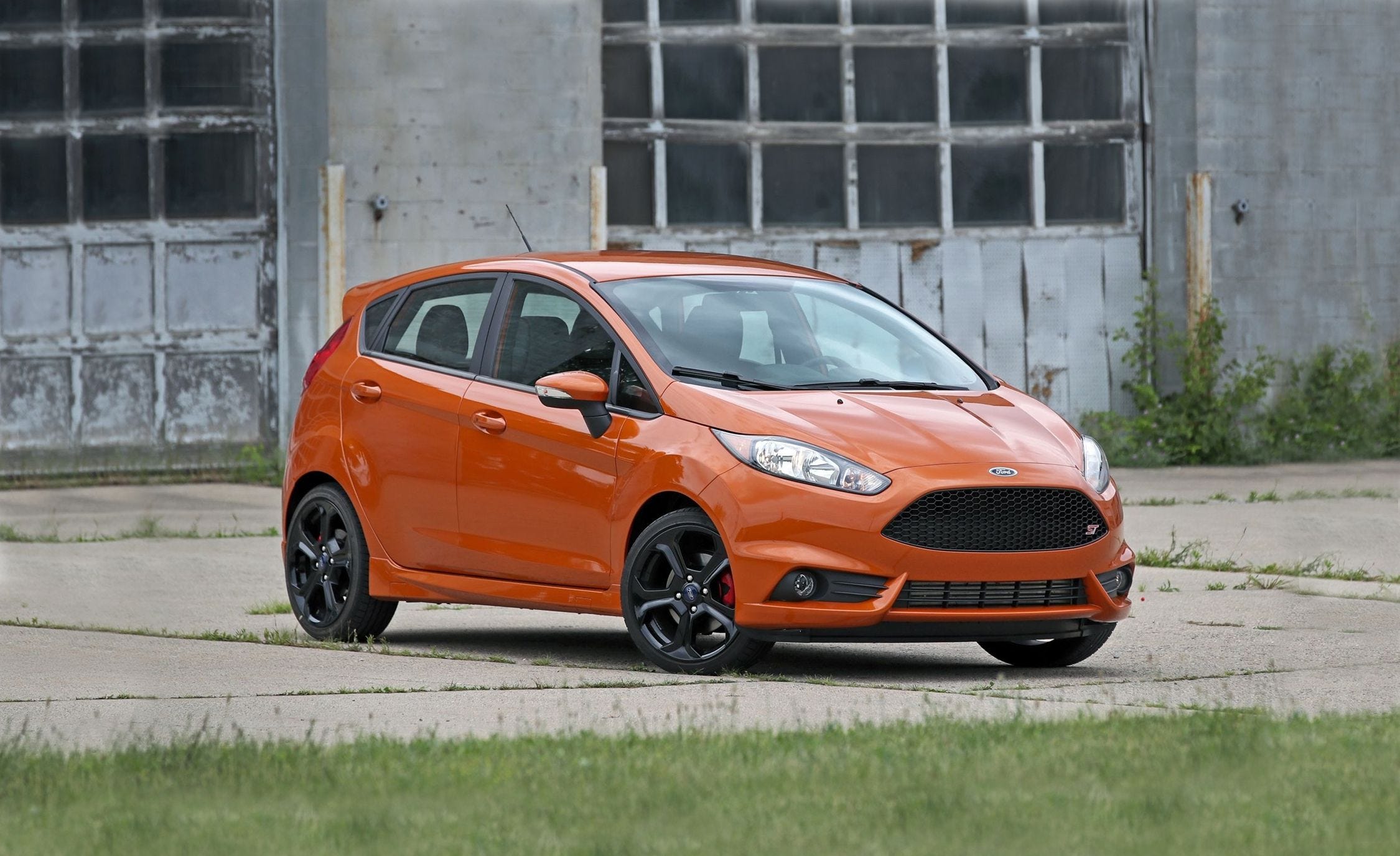
12. Ford Fiesta
Total Estimated US Sales (2006-2026): ~450,000 Units
- Engine: 1.6L Naturally Aspirated 4-Cylinder
- Horsepower: 120 hp
- Torque: 112 lb-ft
- Size: 159.7 in Long x 67.8 in Wide
Although the Ford Fiesta enjoyed huge success across Europe, its journey in the United States was much more modest. It recorded about 450,000 sales, showing that there was still demand for a small, affordable car even if it never reached the popularity of larger Ford models like the Fusion or Focus.
One of the Fiesta’s biggest strengths was its affordable price. It became one of the least expensive new vehicles offered by a major American manufacturer, making it attractive to first-time buyers and people with limited budgets. Its compact size made parking easier in crowded cities, while its fuel economy and dependable performance suited daily commuting without placing too much pressure on running costs.
Drivers looking for extra excitement could choose the Fiesta ST. Powered by a turbocharged 1.6-liter engine producing about 197 horsepower, the lightweight hatchback delivered lively performance that impressed many reviewers. Despite appealing to a smaller group of buyers, the ST earned a strong reputation for offering plenty of driving enjoyment at a reasonable price.
Ford later removed the Fiesta from its American lineup as the company focused more on SUVs and trucks. Even after production ended in the United States, the model remained popular in Europe, showing that it was still well suited to markets where small, practical cars continued to attract strong demand.