
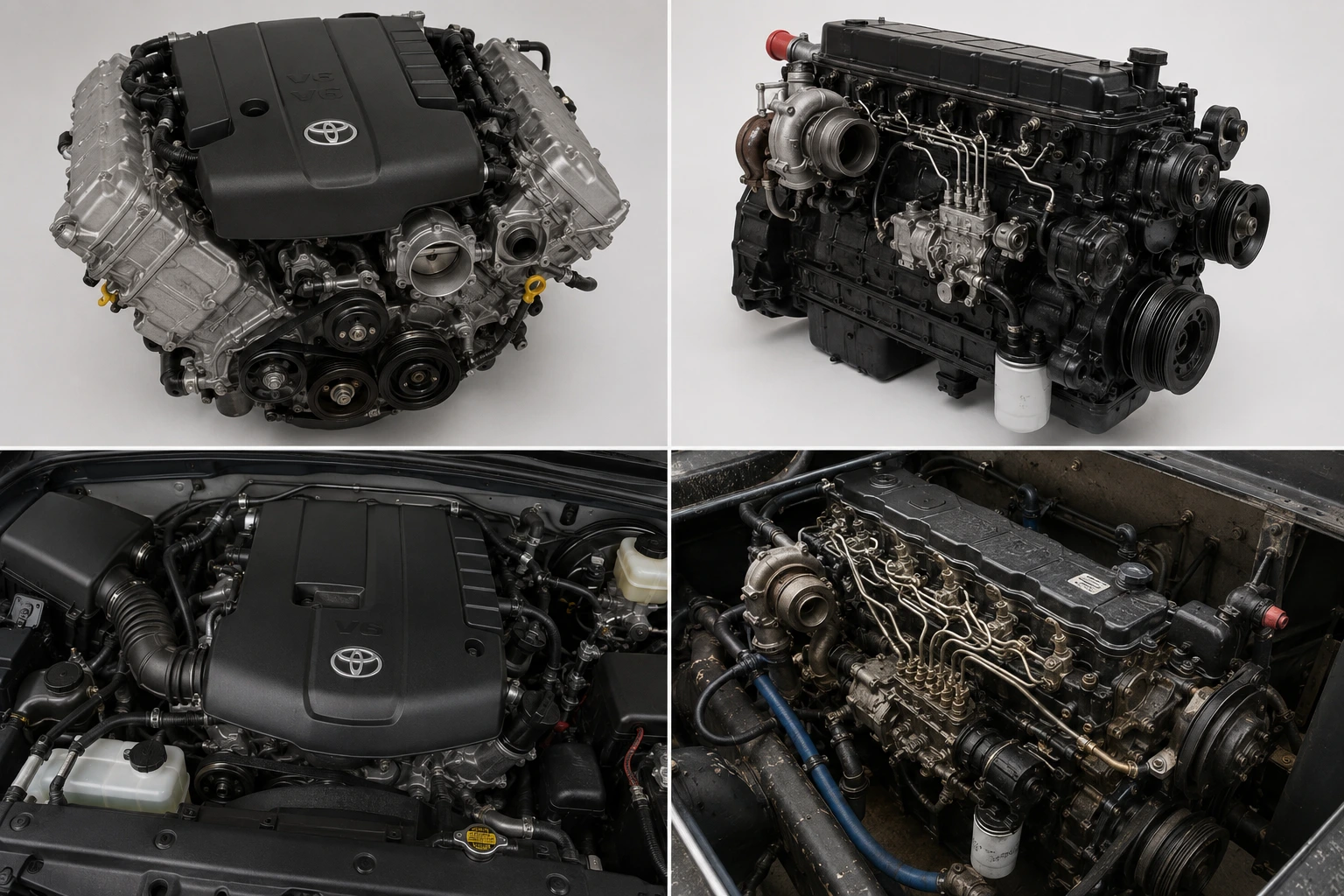
Most engines quietly give up somewhere between 150,000 and 200,000 miles, leaving their owners facing repair bills that rival a down payment on a replacement vehicle. A select group of power plants, though, operates by entirely different rules. These engines reach 300,000 miles not through luck or exceptional owner care but through deliberate engineering decisions made decades before the first oil change ever happened.
Conservative power tuning that leaves wide internal stress margins, oversized bearings that handle thermal cycling without wearing prematurely, cast-iron blocks that resist the flex and fatigue that aluminum alternatives accumulate, and mechanical simplicity that eliminates the failure points modern engines increasingly introduce in the name of efficiency, these are the characteristics that separate engines with genuine longevity from engines that simply have good marketing.
Whether you are shopping for your next vehicle, researching a used truck purchase, or simply curious which powerplant deserves the most respect across the entire history of automotive engineering, this list identifies the ten engines most likely to carry you past 300,000 miles with nothing more than consistent, basic maintenance.
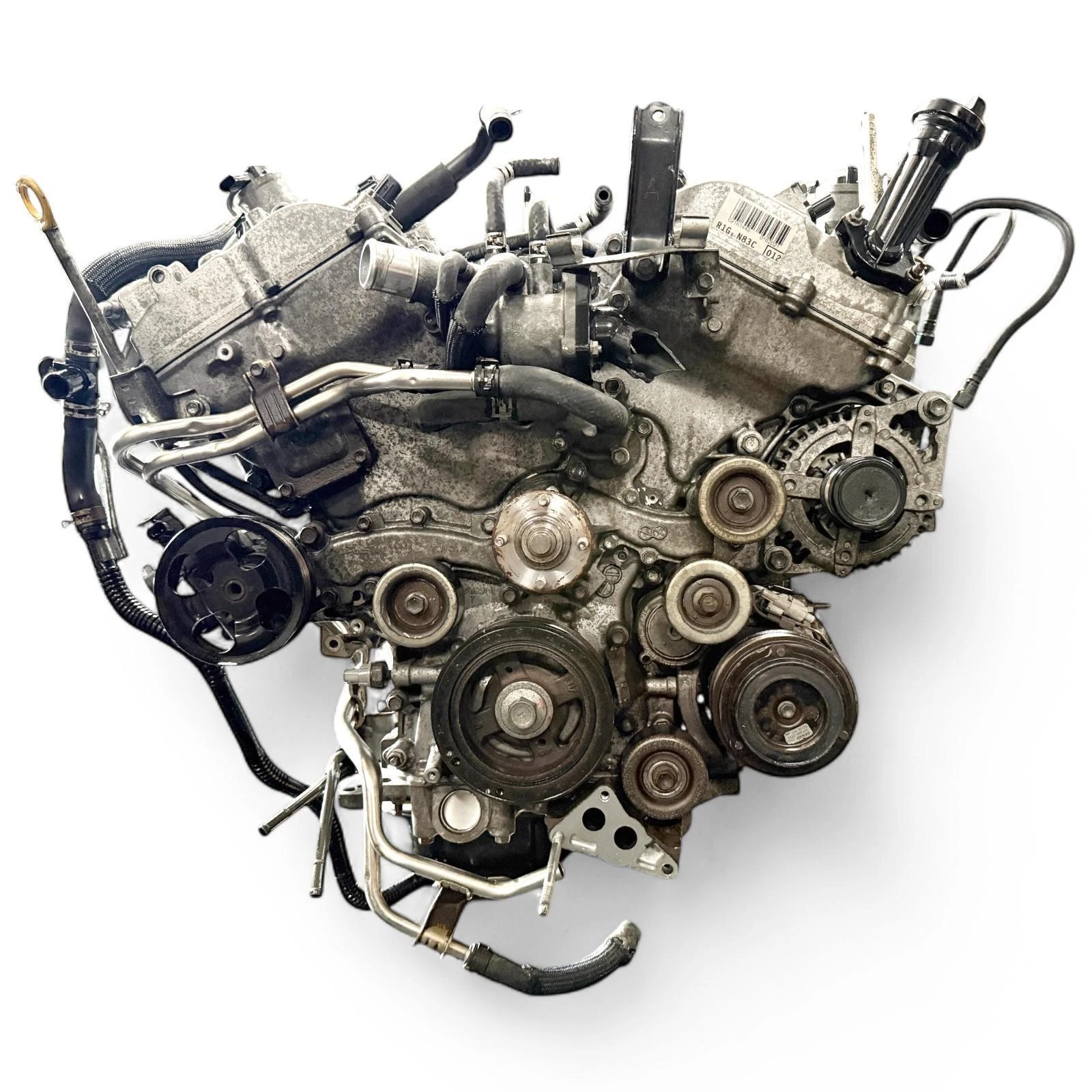
1. Toyota 4.0L V6 (1GR-FE)
Known Models: Toyota 4Runner, Tacoma, FJ Cruiser, Tundra
- Engine Layout: Naturally Aspirated DOHC V6
- Horsepower: 236 hp to 270 hp
- Torque: 266 lb-ft to 278 lb-ft
Industry longevity rankings across fleet tracking studies, teardown analyses, and iSeeCars vehicle lifespan research consistently place the 1GR-FE at or near the top of every durability list that aggregates real-world ownership data rather than manufacturer claims.
That consistency across independent research sources reflects genuine engineering substance rather than brand reputation alone, and understanding why this engine achieves what it does requires examining the specific decisions Toyota made during its development.
A timing chain system rather than a rubber belt eliminates the single most predictable failure point found in competing engines across this displacement class, since chains wear gradually and provide warning signs while rubber belts snap suddenly and often catastrophically.
Structural aluminum blocks cast with iron cylinder liners combine weight management with bore durability, giving the engine’s internal surfaces the hardness needed to resist wear across millions of piston strokes without the weight penalty of a pure iron block.
Conservative compression ratio calibration keeps combustion pressure within ranges that leave substantial internal stress margin rather than pushing cylinder pressure toward the edge of what the block and head gaskets can reliably contain across extreme temperature cycling.
Engines tuned conservatively simply do not work as hard per combustion event as aggressively tuned alternatives, and that reduced per-cycle stress accumulates into dramatically better long-term durability when multiplied across hundreds of millions of combustion cycles.
Toyota installed this engine across a remarkably diverse product range spanning the Toyota 4Runner, Tacoma, FJ Cruiser, and Tundra, all vehicles whose owners frequently report clearing 200,000 miles and continuing toward 300,000 without major internal engine work.
That cross-platform consistency confirms the engine itself rather than any particular vehicle’s operating conditions as the primary contributor to these longevity outcomes.
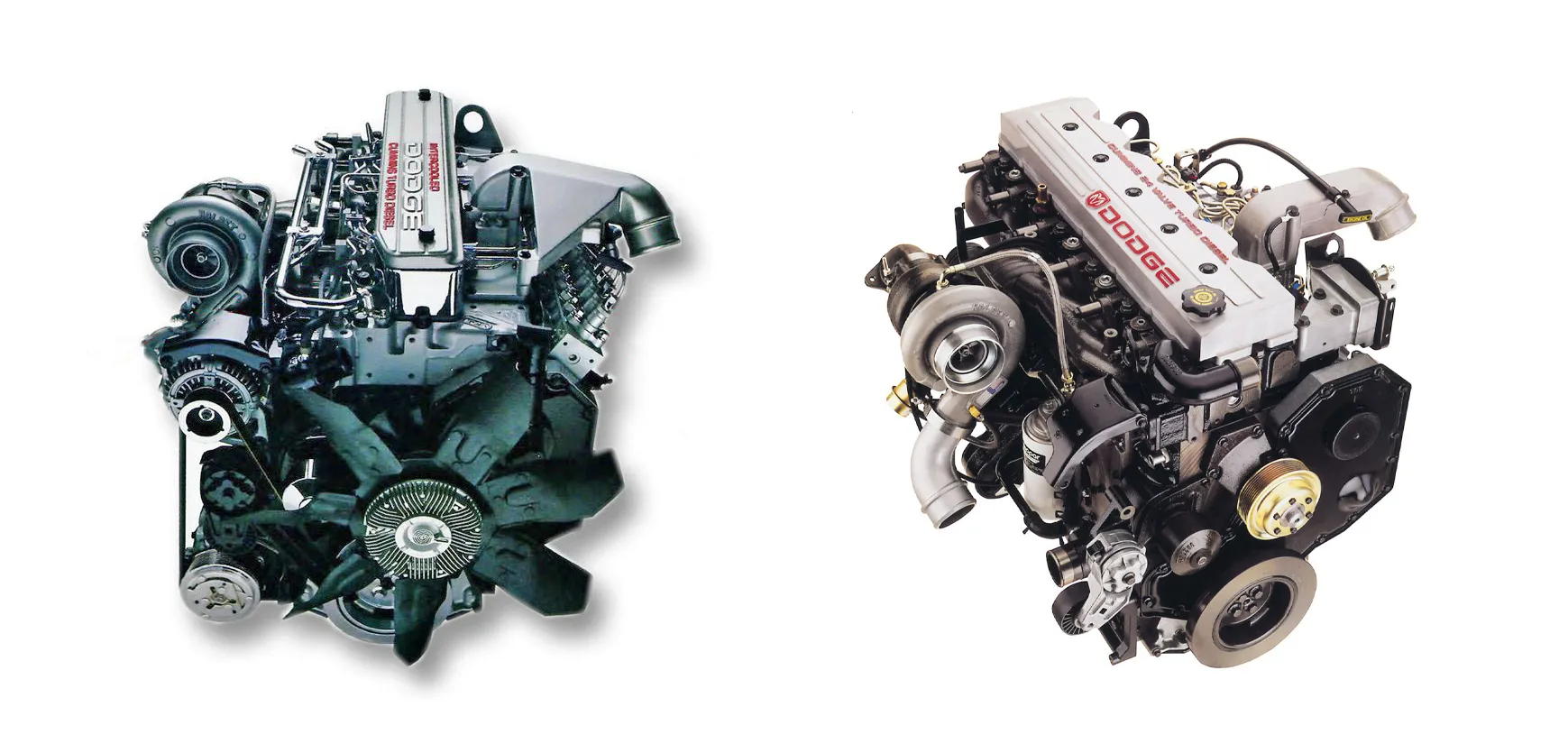
2. Cummins 5.9L Inline-6 Diesel (6BT 12-Valve and 24-Valve)
Known Models: Dodge Ram 2500 and 3500 HD (1989 to 2007)
- Engine Layout: Turbocharged Inline-6 Diesel
- Horsepower: 160 hp to 325 hp
- Torque: 400 lb-ft to 610 lb-ft
Few diesel engines have earned the respect enjoyed by the Cummins 6BT. Whether installed in commercial vehicles or pickup trucks, it has built a reputation for lasting hundreds of thousands of miles with proper maintenance. Its durability comes from decades of proven performance in real driving conditions rather than advertising claims. Many owners see 300,000 miles as only part of the engine’s working life, expecting it to continue delivering dependable service well beyond that point.
A major reason for this reputation is its heavy-duty cast-iron cylinder block. Built using design standards similar to those found in agricultural and construction equipment, the block features thick walls and exceptional strength. Since machines in those industries operate under demanding conditions for long hours, the engine is more than capable of handling the workloads expected from a pickup truck without excessive stress.
The Cummins 6BT also uses thick connecting rods that efficiently transfer combustion forces from the pistons to the crankshaft. Their sturdy construction reduces wear and improves long-term reliability. Many owners also prefer the 12-valve version because its mechanical fuel injection system is simpler than electronic setups, making faults easier to diagnose and repairs less expensive.
Another advantage is its low-speed operating style. The engine produces strong torque without needing high RPM, reducing strain on internal components. Because it operates well below its mechanical limits for most of its service life, wear remains low, allowing the 6BT to deliver dependable performance for many years.
Also Read: 8 Cruisers With the Most Reliable Engines
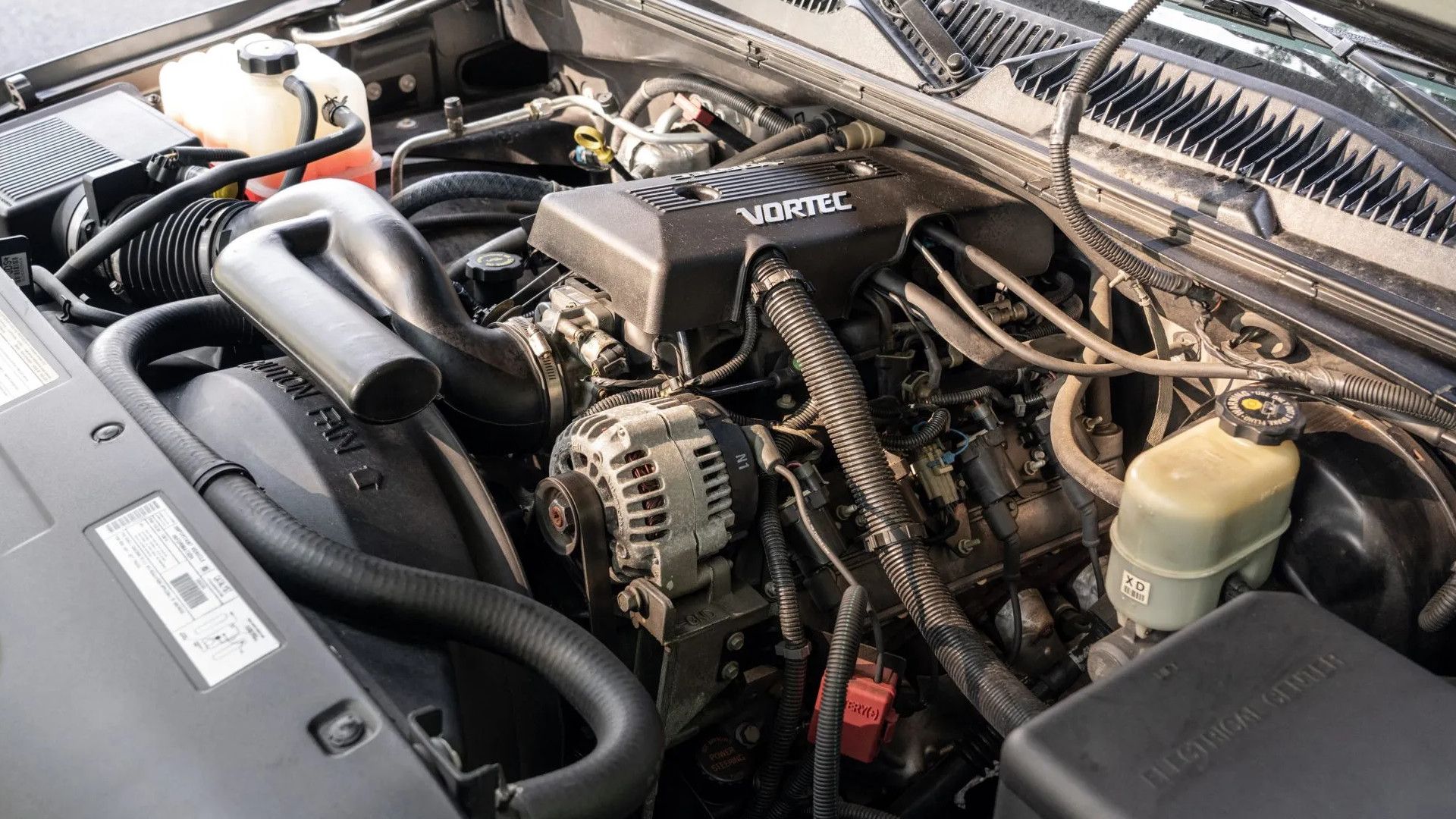
3. General Motors 5.3L V8 (Vortec 5300 / LM7)
Known Models: Chevrolet Silverado, Suburban, Tahoe, GMC Yukon (1999 to 2007)
- Engine Layout: Naturally Aspirated Pushrod V8 (LS-Based)
- Horsepower: 270 hp to 320 hp
- Torque: 315 lb-ft to 340 lb-ft
Enthusiast communities have assigned the early Vortec 5.3L a nickname that communicates its reputation more efficiently than any specification comparison ever could: the cockroach engine. That nickname references the specific quality of surviving conditions that would eliminate less durable powerplants, and the early LM7 iron-block version earned this designation through documented real-world performance rather than marketing-department storytelling.
Iron block construction gives this engine dimensional stability across temperature extremes that aluminum alternatives cannot consistently match, since iron’s lower thermal expansion coefficient means cylinder bore dimensions change less dramatically between cold startup and full operating temperature.
That dimensional stability translates directly into better ring seal consistency across the engine’s full operating temperature range, reducing blow-by and maintaining compression health across far more miles than engines experiencing greater dimensional variation throughout each thermal cycle. Pushrod valve actuation eliminates the overhead camshaft components, variable camshaft actuators, and associated oil pressure circuits that modern engine designs incorporate in pursuit of efficiency gains.
Fewer moving components create fewer failure opportunities, and the pushrod system’s mechanical robustness at high temperatures and extreme load conditions explains why this architecture continues powering high-mileage commercial and fleet vehicles decades after contemporary overhead-cam competitors have needed major internal service.
Critically, this specific generation predates General Motors’ introduction of Active Fuel Management cylinder deactivation, the technology that created the well-documented lifter failure pattern affecting later 5.3L variants. Buying or maintaining a pre-AFM 5.3L specifically means accessing the architecture’s genuine durability without the deactivation system’s documented vulnerability, making generation selection a meaningful mechanical decision rather than simply a preference between model years.
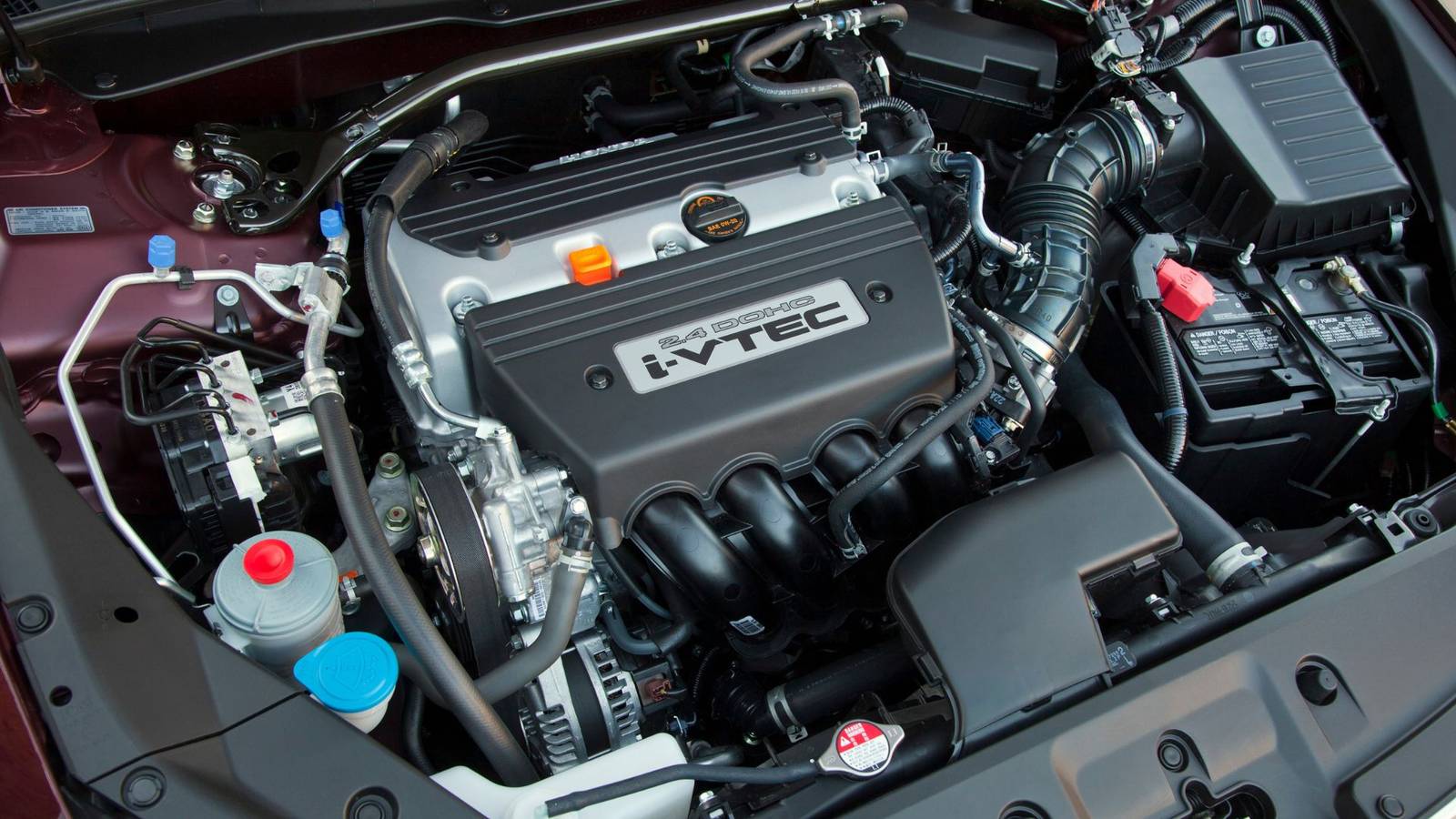
4. Honda 2.4L Inline-4 (K24 Series)
Known Models: Honda Accord, CR-V, Element, Acura TSX (2002 to 2015)
- Engine Layout: Naturally Aspirated DOHC Inline-4
- Horsepower: 160 hp to 205 hp
- Torque: 160 lb-ft to 174 lb-ft
Honda took a different approach when developing the K24 engine by placing durability ahead of unnecessary complications. That decision helped make this four-cylinder engine one of the most dependable options fitted to front-wheel-drive sedans and crossovers during its time. Mechanics who regularly service high-mileage vehicles often rate the K24 among the finest four-cylinder engines sold in the American market because it continues performing well even after years of regular use.
One reason for its long service life is the forged steel crankshaft. Unlike cast iron versions used in many competing engines, forged steel handles repeated high engine speeds with greater strength and better resistance to wear. Although producing a forged crankshaft costs more, Honda chose this route because it delivers lasting durability after hundreds of thousands of combustion cycles. Owners who maintain their vehicles properly often benefit from this stronger design for many years.
Another advantage comes from Honda’s dependable i-VTEC variable valve timing system. It has earned a reputation for working consistently without the oil pressure issues seen in some rival designs, provided routine oil changes are not ignored. The timing chain also removes the need for regular timing belt replacements, reducing maintenance costs while avoiding the risk of belt failure.
Many Honda Accord and CR-V owners have reported driving well beyond 250,000 and even 300,000 miles without major internal engine repairs. These stories appear so frequently that they reflect the engine’s proven durability rather than a few lucky experiences.
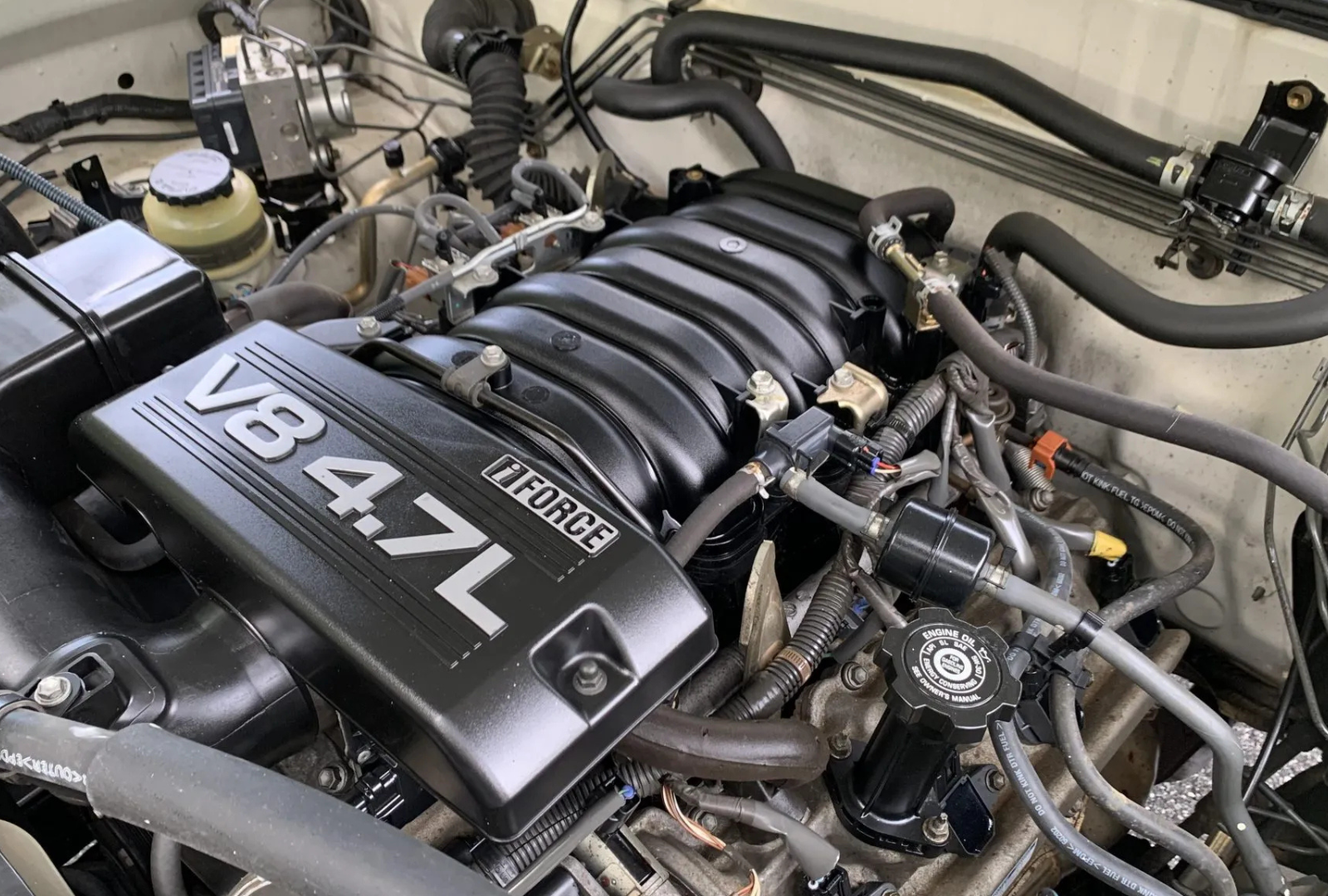
5. Toyota 4.7L V8 (2UZ-FE)
Known Models: Toyota Land Cruiser, Sequoia, Tundra, Lexus GX 470 (1998 to 2009)
- Engine Layout: Naturally Aspirated DOHC 32-Valve V8
- Horsepower: 230 hp to 282 hp
- Torque: 300 lb-ft to 325 lb-ft
Cast-iron block construction appears throughout this list for consistent engineering reasons, and the 2UZ-FE’s utilization of this architecture within a modern DOHC V8 layout demonstrates that Toyota prioritized long-term durability over weight reduction during a period when competing manufacturers were transitioning toward all-aluminum construction.
That prioritization decision shows up directly in the engine’s documented real-world longevity across vehicles used in some of the most demanding operating environments found anywhere globally. Toyota Land Cruiser examples equipped with this engine accumulate documented high-mileage ownership stories with a frequency that routinely surprises automotive journalists encountering the used Land Cruiser market for the first time.
Million-mile examples exist in sufficient numbers to be something other than purely exceptional, and 300,000-mile examples are almost routine within communities that specifically track Land Cruiser ownership histories across multiple owners and geographic locations.
The engine’s one genuine maintenance requirement deserves direct, clear acknowledgment because it represents the difference between reaching 300,000 miles and suffering a catastrophic internal failure that destroys an otherwise healthy engine.
A rubber timing belt and water pump assembly requires replacement every 90,000 miles without exception. Unlike the timing chain systems used in several other engines on this list, the 2UZ-FE’s belt-driven system will fail suddenly and without adequate warning if this interval is missed, causing the belt to break and the pistons to contact the valves destructively.
Every other internal component of this engine is virtually immortal with proper lubrication. This one maintenance item is the single point of failure that owners must never overlook.
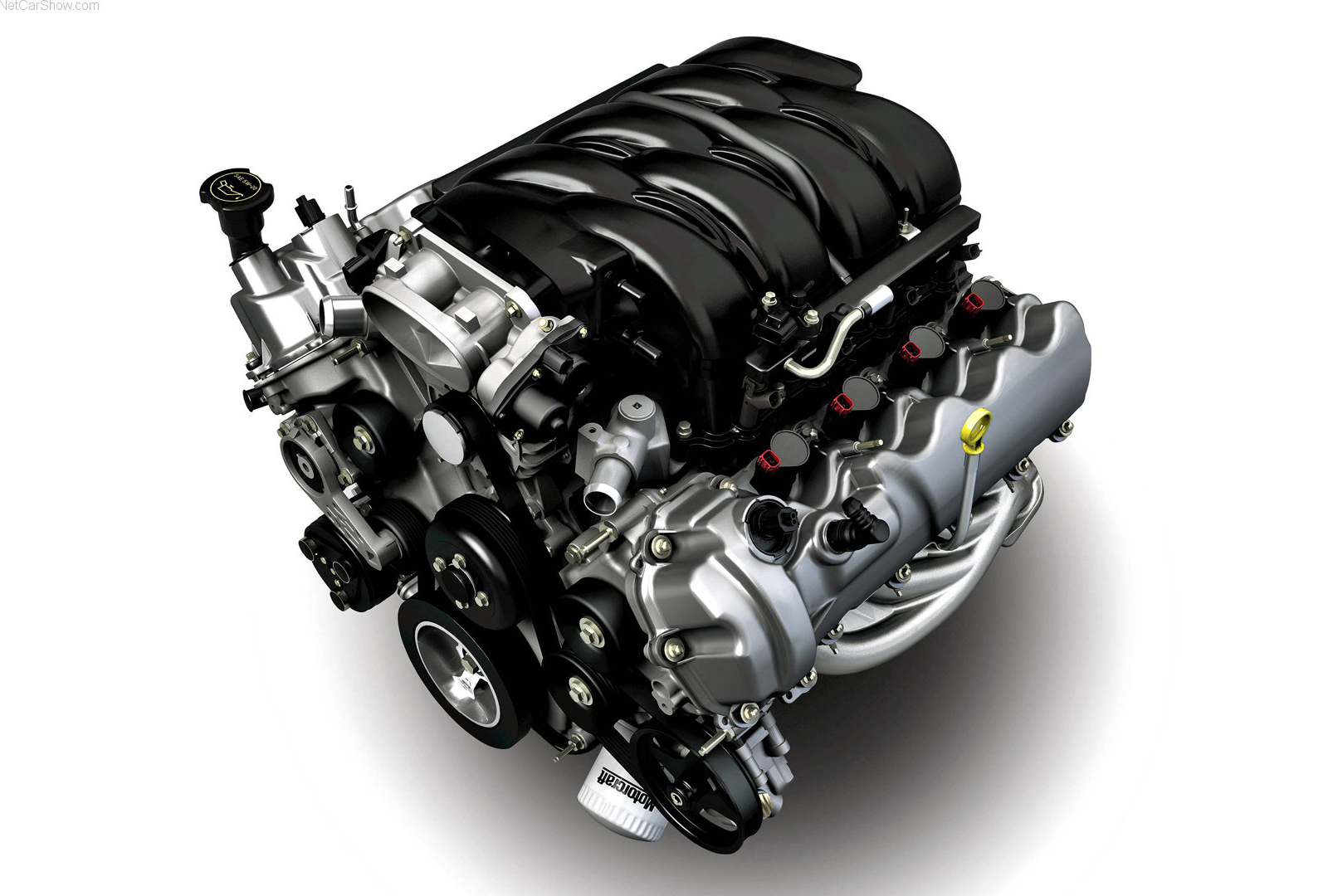
6. Ford 4.6L V8 (Modular 2-Valve)
Known Models: Ford Crown Victoria, F-150, Lincoln Town Car, Mercury Grand Marquis
- Engine Layout: Naturally Aspirated SOHC V8
- Horsepower: 210 hp to 250 hp
- Torque: 270 lb-ft to 295 lb-ft
No engine’s durability credentials are more directly verifiable through observable real-world data than the Ford 4.6L Modular 2-Valve, since this powertrain spent decades as the standard engine in vehicles subjected to the two most demanding operational profiles that any production engine ever faces in civilian service: police patrol duty and commercial taxi operation.
Police vehicles idle for thousands of consecutive hours annually while running auxiliary equipment loads, experience repeated high-speed pursuits that push thermal management systems to sustained limits, and accumulate annual mileage that makes typical private vehicle use look modest by comparison.
Taxi vehicles add constant stop-and-go urban driving, rarely allowing the engine to reach optimal operating temperature before demanding acceleration from the next traffic light, a thermal cycling pattern that reveals head gasket weaknesses, cooling system inadequacies, and combustion seal vulnerabilities with brutal efficiency.
A powerplant that survives decades of combined police and taxi service across fleets measured in hundreds of thousands of vehicles has demonstrated its durability through a sample size and operational diversity that no controlled test program can replicate.
Fleet maintenance records from municipal police departments and commercial taxi operators consistently confirmed this engine’s reliability during its peak production years, generating the institutional trust that kept Ford supplying the same basic architecture to these demanding customers for an extended period.
Power calibration on this engine sits deliberately below what the displacement and valve train configuration could produce, and that conservative tuning is specifically credited by engineers familiar with its design for the low internal stress levels that allow it to accumulate mileage under relentless operational pressure without accelerating internal wear beyond what routine maintenance can manage.
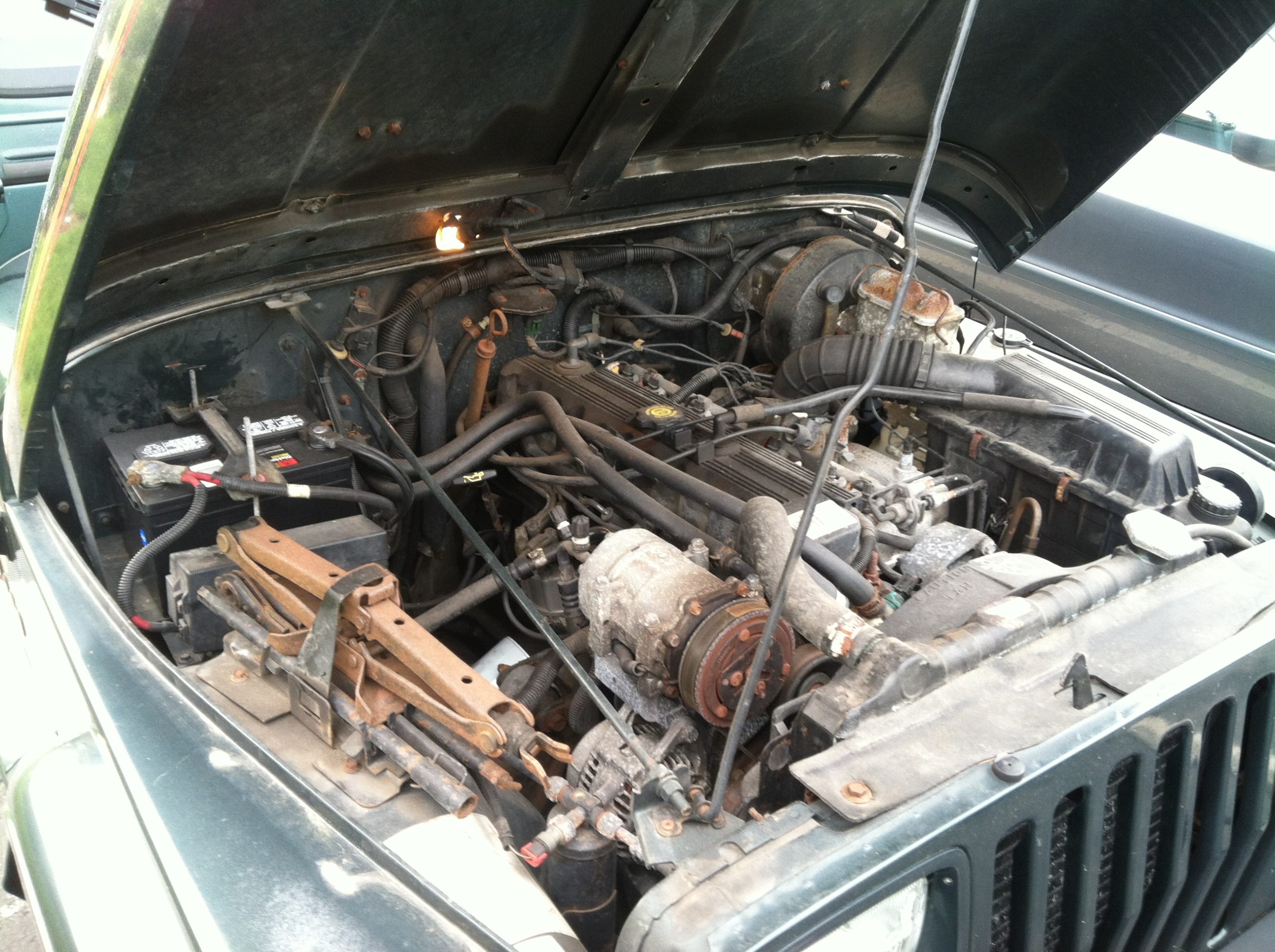
7. Jeep 4.0L Inline-6 (AMC 242)
Known Models: Jeep Cherokee XJ, Wrangler TJ, Grand Cherokee WJ (1987 to 2006)
- Engine Layout: Naturally Aspirated Pushrod Inline-6
- Horsepower: 175 hp to 190 hp
- Torque: 220 lb-ft to 235 lb-ft
The AMC 242 earned its reputation because of its naturally balanced inline-six design. Unlike many V6, V8, and four-cylinder engines, it does not rely on extra balancing components to reduce vibration. Its smooth operation places less stress on engine mounts, seals, and gaskets, helping internal parts last much longer. Reduced vibration also slows wear on moving components, making the engine dependable even after years of regular use.
Its cast-iron engine block is another reason for its long service life. Compared with aluminum, cast iron holds its shape better when exposed to extreme temperature changes. This becomes especially useful during off-road driving, where the engine can move from freezing conditions to full operating temperature within a short time. The stronger block protects the cylinder bores and stands up well to demanding conditions.
The simple pushrod valve train also contributes to the engine’s reputation for reliability. With fewer moving parts than overhead-cam designs, maintenance is easier and fewer components can fail. Drivers who regularly travel through mud, water, and dusty trails appreciate this straightforward design because it continues performing without requiring frequent repairs.
Many Jeep Cherokee XJ owners have reported the AMC 242 surviving years of hard use, even when maintenance was not always carried out on schedule. The engine often keeps running under conditions that would seriously damage many modern designs with tighter tolerances. Its generous engineering margins give owners confidence that it can deliver dependable performance for hundreds of thousands of miles with basic care.
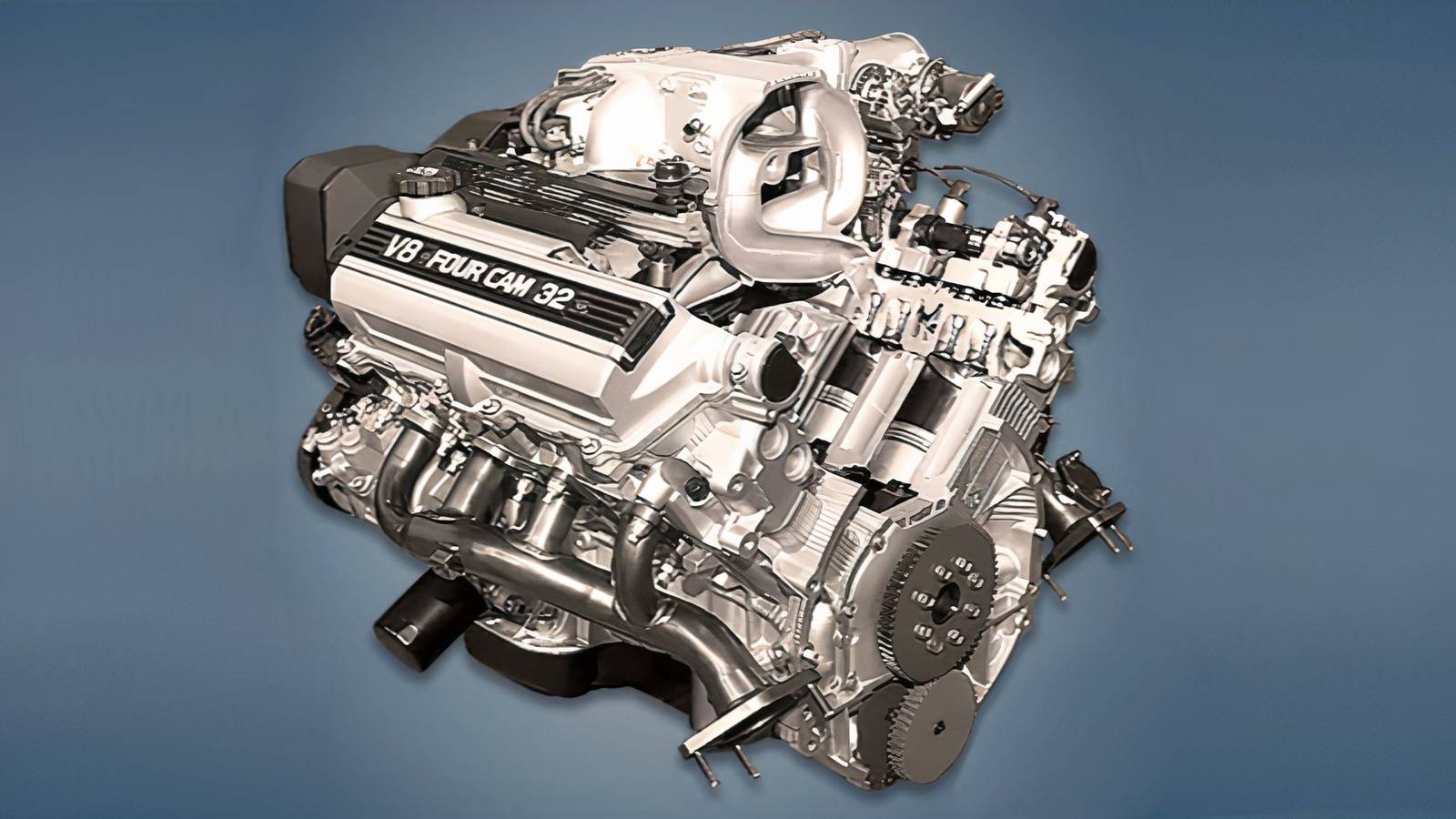
8. Lexus and Toyota 4.0L V8 (1UZ-FE)
Known Models: Lexus LS 400, SC 400, GS 400 (1989 to 2000)
- Engine Layout: Naturally Aspirated DOHC Luxury V8
- Horsepower: 250 hp to 290 hp
- Torque: 260 lb-ft to 300 lb-ft
Toyota created the 1UZ-FE during the launch of the Lexus brand, and the company spared little expense to make sure the engine earned the trust of luxury car buyers. Since Lexus was competing against well-established German manufacturers, Toyota knew that early reliability problems could damage the brand’s reputation.
That approach resulted in an engine built to standards that exceeded what is common for mass-produced vehicles. One reason for its durability is the advanced manufacturing process used to produce the engine block and cylinder heads. Toyota adopted casting methods inspired by Formula One technology to improve material quality and production accuracy.
This allowed the combustion chambers, bearing surfaces, and oil passages to meet very strict specifications. Because every component started with tighter tolerances, internal parts remained within factory limits for much longer, reducing wear after years of use.
The engine also features six-bolt main bearing caps instead of the four-bolt arrangement found in many production engines. With extra mounting points, combustion forces are spread more evenly across the crankshaft assembly, reducing unwanted movement under heavy loads. Stable bearing support helps maintain proper oil film thickness, protecting the crankshaft and bearings from premature wear throughout the engine’s service life.
Many high-mileage Lexus LS 400 models continue to attract attention because of the impressive durability of the 1UZ-FE. Owners regularly report driving beyond 300,000 miles without major internal engine repairs. In many cases, other parts of the vehicle require maintenance long before the engine shows signs of serious wear, proving just how durable Toyota made this powertrain.
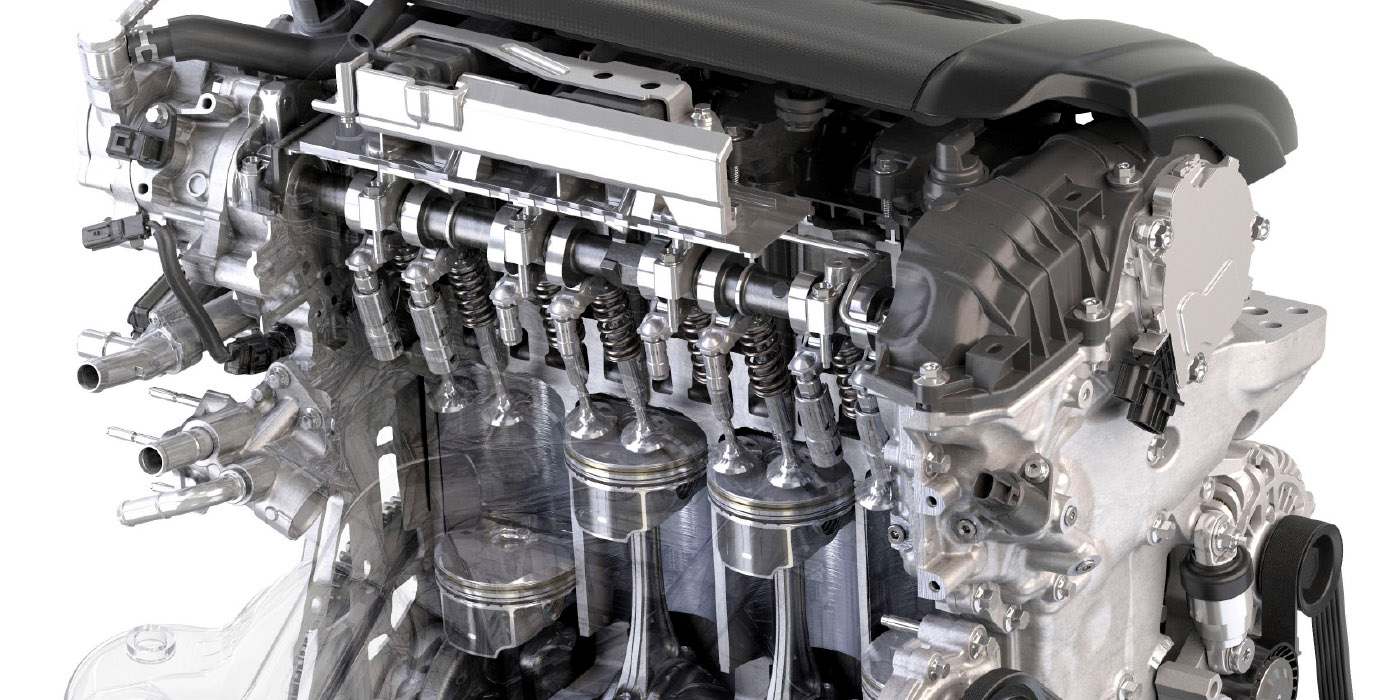
9. Mazda 2.5L 4-Cylinder (Skyactiv-G)
Known Models: Mazda CX-5, Mazda3, Mazda6, CX-30
- Engine Layout: Naturally Aspirated Direct-Injection Inline-4
- Horsepower: 184 hp to 191 hp
- Torque: 185 lb-ft to 186 lb-ft
Among engines still being produced today, the Mazda Skyactiv-G 2.5-liter has built a reputation for reliability that few modern direct-injection engines can match. Many independent mechanics point to its unusually low failure rate, especially considering that direct-injection engines are often linked with carbon buildup after covering high mileage. Even after passing 200,000 miles, this engine continues to deliver dependable performance for many owners with routine maintenance.
One reason behind its durability is Mazda’s focus on improving fuel efficiency without sacrificing long-term dependability. The engine records a failure rate of less than four percent beyond 200,000 miles, showing that careful engineering can achieve both goals. Its high-compression design improves combustion while reducing the fuel dilution that affects the engine oil in many competing direct-injection engines. Cleaner oil helps protect bearings and other internal components, reducing wear and extending engine life.
Mazda also paid close attention to the design of the pistons, combustion chamber, and fuel injection timing. These parts work together to control heat and pressure inside the cylinders with impressive accuracy. As a result, the engine avoids the knocking and uncontrolled combustion that can damage pistons and piston rings in other high-compression engines. Instead of becoming a weakness, the high compression ratio adds to the engine’s efficiency while maintaining dependable operation.
Owners of the Mazda CX-5 and Mazda3 regularly report smooth performance and very few mechanical issues, even after many years of driving. Routine servicing is usually all that is needed to keep the engine running properly. Its strong reliability record has earned it a place alongside many respected engines from earlier generations that are still remembered for their durability and long service life.
Also Read: 6 V8 Engines That Survived the Downsizing Era
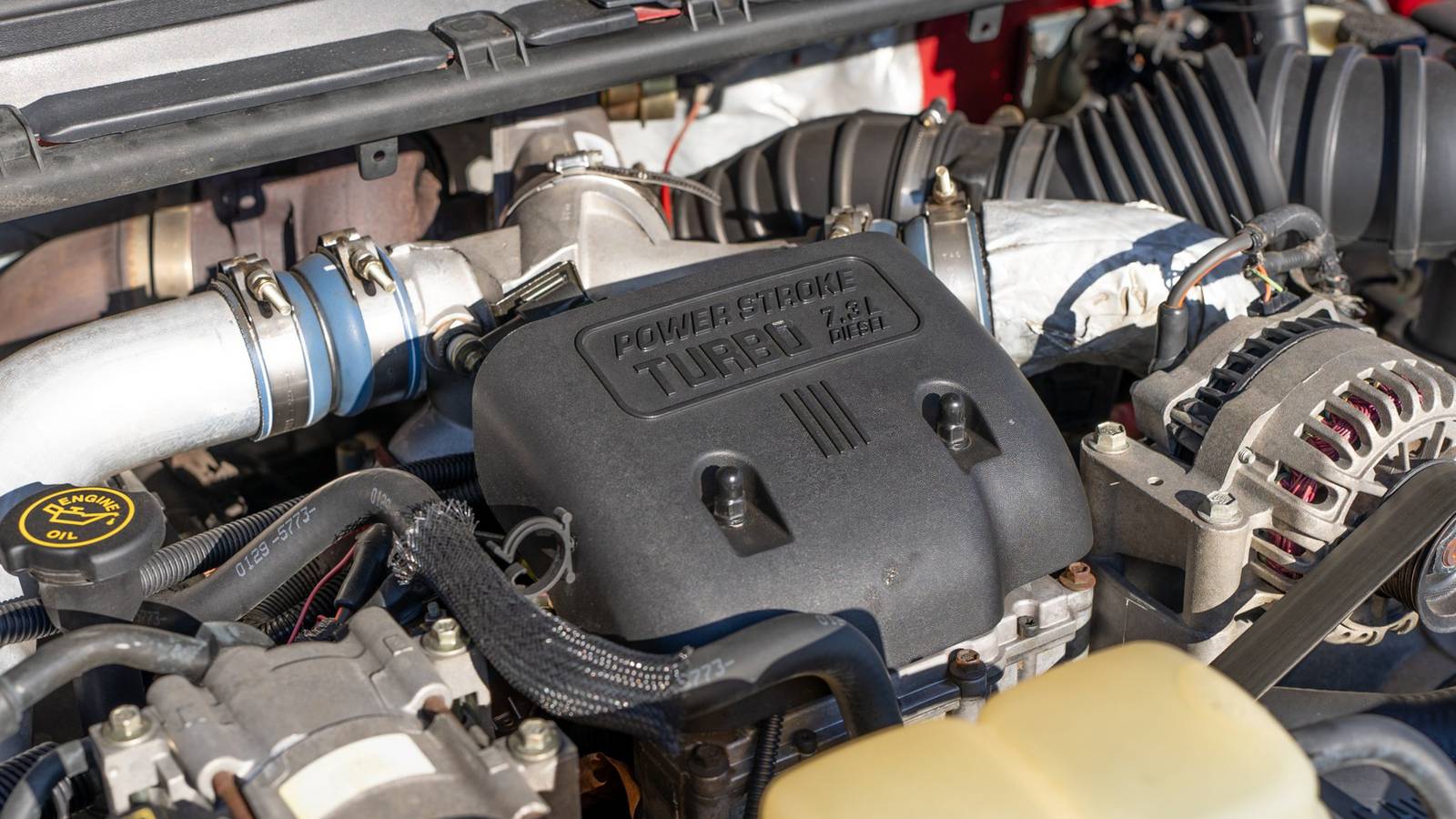
10. Ford 7.3L Power Stroke Diesel V8
Known Models: Ford F-250 and F-350 Super Duty, Ford Excursion (1994 to 2003)
- Engine Layout: Turbocharged OHV 16-Valve Diesel V8
- Horsepower: 215 hp to 275 hp
- Torque: 425 lb-ft to 525 lb-ft
Strong resale values tell you everything you need to know about the reputation of the 7.3-liter Power Stroke. Clean Ford F-250 and F-350 trucks equipped with this diesel engine often sell for more than similar models fitted with newer diesel options.
Buyers who understand the market are willing to pay the extra cost because years of ownership have proven this engine’s durability and dependability rather than simple nostalgia. Built by Navistar International instead of Ford’s in-house engine division, the 7.3-liter Power Stroke was developed with heavy commercial use in mind.
Its thick engine block, large bearings, and durable internal components were designed for demanding work instead of cutting weight or production costs. This heavy-duty construction allows the engine to handle constant towing and hauling while resisting the stress that can damage lighter diesel engines after years of hard use.
Another advantage is its gear-driven camshaft, which removes the need for timing chains or belts. A direct gear connection requires very little maintenance and avoids common problems such as chain stretch, worn tensioners, damaged guides, or scheduled timing belt replacements. This design improves long-term reliability and reduces the chances of expensive timing-related failures.
The HEUI fuel injection system also contributes to the engine’s long service life. Instead of depending on high-pressure fuel rails, it uses engine oil pressure to control fuel injection. This setup delivers accurate fuel timing under heavy workloads and towing conditions.
Owners and diesel technicians agree that regular oil changes with quality oil are the best way to keep the system operating properly, since clean oil directly affects injector performance and durability.
