The first few years of vehicle ownership are almost always accompanied by depreciation, but some cars lose value at a much faster pace than others. In extreme cases, a model can shed nearly half of its original purchase price before the odometer reaches 30,000 miles.
For the original owner, that represents a significant financial hit. For used-car shoppers, however, these vehicles can become attractive bargains because many still offer modern technology, strong performance, and low mileage at a fraction of their original cost.
Rapid depreciation is rarely caused by a single factor. Brand perception, high initial pricing, expensive maintenance, limited demand in the used market, frequent incentives on new models, and reliability concerns can all reduce resale values.
Luxury sedans and premium SUVs often experience the steepest declines because buyers looking for used examples are cautious about long-term ownership costs. Electric vehicles have also seen accelerated depreciation in recent years as battery technology improves rapidly and manufacturers continue adjusting new vehicle prices.
This list highlights ten vehicles that have been known to lose close to half of their original value before reaching 30,000 miles. Each one illustrates a different reason why depreciation can be so severe.
While these models may not be ideal for buyers planning to sell quickly, they can represent exceptional value for those purchasing them on the used market after the largest depreciation has already occurred.
Also Read: 10 Sedans That Hit 60 MPH Much Faster Than You’d Expect
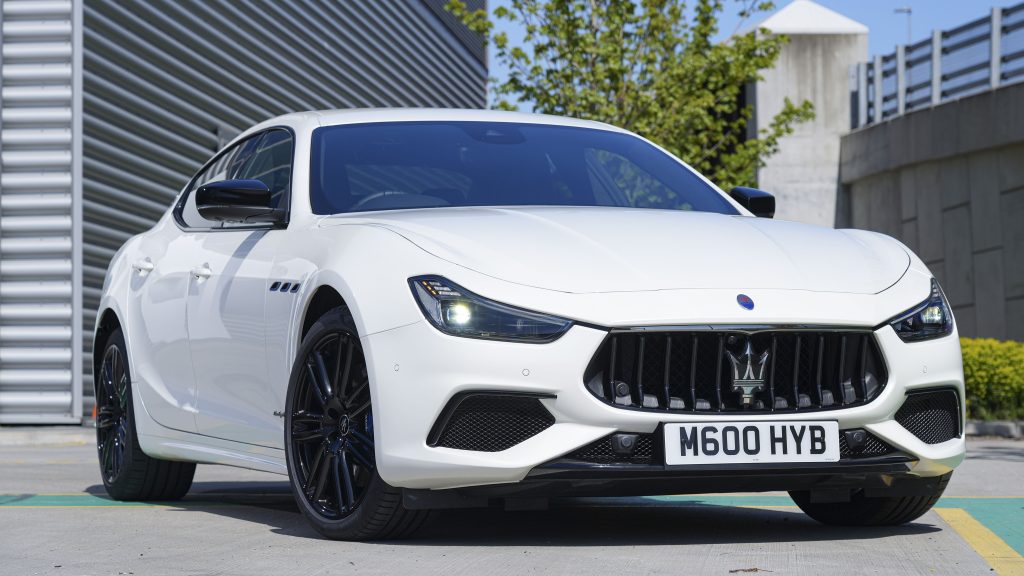
10. Maserati Ghibli
The Maserati Ghibli entered the luxury sports sedan segment with distinctive Italian styling, an unmistakable exhaust note, and an exclusive badge that immediately separated it from German competitors.
Despite those strengths, the Ghibli has consistently ranked among the fastest-depreciating luxury cars. Many examples lose close to half of their original value before reaching 30,000 miles, creating one of the sharpest resale declines in the premium sedan market.
Several factors contribute to this depreciation. The Ghibli carries a high starting price when new, limiting its audience from the beginning. Once it enters the used market, shoppers compare it with newer BMW, Mercedes-Benz, Audi, and Genesis models that often offer more advanced technology and stronger reliability records.
Maintenance costs also discourage many second owners. Routine servicing, specialized parts, and premium repair expenses can quickly exceed expectations, reducing buyer demand.
The luxury sedan segment has become increasingly competitive, with manufacturers continuously introducing updated infotainment systems, driver assistance features, and electrified powertrains.
As a result, even a lightly used Ghibli can appear dated compared with recently redesigned rivals. Fleet sales and lease returns also increase the supply of used examples, placing additional downward pressure on resale prices.
For buyers willing to accept higher ownership costs, the Ghibli offers an engaging driving experience, premium interior materials, and a unique personality that stands apart from more common luxury sedans.
Purchasing one after the steepest depreciation has occurred often provides considerably better value than buying new.
Specifications
- Engine: 3.0-liter twin-turbocharged V6
- Torque: 369 lb-ft
- Horsepower: 345 hp
- Length/Width: 195.7 in / 76.7 in
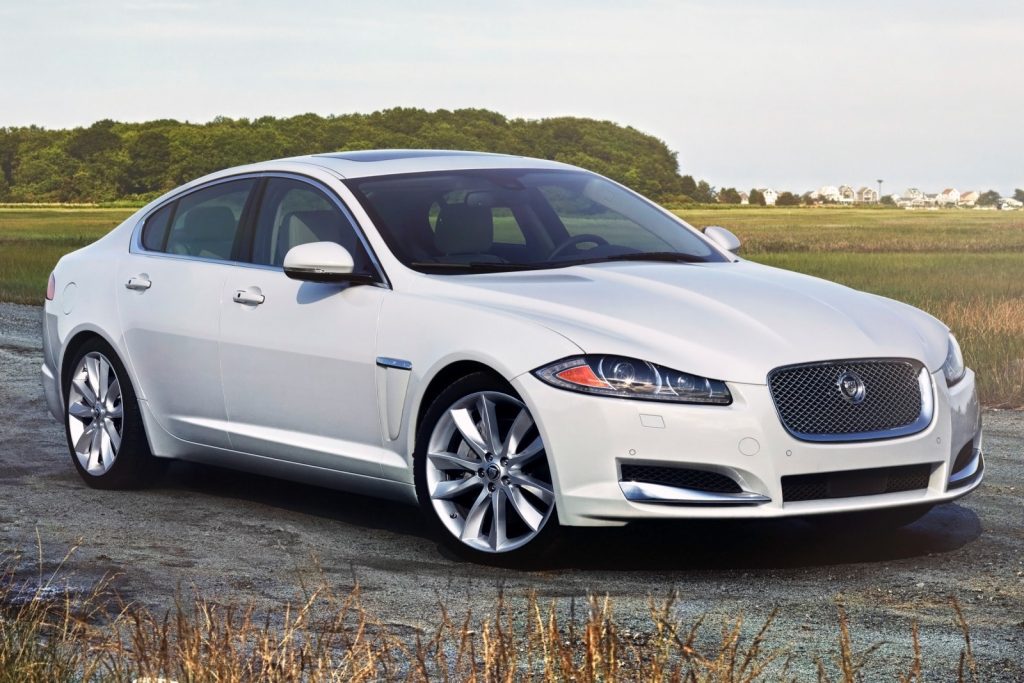
9. Jaguar XF
The Jaguar XF has long appealed to drivers seeking a luxury sedan with elegant styling and refined road manners rather than outright performance. It delivers a comfortable ride, an upscale cabin, and distinctive British character.
Even so, the XF has consistently struggled to retain its original value, with many examples approaching a 50 percent depreciation before reaching 30,000 miles.
The XF competes in a luxury sedan segment where brand reputation has a major influence on resale value. German luxury automakers continue to attract the strongest demand, leaving Jaguar with a much smaller pool of buyers in the used vehicle market.
Potential buyers often weigh ownership costs carefully, and concerns surrounding long-term reliability and maintenance expenses have historically affected resale values.
Frequent manufacturer incentives on new Jaguar models further accelerate depreciation. Attractive lease offers and dealer discounts reduce the effective purchase price of new vehicles, making lightly used examples less appealing unless priced aggressively.
The rapid pace of technological advancement also contributes to declining values. Buyers increasingly prioritize the latest infotainment software, advanced safety systems, and digital cockpit features, causing earlier models to depreciate more rapidly.
Despite its resale challenges, the XF remains an impressive luxury sedan. Its refined suspension provides excellent highway comfort, while responsive steering and balanced handling create an enjoyable driving experience.
High-quality cabin materials and understated styling continue to attract enthusiasts looking for something different from more common premium sedans. Purchasing a low-mileage used XF allows buyers to enjoy many luxury features while avoiding the substantial depreciation faced by the original owner.
Specifications
- Engine: 2.0-liter turbocharged inline-4
- Torque: 269 lb-ft
- Horsepower: 246 hp
- Length/Width: 195.0 in / 78.2 in
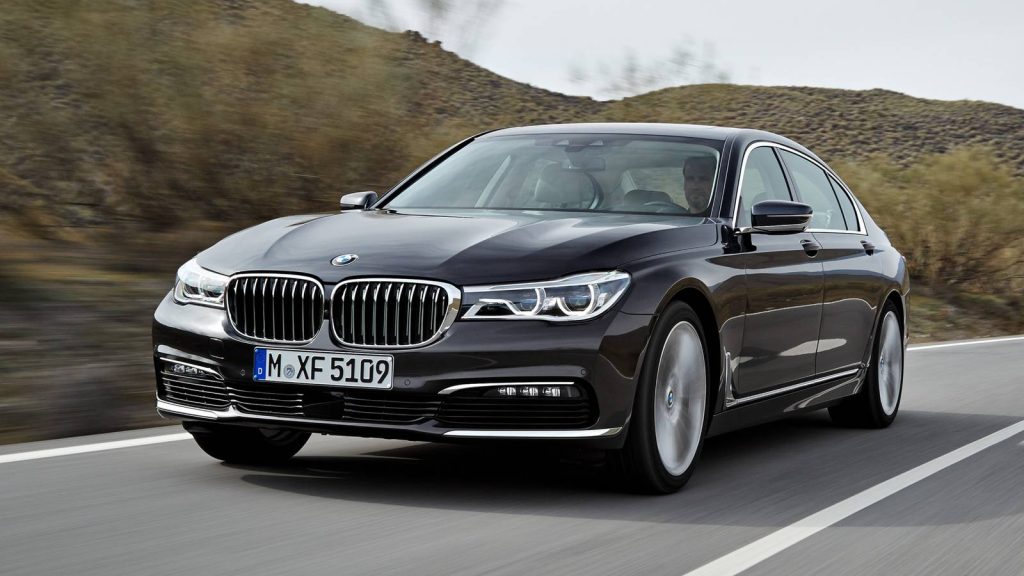
8. BMW 7 Series
Luxury flagship sedans are known for introducing cutting-edge technology, but they also have a reputation for losing value quickly. The BMW 7 Series is one of the clearest examples. A model that costs well into six figures when new can see its resale value fall dramatically before the odometer reaches 30,000 miles.
This sharp decline is largely driven by the expectations of luxury buyers, who often want the newest technology rather than a lightly used example.
The 7 Series is packed with advanced features, including sophisticated driver assistance systems, digital displays, premium materials, adaptive suspension, and multiple powertrain options. While these features make the car impressive when new, they also increase long-term ownership costs.
Once factory warranties begin to expire, many prospective buyers become cautious because repairs involving electronic systems or air suspension components can be expensive.
BMW also refreshes its flagship sedan frequently with updated styling, software improvements, and additional technology.
Those updates can make previous versions feel older much sooner than expected. Lease returns further increase the supply of low-mileage used examples, forcing resale prices downward as dealers compete for buyers.
For used luxury shoppers, this depreciation creates an excellent opportunity. A carefully maintained 7 Series often delivers exceptional comfort, strong performance, and a premium interior for a fraction of its original sticker price. Buyers who budget properly for maintenance can enjoy flagship luxury without paying new-car prices.
Specifications
- Engine: 3.0-liter turbocharged inline-6
- Torque: 398 lb-ft
- Horsepower: 375 hp
- Length/Width: 212.2 in / 76.8 in
7. Audi A8
The Audi A8 demonstrates how quickly flagship luxury sedans can lose market value despite offering world-class engineering. Built with exceptional craftsmanship and advanced technology, the A8 delivers a quiet cabin, refined ride quality, and effortless highway performance.
Yet many examples lose nearly half of their purchase price before accumulating 30,000 miles, making it one of the fastest-depreciating vehicles in its class.
Part of the reason lies in buyer expectations within the premium segment. Customers spending luxury-car money typically prefer purchasing the newest available model with the latest infotainment software, digital displays, and safety technologies.
Even a two-year-old A8 can compete against newly redesigned rivals that offer updated interfaces and additional convenience features.
Operating costs also influence resale demand. Although Audi has improved reliability in recent years, maintenance remains significantly more expensive than for mainstream vehicles.
Air suspension systems, premium electronics, and specialized parts contribute to higher ownership expenses, causing many second-hand buyers to negotiate aggressively or choose less expensive alternatives.
The used luxury market is also filled with competition. BMW, Mercedes-Benz, Lexus, and Genesis all offer compelling flagship sedans, creating downward pressure on resale prices. Dealer incentives and lease returns add even more inventory, making depreciation even steeper.
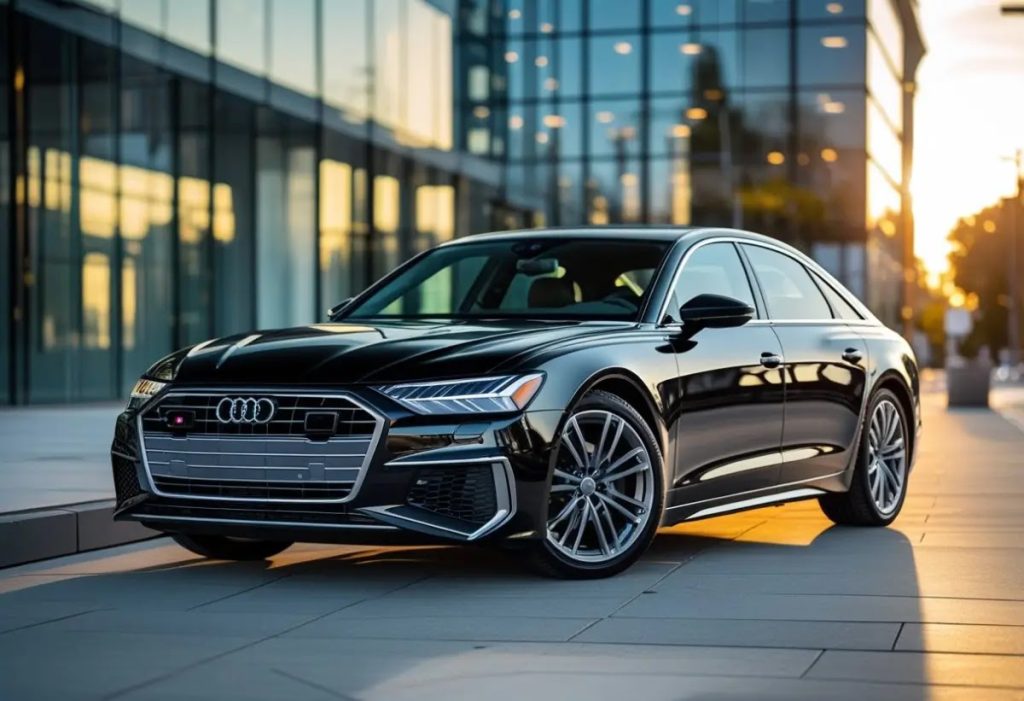
While the original owner absorbs much of the financial loss, used buyers often benefit substantially. A low-mileage Audi A8 provides outstanding ride comfort, quattro all-wheel drive, impressive interior craftsmanship, and advanced safety features at a price that represents far greater value than buying new.
Specifications
- Engine: 3.0-liter turbocharged V6
- Torque: 369 lb-ft
- Horsepower: 335 hp
- Length/Width: 208.7 in / 76.6 in
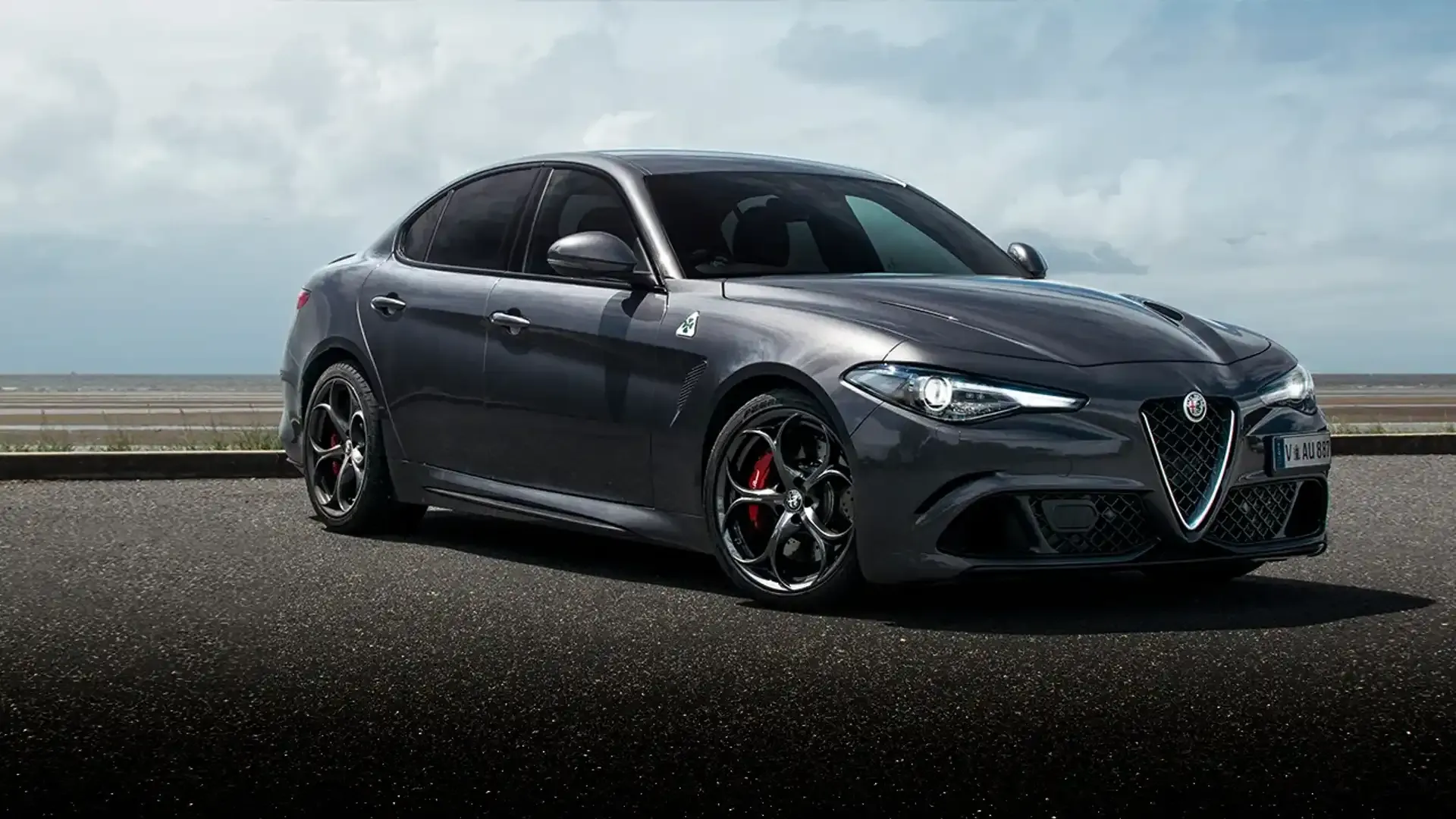
6. Alfa Romeo Giulia
Not every car that depreciates rapidly lacks driving appeal. The Alfa Romeo Giulia is proof that an engaging sports sedan can still suffer substantial resale losses despite receiving praise for its handling and performance.
Many examples experience a dramatic drop in value before reaching 30,000 miles, making the Giulia an appealing choice on the used market rather than as a brand-new purchase.
The Giulia entered a segment dominated by long-established competitors from Germany and Japan. While automotive enthusiasts admired its responsive steering, balanced chassis, and distinctive Italian styling, mainstream luxury buyers often prioritized brands with stronger reputations for reliability and dealer support.
That limited demand has played a major role in weakening resale values. Ownership costs also affect buyer confidence. Premium replacement parts, specialized servicing, and fewer dealerships than rival brands can make long-term ownership more expensive.
Prospective second owners frequently account for these costs when negotiating prices, pushing resale values downward even on low-mileage vehicles.
Alfa Romeo has continuously refined the Giulia through software updates and equipment changes, but resale performance has remained soft because the luxury sedan market is highly competitive. Lease returns have further increased the availability of well-equipped used models, giving buyers plenty of choices.
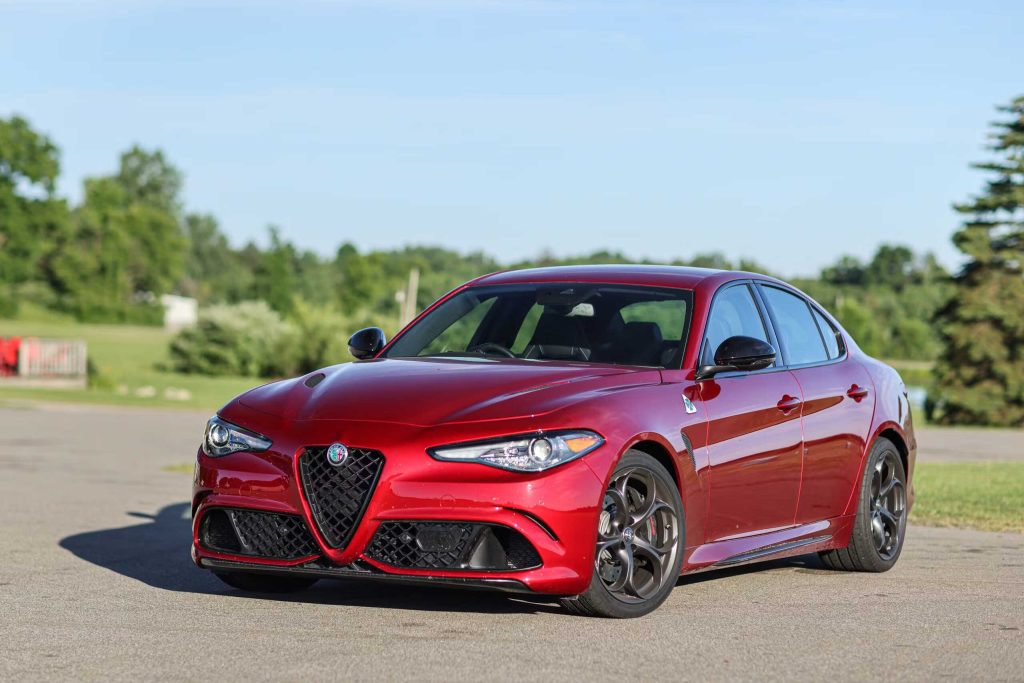
Drivers willing to purchase a pre-owned Giulia often receive exceptional value. The sedan delivers precise cornering, quick acceleration, attractive interior design, and a driving experience that feels noticeably different from many competitors.
Buying after the steepest depreciation allows enthusiasts to enjoy its character while avoiding the largest financial loss.
Specifications
- Engine: 2.0-liter turbocharged inline-4
- Torque: 306 lb-ft
- Horsepower: 280 hp
- Length/Width: 182.6 in / 73.7 in
5. Nissan LEAF
The Nissan LEAF introduced affordable electric driving to thousands of motorists, yet it has also become one of the fastest-depreciating vehicles before reaching 30,000 miles. Its declining value is driven less by high ownership costs and more by the rapid pace of electric vehicle technology, with newer models quickly making earlier versions feel outdated.
Battery development has advanced at an impressive pace over the past decade. New electric vehicles regularly arrive with longer driving ranges, faster charging speeds, and more efficient battery chemistry.
As these improvements reach the market, earlier LEAF models often become less desirable because they cannot match the capabilities of newer competitors.
Manufacturer pricing has also influenced resale values. As several automakers lowered prices on new electric vehicles and introduced attractive financing incentives, used EV prices faced additional pressure. Buyers comparing a lightly used LEAF with a discounted new EV frequently choose the newer model, forcing sellers to reduce asking prices.
Another factor involves consumer expectations. Many first-time EV buyers prioritize maximum driving range, especially if they rely on public charging infrastructure. Older LEAF models with shorter ranges naturally appeal to a smaller audience, reducing demand in the used market.
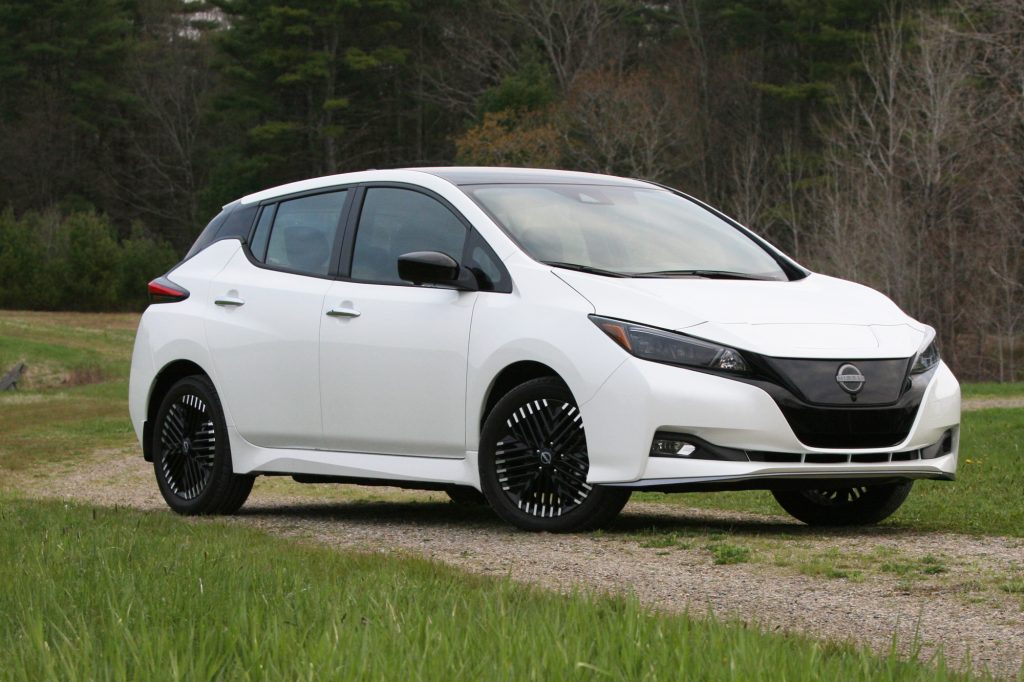
Despite its depreciation, the LEAF continues to serve many owners exceptionally well. For commuters with predictable daily driving needs, it offers low operating costs, quiet performance, and straightforward maintenance.
Purchasing one after its largest depreciation has already occurred can make it one of the most affordable electric vehicles available.
Specifications
- Engine: Single Permanent Magnet Electric Motor
- Torque: 236 lb-ft
- Horsepower: 214 hp
- Length/Width: 176.4 in / 70.5 in
4. Mercedes-Benz S-Class
Few automobiles represent executive luxury as completely as the Mercedes-Benz S-Class. It has long served as the benchmark for comfort, refinement, and technological innovation. Ironically, the same qualities that make it desirable when new also contribute to exceptionally steep depreciation.
Many examples lose nearly half of their original value before accumulating 30,000 miles, creating a dramatic difference between new and used pricing.
The S-Class typically debuts Mercedes-Benz’s newest safety systems, infotainment software, suspension technology, and luxury amenities.
These innovations attract affluent buyers seeking the latest features, but they also cause previous model years to age rapidly in the eyes of luxury shoppers. A newer facelift or updated technology package can significantly affect demand for an earlier model.
Long-term ownership costs also influence resale values. Advanced air suspension systems, sophisticated electronic components, and premium interior features require specialized servicing that can become expensive after the factory warranty expires.
Many second-hand buyers consider those potential expenses before making a purchase, reducing demand for lightly used examples.
Another reason depreciation accelerates is the steady flow of lease returns entering the market. Dealers often receive multiple well-maintained S-Class sedans with relatively low mileage, creating intense competition among sellers. Buyers therefore have considerable negotiating power.
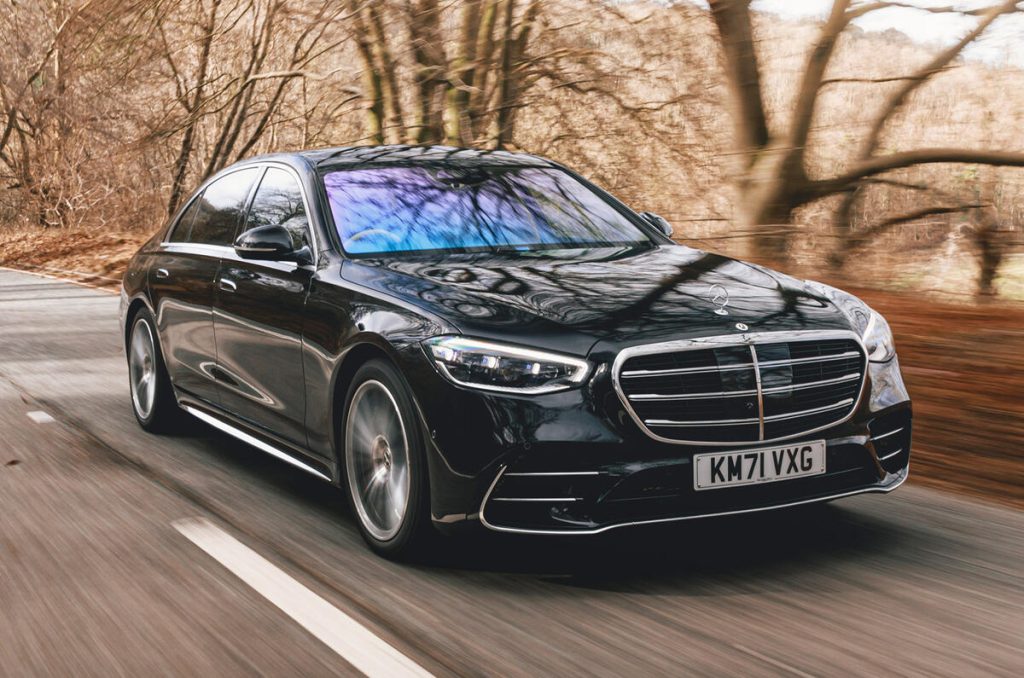
For those shopping in the used luxury market, the S-Class represents remarkable value after the initial depreciation. Owners gain access to exceptional ride quality, handcrafted cabin materials, advanced driver assistance technology, and effortless performance while paying far less than the original sticker price.
Specifications
- Engine: 3.0-liter turbocharged inline-6 with Mild Hybrid System
- Torque: 369 lb-ft
- Horsepower: 442 hp
- Length/Width: 208.2 in / 76.9 in
3. Tesla Model S
The Tesla Model S transformed the premium electric sedan segment by combining impressive acceleration, long driving range, and industry-leading software features. Even with those strengths, it has experienced significant depreciation before reaching 30,000 miles.
Its declining resale value has been shaped largely by pricing strategies across the electric vehicle market rather than any shortcomings in driving performance. As EV prices have fallen and newer models have entered the market, older versions have lost value at a much faster rate.
Tesla has adjusted new vehicle prices several times in recent years, and those reductions have had an immediate effect on used values. When buyers can purchase a brand-new Model S for less than expected, sellers of low-mileage used examples are often forced to lower prices substantially to remain competitive.
Electric vehicle technology also evolves quickly. Improvements in battery efficiency, charging performance, software capabilities, and driver assistance systems encourage many buyers to seek the latest version instead of a slightly older model. Frequent over-the-air updates help keep the Model S current, but hardware revisions still influence resale demand.
Luxury EV buyers are also seeing increased competition from brands such as Mercedes-Benz, BMW, Porsche, Lucid, and others. More choices mean resale prices face greater pressure than they did several years ago.
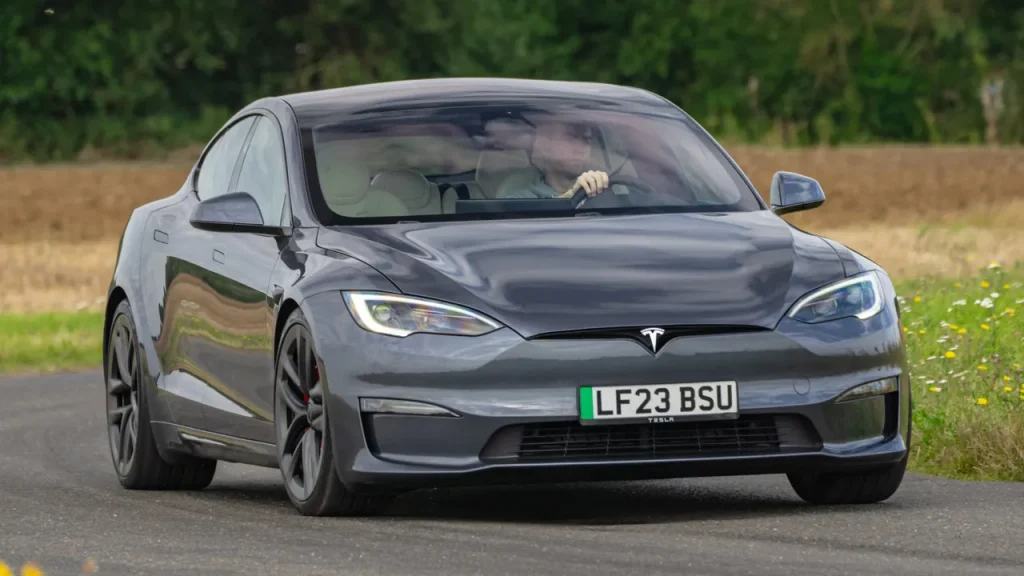
For used buyers, however, depreciation creates an outstanding opportunity. A low-mileage Model S still offers exceptional acceleration, a spacious cabin, access to Tesla’s charging network, and advanced software features.
Purchasing after the largest depreciation has already occurred allows owners to enjoy premium electric performance at a considerably lower cost.
Specifications
- Engine: Dual Electric Motors
- Torque: 713 lb-ft
- Horsepower: 670 hp
- Length/Width: 197.7 in / 78.2 in
2. Infiniti QX80
Large luxury SUVs generally hold their value better than premium sedans, but the Infiniti QX80 has consistently been an exception. Despite offering three-row practicality, a powerful V8 engine, and a comfortable cabin, many examples lose close to half of their original purchase price before reaching 30,000 miles.
The depreciation is not driven by poor capability. Instead, it reflects changing buyer preferences and intense competition in the full-size luxury SUV segment.
One of the biggest factors is the QX80’s aging platform. While Infiniti has updated the interior, infotainment system, and exterior styling over the years, many shoppers recognize that several mechanical components trace their roots back many years.
Buyers comparing the QX80 with newer rivals from Cadillac, Lexus, BMW, and Mercedes-Benz often choose vehicles featuring more modern technology and greater fuel efficiency.
Fuel economy also affects resale demand. Its naturally aspirated V8 provides smooth power and excellent towing capability, but rising fuel costs have encouraged many buyers to look toward turbocharged six-cylinder engines or hybrid alternatives. A smaller pool of interested buyers naturally places downward pressure on resale prices.
Another contributor is manufacturer incentives. Attractive lease programs and dealer discounts frequently reduce effective new vehicle prices, making lightly used examples less competitive unless sellers accept substantial depreciation.
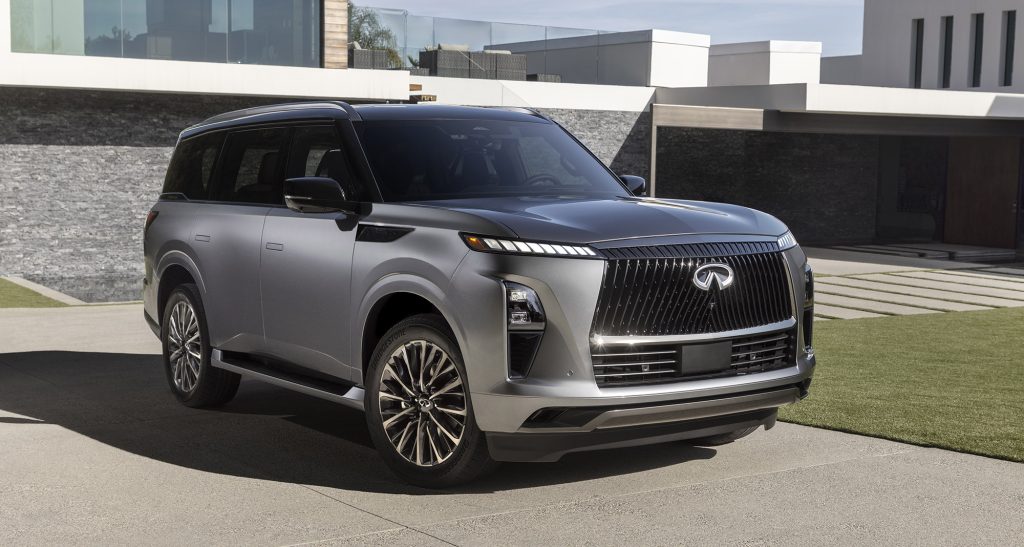
For families needing a spacious luxury SUV, the used QX80 represents an attractive opportunity. It delivers generous passenger room, strong towing capacity, durable construction, and a refined highway ride while costing far less than it did when purchased new.
Specifications
- Engine: 5.6 liter Naturally Aspirated V8
- Torque: 413 lb-ft
- Horsepower: 400 hp
- Length/Width: 210.2 in / 79.9 in
1. BMW XM
The BMW XM entered the market as one of the brand’s most ambitious performance SUVs, combining plug-in hybrid technology with bold styling and extraordinary power.
Its exclusivity and premium pricing attracted attention immediately, yet those same characteristics have contributed to exceptionally rapid depreciation. Many early examples have already experienced dramatic resale declines well before reaching 30,000 miles.
A significant reason is its exceptionally high original sticker price. Buyers spending well over six figures often expect the newest specification available, limiting demand for lightly used examples. Even a relatively small percentage reduction translates into tens of thousands of dollars, accelerating depreciation in absolute terms.
The XM also occupies a niche segment with limited demand. Unlike more traditional luxury SUVs, its aggressive styling has divided opinions, narrowing the pool of potential second owners.
Competition from established high-performance SUVs such as those from Porsche, Mercedes-Benz, and Land Rover further increases pressure on resale values.
Its complex plug-in hybrid powertrain introduces another consideration. Although it delivers outstanding performance, some used-car shoppers remain cautious about long-term maintenance costs once factory warranty coverage expires.
Concerns surrounding sophisticated electronics and hybrid components influence resale negotiations even on low-mileage vehicles.
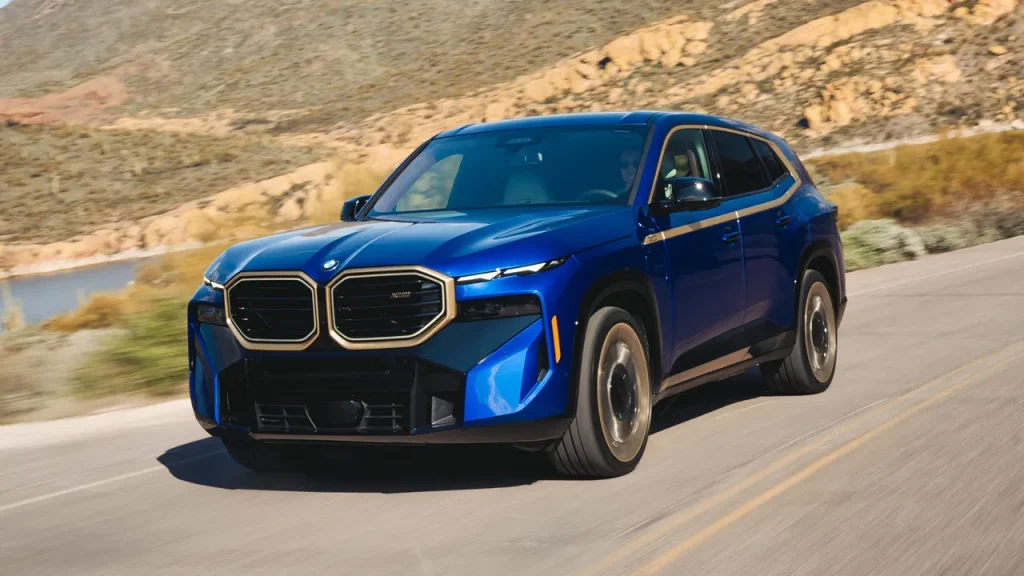
For enthusiasts seeking exceptional performance at a reduced price, the used XM can represent remarkable value. It offers breathtaking acceleration, advanced suspension technology, a luxurious interior, and distinctive road presence.
Purchasing after the steepest depreciation has already occurred allows buyers to enjoy BMW’s flagship performance SUV while avoiding the substantial financial loss experienced by the original owner.
Specifications
- Engine: 4.4-liter twin-turbocharged V8 Plug-in Hybrid
- Torque: 590 lb-ft
- Horsepower: 644 hp
- Length/Width: 201.2 in / 78.9 in
Also Read: 8 Vehicle Recalls From 2026 You Should Never Ignore