
Windshield replacement is no longer a simple glass swap in modern vehicles. With the rise of Advanced Driver Assistance Systems, commonly known as ADAS, replacing a windshield now often includes a mandatory calibration process. This shift has significantly changed both the complexity and the cost of what used to be a straightforward repair.
Features such as lane departure warning, forward collision alert, adaptive cruise control, and automatic emergency braking rely on sensors and cameras that are frequently mounted on or near the windshield. When the glass is replaced, these systems lose alignment and must be recalibrated to ensure they function correctly.
The cost of windshield replacement with ADAS calibration varies widely depending on the vehicle make, model, type of calibration required, and geographic region. On average, a standard windshield replacement in many markets can range from $250 to $600 for non-luxury vehicles.
However, once ADAS calibration is added, the total cost typically increases by an additional $150 to $600. In more complex vehicles, especially luxury brands or vehicles with multiple camera systems, the total bill can range from $1,000 to $2,500.
This increase is not arbitrary. ADAS calibration requires specialized equipment, controlled environments, and trained technicians.
There are generally two types of calibration: static calibration, which is performed in a workshop using targets and precise measurements, and dynamic calibration, which requires driving the vehicle under specific conditions while diagnostic tools reset and verify system accuracy. Some vehicles require both methods, which further increases the cost and time involved.
Industry data highlights how significant this added expense has become. Studies and repair industry estimates show that ADAS-related calibration can account for roughly 20 percent to 30 percent of total windshield replacement costs in modern vehicles. As more manufacturers integrate these systems as standard features, this percentage is expected to rise further in the coming years.
Understanding these costs is essential for vehicle owners because windshield damage is common, yet the repair process now involves both physical replacement and electronic system validation.
Without proper calibration, safety systems may fail to function accurately, increasing the risk of accidents or false alerts. This makes ADAS calibration not just an added expense, but a critical safety requirement.
In this article, we will break down the full cost structure of windshield replacement with ADAS calibration, explore what drives pricing differences, examine insurance coverage options, and provide a clear understanding of what vehicle owners can expect when facing this increasingly common automotive repair.
Also Read: 10 Hidden Features in the Kia Telluride
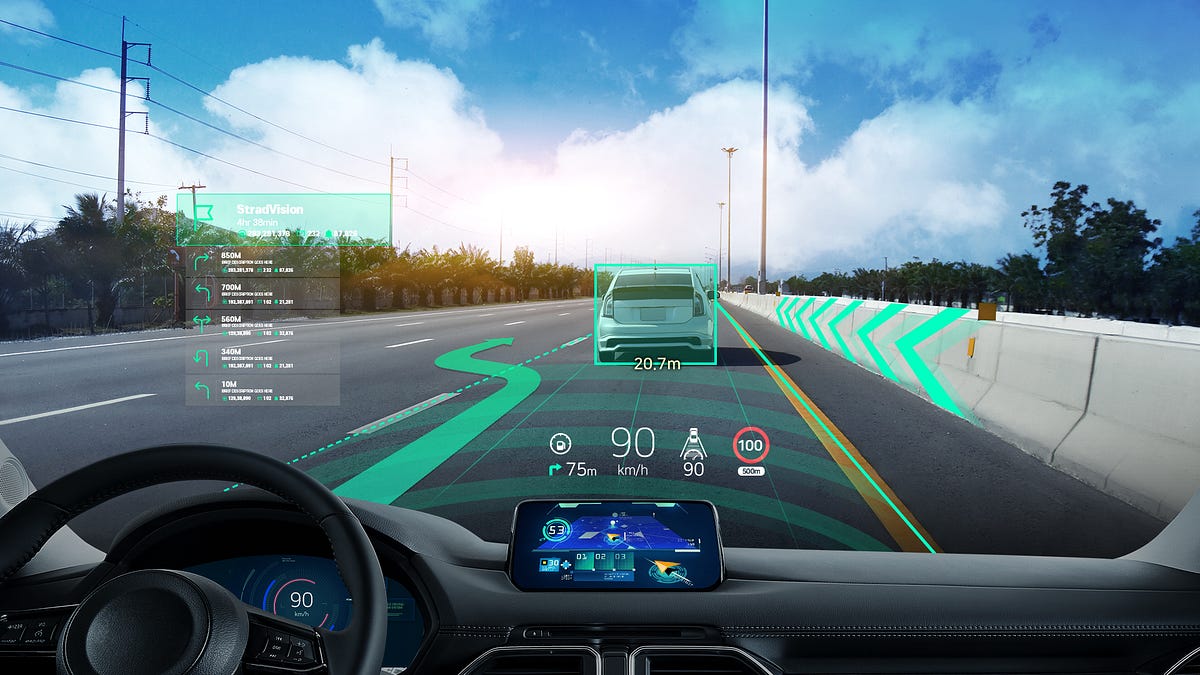
Average Cost of Windshield Replacement With ADAS Calibration
The average cost of windshield replacement with ADAS calibration depends heavily on the type of vehicle and the complexity of its driver assistance systems.
For most standard passenger cars, the base windshield replacement typically falls between $250 and $600. This includes the cost of the glass itself and basic labor for installation. However, this is only part of the total expense in modern vehicles equipped with ADAS features.
Once calibration is required, the cost increases significantly. ADAS calibration alone usually ranges from $150 to $600 per system. Vehicles with a single forward-facing camera tend to be on the lower end of the spectrum, while vehicles with multiple sensors, radar systems, or integrated lane assist technologies fall on the higher end.
In total, most drivers can expect to pay between $400 and $1,200 for a complete windshield replacement, including calibration.
Luxury vehicles and advanced models from manufacturers such as BMW, Mercedes-Benz, Audi, and Tesla often incur higher costs. In these cases, the windshield itself may be more expensive due to acoustic glass, heads-up display compatibility, or rain-sensing integration. Combined with calibration, total repair bills can range from $1,200 to $2,500 or more.
Another factor influencing cost is whether the calibration is performed as static, dynamic, or a combination of both. Static calibration requires specialized targets and a controlled environment, which increases labor time and facility requirements.
Dynamic calibration requires road testing with diagnostic equipment connected to the vehicle. Some modern vehicles require both methods to ensure full system accuracy.
Regional pricing differences also play a role. Urban areas with higher labor costs tend to charge more for both glass replacement and calibration services. Mobile windshield replacement services may offer convenience, but calibration still usually requires a certified workshop, which can add additional logistical costs.
Industry reports, including data referenced by automotive service associations, show that ADAS calibration is now one of the fastest-growing cost components in auto glass repair. As more vehicles adopt safety cameras as standard features, this cost is expected to become universal rather than optional.
Why ADAS Calibration Is Required After Windshield Replacement
ADAS calibration is required because modern vehicles rely on highly precise camera and sensor positioning to function safely. These systems are not self-adjusting in most cases. Even a small shift in angle or position of a forward-facing camera can cause incorrect readings of road markings, distances, and obstacles.
When a windshield is replaced, the camera or sensor mounted to it is physically removed and reinstalled. This means its original factory alignment is disrupted. Without recalibration, features such as lane-keeping assist may drift the vehicle incorrectly, or automatic emergency braking systems may activate too late or too early.
Calibration restores the system to the manufacturer-specified accuracy. This involves aligning the camera to a controlled target system or recalibrating it dynamically under specific driving conditions. Manufacturers provide strict tolerances for these systems, often measured in fractions of a degree, which highlights why precision is critical.
There are two main calibration methods used in the industry. Static calibration is performed in a workshop using specialized boards, lighting conditions, and measurement tools. Dynamic calibration requires the vehicle to be driven at certain speeds on well-marked roads while diagnostic software resets the system. Some vehicles require both methods depending on the sensor type.
Failure to perform proper calibration can lead to serious safety risks. Studies in automotive safety engineering show that misaligned ADAS systems may reduce the effectiveness of collision avoidance features significantly. This is why many repair shops will not release a vehicle after windshield replacement until calibration is verified and completed successfully.
Manufacturers also mandate calibration in repair procedures. If calibration is skipped, it may void certain safety system warranties or create liability issues for repair providers. This has made ADAS calibration a standard and non-optional part of windshield replacement in modern vehicles.
Also Read: 8 Hidden Features in the Cadillac Lyriq
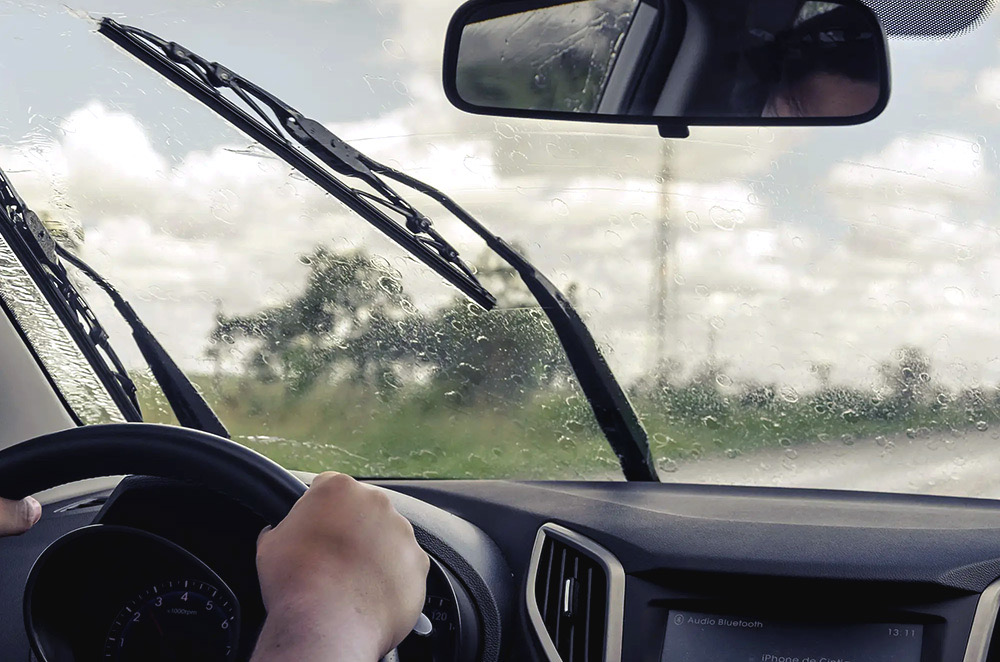
Factors That Affect Windshield Replacement and Calibration Cost
The cost of windshield replacement with ADAS calibration is influenced by multiple interconnected factors, each contributing to the final bill in different ways. One of the most important factors is the vehicle make and model.
Standard economy vehicles tend to have simpler windshield designs and fewer integrated sensors, resulting in lower replacement and calibration costs. In contrast, luxury and premium vehicles often include advanced features such as heads-up displays, infrared sensors, and multi-camera systems, all of which increase both parts and labor costs.
A major factor is the type of glass used. Original Equipment Manufacturer glass is typically more expensive than aftermarket alternatives. OEM glass is designed to match factory specifications exactly, including optical clarity and sensor compatibility.
Aftermarket glass may be cheaper, but in some cases it can require additional calibration adjustments due to slight variations in curvature or sensor mounting points.
The type of ADAS system installed in the vehicle also plays a significant role. Vehicles with only a forward-facing camera generally require simpler calibration procedures.
However, vehicles equipped with radar sensors, lidar systems, or multi-camera setups require more complex recalibration processes. Each additional system increases diagnostic time and equipment usage, which raises the cost.
Geographic location is a key factor. Labor rates vary significantly between regions, with urban centers typically charging higher prices than rural areas.
Additionally, the availability of certified calibration facilities can impact cost. In areas where fewer technicians are trained in ADAS calibration, service providers may charge premium rates due to limited competition and specialized equipment requirements.
Finally, service type influences pricing. Mobile windshield replacement services offer convenience by coming to the customer’s location, but they may still require a follow up visit to a workshop for calibration.
Full-service centers that handle both replacement and calibration in one location may offer bundled pricing, which can sometimes reduce total cost. Insurance coverage can also influence out-of-pocket expenses, depending on the policy terms and whether ADAS calibration is fully included.
Insurance Coverage for ADAS Windshield Calibration Costs
Insurance plays a significant role in reducing the financial burden of windshield replacement and ADAS calibration. Many comprehensive auto insurance policies include glass coverage, which typically extends to both the windshield replacement and the necessary calibration process. However, the level of coverage varies depending on the insurer and the specific policy terms.
In many cases, insurance companies treat ADAS calibration as part of the standard repair procedure rather than a separate charge. This means that if windshield replacement is covered, calibration is often included automatically. However, policyholders may still be responsible for a deductible, which can range from $100 to $500 depending on the plan.
Some insurance providers have preferred repair networks, which means they direct customers to approved glass repair shops. These shops are usually equipped with the necessary calibration tools and certified technicians. Using non-approved service providers may result in partial reimbursement or additional paperwork requirements.
It is also important to note that insurance companies are increasingly aware of rising ADAS-related repair costs. As a result, some policies now specifically mention calibration coverage in their terms. However, disputes can arise if calibration is deemed unnecessary or not properly documented by the repair facility.
For vehicle owners, it is generally more cost-effective to use insurance coverage for windshield replacement with ADAS calibration, especially in vehicles with advanced systems. Out-of-pocket expenses can escalate quickly without coverage, particularly in luxury vehicles or those requiring dual calibration procedures.
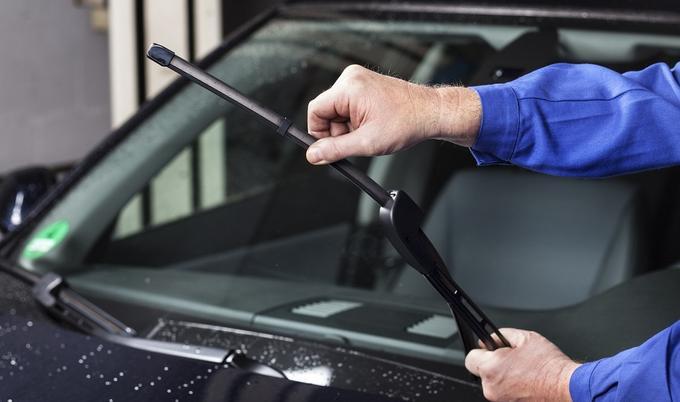
Ways to Reduce Windshield Replacement and Calibration Costs
While ADAS calibration is an essential part of maintaining vehicle safety, there are several ways owners can keep expenses under control. One of the best options is to take advantage of insurance coverage when it is available. Many comprehensive policies pay for both windshield replacement and the required calibration, helping reduce out-of-pocket costs.
Choosing a reputable but reasonably priced repair facility can also make a difference. Some service centers offer bundled pricing for windshield replacement and calibration, which can be more cost-effective than paying for each service separately. It is important to ensure that the facility is certified to perform ADAS calibration according to manufacturer standards.
Another way to reduce costs is by selecting aftermarket glass when appropriate. While OEM glass is ideal for precision systems, high-quality aftermarket options can sometimes provide similar performance at a lower price. However, this should only be done if the repair shop confirms compatibility with ADAS systems.
Scheduling repairs promptly after damage occurs can also prevent further complications. Small chips or cracks can spread, leading to a full windshield replacement rather than minor repairs. Early intervention often reduces total cost significantly.
Comparing multiple service providers before committing to a repair can help identify the most competitive pricing. Because ADAS calibration requires specialized equipment, not all providers charge the same rates. Taking time to evaluate options can lead to meaningful savings without compromising safety.
