

Vehicle theft has evolved significantly over the past few decades, moving from simple opportunistic crimes to highly organized and technologically advanced operations. In earlier times, stealing a car often required physical force, broken windows, or hotwiring the ignition system.
Today, however, modern vehicles come with electronic systems, keyless entry technology, onboard diagnostics, and wireless communication features that, while convenient for owners, have also created new vulnerabilities for criminals. As a result, car theft is no longer just about breaking into a vehicle but about bypassing digital security layers, cloning signals, and exploiting system weaknesses.
This shift has made anti-theft devices more important than ever. Vehicle owners are no longer relying solely on factory-installed security systems because professional thieves often know how to defeat them within seconds.
Instead, drivers are increasingly combining multiple layers of protection to reduce risk. Insurance companies across the world consistently show that vehicles with added security measures are significantly less likely to be stolen or are recovered much faster when tracking systems are installed.
This has created a strong market for aftermarket anti-theft solutions ranging from simple mechanical locks to advanced GPS-based tracking systems.
Not all anti-theft devices provide the same level of protection. Some act as deterrents, making a vehicle less attractive to steal, while others actively prevent the engine from starting or allow real-time tracking after theft. Understanding the effectiveness of each system is essential for making informed decisions.
A visible steering lock, for example, may discourage a casual thief, but it may not stop a professional equipped with power tools. On the other hand, an engine immobilizer integrated into the car’s electronic system can prevent the vehicle from starting entirely without the correct digital key.
The effectiveness of anti-theft devices also depends on how they are used together. Security experts often emphasize the importance of layered protection, where mechanical, electronic, and tracking systems work in combination. A thief may bypass one layer, but multiple systems increase the time, effort, and risk involved, which often leads them to abandon the attempt altogether.
This article breaks down eight commonly used anti-theft devices and ranks them based on real-world effectiveness, reliability, and their ability to prevent or reduce vehicle theft. The goal is to provide a clear and practical understanding of what actually works, beyond marketing claims, so vehicle owners can make smarter security decisions.
Also Read: 10 Hidden Features in the Kia Telluride
1. GPS Vehicle Tracking Systems
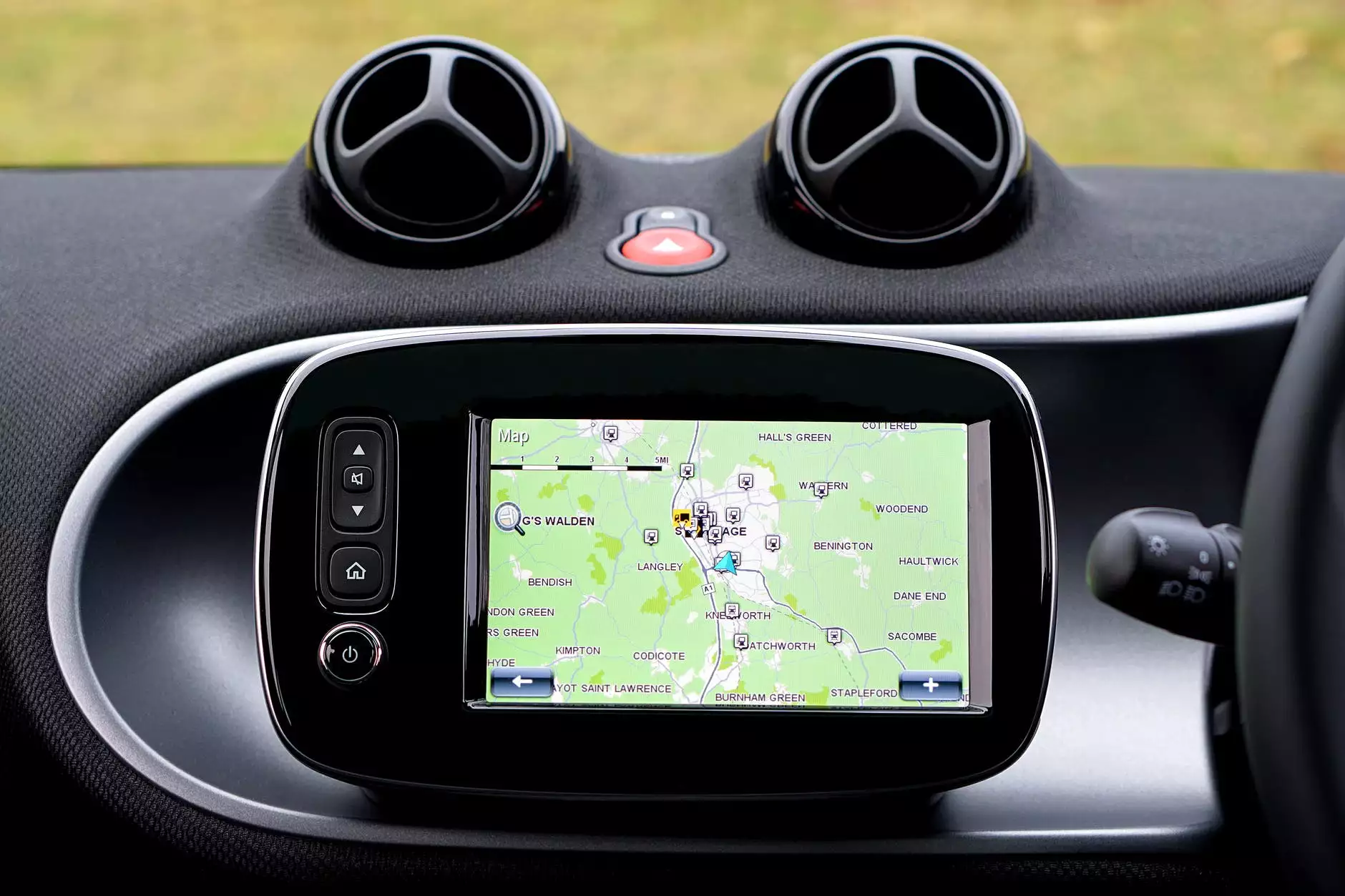
GPS vehicle tracking systems rank as the most effective anti-theft technology because they significantly improve the chances of recovering a stolen vehicle. Unlike devices that only attempt to prevent theft, GPS trackers continue providing value even after a vehicle has been taken.
Once activated, these systems transmit the vehicle’s location in real time, allowing owners or law enforcement agencies to monitor its movements. Many modern tracking devices also send instant notifications when unauthorized movement is detected, enabling faster reporting and response.
One of the biggest advantages of GPS tracking technology is its ability to reduce recovery time. Statistics from insurance companies and law enforcement agencies have consistently shown that vehicles equipped with reliable tracking systems are recovered more frequently than those without them.
The sooner authorities receive accurate location data, the greater the likelihood of recovering the vehicle before it is dismantled, exported, or hidden. This makes GPS trackers particularly valuable for expensive vehicles, commercial fleets, and cars parked in high-theft areas.
Advanced GPS systems offer far more than location tracking. Many premium models include geofencing, remote engine disabling where legally permitted, route history, battery backup, tamper alerts, and smartphone integration.
Geofencing allows owners to define a virtual boundary around a parking area. If the vehicle leaves that boundary without authorization, the owner immediately receives an alert. These additional features transform a basic tracker into a complete vehicle monitoring solution.
GPS tracking does have some limitations. Professional thieves may attempt to locate the device or use signal jammers to interfere with communication.
However, quality tracking systems are often installed in concealed locations and may include multiple communication technologies such as cellular, satellite, or radio frequency backups. Even if one communication method is interrupted, another may continue transmitting the vehicle’s location.
For maximum effectiveness, GPS trackers should be viewed as part of a layered security strategy rather than a standalone solution.
When combined with an engine immobilizer, steering wheel lock, or hidden kill switch, the chances of both preventing theft and recovering the vehicle increase significantly. This combination explains why GPS tracking systems consistently occupy the top position in anti-theft rankings.
2. Engine Immobilizers
Engine immobilizers are widely recognized as one of the most successful vehicle security innovations introduced by automobile manufacturers.
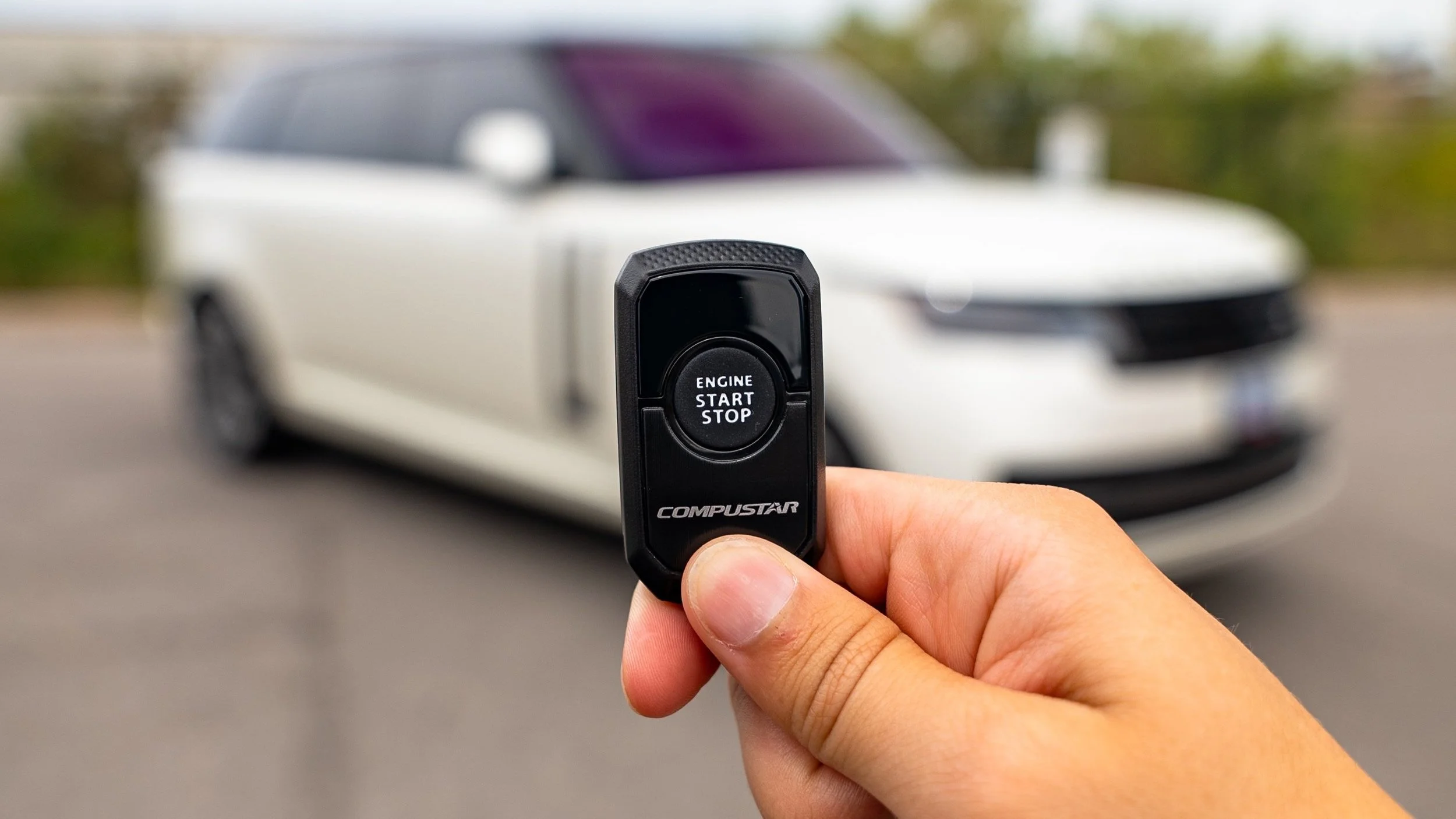
These electronic systems prevent the engine from starting unless the correct encrypted key or key fob is present. Unlike traditional keys, which could often be duplicated with relative ease, immobilizers require digital authentication before allowing the ignition system to function.
The greatest strength of an immobilizer lies in prevention. A thief may gain physical access to the vehicle, but without the authorized electronic code, the engine remains disabled.
This makes traditional hotwiring techniques almost completely ineffective on modern vehicles. Since the system is integrated into the vehicle’s electronic architecture, bypassing it requires specialized equipment and advanced technical knowledge.
Numerous studies have shown that the widespread adoption of engine immobilizers has contributed to substantial reductions in vehicle theft rates in many countries. Their effectiveness has been so significant that most manufacturers now install them as standard equipment. Insurance companies also recognize their value, often considering immobilizers an important security feature when assessing vehicle risk.
Despite their strengths, immobilizers are not impossible to defeat. Sophisticated criminal groups have developed methods such as relay attacks, key cloning, and electronic diagnostic manipulation to bypass certain systems.
These techniques require expensive equipment, planning, and technical expertise, making them far less common than opportunistic theft attempts. This means immobilizers remain highly effective against the vast majority of criminals.
Adding further layers of protection greatly enhances the effectiveness of an immobilizer. Combining it with an OBD port lock, steering wheel lock, or GPS tracker creates multiple barriers that force thieves to spend additional time overcoming each obstacle.
Since most vehicle thefts rely on speed and minimizing exposure, every extra minute increases the likelihood that the theft attempt will be abandoned.
3. Steering Wheel Locks
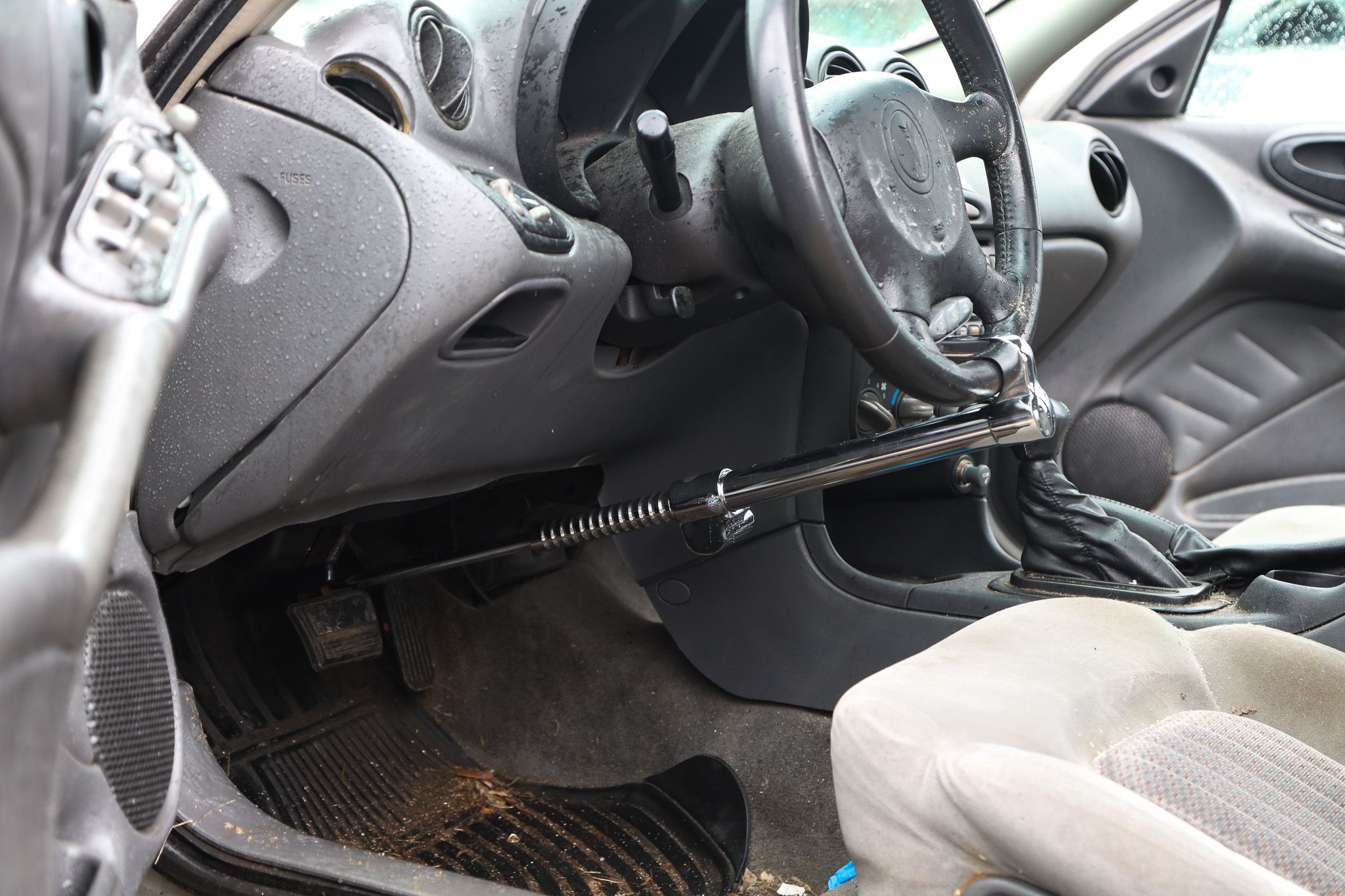
Steering wheel locks remain one of the most recognizable anti-theft devices available. Their simple mechanical design physically prevents the steering wheel from rotating, making it impossible to drive the vehicle normally. Although the concept has existed for decades, steering wheel locks continue to be recommended by many security experts because of their strong visual deterrent effect.
Visibility is the primary reason these devices remain effective. Most thieves prefer vehicles that can be stolen quickly and quietly. A brightly colored steering wheel lock immediately signals that additional effort and time will be required.
Since criminals often scan parking lots looking for the easiest target, many will simply move on to another vehicle without visible security devices.
Modern steering wheel locks are constructed from hardened steel and designed to resist cutting, drilling, and leverage attacks. Premium models include reinforced locking mechanisms that make removal considerably more difficult than with older designs.
Although determined thieves equipped with power tools can eventually defeat many steering locks, doing so usually creates significant noise and attracts unwanted attention.
The main weakness of steering wheel locks is that they protect only one part of the vehicle. They do not prevent unauthorized entry, electronic hacking, or keyless relay attacks. If a criminal has enough time and suitable equipment, the device may eventually be removed. For this reason, steering wheel locks should not be viewed as complete security systems on their own.
Even with these limitations, steering wheel locks continue to deliver excellent value because they are affordable, require no electrical power, and can be transferred between vehicles. When combined with electronic security measures, they create both a psychological and physical obstacle that discourages many theft attempts before they even begin.

4. Car Alarm Systems
Car alarm systems have long been one of the most common forms of vehicle security. Their primary purpose is to detect unauthorized activity and generate an immediate audible warning. Modern alarm systems use a combination of door sensors, motion detectors, impact sensors, glass break detection, and tilt sensors to identify suspicious behavior around the vehicle.
One of the biggest advantages of alarm systems is their ability to attract attention during an attempted theft. A loud siren combined with flashing lights can startle inexperienced thieves and increase the risk of being noticed by nearby pedestrians or security personnel.
In residential neighborhoods and monitored parking facilities, this additional attention may be enough to stop the theft before it progresses.
Technology has significantly improved alarm systems over the past decade. Many aftermarket systems now connect directly to smartphone applications, allowing owners to receive instant alerts whenever the alarm is activated. Some systems also provide remote monitoring, live status updates, GPS integration, and the ability to arm or disarm the vehicle from virtually anywhere.
However, traditional alarm systems have become somewhat less effective over time because false alarms occur frequently. Many people have grown accustomed to hearing car alarms and often assume they were triggered accidentally. As a result, bystanders may not respond with the urgency they once did, reducing the deterrent value of audible alarms alone.
Despite these challenges, alarm systems remain an important layer of vehicle security. Their effectiveness increases considerably when paired with visible mechanical devices and electronic immobilization systems.
Instead of relying on an alarm as the only line of defense, vehicle owners should integrate it into a broader security strategy that addresses prevention, deterrence, and recovery.
Also Read: 8 Hidden Features in the Cadillac Lyriq
5. Kill Switches
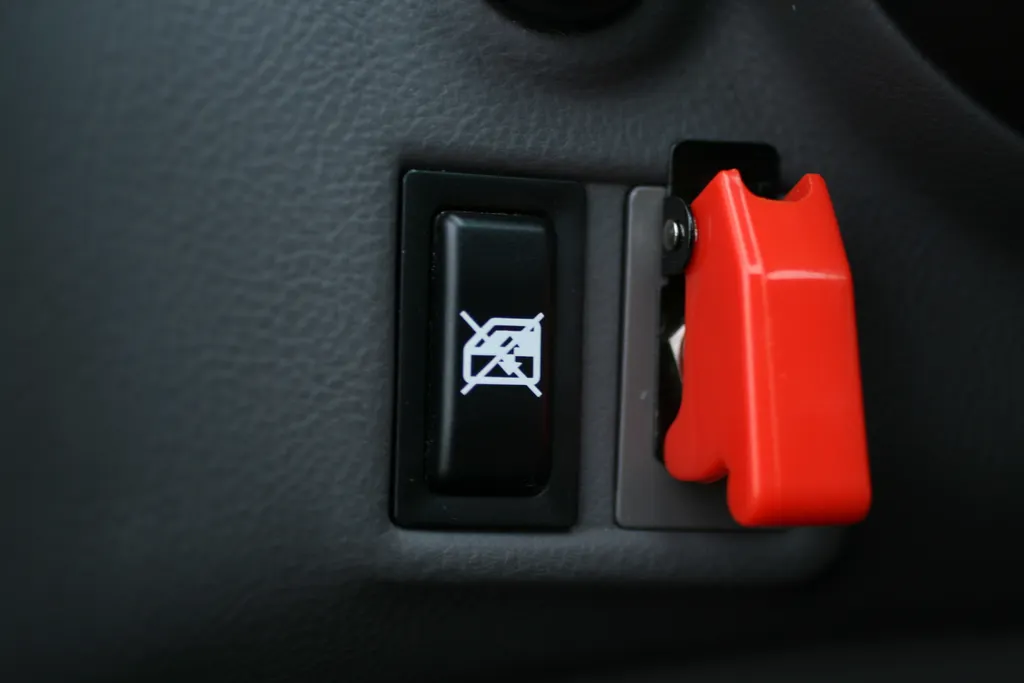
Kill switches are among the most underrated anti-theft devices because of their simplicity and effectiveness. These devices interrupt a critical electrical circuit within the vehicle, preventing the engine from starting until the switch is activated.
Since the location of the switch is chosen during installation, each setup is unique, making it extremely difficult for thieves to identify quickly.
Unlike factory security systems that follow standardized designs, hidden kill switches introduce unpredictability. A criminal may successfully unlock the vehicle, bypass the alarm, or even clone the key, only to discover that the engine still refuses to start.
Without knowing where the switch has been installed, locating it becomes a time-consuming process that many thieves are unwilling to attempt.
Professional installation plays a major role in the effectiveness of kill switches. A poorly concealed switch located in an obvious position provides little security. In contrast, a carefully installed switch hidden within the vehicle’s interior can remain undetected for years. Some owners even install multiple kill switches controlling different electrical circuits to create additional complexity.
One limitation of kill switches is user responsibility. Because the system often requires manual activation, forgetting to engage it removes the additional layer of protection. Some electronic versions automate this process, but traditional manual switches still rely on consistent use by the owner.
Kill switches work exceptionally well when combined with factory immobilizers and physical security devices. They create another independent obstacle that must be overcome before the vehicle can be driven away. For criminals seeking a quick theft, this additional complication often becomes enough to abandon the attempt altogether.
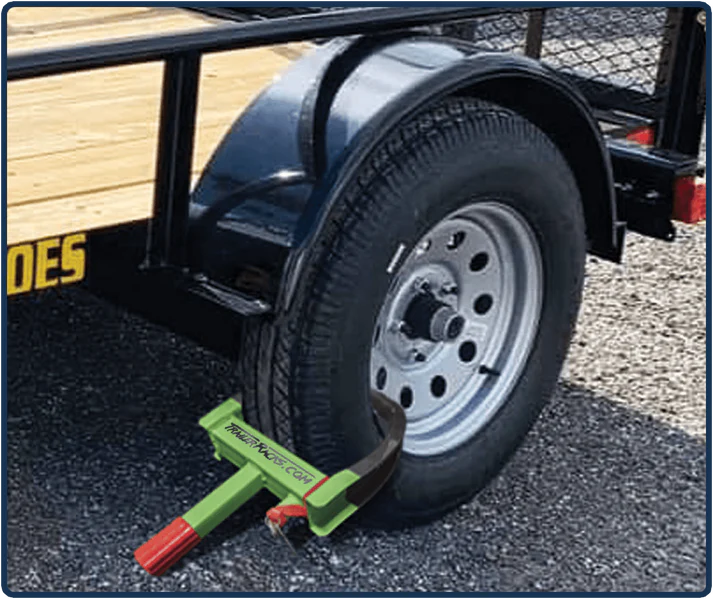
6. Tire or Wheel Locks
Tire or wheel locks physically prevent a vehicle from moving by securing one of the wheels with a heavy metal clamp. These devices are commonly associated with parking enforcement, but they also serve as highly visible anti-theft tools. Their large size immediately signals that the vehicle cannot be driven normally without first removing the lock.
The greatest advantage of wheel locks is their powerful visual deterrent. Unlike electronic systems hidden inside the vehicle, a wheel lock is impossible to overlook.
Thieves generally avoid vehicles requiring extensive preparation because every additional minute increases the likelihood of being detected. The presence of a wheel lock often encourages criminals to search for less protected vehicles nearby.
Modern wheel locks are manufactured using hardened steel alloys that resist cutting and drilling. Many models include reinforced locking cylinders specifically designed to withstand common attack methods.
While no mechanical device is completely immune to determined criminals equipped with specialized tools, removing a quality wheel lock typically requires considerable effort.
The main drawback is convenience. Installing and removing a wheel lock every time the vehicle is used can become inconvenient for daily commuting. Because of this, many owners reserve them for long-term parking situations, vacation travel, or storing valuable vehicles for extended periods.
Wheel locks may not match the effectiveness of advanced electronic security systems, but they still provide meaningful protection for vehicles that are frequently parked outdoors. Their highly visible design, physical barrier, and ability to discourage opportunistic thieves make them a smart addition to any vehicle security strategy.
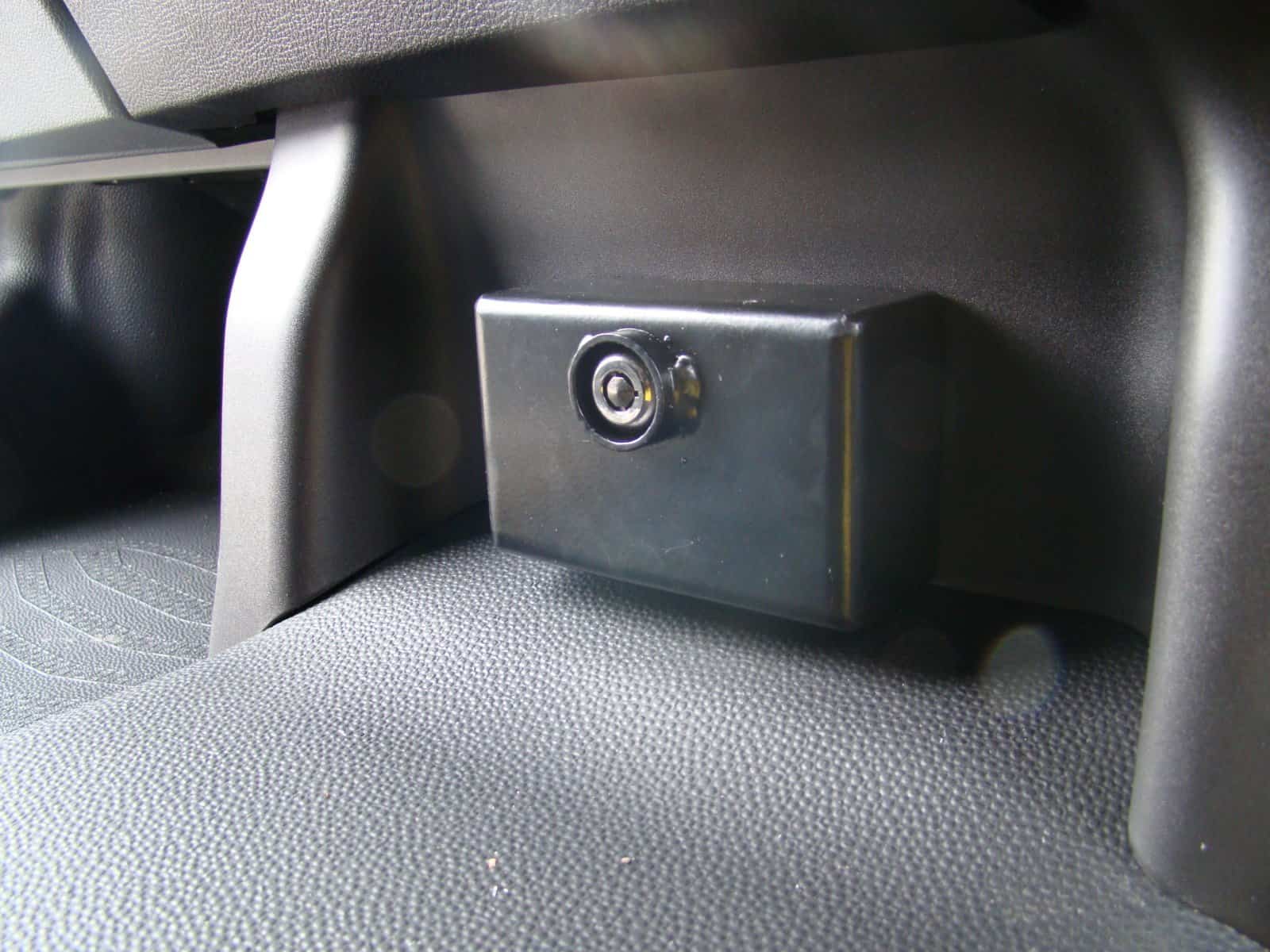
7. OBD Port Locks
OBD port locks address one of the more technical methods of modern vehicle theft. The onboard diagnostic port allows mechanics to access vehicle systems for maintenance and repairs. Unfortunately, criminals have also learned to exploit this connection by using specialized programming tools to create new keys or manipulate electronic security features.
An OBD port lock blocks access to this diagnostic connection, preventing unauthorized devices from being connected quickly. Since many modern theft techniques rely on reaching the diagnostic port, securing it removes an important entry point for electronic attacks.
These locks are especially beneficial for vehicles equipped with keyless entry systems that may be targeted using advanced programming equipment.
Criminals often work rapidly, attempting to gain access to the port within minutes. A properly installed lock disrupts this process by adding another mechanical barrier that must first be removed.
It is important to recognize that an OBD port lock is not a complete security solution. It protects one specific vulnerability rather than the entire vehicle. If thieves use different methods, such as towing the vehicle or conducting relay attacks, the lock alone cannot prevent theft.
Nevertheless, OBD port locks represent a smart investment for owners of modern vehicles. When paired with immobilizers, steering wheel locks, alarms, and GPS tracking systems, they strengthen electronic security and reduce opportunities for sophisticated theft techniques.
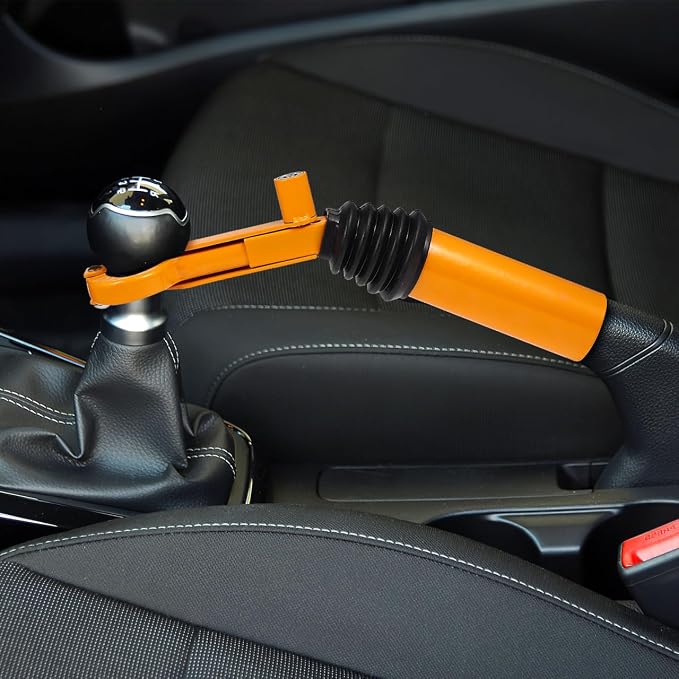
8. Brake or Gear Shift Locks
Brake and gear shift locks physically secure essential driving controls, preventing normal vehicle operation even if a thief gains access to the cabin. These devices lock the brake pedal or gear selector into a fixed position, making it impossible to drive away without first removing the lock.
One of their primary advantages is mechanical simplicity. They require no batteries, software updates, or wireless communication. Because they function entirely through physical locking mechanisms, they remain effective regardless of electronic vulnerabilities within the vehicle.
These devices also provide visible evidence that additional security measures are in place. Similar to steering wheel locks, they increase the amount of time required to steal a vehicle and reduce the likelihood that opportunistic criminals will choose it as a target.
Their limitations become apparent when facing highly organized theft groups equipped with specialized cutting tools. Given sufficient time and privacy, many mechanical locks can eventually be defeated. For this reason, brake and gear shift locks are most effective when they are only one part of a broader security strategy rather than the sole protective measure.
Although they occupy the final position in this ranking, brake and gear shift locks still contribute meaningful protection by increasing complexity and delaying theft attempts. When combined with electronic immobilizers, GPS tracking, and alarm systems, they help create the layered defense that security professionals consistently recommend.
