
Vehicle weight has a major influence on how a car performs in everyday driving. A lighter automobile typically accelerates more efficiently, brakes with less effort, handles corners with greater agility, and often delivers better fuel economy than a heavier alternative with similar power.
While the modern automotive industry continues adding larger infotainment systems, advanced safety technology, electrified powertrains, and luxury features that increase curb weight, a handful of vehicles remain impressively light by today’s standards.
Manufacturers achieve lower weight through different engineering approaches. Some rely on compact dimensions, while others use lightweight materials, simplified chassis designs, or naturally aspirated engines that require fewer supporting components.
The result is a group of cars that feel responsive without necessarily needing massive horsepower figures. Their lighter construction allows drivers to enjoy lively performance, easier maneuverability, and lower operating costs.
In the United States, lightweight vehicles have become increasingly uncommon as SUVs and larger crossovers dominate sales charts. Nevertheless, several models continue to prove that reducing mass remains one of the most effective ways to improve driving dynamics.
Whether designed as affordable commuters or engaging sports cars, these vehicles demonstrate that efficiency and enjoyment often begin with keeping unnecessary weight to a minimum.
Here are eight of the lightest cars currently sold in the United States, each offering its own interpretation of how less weight can create a more rewarding driving experience.
Also Read: 10 Beginner Motorcycles That Hold Their Value Best
1. Mitsubishi Mirage
The Mitsubishi Mirage has earned a reputation as one of the lightest new cars available in the United States, and much of its character comes directly from that low curb weight. Rather than chasing high horsepower or premium luxury features, Mitsubishi focused on creating a compact hatchback that emphasizes efficiency, affordability, and simplicity.
The result is a vehicle that feels surprisingly nimble in city traffic, where its light structure allows quick responses to steering inputs and effortless maneuvering through crowded streets.
Because the Mirage carries significantly less mass than many modern compact cars, its modest three-cylinder engine does not need extraordinary power to move the vehicle effectively.
Acceleration is sufficient for daily commuting, while the lightweight platform contributes to excellent fuel economy and reduced operating costs. Parking is also remarkably easy thanks to its compact footprint and responsive handling characteristics.
The benefits of reduced weight extend beyond efficiency. Components such as brakes and tires experience less stress during everyday driving, potentially lowering maintenance expenses throughout ownership.
Drivers who spend most of their time in urban environments often appreciate how easily the Mirage changes direction, fits into tight parking spaces, and navigates congested intersections.
Although it lacks the performance credentials of sports cars found elsewhere on this list, the Mirage demonstrates that lightweight engineering serves many purposes beyond speed. It proves that practical transportation can still benefit from thoughtful weight reduction, particularly for buyers prioritizing affordability and economy.
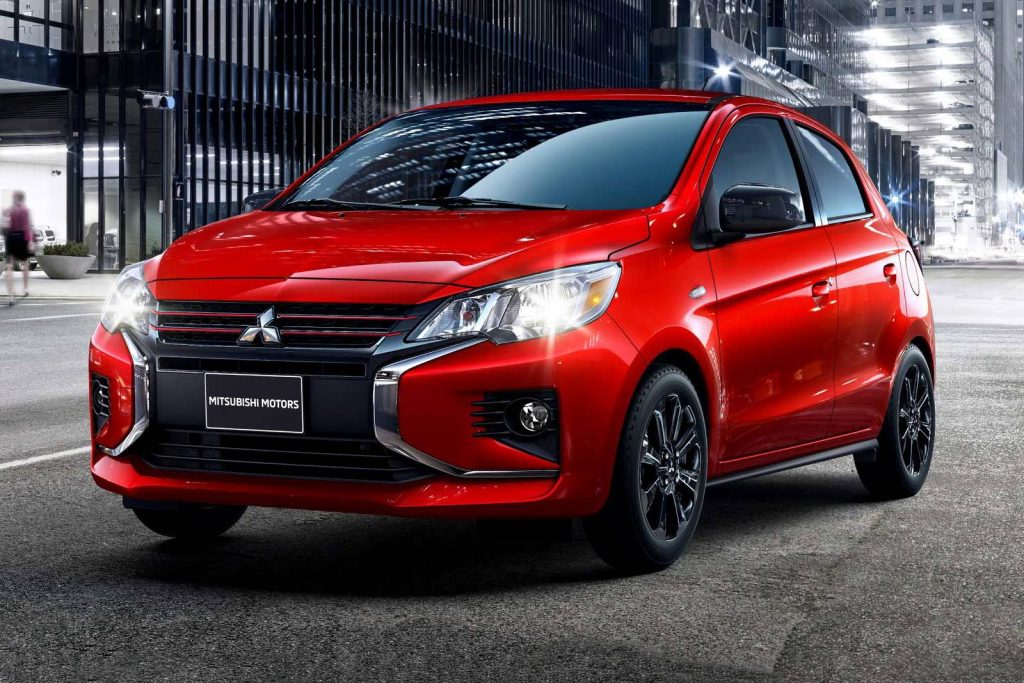
As manufacturers continue adding larger batteries, additional electronics, and increasingly sophisticated driver assistance systems, cars with curb weights as low as the Mirage are becoming increasingly rare.
That simplicity remains one of its defining strengths and continues attracting buyers who value efficiency over unnecessary complexity.
Specifications
- Engine: 1.2-liter naturally aspirated inline-three
- Torque: 74 lb-ft
- Horsepower: 78 hp
- Length/Width: 151.4 in / 65.6 in
2. Mazda MX-5 Miata
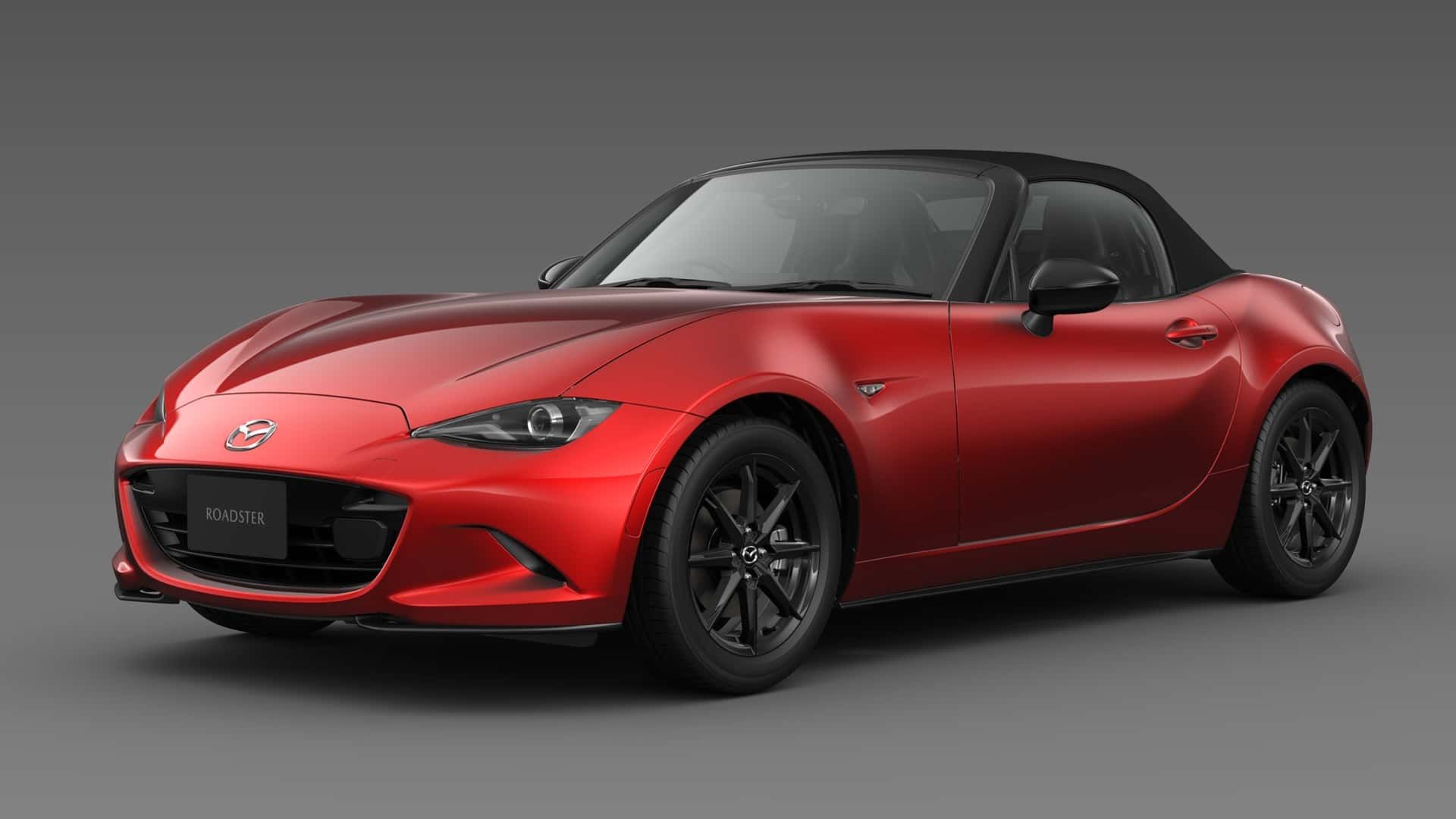
Few vehicles demonstrate the importance of lightweight engineering as effectively as the Mazda MX-5 Miata. Since its original introduction, the roadster has followed a straightforward philosophy: remove unnecessary mass before adding more power.
That approach continues today, allowing the Miata to deliver exceptional driving enjoyment without relying on a large engine or overwhelming horsepower figures.
Its low curb weight transforms nearly every aspect of the driving experience. Steering feels immediate, braking requires less effort, and the suspension responds naturally because it has less mass to control.
Rather than simply traveling through corners, the Miata encourages drivers to participate in every movement, rewarding smooth inputs and precise control.
The naturally aspirated engine complements this formula perfectly. While some sports cars depend on turbochargers to produce dramatic acceleration, the Miata relies on its balanced chassis and minimal weight to maintain impressive performance.
Drivers often discover that carrying momentum through corners becomes more satisfying than chasing straight-line speed.
Weight reduction also improves everyday practicality in subtle ways. Fuel consumption remains relatively low for a sports car, tire wear is generally reduced compared with heavier performance vehicles, and the compact dimensions make the Miata easy to park despite its enthusiast-focused personality.
These advantages have helped it attract drivers seeking an engaging sports car without excessive ownership costs.
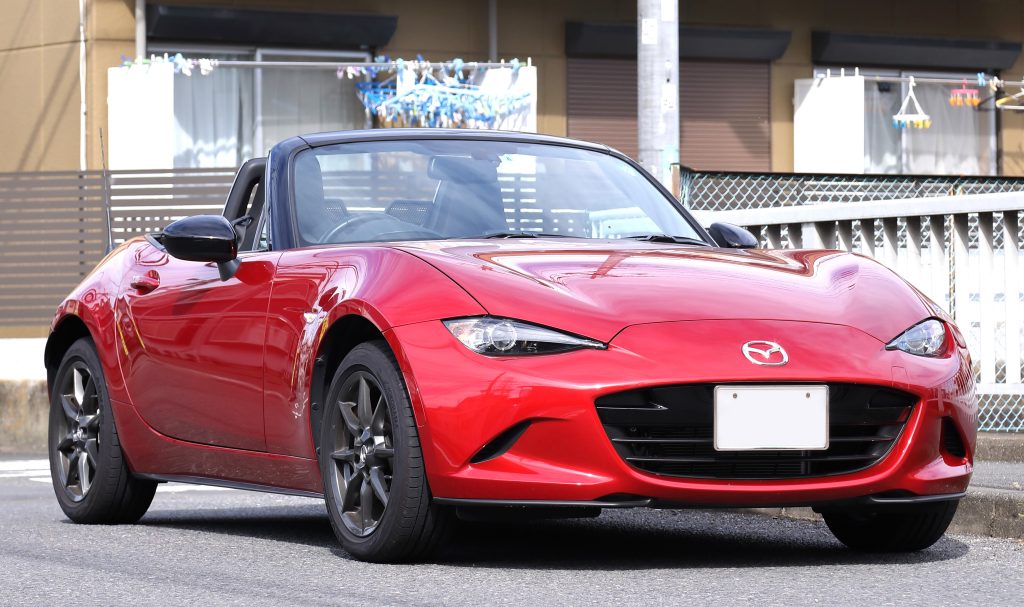
The automotive market continues moving toward larger, heavier vehicles packed with technology and electrified powertrains. Against that backdrop, the MX-5 Miata stands out by remaining faithful to lightweight engineering principles that have defined its success for decades.
It serves as proof that thoughtful design and reduced mass can often create a more memorable driving experience than simply adding more horsepower.
Specifications
- Engine: 2.0-liter naturally aspirated inline-four
- Torque: 151 lb-ft
- Horsepower: 181 hp
- Length/Width: 154.1 in / 68.3 in
3. Nissan Versa
Lightweight engineering does not always have to be associated with sports cars. The Nissan Versa demonstrates that a practical sedan can also benefit from carrying less mass, making it one of the lightest four-door cars available in the United States.
Designed primarily for affordability and everyday transportation, the Versa combines a compact body with efficient engineering that keeps curb weight relatively low compared with many modern compact sedans.
The benefits are most noticeable in city driving. With less weight for the engine to move, the Versa responds quickly when pulling away from traffic lights and making its way through busy streets. Power delivery remains easy to manage, and the sedan rarely feels underpowered during everyday commuting.
The lighter construction also contributes to respectable fuel economy, allowing owners to reduce fuel expenses over thousands of miles.
Handling is another area where the Versa benefits from its modest weight. Steering inputs feel predictable, and the suspension does not have to manage unnecessary mass over uneven pavement.
This creates a comfortable ride while maintaining confidence through everyday corners and highway lane changes. Parking is equally straightforward thanks to the sedan’s manageable dimensions and light steering effort.
Unlike many entry-level vehicles of the past, the current Versa also incorporates numerous modern safety technologies without allowing curb weight to increase dramatically.
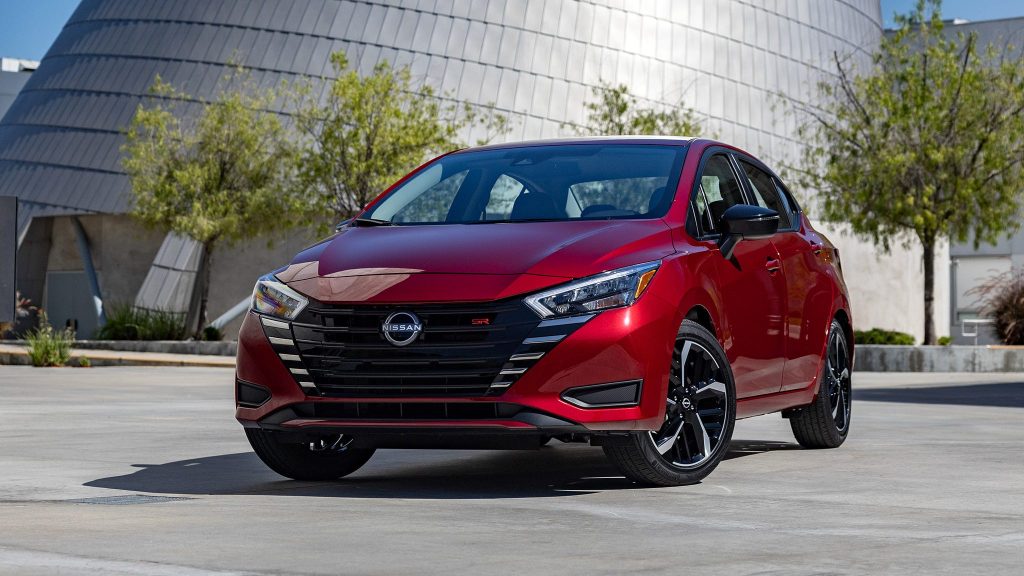
Automatic emergency braking, lane departure warning, and several driver assistance systems are available, demonstrating that lightweight construction and contemporary safety equipment can coexist successfully.
As more compact sedans leave the American market in favor of larger crossovers, the Versa continues serving buyers who value efficiency, practicality, and simplicity. Its relatively low weight remains one of the key reasons it delivers economical operation without sacrificing the comfort expected from a modern daily driver.
Specifications
- Engine: 1.6-liter naturally aspirated inline-four
- Torque: 114 lb-ft
- Horsepower: 122 hp
- Length/Width: 177.0 in / 68.5 in
4. Kia Rio
Although production of the Kia Rio has concluded for the U.S. market, remaining new inventory and recently sold final-model-year examples earned recognition as one of the lightest passenger cars available before its departure.
Kia built the Rio with efficiency as its primary objective, using compact dimensions and a straightforward engineering approach that kept unnecessary weight to a minimum while still providing modern comfort and technology.
The Rio’s lightweight construction positively influenced nearly every aspect of daily ownership. The naturally aspirated four-cylinder engine delivered dependable performance because it was not burdened by excessive mass.
Drivers experienced smooth acceleration around town, while highway cruising remained comfortable without requiring a significantly larger powerplant.
Its low weight also made the Rio surprisingly enjoyable to drive in urban environments. Steering responses were quick, parking required minimal effort, and narrow streets felt less intimidating thanks to the car’s compact footprint.
These qualities appealed to first-time buyers, students, and commuters seeking dependable transportation that remained inexpensive to operate.
Another benefit of carrying less weight involves long-term operating expenses. Lighter vehicles typically place reduced stress on brakes, suspension components, and tires during routine driving.
Combined with Kia’s reputation for value, the Rio became an attractive option for owners focused on minimizing maintenance and fuel costs throughout the life of the vehicle.
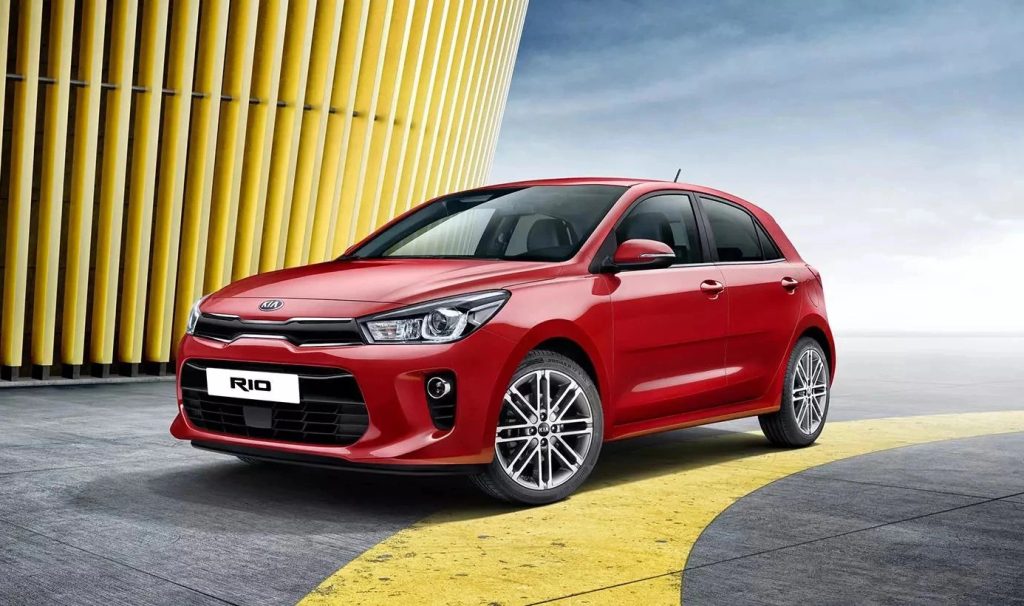
Even though the Rio has exited the American lineup, it remains an excellent example of how careful engineering can produce an economical car without making it feel outdated or underdeveloped.
Its lightweight platform contributed significantly to its success, proving that intelligent design often provides greater real-world benefits than simply increasing engine output or adding unnecessary complexity.
Specifications
- Engine: 1.6-liter naturally aspirated inline-four
- Torque: 112 lb-ft
- Horsepower: 120 hp
- Length/Width: 160.0 in / 67.9 in
5. Subaru BRZ
Some sports cars rely on enormous engines to create excitement, while others achieve the same goal through intelligent engineering and restrained weight. The Subaru BRZ belongs firmly in the second category.
Designed with balance as its highest priority, the coupe uses a lightweight platform, a low-mounted boxer engine, and rear-wheel drive to create an engaging experience that rewards driver skill instead of sheer horsepower. Every design decision reflects a commitment to keeping unnecessary mass under control.
The BRZ’s modest curb weight allows its naturally aspirated engine to feel more energetic than the specifications alone might suggest. Rather than delivering explosive straight-line acceleration, the car builds speed progressively, encouraging drivers to maintain momentum through corners.
This approach creates a sense of rhythm behind the wheel, where steering precision and smooth gear changes matter as much as throttle application.
Light weight also enhances braking performance and chassis balance. Since the suspension has less mass to manage, the coupe changes direction with remarkable confidence, remaining composed during quick transitions and tight bends.
Drivers frequently praise its predictable handling because the vehicle communicates clearly without relying on excessive electronic intervention.
Beyond spirited driving, the BRZ remains practical enough for everyday use. Fuel economy compares favorably with many higher-powered sports cars, while maintenance costs remain relatively reasonable thanks to its straightforward mechanical layout.
Owners often appreciate that the car delivers authentic sports car character without requiring exotic components or overwhelming operating expenses.
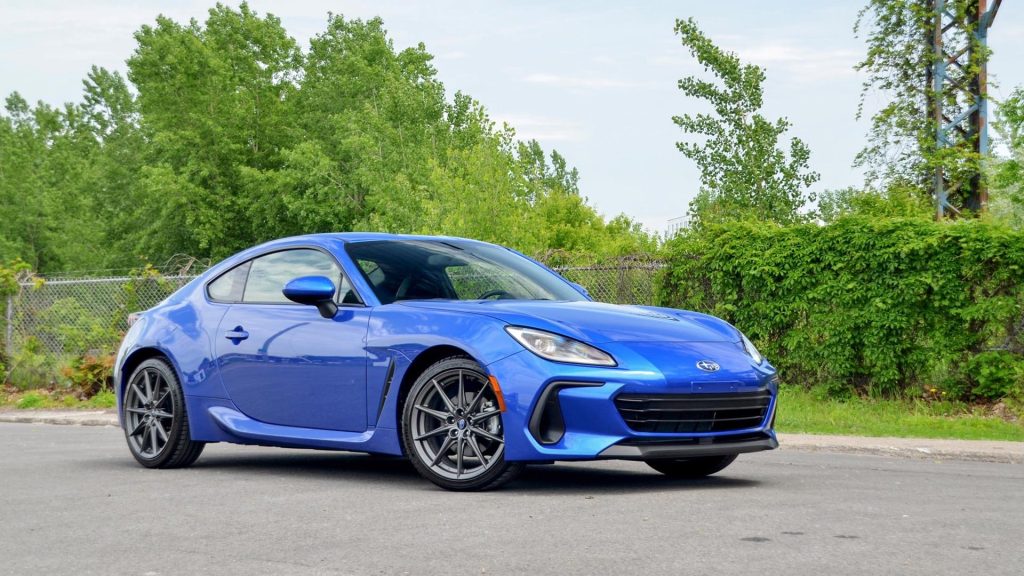
As performance vehicles continue growing heavier due to larger bodies, hybrid systems, and increasingly complex technology, the BRZ stands out by preserving the traditional lightweight sports coupe formula.
It demonstrates that reducing weight can be just as valuable as increasing horsepower, resulting in a driving experience that feels engaging at legal road speeds rather than only on a racetrack.
Specifications
- Engine: 2.4-liter naturally aspirated flat-four
- Torque: 184 lb-ft
- Horsepower: 228 hp
- Length/Width: 167.9 in / 69.9 in
6. Toyota GR86
The Toyota GR86 follows a philosophy that has become increasingly uncommon in today’s automotive market. Instead of relying on complicated technology to create excitement, Toyota focused on building a lightweight rear-wheel-drive coupe that emphasizes balance, responsiveness, and driver involvement.
Closely related to the Subaru BRZ but carrying its own suspension tuning and personality, the GR86 proves that careful engineering often produces more rewarding results than simply adding more power.
A significant reason for its lively character is its low curb weight. With less mass to move, the naturally aspirated 2.4-liter engine delivers brisk performance while maintaining excellent throttle response.
Drivers quickly notice how eager the coupe feels during corner entry and exit, where reduced weight allows the chassis to react immediately to steering inputs. The car feels agile without becoming nervous, striking an impressive balance between confidence and playfulness.
Weight reduction also benefits braking consistency and tire longevity. Since the suspension and braking systems manage less mass, they maintain predictable behavior even during spirited driving.
This contributes to the GR86’s reputation as a sports car that is enjoyable on both winding back roads and occasional track days without demanding expensive performance upgrades.
Unlike many modern performance vehicles that exceed 4,000 pounds, the GR86 remains refreshingly uncomplicated. It focuses attention on steering feel, chassis communication, and driver technique rather than overwhelming electronics or excessive horsepower. That simplicity has earned widespread praise from enthusiasts who appreciate mechanical honesty.
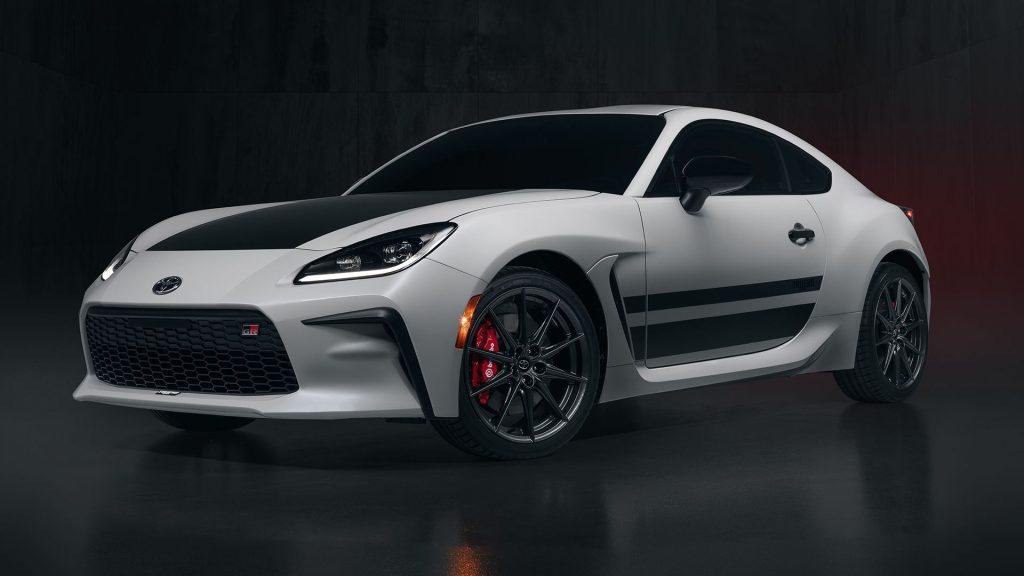
As automotive manufacturers continue introducing heavier electrified platforms, lightweight coupes like the GR86 are becoming increasingly uncommon. Its design serves as a reminder that enjoyable performance does not require massive power figures.
Intelligent weight management remains one of the most effective ways to create a rewarding sports car capable of delivering excitement every time the driver takes the wheel.
Specifications
- Engine: 2.4-liter naturally aspirated flat-four
- Torque: 184 lb-ft
- Horsepower: 228 hp
- Length/Width: 167.9 in / 69.9 in
7. Mini Cooper Hardtop 2 Door
The Mini Cooper Hardtop 2-Door proves that compact dimensions and intelligent engineering can produce a remarkably light and entertaining car without sacrificing everyday usability.
Although it has evolved considerably since the original Mini, the modern version continues to prioritize agility over brute force. Its relatively low curb weight allows even the base engine to deliver energetic performance, while the short wheelbase creates quick directional changes that make city driving genuinely enjoyable.
One of the greatest advantages of the Mini’s lightweight construction is how effortlessly it responds to driver inputs. Steering feels direct, and the suspension maintains excellent body control without requiring an overly stiff ride.
Whether weaving through urban traffic or traveling along a winding two-lane road, the car consistently feels eager to change direction. That playful personality has remained one of the defining characteristics of the Mini brand for decades.
The reduced mass also improves efficiency. Smaller engines do not need to work as hard to move the vehicle, helping the Cooper achieve competitive fuel economy while still providing lively acceleration for daily commuting.
Owners often appreciate that they can enjoy spirited driving without the operating costs typically associated with larger performance vehicles.
Another benefit comes from its compact footprint. Parking in crowded downtown areas becomes significantly easier, while narrow streets and tight garages rarely present difficulties.
Despite its small exterior, thoughtful interior packaging allows the cabin to remain comfortable for front-seat occupants, making the Cooper practical enough for everyday transportation.
As crossovers continue dominating the American market, lightweight hatchbacks have become increasingly rare. The Mini Cooper Hardtop 2-Door continues offering a refreshing alternative by emphasizing nimble handling, efficient engineering, and an engaging personality.
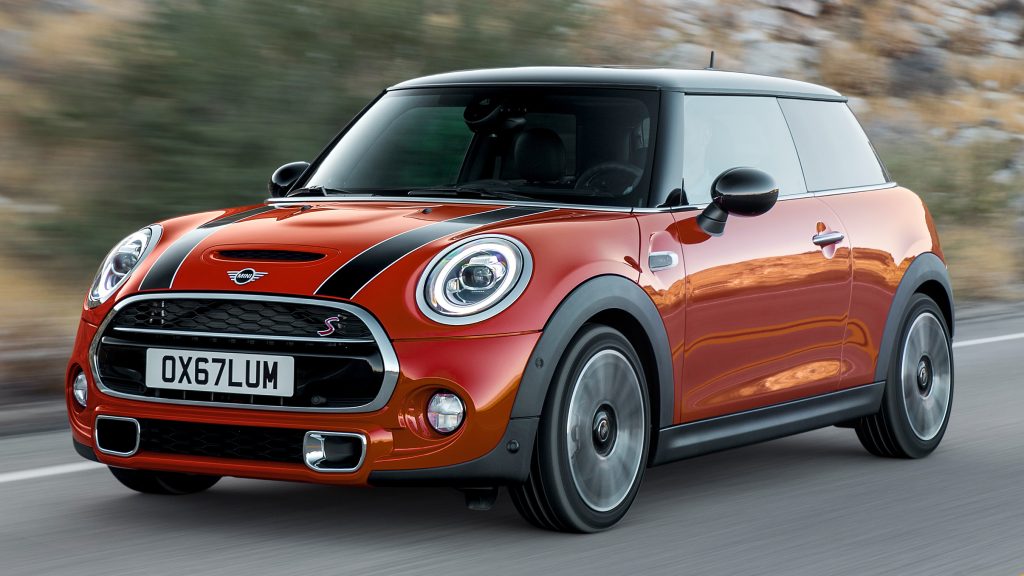
Its relatively low weight remains central to everything that makes the car enjoyable, demonstrating that responsive driving dynamics often begin with reducing unnecessary mass instead of simply increasing engine output.
Specifications
- Engine: 2.0-liter turbocharged inline-four
- Torque: 221 lb-ft
- Horsepower: 161 hp
- Length/Width: 152.8 in / 68.0 in
8. Fiat 500e
The Fiat 500e approaches lightweight design from a completely different perspective than the other vehicles on this list. Rather than focusing on a gasoline-powered platform, Fiat developed a compact electric hatchback that remains relatively light compared with many battery-electric vehicles currently sold in the United States.
Keeping weight under control is especially important for electric cars because large battery packs can quickly increase curb weight and reduce efficiency.
Despite carrying an electric powertrain, the 500e retains the nimble character that has long defined the Fiat 500 family. Instant electric torque combines with compact dimensions to deliver brisk acceleration in city traffic, while the relatively modest weight allows the suspension to remain responsive over uneven pavement.
Drivers benefit from quick steering response and excellent maneuverability, making the vehicle easy to handle in busy city traffic and tight parking areas.
Its lightweight construction also contributes to energy efficiency. Because the electric motor has less mass to propel, the battery can deliver a competitive driving range without becoming excessively large.
This engineering approach helps the 500e maintain an enjoyable balance between performance, efficiency, and practicality while avoiding some of the bulk associated with larger electric vehicles.
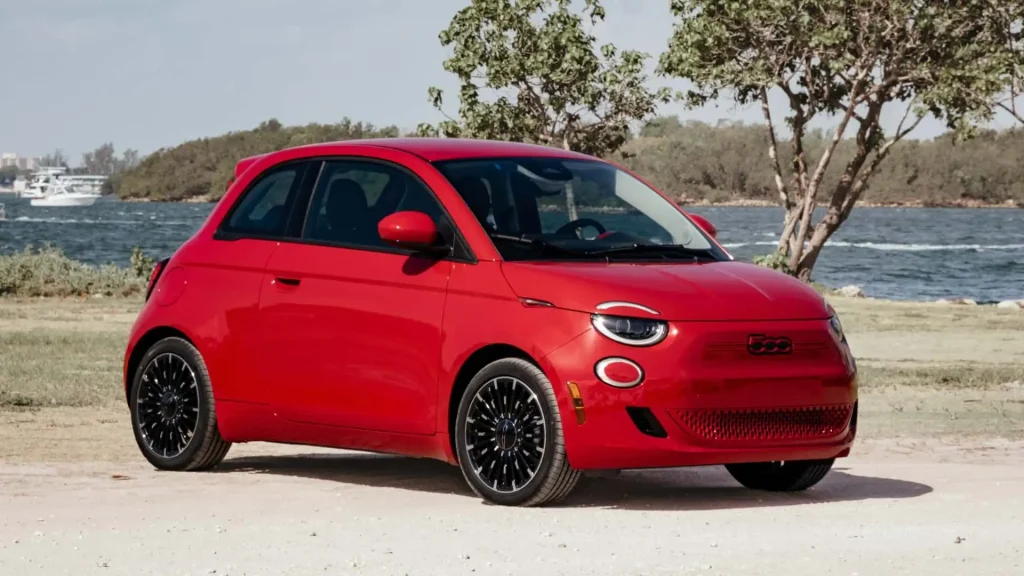
Another advantage appears during parking and low-speed driving. The small body, tight turning radius, and compact exterior dimensions make the Fiat particularly well suited for dense city centers where larger vehicles often struggle to fit into available parking spaces.
Combined with the quiet operation of the electric drivetrain, daily commuting becomes both relaxing and economical.
The 500e demonstrates that lightweight engineering continues to play an important role even as the industry transitions toward electrification.
Rather than relying solely on increasingly massive battery packs, Fiat shows that reducing vehicle weight remains one of the most effective methods for improving efficiency, responsiveness, and everyday usability in a modern electric car.
Specifications
- Engine: Single permanent-magnet electric motor
- Torque: 162 lb-ft
- Horsepower: 117 hp
- Length/Width: 143.0 in / 66.3 in
Also Read: 10 Vehicles With the Largest Standard Touchscreens in 2026
