
A blown transmission is one of the most expensive and stressful problems a vehicle owner can face. Whether you drive a compact sedan, a family SUV, a pickup truck, or a luxury vehicle, transmission failure often raises an immediate question: is it worth repairing the car, or is it smarter to replace it altogether?
The answer is rarely straightforward because every vehicle has a different value, condition, maintenance history, and repair cost. While some cars deserve a transmission replacement because they have years of reliable service left, others may not justify the investment due to age, excessive mileage, or multiple existing mechanical problems.
Understanding the factors involved can help you make a financially sound decision instead of reacting emotionally to an expensive repair estimate.
Many drivers assume that a blown transmission automatically means the end of a vehicle’s life. In reality, that is not always true. Modern vehicles are built to last much longer than they did decades ago, and many well-maintained cars can easily exceed 200,000 miles with proper care.
If the engine, suspension, electrical system, and body remain in excellent condition, installing a rebuilt or replacement transmission may restore the vehicle for many more years of dependable driving. On the other hand, spending thousands of dollars on a transmission for a vehicle with severe rust, recurring engine issues, or declining reliability may only delay additional costly repairs.
The financial side of the decision is equally important. Transmission replacement costs vary depending on the vehicle’s make, model, transmission type, labor rates, and the option you choose, such as rebuilding the existing unit or installing a remanufactured transmission.
Comparing these costs with the current market value of your vehicle provides valuable perspective. However, the decision should not be based solely on resale value. The cost of replacing your current vehicle, higher insurance premiums, financing expenses, and the uncertainty of buying a used car should also be considered before making a final choice.
This guide explains everything you need to know about deciding whether fixing a car with a blown transmission is worthwhile. You will learn how transmission failure occurs, the warning signs to recognize, repair and replacement options, cost considerations, factors that influence your decision, alternatives to repairing the vehicle, and practical tips that can help you save money.
By understanding the complete picture, you can confidently choose the option that best fits your budget, transportation needs, and long-term financial goals.
Also Read: 10 Beginner Motorcycles That Hold Their Value Best

What Does It Mean When a Transmission Is Blown?
The transmission is one of the most complex systems in any vehicle. It transfers engine power to the wheels while adjusting gear ratios to maintain performance, fuel efficiency, and smooth operation.
Whether your car has an automatic, manual, or continuously variable transmission, every design relies on numerous internal components working together under precise conditions. When enough of these components fail, mechanics often describe the transmission as blown.
A blown transmission does not always mean that every internal part has been destroyed. Instead, the term generally refers to a transmission that has suffered severe internal damage, making normal operation impossible or uneconomical to repair through minor maintenance.
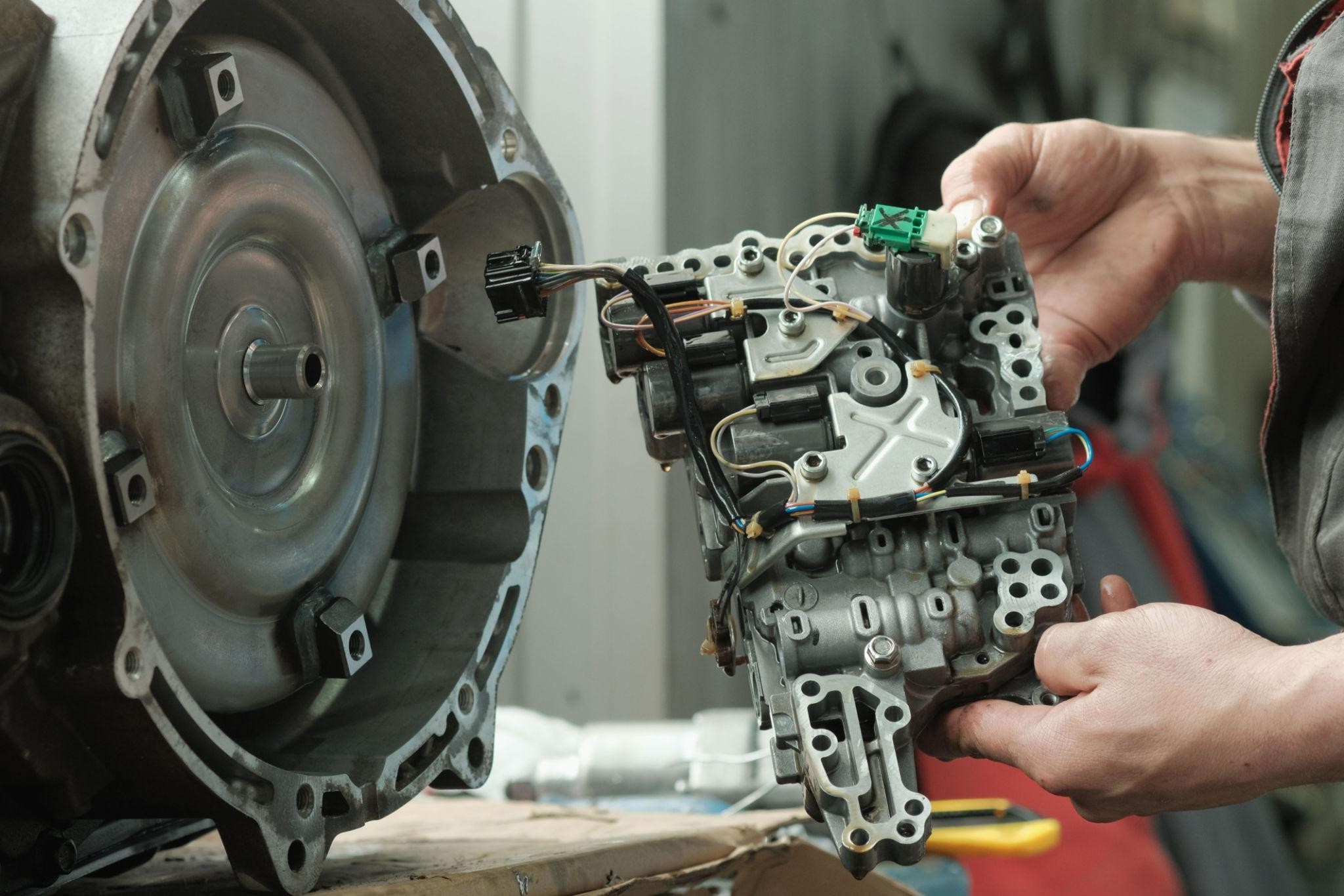
Common failures include damaged clutch packs, broken gears, failed bearings, worn valve bodies, torque converter problems, or catastrophic internal wear caused by overheating and contaminated transmission fluid.
Transmission failure usually develops gradually rather than occurring without warning. Drivers often notice delayed shifting, slipping gears, grinding noises, hesitation during acceleration, fluid leaks, or warning lights before the transmission completely stops functioning.
Ignoring these symptoms often allows minor wear to progress into major mechanical damage that requires a complete rebuild or replacement.
Automatic transmissions contain hundreds of precision-engineered components that rely on clean transmission fluid for lubrication, cooling, and hydraulic pressure. When fluid levels become low or maintenance is neglected, internal temperatures increase rapidly.
Excessive heat breaks down transmission fluid, reducing its ability to protect internal parts. As friction increases, components wear faster until significant failure occurs.
Manual transmissions are generally simpler and often last longer, but they are not immune to damage. Aggressive driving, improper shifting techniques, worn clutches, and inadequate lubrication can eventually damage gears, synchronizers, and bearings. Although manual transmissions may cost less to repair in some cases, extensive internal damage can still require a complete rebuild or replacement.
Common Causes of Transmission Failure
Transmission failure rarely happens without a reason. In most cases, it is the result of long-term wear combined with preventable issues that gradually damage internal components. One of the most common causes is overheating. When a transmission operates at high temperatures for extended periods, the transmission fluid loses its protective properties.
This leads to increased friction between moving parts, which accelerates wear and eventually causes failure. Overheating can be triggered by heavy towing, stop-and-go traffic, steep terrain, or simply a poorly maintained cooling system.
Another major cause is neglected maintenance. Transmission fluid is designed to lubricate and cool the system, but it breaks down over time. If fluid is not changed at recommended intervals, it becomes contaminated with metal particles and debris.
This contaminated fluid reduces hydraulic efficiency and increases internal wear. Many drivers overlook transmission servicing because it is less frequent than oil changes, but skipping it can significantly shorten transmission life.
Manufacturing defects and design weaknesses also contribute to failures in some vehicle models. Certain transmissions are known for recurring issues such as weak clutch packs, faulty solenoids, or fragile valve bodies. Even with proper maintenance, these design flaws can lead to premature breakdown. In such cases, a rebuilt or upgraded replacement is often more reliable than repairing the original unit.
Driving habits play a significant role as well. Aggressive acceleration, sudden braking, frequent towing beyond vehicle capacity, and shifting between drive and reverse while the vehicle is still moving can all place excessive stress on the transmission. Over time, these habits cause internal components to wear faster than normal.
Fluid leaks are silent but serious contributors. Transmission fluid leaks reduce hydraulic pressure, which is essential for gear engagement and smooth operation. Even a small leak, if ignored, can lead to low fluid levels and severe internal damage. Once metal components begin grinding without proper lubrication, the damage often becomes irreversible.
Signs Your Transmission Is Failing or Already Blown
Recognizing early warning signs of transmission failure can save you from a complete breakdown and expensive repairs. One of the earliest symptoms is delayed or rough shifting. If your vehicle hesitates before changing gears or shifts with a noticeable jolt, it may indicate internal wear or hydraulic issues within the transmission system.
Slipping gears are a clear warning sign. This occurs when the transmission unexpectedly changes gears or struggles to stay in gear while driving. You may notice the engine revving higher without an increase in speed, which suggests that power is not being properly transferred to the wheels.
Unusual noises can also indicate serious transmission problems. Grinding, whining, or clunking sounds often point to worn bearings, damaged gears, or low transmission fluid levels. These noises typically worsen over time and should never be ignored.
Transmission fluid condition is another important indicator. Healthy transmission fluid is usually bright red and has a slightly sweet smell. If the fluid appears dark, burnt, or has a strong odor, it suggests overheating and contamination. In severe cases, metal shavings may be present in the fluid, indicating internal component failure.
Dashboard warning lights can also signal transmission issues. Many modern vehicles have sensors that detect abnormal transmission performance and trigger a warning light. While this does not always mean catastrophic failure, it does indicate that the system requires immediate inspection.
In advanced stages of failure, the vehicle may stop moving altogether. This is often what people refer to as a blown transmission. At this point, internal damage is usually extensive enough that repair becomes more expensive than replacement or vehicle replacement.
Also Read: 10 Cars That Are Cheapest to Insure for Drivers Under 25
Repairing vs Replacing a Blown Transmission
Once a transmission has failed, the next decision is whether to repair, rebuild, or replace it. Each option comes with different costs, benefits, and long-term reliability outcomes.
Repairing a transmission is usually only possible when the damage is minor and limited to specific components. This might include replacing solenoids, seals, or external sensors. While this is the least expensive option, it is rarely applicable in cases of a fully blown transmission.
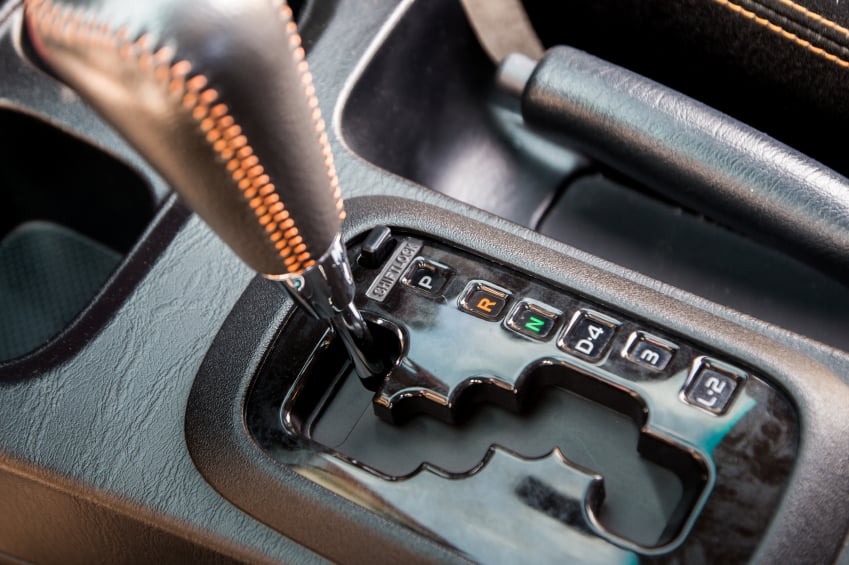
A rebuild involves disassembling the transmission, replacing damaged internal parts, and reassembling it to factory specifications. This option can restore performance and extend the life of the vehicle significantly. However, the quality of a rebuild depends heavily on the skill of the mechanic and the quality of replacement parts used.
A full replacement typically involves installing a remanufactured or used transmission. Remanufactured units are rebuilt in controlled factory environments and often come with warranties, making them a more reliable option. Used transmissions are cheaper but carry more risk because their remaining lifespan is uncertain.
Choosing between these options depends on the vehicle’s condition, age, mileage, and your budget. A newer vehicle with a strong engine and good body condition may justify a remanufactured replacement, while an older vehicle may not be worth the investment.
How Much Does It Cost to Fix a Blown Transmission?
Transmission repair costs vary widely depending on the vehicle type and the extent of damage. Minor repairs can range from a few hundred to over a thousand dollars, but a full rebuild or replacement typically costs significantly more.
On average, a rebuilt transmission can cost between several thousand and high thousands, depending on the vehicle make and model. Luxury vehicles and imported cars often cost more due to specialized parts and labor requirements. Labor itself is a major factor, as transmission work is highly technical and time-consuming.
A remanufactured transmission usually costs more upfront but includes warranty coverage, which can provide long-term value. Used transmissions are cheaper initially but may result in additional costs if they fail prematurely.
It is also important to consider diagnostic fees, towing costs, and potential additional repairs discovered during installation. These extra expenses can significantly increase the total cost of fixing a blown transmission.
Because of these factors, many vehicle owners compare repair costs with the current market value of their car before making a decision. If the repair cost approaches or exceeds the vehicle’s value, replacement often becomes the more practical choice.
Is It Worth Fixing a Car With a Blown Transmission?
The decision depends on a combination of financial logic and practical needs. If the vehicle is relatively new, well maintained, and otherwise reliable, replacing the transmission can be a smart investment. It can extend the life of the car by several years and cost less than purchasing a replacement vehicle.
However, if the vehicle is older, has high mileage, or suffers from multiple mechanical issues, repairing the transmission may not be cost-effective. In such cases, the money spent on repair might be better applied toward a newer or more reliable vehicle.
Emotional attachment often influences this decision, but it is important to evaluate the situation objectively. A car is a depreciating asset, and investing heavily in one with limited future value can create financial strain.
A practical approach is to compare repair costs with the replacement value of the vehicle, consider future maintenance risks, and assess how long you plan to keep the car. If the repair extends the vehicle’s life meaningfully and prevents immediate replacement costs, it is often worth doing.
There is no universal answer. The right decision depends on balancing cost, reliability, and long-term value in a way that fits your personal transportation needs.
