
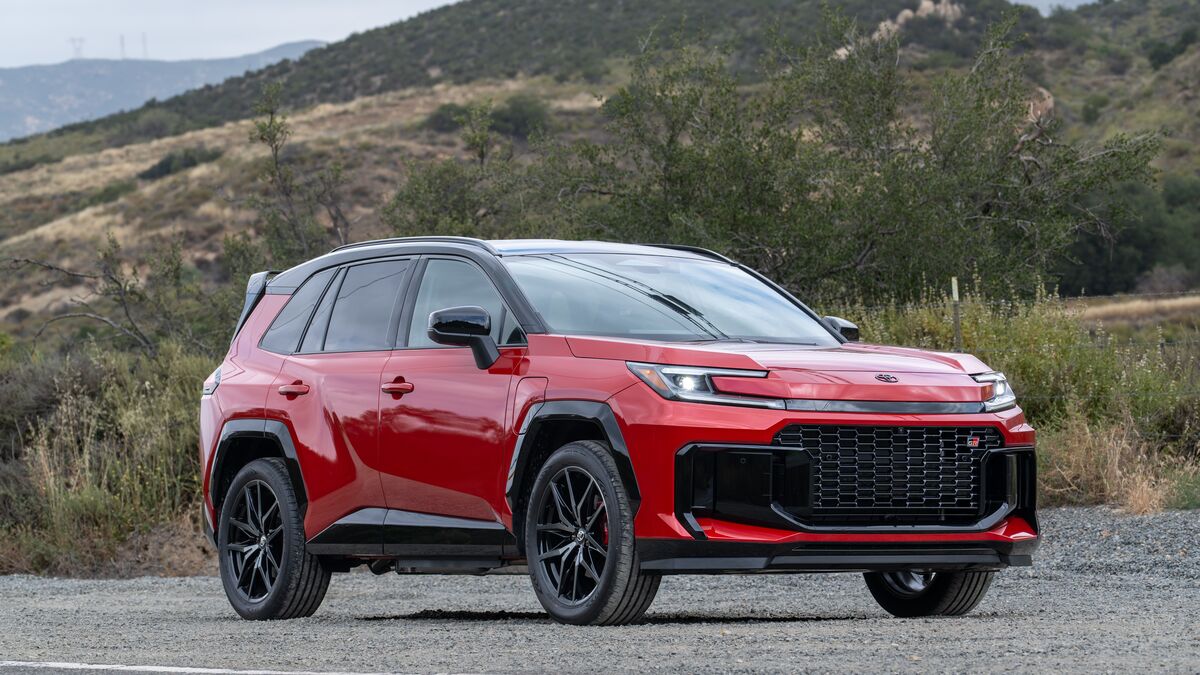
Owning a compact SUV is often seen as a practical middle ground between affordability, comfort, and long-term reliability, and the Toyota RAV4 is one of the most popular choices in this category worldwide.
It appeals to drivers who want a vehicle that can handle daily commuting, family travel, and occasional long-distance road trips without requiring excessive maintenance or fuel expenses. However, the real cost of ownership goes far beyond the sticker price shown at the dealership.
When people ask what it truly costs to own a Toyota RAV4 for five years, they are really asking about the full financial picture, including depreciation, fuel, insurance, maintenance, repairs, taxes, and even financing costs. These combined expenses can often exceed the initial purchase price of the vehicle itself over time.
In markets like India and other regions where fuel prices fluctuate and insurance premiums vary significantly, understanding the total cost of ownership becomes even more important. Many buyers focus only on EMI or upfront cost, but the reality is that a vehicle is a long-term financial commitment.
A Toyota RAV4 is known for its reliability and strong resale value, which help reduce long-term ownership costs compared to less durable SUVs. Still, it is not a low-cost vehicle to maintain when all factors are considered.
Tires wear out, brake pads need replacement, fluids must be changed regularly, and insurance premiums continue year after year. Each of these elements adds to the total cost in ways that are not always obvious at the time of purchase.
Another key factor influencing the five-year cost is depreciation. Even though Toyota vehicles generally hold value better than many competitors, the RAV4 still loses a significant portion of its value over time.
This depreciation represents one of the highest hidden costs of ownership. Fuel consumption also plays a major role, especially for drivers who commute long distances daily. Depending on whether the hybrid or petrol variant is used, fuel expenses can vary widely, changing the total cost calculation considerably.
Insurance is a major component, especially in the first three years when premiums tend to be higher. Comprehensive coverage is usually recommended for a vehicle of this class, adding a steady annual expense that many buyers underestimate.
On top of that, maintenance schedules recommended by Toyota ensure the vehicle remains in good condition, but they also introduce recurring service costs that accumulate over five years.
This article breaks down each of these cost categories in detail so that prospective buyers or current owners of the Toyota RAV4 can understand exactly where their money goes. By the end, you will have a realistic five-year ownership estimate that reflects real-world usage rather than marketing assumptions or simplified online calculators.
Also Read: 10 Beginner Motorcycles That Hold Their Value Best
Purchase Price and Depreciation
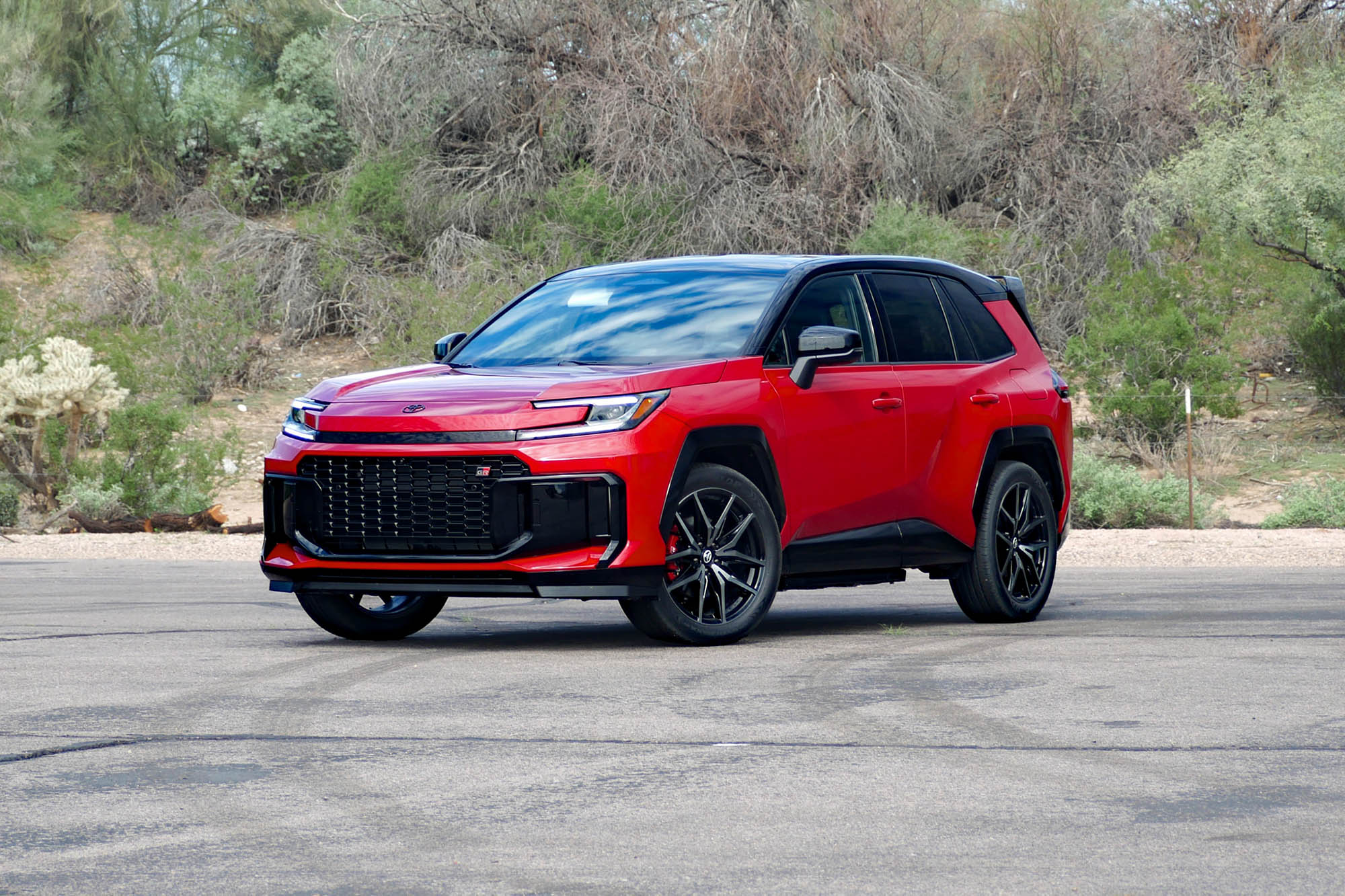
The purchase price of the Toyota RAV4 is the starting point of ownership costs, but it is also where many long-term financial expectations begin to take shape. Depending on the market, variant, and optional features, the initial cost can vary significantly.
Hybrid models typically cost more upfront than standard petrol versions, but they may reduce fuel expenses later. While buyers often focus on getting the best possible deal at the dealership, the more important financial factor is how much of that initial value will be retained over five years.
Depreciation is the single largest cost of owning most vehicles, and the RAV4 is no exception. Even though Toyota has a strong reputation for reliability and resale value, the vehicle still experiences a predictable decline in market value each year. In the first year alone, a new SUV can lose a noticeable percentage of its value simply by becoming a used vehicle.
Over five years, this loss accumulates into a substantial figure that often surpasses fuel and maintenance combined. The rate of depreciation depends heavily on mileage, condition, service history, and local demand for used SUVs.
One of the reasons the RAV4 performs better than many competitors in resale value is its reputation for durability. Buyers in the used car market often prioritize vehicles known for long-term reliability, and Toyota has built strong trust in this area.
This demand helps stabilize resale prices, especially for well-maintained models with complete service records. However, even with strong demand, market forces such as new model releases and changing fuel efficiency standards can still reduce resale value over time.
An important factor influencing depreciation is the choice between hybrid and non-hybrid variants. Hybrid models often retain value slightly better in regions where fuel efficiency is highly valued, especially as fuel prices rise. However, battery-related concerns in older hybrid vehicles can sometimes affect buyer perception, even if the system remains reliable.
This creates a balance where hybrid models may save money on fuel but still follow a similar depreciation curve to petrol versions depending on market conditions.
When calculating the real five-year cost of owning a Toyota RAV4, depreciation should be treated as a fixed financial loss rather than a variable expense.
For example, if a vehicle is purchased at a certain price and sold after five years for significantly less, the difference represents the true cost of ownership in terms of value loss. This is why two owners of the same vehicle can experience very different financial outcomes depending on when they buy, how they maintain it, and when they decide to sell.
In practical terms, depreciation is often the hidden expense that surprises new car owners the most. Unlike fuel or insurance, it is not paid monthly or annually, but it becomes very real when the vehicle is sold or traded in.
Understanding this factor early allows buyers to make more informed decisions about trims, optional packages, and even timing of purchase, all of which can influence long-term financial impact.
Fuel Costs Over Five Years
Fuel is one of the most consistent and predictable expenses when calculating the total cost of owning a Toyota RAV4, yet it is also one of the most variable, depending on driving habits, fuel prices, and the type of engine chosen. A driver who commutes long distances daily will naturally spend far more than someone who uses the vehicle occasionally for weekend trips.
Over a five-year period, even small differences in fuel efficiency can translate into a significant financial gap, making this category one of the most important parts of ownership planning.
The standard petrol version of the RAV4 typically delivers moderate fuel efficiency for its class, while the hybrid variant offers noticeably better mileage due to its combination of electric motor support and regenerative braking. In city driving conditions, where stop-and-go traffic is common, the hybrid system becomes particularly effective.
It reduces fuel consumption during idle periods and low-speed movement, which are usually the most inefficient driving conditions for petrol engines. Over time, this advantage can lead to substantial savings, especially in urban environments.
Fuel prices are a major factor that cannot be ignored. In countries where petrol prices fluctuate frequently, long-term ownership becomes harder to predict accurately. Even a small annual increase in fuel cost can compound significantly over five years.
For example, a vehicle that costs a certain amount per month in fuel today may cost considerably more by the fourth or fifth year. This unpredictability makes fuel one of the most dynamic cost elements in total ownership calculations.
Driving style also plays a major role in fuel consumption. Aggressive acceleration, high-speed driving, and frequent braking all reduce efficiency, increasing fuel usage. On the other hand, smooth acceleration, steady cruising speeds, and proper tire maintenance can improve mileage noticeably.
Many RAV4 owners find that their real-world fuel economy differs from official ratings simply because of everyday driving habits and road conditions.
When calculating five-year ownership costs, it is important to estimate average annual mileage realistically rather than relying on ideal conditions. A typical driver may cover anywhere between 12,000 and 20,000 kilometers per year, depending on lifestyle and location.
Over five years, this adds up to a substantial total distance, and fuel costs scale directly with it. Even a small improvement in mileage efficiency can result in meaningful savings over this long period.
Fuel expenses form one of the highest recurring costs of owning a Toyota RAV4. While hybrid models can reduce this burden significantly, no version is completely free from fuel dependency. Understanding your driving patterns and local fuel pricing is essential for building a realistic five-year cost estimate.
Also Read: 10 Cars That Are Cheapest to Insure for Drivers Under 25

Insurance Costs and Financial Protection
Insurance is a mandatory and recurring expense that significantly contributes to the total cost of owning a Toyota RAV4.
While many buyers treat it as a fixed annual bill, the reality is that insurance premiums can vary widely based on multiple factors, including driving history, location, coverage level, and the age of the vehicle. Over five years, these variations can create a meaningful difference in total ownership cost.
In the early years of ownership, insurance premiums are typically higher because the vehicle’s market value is higher. Comprehensive insurance is usually recommended for a new SUV like the RAV4, as it provides protection against accidents, theft, natural disasters, and third-party liabilities.
This type of coverage offers peace of mind but comes at a higher annual cost compared to basic third-party insurance. As the vehicle ages and its value depreciates, premiums generally decrease, but not always enough to offset earlier expenses.
One important factor is the driver profile. Insurance companies assess risk based on age, driving experience, and claim history.
A younger or less experienced driver may pay significantly more for the same vehicle compared to an experienced driver with a clean record. Similarly, urban locations with higher traffic density or accident rates often lead to higher premiums than rural areas. These regional differences can influence the total five-year costs more than many buyers initially expect.
The safety features of the RAV4 can help reduce insurance costs in some cases. Modern versions are equipped with advanced safety systems such as lane assist, adaptive cruise control, and collision avoidance technologies.
These features reduce accident risk, which can sometimes lead to lower premiums or discounts from insurers. However, repair costs for advanced systems can be higher, which may balance out some of these savings from the insurer’s perspective.
Over a five-year ownership period, insurance is not just a legal requirement but a financial safeguard. Even one major accident can drastically change the total cost of ownership if the vehicle is not properly insured. This is why most financial planners recommend including insurance as a fixed annual cost when calculating long-term vehicle affordability rather than treating it as an optional expense.
Insurance for a Toyota RAV4 is a consistent but evolving cost that gradually decreases over time while still representing a significant portion of total ownership expenses. Understanding coverage options and choosing the right policy can help optimize this cost without sacrificing essential protection.
Maintenance, Servicing, and Repairs
Maintenance is one of the most predictable yet underestimated costs of owning a Toyota RAV4. While Toyota vehicles are known for reliability and relatively low maintenance requirements compared to many competitors, they still require regular servicing to remain in optimal condition. Over a five-year period, these routine services add up to a meaningful portion of total ownership cost.
The standard maintenance schedule typically includes oil changes, filter replacements, brake inspections, tire rotations, and fluid top-ups.
These services are usually required at regular intervals, often every 8,000 to 15,000 kilometers, depending on driving conditions. While individual service visits may not seem expensive, the cumulative cost over five years becomes significant when multiplied across multiple service cycles.
Tires are another important expense that many owners overlook during initial cost calculations. Depending on driving habits and road conditions, a set of tires may need replacement within the five-year period.
High-quality tires improve safety, fuel efficiency, and driving comfort, but they also represent a notable one-time expense. For a vehicle like the RAV4, which is often used for long-distance driving, tire wear can be faster than expected.
Brake components are also subject to wear and tear. Urban driving with frequent stop-and-go traffic tends to wear down brake pads faster than highway driving. While brake replacement is not extremely frequent, it is still a necessary cost that must be accounted for over a five-year ownership period. Ignoring brake maintenance can lead to more expensive repairs later, making regular servicing essential.
One of the advantages of owning a Toyota RAV4 is its reputation for mechanical reliability. Major repairs are relatively uncommon compared to many other SUVs in the same category.
However, no vehicle is completely free from unexpected issues. Electronic components, sensors, and battery-related systems in hybrid variants can occasionally require attention, especially as the vehicle ages.
Maintenance costs form a steady but manageable portion of total ownership expenses. While they are not as large as depreciation or fuel costs, they are essential for preserving the vehicle’s value and ensuring long-term reliability. Proper maintenance also plays a key role in maximizing resale value, which indirectly reduces the effective cost of ownership.

Taxes, Registration, and Miscellaneous Costs
Beyond fuel, insurance, and maintenance, there are several additional expenses that contribute to the five-year ownership cost of a Toyota RAV4. These include road taxes, registration fees, emissions testing in some regions, and other administrative charges that are often paid at the time of purchase or periodically throughout ownership.
Road tax is usually calculated based on vehicle price, engine size, or emission levels, depending on the region. For SUVs like the RAV4, these taxes can be relatively higher compared to smaller cars due to their larger size and engine capacity. In some regions, this is a one-time payment, while in others it may be renewed annually or every few years, adding to long-term costs.
Registration fees are another upfront cost that many buyers tend to overlook when budgeting for a new vehicle. These fees vary by location but are generally required to legally operate the vehicle on public roads.
While they are not recurring in most cases, they still contribute to the total cost of ownership and should be included in long-term financial planning.
Miscellaneous costs such as cleaning, detailing, minor accessories, and occasional repairs also add up over time.
While each of these expenses may seem small individually, they collectively contribute to the cost of maintaining the vehicle in good condition. Owners who prioritize appearance and comfort often spend more in this category than those who focus purely on functionality.
In the case of a Toyota RAV4, these additional costs are relatively moderate but still important when calculating a complete five-year ownership estimate. Ignoring them can lead to an underestimation of true expenses and create unrealistic expectations about affordability.
