
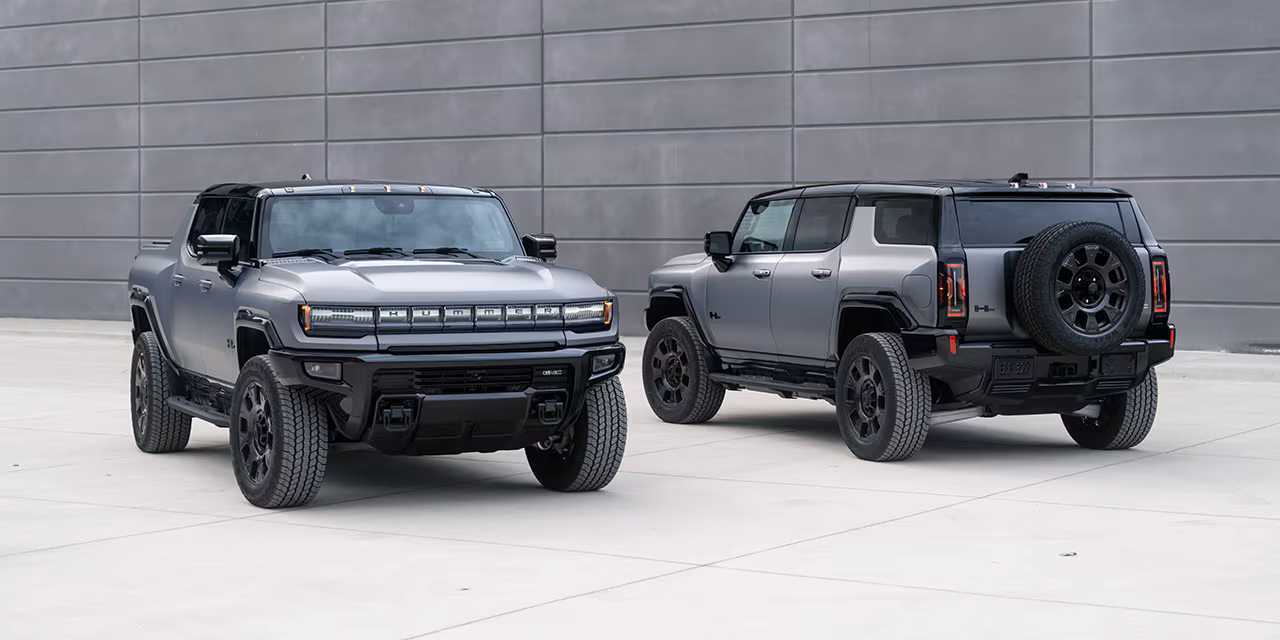
Full-size SUVs are among the most complex and resource-intensive vehicles produced in the global automotive industry. They are designed to combine strength, comfort, advanced technology, and long distance capability in a single platform, which makes them highly desirable for families, commercial users, and off road enthusiasts.
Vehicles in this category often include models from manufacturers such as Ford, Chevrolet, Toyota, Jeep, Nissan, and GMC, each competing in a segment where customer expectations are extremely high, and engineering demands are even higher.
While consumers usually focus on showroom prices and financing options, the real story begins much earlier, deep inside the manufacturing ecosystem where cost decisions are made long before a vehicle reaches a dealership.
The actual cost of building a full-size SUV is shaped by dozens of interconnected factors. These include raw material pricing, engineering development expenses, factory automation systems, labor costs, logistics networks, regulatory compliance, supplier contracts, and long-term warranty obligations.
Each SUV represents the output of a global supply chain that spans multiple continents, involving thousands of suppliers and specialized manufacturers producing everything from microchips to heavy-duty chassis frames. Even small changes in commodity prices or transportation costs can significantly affect the production cost per vehicle.
Automakers also invest heavily in research and development before production begins. A new SUV platform can take several years and billions of dollars to design, test, and validate. Engineers must ensure the vehicle meets strict safety regulations, emissions standards, and durability expectations across different markets.
This includes crash simulations, real-world testing in extreme environments, and constant refinement of mechanical and electronic systems. These development costs are distributed across the total production volume, meaning that popular models benefit from economies of scale while lower-volume vehicles carry higher per-unit costs.
Another important factor is manufacturing efficiency. Modern SUV production lines are highly automated, but they still require skilled human labor, advanced robotics, and precise coordination between multiple stages of assembly.
Paint shops, stamping facilities, engine assembly lines, and final inspection stations all contribute to the cost structure. In addition, automakers must manage warranty risk, dealer incentives, marketing expenses, and administrative overhead, all of which influence the profitability of each vehicle.
Understanding what it costs to build a full-size SUV provides valuable insight into why these vehicles are priced the way they are. The difference between production cost and retail price is not simply profit but a reflection of complex industrial systems that support design, manufacturing, distribution, and long-term customer support.
Also Read: 10 Beginner Motorcycles That Hold Their Value Best
Raw Materials and Component Costs
Raw materials form the foundation of every full-size SUV and represent one of the largest portions of total production cost. High-strength steel is widely used for the frame and structural components because it provides durability and crash protection at a relatively manageable cost.
Aluminum is increasingly used to reduce weight, especially in body panels, suspension parts, and engine components, but it is more expensive than steel and adds to material expenses.
In addition to metals, a wide range of other materials contributes to production costs. Plastics are used extensively in dashboards, interior trims, bumpers, and housings for electronic components. Rubber is essential for tires, seals, hoses, and vibration control systems.
Glass is required for windshields, windows, and sunroofs, often with special coatings for UV protection and noise reduction. Each of these materials has its own pricing structure influenced by global supply and demand conditions.
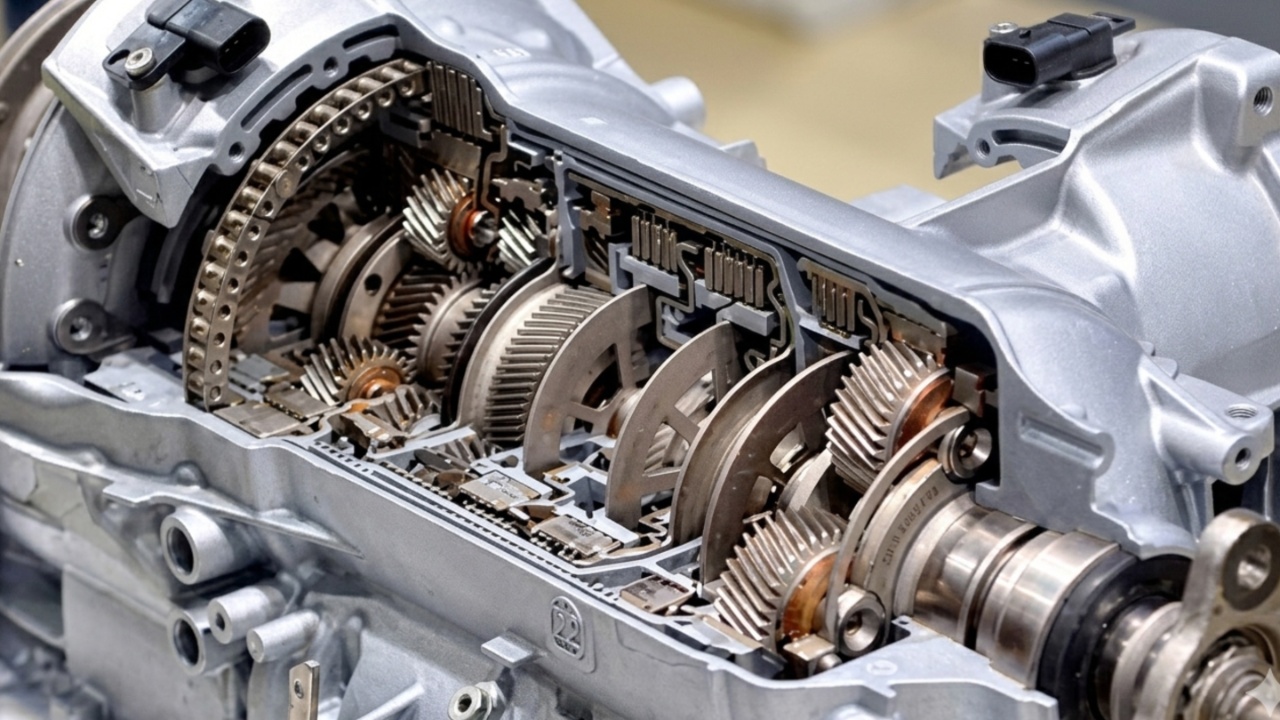
Powertrain components are among the most expensive parts of an SUV. Engines require precision-engineered metals, advanced cooling systems, and complex fuel delivery systems. Transmissions involve hundreds of moving parts that must operate under high stress for long periods. Four Wheel Drive systems add additional components such as transfer cases and differentials, increasing both material and assembly costs.
Interior materials also play a major role in cost variation between trims. Base models may use cloth seating and standard plastics, while higher trims include leather upholstery, wood accents, soft-touch materials, and premium stitching. Features like heated seats, ventilated seating, and panoramic glass roofs significantly increase material costs and require additional assembly steps.
Electronics have become one of the fastest-growing cost categories in modern SUVs. Advanced driver assistance systems rely on radar sensors, cameras, control modules, and wiring harnesses that connect multiple vehicle systems.
Infotainment systems with large touchscreens, navigation, and connectivity features also add substantial cost. As vehicles become more software-driven, the value of electronic components continues to rise.
Engineering and Development Expenses
Engineering and development costs are among the most significant financial investments in the creation of a full-size SUV. Before production begins, automakers spend years designing the vehicle architecture, including the chassis, suspension system, drivetrain layout, and electronic control systems. This process requires large teams of engineers, designers, and analysts working across multiple disciplines.
Computer-aided design and simulation tools play a central role in modern development. Engineers use digital models to test aerodynamics, crash performance, structural rigidity, and fuel efficiency long before physical prototypes are built.
These simulations reduce risk and shorten development time, but they require expensive software, high-performance computing systems, and highly trained specialists.
Once digital development is complete, physical prototypes are built and tested extensively. These prototypes are subjected to crash tests, endurance testing, towing trials, off-road driving, and extreme climate exposure.
Vehicles are tested in deserts, mountains, icy regions, and urban environments to ensure reliability under all conditions. Each round of testing can lead to design modifications, which increase both time and cost.
Regulatory compliance adds another layer of expense. Automakers must ensure that vehicles meet safety standards, emissions regulations, and environmental requirements in every market where they are sold. This involves certification testing, documentation, and coordination with government agencies. Failure to meet these standards can delay production or restrict sales in key regions.
Software development has also become a major part of engineering costs. Modern SUVs rely on complex operating systems that manage everything from engine performance to entertainment features.
These systems require continuous updates, cybersecurity protection, and integration with mobile devices. As vehicles become more connected, software costs are becoming as important as mechanical engineering expenses.
Manufacturing and Assembly Costs
Manufacturing a full-size SUV involves a highly coordinated industrial process that transforms raw materials and components into a finished vehicle.
The production process begins with stamping facilities where large metal sheets are shaped into body panels using high-pressure presses. These machines require expensive tooling and constant maintenance, and the cost of creating dies for new models is extremely high.
After stamping, body panels are welded together using a combination of robotic systems and skilled technicians. Automation ensures precision and consistency, while human oversight helps maintain quality standards. The assembled body structure, often called the body-in-white, forms the foundation of the vehicle and must meet strict dimensional accuracy requirements.
Painting is one of the most technically complex and expensive stages of manufacturing. Vehicles pass through multiple coating stages, including primer, base coat, and clear coat layers.
Paint shops require controlled environments to prevent dust contamination and ensure uniform finish quality. The materials used in automotive paint systems are also costly, especially for premium finishes with metallic or pearl effects.
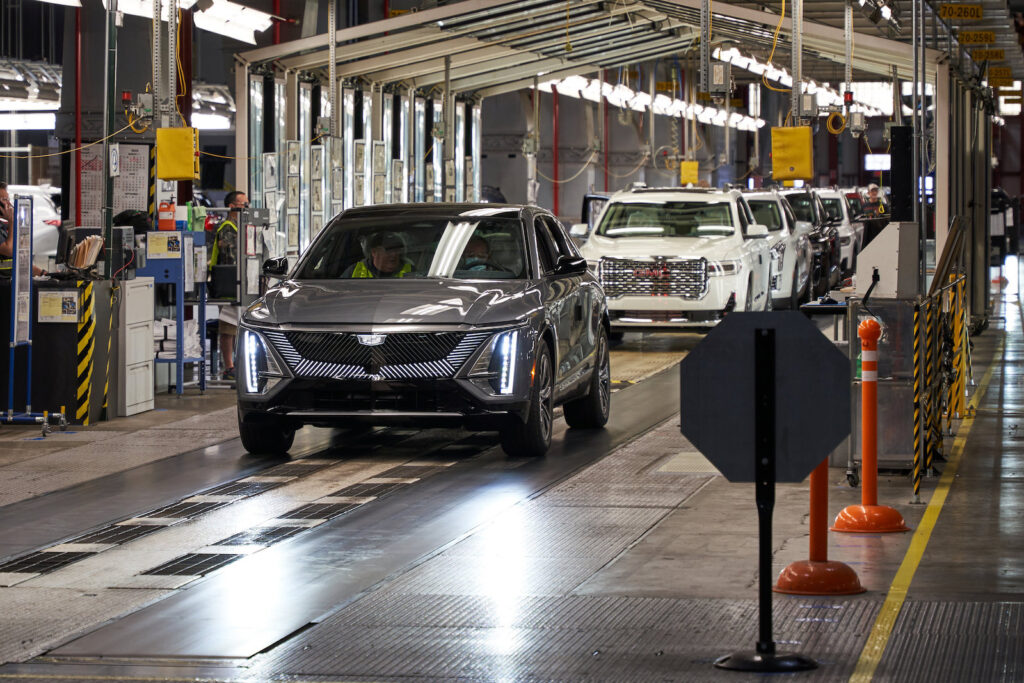
Final assembly brings together thousands of components, including engines, transmissions, electrical systems, interiors, and safety features. Workers and robotic systems collaborate to install parts in a precise sequence. Each step is monitored to ensure proper fitment and functionality. Any defect discovered during assembly can require rework, which increases cost and production time.
Quality control is integrated throughout the manufacturing process. Vehicles undergo inspections at multiple stages, including structural checks, electronic diagnostics, and road testing. Even minor defects can result in repairs or rejection, which adds to the cost per vehicle produced.
Also Read: 10 Cars That Are Cheapest to Insure for Drivers Under 25
Supply Chain and Logistics Costs
The supply chain for a full-size SUV is global, complex, and highly sensitive to disruption. Components are sourced from hundreds of suppliers across different countries, each specializing in specific parts such as semiconductors, braking systems, seating, or drivetrain components. Coordinating these suppliers requires advanced logistics planning and strict inventory control systems.
Transportation costs are a significant factor in production expenses. Parts must be shipped by sea, air, rail, and truck to reach assembly plants on time. Fuel prices, shipping delays, and port congestion can all increase costs unexpectedly. Automakers often maintain buffer inventory levels to avoid production stoppages, which also adds financial overhead.
Warehousing and inventory management are additional cost contributors. Parts must be stored in facilities close to manufacturing plants and managed using just-in-time delivery systems. While this approach reduces excess inventory, it requires highly efficient coordination and technology investment.
Currency fluctuations and trade policies also impact supply chain costs. Since suppliers operate in different countries, exchange rates can affect pricing stability. Tariffs and import duties can further increase the cost of components, forcing automakers to adjust sourcing strategies or absorb additional expenses.
Supply chain disruptions, such as natural disasters or geopolitical events, can significantly impact production schedules. When key components become unavailable, automakers may need to halt production lines, prioritize certain models, or find alternative suppliers at higher costs.
Pricing Strategy and Profit Margins
The end retail price of a full-size SUV reflects far more than its production cost. Automakers must account for marketing expenses, dealership networks, warranty coverage, financing programs, and corporate overhead. These costs are distributed across each vehicle sold, influencing the gap between manufacturing cost and showroom price.
Dealer networks play a major role in the pricing structure. Dealers purchase vehicles from manufacturers and add their own margins before selling to customers. Incentives, rebates, and promotional offers are often used to stimulate demand, especially in competitive markets or during slow sales periods.
Warranty and after-sales service are also significant cost factors. Automakers set aside funds to cover potential repairs, recalls, and customer support programs. These future liabilities are estimated based on historical data and engineering assessments, and they reduce the net profit per vehicle sold.
Marketing and branding expenses contribute to pricing strategy. Advertising campaigns, motorsport sponsorships, and product launches are designed to build brand value and drive consumer demand. These costs are spread across entire product lines, including full-size SUVs.
The difference between production cost and retail price does not represent pure profit. It reflects a complex system of engineering investment, global logistics, regulatory compliance, and long-term business strategy. Full-size SUVs are expensive to build because they are among the most advanced and resource-intensive consumer vehicles in the automotive market.
