
Upgrading brake pads is one of the most common decisions car owners face when they start paying attention to performance, comfort, and long-term maintenance costs. Among the available options, ceramic brake pads are often marketed as a premium upgrade over traditional semi-metallic or organic pads.
This raises a practical question for everyday drivers and enthusiasts alike: is a ceramic brake pad upgrade worth the cost, or is it simply an expensive alternative with marginal benefits?
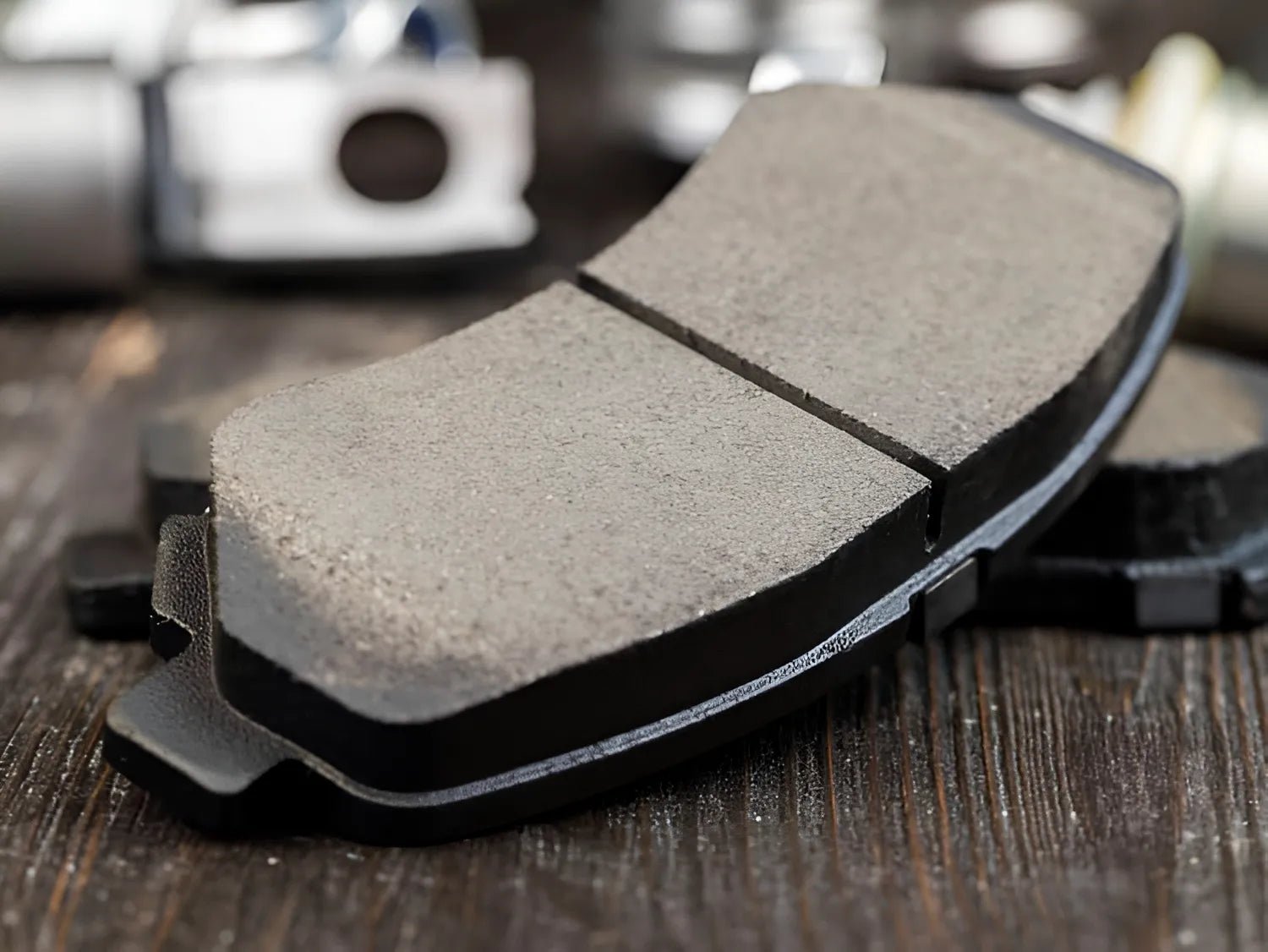
To answer this properly, it helps to understand what ceramic brake pads actually are and why they are different. Ceramic brake pads are made from dense ceramic fibers, bonding agents, and small amounts of copper or other fillers.
This composition allows them to operate quietly, produce less dust, and maintain stable performance across a wide range of temperatures. Unlike semi-metallic pads, which rely heavily on metal content for friction, ceramic pads focus on consistency and refinement.
However, performance is only one part of the equation. Cost, driving style, vehicle type, and long-term maintenance expectations all play a major role in determining whether the upgrade makes sense. For some drivers, ceramic brake pads offer a noticeable improvement in comfort and cleanliness.
For others, especially those driving heavier vehicles or engaging in aggressive driving, the benefits may not justify the higher price tag.
In real-world driving conditions, braking is influenced by more than just the pad material. Rotor quality, tire grip, brake fluid condition, and driving habits all contribute to how a braking system performs.
This means ceramic brake pads should not be viewed in isolation, but rather as part of a complete braking system. Still, they have earned a strong reputation for being a reliable, low-maintenance option for daily commuting and highway driving.
This article breaks down the key factors that determine whether a ceramic brake pad upgrade is worth the cost. It explores performance, durability, noise and dust levels, cost considerations, and the situations where ceramic pads make the most sense. By the end, you will have a clear understanding of whether this upgrade aligns with your driving needs and expectations.
Also Read: 8 Vehicle Recalls From 2026 You Should Never Ignore
Performance of Ceramic Brake Pads in Real Driving Conditions
Ceramic brake pads are designed to provide smooth and consistent braking performance under normal driving conditions. One of their biggest strengths is stability.
Unlike some semi-metallic pads that can feel aggressive or inconsistent depending on temperature, ceramic pads tend to deliver predictable stopping power whether you are driving in city traffic or on open highways. This consistency is one reason they are popular among daily drivers.
An important aspect of performance is heat management. While ceramic pads do handle heat reasonably well, they are not typically designed for extremely high-performance situations such as racing or heavy towing.
In those cases, semi-metallic pads often outperform ceramics due to their higher friction levels under extreme temperatures. However, for typical commuting and moderate braking demands, ceramic pads perform reliably without noticeable fade.
Many drivers report that ceramic pads provide a more refined and linear braking response. This means the pressure you apply on the pedal translates more predictably into stopping force. This can improve driver confidence, especially in stop-and-go traffic where frequent braking is required.
Ceramic pads also tend to maintain performance consistency over time. As they wear down, they do not typically exhibit sudden changes in braking behavior. This gradual wear pattern contributes to a more stable driving experience and reduces surprises in braking response. It also helps maintain rotor condition, since ceramic pads are generally less abrasive than metallic alternatives.
When evaluating performance alone, ceramic brake pads are best understood as a refinement upgrade rather than a dramatic performance boost. They are designed to make everyday driving smoother and more predictable, not necessarily to shorten braking distances under extreme conditions.
Durability and Lifespan Compared to Other Brake Pads
Durability is one of the key reasons many drivers consider ceramic brake pads worth the cost. In general, ceramic pads tend to last longer than organic pads and often outlast semi-metallic pads in normal driving conditions. Their composition allows them to resist wear more effectively, especially during routine city and highway use.
One reason for their longer lifespan is their ability to operate at stable temperatures without excessive material breakdown. Heat is one of the primary factors that accelerates brake pad wear, and ceramic materials handle moderate heat efficiently. This means they degrade more slowly under typical braking conditions, such as daily commuting and occasional highway driving.
Another factor contributing to durability is rotor friendliness. Ceramic brake pads are generally less aggressive on brake rotors compared to metallic pads. This reduced abrasion helps extend the life of the rotors as well, which can lower maintenance costs over time. While rotors will still wear eventually, the rate of wear is often slower with ceramic pads.
However, durability is not absolute. Driving style has a major impact on lifespan. Frequent hard braking, mountain driving, or towing heavy loads can significantly reduce the life of ceramic pads. In such cases, semi-metallic pads may actually perform better over time due to their higher resistance to extreme conditions.
In everyday use, though, ceramic brake pads offer a strong balance between longevity and performance. For drivers who prioritize fewer replacements and lower maintenance frequency, the durability advantage is a major factor in justifying the higher initial cost.

Noise Levels and Driving Comfort Improvements
One of the most noticeable benefits of ceramic brake pads is their quiet operation. Noise reduction is often one of the first things drivers observe after switching from semi-metallic pads. Ceramic materials are engineered to reduce vibration frequencies that typically cause squealing or grinding sounds during braking.
This quieter performance improves driving comfort, especially in urban environments where frequent braking is required. Stop-and-go traffic often amplifies brake noise issues in lower-quality pads, but ceramic pads tend to maintain a more refined and subdued sound profile. This contributes to a more premium driving experience.
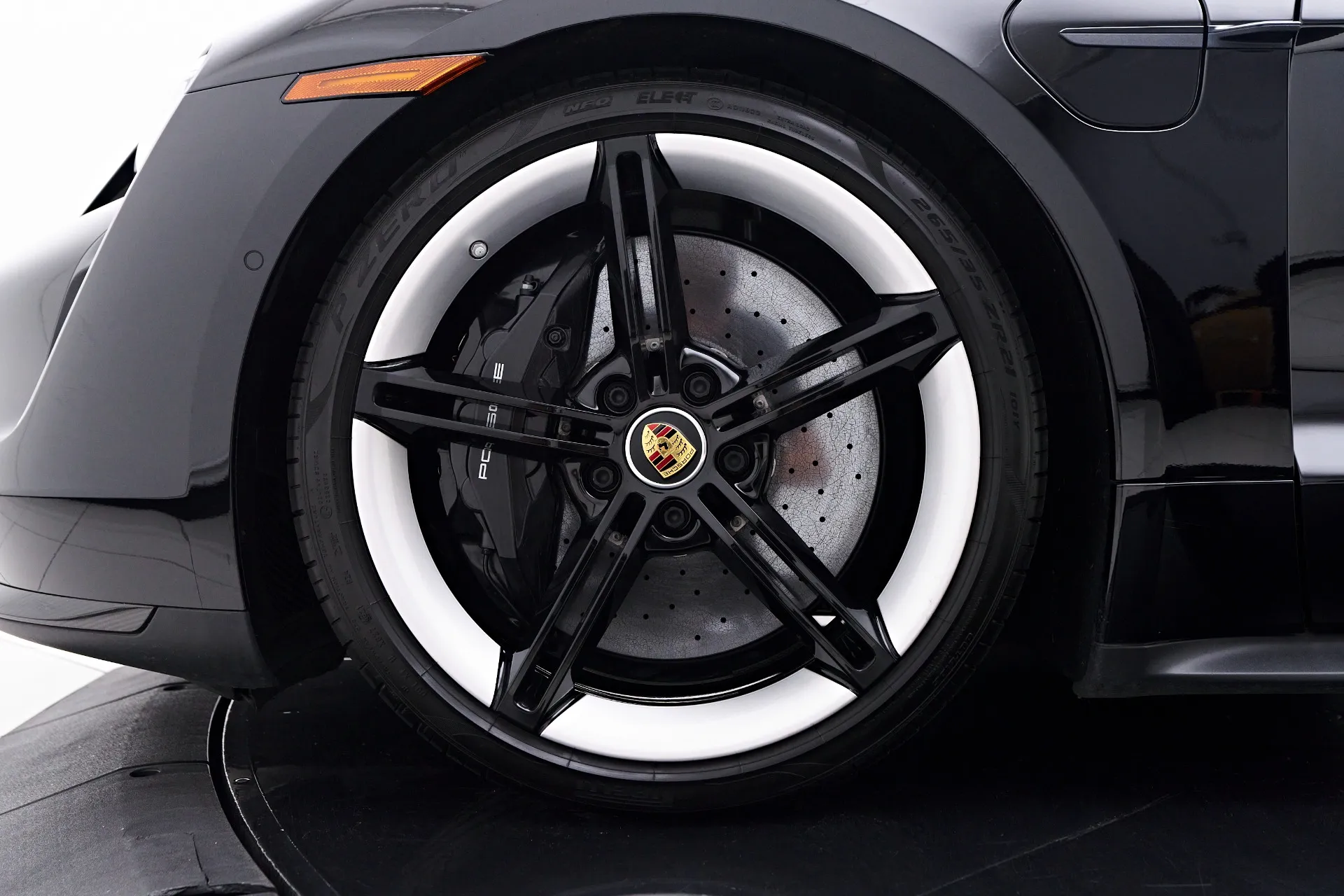
In addition to reduced noise, ceramic pads also produce significantly less brake dust compared to other pad types. Brake dust is the dark residue that accumulates on wheels over time, often requiring frequent cleaning. Ceramic pads minimize this buildup, helping wheels stay cleaner for longer periods. This is especially beneficial for drivers who value vehicle appearance.
Less dust also has a practical benefit beyond aesthetics. Brake dust can sometimes contribute to corrosion or buildup on wheel surfaces if not cleaned regularly. By reducing dust production, ceramic pads help maintain wheel condition and reduce maintenance effort.
When considering comfort factors such as noise and cleanliness, ceramic brake pads clearly stand out. For many drivers, these improvements alone are enough to justify the upgrade, even if performance differences are not dramatically noticeable.
Also Read: 10 Vehicles With the Largest Standard Touchscreens in 2026
Cost Analysis and Long-Term Value
The primary hesitation most drivers have with ceramic brake pads is the upfront cost. They are typically more expensive than organic or semi-metallic pads, sometimes significantly so depending on the brand and vehicle type. This raises the question of whether the long-term benefits offset the initial investment.
When evaluating cost, it is important to consider total ownership expense rather than just purchase price. Ceramic pads often last longer, which means fewer replacements over time. They also reduce rotor wear, which can delay or reduce the need for rotor replacement. These factors can help balance out the higher initial cost.
Another cost-related advantage is reduced maintenance effort. Because ceramic pads produce less dust, wheels require less frequent cleaning. While this may seem minor, it can save time and reduce the need for cleaning products or professional detailing over the long term.
However, ceramic pads are not always the most cost-effective option for every driver. For vehicles used in demanding conditions, such as towing or performance driving, the shorter lifespan of ceramics under stress may reduce their value advantage. In such cases, more durable semi-metallic pads may provide better long-term economics.
The cost-effectiveness of ceramic brake pads depends on driving habits and expectations. For average daily drivers, the combination of longer lifespan, cleaner operation, and reduced maintenance often makes them a worthwhile investment.
Ideal Use Cases for Ceramic Brake Pad Upgrades
Ceramic brake pads are best suited for drivers who prioritize comfort, cleanliness, and consistent everyday performance. They are particularly effective in passenger vehicles used for commuting, family driving, and highway travel. In these scenarios, their strengths align well with typical braking demands.
Urban drivers often benefit the most from ceramic pads. Frequent stopping, traffic congestion, and short trips create conditions where noise reduction and smooth braking feel become highly noticeable. In these environments, ceramic pads significantly improve driving comfort.
Luxury vehicle owners also tend to prefer ceramic brake pads due to their refined performance characteristics. The quiet operation and low dust output complement the expectations of a premium driving experience. Many manufacturers even equip vehicles with ceramic pads from the factory for this reason.
On the other hand, ceramic pads are not always ideal for heavy-duty applications. Trucks used for towing, vehicles driven aggressively, or cars used in motorsport conditions may require more heat-resistant braking materials. In such cases, semi-metallic pads are often a better fit due to their stronger high-temperature performance.
Ceramic brake pads are best viewed as a comfort and efficiency upgrade rather than a performance necessity. They shine in everyday driving conditions where smoothness, cleanliness, and long-term reliability matter more than extreme braking power.
