
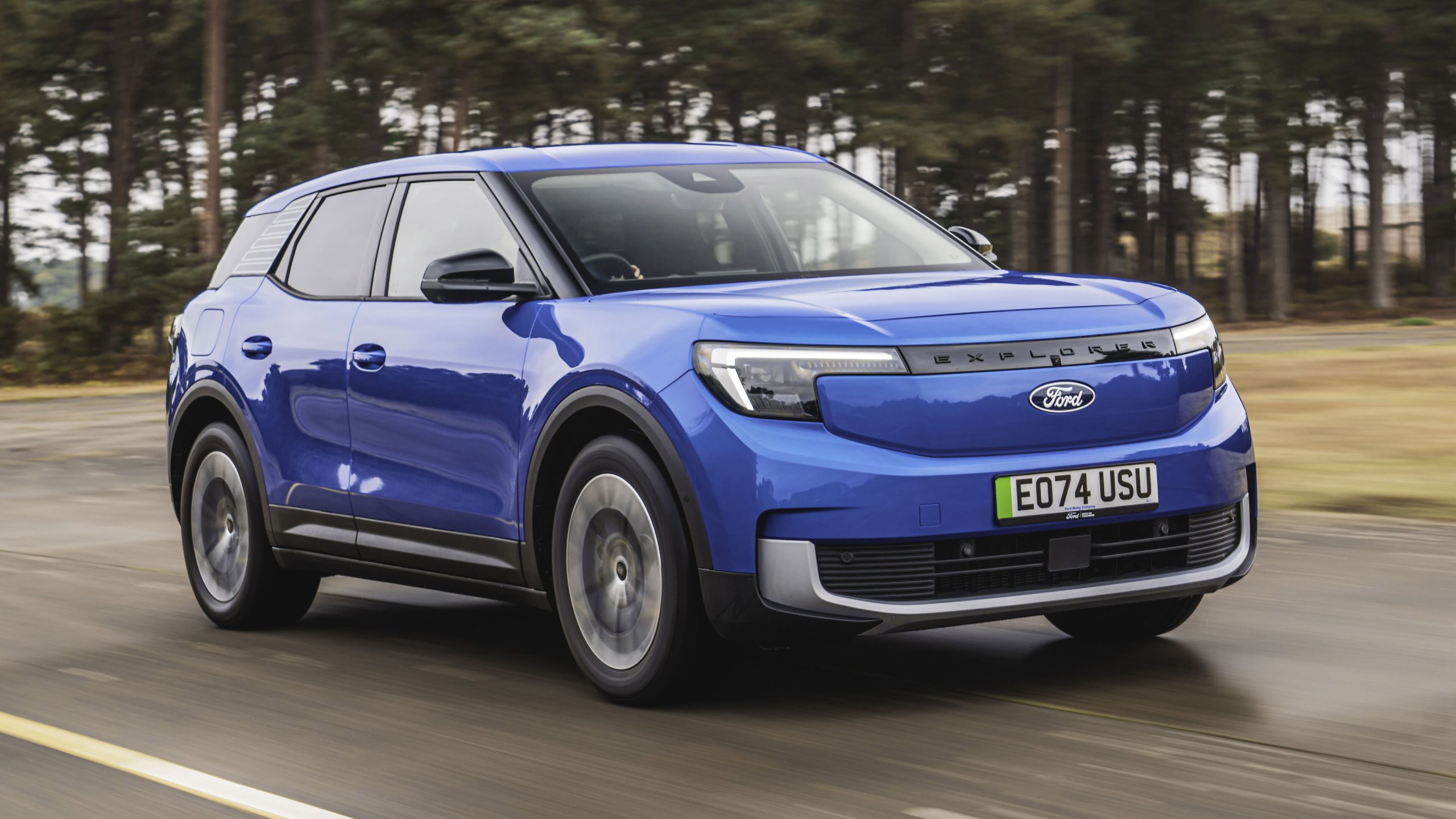
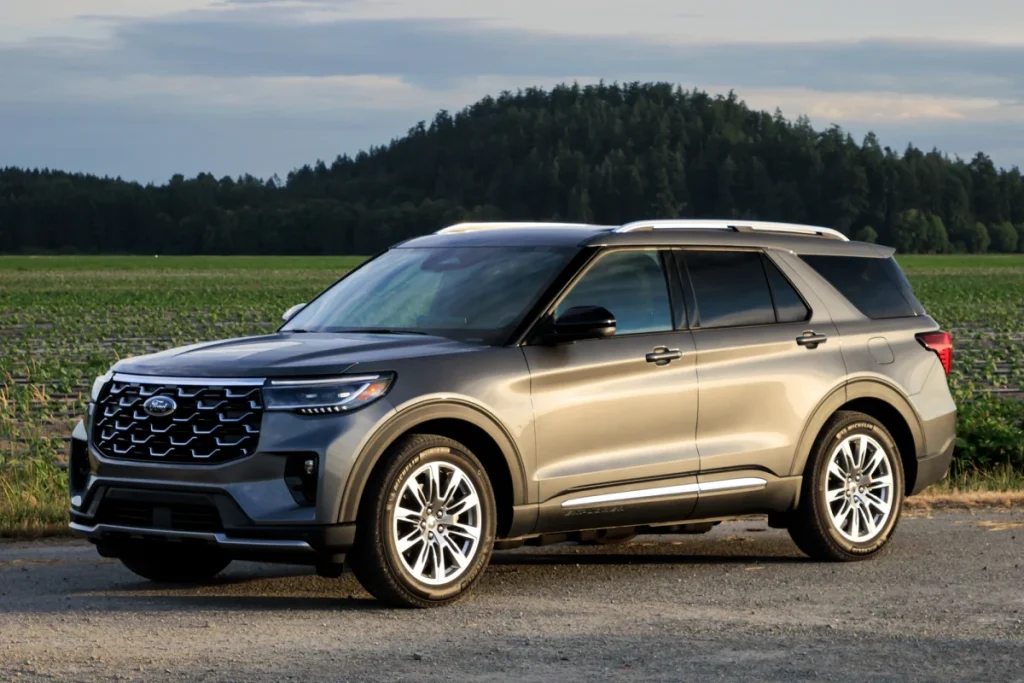
The Ford Explorer has been one of America’s best-selling SUVs for more than three decades, earning a loyal following among families, commuters, and outdoor enthusiasts.
Its spacious three-row interior, strong towing capability, available all-wheel drive, and wide range of trim levels have made it a popular choice for buyers who need more versatility than a midsize sedan can offer.
Whether it’s used for school runs, cross-country road trips, or towing a small boat on weekends, the Explorer is designed to handle a variety of roles.
However, the purchase price is only one part of the ownership equation. Like every vehicle, the Explorer comes with ongoing expenses that extend well beyond monthly loan payments. Fuel, insurance, maintenance, depreciation, tires, registration fees, and financing costs all contribute to the true cost of ownership.
Because the Explorer is larger and more powerful than many compact SUVs, some of these expenses are naturally higher, particularly fuel consumption and insurance.
The exact amount you’ll spend depends on the trim level, annual mileage, fuel prices, financing terms, and where you live. Even so, examining the major ownership costs provides a realistic picture of what buyers can expect during their first five years with one of Ford’s most popular SUVs.
Also Read: 10 Cars Insurers Charge the Most to Cover Against Theft
The Purchase Price Is Just the Beginning
A new Ford Explorer typically starts in the low-$40,000 range, while higher trims with additional technology, luxury features, or performance upgrades can exceed $60,000.
Although negotiating the purchase price is important, it represents only the initial investment. During the next five years, owners will also pay for insurance, fuel, maintenance, registration, tires, and depreciation. These expenses continue regardless of whether the vehicle is financed or purchased outright.
Understanding these ongoing costs gives buyers a much more accurate picture of what the Explorer actually costs to own.
Depreciation Is the Biggest Long-Term Expense
Like most new SUVs, the Explorer loses value steadily during its first few years. Ford’s strong brand recognition helps maintain healthy resale demand, but depreciation still accounts for the largest ownership expense.
After five years, a typical Explorer retains approximately 45 to 55 percent of its original value, depending on trim level, mileage, condition, and market demand.
For an SUV purchased at $50,000, depreciation commonly totals $22,000 to $27,000 over five years.
Although depreciation isn’t an out-of-pocket payment, it represents the amount of value owners give up when they eventually sell or trade the vehicle.
Fuel Costs Depend on Driving Habits
The Explorer offers multiple powertrain options, including turbocharged four-cylinder and six-cylinder engines, with some versions also available as hybrids.
Fuel economy varies by engine and drivetrain, but owners can generally expect higher fuel costs than they would with a compact crossover or midsize sedan.
Assuming 15,000 miles per year and average U.S. gasoline prices, five-year fuel expenses typically range between $8,000 and $11,000.
Drivers who spend most of their time in city traffic or regularly tow trailers may spend even more, while hybrid models can reduce fuel costs over time.
Insurance Is Higher Than That of Many Family Sedans
Because the Explorer is a larger, more expensive vehicle with greater repair costs than many passenger cars, insurance premiums are generally higher.
The exact amount depends on the driver’s age, location, driving record, and coverage level. For many owners, full-coverage insurance costs approximately $1,600 to $2,400 per year.
Over five years, that translates to roughly $8,000 to $12,000, making insurance one of the SUV’s largest recurring ownership expenses.
Fortunately, the Explorer’s strong safety ratings and advanced driver-assistance systems help keep premiums lower than they might otherwise be.
Routine Maintenance Remains Predictable
One of the advantages of owning a mainstream SUV is that scheduled maintenance is relatively straightforward.
Routine servicing includes oil changes, tire rotations, filter replacements, brake fluid inspections, coolant checks, and periodic transmission service when recommended by Ford.
Most owners spend between $2,500 and $4,000 on scheduled maintenance during the first five years.
Following the maintenance schedule not only helps preserve reliability but also supports stronger resale value when it comes time to sell the vehicle.
Tires Can Be a Significant Expense
The Explorer uses larger tires than many passenger cars, particularly on higher trim levels equipped with larger alloy wheels.
A quality replacement set typically costs between $900 and $1,600, depending on tire size and brand.
Most owners replace the original tires once during the first five years, although driving habits and road conditions may shorten or extend tire life.
Regular rotations, wheel alignments, and maintaining proper tire pressure help maximize tread life while improving fuel economy.
Repair Costs Are Usually Modest Early On
During the first five years, unexpected repairs are generally limited, especially while factory warranty coverage remains in effect.
Owners may eventually encounter routine replacements such as batteries, brake pads, or windshield repairs, but major engine or transmission failures are relatively uncommon when maintenance has been performed properly.
As the vehicle ages beyond warranty coverage, repair costs naturally become more unpredictable, particularly for models equipped with advanced electronics, turbocharged engines, or sophisticated four-wheel-drive systems.
Keeping up with scheduled maintenance remains the best way to minimize unexpected repair expenses.
Registration and Government Fees Add Up
Annual registration renewals, inspections, taxes, and licensing fees vary considerably by state. Depending on local regulations, Explorer owners commonly spend between $1,200 and $3,000 over five years on these mandatory expenses.
Although these costs are relatively small compared with depreciation or fuel, they remain part of the total ownership picture and should not be overlooked when calculating long-term expenses.
Financing Can Increase Total Ownership Costs
Many buyers finance the purchase of a new Explorer. Depending on interest rates, loan length, and the amount financed, interest payments alone may total $4,000 to $8,000 during a typical five-year loan.
Higher interest rates or longer loan terms increase this expense significantly. Buyers paying cash avoid financing costs entirely, although doing so requires a much larger upfront investment.
Understanding the full borrowing cost is important because financing affects the true price of ownership just as much as maintenance or insurance.
Trim Level Makes a Difference
Not every Explorer costs the same to own. Higher trims equipped with premium interiors, larger wheels, advanced technology packages, and more powerful engines generally have:
- Higher purchase prices
- Greater depreciation
- More expensive insurance
- Higher tire replacement costs
- Increased repair costs once out of warranty
Meanwhile, entry-level and mid-range trims often provide the best balance between comfort, capability, and long-term affordability.
Buyers planning to keep the vehicle for several years should consider not only the purchase price but also how optional equipment affects future ownership expenses.
Strong Resale Value Helps Offset Costs
One reason the Explorer remains popular is its healthy resale value. Demand for used three-row SUVs continues to be strong, helping well-maintained Explorers retain value better than many vehicles in other segments.
Maintaining complete service records, avoiding accident damage, and keeping mileage reasonable all contribute to stronger resale prices.
Although depreciation remains unavoidable, the Explorer generally performs better than many similarly priced SUVs when it comes time to sell or trade.
Estimated Five-Year Ownership Costs
For an owner driving approximately 15,000 miles per year, a typical five-year ownership breakdown looks something like this:
Depreciation generally totals $22,000 to $27,000, while fuel costs range from $8,000 to $11,000. Insurance commonly adds another $8,000 to $12,000, with scheduled maintenance costing around $2,500 to $4,000.
Tire replacement usually falls between $900 and $1,600; registration and government fees typically total $1,200 to $3,000; and financing may add $4,000 to $8,000, depending on the loan.
Taken together, these expenses mean the average owner can expect to spend approximately $47,000 to $66,000 during the first five years of ownership, excluding unexpected repairs or optional accessories.
Is the Ford Explorer Expensive to Own?
Compared with smaller SUVs, the Explorer costs more to own because of its larger size, higher purchase price, and greater fuel consumption. However, within the three-row midsize SUV segment, its ownership costs remain competitive.
The Explorer combines strong practicality, respectable resale value, predictable maintenance, and broad parts availability, helping keep long-term expenses manageable.
For families needing extra passenger space, towing capability, and versatility, the full ownership costs often compare favorably with those of similarly equipped rivals.
Owning a Ford Explorer for five years involves much more than the initial purchase price. Depreciation remains the largest expense, followed by fuel, insurance, financing, and routine maintenance.
Depending on the trim level, annual mileage, and local operating costs, total ownership expenses typically range from $47,000 to $66,000 over five years. While the Explorer is more expensive to own than a compact crossover, it delivers the added space, capability, and flexibility many families need.
Its strong resale value, dependable maintenance schedule, and widespread dealer support help offset many of the costs associated with owning a larger SUV.
For buyers seeking a practical three-row vehicle with predictable long-term ownership expenses, the Ford Explorer continues to offer a well-rounded balance between capability, comfort, and value.
Also Read: 10 Vehicles With the Highest Theft-Recovery Rates
