
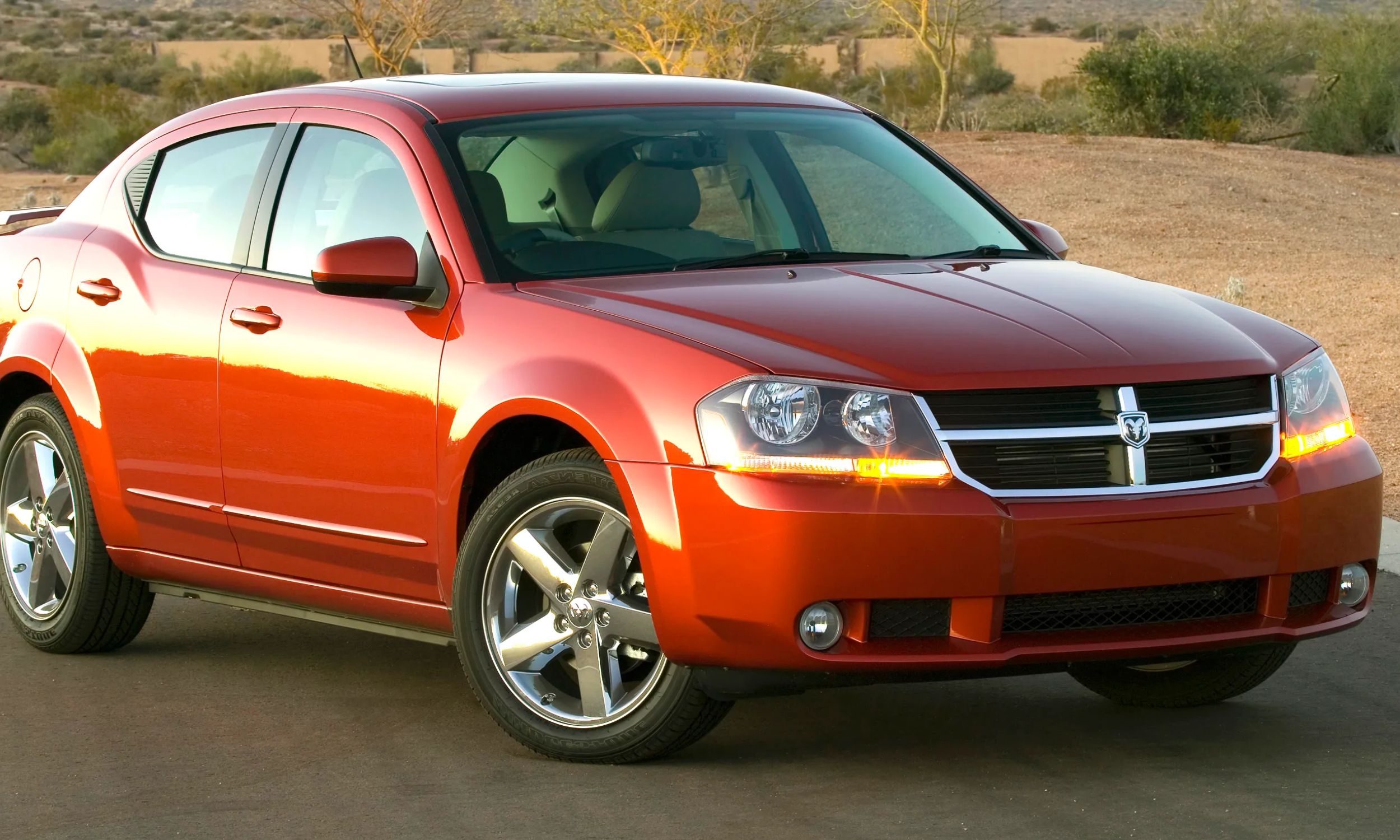
A visit to a car dealership today quickly shows how much the American auto market has changed. Many of the sedans that once filled showroom floors are no longer there, while two-door coupes have become increasingly difficult to find. Body styles that were common throughout the 1990s and early 2000s now make up only a small part of dealer inventories, and some have disappeared completely.
Instead, crossovers, pickup trucks, and SUVs now dominate sales, reflecting what many buyers currently want from their vehicles. Car manufacturers have adjusted their product lineups to match these changing preferences. Models that once sold in large numbers have gradually been discontinued as demand declined.
Some disappeared quietly during routine model updates, while others reached the end of their production runs after many years on the market. A few continue to survive because a single manufacturer still believes there is enough customer interest to keep them available. Even then, their sales volumes remain much lower than they were years ago.
This page looks at ten body styles that have already disappeared from American dealerships or are steadily becoming less common. Each category includes a recent vehicle that reflects the body style at its final stage, along with the engine, performance figures, and dimensions that defined it.
It also explains why buyers gradually moved toward more practical alternatives, leaving these once-popular designs with a much smaller place in today’s automotive market.
1. Two-Door Traditional Coupes
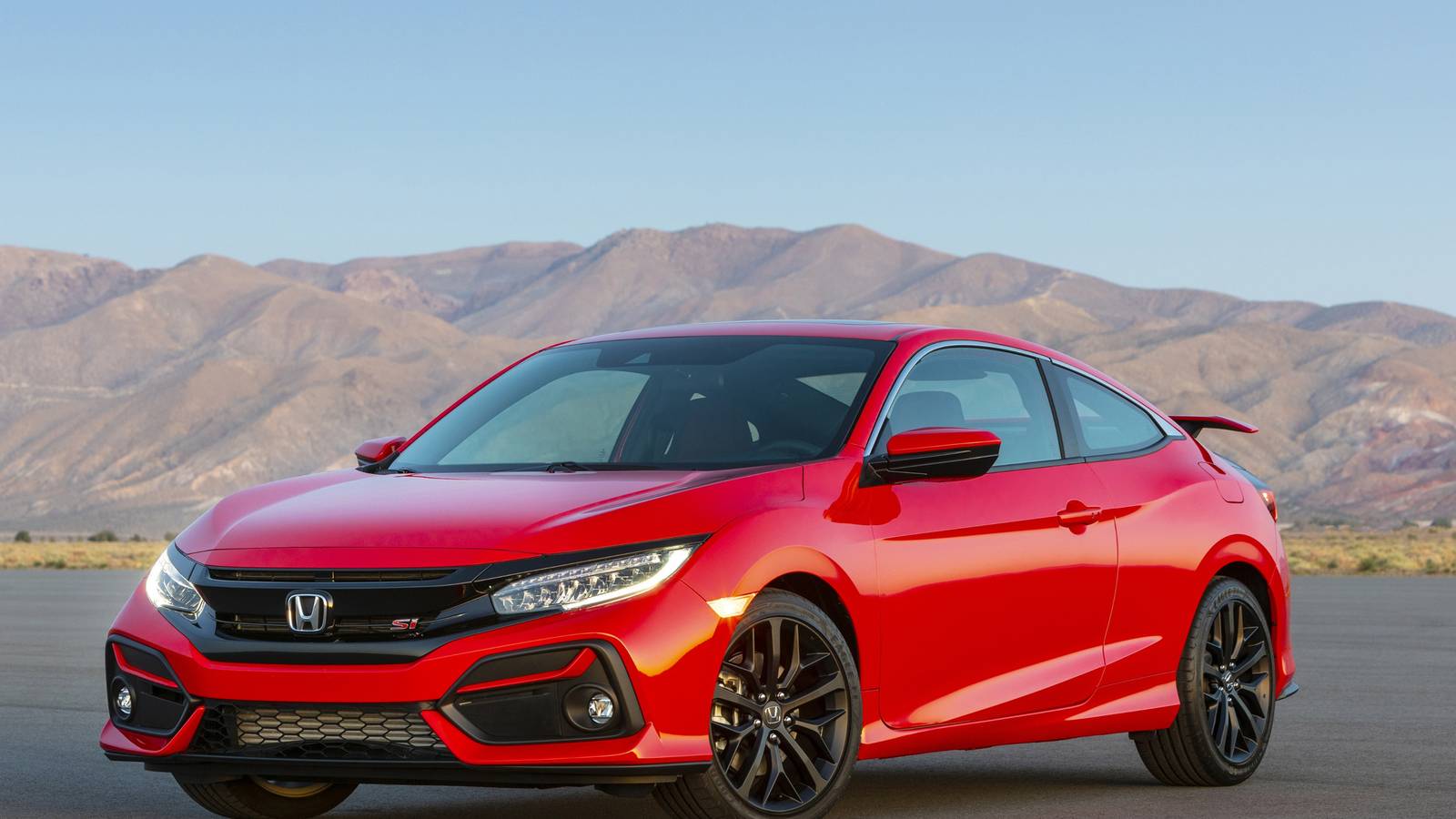
Example Vehicle: Honda Civic Coupe (Discontinued 2020)
- Engine: 1.5L Turbocharged 4-Cylinder
- Horsepower: 174 hp
- Torque: 162 lb-ft
- Size: 176.9 in Long x 70.8 in Wide x 54.9 in High
Honda’s decision to discontinue the Civic Coupe after the 2020 model year announced the effective end of the mainstream two-door compact coupe as a commercially viable body style in America, since Honda had been one of the last major manufacturers still selling a genuine volume coupe to everyday buyers rather than enthusiasts alone.
The Civic Coupe’s 174-horsepower turbocharged four-cylinder and sporty proportions measuring 176.9 inches long represented exactly the kind of practical performance combination that once defined a specific slice of the American new car market, yet its sales had been declining for years before discontinuation.
The two-door traditional coupe fell victim to a specific generational change in how Americans think about their vehicles’ utility. Buyers who previously purchased a coupe for its styling appeal increasingly discovered that a four-door sedan offered similar aesthetics, greater daily practicality, and comparable performance for the same price.
Younger buyers, who might have been expected to embrace sporty two-door styling, increasingly chose entry-level crossovers that offered a higher seating position, more cargo flexibility, and the perception of versatility that a coupe simply cannot provide, regardless of how appealing its roofline looks.
The Honda Civic’s own sales history tells the story of this body style’s decline clearly. The four-door Civic sedan continued strong while the coupe’s share shrank year after year, eventually reaching a point where Honda could not justify the engineering, manufacturing, and inventory costs of maintaining a separate two-door body configuration for a diminishing buyer pool.
Volkswagen, Toyota, and Hyundai made similar calculations years earlier, exiting the compact coupe segment before Honda did and leaving mainstream buyers with progressively fewer two-door options regardless of which showroom they walked into. The body style still exists in the sports car and muscle car categories, yet the everyday coupe that ordinary buyers chose for their commute has functionally disappeared.
2. Mainstream Midsize Sedans
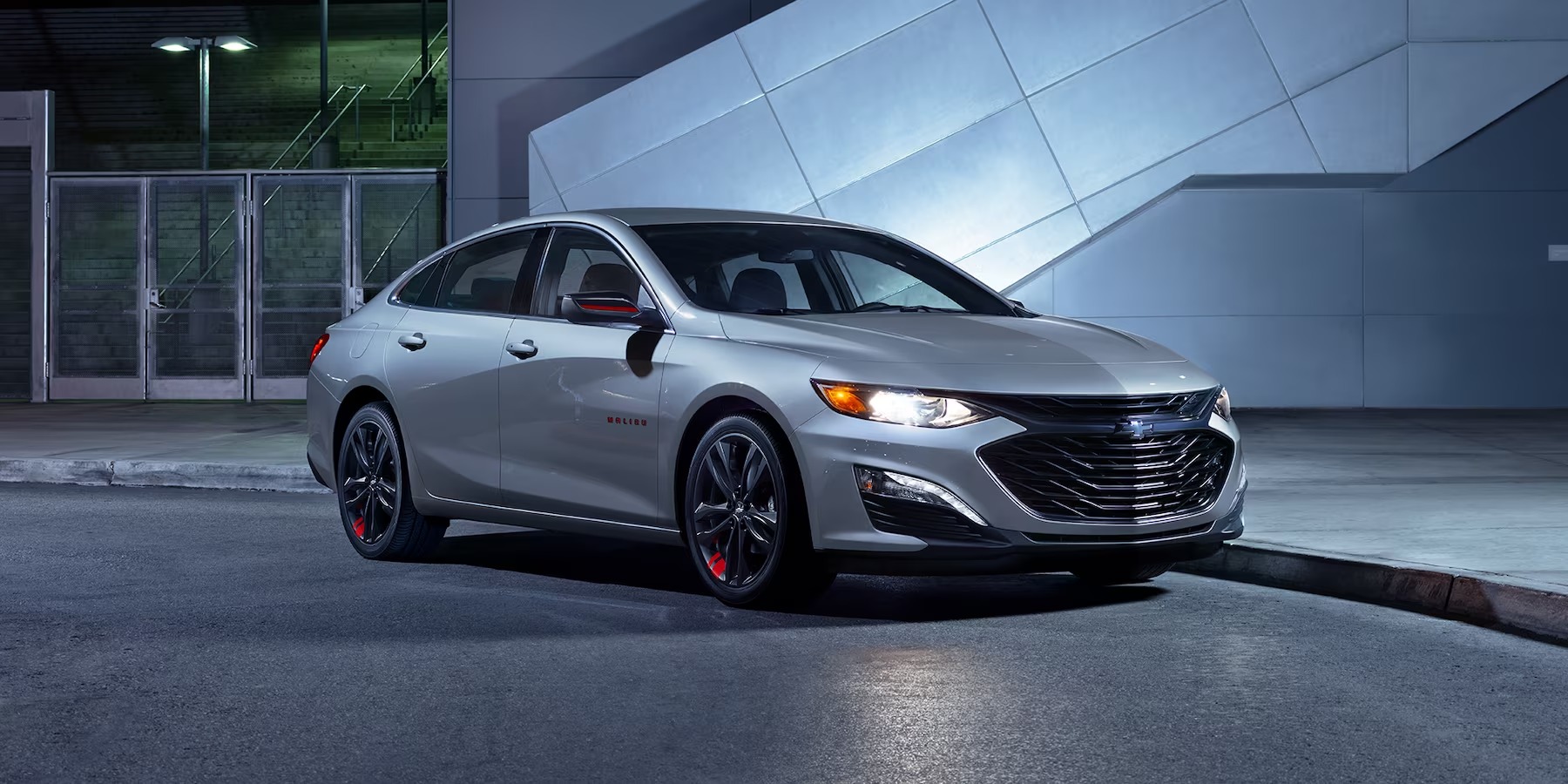
Example Vehicle: Chevrolet Malibu (Final Generation, Discontinued 2025)
- Engine: 1.5L Turbocharged 4-Cylinder
- Horsepower: 163 hp
- Torque: 184 lb-ft
- Size: 194.2 in Long x 73.0 in Wide x 57.3 in High
Few vehicle departures have carried as much meaning in the American auto industry as the end of the Chevrolet Malibu. For more than 50 years, the Malibu served as one of the country’s familiar midsize family sedans and remained a popular choice for everyday transportation.
Its final version came with a 1.5-liter turbocharged engine producing 163 horsepower and measured 194.2 inches in length. It delivered good cabin space, respectable fuel economy, and a comfortable ride at a reasonable price. Even with those strengths, many buyers moved away from sedans after crossovers began offering similar practicality with a higher seating position and a stronger road presence.
Chevrolet is far from the only manufacturer leaving this market. Ford ended production of the Fusion after the 2020 model year, while Volkswagen stopped selling the Passat in the United States after 2022. Dodge had already dropped the Dart years earlier.
Today, only a handful of mainstream midsize sedans remain, including the Toyota Camry, Honda Accord, Nissan Altima, and Hyundai Sonata. Compared with previous decades, buyers now have far fewer choices in this class. One reason for this change is that crossovers offer features many families now prefer at similar prices. Buyers appreciate the availability of all-wheel drive, extra cargo flexibility, and the raised driving position.
These qualities have encouraged many people to move away from traditional sedans. Even though sedans still provide better handling, good fuel economy, and a quieter ride on the highway, those strengths have not been enough to slow the growing preference for crossovers across the American market.
Also Read: 8 SUVs That Reach 0-60 Faster Than Muscle Cars From the 2000s
3. Full-Size Traditional Sedans
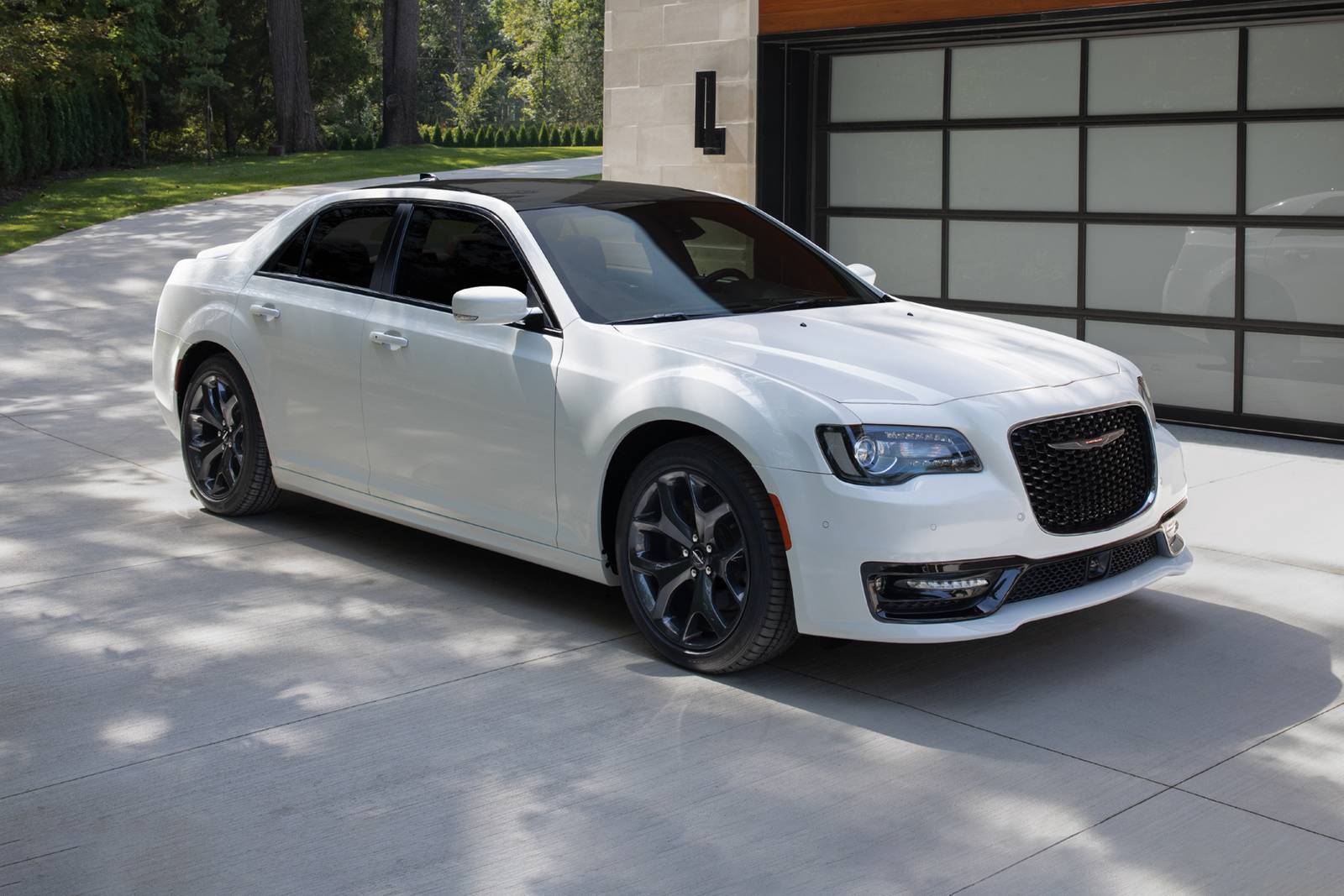
Example Vehicle: Chrysler 300 (Final Model Year 2023)
- Engine: 3.6L V6
- Horsepower: 292 hp
- Torque: 260 lb-ft
- Size: 198.6 in Long x 75.0 in Wide x 58.5 in High
The Chrysler 300’s departure after the 2023 model year closed the chapter on one of the most genuinely distinctive American full-size sedans of its modern era, a vehicle that offered bold styling, genuine rear-wheel-drive character, and a 292-horsepower V6 that made a real case for large sedan ownership in a market that was actively abandoning the category.
At 198.6 inches long and 75.0 inches wide, the 300 carried proper full-size proportions that gave rear-seat passengers genuinely comfortable accommodation, yet even these credentials could not sustain sales volumes that justified continued investment.
Full-size traditional sedans face a challenge that midsize sedans share but feel more acutely: the vehicles that replaced them in buyers’ driveways offer more utility without meaningfully sacrificing the space that buyers valued in these larger sedans. A three-row midsize SUV gives a family more total passenger capacity, all-wheel drive, and cargo flexibility at a comparable price point, which makes the two-row full-size sedan’s value proposition difficult to defend for most household transportation scenarios.
The Chrysler 300’s final production year marked Stellantis’s exit from the full-size American sedan segment entirely, leaving only the Ford Mustang’s four-door fastback sibling and a handful of imports competing in territory that Lincoln Town Car, Buick LeSabre, Mercury Grand Marquis, and multiple others once populated simultaneously.
The remaining full-size American sedans that survive do so either as sports sedans appealing to performance buyers specifically or as luxury flagships where buyers pay premium prices for prestigious badge appeal rather than evaluating the body style against crossover alternatives at equivalent price points.
4. Personal Luxury Coupes
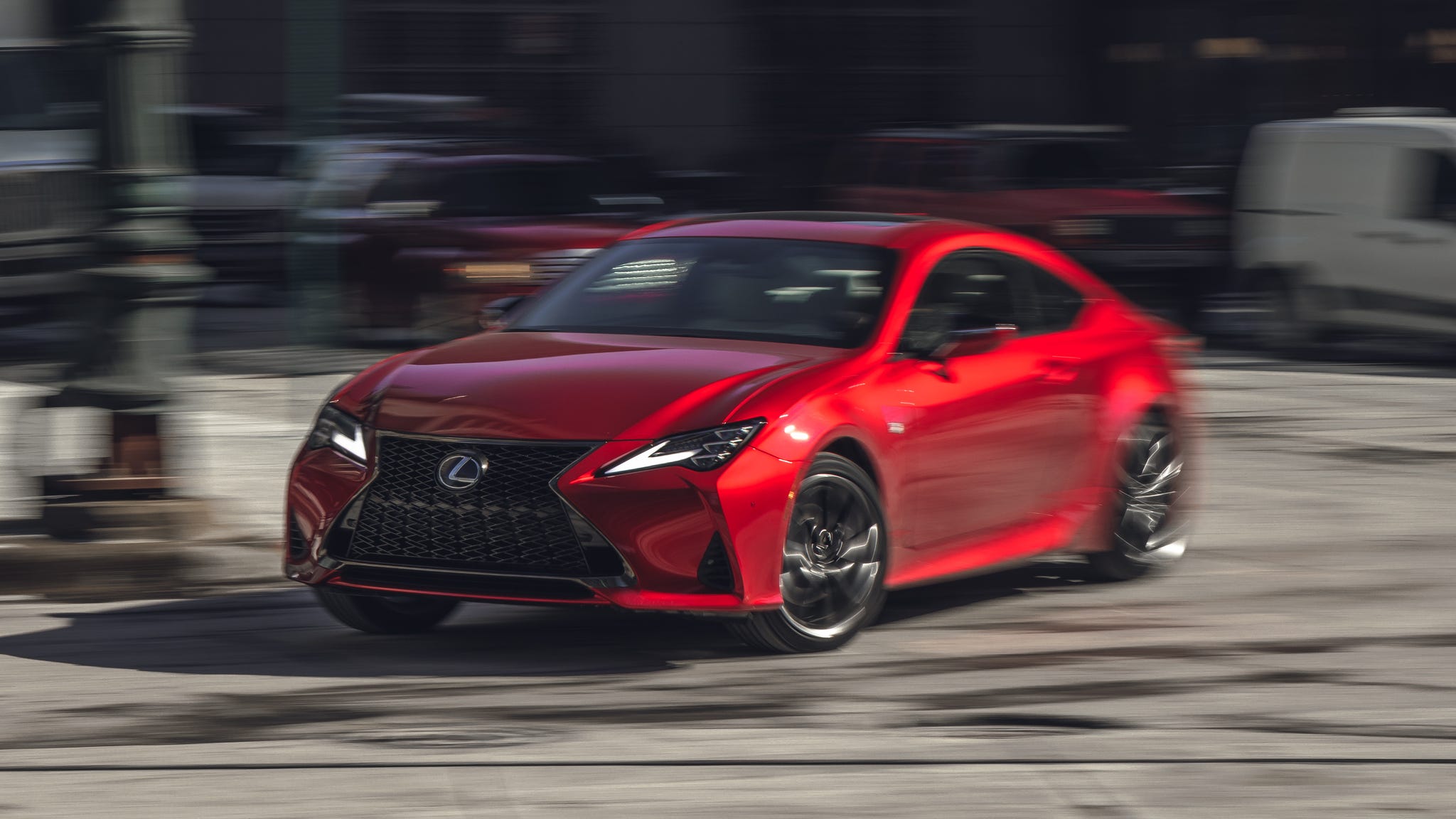
Example Vehicle: Lexus RC 300
- Engine: 2.0L Turbocharged 4-Cylinder
- Horsepower: 241 hp
- Torque: 258 lb-ft
- Size: 184.8 in Long x 72.4 in Wide x 54.9 in High
For many years, personal luxury coupes stood among the most desirable vehicles in American showrooms. Their sleek appearance, premium interiors, and sporty character attracted buyers who wanted style alongside comfort. The Lexus RC 300 continues to represent this body style with its 2.0-liter turbocharged four-cylinder engine producing 241 horsepower and its 184.8-inch body.
Even with these qualities, demand for two-door luxury cars has dropped as buyer preferences continue to favor larger and more practical vehicles. Luxury SUVs now attract far more attention than traditional coupes at premium dealerships. Many customers who once would have considered a two-door luxury car now spend their time looking at models like the Lexus NX, RX, or GX instead.
These SUVs offer spacious cabins, easier rear-seat access, larger cargo areas, and the elevated driving position many buyers appreciate. While the RC delivers a more engaging driving experience, many shoppers place greater value on practicality without giving up comfort or upscale features.
Car manufacturers that once offered several personal luxury coupes have gradually reduced their choices. BMW still sells the 4 Series Coupe, while Mercedes-Benz continues to offer coupe versions of some models in selected markets. Even so, these vehicles make up only a small share of each brand’s total sales.
Their continued production depends largely on buyers who still appreciate traditional coupe styling and driving enjoyment. Although personal luxury coupes have not disappeared completely, they now occupy a much smaller place in the market as luxury SUVs continue to attract a larger share of premium vehicle buyers across the United States.
5. Retractable Hardtop Convertibles
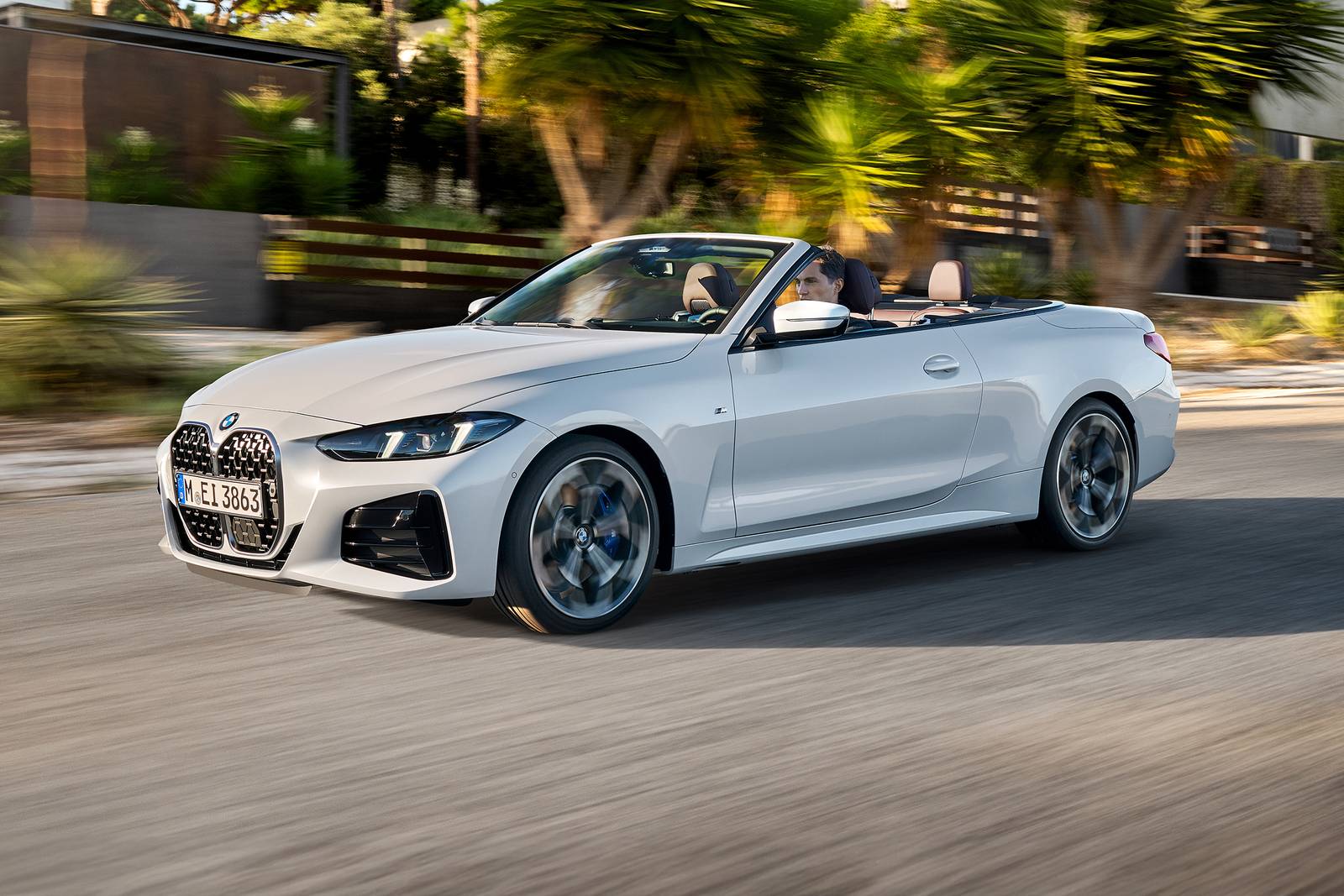
Example Vehicle: BMW 430i Convertible (Hardtop Predecessor Segment)
- Engine: 2.0L Turbocharged 4-Cylinder
- Horsepower: 255 hp
- Torque: 295 lb-ft
- Size: 187.6 in Long x 72.9 in Wide x 54.6 in High
Unlike most two-door compact SUVs, the Jeep Wrangler 2-Door continues to attract buyers because of its long-standing reputation for off-road performance. Powered by a 2.0-liter turbocharged four-cylinder engine producing 270 horsepower and measuring 166.8 inches in length, it delivers the capability many adventure seekers want.
Its strong identity and loyal customer base have helped it remain in production, even though the four-door Wrangler Unlimited records much higher sales within Jeep’s lineup. Apart from the Wrangler and the Ford Bronco 2-Door, very few manufacturers still build two-door SUVs.
Most buyers now prefer four-door models because they offer easier rear-seat access, greater passenger comfort, and more cargo space. This preference extends to many off-road buyers, who often use their vehicles for family trips as well as weekend adventures. Extra practicality has become just as important as trail capability.
Demand for two-door compact SUVs dropped quickly after four-door versions became widely available at similar prices. Sales gradually became too low for manufacturers to justify building both body styles. Producing separate body designs also increases manufacturing and inventory costs.
Jeep continues to keep the two-door Wrangler alive because it remains closely connected to the model’s history and off-road character. Its shorter wheelbase also provides better maneuverability on challenging trails, giving it a clear purpose that still appeals to dedicated buyers today.
6. Subcompact City Cars
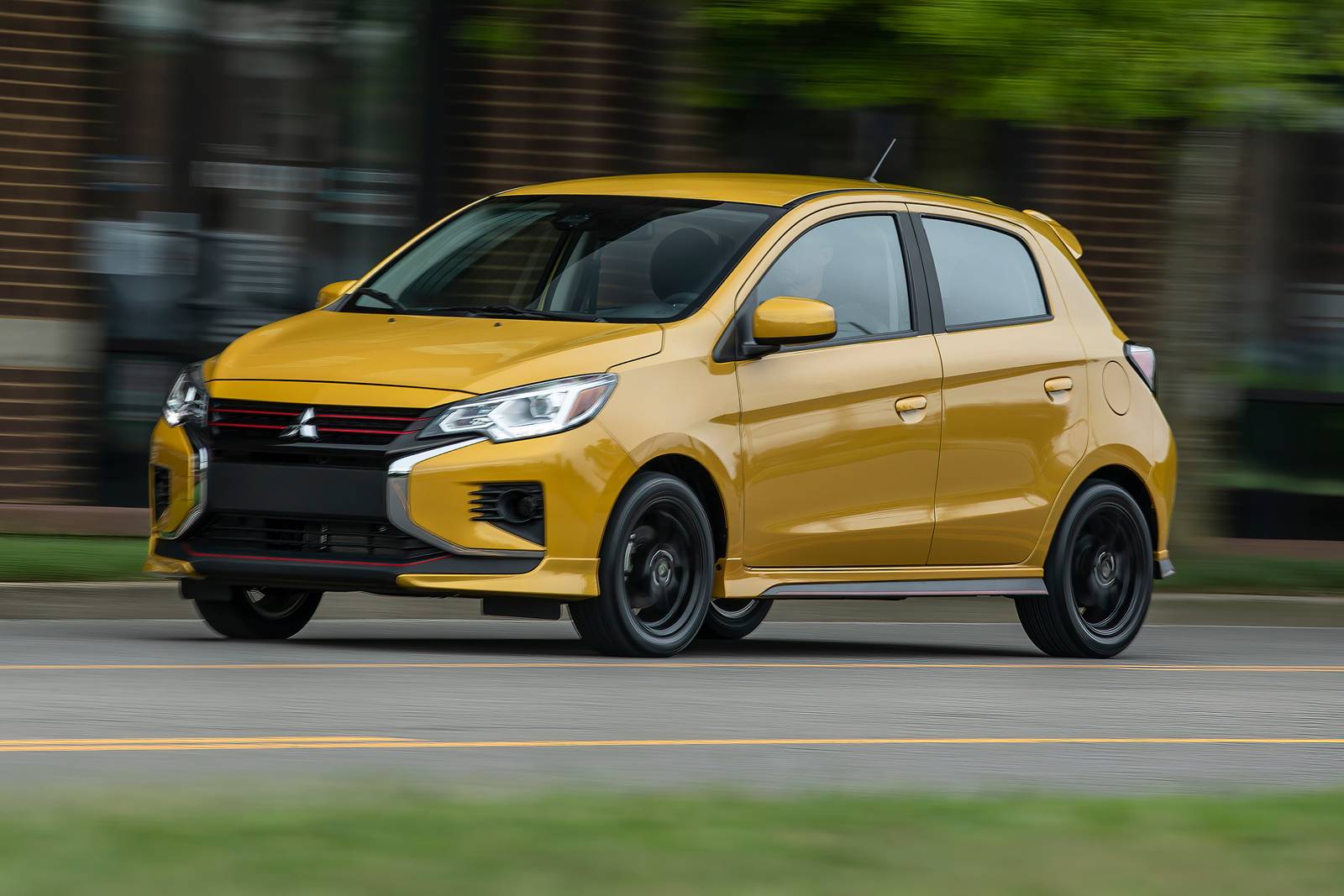
Example Vehicle: Mitsubishi Mirage
- Engine: 1.2L 3-Cylinder
- Horsepower: 78 hp
- Torque: 74 lb-ft
- Size: 151.4 in Long x 65.6 in Wide x 59.4 in High
Today, the Mitsubishi Mirage remains the last true budget-focused subcompact city car sold by a mainstream brand in the United States. Measuring 151.4 inches long and powered by a 1.2-liter three-cylinder engine producing 78 horsepower, it continues to serve buyers looking for basic and affordable transportation.
Its continued presence says more about Mitsubishi’s business strategy than the strength of this vehicle category. Most competing manufacturers have already stopped offering similar models in the American market. Many well-known small cars have disappeared during the past several years.
Ford ended production of the Fiesta, Chevrolet retired the Sonic, Fiat dropped the 500, Honda discontinued the Fit, and Toyota removed the Yaris from its American lineup. These decisions followed years of weak demand as buyers increasingly preferred crossovers and SUVs. Sales became too low for manufacturers to justify continued investment in these entry-level vehicles.
Building affordable small cars has also become more difficult because modern safety requirements apply to every vehicle, regardless of size. Reinforced structures and advanced safety equipment increase production costs, leaving little room to keep prices low.
At the same time, many buyers prefer vehicles with higher seating positions and larger cargo areas. Those changing preferences have left very little demand for traditional city cars, making it difficult for most manufacturers to keep them in production while remaining profitable.
7. Traditional Station Wagons
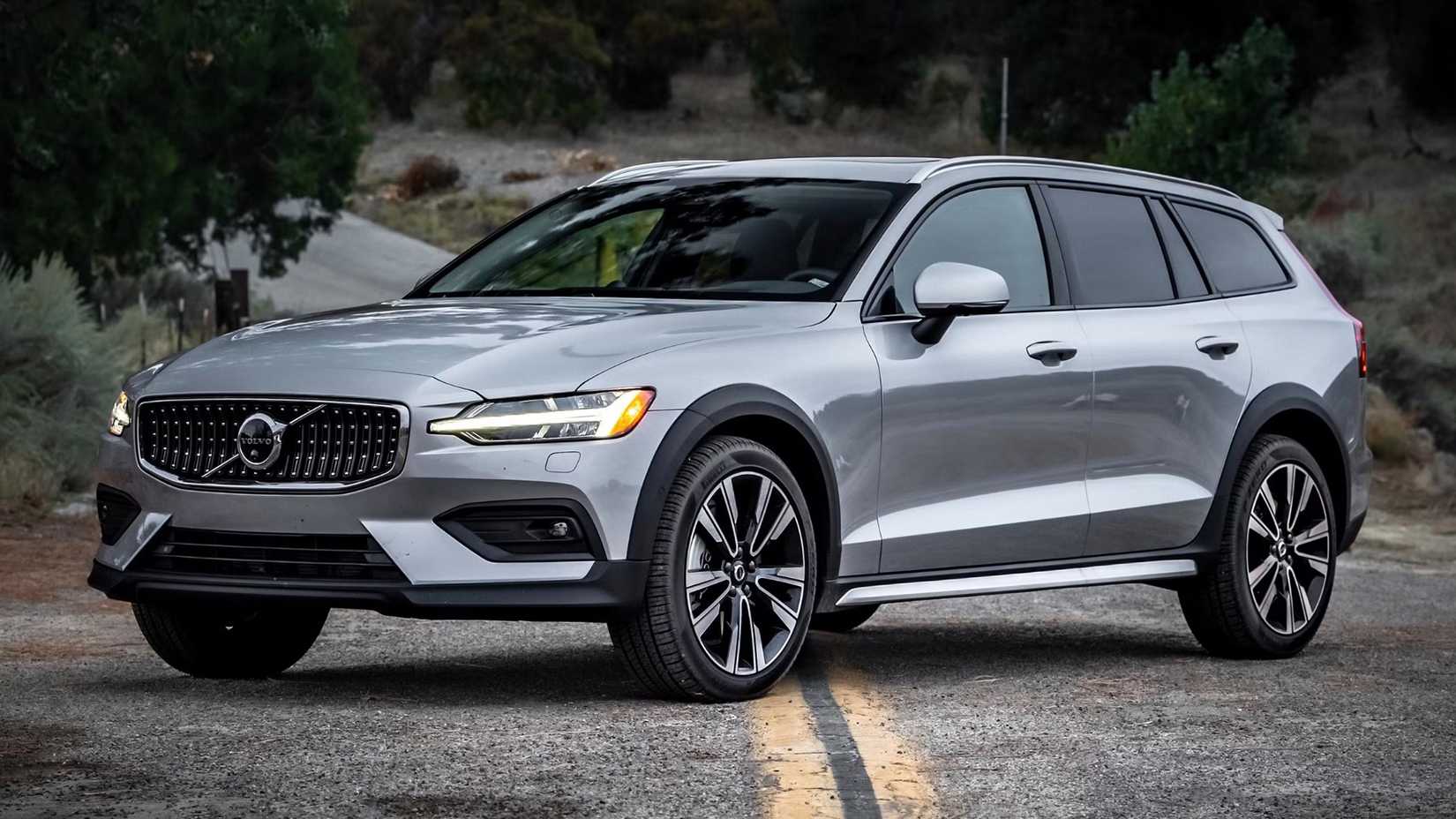
Example Vehicle: Volvo V60
- Engine: 2.0L Turbocharged Inline-4
- Horsepower: 247 hp
- Torque: 258 lb-ft
- Size: 187.4 in Long x 72.8 in Wide x 56.6 in High
Few automotive arguments generate more passionate responses than the case for the traditional station wagon versus the crossover that replaced it in most American driveways. Wagon enthusiasts point out, accurately, that a vehicle like the Volvo V60, with its 247-horsepower turbocharged four-cylinder and 187.4-inch body, offers similar cargo volume, all-wheel drive capability, and superior handling dynamics compared to a comparably sized crossover, all in a lower, more aerodynamically efficient package.
The market has consistently responded to this argument by purchasing crossovers instead, and that preference has effectively eliminated most traditional wagons from American commercial availability. Volvo’s V60 and V90 survive in American showrooms specifically because Volvo’s brand identity is intertwined with the wagon body style to a degree that makes complete abandonment commercially difficult, and because the luxury segment buyers who purchase these wagons specifically chose them over crossovers as an intentional aesthetic and driving dynamics preference.
This represents survivor behavior rather than category health, since the volumes these wagons move are modest compared to Volvo’s own crossover sales. Manufacturers who might rationally want to offer wagon alternatives to their crossover lineups increasingly conclude that the development cost of maintaining a separate wagon body style cannot be justified by the sales volumes American buyers are willing to generate for that configuration.
A crossover built on the same platform serves more buyers, commands equal or higher transaction prices, and requires no explanation of why a family should prefer sitting four inches lower than they would in the crossover equivalent. The wagon’s superior driving dynamics remain genuinely compelling to a specific buyer type, yet that type represents too small a share of the American market to anchor a commercially viable product strategy for most brands.
8. Regular-Cab Compact and Midsize Pickups
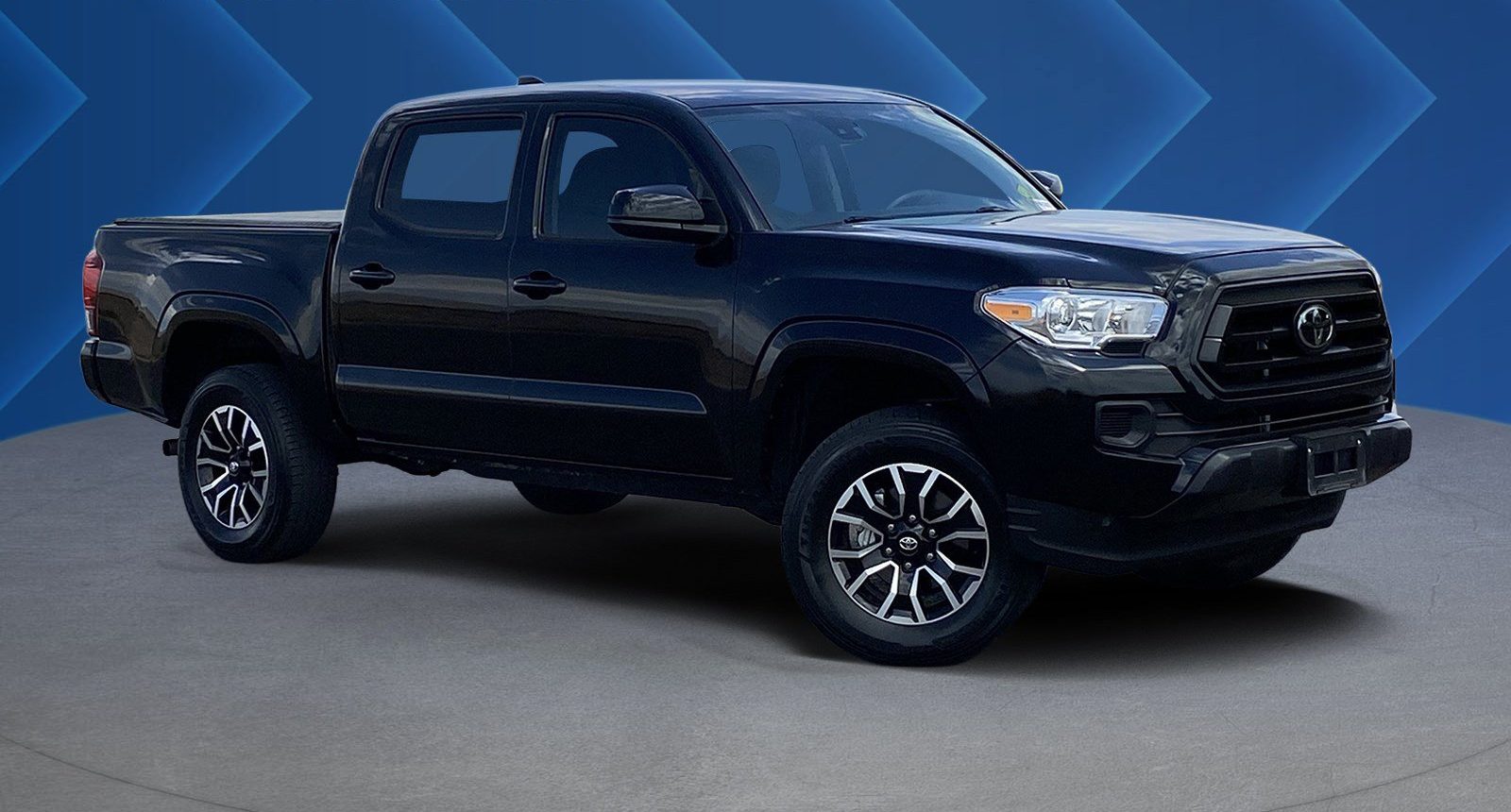
Example Vehicle: Toyota Tacoma Regular Cab (Final 2023 Model Year)
- Engine: 2.7L 4-Cylinder
- Horsepower: 159 hp
- Torque: 180 lb-ft
- Size: 212.3 in Long x 74.4 in Wide x 70.6 in High
Toyota’s decision to retire the Tacoma Regular Cab after the 2023 model year removed one of the final mainstream examples of the two-door compact pickup from commercial sale in the United States, ending a configuration that once represented the default for this vehicle category before buyer preferences moved decisively toward four-door crew cab variants. A 2.7L four-cylinder producing 159 horsepower and 180 lb-ft of torque powered this traditional pickup configuration, yet buyers interested in this powertrain increasingly demanded the expanded cabin space that only a crew cab body provides.
Two-door compact and midsize pickups have nearly disappeared because buyers who want a truck in this size class now expect to use it as a daily driver that accommodates four to five passengers comfortably rather than primarily as a work vehicle prioritizing bed length and cargo utility. The crew cab configuration answers this expectation while sacrificing some bed length, a tradeoff that the market has voted for with purchasing decisions across more than a decade of sustained preference data.
Working contractors and commercial operators who specifically valued the two-door pickup’s simpler body structure, longer bed options, and typically lower transaction costs represent a buyer segment that manufacturers have largely abandoned serving with new products.
These buyers have adapted either by purchasing used examples of discontinued regular-cab configurations, accepting crew-cab trucks that exceed their practical requirements in cabin space, or moving toward van-based cargo solutions that serve commercial utility needs more directly.
The regular cab pickup’s departure from active production reflects how completely the truck buyer demographic has shifted from commercial-first toward lifestyle-first priorities during the same period that crew cab variants came to dominate every manufacturer’s truck sales mix.
9. Passenger Minivans
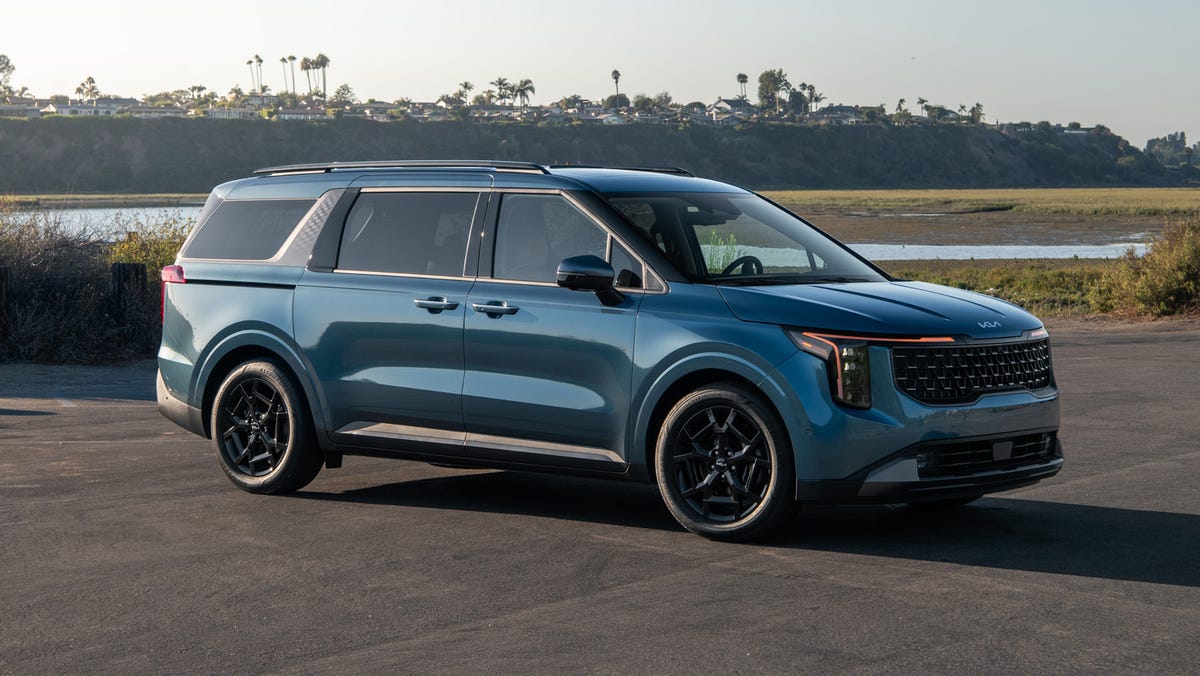
Example Vehicle: Kia Carnival
- Engine: 3.5L V6
- Horsepower: 290 hp
- Torque: 262 lb-ft
- Size: 203.0 in Long x 78.5 in Wide x 69.9 in High
Kia’s Carnival represents one of the genuinely interesting survivor stories in this entire roundup, since Kia chose to rebrand and redesign what was previously the Sedona minivan into a vehicle that de-emphasizes its minivan identity in favor of a more SUV-adjacent visual presentation, reflecting the industry’s awareness that the minivan’s image problem is as much about perception as practicality.
With 290 horsepower from a 3.5L V6 and dimensions measuring 203.0 inches long, the Carnival is objectively an excellent family transportation tool that outperforms most three-row SUVs on interior access, seating flexibility, and cargo volume per dollar spent.
Minivans remain available through Chrysler, Toyota, Honda, and Kia, yet the category’s share of the family vehicle market represents a shadow of its 1990s peak when minivans were the default family hauler across suburban America. Three-row SUVs captured this buyer base so thoroughly that minivan sales never recovered, even as every objective vehicle comparison consistently demonstrated that minivans provide superior family functionality at lower prices.
The minivan’s primary competitor for family transportation buyers is not another minivan but rather the three-row SUV that offers similar seating capacity from an elevated driving position with a visual identity that avoids the soccer-mom stigma that attached itself to minivan ownership during the SUV era.
Parents who need to transport six passengers regularly and genuinely care about which vehicle performs that task most efficiently still find their way to the minivan segment. Those who value image alongside functionality continue choosing three-row SUVs at premium prices for a genuinely less practical solution to the same transportation problem.
Also Read: 8 Cars That May Share Your Trip History With Third Parties
10. Two-Door Compact SUVs
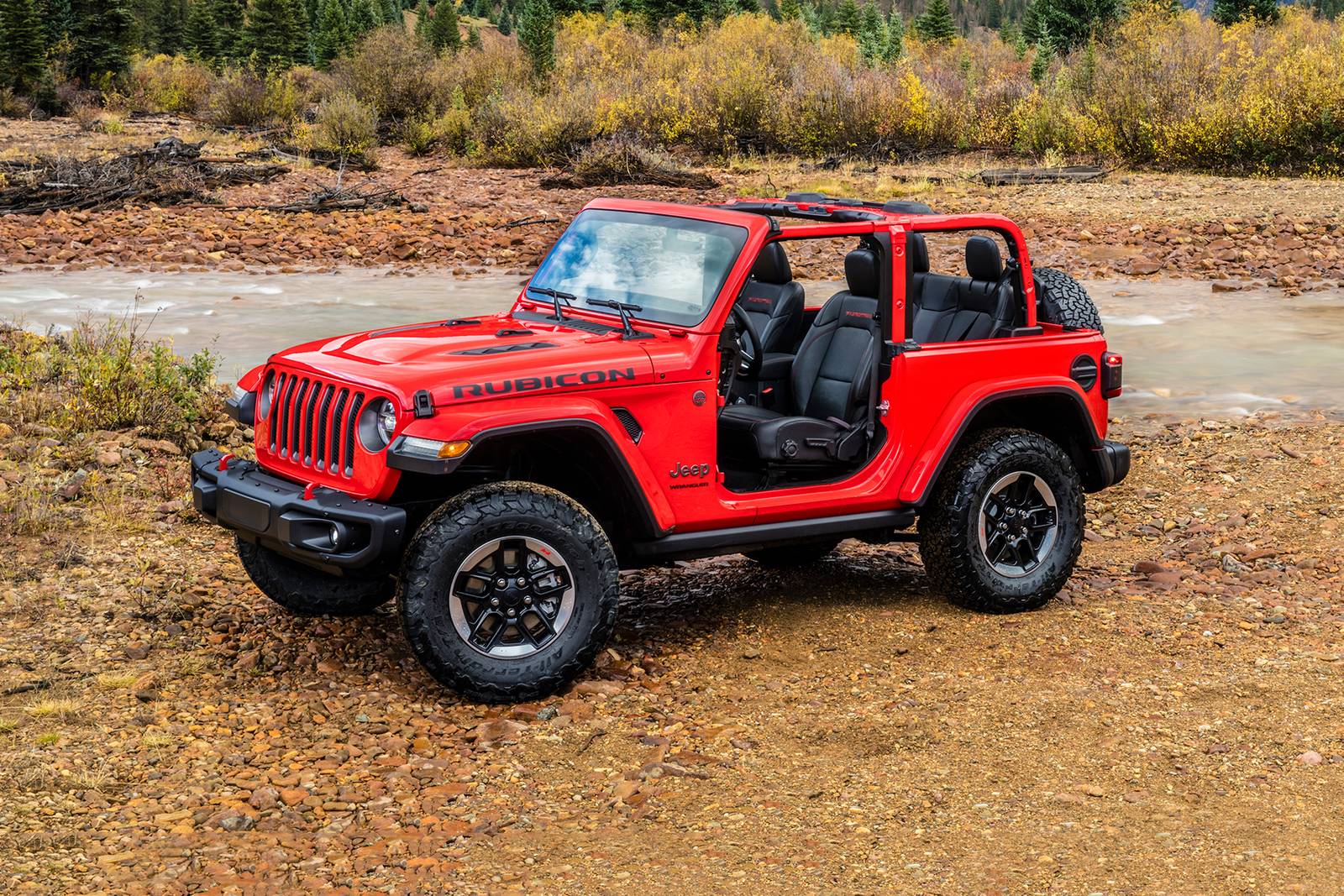
Example Vehicle: Jeep Wrangler 2-Door
- Engine: 2.0L Turbocharged 4-Cylinder
- Horsepower: 270 hp
- Torque: 295 lb-ft
- Size: 166.8 in Long x 73.8 in Wide x 73.6 in High
Unlike most two-door compact SUVs, the Jeep Wrangler 2-Door continues to attract buyers because of its long-standing reputation for off-road performance. Powered by a 2.0-liter turbocharged four-cylinder engine producing 270 horsepower and measuring 166.8 inches in length, it delivers the capability many adventure seekers want. Its strong identity and loyal customer base have helped it remain in production, even though the four-door Wrangler Unlimited records much higher sales within Jeep’s lineup.
Apart from the Wrangler and the Ford Bronco 2-Door, very few manufacturers still build two-door SUVs. Most buyers now prefer four-door models because they offer easier rear-seat access, greater passenger comfort, and more cargo space. This preference extends to many off-road buyers, who often use their vehicles for family trips as well as weekend adventures. Extra practicality has become just as important as trail capability.
Demand for two-door compact SUVs dropped quickly after four-door versions became widely available at similar prices. Sales gradually became too low for manufacturers to justify building both body styles. Producing separate body designs also increases manufacturing and inventory costs.
Jeep continues to keep the two-door Wrangler alive because it remains closely connected to the model’s history and off-road character. Its shorter wheelbase also provides better maneuverability on challenging trails, giving it a clear purpose that still appeals to dedicated buyers today.
