
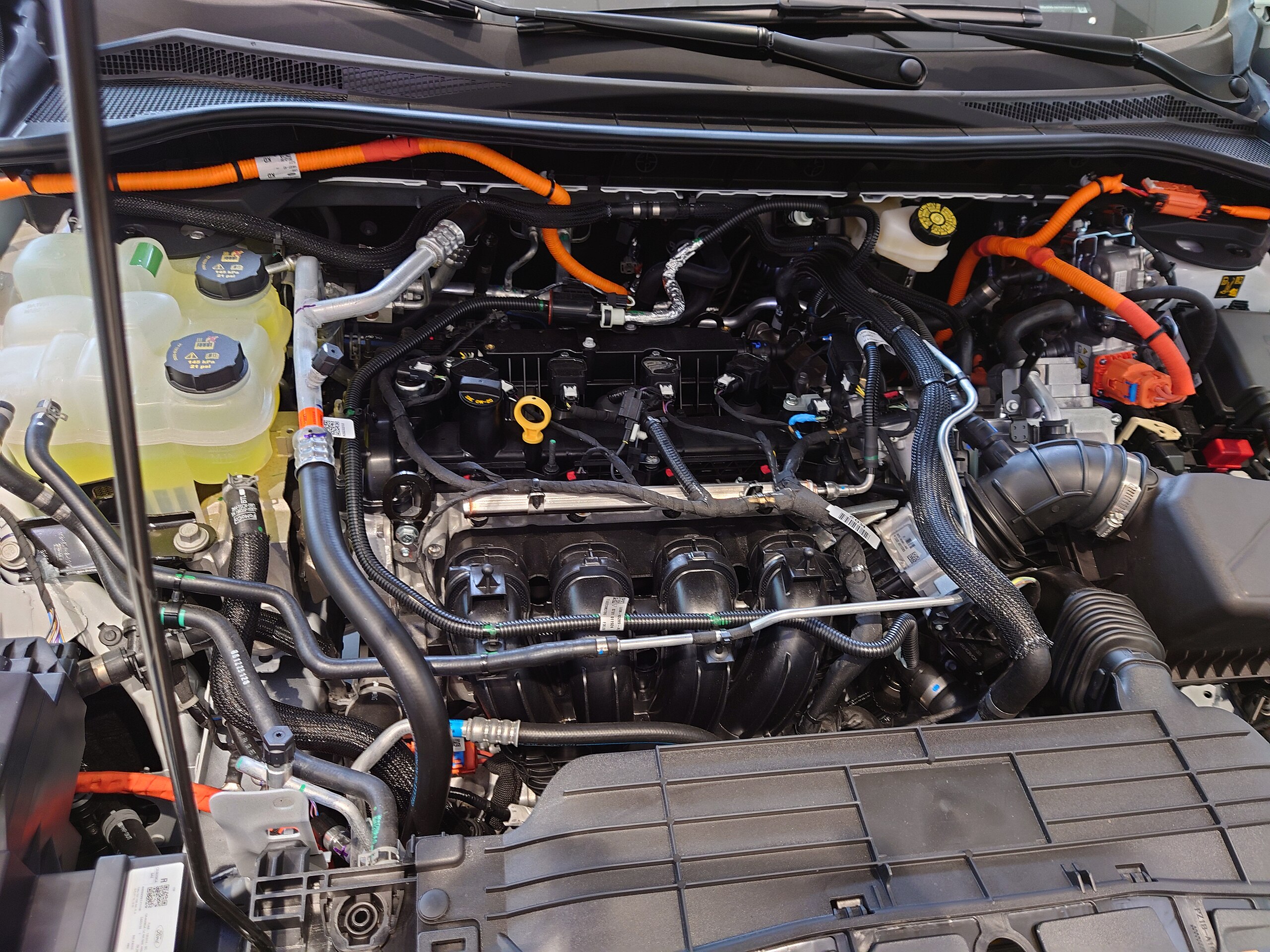
The automotive industry has entered a period where fuel efficiency, emissions regulations, and consumer demand are shaping nearly every vehicle development decision. Among the many technologies introduced over the past two decades, hybrid powertrains have become one of the most practical solutions for balancing performance, fuel economy, and affordability.
Unlike fully electric vehicles, hybrids continue to rely on an internal combustion engine while incorporating one or more electric motors, a battery pack, sophisticated power electronics, and intelligent software that allows these components to work together.
For consumers, the benefits are easy to recognize through lower fuel consumption, reduced emissions, and smoother driving characteristics. For automakers, however, the decision to introduce a hybrid version of an existing vehicle involves far more than installing an electric motor and a larger battery.
It requires substantial engineering, testing, manufacturing adjustments, supplier coordination, software development, regulatory certification, and long-term investment planning. Every additional component adds direct material costs, while changes to production lines and vehicle architecture increase development expenses that may take years to recover.
Automakers must also consider warranty coverage, service training, supply chain resilience, battery sourcing, and future technology upgrades. These investments are made with the expectation that rising consumer interest and tightening environmental regulations will generate sufficient demand to justify the higher production costs.
The actual cost of adding a hybrid powertrain varies widely depending on vehicle size, production volume, battery capacity, and the type of hybrid system being developed. Mild hybrids generally require fewer modifications than full hybrids or plug-in hybrids, resulting in lower manufacturing costs.
At the same time, economies of scale play a significant role. Manufacturers producing hundreds of thousands of hybrid vehicles each year often achieve lower per-vehicle costs than companies introducing hybrid technology on a limited number of models.
Understanding these costs provides valuable insight into vehicle pricing, product planning, and the competitive strategies used by major automotive manufacturers. It also explains why hybrid versions often command higher retail prices while delivering long-term savings through reduced fuel consumption.
Examining the engineering, manufacturing, and financial aspects of hybrid development reveals that the additional investment extends well beyond the visible components under the hood.
Also Read: 10 Must-Have Tools Every Car Owner Should Keep In The Trunk
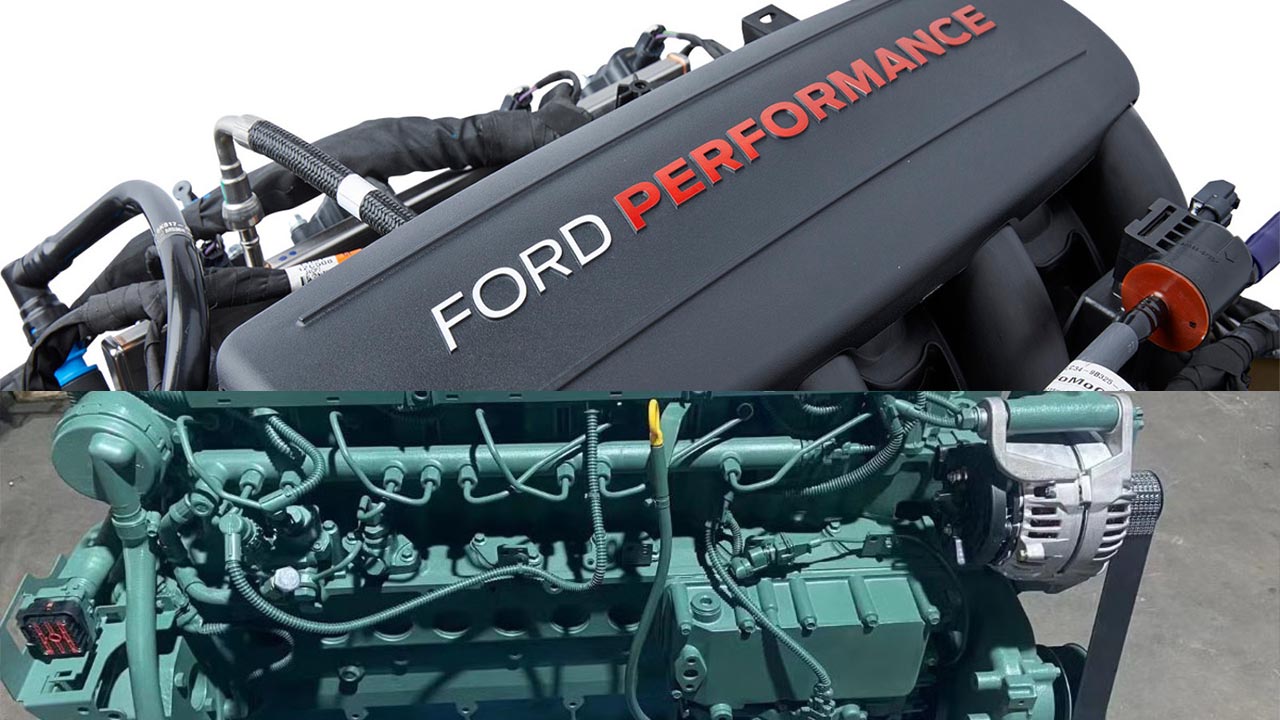
Engineering and Development Costs Behind Hybrid Integration
Developing a hybrid powertrain begins years before the first production vehicle reaches dealerships. Engineers must determine how electric propulsion can be integrated into an existing platform or whether an entirely new vehicle architecture is required.
This stage involves extensive computer simulations, prototype construction, durability testing, and validation under thousands of driving conditions. Development teams work across multiple engineering disciplines to ensure that the engine, transmission, electric motor, battery, and control software operate seamlessly together.
One of the largest expenses comes from research and development. Designing efficient hybrid systems requires specialists in battery technology, electrical engineering, thermal management, software programming, and mechanical integration.
These highly skilled professionals spend years refining vehicle calibration, optimizing fuel economy, and ensuring reliability. The investment extends well beyond hardware because software controls nearly every aspect of hybrid operation, including regenerative braking, battery charging, power distribution, and engine startup.
Vehicle packaging also presents significant engineering challenges. Hybrid batteries require safe placement that protects occupants while maintaining cargo space and balanced vehicle handling.
Engineers often redesign floor structures, cooling systems, suspension components, and electrical wiring to accommodate new equipment. Even relatively small structural changes require extensive crash testing and safety validation, adding millions of dollars to development budgets.
Hybrid vehicles must perform reliably across a wide range of climates and driving conditions. Manufacturers conduct testing in extreme heat, freezing temperatures, mountainous terrain, and urban traffic to evaluate battery performance, cooling efficiency, and power delivery.
Long-term durability testing may accumulate hundreds of thousands of kilometers before production approval. This comprehensive validation process helps reduce warranty claims but significantly increases development costs.
Once engineering is complete, manufacturers still face regulatory certification requirements in multiple global markets. Fuel economy testing, emissions compliance, electrical safety validation, electromagnetic compatibility testing, and documentation all require additional financial investment.
These expenses are distributed across the projected production volume, making higher sales numbers essential for lowering the effective development cost assigned to each vehicle.
The Cost of Hybrid Components and Manufacturing
The most visible increase in manufacturing cost comes from the additional hardware required for a hybrid powertrain. Unlike a conventional gasoline vehicle, hybrids incorporate an electric motor, battery pack, inverter, converter, high-voltage wiring, sophisticated cooling systems, sensors, and advanced electronic control units. Together, these components represent a significant increase in the bill of materials for each vehicle.
Battery packs remain among the most expensive hybrid components despite years of declining battery prices. Although hybrid batteries are considerably smaller than those used in fully electric vehicles, they still require carefully engineered lithium-ion or nickel-metal hydride cells, protective enclosures, battery management systems, and thermal regulation.
Manufacturers invest heavily in sourcing reliable battery suppliers capable of maintaining consistent quality over large production volumes.
Electric motors and power electronics add further manufacturing expenses. Precision manufacturing techniques, rare earth materials for certain motor designs, semiconductor components, and sophisticated electronic controls all contribute to higher production costs.
The inverter, which converts direct current from the battery into alternating current for the motor, requires advanced cooling and power management systems that further increase manufacturing complexity.
Assembly plants often require extensive modifications before hybrid production can begin. Workers receive specialized training to safely handle high-voltage components, while factories install new battery assembly stations, electrical testing equipment, insulation verification systems, and enhanced quality control procedures.
Even existing production lines may need redesigns to accommodate additional assembly steps without reducing manufacturing efficiency.
Supply chain management becomes more complex as hybrid production expands. Manufacturers must coordinate deliveries from battery suppliers, electronics manufacturers, semiconductor companies, and specialized component producers across multiple countries.
Any disruption in these supply chains can delay production and increase costs. Building resilient supplier relationships, therefore, becomes an important investment that affects the total cost of introducing hybrid vehicles.
Also Read: 10 Best Dash Cams For Every Budget
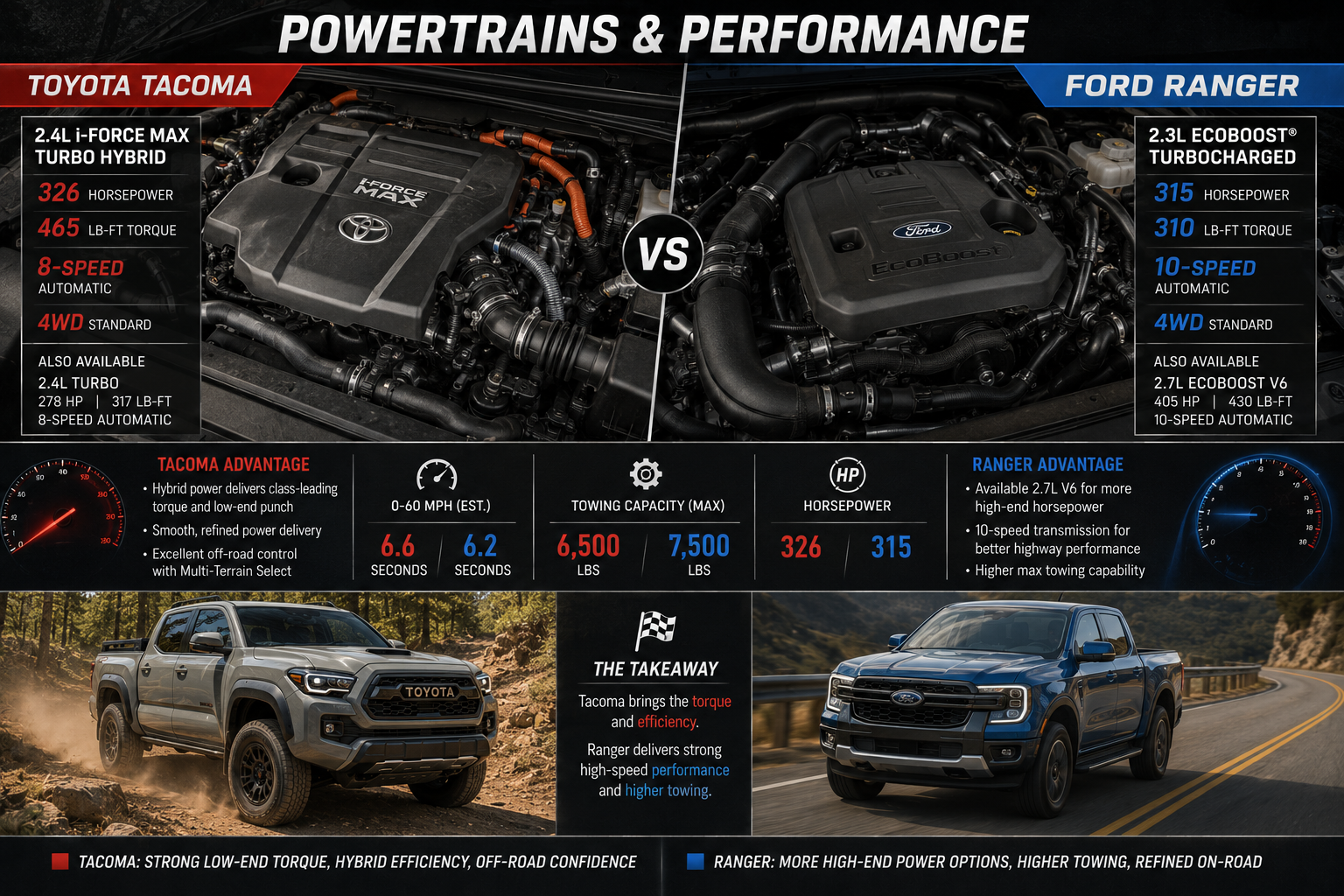
Production Scale and Economies of Scale
The cost of adding a hybrid powertrain depends heavily on production volume. Manufacturers producing hybrid vehicles in limited quantities generally face higher costs because development expenses are spread across fewer vehicles.
By contrast, companies with large-scale hybrid production can distribute engineering investments over hundreds of thousands of units, significantly lowering the effective cost per vehicle.
Platform sharing has become one of the most effective methods for reducing hybrid development expenses. Instead of designing unique hybrid systems for every model, manufacturers often develop modular powertrain components that can be installed across sedans, sport utility vehicles, crossovers, and even light trucks.
Sharing electric motors, battery modules, software, and electronic systems reduces engineering duplication while simplifying manufacturing.
Supplier negotiations also improve with higher production volumes. Battery manufacturers and electronics suppliers frequently offer lower component pricing to automakers placing large orders over multiple years. Long-term contracts provide stability for suppliers while helping manufacturers reduce production costs through predictable purchasing agreements.
Manufacturing efficiency improves as production experience increases. Factory workers become more familiar with hybrid assembly procedures, quality control processes become more refined, and production bottlenecks are gradually eliminated. These operational improvements reduce labor costs while increasing production consistency and product quality over time.
Global production strategies further influence manufacturing economics. Some automakers centralize hybrid component production in specialized facilities before shipping components to assembly plants worldwide.
Others establish regional battery manufacturing operations to reduce transportation costs and improve supply chain flexibility. These decisions involve major capital investments but often produce substantial long-term savings as hybrid demand continues to grow.
Pricing Strategy, Consumer Value, and Profitability
Automakers rarely pass the full cost of hybrid development directly to consumers. Instead, pricing strategies balance production costs with competitive market positioning, consumer expectations, government incentives, and projected sales volumes.
The goal is to recover development investments over several years while maintaining attractive pricing compared with competing models.
Hybrid vehicles typically carry higher retail prices than comparable gasoline models because of the additional hardware and engineering involved.
However, manufacturers recognize that excessive price premiums may discourage buyers. Many companies therefore absorb part of the increased production cost to remain competitive, particularly in market segments where fuel economy strongly influences purchasing decisions.
Fuel savings play a central role in consumer value calculations. Drivers covering high annual mileage often recover the higher purchase price through reduced fuel expenses over several years of ownership. Lower fuel consumption also reduces exposure to rising gasoline prices, making hybrids financially attractive even when initial purchase costs are higher.
Warranty coverage represents another financial consideration for manufacturers. Hybrid batteries and electrical systems are typically covered by longer warranty periods than conventional powertrain components.
While this increases potential warranty liability, extensive testing and improved battery durability have significantly reduced long-term warranty costs compared with earlier generations of hybrid vehicles.
Profitability ultimately depends on balancing production costs, pricing, consumer demand, and manufacturing efficiency. Successful hybrid programs often generate strong customer loyalty while helping manufacturers meet increasingly strict fuel economy and emissions standards.
Although initial development investments can be substantial, long-term production efficiency and sustained market demand allow many automakers to achieve healthy profit margins over the life cycle of a hybrid vehicle platform.
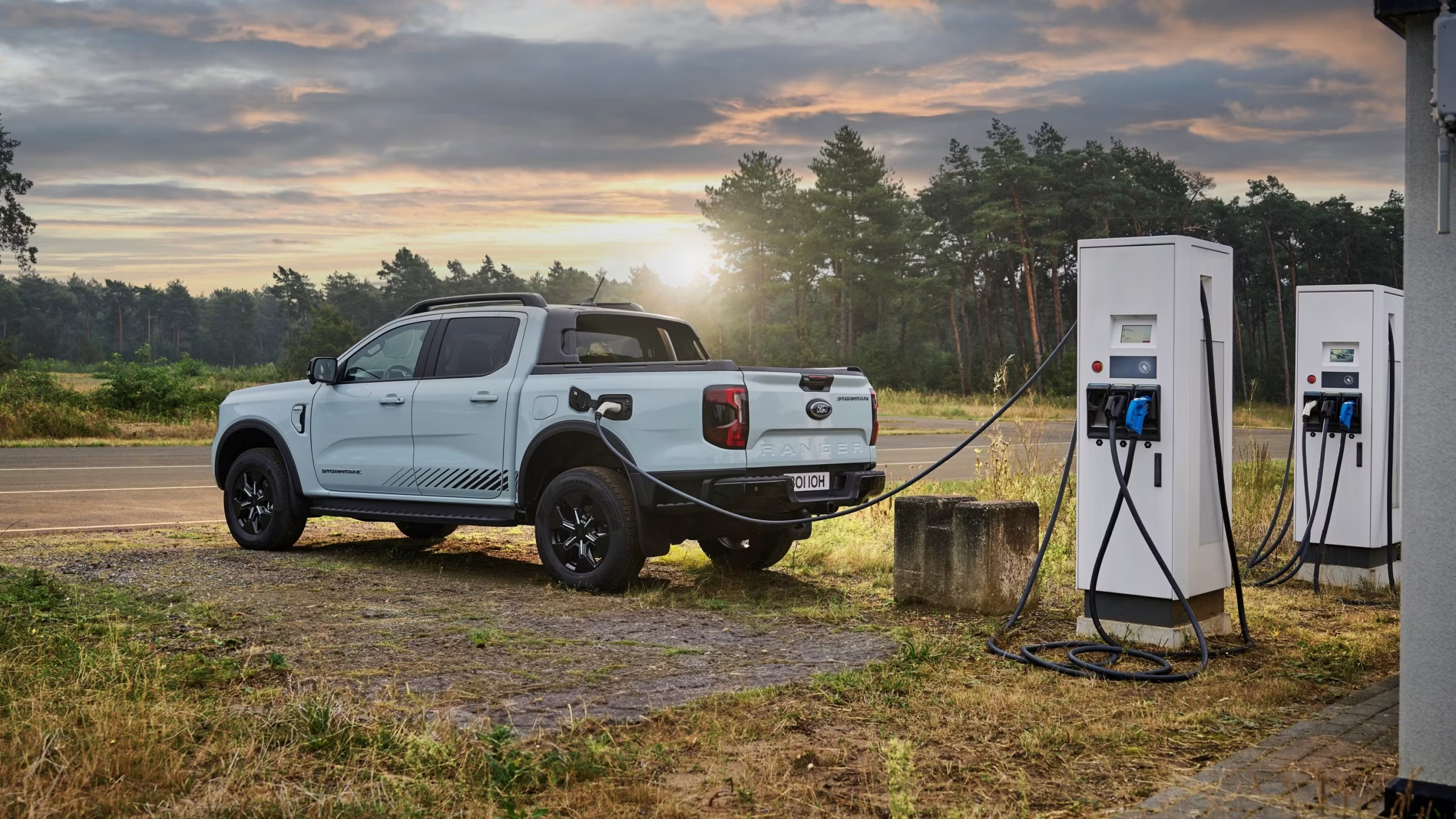
The Future Cost Outlook for Hybrid Powertrains
The cost of hybrid technology has steadily declined as battery manufacturing expands, semiconductor technology advances, and production volumes increase.
Continued investment in battery chemistry, power electronics, and manufacturing automation is expected to further reduce the incremental cost of adding hybrid systems to future vehicles. These improvements make hybrid technology increasingly accessible across a wider range of vehicle categories.
Battery innovation remains one of the most important drivers of future cost reduction. Higher energy density allows manufacturers to achieve the same performance with smaller battery packs, reducing material usage while improving packaging efficiency. Advances in battery manufacturing techniques also lower production costs through improved automation and greater manufacturing consistency.
Software has become an increasingly valuable component of hybrid system optimization. More advanced energy management algorithms improve fuel efficiency without requiring larger batteries or more powerful motors. Over the vehicle lifetime, software updates may also enhance system performance, extending the value of existing hardware without major physical modifications.
Governments around the world continue to introduce stricter emissions regulations that encourage investment in electrified powertrains.
As more manufacturers expand hybrid production to meet regulatory targets, increased competition and higher production volumes are expected to place downward pressure on component costs. This creates opportunities for hybrid technology to become standard equipment across a larger percentage of new vehicles.
