
Automakers rarely keep their trim hierarchies unchanged for long. While new generations and major redesigns attract headlines, trim-level adjustments often happen with little publicity. Every model year, manufacturers analyze customer buying habits, production costs, inventory complexity, and feature demand.
When a particular trim attracts relatively few buyers or overlaps too closely with another version, it may quietly disappear from the ordering guide without changing the vehicle itself.
During the past several model years, several well-known vehicles sold in the United States have experienced exactly this type of restructuring.
Entry-level trims have been removed as manufacturers increased standard equipment, while certain premium trims have been replaced by new naming strategies or repositioned within the lineup.
In most cases, these decisions were intended to simplify manufacturing, improve dealership inventory management, and align product offerings with the trims customers actually purchased most frequently.
This article highlights eight officially documented trim eliminations from recent U.S. model years. Each example is based on manufacturer lineup changes rather than speculation or temporary appearance packages.
Although the vehicles themselves remain available in most cases, these specific trims quietly disappeared from dealership ordering systems, marking another example of how automakers continue refining their product portfolios in response to changing market demand.
Also Read: 10 SUVs With the Most Affordable Replacement Parts
1. Toyota Highlander L
For many years, the Toyota Highlander L represented the most affordable way to own Toyota’s popular three-row midsize SUV. Buyers received the Highlander’s proven platform, generous passenger space, Toyota Safety Sense, and strong resale value without paying for premium convenience features.
That changed with the 2024 model year, when Toyota officially removed the L trim from the U.S. lineup and made the LE the new entry point.
Toyota’s decision reflected a noticeable shift in customer purchasing habits. Dealers reported that most buyers were already selecting the LE because it offered additional convenience features that justified the modest price increase.
As consumer expectations evolved, equipment such as a power liftgate, upgraded interior materials, and enhanced driver convenience became increasingly important even for entry-level buyers. Maintaining a lightly equipped trim with relatively low demand no longer made as much business sense.
Removing the L also simplified manufacturing. Every eliminated trim reduces the number of production combinations a factory must build, allowing assembly plants to improve efficiency and inventory management.
Toyota has followed this strategy across several product lines as it continues streamlining North American production.
Mechanically, nothing fundamental changed. Buyers continued receiving the Highlander’s turbocharged four-cylinder engine, refined ride quality, available all-wheel drive, and spacious cabin. The difference was that every new Highlander now started with a higher equipment level than before.
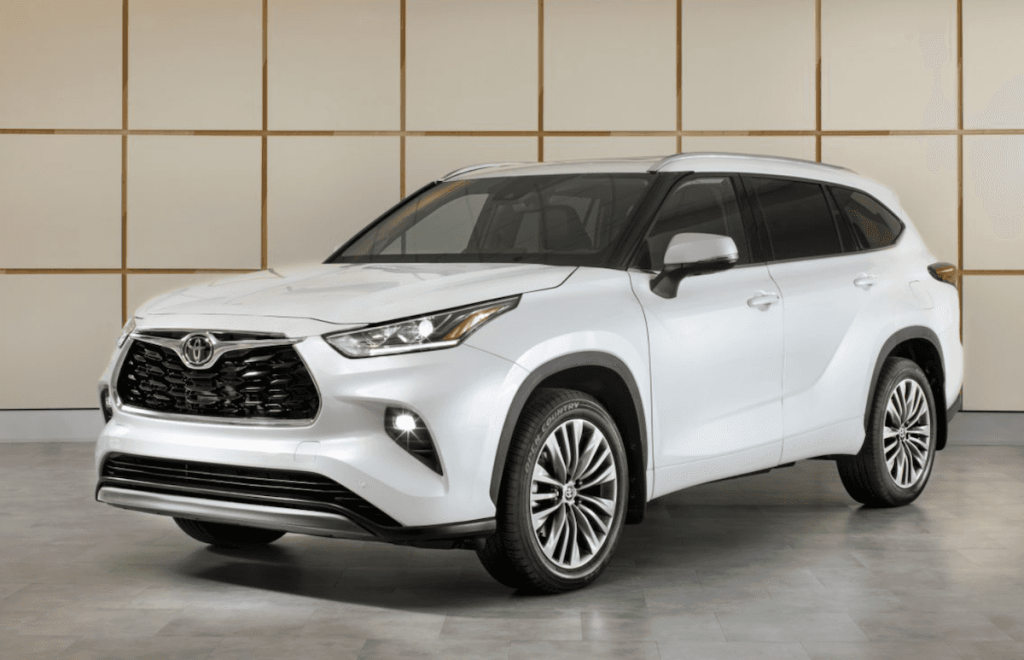
Because the Highlander itself remained one of Toyota’s best-selling family SUVs, many shoppers never realized the L trim had quietly disappeared. It became one of the clearest examples of an entry-level trim being retired without a major redesign accompanying the decision.
Specifications
- Engine: 2.4-liter turbocharged inline four
- Torque: 310 lb-ft
- Horsepower: 265 hp
- Length/Width: 194.9 inches / 76.0 inches
2. Honda Pilot LX
Honda’s Pilot has built a reputation as one of America’s most dependable three-row family SUVs, and for decades, the LX trim has introduced buyers to the lineup at the lowest possible price. It included Honda’s dependable V6 engine, Honda Sensing safety technology, and generous passenger space while leaving luxury amenities to higher trims.
That tradition ended with the 2025 model year, when Honda officially discontinued the LX and promoted the Sport trim to become the Pilot’s new starting point.
Rather than simply reducing costs, Honda’s trim restructuring was designed to enhance the Pilot’s value by increasing standard equipment. The Sport trim introduced several upgrades, including larger alloy wheels, more distinctive exterior styling, improved cabin appointments, and additional convenience features that matched the expectations of many buyers.
By making the Sport the entry-level model, Honda ensured every Pilot left the dealership with a richer equipment list.
Sales trends also influenced the decision. Industry analysts noted that relatively few buyers continued choosing the LX once the redesigned fourth-generation Pilot arrived. Most customers were already stepping up to better-equipped trims, making the base model increasingly difficult to justify from a manufacturing perspective.
Removing the LX trim did not alter the Pilot’s fundamental qualities. All remaining versions continued to use Honda’s proven naturally aspirated 3.5-liter V6 paired with a refined 10-speed automatic transmission. The model also preserved its key advantages, including a spacious interior, available all-wheel-drive capability, and a maximum towing capacity of 5,000 pounds.
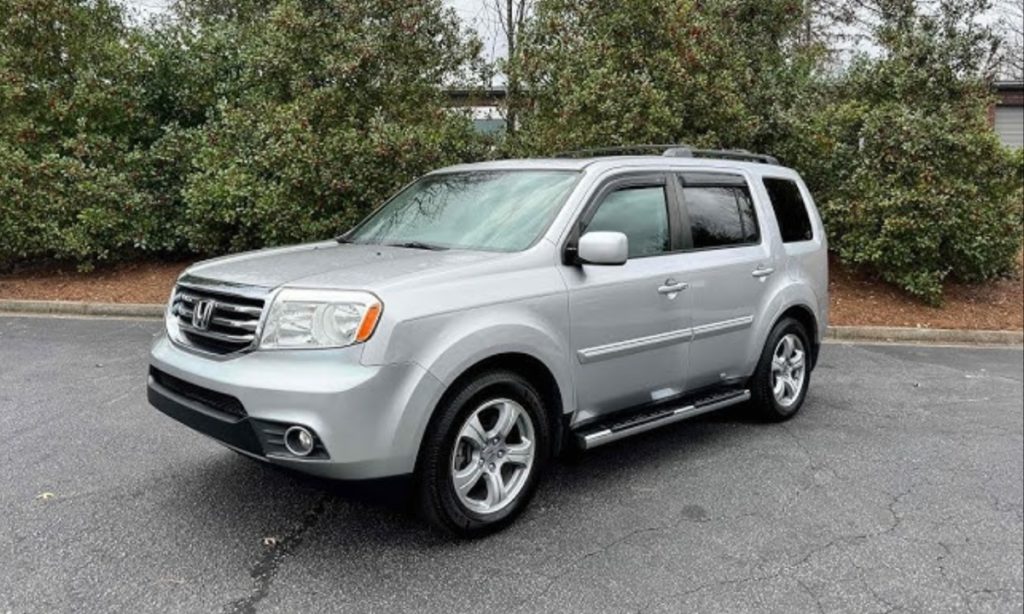
Because Honda introduced the Black Edition during the same model year, much of the attention focused on the new flagship trim rather than the disappearance of the LX. Yet its quiet removal marked one of the most notable trim restructuring decisions among recent U.S. family SUVs.
Specifications
- Engine: 3.5-liter naturally aspirated V6
- Torque: 262 lb-ft
- Horsepower: 285 hp
- Length/Width: 199.9 inches / 78.5 inches
3. Subaru Ascent Base
When Subaru introduced the Ascent for the 2019 model year, the Base trim gave buyers an affordable entry into the brand’s largest SUV. Standard symmetrical all-wheel drive, EyeSight driver assistance technology, three rows of seating, and a turbocharged boxer engine allowed families to enjoy Subaru’s core strengths without moving into higher-priced trims.
That approach remained in place until the 2025 model year, when Subaru officially removed the Base trim from the U.S. lineup and raised the Premium trim to become the new starting point. This change was part of a broader effort to simplify the Ascent range while increasing standard equipment across the lineup.
One reason behind the decision was customer purchasing behavior. Subaru found that most Ascent buyers were already choosing the Premium trim or above because it added features such as heated front seats, upgraded interior materials, additional driver convenience equipment, and enhanced infotainment functionality.
Maintaining a lower-volume Base trim complicated production without serving a large percentage of customers.
The move also reflected changing expectations in the midsize SUV segment. Buyers increasingly expect advanced comfort and convenience features even in entry-level vehicles. Rather than offering a minimally equipped version, Subaru chose to begin the lineup with a trim that better matched market demand.
This strategy reduced manufacturing complexity while making every new Ascent more competitive against rivals from Honda, Toyota, Hyundai, and Kia.
Although the trim structure changed, Subaru left the mechanical package untouched. Every Ascent continued using the proven turbocharged 2.4-liter boxer four-cylinder engine, continuously variable transmission, and standard all-wheel drive.
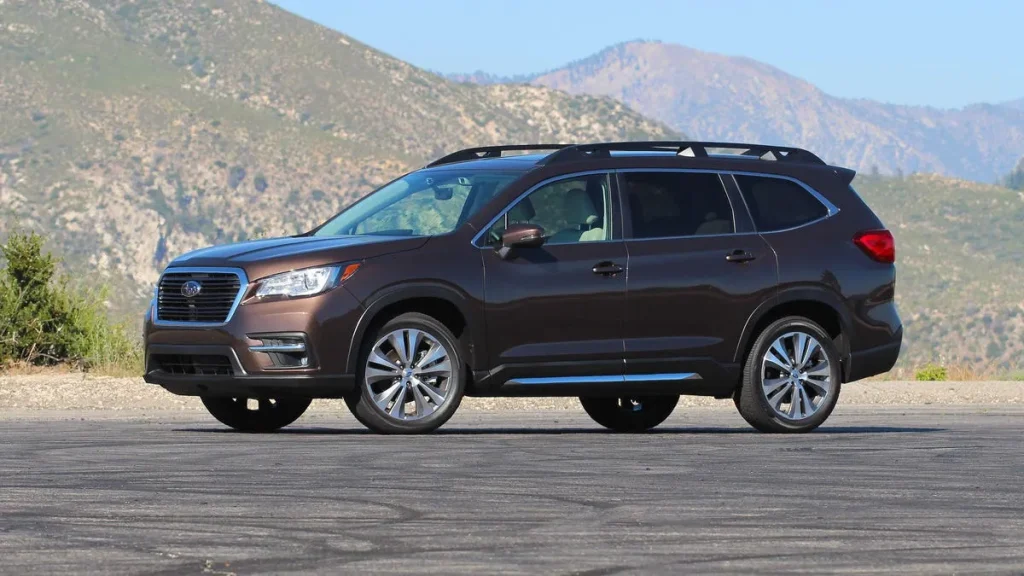
Families still received the same spacious cabin, generous cargo capacity, and strong safety credentials that helped establish the Ascent in the three-row SUV segment.
The base trim disappeared quietly, but its removal represented another example of manufacturers shifting away from lightly equipped entry-level models in favor of trims that better reflect modern buyer expectations.
Specifications
- Engine: 2.4-liter turbocharged boxer four
- Torque: 277 lb-ft
- Horsepower: 260 hp
- Length/Width: 196.8 inches / 76.0 inches
4. Chevrolet Traverse LS
The Chevrolet Traverse entered a new generation with bold styling, an upgraded interior, and a completely different powertrain, but another important change received far less attention. Chevrolet quietly eliminated the LS trim from the U.S. lineup, leaving the LT as the new entry-level version.
Although the Traverse itself gained considerable publicity for its redesign, the disappearance of the long-running LS trim happened with little fanfare.
For years, the LS appealed to buyers looking for maximum passenger space at the lowest possible price. It offered three rows of seating, Chevrolet Safety Assist, and practical family transportation without premium upgrades.
Market trends gradually reduced demand for this configuration, however. Dealers increasingly found that customers preferred stepping up to the LT because it included additional comfort features, larger displays, improved interior finishes, and more convenience technology for a relatively modest increase in price.
Chevrolet also benefited from simplifying production. Eliminating one trim reduced manufacturing complexity, streamlined dealer inventory, and allowed the company to focus on versions with stronger sales performance.
This approach has become increasingly common throughout the industry as automakers concentrate on higher-volume configurations rather than maintaining numerous low-demand trims.
Despite the lineup restructuring, the Traverse retained its family-oriented character. The redesigned model continued offering generous passenger accommodations, substantial cargo capacity, and a modern suite of driver assistance technology.
Chevrolet also replaced the previous V6 with a more powerful turbocharged 2.5-liter four-cylinder engine that improved torque while maintaining competitive capability.
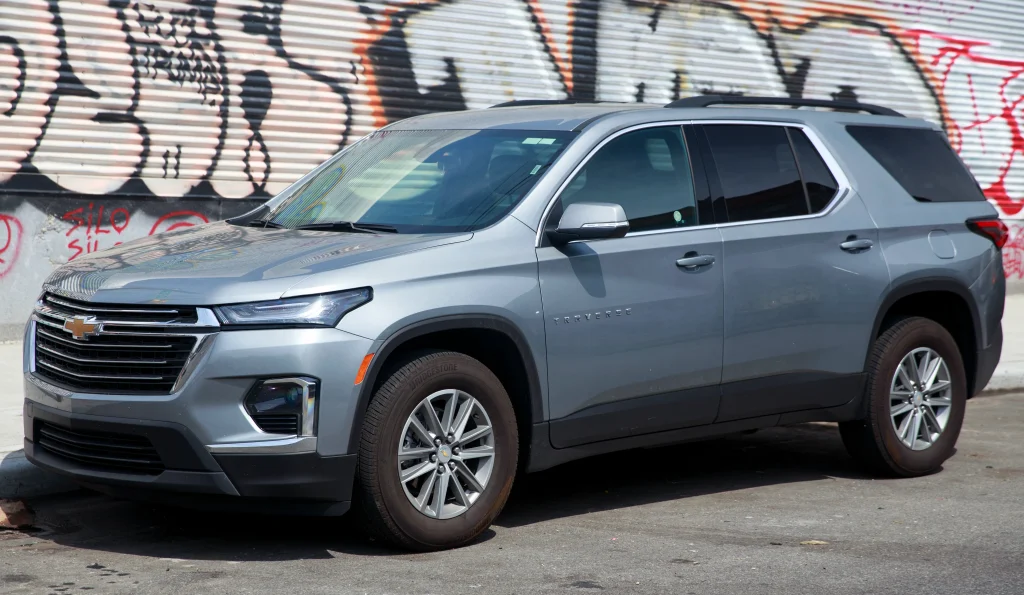
Because attention centered on the Traverse’s dramatic exterior redesign and the introduction of the Z71 off-road model, the removal of the LS often went unnoticed.
Nevertheless, it stands as another documented example of an established trim quietly disappearing as manufacturers refined their product strategies in recent model years.
Specifications
- Engine: 2.5-liter turbocharged inline four
- Torque: 326 lb-ft
- Horsepower: 328 hp
- Length/Width: 204.5 inches / 79.6 inches
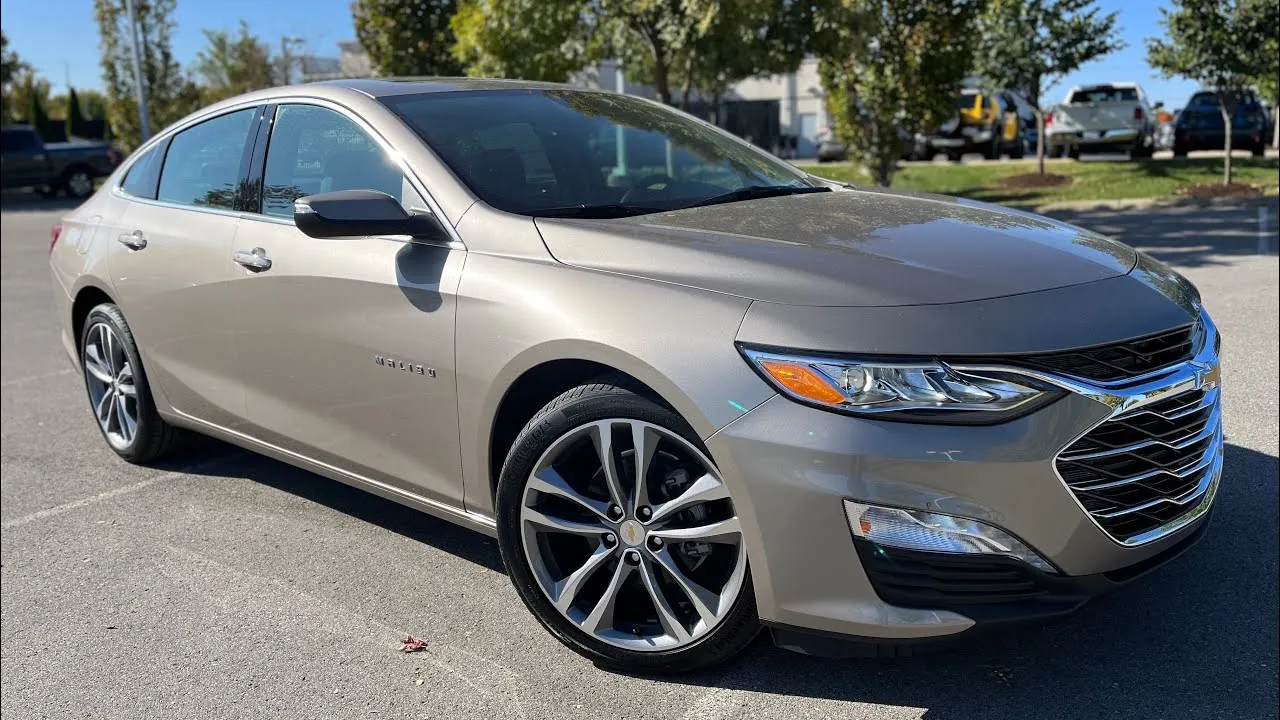
5. Chevrolet Malibu L
For much of the Malibu’s production history, the L trim represented the simplest and most affordable version of Chevrolet’s midsize sedan. It appealed primarily to budget-conscious buyers, rental fleets, and customers who wanted a spacious sedan without paying for additional comfort or appearance upgrades.
As buyer preferences shifted and sedan sales declined across the United States, Chevrolet quietly streamlined the Malibu lineup by discontinuing the L trim after the 2022 model year, leaving the LS as the new entry point.
The decision reflected broader market realities rather than shortcomings in the vehicle itself. Sales data consistently showed that retail customers overwhelmingly selected better-equipped trims that offered additional convenience features, upgraded infotainment systems, and more attractive styling.
Maintaining a low-volume base trim increased manufacturing complexity while contributing relatively little to total retail sales.
Removing the L also allowed Chevrolet to improve the standard equipment available on entry-level Malibu models. Buyers entering the lineup after the change received a more complete package without immediately moving into premium trims.
The simplified trim structure reduced ordering complexity for dealerships while helping General Motors concentrate production on configurations with stronger demand.
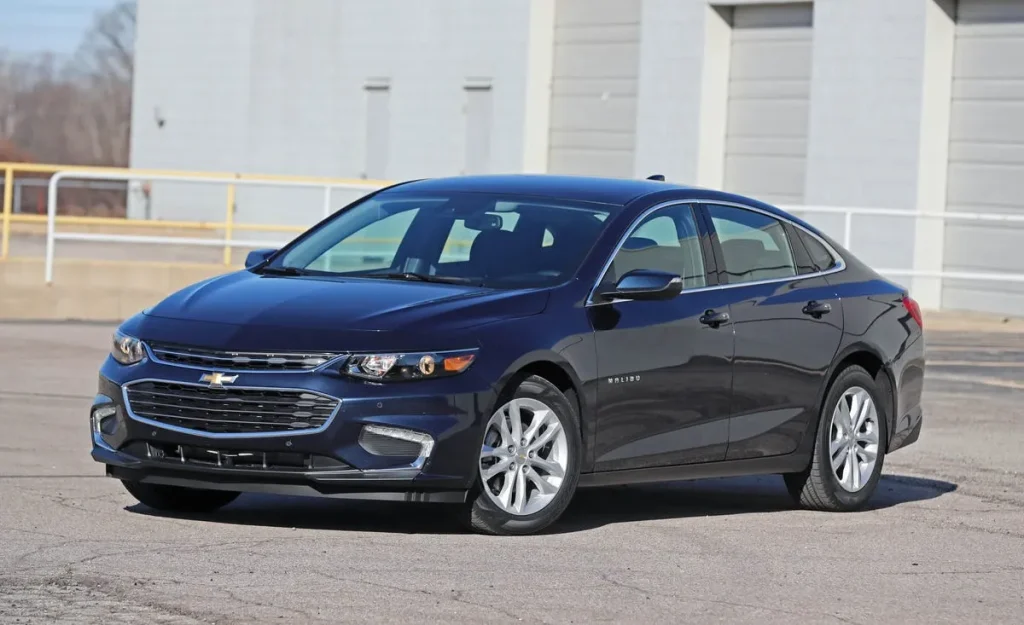
Mechanically, the Malibu remained familiar. The sedan continued using Chevrolet’s efficient turbocharged four-cylinder engine paired with a continuously variable transmission, providing competitive fuel economy and a comfortable driving experience.
Spacious seating, predictable ride quality, and practical everyday usability remained central strengths throughout its production.
Although crossovers continue replacing many traditional sedans, the Malibu has remained an important part of Chevrolet’s passenger car lineup.
The disappearance of the L trim illustrates how manufacturers have increasingly chosen to eliminate lightly equipped versions while emphasizing models that better match current consumer purchasing patterns.
Specifications
- Engine: 1.5-liter turbocharged inline four
- Torque: 184 lb-ft
- Horsepower: 160 hp
- Length/Width: 194.2 inches / 73.0 inches
6. Chevrolet Malibu Premier
While the Malibu L disappeared from the bottom of the lineup, another significant change occurred at the opposite end. The Premier trim had long served as Chevrolet’s flagship Malibu, combining the model’s most advanced technology, premium interior materials, larger wheels, and the strongest available powertrain.
Beginning with the 2023 model year, Chevrolet retired the Premier name and replaced it with the 2LT trim, effectively ending one of the Malibu’s best-known trim designations.
This change was primarily intended to simplify Chevrolet’s naming structure rather than reduce the number of features available. The company had already started standardizing trim designations across its lineup, creating a more consistent system in which names such as LT and 2LT carried the same meaning across multiple models.
While much of the equipment remained similar, the Premier badge quietly disappeared from dealership ordering guides.
Customers who previously preferred the Premier continued receiving many of the same upscale features through the replacement trim.
Leather-appointed seating, advanced driver assistance technologies, premium interior appointments, and refined styling remained available, ensuring that the Malibu retained a well-equipped flagship configuration despite the name change.
The mechanical package also stayed familiar. Chevrolet continued pairing the top trim with its turbocharged engine, providing smooth performance suitable for daily commuting and highway travel.
Ride quality, cabin comfort, and user-friendly technology remained important selling points for buyers who preferred a traditional midsize sedan over the growing number of crossover SUVs.
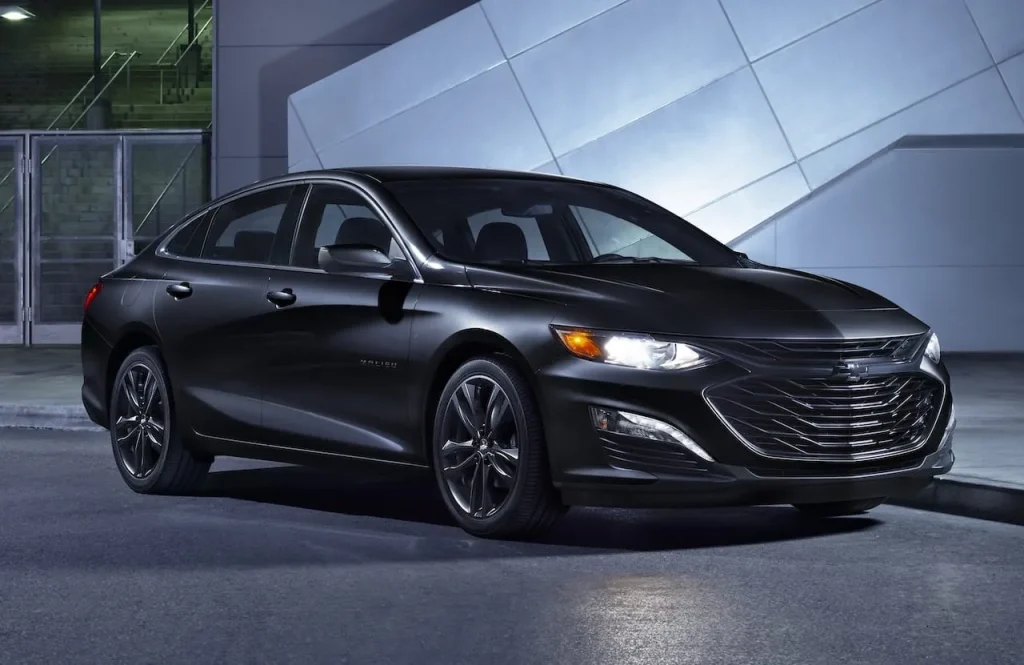
Because the Malibu itself received only modest updates during this period, the disappearance of the Premier designation attracted little public attention.
Even so, it marked another example of an established trim quietly leaving the U.S. market as manufacturers refined lineup structures and standardized trim naming across multiple vehicle families.
Specifications
- Engine: 2.0-liter turbocharged inline four
- Torque: 260 lb-ft
- Horsepower: 250 hp
- Length/Width: 194.2 inches / 73.0 inches
7. Toyota Highlander LE
After discontinuing the L trim for the 2024 model year, Toyota continued refining the Highlander lineup. For the 2026 model year, the company also removed the LE trim from the gasoline Highlander lineup in the United States, making the XLE the new entry point.
The decision reflected Toyota’s continued effort to position the Highlander as a more premium three-row SUV while allowing the Grand Highlander to serve buyers seeking greater value and additional interior space.
The LE had traditionally occupied the middle of the lineup, offering a balance between affordability and equipment. It added several convenience features beyond the former L trim, including upgraded seating materials, additional driver-assistance technology, and enhanced interior appointments.
As market preferences shifted toward better-equipped SUVs, many customers were already selecting the XLE or higher trims, reducing the LE’s share of full sales.
Another reason behind the change involved simplifying production. Every trim requires unique combinations of parts, option packages, and manufacturing processes.
By reducing the number of available trims, Toyota improved assembly efficiency while making dealership inventory easier to manage. This strategy has become increasingly common throughout the industry as manufacturers prioritize higher-volume configurations.
Although the LE badge disappeared, the Highlander’s core characteristics remained intact. Buyers continued receiving Toyota’s turbocharged 2.4-liter engine, available all-wheel drive, Toyota Safety Sense driver-assistance technology, and the comfortable three-row cabin that has helped make the Highlander one of America’s best-selling family SUVs.
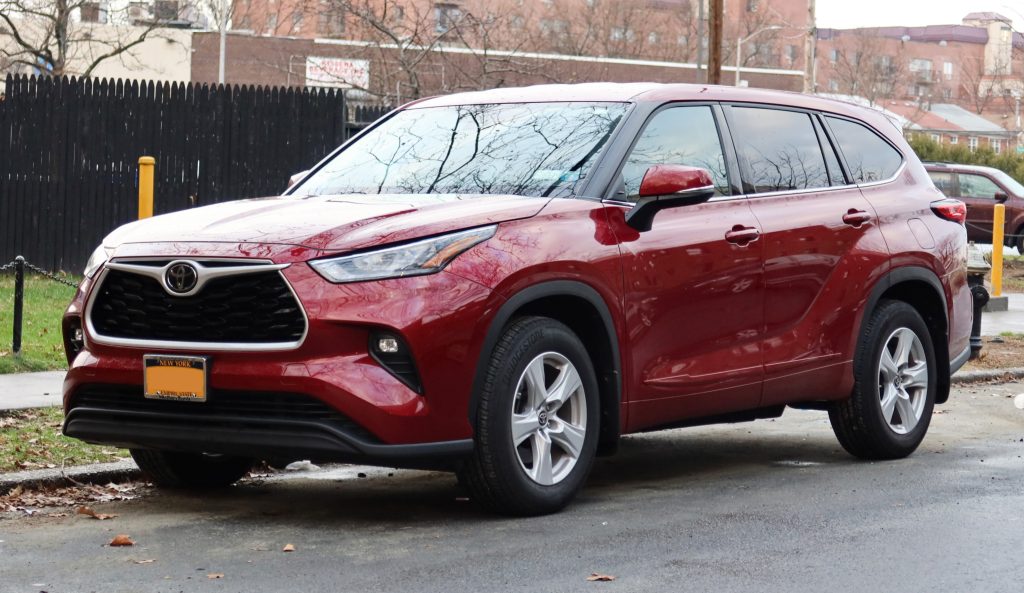
The removal of the LE attracted relatively little attention because it occurred alongside broader adjustments to Toyota’s SUV lineup. Nevertheless, it represents another documented example of a familiar trim quietly disappearing as manufacturers streamline their product portfolios.
Specifications
- Engine: 2.4-liter turbocharged inline four
- Torque: 310 lb-ft
- Horsepower: 265 hp
- Length/Width: 194.9 inches / 76.0 inches
8. Subaru Ascent Onyx Edition
The Onyx Edition brought a distinctive appearance to the Subaru Ascent lineup, combining black exterior accents, exclusive trim details, water-repellent interior upholstery, and rugged styling cues that appealed to buyers wanting a more adventurous look without moving to the Touring trim.
During Subaru’s lineup restructuring, the standalone Onyx Edition was removed, leaving the Onyx Edition Touring as the only Onyx-branded variant available in the United States.
The removal of the Onyx Edition was not driven by weak demand but by Subaru’s strategy to streamline the lineup and guide buyers toward models with more comprehensive equipment packages.
Customer purchasing patterns increasingly favored trims offering premium technology, upgraded interiors, and expanded convenience features. Rather than maintaining two closely related Onyx versions, Subaru consolidated the lineup around the higher-specification Onyx Edition Touring.
This change also reduced production complexity. Fewer trim combinations allowed Subaru to simplify manufacturing, dealership ordering, and inventory management while maintaining the brand’s emphasis on standard all-wheel drive and advanced safety technology.
The Ascent itself continued without major mechanical changes. Every trim retained the turbocharged 2.4-liter boxer engine, continuously variable transmission, standard symmetrical all-wheel drive, and EyeSight driver assistance system.
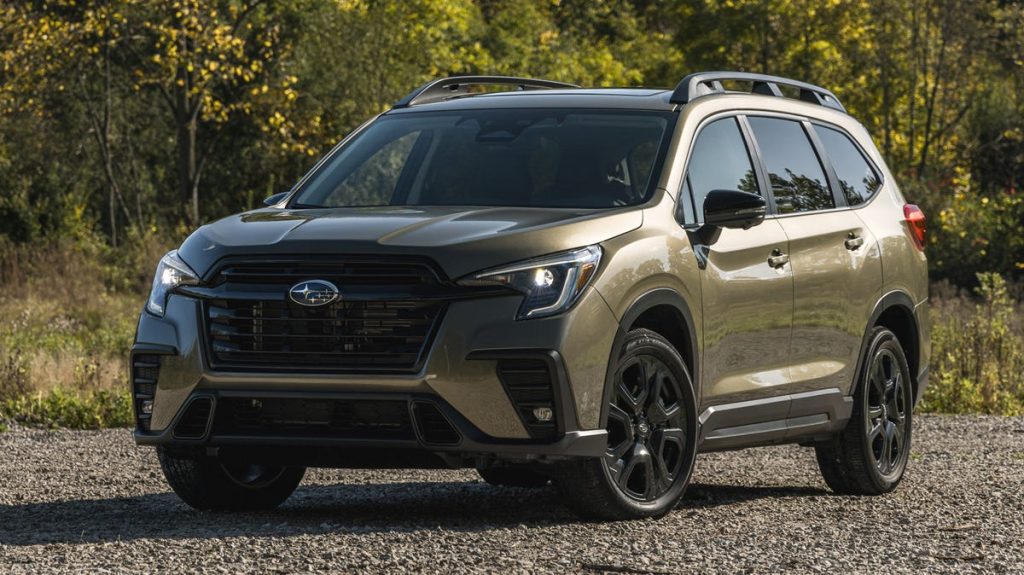
Families shopping for the Ascent still received the same spacious interior, generous cargo capacity, and strong safety credentials that have become defining characteristics of Subaru’s largest SUV.
Because the adjustment involved only one trim level rather than an entirely new generation, the disappearance of the Onyx Edition passed quietly for many buyers. It remains another example of manufacturers refining trim structures to better reflect customer demand while simplifying their product offerings.
Specifications
- Engine: 2.4-liter turbocharged boxer four
- Torque: 277 lb-ft
- Horsepower: 260 hp
- Length/Width: 196.8 inches / 76.0 inches
