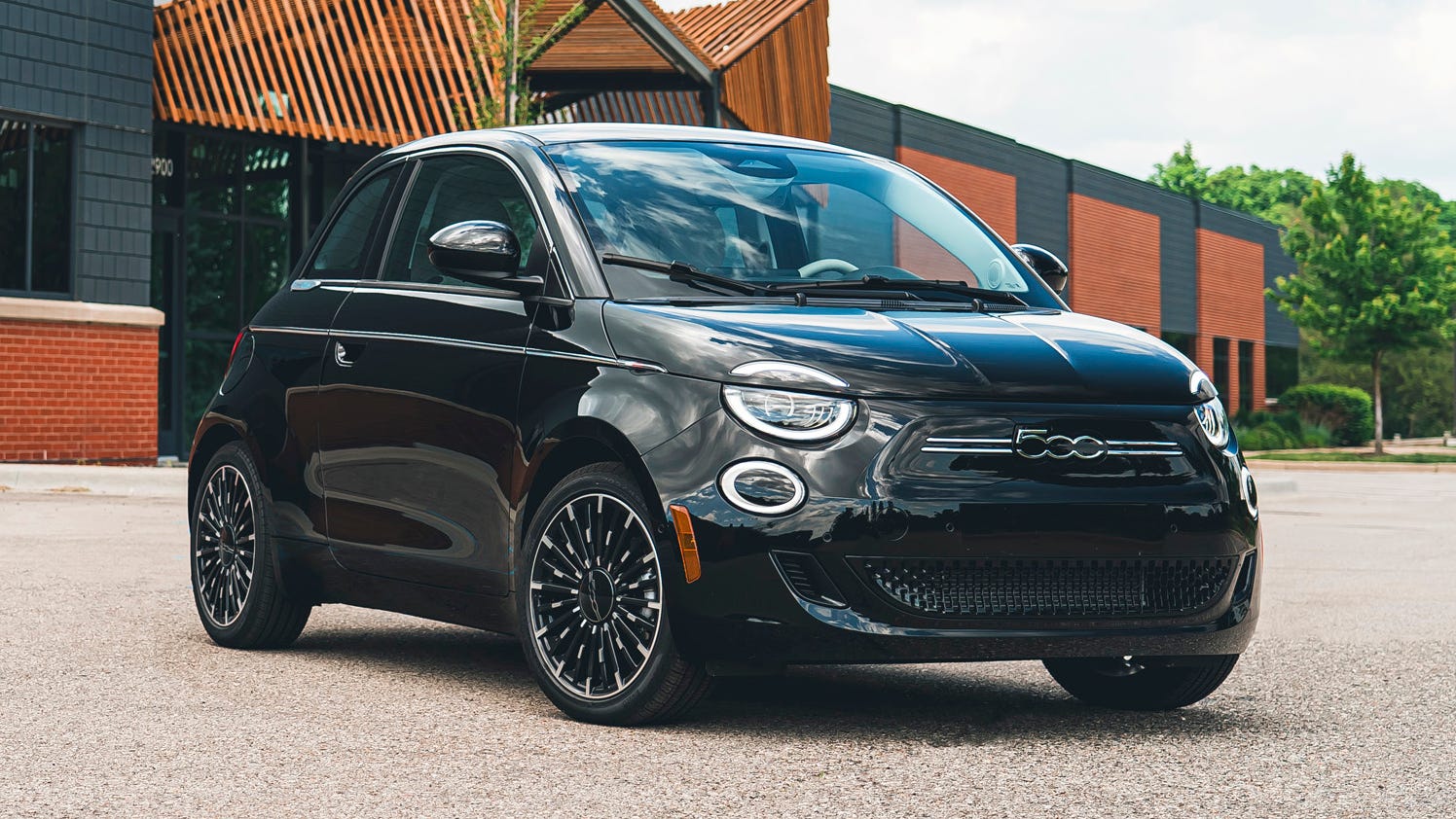
Electric vehicles have become far more common on American roads, bringing lower operating costs, quieter driving, and fewer routine maintenance requirements than gasoline-powered vehicles.
One concern still gives many prospective buyers pause, however, and that is the cost of replacing a high-voltage battery pack once the factory warranty expires.
Fortunately, complete battery failures remain uncommon. Most manufacturers provide battery coverage for at least 8 years or 100,000 miles, and real-world studies show that only a small percentage of EVs ever require a full battery replacement outside warranty.
Even so, understanding potential replacement costs is an important part of evaluating long-term ownership.
Not all electric cars are equally expensive to repair. Battery size, chemistry, pack design, production volume, and the availability of refurbished or remanufactured packs all influence replacement costs.
Compact EVs with smaller battery packs generally cost much less to repair than luxury sedans, large SUVs, or electric pickups equipped with batteries exceeding 100 kWh. Independent EV repair specialists have also helped reduce ownership costs by offering refurbished battery packs that are significantly cheaper than brand-new factory units.
This ranking highlights eight electric cars with the lowest estimated out-of-warranty battery replacement costs in the United States.
The prices shown are typical U.S. estimates for complete battery pack replacement, including commonly reported repair costs from dealerships and independent EV specialists. Actual invoices can vary depending on model year, battery size, labor rates, and whether a new, used, or remanufactured battery is installed.
Also Read: 10 SUVs With the Most Affordable Replacement Parts
1. Nissan Leaf
Typical U.S. Battery Replacement Cost: $4,000 to $6,500 (24 kWh pack)
The Nissan Leaf remains one of the least expensive electric cars to repair when a battery replacement becomes necessary. Introduced as one of America’s first mass-market EVs, it has built a large aftermarket ecosystem that benefits owners today.
Independent repair shops, refurbished battery suppliers, and used battery inventories have made replacement considerably more affordable than in many newer electric vehicles. According to EV repair specialists, a replacement for an early 24 kWh battery pack generally costs between $4,000 and $6,500, while larger battery versions command higher prices.
Another advantage is the widespread availability of compatible battery packs. Since hundreds of thousands of Leafs have been sold globally, sourcing replacement components is easier than for many lower-volume EVs.
Owners also have the option of upgrading to larger-capacity packs during replacement, increasing driving range while extending the vehicle’s usable life. This flexibility has made the Leaf particularly popular among used EV buyers who want an affordable electric car without facing extremely high repair costs.
Battery degradation is more common on older Leafs than on modern liquid-cooled EVs because early models relied on passive air cooling.
Even so, complete battery failure remains relatively uncommon, and many owners replace batteries simply to regain driving range rather than because the original pack has stopped functioning. This distinction is important because buyers often assume every replacement results from a catastrophic failure, when in reality many are elective upgrades.
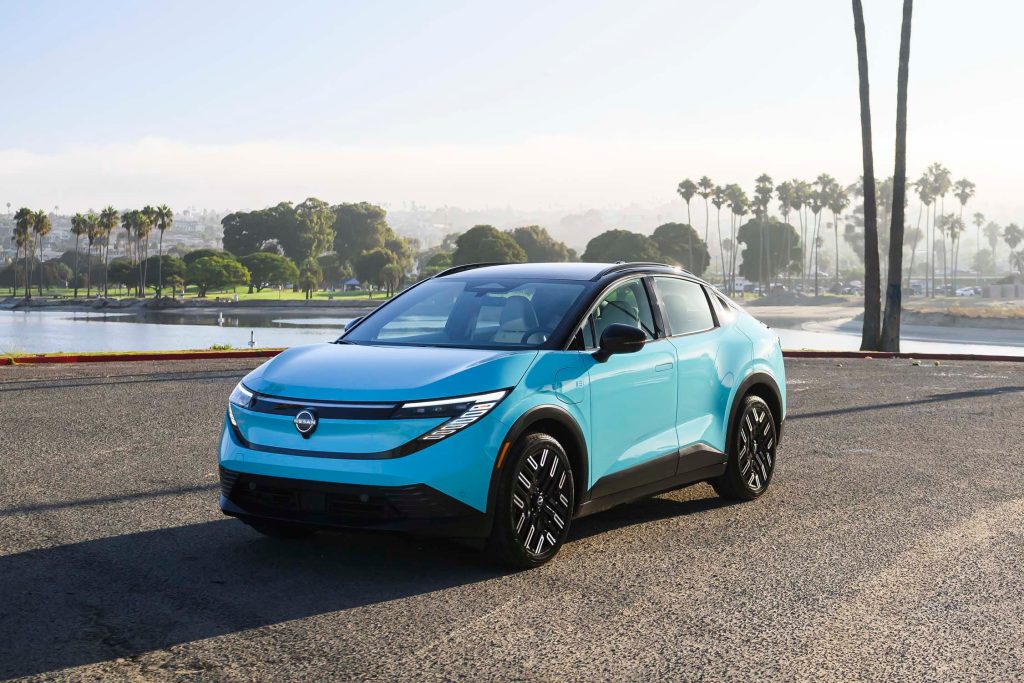
For budget-conscious EV shoppers, the Leaf continues to offer one of the lowest long-term battery replacement costs available in the United States. Combined with inexpensive maintenance, broad parts availability, and a mature repair network, it remains one of the safest choices for drivers concerned about future battery expenses.
Specifications
- Engine: Permanent Magnet AC Electric Motor
- Torque: 236 lb-ft
- Horsepower: 147 hp
- Length/Width: 176.4 inches / 70.5 inches
2. Chevrolet Bolt EV
Typical U.S. Battery Replacement Cost: $5,000 to $9,000 (used or remanufactured pack)
The Chevrolet Bolt EV deserves a high ranking because many owners will never pay for a replacement battery thanks to General Motors’ extensive recall campaign, which replaced battery packs in thousands of vehicles with updated units.
For owners eventually facing an out-of-warranty replacement years from now, the Bolt remains one of the more affordable mainstream EVs. Used and remanufactured battery packs typically range from $5,000 to $9,000, while brand-new OEM packs from dealerships can cost substantially more.
Unlike some electric vehicles where replacement parts remain scarce, the Bolt benefits from strong aftermarket support. Independent EV repair facilities have become increasingly experienced with servicing Bolt battery systems, giving owners alternatives beyond dealership pricing.
As the number of retired or salvage vehicles grows, replacement battery availability is expected to improve further, helping stabilize future repair costs.
Another reason the Bolt performs well in this ranking is its battery durability. The liquid-cooled pack has demonstrated strong longevity in everyday driving, with relatively few non-recall-related failures reported.
Most replacement discussions involve recalled vehicles receiving upgraded batteries rather than owners paying out of pocket after a battery failure. That distinction makes long-term ownership less intimidating for buyers considering a used Bolt.
Prospective owners should still remember that battery replacement represents one of the most expensive repairs an EV can require.
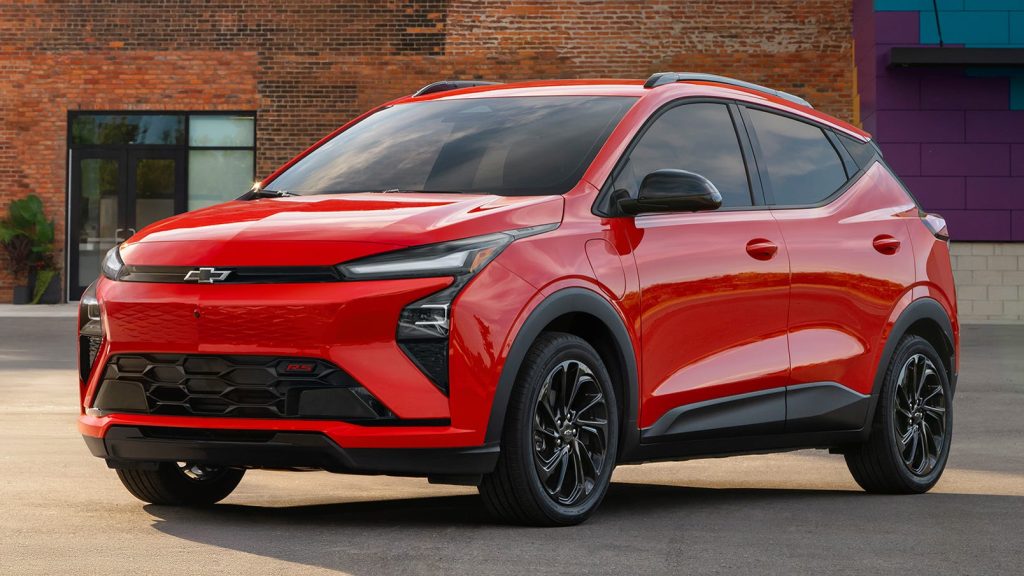
However, compared with luxury electric vehicles and large electric trucks that can require repair bills exceeding $20,000, the Bolt remains one of the least costly mainstream EVs if replacement eventually becomes necessary.
Its combination of affordable operating costs, practical range, and comparatively modest battery pricing continues to make it an attractive value in the used EV market.
Specifications
- Engine: Permanent Magnet Electric Motor
- Torque: 266 lb-ft
- Horsepower: 200 hp
- Length/Width: 163.2 inches / 69.5 inches
3. Fiat 500e
Typical U.S. Battery Replacement Cost: $6,500 to $9,000
The Fiat 500e occupies a unique position among affordable electric vehicles because its relatively small battery pack helps keep replacement costs lower than those of larger EVs.
In the United States, a typical out-of-warranty battery replacement generally falls between $6,500 and $9,000, depending on the model year, labor charges, and whether the replacement pack is new, refurbished, or sourced from a salvage vehicle.
While the Fiat 500e never matched the sales volume of competitors like the Nissan Leaf or Chevrolet Bolt EV, its compact battery design has helped prevent replacement costs from reaching the five-figure amounts often associated with premium electric vehicles.
One factor working in the owner’s favor is the car’s straightforward design. The battery pack is considerably smaller than those found in long-range electric SUVs and crossovers, reducing both component costs and installation time.
Independent EV repair specialists have also become more familiar with the model as first-generation vehicles age beyond their original warranty periods. That growing experience has increased repair options beyond dealership service departments, giving owners additional pricing flexibility.
Battery replacements remain relatively uncommon because most Fiat 500e owners accumulate fewer annual miles than drivers of larger electric vehicles.
Many examples are used primarily for commuting and city driving, reducing stress on the battery over time. Even when battery capacity declines with age, owners often continue driving the vehicle comfortably before considering a replacement.
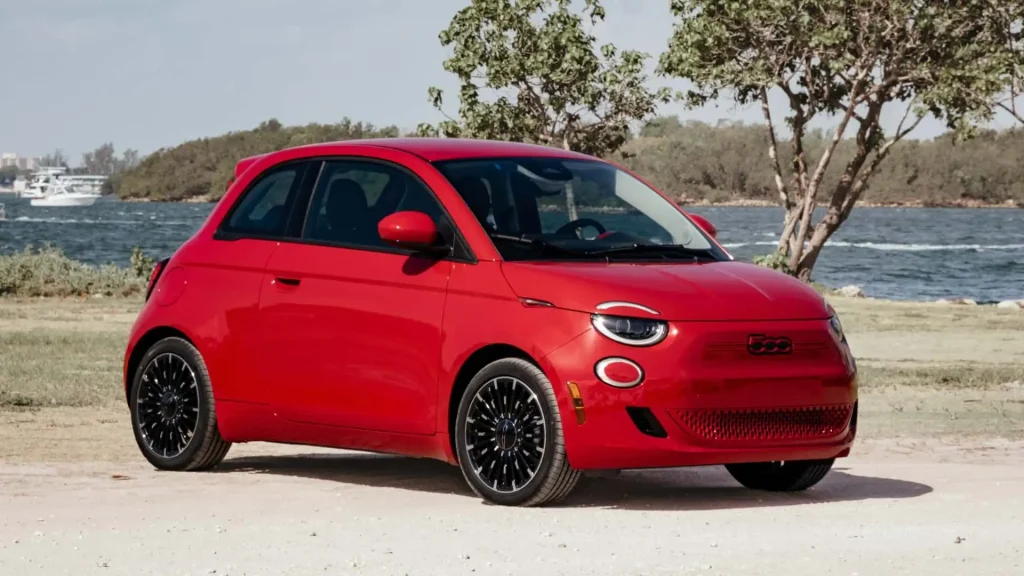
For buyers shopping for an inexpensive used electric vehicle, the Fiat 500e offers reassuring long-term ownership economics.
Its battery replacement cost is significantly lower than many modern EVs equipped with much larger battery packs, making it one of the more affordable electric cars to maintain well beyond the factory warranty period.
Specifications
- Engine: Permanent Magnet Electric Motor
- Torque: 162 lb-ft
- Horsepower: 117 hp
- Length/Width: 143.3 inches / 64.1 inches
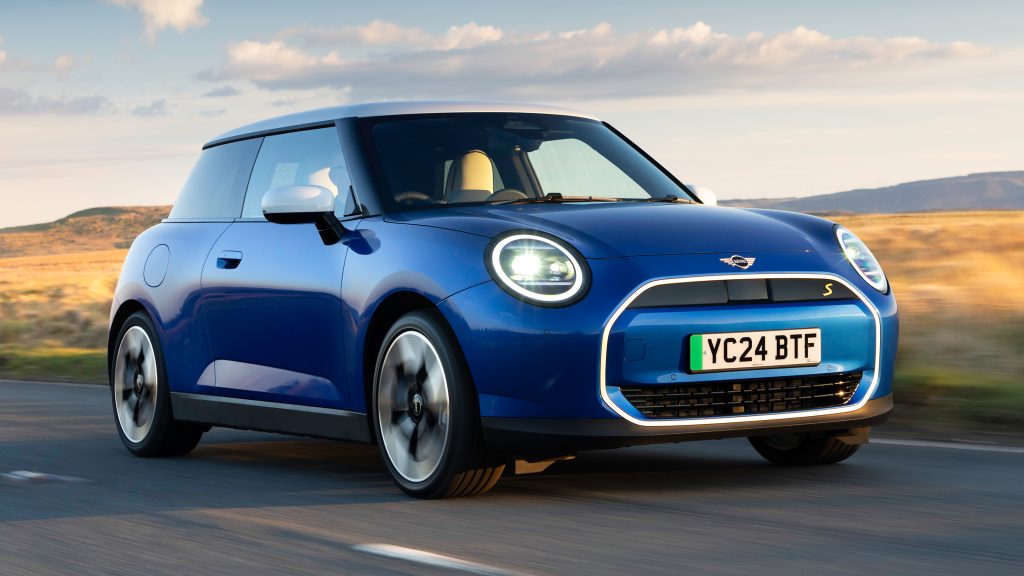
4. MINI Cooper SE
Typical U.S. Battery Replacement Cost: $7,000 to $9,500
The MINI Cooper SE proves that a premium badge does not automatically translate into an expensive battery replacement bill. Despite sharing engineering expertise with BMW, the Cooper SE benefits from a compact 32.6 kWh battery pack, which helps keep replacement costs relatively manageable.
In the United States, owners can generally expect an out-of-warranty battery replacement to cost between $7,000 and $9,500, depending on labor rates and whether the pack is purchased new or remanufactured.
Unlike long-range electric vehicles that require massive battery assemblies, the Cooper SE focuses on efficiency and urban mobility. Its smaller battery means fewer cells to replace and lower material costs.
As more vehicles enter the used market, independent repair facilities have begun offering additional servicing options, giving owners alternatives to dealership-only repairs. This increased competition has helped prevent battery replacement prices from escalating as dramatically as those for many luxury EVs.
The Cooper SE has also demonstrated encouraging battery durability in real-world ownership. Thanks to its sophisticated thermal management system, battery degradation has generally remained modest even after years of regular use.
Most owners are unlikely to require a complete battery replacement during normal ownership, especially if charging habits follow manufacturer recommendations. That reliability further improves the vehicle’s long-term value proposition.
Drivers considering a used MINI Cooper SE often focus on its fun driving dynamics, premium interior, and compact dimensions. Equally important is the fact that its battery replacement costs remain comfortably below those associated with many larger electric crossovers and luxury sedans.
For buyers seeking a premium small EV without facing an overwhelming future repair bill, the Cooper SE stands out as one of the more financially sensible choices.
Specifications
- Engine: Permanent Magnet Synchronous Electric Motor
- Torque: 199 lb-ft
- Horsepower: 181 hp
- Length/Width: 151.9 inches / 68.0 inches
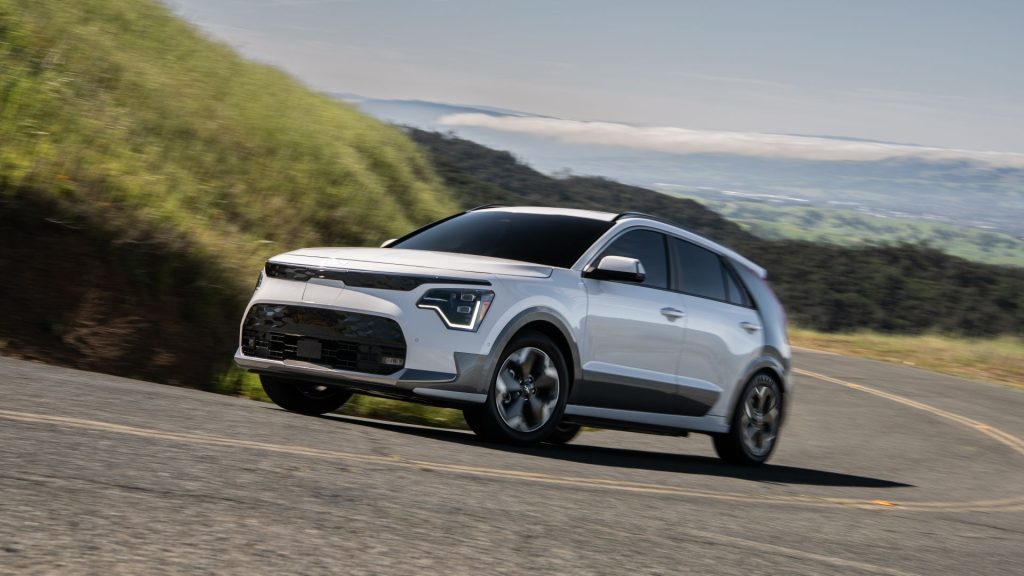
5. Kia Niro EV
Typical U.S. Battery Replacement Cost: $8,000 to $10,000
The Kia Niro EV has earned a reputation for combining practicality with reasonable long-term ownership costs, and that extends to battery replacement.
A complete out-of-warranty battery replacement in the United States typically costs between $8,000 and $10,000, making it one of the more affordable compact electric crossovers when compared with rivals carrying larger or more complex battery systems.
While the amount is still substantial, it remains well below the replacement costs associated with many premium EVs and electric trucks.
One reason the Niro EV performs well in this ranking is the durability of its 64.8 kWh lithium-ion battery pack. Real-world ownership data has shown that battery degradation is generally gradual, particularly for drivers who rely on Level 2 charging for most of their charging sessions.
Kia’s advanced battery management system carefully regulates charging and operating temperatures, reducing unnecessary stress on the battery cells and helping preserve long-term capacity.
Another advantage comes from Kia’s growing presence in the American EV market. As more Niro EVs reach higher mileage, replacement batteries and trained technicians have become easier to find. Independent EV repair specialists have also started servicing Kia battery systems, providing owners with additional choices beyond dealership repairs.
Refurbished battery packs are expected to become more widely available in the coming years, potentially lowering future repair costs even further.
For buyers considering a used electric crossover, the Niro EV offers a reassuring balance between driving range, reliability, and repair expenses.
Although battery replacement is never inexpensive, the estimated cost remains competitive within its segment, making the Niro EV a practical option for drivers planning to keep their vehicle well beyond the factory warranty.
Specifications
- Engine: Permanent Magnet Synchronous Electric Motor
- Torque: 188 lb-ft
- Horsepower: 201 hp
- Length/Width: 174.0 inches / 71.9 inches
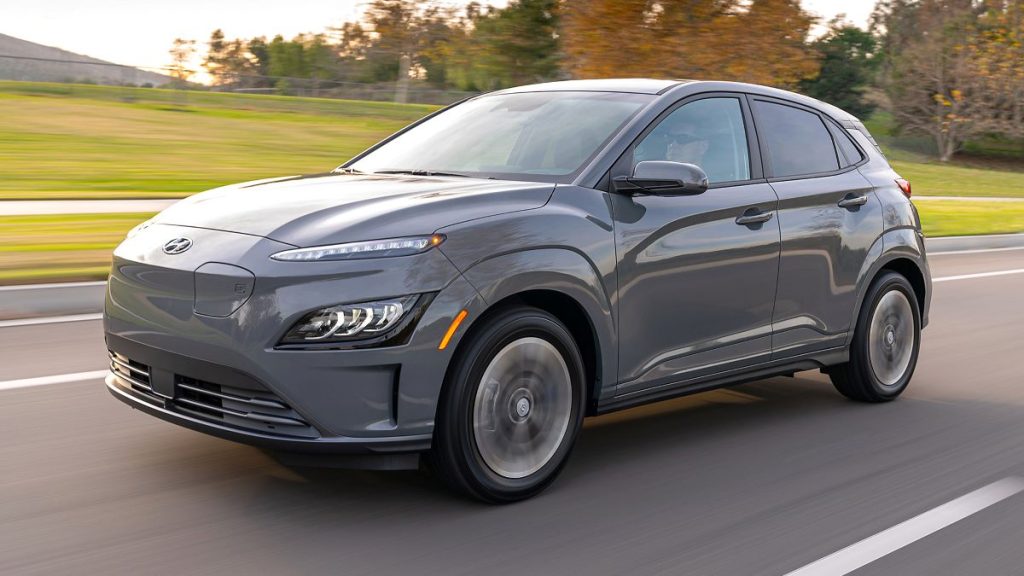
6. Hyundai Kona Electric
Typical U.S. Battery Replacement Cost: $10,000 to $12,000
The Hyundai Kona Electric sits slightly higher on this ranking because its battery replacement costs begin to enter five-figure territory, yet they remain lower than many larger electric SUVs and luxury models.
In the United States, owners can generally expect to pay between $10,000 and $12,000 for a complete out-of-warranty battery replacement, depending on labor charges, battery availability, and whether the replacement pack is new or remanufactured.
Hyundai designed the Kona Electric with a liquid-cooled battery system that has demonstrated solid reliability across thousands of vehicles. Thermal management plays a critical role in extending battery life by maintaining stable operating temperatures during charging and daily driving.
As a result, complete battery failures have been relatively uncommon, and most owners experience only gradual capacity loss after years of use rather than sudden battery problems.
The Kona Electric also benefits from sharing technology with several other Hyundai Motor Group electric vehicles. This broader production volume supports a stronger parts supply chain and has encouraged more repair facilities to develop expertise in servicing Hyundai battery systems.
Although dealership repairs remain common, independent specialists are gradually increasing competition, which may help reduce replacement costs as the vehicles continue to age.
Drivers shopping for a dependable compact electric SUV often place the Kona Electric near the top of their list because of its strong efficiency and generous driving range. Knowing that its battery replacement costs remain below those of many premium competitors adds another layer of confidence for long-term ownership.
While replacing the battery is still a significant investment, the Kona Electric remains one of the more affordable modern electric SUVs to maintain after warranty coverage expires.
Specifications
- Engine: Permanent Magnet Synchronous Electric Motor
- Torque: 291 lb-ft
- Horsepower: 201 hp
- Length/Width: 171.3 inches / 71.9 inches
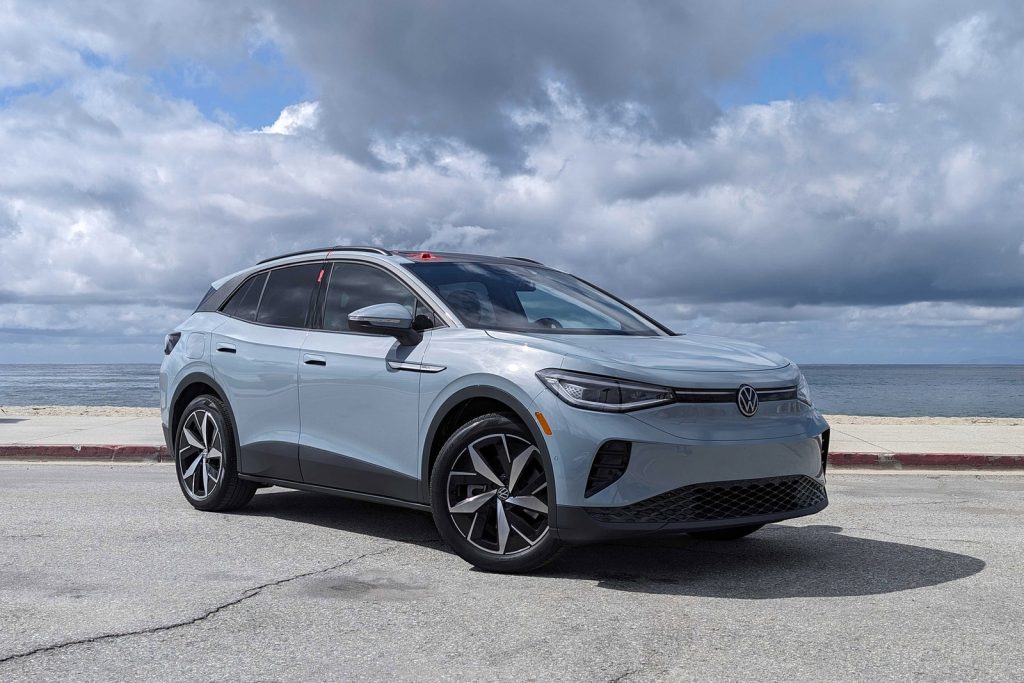
7. Volkswagen ID.4
Typical U.S. Battery Replacement Cost: $11,000 to $14,000
The Volkswagen ID.4 ranks seventh because its battery replacement costs remain relatively competitive despite offering a substantially larger battery pack than many compact electric cars.
Owners who need a complete out-of-warranty battery replacement in the United States can generally expect to pay between $11,000 and $14,000, depending on battery size, labor rates, and whether a new or remanufactured pack is installed.
While this figure is considerably higher than the costs associated with early-generation EVs, it remains lower than the repair bills often seen on premium luxury electric vehicles and full-size electric pickups.
Volkswagen engineered the ID.4 with long-term battery durability in mind. Its liquid-cooled lithium-ion battery is monitored by an advanced battery management system that regulates charging speed, operating temperature, and cell balancing.
These technologies reduce battery degradation during daily use, particularly for owners who avoid excessive DC fast charging and maintain recommended charging habits. As a result, complete battery replacements remain uncommon, with most owners experiencing only gradual reductions in driving range after years of operation.
Another factor supporting lower ownership costs is Volkswagen’s growing EV service network throughout the United States. As more ID.4 models enter the used market, technicians have gained greater experience diagnosing and repairing high-voltage battery systems.
Battery modules can also be replaced individually in certain situations, avoiding the expense of replacing the entire battery pack when only a limited number of modules are affected. This modular design can significantly reduce repair costs for qualifying battery issues.
For buyers seeking a spacious electric SUV capable of family duty, the ID.4 presents a sensible balance between performance and long-term operating expenses.
Although replacing the battery remains a major investment, its estimated costs are still lower than those associated with many larger electric SUVs delivering similar driving range and capability.
Specifications
- Engine: Permanent Magnet Synchronous Electric Motor
- Torque: 229 lb-ft
- Horsepower: 282 hp
- Length/Width: 180.5 inches / 72.9 inches
8. Tesla Model 3 Rear-Wheel Drive
Typical U.S. Battery Replacement Cost: $13,000 to $15,000
The Tesla Model 3 Rear-Wheel Drive completes this ranking because, despite being one of America’s best-selling electric cars, its battery replacement costs remain lower than many luxury EVs’ equipped with larger battery packs.
A complete out-of-warranty battery replacement in the United States typically ranges from $13,000 to $15,000, although the final amount depends on the model year, battery chemistry, labor charges, and whether Tesla installs a new or remanufactured battery pack.
Compared with premium electric SUVs and performance sedans that can exceed $20,000 for a battery replacement, the Model 3 remains relatively affordable within its class.
Tesla’s battery technology has earned a strong reputation for longevity. Real-world data from high-mileage vehicles shows that many Model 3 battery packs retain a significant percentage of their original capacity even after well beyond 100,000 miles.
Sophisticated thermal management, continuous software updates, and intelligent charging controls all contribute to extending battery life. Consequently, complete battery replacements remain relatively rare outside collision damage or isolated component failures.
Tesla also designs its battery systems to allow certain repairs without replacing the entire pack in every situation. Service centers can sometimes replace individual components or modules, reducing repair costs when the issue is confined to a limited section of the battery.
As more Model 3 vehicles age, the availability of remanufactured battery packs is expected to improve, giving owners additional repair options beyond purchasing a brand-new unit.
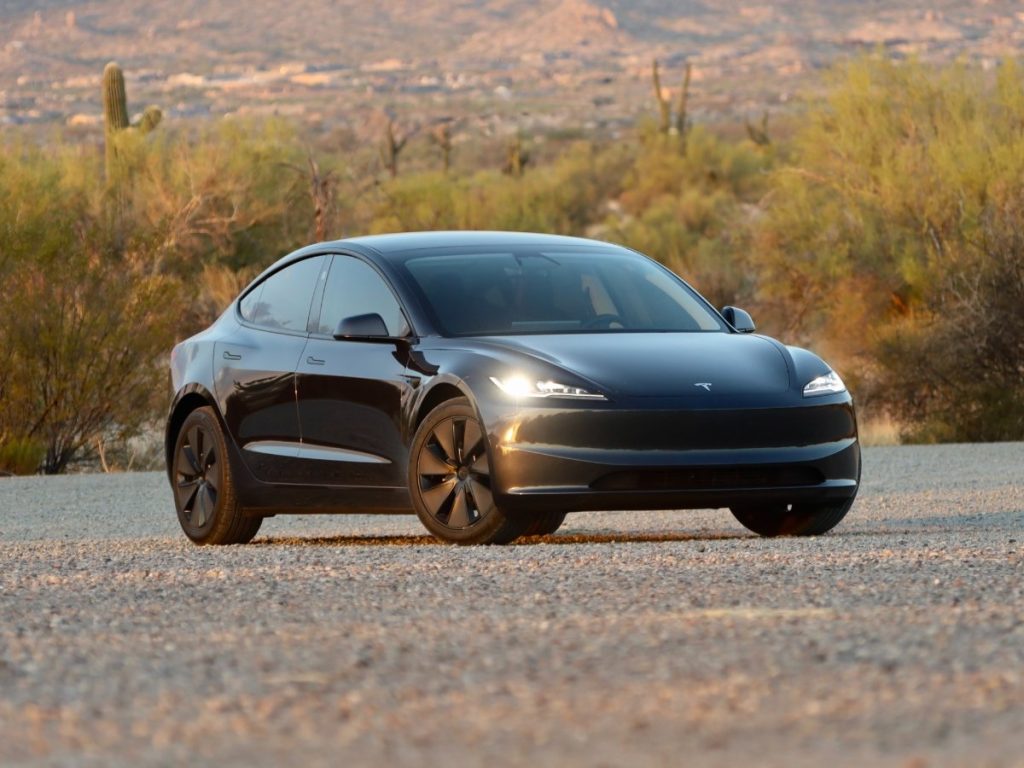
Although the Model 3 has the highest battery replacement estimate in this ranking, it remains significantly less expensive to repair than many high-end electric SUVs, luxury sedans, and electric trucks with much larger battery capacities.
For drivers planning long-term ownership, the combination of battery durability, widespread service support, and relatively moderate replacement pricing continues to make the Model 3 one of the strongest values in the American EV market.
Specifications
- Engine: Permanent Magnet Synchronous Electric Motor
- Torque: 310 lb-ft
- Horsepower: 295 hp
- Length/Width: 185.8 inches / 72.8 inches