
When winter arrives and temperatures begin to drop, many drivers start wondering whether switching from all-season tires to winter tires is actually worth the extra cost and effort. For decades, all-season tires have been marketed as a convenient option that can handle a variety of weather conditions, making them a popular choice among everyday drivers.
They are designed to provide acceptable performance on dry roads, wet roads, and mild winter weather. Because of this versatility, many vehicle owners assume that all-season tires are enough for the entire year. However, winter tires are specifically engineered to handle cold temperatures, snow, ice, and slippery roads in ways that all-season tires generally cannot match.
The biggest difference between winter tires and all-season tires comes down to their rubber compound, tread design, and ability to maintain grip in cold weather. As temperatures fall, especially below around 7°C, the rubber used in many all-season tires begins to become harder and less flexible.
This change reduces the tire’s ability to maintain contact with the road surface. Winter tires use specially designed rubber compounds that remain softer and more flexible in freezing conditions, allowing them to provide better traction when drivers need it most. This difference can affect braking distance, steering control, and safety during winter driving.
Many drivers question whether winter tires are necessary because modern vehicles already include advanced safety systems such as anti-lock braking systems, traction control, and electronic stability control. While these technologies are valuable, they cannot create grip where the tires do not have enough traction.
A vehicle’s safety systems depend on the tires making proper contact with the road. Even the most advanced car can struggle to stop or turn effectively if the tires are not suitable for the conditions. This is why choosing the right type of tire is an important part of vehicle safety.
The decision between winter tires and all-season tires depends on several factors, including climate, driving habits, road conditions, and budget. Drivers who live in areas with frequent snowfall, icy roads, or long periods of freezing temperatures are more likely to benefit from dedicated winter tires.
On the other hand, people living in regions with mild winters and occasional cold weather may find that high-quality all-season tires provide enough performance for their needs. Understanding these differences helps drivers make a more informed decision rather than simply choosing the cheapest or most convenient option.
Winter tires are not just about handling deep snow. Their main advantage is improved performance in cold temperatures and challenging winter conditions. They can provide better braking, stronger acceleration, and improved cornering ability when roads become unpredictable.
Although purchasing an additional set of tires requires extra investment, many drivers consider the improvement in safety and confidence worth the cost. This article explains how winter tires compare with all-season tires, their benefits and drawbacks, and whether making the switch is the right choice for your driving situation.
Also Read: 10 SUVs With the Most Affordable Replacement Parts
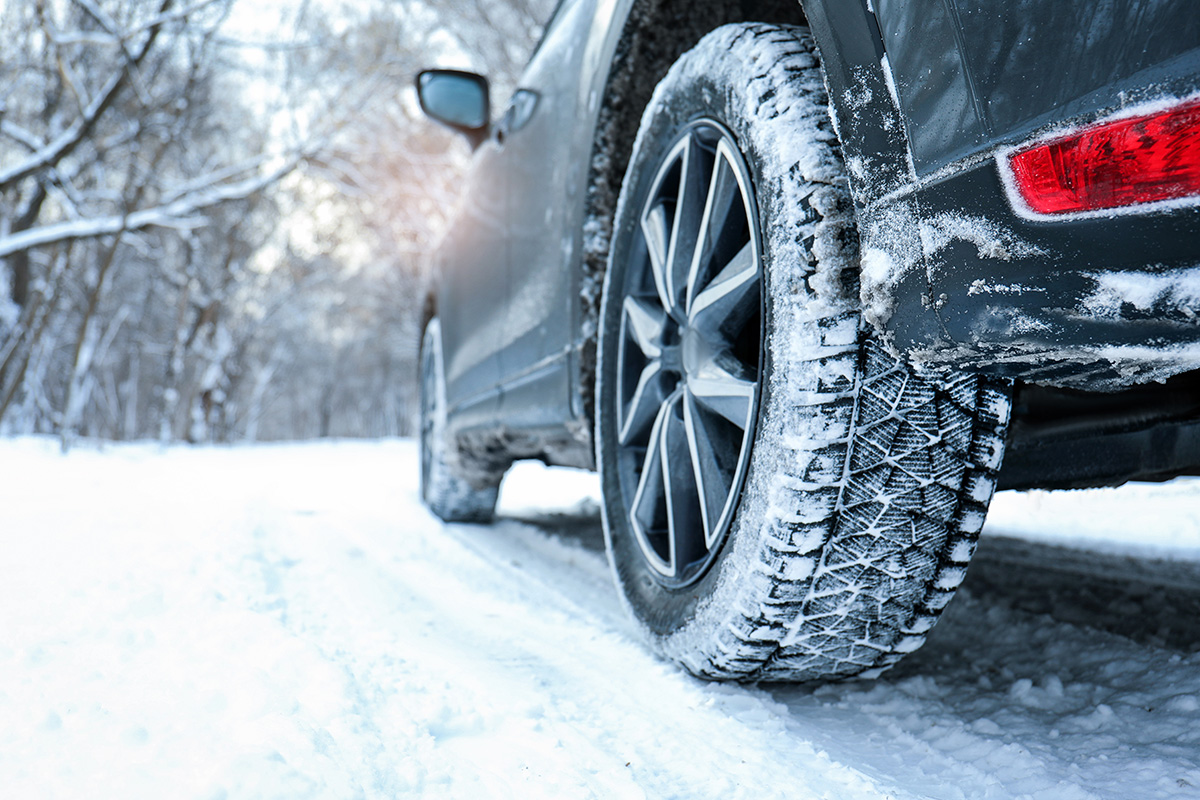
Understanding the Difference Between Winter Tires and All-Season Tires
Winter tires and all-season tires may appear similar at first glance, but they are built with different goals in mind. All-season tires are designed to offer balanced performance across a wide range of conditions.
They combine characteristics of summer and winter tires to create a practical option for drivers who want one set of tires throughout the year. Their tread patterns are designed to handle rain, dry roads, and light winter conditions. However, because they are designed as a compromise, they do not provide the strongest performance in extreme heat or severe cold.
Winter tires are developed specifically for cold environments. Their construction focuses on maintaining flexibility and grip when temperatures drop. The rubber compounds used in winter tires contain materials that help them remain soft even in freezing weather.
This allows the tire to better follow the small irregularities of the road surface, creating more contact and improving traction. In snowy or icy conditions, this flexibility can make a significant difference in how a vehicle responds to braking and steering inputs.
A major difference is the tread pattern. Winter tires typically have deeper tread blocks and more small grooves called sipes. These sipes create additional edges that help the tire grip snow and ice.
They also help channel water and slush away from the tire surface, reducing the chance of losing traction. All-season tires also have tread features designed for different conditions, but they usually have fewer specialized features for severe winter weather.
The difference becomes especially noticeable during emergency situations. A driver may not notice a major change during normal city driving on a cold but dry road. However, when a sudden stop is required on snow-covered pavement or an icy intersection, winter tires can provide better control.
Shorter braking distances and improved steering response can help drivers avoid collisions. This is one of the main reasons safety organizations and tire experts often recommend winter tires for areas with harsh winter conditions.
Also Read: 10 Heaviest Pickup Trucks Ever Built & Ranked by Weight
Benefits of Choosing Winter Tires
One of the biggest advantages of winter tires is the significant improvement in traction during cold weather. When roads are covered with snow, slush, or ice, maintaining grip becomes essential for safe driving. Winter tires are specifically engineered to maximize contact with the road, allowing vehicles to accelerate, brake, and turn with greater confidence.
This added traction helps reduce wheel spin when starting from a stop and provides more predictable handling throughout the journey. Drivers often notice that their vehicles feel more stable and responsive, even when road conditions are far from ideal.
Braking performance is another area where winter tires stand out. Stopping a vehicle safely on slippery roads depends largely on the tires’ ability to grip the surface. Because winter tires remain flexible in low temperatures, they can generate more friction than all-season tires in similar conditions.
Numerous independent tests have shown that vehicles equipped with winter tires generally stop in a shorter distance on snow and ice compared to those using all-season tires. Even a small reduction in stopping distance can be the difference between avoiding an accident and experiencing a collision.
Improved cornering and steering control also make winter tires a worthwhile investment for many drivers. Snow-covered roads and icy intersections can make it difficult to maintain the intended direction of travel. Winter tires offer better lateral grip, helping vehicles stay on course while turning or changing lanes.
This additional control gives drivers more confidence, particularly during sudden maneuvers or emergency situations. Better steering response also reduces the feeling of sliding that many drivers experience when using tires not designed for winter weather.
Winter tires also contribute to better vehicle performance during extended periods of cold temperatures. Their specialized rubber compounds maintain flexibility throughout the season, allowing consistent grip even when the temperature drops well below freezing.
This performance remains reliable whether the road is dry, wet, or lightly covered with snow. Drivers who commute daily during winter often appreciate the consistent handling characteristics that winter tires provide, making routine travel less stressful and more predictable.
Situations Where All-Season Tires May Be Enough
Despite the advantages of winter tires, they are not necessary for every driver. All-season tires remain a practical choice for people living in regions where winters are relatively mild and snowfall is infrequent.
If temperatures rarely remain below freezing for extended periods and roads are cleared quickly after occasional snow, high-quality all-season tires can provide satisfactory performance. In these situations, the convenience of using one set of tires throughout the year may outweigh the benefits of switching to dedicated winter tires.
Driving habits also play an important role in determining whether all-season tires are sufficient. Drivers who primarily travel short distances on well-maintained urban roads may encounter fewer challenging winter conditions than those who regularly drive on rural highways or mountain roads.
If most trips occur during daylight hours after snowplows have cleared the streets, all-season tires may perform adequately for everyday transportation. However, drivers should still exercise caution whenever temperatures fall significantly or roads become slippery.
Budget considerations often influence tire choices as well. Purchasing a second set of tires, along with potential installation and storage costs, represents an additional expense that may not fit every household budget. For drivers who rarely experience severe winter weather, investing in premium all-season tires can be a reasonable compromise.
Modern all-season tire technology has improved considerably over the years, offering better wet and light snow performance than many older designs.
Another factor is the type of vehicle being driven. Many modern vehicles include advanced safety technologies and All Wheel Drive systems that improve stability and traction. While these features do not replace the advantages of winter tires, they can enhance the performance of all-season tires in moderate winter conditions.
Drivers should remember that All Wheel Drive improves acceleration but does not significantly improve braking on slippery roads. Tire grip remains the most important factor in stopping safely.
