

Buying a new car is often an exciting experience, but it can also become overwhelming when the dealership presents a long list of optional accessories, protection packages, and upgrades. Many buyers enter a showroom focused on choosing the right vehicle, negotiating a fair price, and selecting essential features.
However, during the final stages of the purchase process, they are often introduced to additional products that promise better protection, improved appearance, or increased convenience. While some dealer options can provide personal benefits while you own the vehicle, many of them do not significantly improve the car’s resale value when it is time to sell or trade it in.
The idea that every expensive add-on makes a vehicle worth more is a common misconception. In reality, used car buyers and dealerships usually place the greatest importance on factors such as the vehicle’s condition, mileage, reliability, maintenance history, accident record, brand reputation, and demand.
Optional features that cost hundreds or thousands of dollars when purchased new may have little impact on the final selling price years later. In some cases, owners may recover only a small portion of what they originally paid for these extras.
This does not mean dealer-installed options are always useless. Some accessories can improve the ownership experience, protect the vehicle from damage, or make it easier to sell in certain markets.
For example, practical additions that match buyer expectations for a specific vehicle type may increase appeal. However, there is a difference between making a car more enjoyable to own and increasing its financial value. Many dealership upgrades fall into the first category rather than the second.
Understanding which options provide limited resale benefits can help buyers make smarter decisions at the dealership. Instead of spending money on features that may not provide a return, buyers can focus on options that improve safety, convenience, or long-term ownership satisfaction.
A vehicle purchase is already a major financial commitment, so avoiding unnecessary expenses can help protect your budget from the moment you drive away.
This article explores eight dealer add-ons that often fail to increase resale value in a meaningful way. These include appearance packages, protection products, cosmetic upgrades, and convenience features that may sound attractive during the buying process but usually do not translate into a higher price when the vehicle enters the used market.
By understanding how resale value actually works, car buyers can separate valuable upgrades from expensive extras that mainly benefit the dealership.
Also Read: 10 SUVs With the Most Affordable Replacement Parts
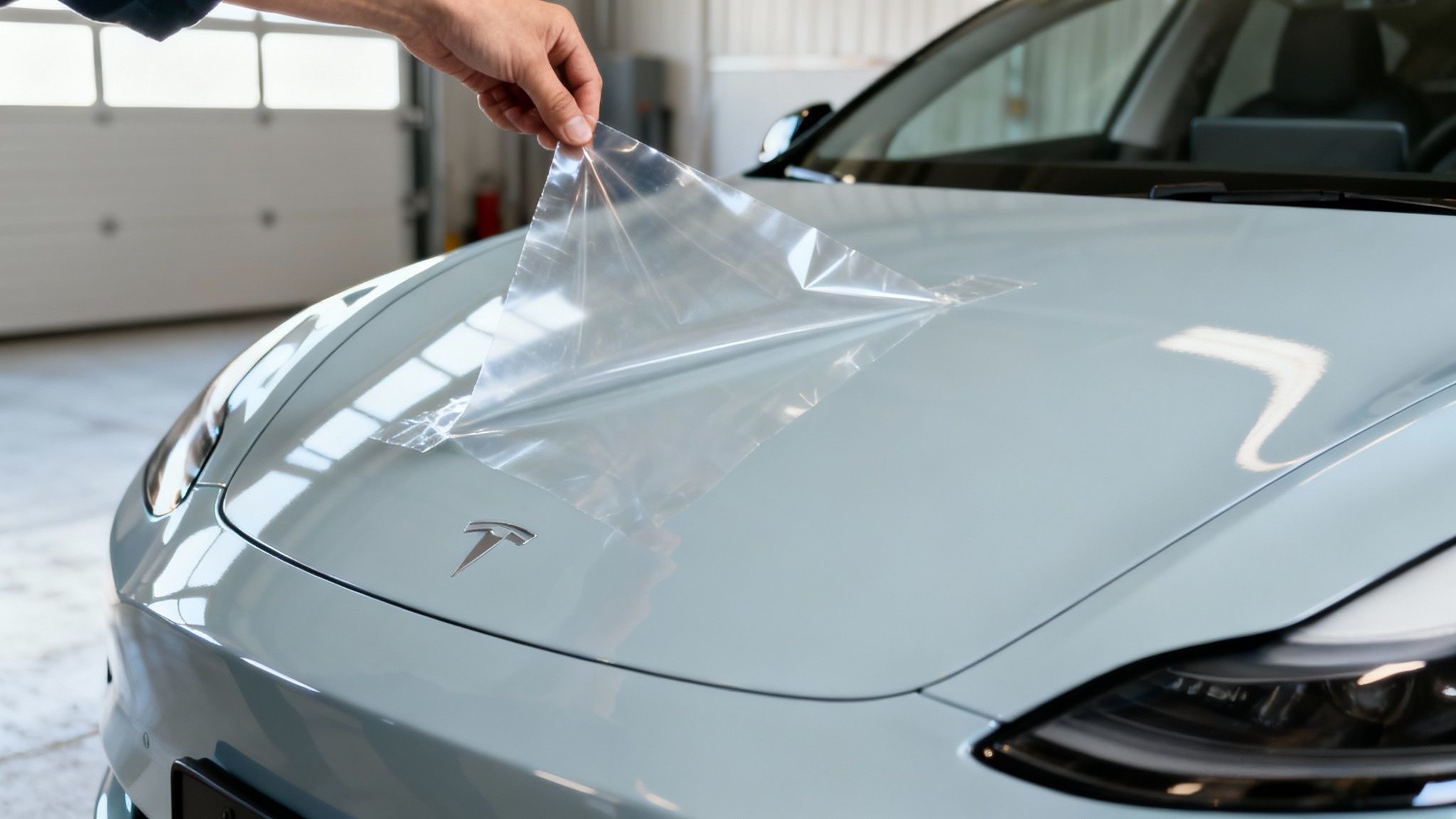
1. Paint Protection Packages
Paint protection packages are among the most common extras offered by dealerships. These products are usually marketed as a way to preserve a vehicle’s exterior finish by protecting against environmental damage, stains, fading, scratches, and contaminants.
Sales representatives often explain that maintaining a perfect paint condition will help the vehicle retain more value over time. While keeping a car’s exterior in good shape is important, paying a premium for a dealership paint protection package rarely produces a direct increase in resale value.
One reason these packages often fail to add value is that used car buyers typically evaluate the condition of the vehicle rather than whether it received a specific paint treatment.
A buyer looking at a five-year-old car is more likely to consider factors such as whether the paint looks clean, whether there are dents or scratches, how well the vehicle was maintained, and whether the mechanical components are in good condition. The original purchase of a protection package usually does not carry much weight in negotiations.
Another issue is that many paint protection products are sold at prices much higher than their actual market value. Dealerships often bundle these services into financing agreements, making the additional cost less noticeable because it is spread across monthly payments.
However, the total amount paid can become significant. When the vehicle is eventually sold, the owner may discover that the thousands spent on protection did not increase the car’s market price by a similar amount.
That said, maintaining a vehicle’s exterior can still help preserve resale value indirectly. A car with clean paint, fewer scratches, and a well-kept appearance can attract more buyers and create a better impression.
The important distinction is that the condition of the vehicle matters, not necessarily the expensive package purchased from the dealership. Owners can often achieve similar results through regular washing, proper maintenance, and affordable detailing services.
For buyers considering a paint protection option, the decision should be based on personal preference rather than expected resale returns.
If someone plans to keep a vehicle for many years and wants easier cleaning or additional exterior protection, the product may provide personal value. However, if the goal is strictly improving resale value, the money may be better spent on routine maintenance, repairs, quality tires, or keeping detailed service records.
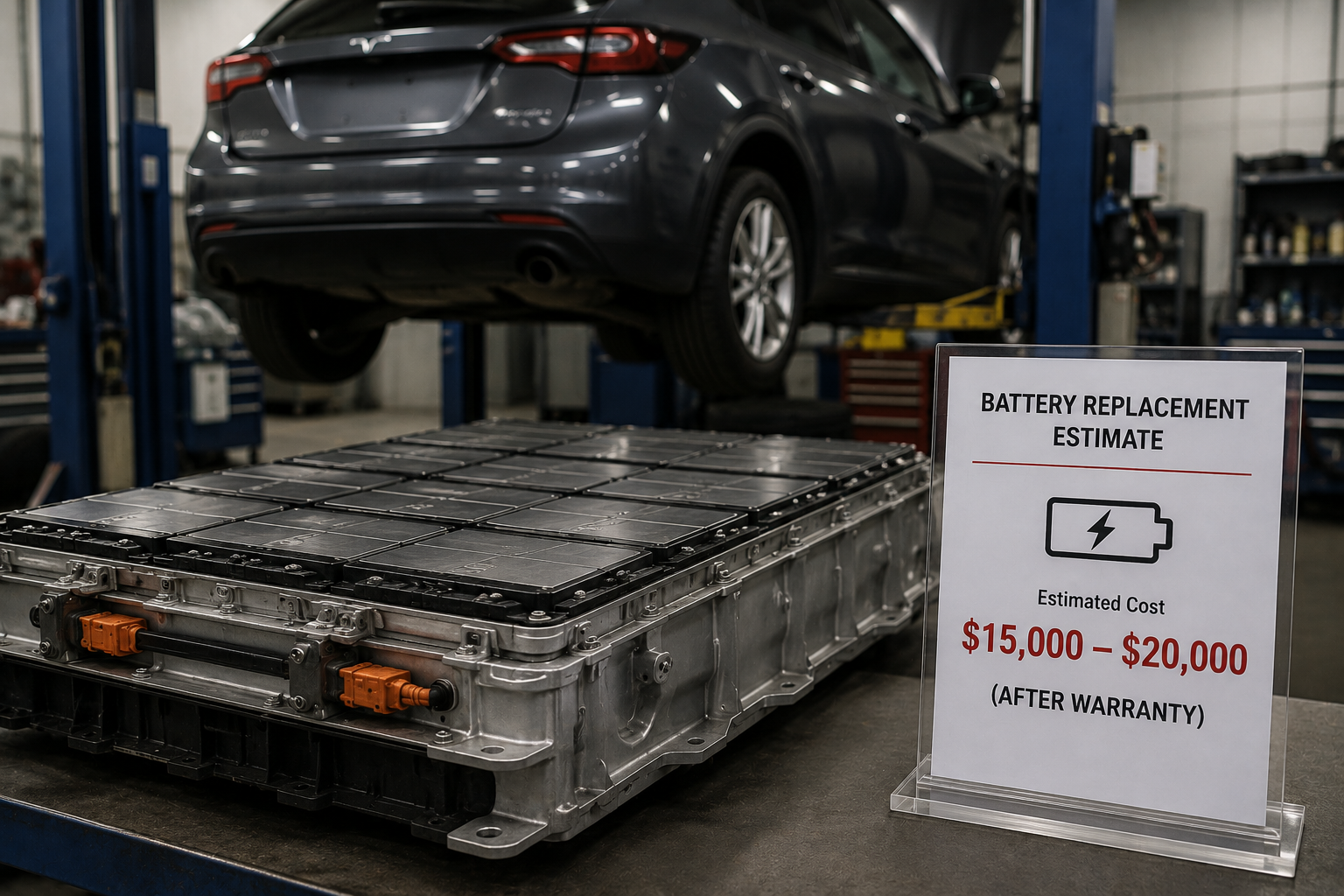
2. Extended Warranty Packages Purchased for Resale Benefits
Extended warranties are another popular dealership add-on that can be difficult to evaluate. Dealers often present these plans as a way to protect against expensive repairs and sometimes suggest that having additional coverage will make the vehicle more attractive to future buyers.
While an active warranty can occasionally be a selling point, purchasing an extended warranty primarily to increase resale value is usually not financially effective.
The main reason is that resale value depends heavily on the vehicle’s reputation, reliability history, and condition rather than on the existence of a separate warranty contract.
Many used car buyers do appreciate remaining factory warranty coverage, especially on newer vehicles. However, dealership extended warranties may have limitations, transfer rules, deductibles, and coverage exclusions that make them less valuable to the next owner than expected.
In many cases, the original buyer pays a large amount for an extended warranty but does not receive a matching increase in resale price.
A future buyer may view the warranty as a small advantage, but they are unlikely to pay thousands more simply because the vehicle has additional coverage. The market value of the car is still determined mostly by the vehicle itself, including its age, mileage, reliability, and demand.
There are situations where warranty coverage can help a vehicle sell faster. For example, a buyer comparing two similar used vehicles may prefer the one with remaining coverage because it reduces concerns about unexpected repair costs.
However, this advantage is usually limited and should not be confused with a significant increase in value. A warranty may improve buyer confidence, but it rarely changes the fundamental price of the vehicle.
When deciding whether to purchase an extended warranty, buyers should consider their ownership plans, expected repair costs, and personal comfort with risk. It can be useful for some owners, especially those keeping a vehicle beyond the original warranty period. However, it should be viewed as a protection product rather than an investment designed to increase resale value.
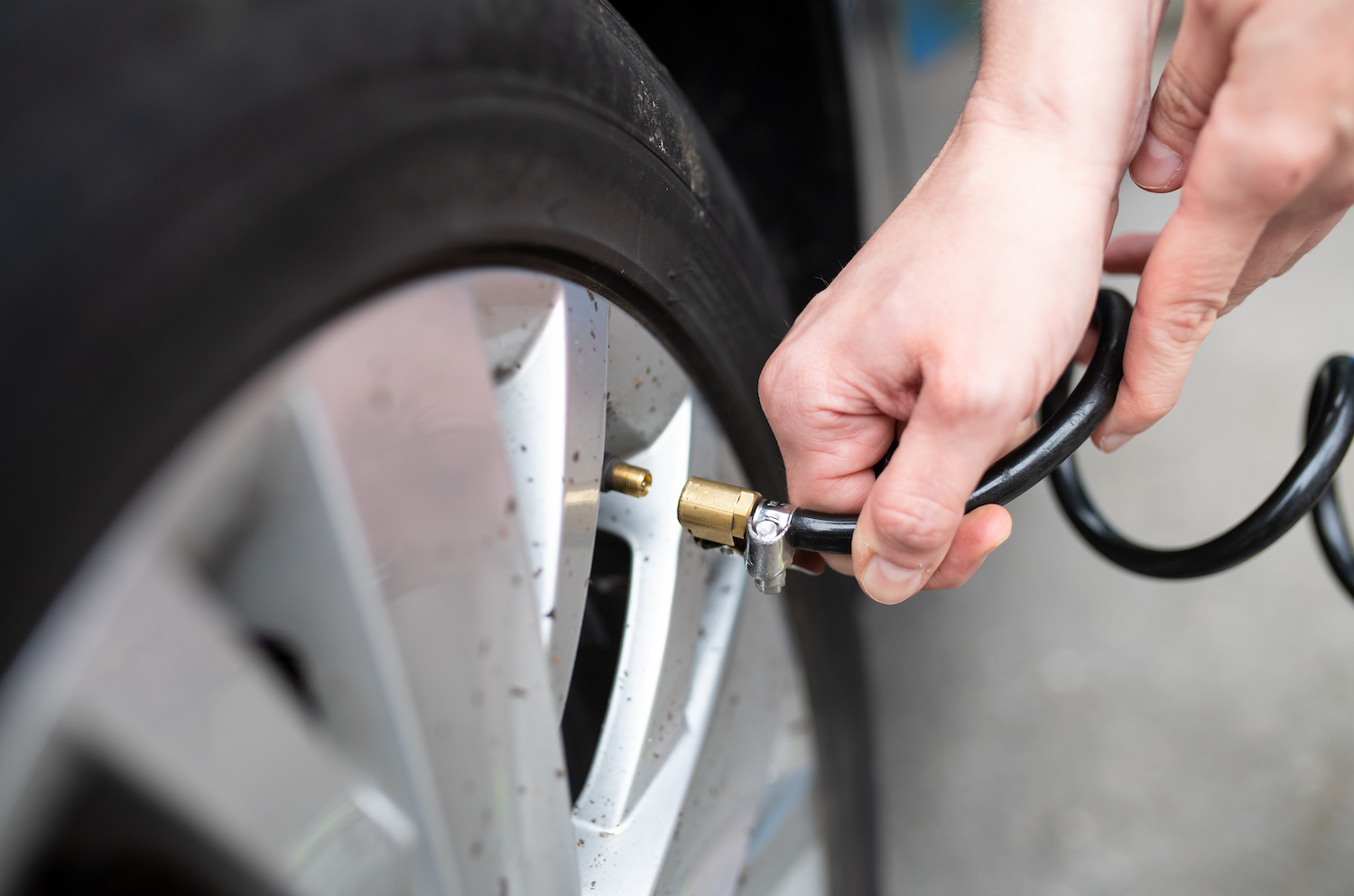
3. Nitrogen-Filled Tires
Nitrogen-filled tires are a dealership option that has received significant attention over the years. Sales teams often explain that nitrogen can help maintain tire pressure longer, improve fuel efficiency, reduce tire wear, and extend tire life.
While nitrogen does have some technical advantages in certain applications, the resale benefits of paying extra for nitrogen-filled tires are extremely limited.
Most everyday vehicles do not experience dramatic improvements from nitrogen compared with properly maintained regular air-filled tires. The biggest factor affecting tire performance and lifespan is maintaining the correct tire pressure. A vehicle with regularly checked and properly inflated tires will generally perform better than one with nitrogen-filled tires that are neglected.
Used car buyers rarely consider nitrogen-filled tires when determining what a vehicle is worth.
They are usually more interested in whether the tires have enough tread remaining, whether they are from a reputable manufacturer, and whether the vehicle has been properly maintained. The presence of nitrogen in the tires does not usually influence purchase decisions or increase offers from dealerships.
Another factor is that nitrogen does not remain completely separate from normal air over time. Tires can still lose pressure, and owners may need to add regular air if nitrogen is unavailable. This means the long-term benefits may not justify the additional cost for many drivers.
For someone purchasing a new car, nitrogen-filled tires may be a minor convenience, but they should not be viewed as a resale-enhancing upgrade. Spending money on quality tires when replacements are needed will usually provide a much greater impact on vehicle value and ownership experience.
Also Read: 10 Heaviest Pickup Trucks Ever Built & Ranked by Weight
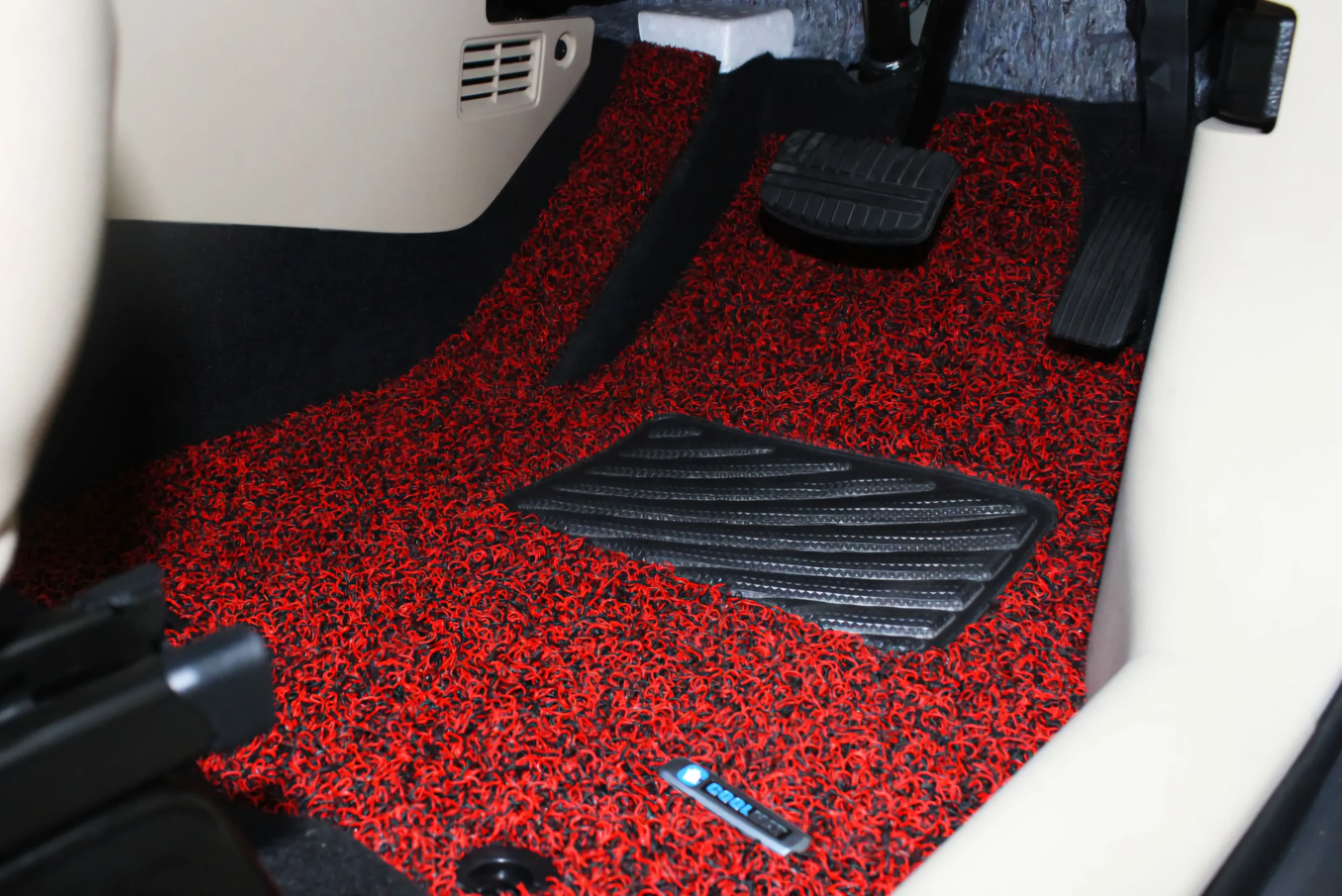
4. Dealer-Installed Floor Mats and Protection Packages
Floor mats and interior protection packages are frequently offered as dealership extras. They may include upgraded carpet mats, all-weather liners, fabric treatments, leather protection, and other interior care products. Although keeping the cabin clean can improve the appearance of a used vehicle, these additions usually do not increase resale value enough to recover their original cost.
Many vehicles already include basic floor mats from the manufacturer, and aftermarket alternatives are widely available at lower prices.
When selling a used car, buyers generally expect normal wear on interior materials. They may appreciate a clean and well-maintained cabin, but they typically do not pay significantly more because the original owner purchased an expensive protection package.
Interior condition does play an important role in resale value. A vehicle with stained seats, damaged upholstery, unpleasant odors, or excessive wear can lose appeal. However, the value comes from maintaining the condition rather than from the specific product applied to the interior years earlier.
Dealership interior protection packages are often priced much higher than similar products available elsewhere. The convenience of having them installed during purchase can be appealing, but the financial return is usually low.
Buyers should consider whether they are paying for genuine long-term benefits or simply paying dealership pricing for commonly available products.
If protecting the interior is a priority, owners can often achieve excellent results through regular cleaning, careful use, and affordable protective accessories. Keeping records of maintenance and preserving the vehicle’s condition will usually have a stronger effect on resale than any interior add-on purchased at the dealership.
5. Wheel and Tire Upgrades That Do Not Match Demand
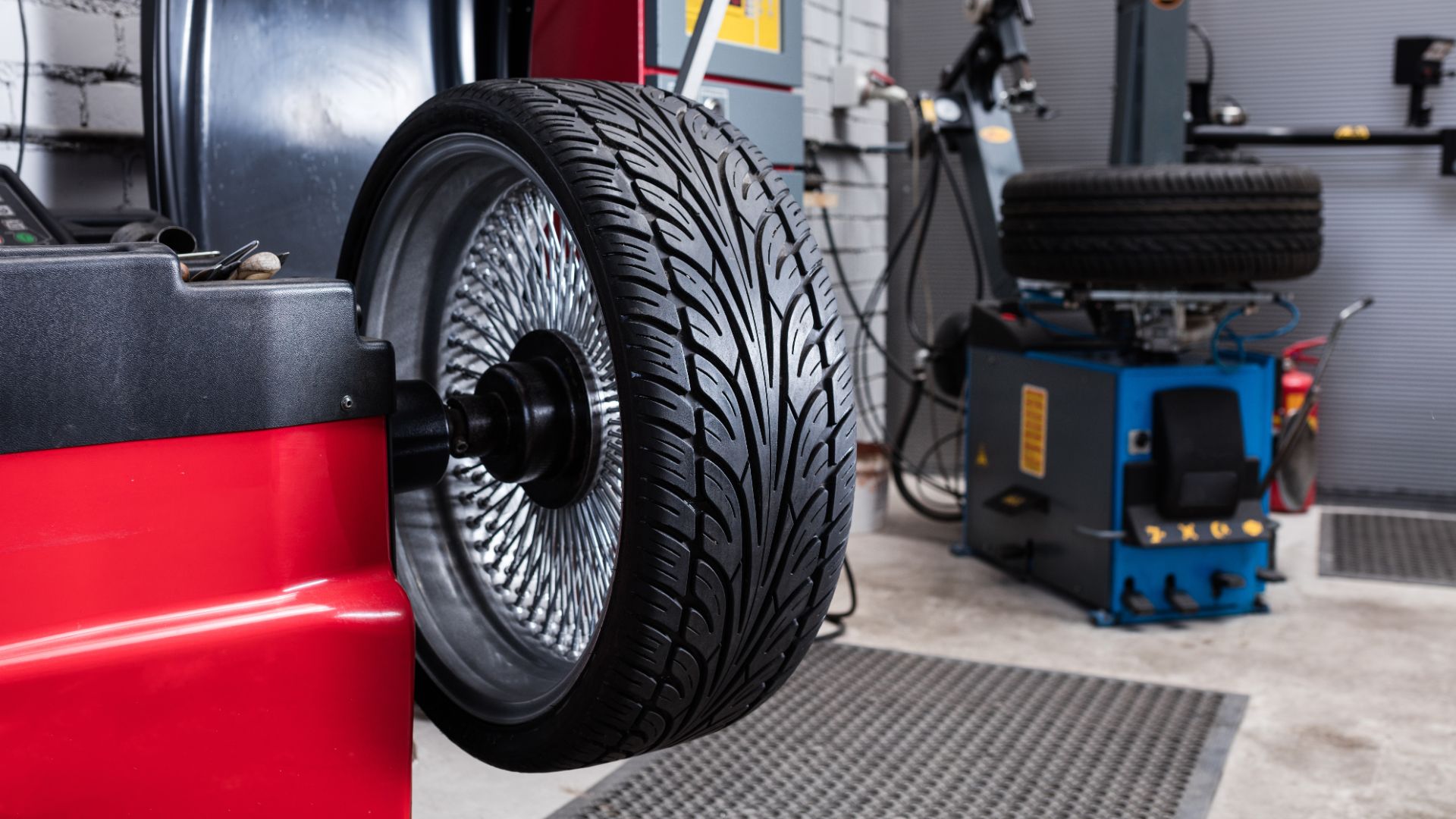
Custom wheels and upgraded tire packages are a category of dealer options that often fail to deliver a strong return when a vehicle is sold.
Many dealerships promote larger wheels, sport-style designs, premium finishes, or upgraded tire packages as ways to make a vehicle look more attractive. While these changes can improve the appearance of a car, appearance upgrades do not always translate into higher resale value.
One major reason is that vehicle buyers have different preferences when shopping for used cars. A wheel design that one person considers attractive may not appeal to a new buyer.
Unlike factory-installed options that are designed specifically for a particular model, aftermarket-style upgrades can sometimes reduce the pool of interested buyers. Some people may prefer the original factory appearance because they value reliability, comfort, and easy maintenance over customization.
Large wheels, in particular, can be a mixed investment. They may give a vehicle a more aggressive appearance, but they can also come with disadvantages such as higher replacement costs, reduced ride comfort, and increased risk of damage from potholes or rough roads. Used car shoppers who prioritize practicality may actually prefer standard wheels with tires that are easier and cheaper to replace.
Another problem is that dealerships often charge premium prices for wheel upgrades that have limited market value later. The original owner may pay a significant amount for upgraded wheels, but when the car is sold several years later, buyers usually evaluate the vehicle as a complete package rather than assigning a separate value to the wheels.
The upgrade may help the car look better in photos or during a viewing, but it rarely increases the final selling price by a similar amount.
This does not mean all wheel and tire upgrades are poor choices. Some factory performance packages or popular options can improve desirability, especially on enthusiast vehicles.
However, buyers should be careful about paying extra for cosmetic wheel upgrades while expecting a financial return. The best upgrades are usually those that improve functionality, reliability, or match what buyers in that vehicle category actually want.
6. VIN Etching and Theft Protection Add-Ons
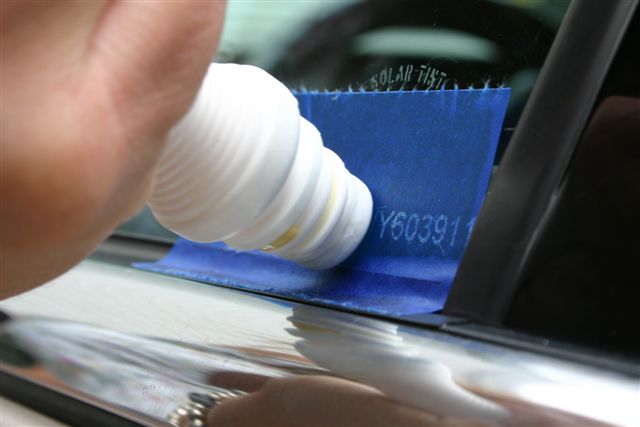
VIN etching and theft protection products are commonly presented by dealerships as security measures that can help protect a vehicle from theft.
These services usually involve marking the vehicle identification number on windows or other parts of the vehicle. Dealerships may suggest that these features improve security and could make the vehicle more attractive to future buyers.
Although theft prevention is a reasonable concern, these products rarely add meaningful resale value. Most used car buyers do not consider VIN etching when comparing vehicles, and dealerships generally do not increase trade-in offers because a previous owner purchased this type of protection. The presence of the feature usually has little impact on the market value of the vehicle.
The limited resale impact comes from the fact that buyers focus on more important ownership factors. They are typically concerned about the vehicle’s condition, service history, reliability, mileage, accident records, and ownership history. Security markings may provide some peace of mind, but they are not usually a deciding factor during a purchase.
One concern is that some dealership theft protection packages are sold at prices that exceed the actual value of the service. Because the cost is often included in financing, buyers may not immediately notice how much they are paying for a feature that provides limited financial benefit later.
If theft protection is important, owners can explore a variety of security measures based on their needs and location. However, they should understand that preventing theft and increasing resale value are two separate goals. A security feature may provide personal reassurance without creating additional market value when the vehicle is sold.

7. Dealer-Installed Remote Starters and Accessories
Remote starters and other convenience accessories can make daily driving more comfortable, especially for people who live in areas with extreme temperatures.
Being able to warm up a vehicle during cold weather or cool down the interior before entering on a hot day can be a useful feature. However, dealership-installed convenience accessories often do not provide a strong return when it comes to resale value.
The main challenge is that used car buyers rarely calculate the value of individual accessories when determining what they are willing to pay.
A remote starter may be appreciated by a potential buyer, but it usually does not add hundreds or thousands of dollars to the vehicle’s selling price. Buyers generally compare the entire vehicle, including its age, mileage, condition, and features offered by competing models.
Factory-installed technology usually has a stronger effect on resale than dealer-installed accessories. Modern vehicles often come with integrated systems controlled through the manufacturer’s software and electronics. Aftermarket or dealer-added systems may raise questions about installation quality, long-term reliability, or compatibility with the vehicle’s electrical system.
Poorly installed accessories can even have the opposite effect. Future buyers may worry about wiring issues, battery problems, or modifications that could create maintenance concerns. A professionally installed system from a reputable provider may avoid these issues, but it still does not guarantee a significant increase in resale value.
For owners who plan to keep their vehicle for many years, convenience accessories can be worthwhile because they improve everyday comfort. The key is understanding that personal enjoyment and resale value are different considerations. A feature that makes your ownership experience better does not automatically become a valuable selling point later.
8. Appearance Packages and Cosmetic Dealer Add-Ons
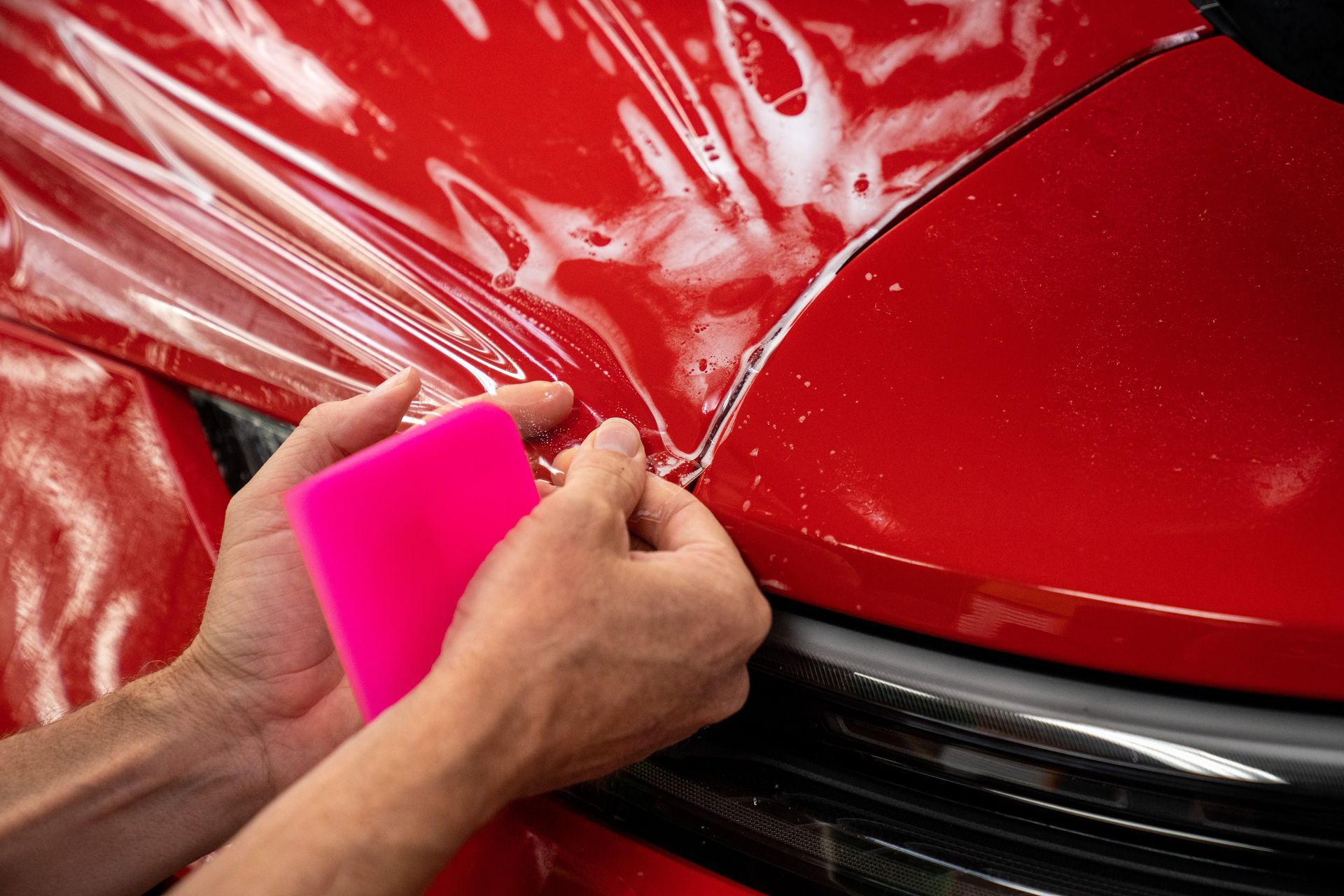
Appearance packages are among the most common dealership upgrades offered to buyers. These packages may include items such as upgraded trim pieces, decorative accents, body graphics, chrome accessories, spoilers, badges, or exterior styling enhancements. They are designed to make a vehicle stand out, but they often provide little improvement in resale value.
The used car market generally rewards vehicles that are clean, well-maintained, and desirable in their original configuration.
While some buyers appreciate cosmetic upgrades, many prefer a factory appearance because it feels more authentic and is easier to maintain. Personal styling choices made by the original owner may not match the preferences of future buyers.
One issue is that appearance packages often have a high markup at dealerships. A few accessories that may cost relatively little to manufacture can become expensive additions when bundled into a vehicle purchase agreement. Years later, the resale market does not usually recognize the original price paid for these cosmetic improvements.
In some cases, cosmetic modifications can even make selling a vehicle more difficult. A customized appearance may appeal strongly to one buyer while turning away another. The broader used car market tends to favor vehicles with neutral styling because they attract more potential customers.
The best approach is to choose appearance upgrades because you personally enjoy them rather than expecting them to increase your vehicle’s value.
If the upgrades make your ownership experience more enjoyable and you plan to keep the car for several years, they may be worth considering. However, buyers should avoid thinking of cosmetic dealer packages as investments.
