
Electric vehicles have become an increasingly common sight on American roads as more drivers look for ways to reduce fuel costs and lower vehicle emissions. Federal tax incentives, expanding charging networks, and advances in battery technology have all contributed to the growing popularity of electric cars.
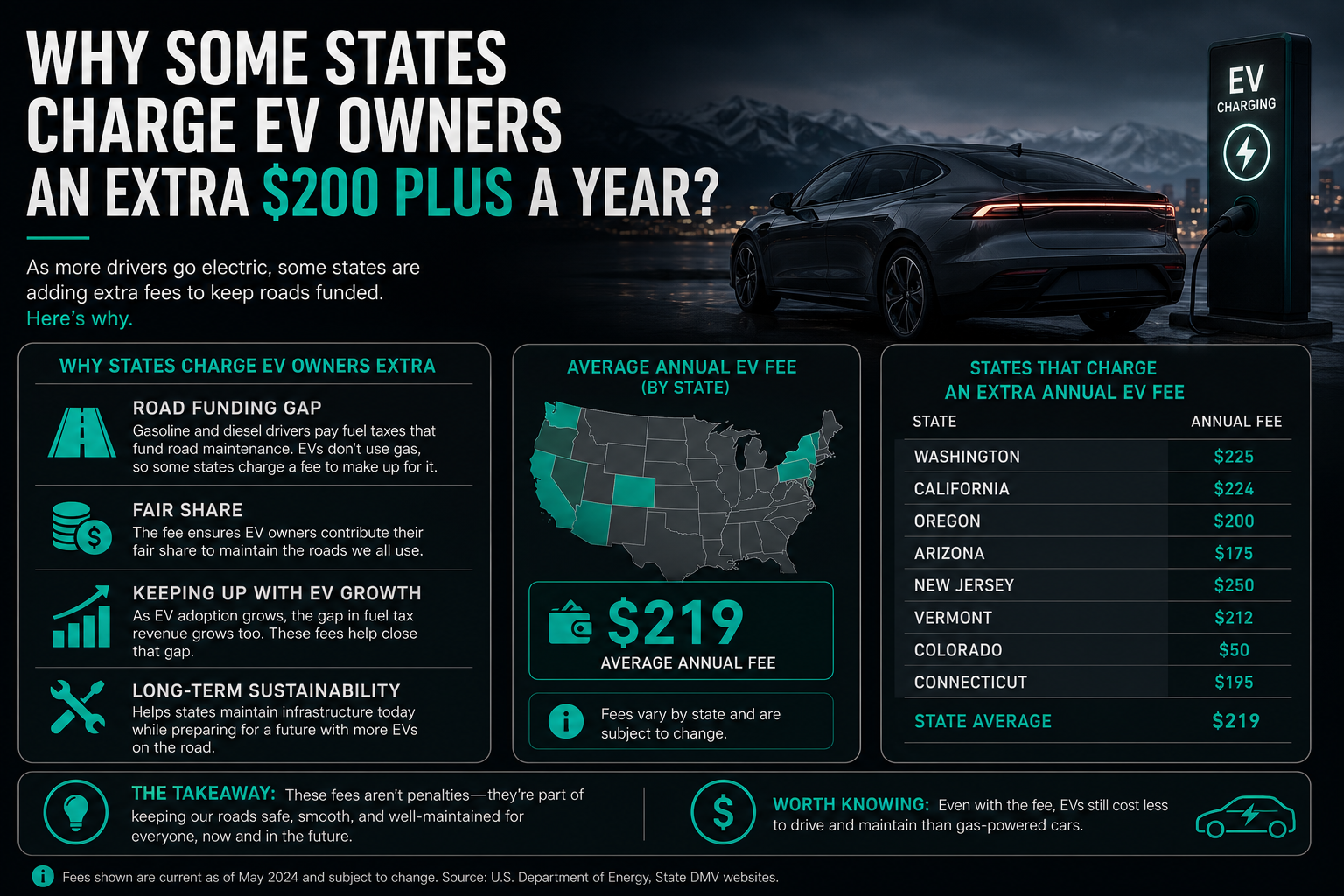
However, many new EV owners are surprised to discover that several states require them to pay an additional annual registration fee that can exceed $200. At first glance, the charge may appear to be a penalty for choosing a cleaner vehicle.
In reality, the issue is closely tied to how states pay for roads, bridges, and transportation infrastructure. Since electric vehicles do not use gasoline, their owners typically contribute little or nothing to fuel tax revenues, which have traditionally funded highway maintenance.
As more drivers transition away from gasoline-powered vehicles, lawmakers have searched for alternative ways to replace the shrinking revenue. While supporters argue that these fees create fairness among drivers, critics believe many states have set the charges too high.
Understanding why these fees exist provides valuable insight into the financial challenges facing modern transportation systems and the evolving future of road funding.
Also Read: 5 Best Ford Escape Years vs 5 to Avoid
Road Funding Has Traditionally Relied on Gasoline Taxes
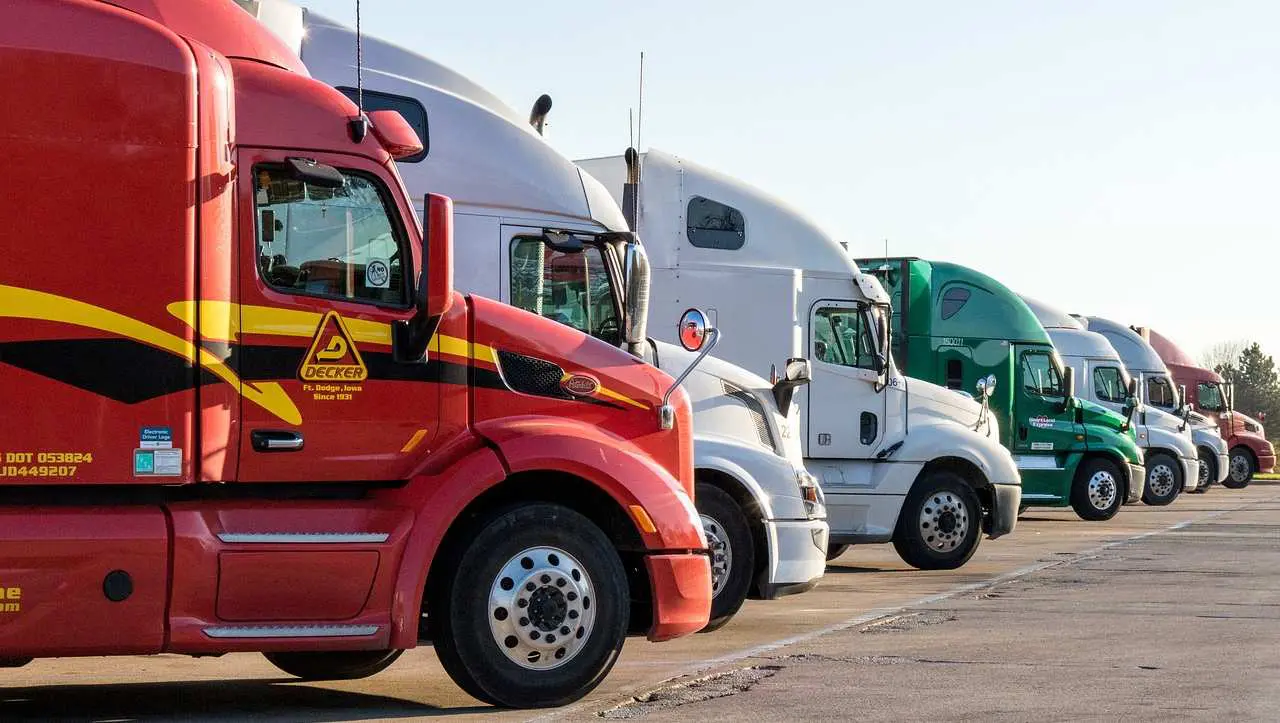
For decades, gasoline taxes have served as one of the primary sources of funding for highways, bridges, and other transportation projects across the United States.
Every time drivers purchase fuel, a portion of the price goes toward maintaining public roads. This system has worked reasonably well because drivers who use more fuel generally drive more miles and contribute more money toward infrastructure maintenance.
Electric vehicles disrupt this long-standing model. Since they operate without gasoline, their owners do not pay state fuel taxes during regular driving. Although they still use public roads just like any other motorist, their contribution to transportation funding through fuel purchases is significantly lower or nonexistent.
State governments have become increasingly concerned about declining fuel tax revenue as electric vehicle adoption continues to grow. Even highly fuel-efficient gasoline and hybrid vehicles reduce tax collections, making it more difficult to finance road improvements without finding alternative sources of income.
To address this funding gap, many states introduced annual registration fees specifically for electric vehicles. Rather than collecting money at the fuel pump, states collect it during vehicle registration renewal. The intention is to ensure that all motorists contribute something toward maintaining the roads they use.
Supporters of this approach argue that road maintenance costs continue regardless of the type of vehicle being driven.
Whether a car runs on gasoline, diesel, electricity, or another energy source, it still benefits from safe highways, repaired bridges, traffic signals, and snow removal. They believe every vehicle owner should share responsibility for these public expenses.
Why Some States Set the Fee Above $200
One of the biggest reasons these registration fees attract attention is their size. In several states, annual electric vehicle fees exceed $200, leading many owners to question whether the amount accurately reflects what they would have paid in gasoline taxes.
Lawmakers often calculate these fees by estimating how much fuel tax an average gasoline vehicle contributes each year. However, the assumptions behind those estimates can vary significantly. Some states assume relatively high annual mileage, while others include additional transportation-related charges, resulting in higher registration costs.
Another factor is the growing financial pressure on state transportation budgets. Aging infrastructure requires expensive repairs, and construction costs have increased over time because of higher labor and material expenses.
Legislators may view EV registration fees as one way to stabilize funding without raising fuel taxes for everyone.
Critics argue that flat annual fees do not account for actual driving habits. Someone who drives only a few thousand miles each year pays the same registration charge as another owner who travels several times that distance. This has led some transportation experts to suggest that fixed fees are less equitable than systems based on actual road usage.
Some states also apply different fees to battery electric vehicles and plug-in hybrid models. Because plug-in hybrids continue to purchase gasoline, they usually contribute at least some fuel tax revenue. As a result, their registration fees are often lower than those charged to fully electric vehicle owners, although the exact structure varies from one state to another.
The Debate Over Fairness and Public Policy
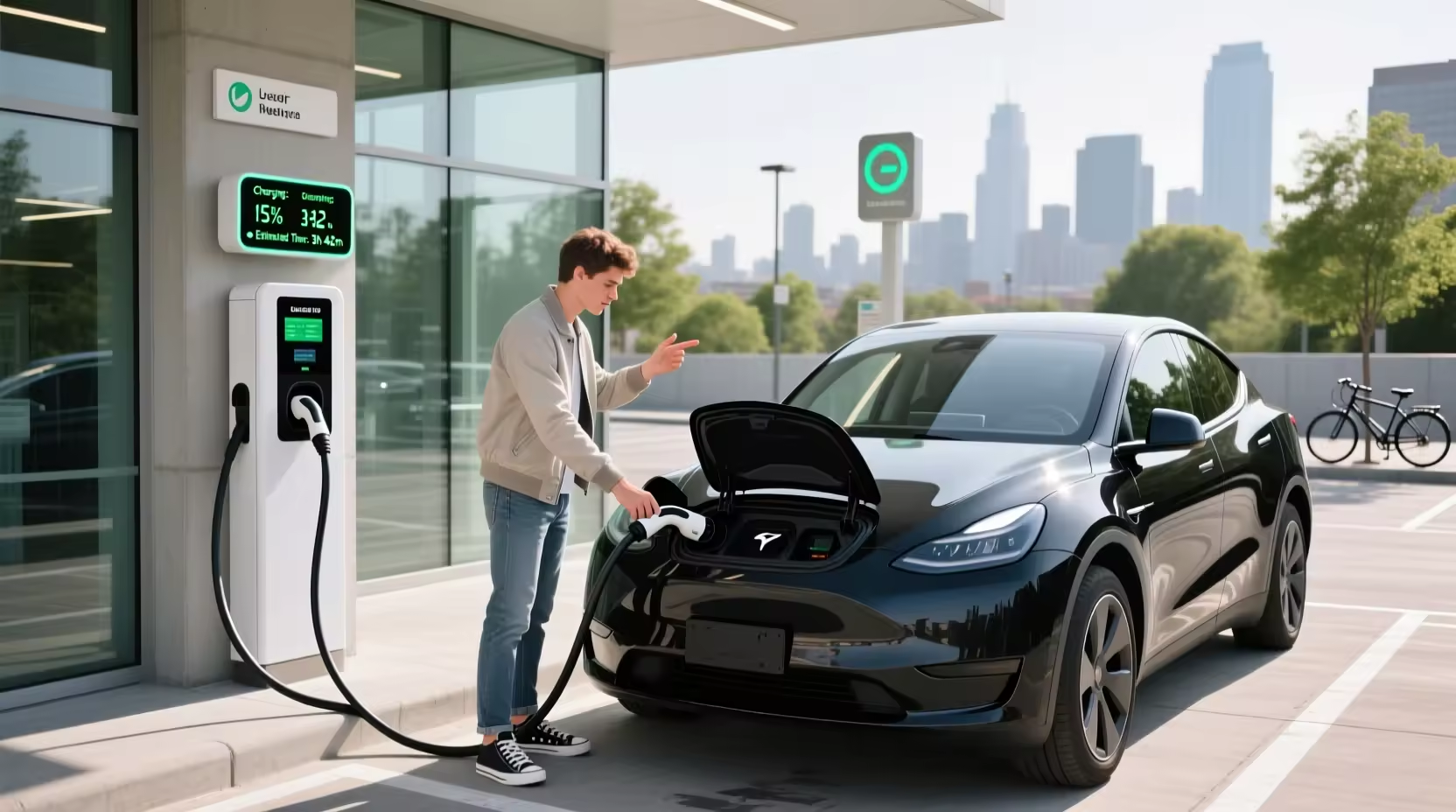
The discussion surrounding electric vehicle registration fees extends beyond simple revenue collection. It reflects broader questions about fairness, environmental policy, and the future of transportation funding.
Supporters believe these fees prevent an uneven system where gasoline vehicle owners shoulder most of the financial responsibility for maintaining public infrastructure.
Many drivers of conventional vehicles argue that paying fuel taxes every time they fill up already places them at a financial disadvantage compared with electric vehicle owners. From this perspective, annual EV registration fees help balance the contributions made by different types of motorists.
On the other hand, many electric vehicle advocates believe excessively high fees discourage consumers from purchasing cleaner vehicles. They argue that governments often promote EV adoption through tax incentives and environmental initiatives while simultaneously imposing registration costs that reduce some of the financial benefits of ownership.
Environmental organizations have also expressed concern that higher registration fees may slow the transition toward lower-emission transportation. Although the additional cost may not prevent every purchase, it could influence budget-conscious consumers comparing an electric vehicle with a gasoline-powered alternative.
Some policy experts suggest that the long-term solution lies in replacing fuel taxes altogether. Instead of charging drivers based on gasoline consumption or vehicle type, governments could eventually adopt road usage systems that measure how many miles each vehicle travels.
Such an approach would require every driver to contribute according to actual road use, regardless of how the vehicle is powered.
Also Read: 5 Best Honda Accord Years vs 5 to Avoid
Economic Impact on EV Owners and State Governments
For many drivers, an annual registration fee of more than $200 may not seem overwhelming at first. However, when combined with insurance, charging costs, routine maintenance, and other ownership expenses, it becomes a factor to consider before purchasing an electric vehicle.
Buyers often compare the long-term savings from avoiding gasoline with the additional registration costs required by their state.
Even with higher registration fees, many electric vehicle owners still spend less on operating costs than drivers of traditional gasoline vehicles.
Electricity is generally less expensive than gasoline on a cost-per-mile basis, and electric vehicles typically require fewer routine maintenance services because they have fewer moving mechanical parts. These savings can offset the annual fee over time, depending on driving habits and local electricity prices.
From the perspective of state governments, the extra registration fee represents an attempt to protect transportation budgets from declining fuel tax revenue.
As more electric vehicles enter the market, the amount collected through gasoline taxes gradually decreases. Without an alternative funding source, states could struggle to maintain roads, repair bridges, and support future infrastructure projects.
Population growth also places additional pressure on transportation systems. More vehicles on the road mean greater wear on highways, increased traffic management needs, and rising construction costs. Governments must balance these financial demands while adapting to changes in vehicle technology and consumer preferences.
Some economists believe the current registration fee model is only a temporary solution. As electric vehicles continue to gain market share, states may eventually redesign the entire transportation funding system.
Future policies could include mileage-based user fees, congestion pricing in heavily traveled areas, or other methods that spread infrastructure costs more evenly across all drivers.
What the Future Could Look Like
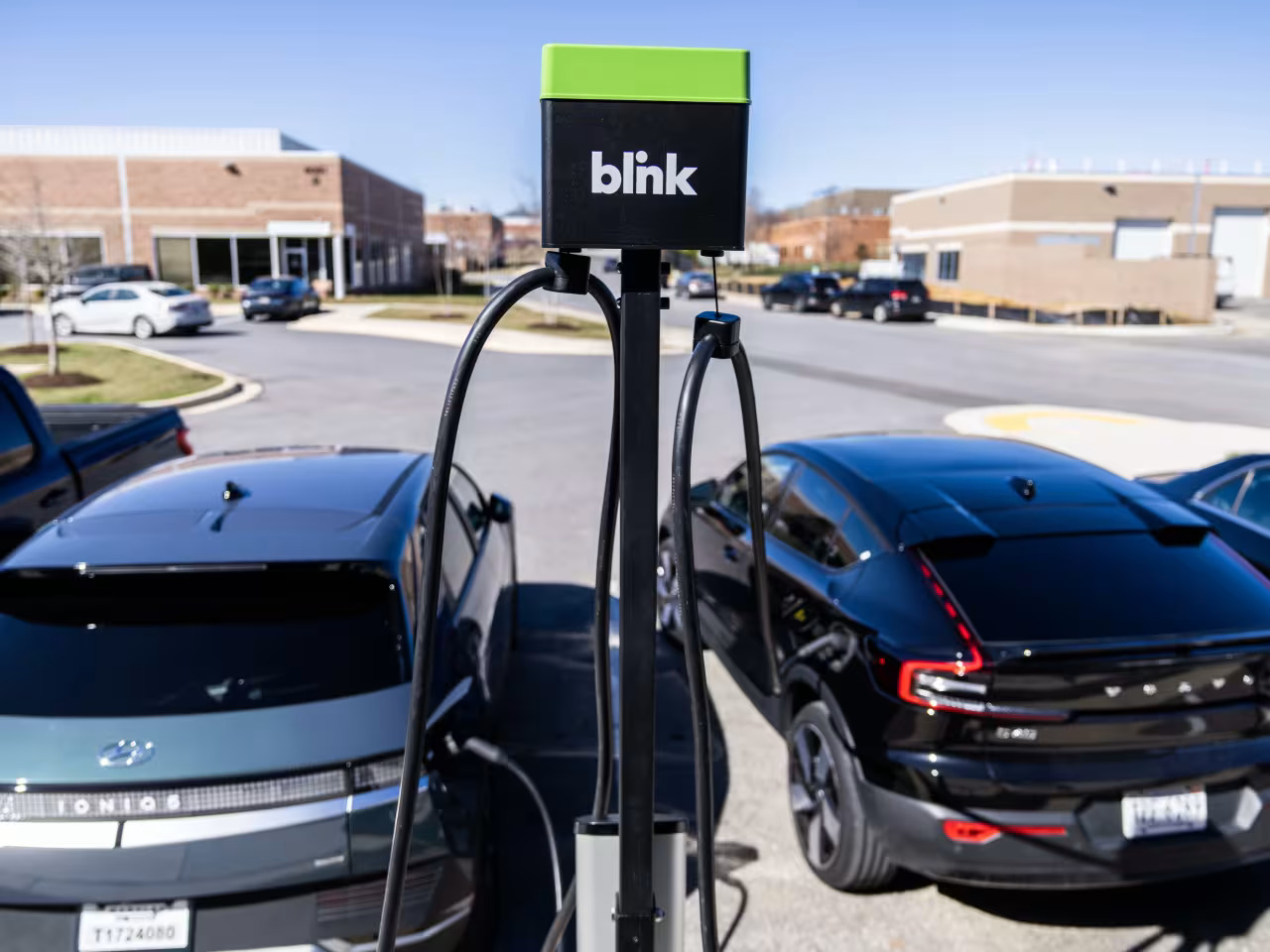
The rapid growth of electric vehicles has prompted policymakers to rethink how transportation infrastructure should be funded in the coming decades.
Fuel taxes served states well for many years, but they were designed for a time when nearly every vehicle relied on gasoline or diesel. As cleaner transportation options become more common, governments will need funding systems that remain effective regardless of the energy source powering a vehicle.
Mileage-based road usage charges are among the most frequently discussed alternatives. Under this approach, drivers would pay according to the number of miles they travel rather than the amount of fuel they purchase.
Supporters argue that this system would treat gasoline, hybrid, and electric vehicle owners more equally because every motorist would contribute based on actual road use.
Technology may make these systems easier to administer in the future. Digital odometer reporting, secure mobile applications, or periodic vehicle inspections could simplify mileage verification while reducing administrative costs.
At the same time, lawmakers would need to address concerns about privacy, data security, and implementation expenses before introducing such programs on a large scale.
States could continue collecting modest registration fees while reducing their dependence on fuel taxes. Additional revenue could come from vehicle registration, toll roads, or other transportation-related sources that reflect changing travel patterns and evolving vehicle technology.
For consumers, understanding these policies is becoming increasingly important. Electric vehicles continue to offer environmental benefits, lower operating costs, and impressive technological advancements. However, ownership also involves state-specific expenses that vary across the country.
Prospective buyers should evaluate the complete cost of ownership, including registration fees, charging expenses, insurance, maintenance, and available incentives, before making a purchase decision.
