
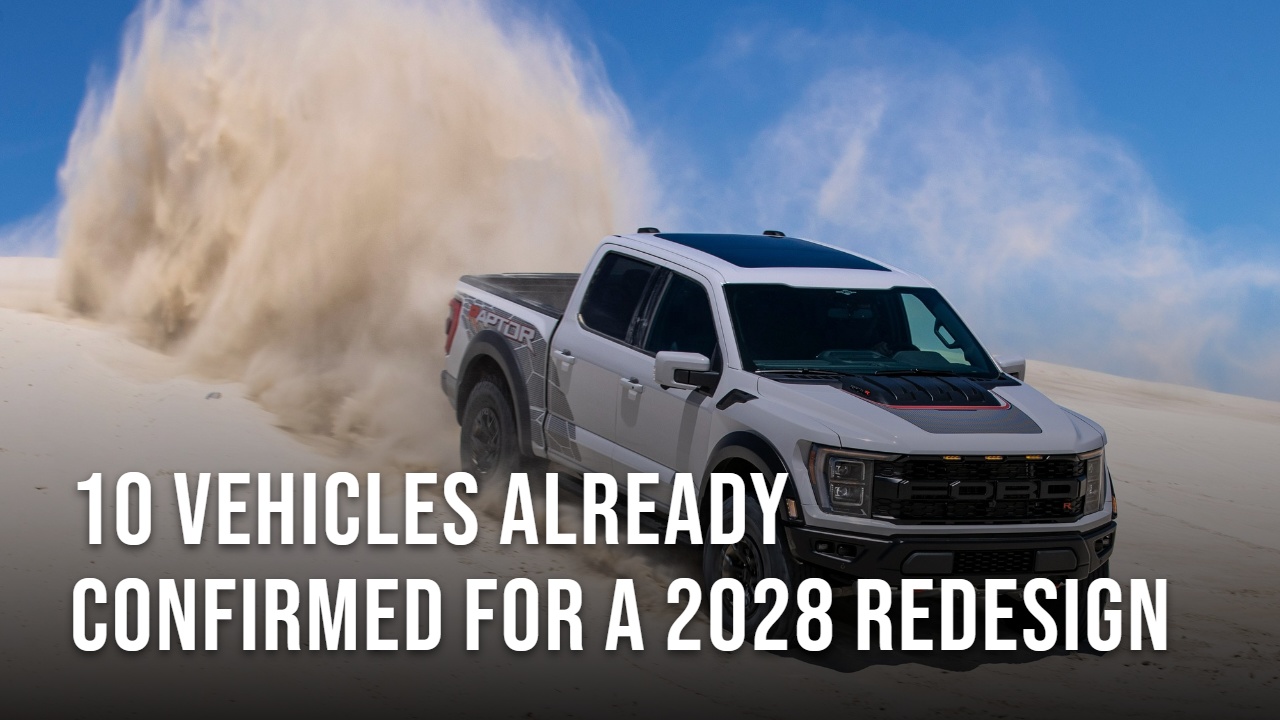
The automotive industry is constantly changing as manufacturers update their models to meet new customer expectations, technology standards, safety demands, and environmental goals.
Vehicle redesigns usually represent major turning points for brands because they introduce fresh styling, updated platforms, improved performance, and advanced features that help a model remain competitive for years.
Several automakers have already confirmed plans for vehicles receiving major redesigns for the 2028 model year, creating interest among buyers who want to understand what future cars, trucks, and SUVs may offer.
A redesign often means much more than a simple appearance update. Manufacturers may introduce new engines, electric powertrains, improved interiors, better connectivity systems, and stronger safety technology.
The 2028 redesign cycle is expected to bring important changes across multiple segments, including family SUVs, pickup trucks, performance vehicles, and luxury models. These upcoming vehicles show how automakers are preparing for changing transportation trends while maintaining the identity that made their current versions successful.
This article looks at 10 vehicles already confirmed or strongly planned for a 2028 redesign, highlighting what drivers can expect from these future models and why they matter in the automotive market.
Also Read: 5 Best Toyota RAV4 Years vs 5 to Skip
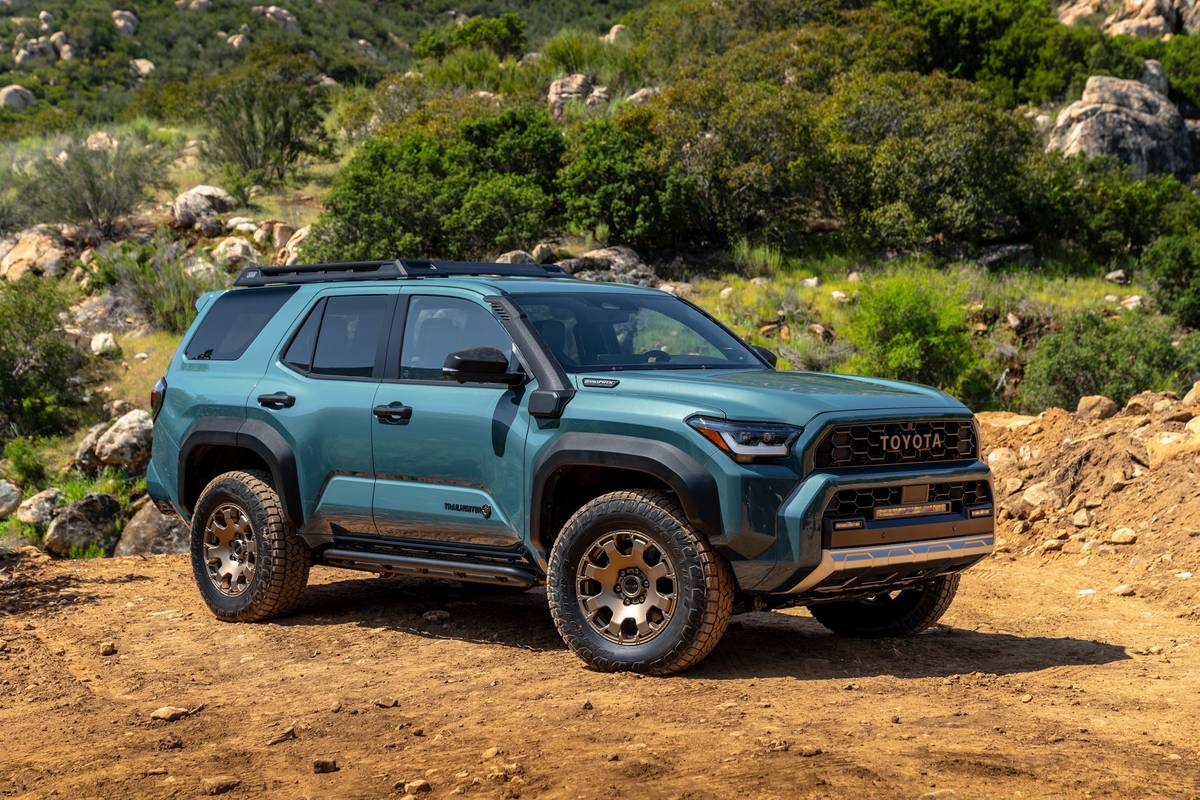
- Engine: 2.4-liter turbocharged four-cylinder engine; available i-FORCE MAX hybrid system
- Horsepower: Up to 326 hp (hybrid version)
- Torque: Up to 465 lb-ft
- Length: Approximately 194.9 inches
- Width: Approximately 77.9 inches
1. Toyota 4Runner
The Toyota 4Runner has built a strong reputation as a rugged SUV designed for drivers who value durability, off-road capability, and long-term reliability.
The current generation introduced major changes with a modern platform and updated technology, but Toyota’s future plans indicate that the model will continue evolving as customer demands shift toward improved efficiency and advanced features. A future 2028 redesign could represent another major step in the SUV’s development.
Toyota has traditionally followed long product cycles with vehicles such as the 4Runner, allowing each generation to remain competitive for many years.
A redesign for 2028 would likely focus on improving efficiency while maintaining the vehicle’s adventure-focused character. Buyers expect the 4Runner to keep its body-on-frame construction, which provides strength for towing, off-road driving, and challenging terrain.
The next redesign may bring additional electrification options as Toyota expands hybrid technology throughout its lineup. The company has already introduced hybrid systems across several trucks and SUVs, showing a clear direction toward balancing power with better fuel economy.
A future 4Runner could benefit from a more advanced hybrid setup while keeping the capability that attracts outdoor enthusiasts.
Toyota is expected to place greater emphasis on cabin technology in future models. Potential upgrades include larger digital displays, more sophisticated safety and driver-assistance systems, premium interior finishes, and enhanced connectivity features. As demand grows for vehicles that seamlessly integrate with everyday digital life, Toyota will likely continue refining the interior experience through innovative and user-focused technologies.
The 2028 4Runner redesign could strengthen Toyota’s position in the midsize SUV category. With competitors adding more technology and electrified powertrains, the next generation will need to combine traditional toughness with modern expectations.
The vehicle’s reputation gives Toyota a strong foundation, but future updates will determine how well it competes in a changing market.
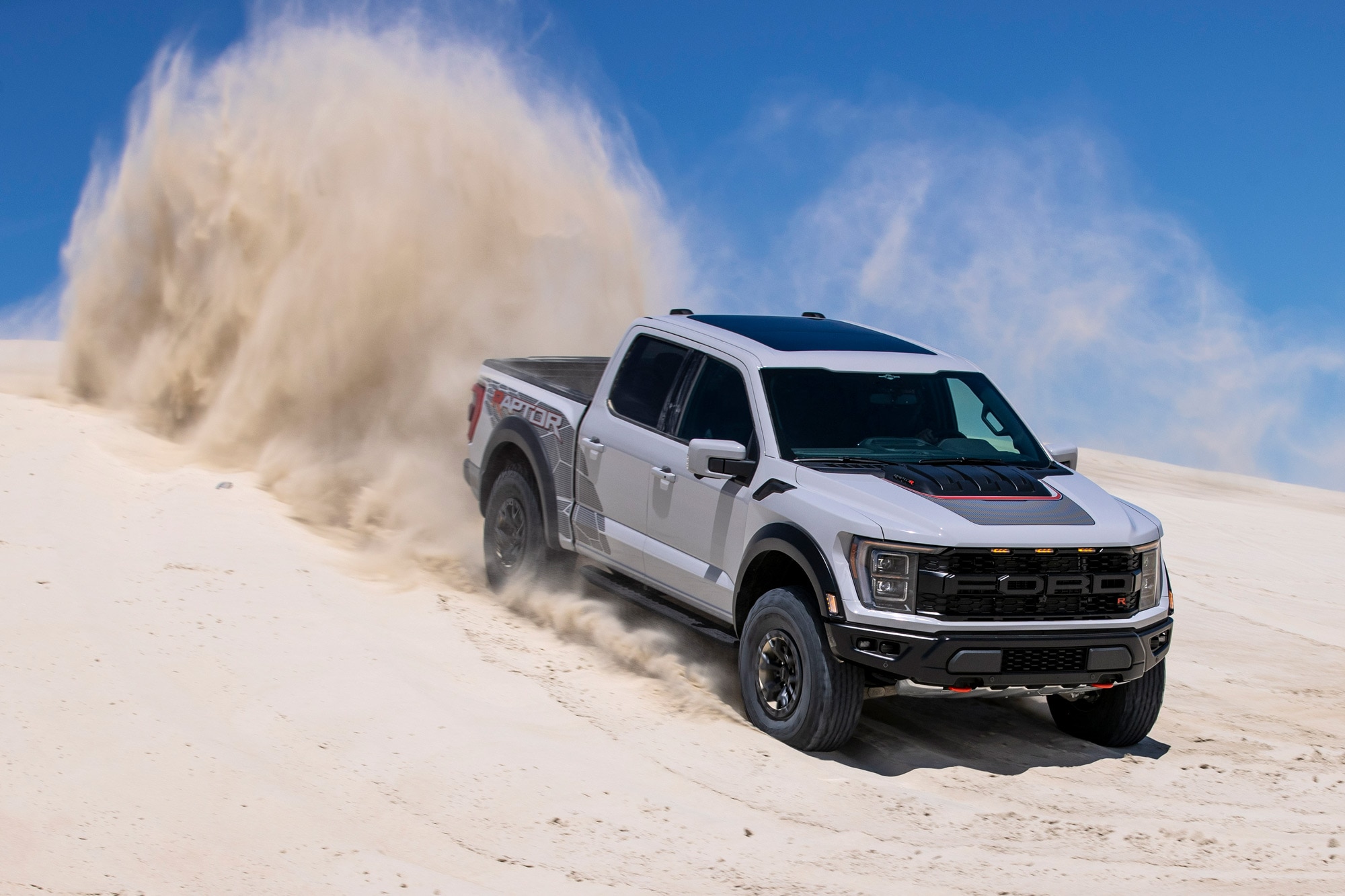
- Engine: Multiple options including 2.7-liter EcoBoost V6, 3.5-liter EcoBoost V6, 5.0-liter V8, and hybrid powertrain
- Horsepower: Up to 430 hp (PowerBoost hybrid)
- Torque: Up to 570 lb-ft
- Length: Approximately 209.1 inches to 243.5 inches, depending on cab and bed configuration
- Width: Approximately 79.9 inches
2. Ford F-150
The Ford F-150 has remained a dominant pickup truck for decades, serving customers ranging from construction workers to families seeking a capable daily vehicle. A redesign planned around 2028 would represent an important moment for Ford as the truck market continues moving toward electrification, improved efficiency, and advanced software features.
Ford has regularly updated the F-150 through new generations and major refreshes, keeping the truck competitive against rivals. A future redesign could introduce a more advanced platform designed to support multiple powertrain options, including traditional engines, hybrids, and electric systems. This flexibility would allow Ford to meet different customer needs.
The electric truck market has created new competition, pushing manufacturers to rethink pickup design. A 2028 F-150 redesign may include lessons learned from Ford’s electric truck programs while preserving the practical features buyers expect. Range improvements, faster charging, and better battery efficiency could become major priorities.
The cabin is also expected to receive significant attention. Pickup buyers now demand premium interiors with comfortable seating, advanced screens, and useful technology. Future F-150 models could include more personalized digital systems, improved storage solutions, and enhanced driver assistance features.
Ford’s challenge will be maintaining the F-150’s traditional strengths while adapting to future expectations. The truck’s success has always come from versatility, and the 2028 redesign will likely focus on making it more efficient, connected, and capable without losing the qualities that made it popular.
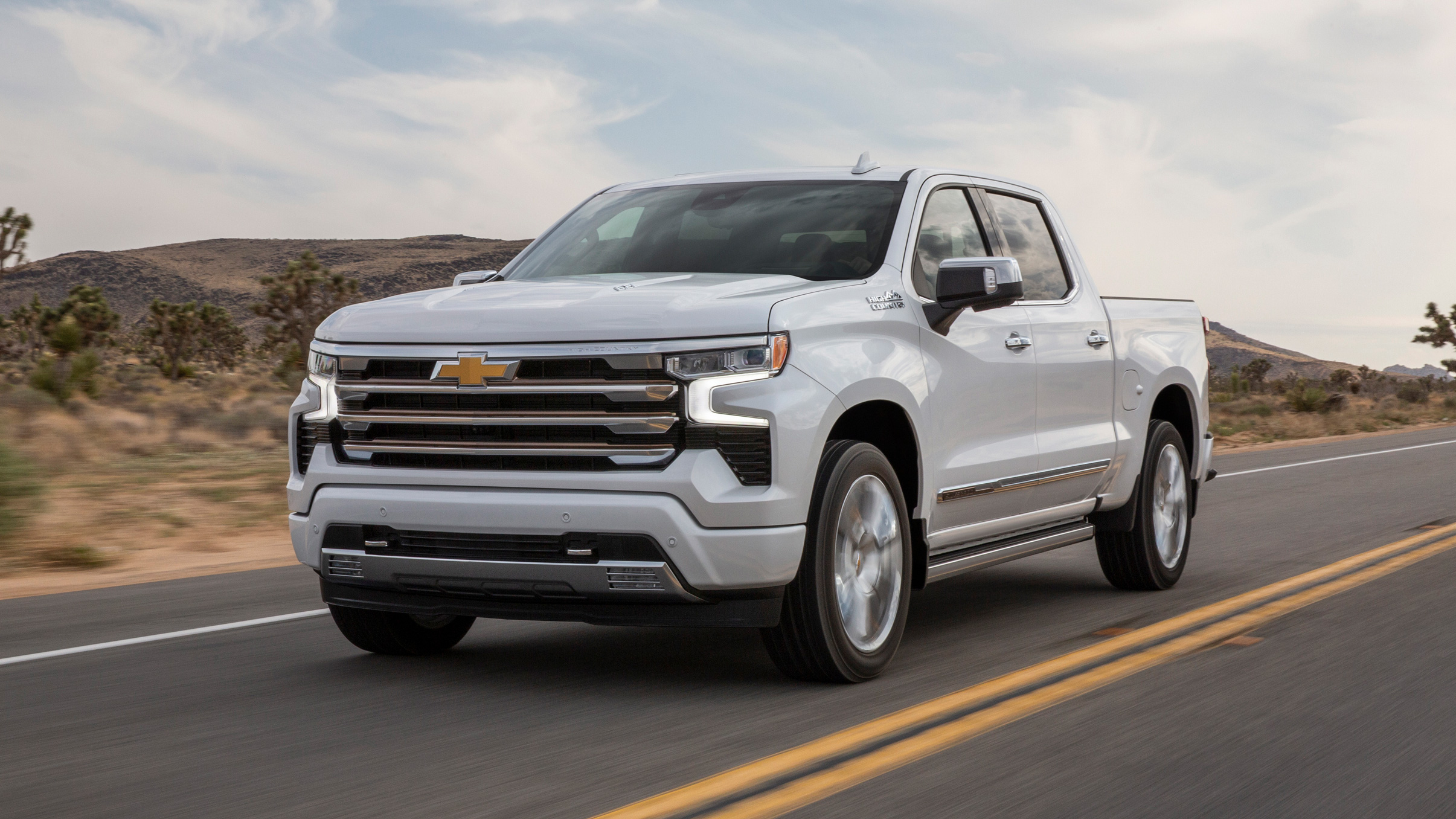
- Engine: Options include 2.7-liter turbocharged four-cylinder, 5.3-liter V8, 6.2-liter V8, and 3.0-liter Duramax diesel
- Horsepower: Up to 420 hp
- Torque: Up to 495 lb-ft
- Length: Approximately 210.9 inches to 241.2 inches, depending on configuration
- Width: Approximately 81.2 inches
3. Chevrolet Silverado
The Chevrolet Silverado is another major pickup truck expected to receive significant updates as the industry moves toward the late 2020s. Competing directly with models such as the Ford F-150 and Ram 1500, the Silverado must continue evolving to meet changing customer preferences.
A 2028 redesign could introduce a new approach to truck construction, technology integration, and powertrain choices. Chevrolet has already invested heavily in electric vehicle development, and future Silverado models may include broader electrification strategies. A redesigned platform could allow greater flexibility between gasoline, hybrid, and electric versions.
Truck buyers continue to prioritize towing capacity, payload capacity, and durability. Chevrolet will need to ensure that any future Silverado maintains these core characteristics while adding new technology.
Improvements in battery systems and power management could help electric and hybrid models deliver stronger performance for demanding tasks.
Interior improvements are also likely to be a major part of the redesign. Modern truck owners often use their vehicles for work, travel, and everyday transportation, meaning comfort and technology have become essential. Future Silverado models may include more advanced infotainment systems, improved materials, and expanded connectivity features.
The 2028 Silverado redesign could shape Chevrolet’s future position in the competitive pickup market. By combining traditional truck capability with modern engineering, Chevrolet aims to keep longtime customers while attracting drivers looking for newer technology and efficiency.
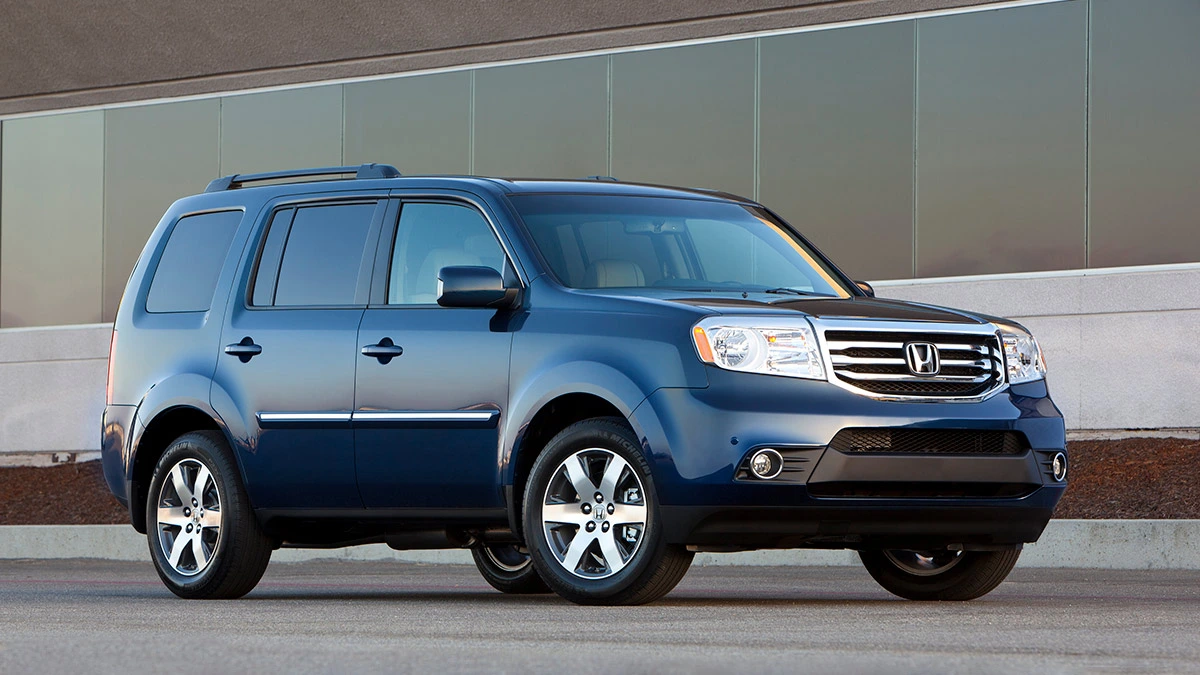
- Engine: 3.5-liter naturally aspirated V6 engine
- Horsepower: 285 hp
- Torque: 262 lb-ft
- Length: Approximately 199.9 inches
- Width: Approximately 78.5 inches
4. Honda Pilot
The Honda Pilot has become a popular choice among families seeking a midsize SUV with practical space, comfort, and reliability. A future redesign expected around 2028 could bring significant improvements as Honda continues adapting its lineup to changing market conditions.
Honda has focused on creating vehicles that balance practicality with efficiency, and the next Pilot generation may continue this approach. A redesign could include updates to the vehicle platform, improved suspension tuning, and new powertrain technology designed to provide better performance and efficiency.
Family SUV buyers increasingly look for vehicles that offer advanced safety features and flexible interiors. The future Pilot may include expanded driver assistance technology, improved seating arrangements, and smarter storage solutions. Honda’s focus on usability could remain a major part of the redesign.
Electrification may also influence the next generation. Honda has been developing hybrid and electric vehicles, meaning future Pilot models could receive additional electrified options. This would help the SUV compete with rivals offering more efficient alternatives.
A 2028 model would allow Honda to refresh the Pilot’s image while strengthening its reputation as a dependable family vehicle. The model’s future success will depend on how well it combines comfort, technology, efficiency, and everyday practicality.
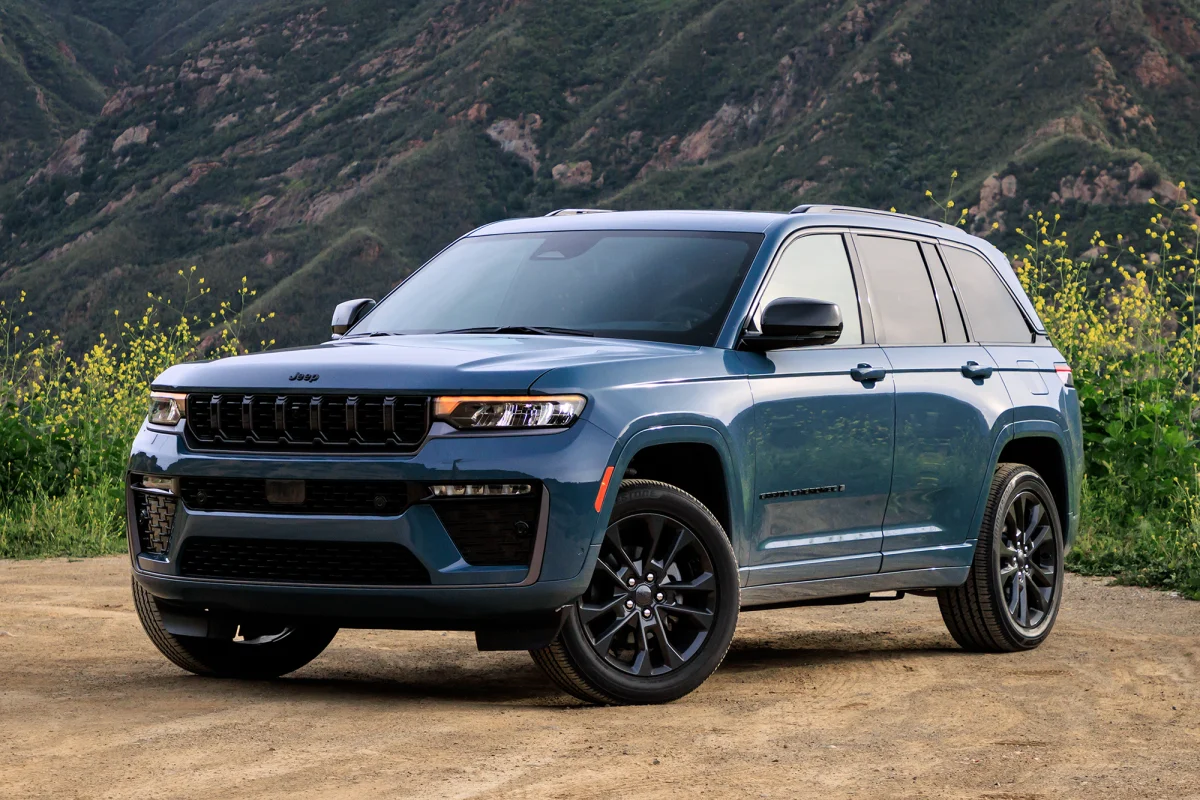
- Engine: Options include 3.6-liter Pentastar V6, 5.7-liter V8, and 2.0-liter turbocharged plug-in hybrid system
- Horsepower: Up to 375 hp (5.7-liter V8) or 470 hp (high-performance variants)
- Torque: Up to 470 lb-ft
- Length: Approximately 193.5 inches
- Width: Approximately 77.9 inches
5. Jeep Grand Cherokee
The Jeep Grand Cherokee has remained a significant name in the SUV segment because of its combination of premium comfort, strong performance, and off-road ability. A future redesign around 2028 would be an important update for Jeep as the brand works to modernize its lineup while keeping the qualities that have attracted buyers for decades.
The next Grand Cherokee generation is expected to focus heavily on technology, efficiency, and improved versatility.
Jeep has been expanding its electrification strategy, and future models are likely to include more advanced hybrid or electric powertrain options. A redesigned Grand Cherokee could benefit from these developments while maintaining its capability-focused identity.
Performance has always been a major part of the Grand Cherokee’s appeal. Drivers often choose the SUV because it can handle difficult roads while still providing a comfortable daily driving experience. Future versions may continue offering strong towing ability, improved traction systems, and updated suspension technology.
Interior upgrades will likely become a major priority. Luxury SUVs now compete heavily through cabin design, digital features, and passenger comfort. A redesigned Grand Cherokee may include higher-quality materials, larger displays, improved connectivity, and more advanced safety systems to meet modern expectations.
The 2028 redesign could help Jeep strengthen its position among midsize SUVs. The challenge will be balancing traditional Jeep characteristics with the need for greater efficiency and modern technology. A successful update would allow the Grand Cherokee to remain appealing to both adventure-focused drivers and families seeking a premium SUV.
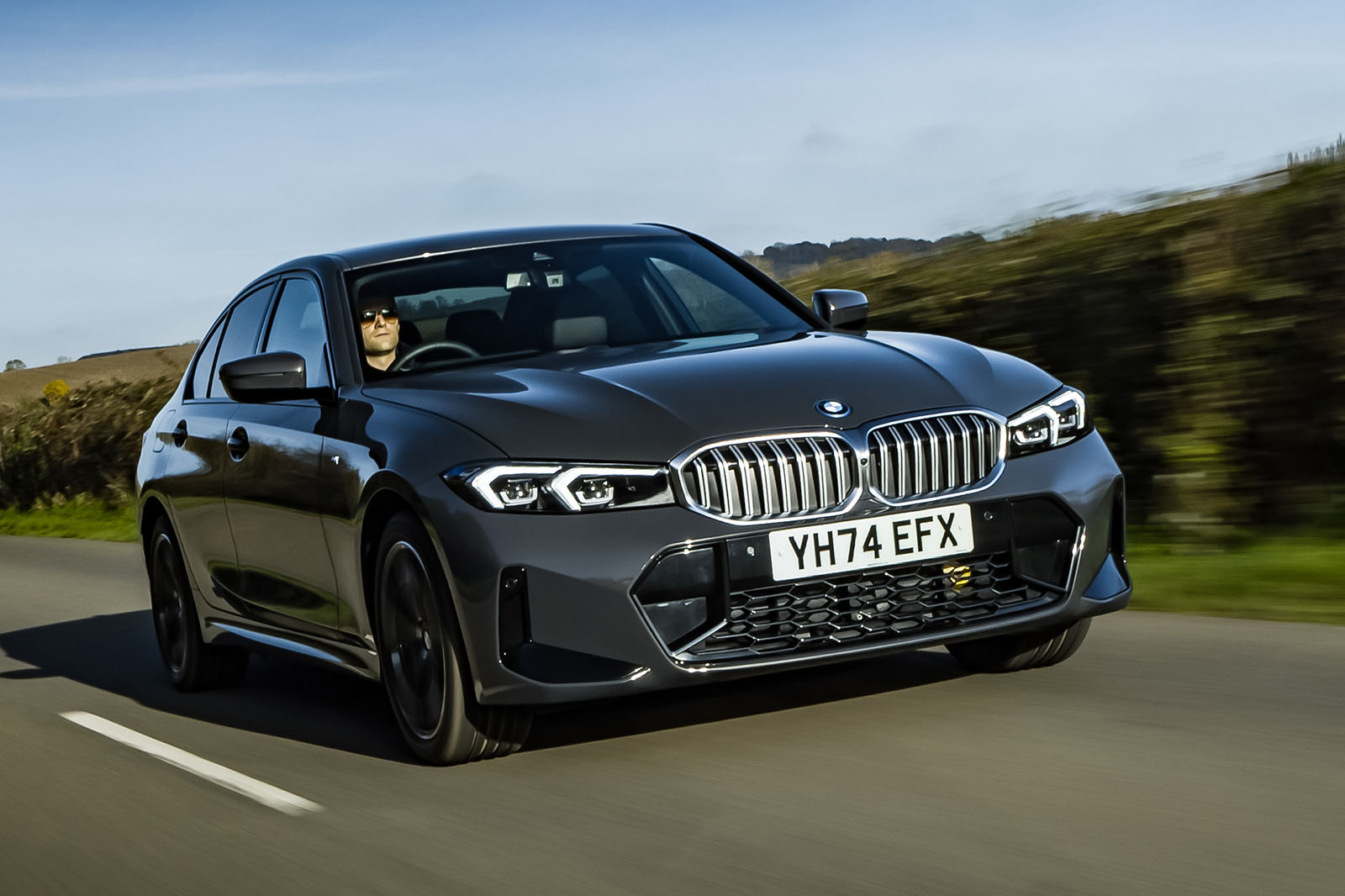
- Engine: Options include a 2.0-liter turbocharged four-cylinder and a 3.0-liter turbocharged inline-six engine
- Horsepower: Up to 503 hp (high-performance M3 Competition version)
- Torque: Up to 479 lb-ft
- Length: Approximately 185.9 inches
- Width: Approximately 71.9 inches
6. BMW 3 Series
The BMW 3 Series has been recognized for decades as a sports sedan that combines driving enjoyment with luxury and everyday usability. A redesign planned around 2028 would represent a major change as BMW continues shifting toward electric mobility and advanced vehicle technology.
Future versions of the 3 Series are expected to reflect BMW’s broader approach to electrification. The company has been developing new vehicle platforms designed to support electric powertrains while maintaining strong performance characteristics. A redesigned 3 Series could include electric versions alongside traditional models, giving customers more choices.
Driving dynamics will remain a key focus for BMW. The 3 Series has built its reputation around responsive handling, balanced performance, and a connection between driver and vehicle. Future models will likely use improved engineering to maintain these qualities while offering better efficiency and range.
Technology inside the cabin is expected to become more advanced. Modern luxury buyers look for seamless digital integration, intelligent driver assistance, and personalized settings. BMW may introduce updated interfaces, improved voice controls, and more connected features with the next redesign.
The new BMW 3 Series could represent a new stage for the iconic sedan. As buyers continue moving toward SUVs and electric vehicles, BMW will need to make the model relevant while protecting the qualities that have made it a respected name in the luxury automotive market.
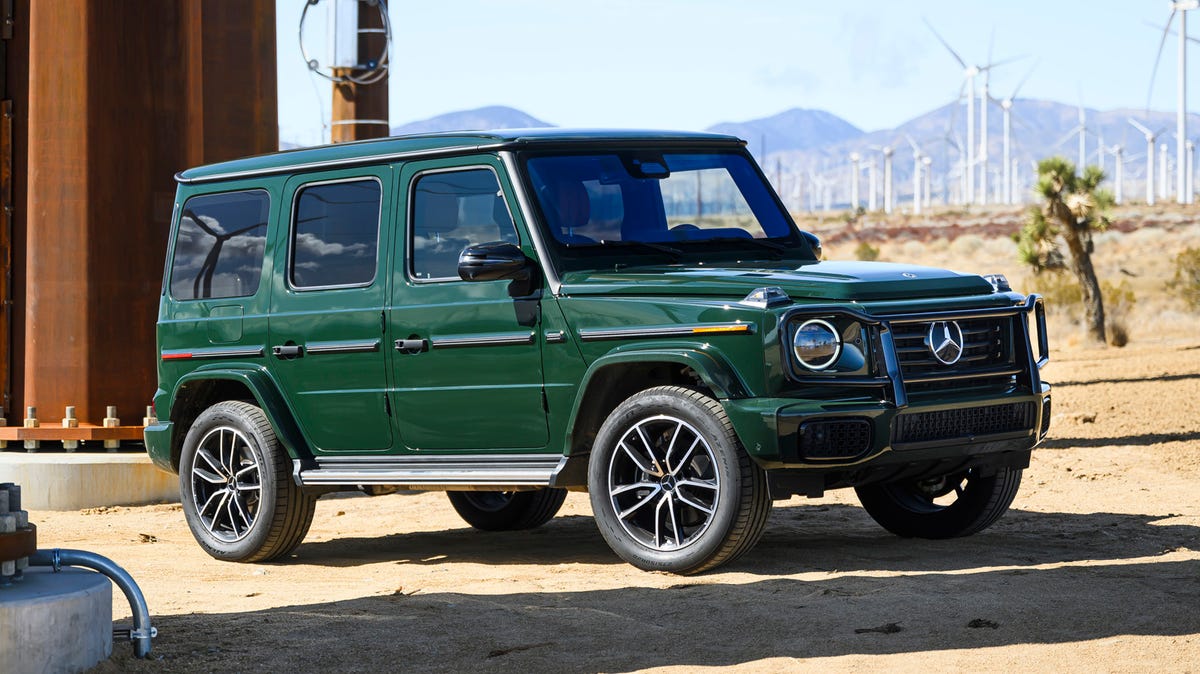
- Engine: 3.0-liter turbocharged inline-six hybrid engine (newer versions); AMG models use high-output engines
- Horsepower: Up to 577 hp (AMG G63)
- Torque: Up to 627 lb-ft
- Length: Approximately 193.8 inches
- Width: Approximately 78.1 inches
7. Mercedes-Benz G-Class
The Mercedes-Benz G-Class is known for its distinctive design, luxury interior, and exceptional off-road reputation. A redesign planned for the late 2020s could bring major improvements while preserving the recognizable appearance that has defined the vehicle for many years.
Mercedes-Benz has already started introducing electrification across its lineup, and the future G-Class is expected to continue this transition.
Electric technology could provide strong torque delivery, improved performance, and new opportunities for off-road capability. A redesigned version may use advanced battery and motor technology to create a different driving experience.
The exterior design of the G-Class is likely to remain familiar because its boxy shape and signature styling are important parts of its identity. Manufacturers often protect recognizable designs when they have strong customer loyalty, and the G-Class has developed a unique position in the luxury SUV market.
Inside, the vehicle could receive major technology upgrades. The current luxury market places significant importance on digital displays, premium materials, and advanced comfort features. Future G-Class models may include more personalized cabin controls, improved entertainment systems, and enhanced safety technology.
A redesign would allow Mercedes-Benz to modernize the G-Class while respecting its heritage. The vehicle’s future will likely depend on how successfully it combines traditional luxury and capability with the expectations of a new generation of buyers.
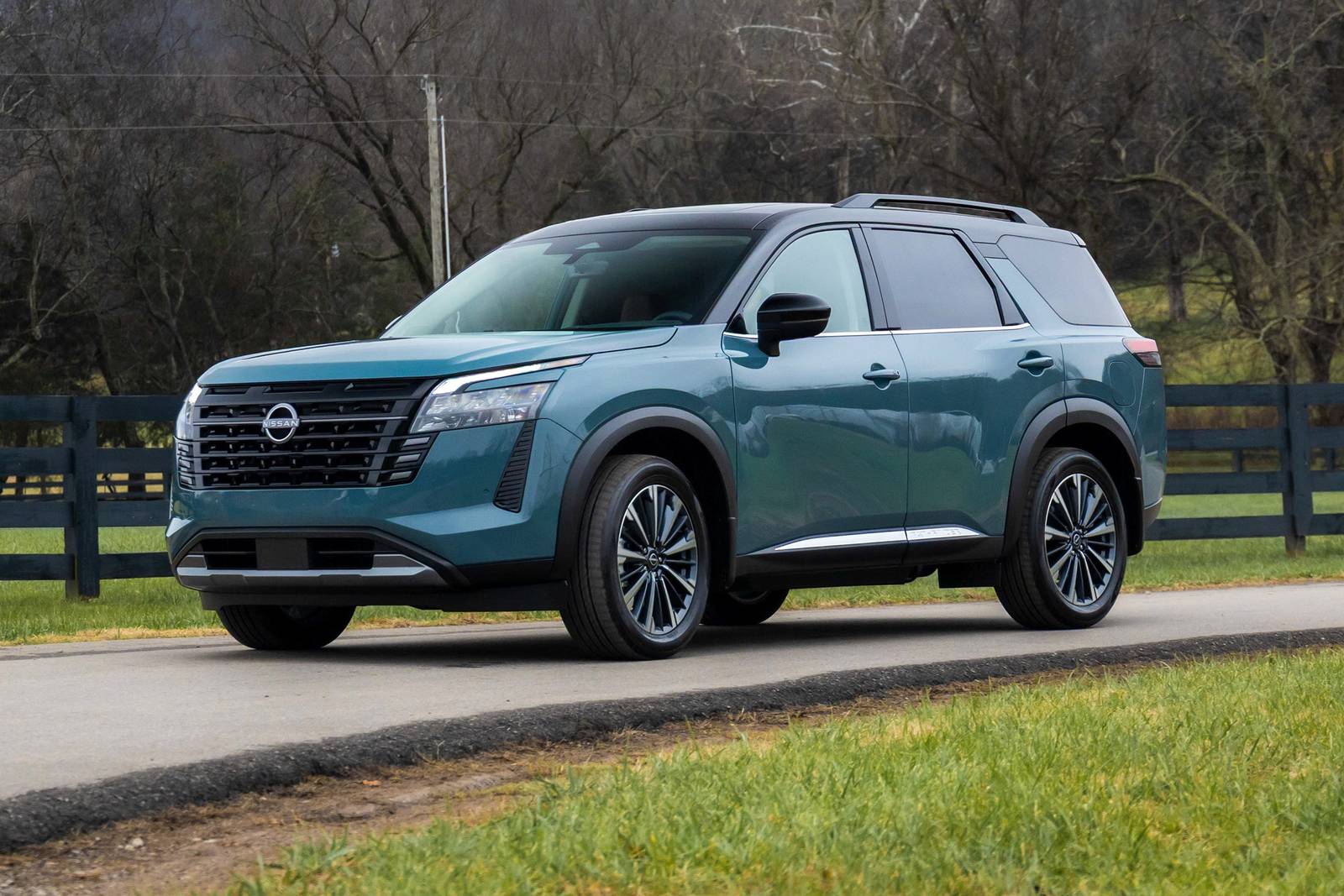
- Engine: 3.5-liter naturally aspirated V6 engine
- Horsepower: 284 hp
- Torque: 259 lb-ft
- Length: Approximately 197.7 inches
- Width: Approximately 77.9 inches
8. Nissan Pathfinder
The Nissan Pathfinder has moved through several stages of development, changing from a rugged off-road SUV into a family-focused vehicle with modern comfort and technology. A future redesign around 2028 could continue this transformation while introducing new engineering improvements.
Nissan has been increasing its focus on electrification and efficiency, meaning the next Pathfinder could include updated powertrain choices. A hybrid system or other electrified technology could help the SUV compete with newer rivals that prioritize lower fuel consumption.
Family buyers often choose the Pathfinder because of its spacious interior, seating flexibility, and practical features. Future redesign plans may improve passenger comfort through better materials, more storage areas, and updated cabin layouts.
Safety technology is also expected to receive attention. Nissan has developed advanced driver assistance systems that help reduce driver workload and improve confidence on the road. A redesigned Pathfinder may include expanded versions of these features.
The Pathfinder could strengthen Nissan’s position in the three-row SUV market. By improving efficiency, technology, and comfort while keeping its practical design, the next generation may appeal to families looking for a capable everyday vehicle.
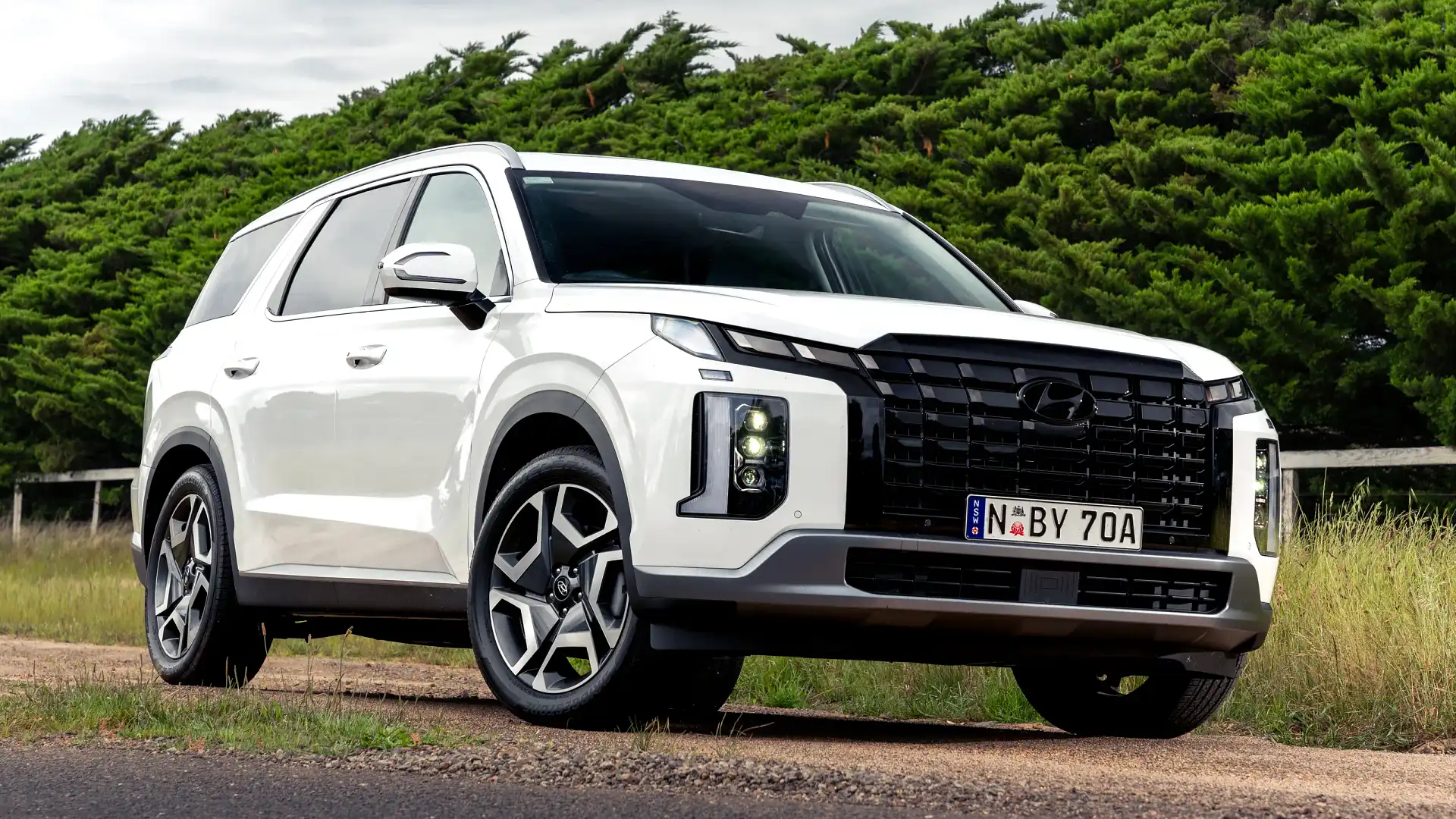
- Engine: 3.8-liter naturally aspirated V6 engine in current generation; future versions may receive hybrid technology
- Horsepower: 291 hp
- Torque: 262 lb-ft
- Length: Approximately 196.7 inches
- Width: Approximately 77.8 inches
9. Hyundai Palisade
The Hyundai Palisade has quickly become a strong competitor in the midsize three-row SUV segment because of its spacious cabin, premium features, and competitive pricing. A future redesign around 2028 would allow Hyundai to continue improving the model as customer expectations increase.
Hyundai has invested heavily in new vehicle technology, including electric and hybrid systems. A redesigned Palisade could introduce more efficient powertrain options while maintaining the smooth driving experience that family SUV buyers appreciate.
The interior has always been a major selling point for the Palisade. Future versions may continue focusing on comfort with upgraded materials, advanced technology, and improved passenger features. Hyundai has positioned many of its vehicles as premium alternatives at accessible prices, and the next Palisade could continue that strategy.
Connected technology will likely become a larger part of the redesign. Features such as advanced navigation, smartphone integration, digital controls, and improved software systems may become standard expectations for future buyers.
A new Hyundai Palisade redesign could help the brand compete with established SUV manufacturers. The model’s combination of value, space, and features gives it a strong foundation as Hyundai prepares for future market changes.
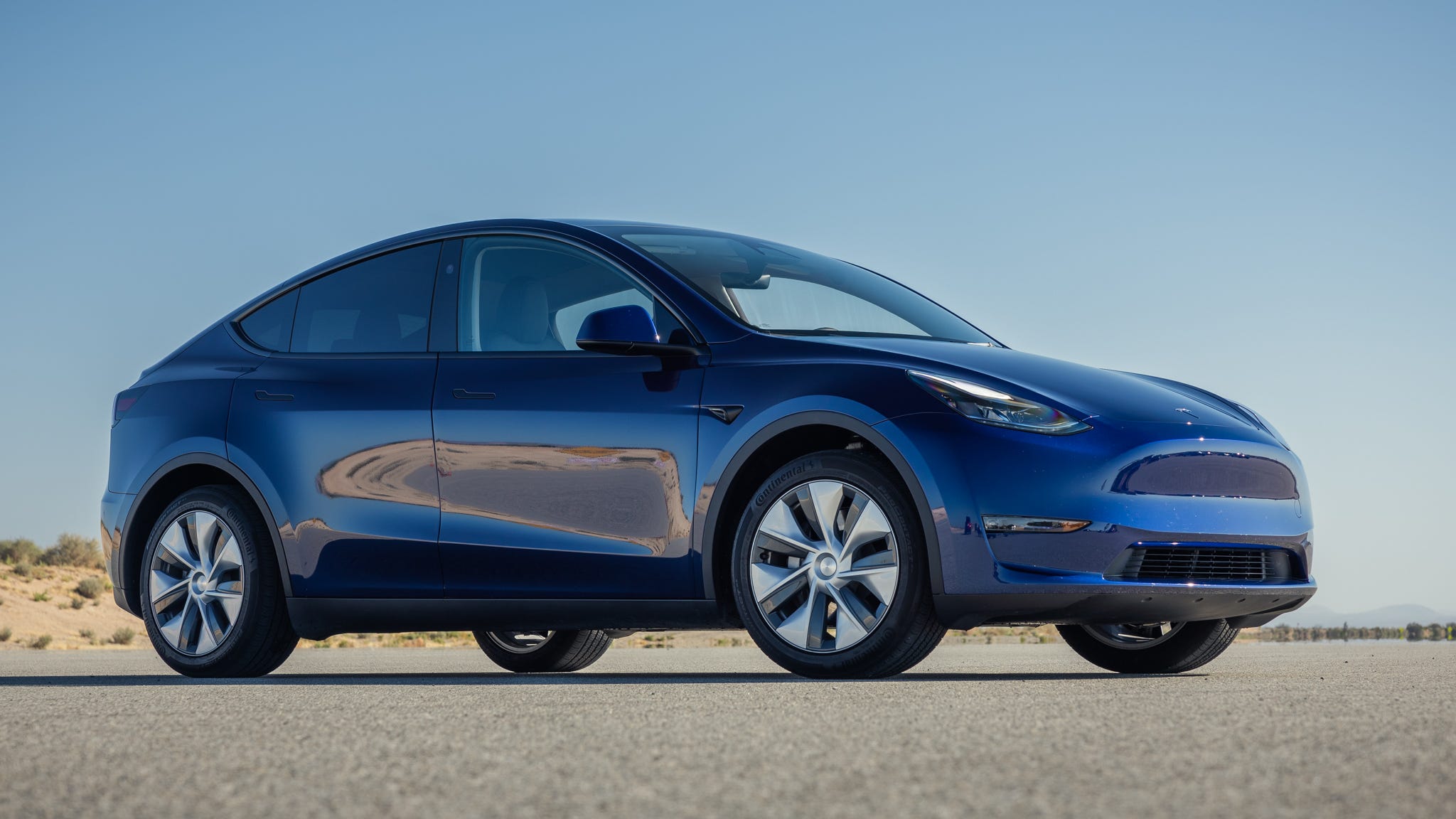
- Engine: Dual electric motors available in Long Range and Performance versions
- Horsepower: Estimated between 384 hp and 455 hp depending on variant
- Torque: Estimated around 376 to 487 lb-ft
- Length: Approximately 187.0 inches
- Width: Approximately 75.6 inches
10. Tesla Model Y
The Tesla Model Y has become a major player in the electric vehicle market due to its combination of range, technology, and practical SUV design. A redesign around 2028 would be significant because Tesla has built its reputation around frequent improvements in software, efficiency, and manufacturing methods.
Future Model Y updates may focus on battery improvements, production efficiency, and enhanced technology. Tesla has historically updated vehicles through software improvements as well as hardware changes, so a redesigned model could receive both physical and digital upgrades.
Electric vehicle competition is increasing rapidly, meaning Tesla will need to continue improving the Model Y to maintain customer interest. Better range, faster charging, improved materials, and more advanced driver assistance features could become major areas of development.
The interior design may also change as Tesla continues experimenting with simplified cabin layouts. Future models could introduce new approaches to controls, storage, and passenger comfort while maintaining the minimalist style associated with the brand.
The 2028 Tesla Model Y redesign could influence the future direction of electric SUVs. As more manufacturers introduce competing electric models, Tesla’s ability to improve efficiency, technology, and ownership experience will remain important.
