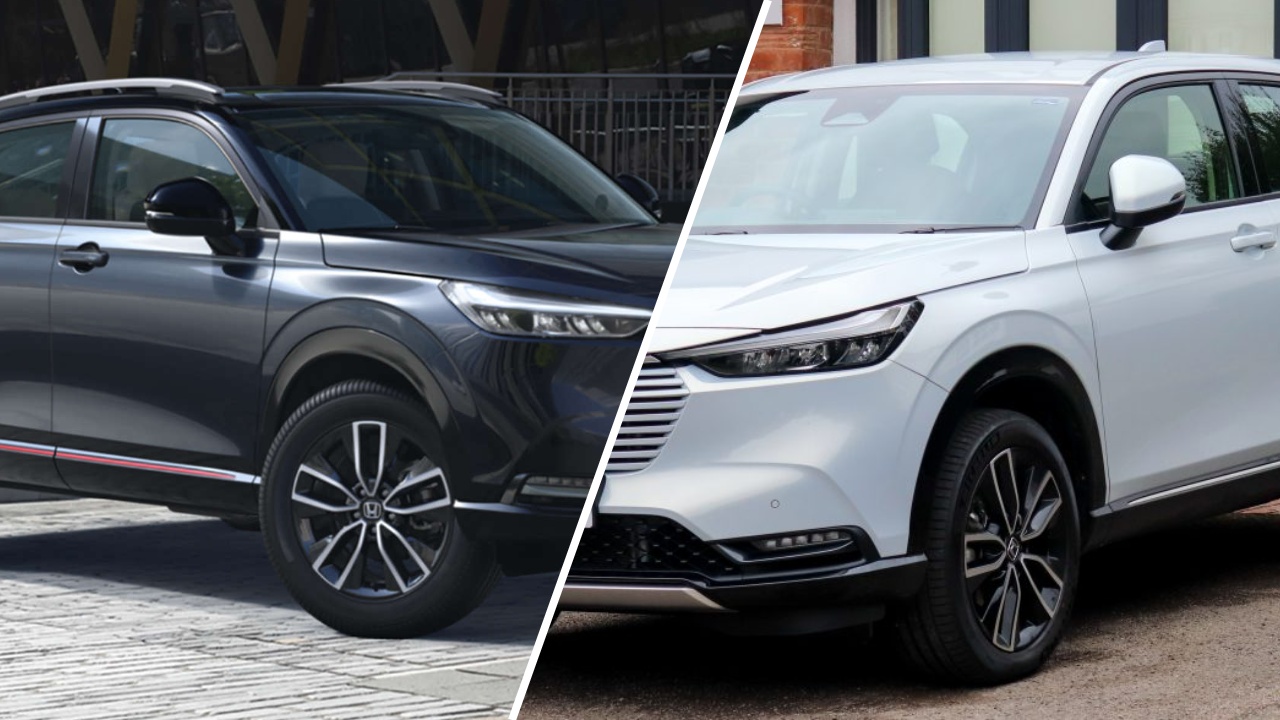
The Honda HR-V has followed a different path from many compact crossovers in the United States. Rather than chasing outright performance or luxury, it built its reputation by delivering practical packaging, dependable engineering, impressive fuel economy, and the versatility that American buyers increasingly demanded.
Since its U.S. debut for the 2016 model year, the HR-V has grown from an entry-level crossover based on the Honda Fit into a more mature compact SUV that shares its platform with the Honda Civic.
Along the way, it has adapted to changing customer expectations with improved safety, technology, refinement, and interior comfort.
The eight model years in this article highlight the most important milestones in the HR-V’s American journey. Some introduced entirely new generations, while others brought meaningful updates that improved everyday ownership or reflected Honda’s response to changing market trends.
Together, these model years show how the HR-V evolved from a practical urban crossover into one of Honda’s most important SUVs in the United States.
Rather than focusing strictly on the best or worst years, this list explains why each selected model played a significant role in shaping the HR-V’s identity. The selections are based on U.S.-market specifications, Honda product updates, safety ratings, powertrain changes, sales significance, and long-term impact.
Looking at these eight milestones provides a complete picture of the HR-V’s development and its growing importance within Honda’s SUV lineup.
Also Read: 10 Cars That Are Easiest to Repair Outside the Dealership
1. 2016 Honda HR-V
Honda introduced the HR-V to the American market for the 2016 model year, entering the rapidly expanding subcompact SUV segment with a formula centered on practicality instead of outright power.
Built on a platform related to the Honda Fit, the HR-V combined compact exterior dimensions with an interior that felt considerably larger than many rivals. This clever packaging immediately became one of its defining strengths.
One feature that separated the HR-V from competitors was Honda’s Magic Seat system. The rear seats could fold completely flat or flip upward to accommodate taller cargo, allowing owners to transport bicycles, furniture, plants, or other bulky items that would normally be difficult to fit inside a small crossover.
This flexibility appealed to urban buyers and young families seeking maximum utility from a compact footprint.
Power came from a naturally aspirated 1.8-liter four-cylinder engine paired with either a six-speed manual transmission on select front-wheel-drive trims or a continuously variable transmission.
While acceleration was modest, the HR-V emphasized fuel efficiency, smooth everyday driving, and Honda’s long-standing reputation for mechanical reliability.
The launch model also introduced buyers to Honda’s approach to compact crossover design. Comfortable seating, excellent outward visibility, predictable handling, and competitive cargo capacity helped the HR-V quickly establish itself in a crowded segment dominated by practical transportation.
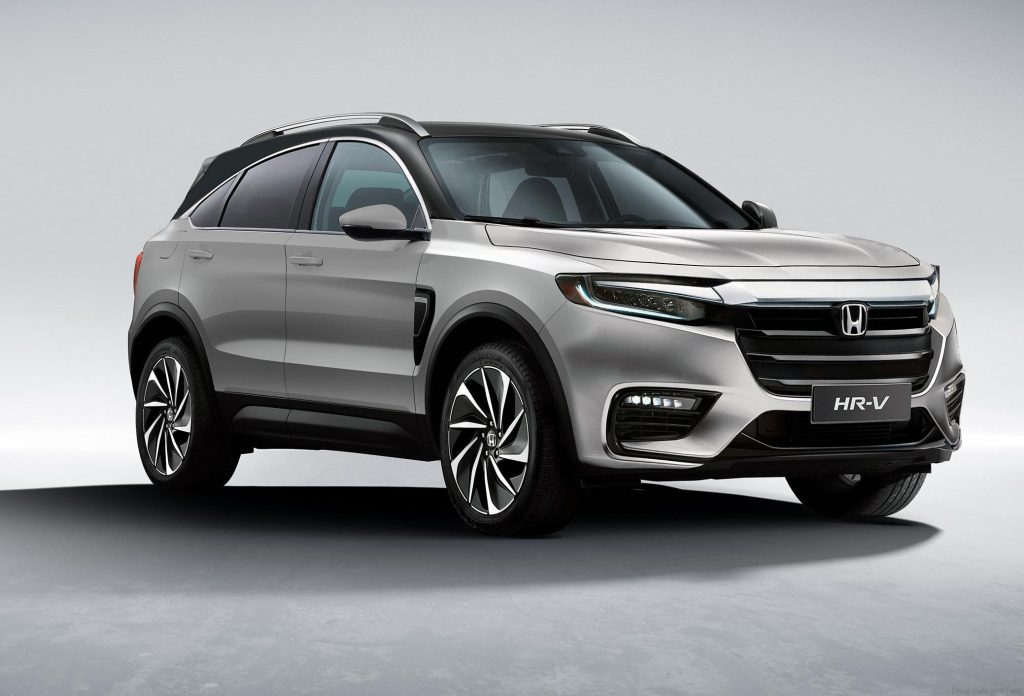
The 2016 model laid the groundwork for everything that followed. It demonstrated Honda’s ability to transform a small platform into a highly versatile crossover while preserving the efficiency and dependability that had become synonymous with the brand.
Specifications
- Engine: 1.8-liter naturally aspirated inline-four
- Torque: 127 lb-ft
- Horsepower: 141 hp
- Length/Width: 169.1 inches / 69.8 inches
2. 2019 Honda HR-V
Three years after its American debut, Honda gave the HR-V a meaningful refresh for the 2019 model year. Instead of redesigning the vehicle from the ground up, Honda concentrated on improving technology, safety, comfort, and refinement while retaining the practical characteristics that had attracted buyers from the beginning.
The most significant change involved the availability of Honda Sensing on a much wider range of trims. This package brought advanced driver-assistance features, including Collision Mitigation Braking System, Road Departure Mitigation, Lane Keeping Assist, Adaptive Cruise Control, and Forward Collision Warning.
By expanding access to these technologies, Honda strengthened the HR-V’s position against increasingly sophisticated competitors.
Interior updates also improved everyday usability. An updated infotainment system with Apple CarPlay and Android Auto became available, addressing one of the most common criticisms of earlier models. Improved sound insulation reduced road noise, while revised seat materials enhanced long-distance comfort.
Exterior styling changes were subtle but effective. Honda introduced a revised front fascia, updated grille, redesigned wheels, and fresh lighting elements that gave the HR-V a more contemporary appearance without changing its recognizable shape.
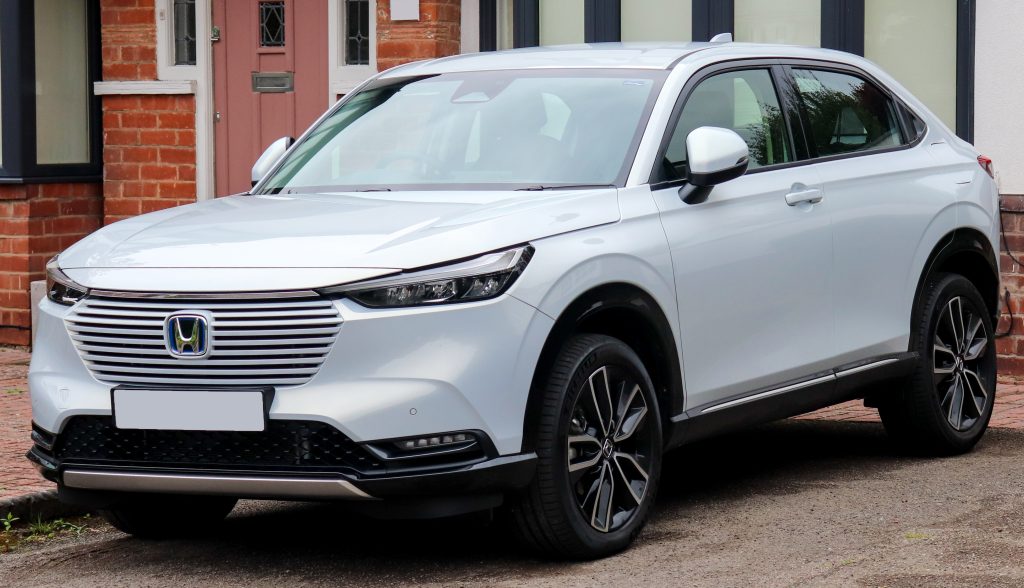
Although the powertrain remained the dependable 1.8-liter engine paired primarily with a continuously variable transmission, Honda refined the vehicle’s suspension and steering calibration to deliver a smoother and quieter driving experience.
The 2019 HR-V illustrates Honda’s philosophy of continuous improvement. Rather than making dramatic changes for marketing purposes, the company addressed owner feedback with practical updates that enhanced safety, convenience, and refinement while preserving the crossover’s core strengths.
Specifications
- Engine: 1.8-liter naturally aspirated inline-four
- Torque: 127 lb-ft
- Horsepower: 141 hp
- Length/Width: 170.4 inches / 69.8 inches
3. 2020 Honda HR-V
The 2020 Honda HR-V was not introduced with dramatic styling changes or an all-new platform. Instead, it represented the point at which the first-generation U.S. HR-V had become one of the most refined entries in the subcompact SUV segment.
Honda concentrated on polishing the ownership experience through a well-balanced combination of practicality, reliability, and proven engineering. By this stage, the HR-V had established a loyal customer base that valued versatility above outright performance.
The Magic Seat system continued to be one of the crossover’s defining features, allowing owners to configure the rear cabin in several ways to accommodate everything from bicycles and televisions to tall houseplants and luggage. Few competitors offered the same level of interior flexibility.
Another strength was predictable operating costs. The naturally aspirated 1.8-liter engine had already demonstrated dependable long-term durability in Honda’s lineup, while the continuously variable transmission delivered smooth acceleration and competitive EPA fuel economy ratings.
Buyers looking for a straightforward commuter vehicle appreciated the absence of unnecessary complexity.
Honda also expanded the availability of driver-assistance technologies through the Honda Sensing suite. Depending on trim level, features such as adaptive cruise control, lane keeping assist, collision mitigation braking system, and road departure mitigation provided an added layer of confidence during daily driving.
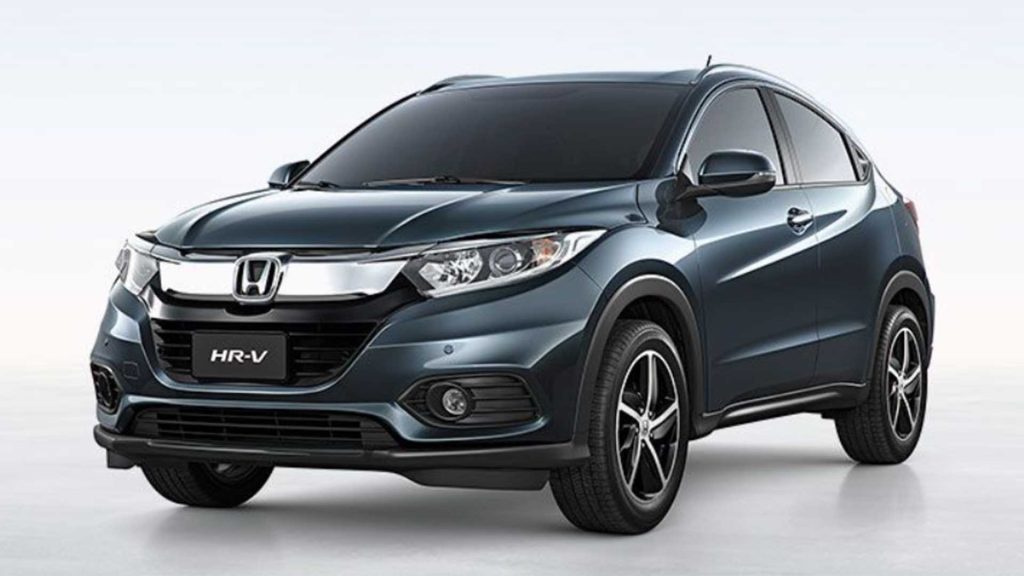
Although some rivals began offering turbocharged engines with greater horsepower, the HR-V continued attracting buyers who prioritized efficiency, cargo versatility, resale value, and Honda’s reputation for quality.
The 2020 model reflects Honda’s commitment to refining an already successful product rather than making unnecessary engineering changes that could compromise reliability.
Specifications
- Engine: 1.8-liter naturally aspirated inline-four
- Torque: 127 lb-ft
- Horsepower: 141 hp
- Length/Width: 170.4 inches / 69.8 inches
4. 2023 Honda HR-V
The 2023 model year marked the most significant transformation in the HR-V’s history. Honda completely redesigned the crossover, replacing the previous Fit-based platform with one derived from the eleventh-generation Civic.
This change fundamentally altered the HR-V’s character, making it feel more substantial, more refined, and better suited to American buyers seeking a compact SUV rather than a lifted hatchback.
Dimensions increased in nearly every direction. The longer wheelbase and wider stance improved ride quality, passenger comfort, and handling stability while giving the HR-V a more mature appearance.
Although Honda discontinued the Magic Seat system because of the new platform architecture, the redesigned cabin featured higher-quality materials, improved ergonomics, and a far more premium atmosphere.
The previous 1.8-liter engine was replaced by a larger 2.0-liter naturally aspirated four-cylinder producing noticeably more horsepower. Paired with a continuously variable transmission, the new engine delivered stronger everyday acceleration while maintaining competitive fuel economy.
Honda also retuned the suspension to provide a quieter and more composed driving experience on American highways.
Safety improvements were equally important. The redesigned HR-V earned the IIHS Top Safety Pick+ award for models built after certain production updates and incorporated Honda’s latest Honda Sensing technologies, including the Collision Mitigation Braking System, Traffic Jam Assist, Traffic Sign Recognition, Adaptive Cruise Control with Low-Speed Follow, and Lane Keeping Assist.
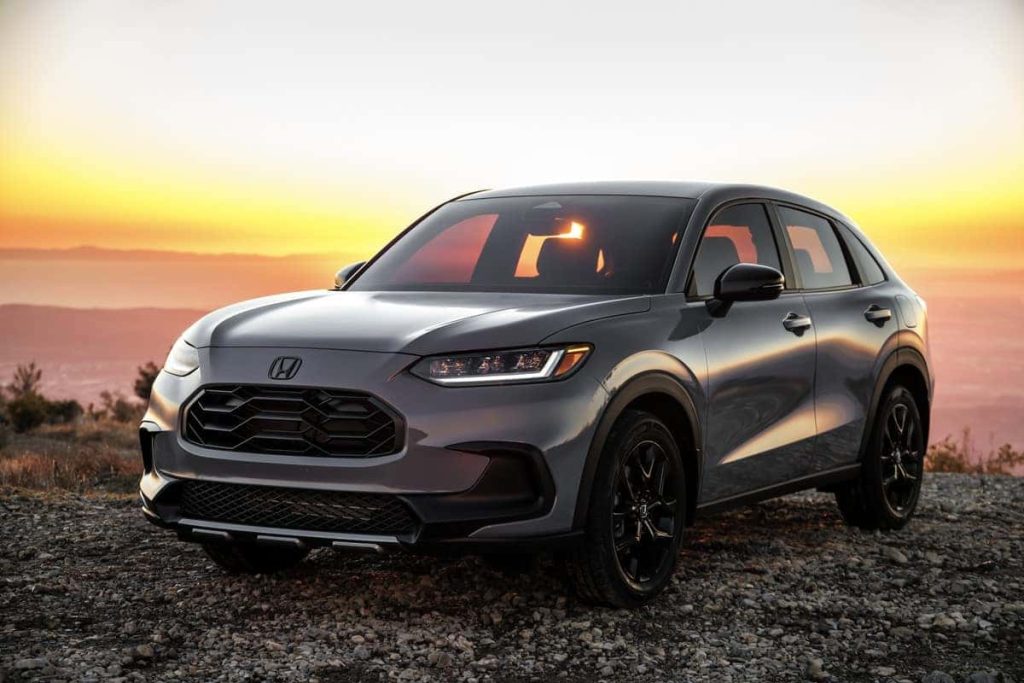
The 2023 redesign represents the moment when the HR-V matured into a true compact crossover capable of competing directly with larger rivals through improved comfort, stronger safety performance, and a noticeably more sophisticated driving experience.
Specifications
- Engine: 2.0-liter naturally aspirated inline-four
- Torque: 138 lb-ft
- Horsepower: 158 hp
- Length/Width: 179.8 inches / 72.4 inches
5. 2024 Honda HR-V
One year after introducing the second-generation redesign, Honda focused on strengthening the HR-V through refinement rather than major engineering changes.
The 2024 model demonstrated that the company had successfully repositioned the HR-V as a more premium and mature compact crossover while preserving the dependability that had attracted buyers for years.
A noticeable advantage of the redesigned platform became apparent during everyday driving. The HR-V delivered a quieter cabin than its predecessor, thanks to additional sound-deadening materials and a stiffer body structure.
Long highway trips became more comfortable, while improved suspension tuning reduced harsh impacts over uneven pavement.
Technology remained another strong selling point. Every HR-V came equipped with Honda Sensing, giving buyers a comprehensive suite of driver-assistance technologies without requiring expensive option packages.
Features such as adaptive cruise control with low-speed follow, lane-keeping assist system, collision mitigation braking system, forward collision warning, and traffic sign recognition enhance driver confidence during daily commuting.
Honda carried its focus on straightforward design into the cabin, avoiding excessive complexity in favor of easy everyday use. The dashboard shares design influences with the Civic and combines traditional climate controls with a simple infotainment interface. Higher trims add modern conveniences such as wireless Apple CarPlay and Android Auto.
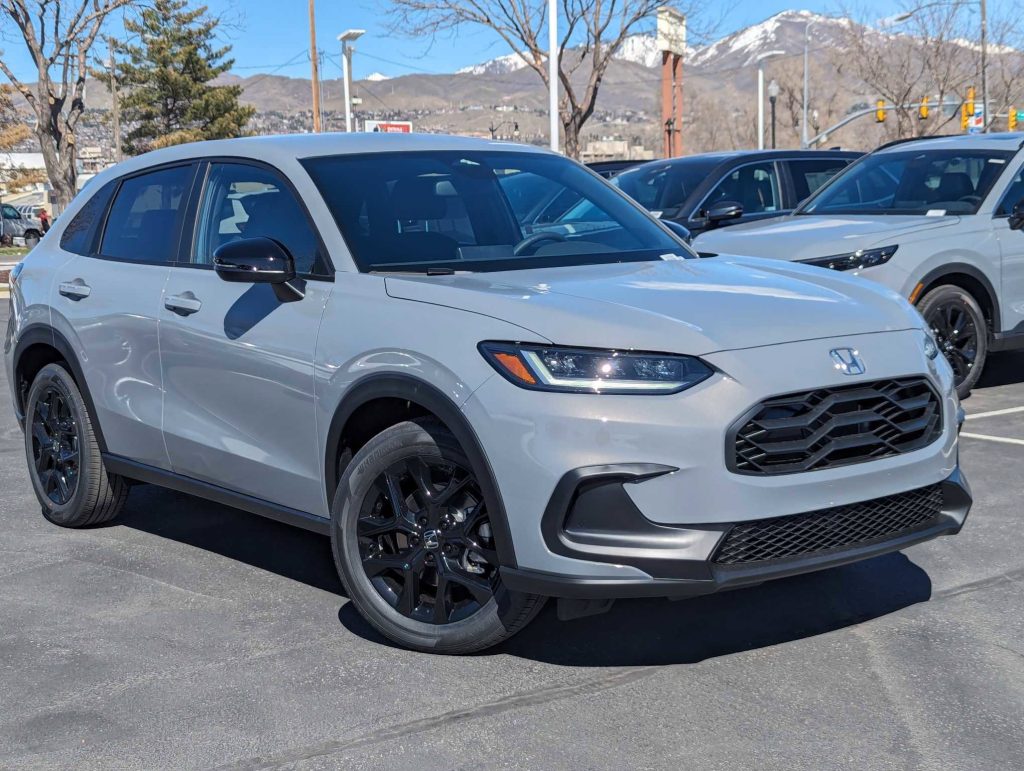
Comfortable front seats and generous rear-seat accommodations also helped distinguish the HR-V from several competitors in the subcompact SUV category.
Rather than pursuing dramatic performance gains, Honda refined the HR-V’s balance of comfort, fuel efficiency, safety, and everyday usability.
That measured approach allowed the model to appeal to first-time SUV buyers, commuters, and small families seeking a dependable crossover capable of handling a wide variety of daily responsibilities.
The 2024 HR-V reflects Honda’s philosophy that thoughtful refinement often produces better long-term ownership experiences than frequent radical redesigns.
Specifications
- Engine: 2.0-liter naturally aspirated inline-four
- Torque: 138 lb-ft
- Horsepower: 158 hp
- Length/Width: 179.8 inches / 72.4 inches
6. 2025 Honda HR-V
By the 2025 model year, the HR-V had firmly established itself as one of Honda’s most important entry-level SUVs in the United States.
Instead of relying solely on its reputation, Honda continued making subtle improvements that enhanced convenience, connectivity, and everyday functionality while maintaining the proven mechanical package introduced with the second generation.
One of the HR-V’s greatest strengths remained its balanced driving character. The naturally aspirated 2.0-liter engine provided linear throttle response and predictable acceleration, qualities many buyers appreciated during city driving and highway merging.
While some rivals offered turbocharged engines with higher output, Honda prioritized long-term reliability and smooth operation over headline performance numbers.
The interior continued to receive praise for its clean layout and solid construction. Soft-touch materials, supportive seating, and excellent outward visibility created a comfortable environment for both short commutes and extended road trips.
Cargo space remained competitive within the segment, making the HR-V practical for shopping, luggage, and recreational equipment.
Honda Sensing remained standard across the lineup, reinforcing the company’s commitment to safety. Features including Lane Keeping Assist, Road Departure Mitigation, Adaptive Cruise Control with Low-Speed Follow, and Collision Mitigation Braking System provide advanced protection without requiring buyers to upgrade to higher trim levels.
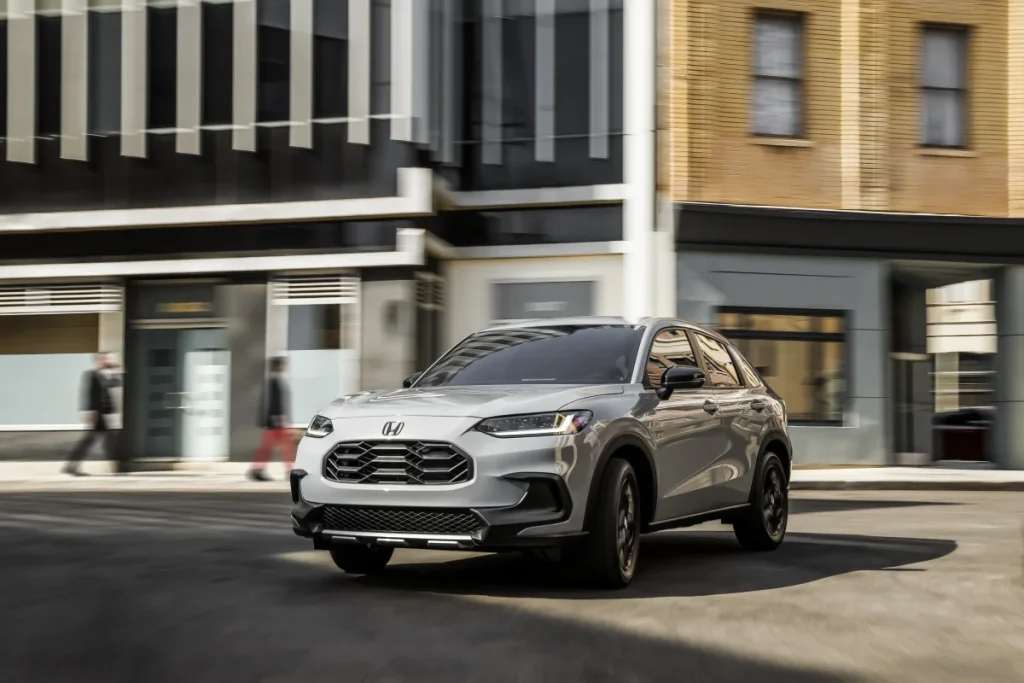
The HR-V also benefited from Honda’s strong reputation for resale value and owner satisfaction. Many consumers selected the model because they expected years of dependable service with relatively low maintenance costs, an expectation supported by Honda’s long-standing reliability record.
The 2025 HR-V demonstrates that sustained success often comes from consistently refining a well-engineered product instead of constantly reinventing it.
Specifications
- Engine: 2.0-liter naturally aspirated inline-four
- Torque: 138 lb-ft
- Horsepower: 158 hp
- Length/Width: 179.8 inches / 72.4 inches
7. 2026 Honda HR-V
The 2026 Honda HR-V represents the most up-to-date expression of Honda’s vision for its smallest SUV in the United States. Building on the second-generation platform introduced in 2023, the HR-V continues to emphasize refinement, safety, and long-term dependability rather than dramatic mechanical changes.
This steady development mirrors Honda’s broader engineering philosophy of improving proven products through careful evolution.
One of the HR-V’s defining qualities remains its composed driving experience. The Civic-derived platform delivers confident handling, a comfortable ride, and solid highway stability that distinguish it from many subcompact crossovers.
The naturally aspirated 2.0-liter engine continues to provide smooth and predictable power delivery, while the continuously variable transmission is calibrated for quiet operation and fuel-efficient cruising.
Honda also maintains a strong focus on occupant protection. Every U.S.-market HR-V includes the Honda Sensing suite, featuring a Collision Mitigation Braking System, Adaptive Cruise Control with Low-Speed Follow, a Lane Keeping Assist System, Road Departure Mitigation, Traffic Sign Recognition, and Automatic High-Beam Headlights.
These technologies complement the HR-V’s rigid body structure and comprehensive airbag system.
The cabin focuses on a balance of practicality and convenience, with easy-to-use physical controls, a user-friendly infotainment system, generous storage options, and supportive seats. More equipped models bring additional comfort and technology upgrades, including wireless phone connectivity, wireless charging, dual-zone climate settings, and higher-quality interior finishes.
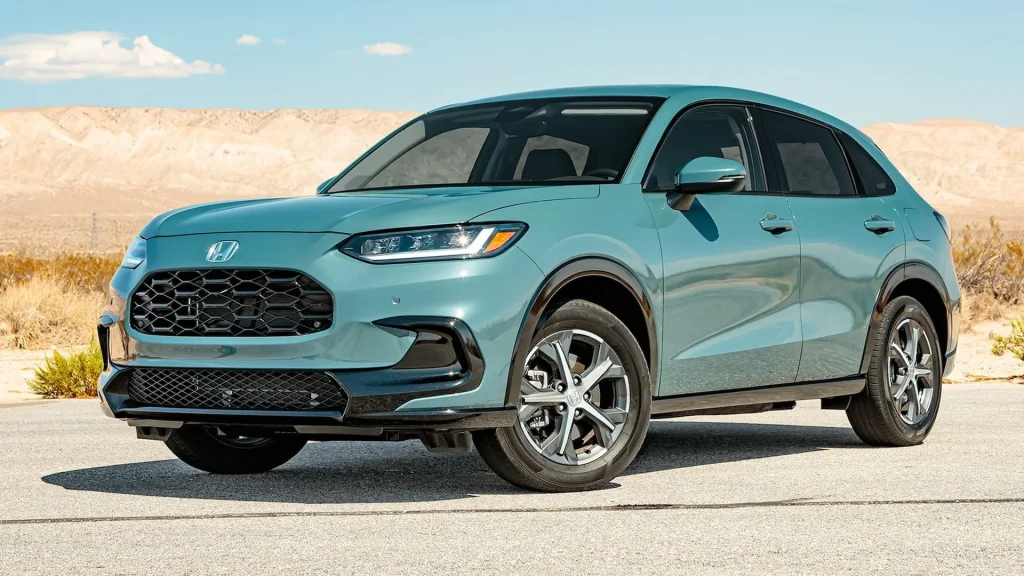
The 2026 HR-V reflects how Honda has transformed the model from an entry-level urban crossover into a well-rounded compact SUV capable of meeting the needs of commuters, young families, and first-time buyers. It stands as the culmination of years of continuous refinement and thoughtful engineering.
Specifications
- Engine: 2.0-liter naturally aspirated inline-four
- Torque: 138 lb-ft
- Horsepower: 158 hp
- Length/Width: 179.8 inches / 72.4 inches
8. 2027 Honda HR-V
The 2027 Honda HR-V completes the story of the model’s evolution by showing how Honda has established the HR-V as a permanent pillar of its American SUV lineup.
While remaining true to the engineering direction introduced with the second generation, the HR-V continues offering the balanced combination of practicality, efficiency, safety, and reliability that has defined the nameplate since its U.S. debut.
Unlike vehicles that depend on frequent redesigns to remain competitive, the HR-V benefits from Honda’s practice of refining an already capable platform.
The crossover continues delivering predictable handling, comfortable seating for five passengers, competitive cargo capacity, and the straightforward ownership experience that many buyers expect from the brand.
Technology has become one of the HR-V’s strongest selling points. Depending on trim level, buyers have access to a digital driver display, modern infotainment with wireless Apple CarPlay and Android Auto, USB-C charging ports, wireless phone charging, and connected vehicle services.
These features help the HR-V appeal to younger buyers while maintaining the simplicity valued by long-time Honda owners.
Safety remains central to the model’s identity. Honda Sensing continues providing a comprehensive collection of active safety technologies, while the Civic-based architecture contributes to excellent crash protection and stable road manners.
Combined with Honda’s reputation for quality and strong resale value, the HR-V continues to attract buyers seeking dependable transportation rather than short-term novelty.
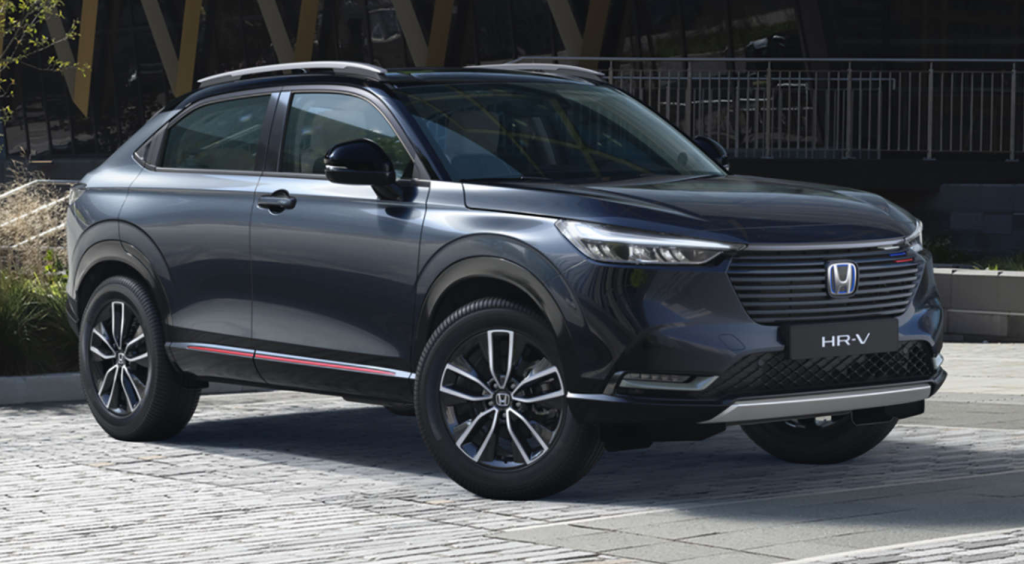
Looking back at every milestone in this article, the HR-V’s journey illustrates Honda’s ability to respond to changing consumer preferences without abandoning its core principles.
From the clever packaging of the original U.S. model to today’s refined compact SUV, the HR-V has steadily matured into one of Honda’s most important and successful vehicles in the American market.
Specifications
- Engine: 2.0-liter naturally aspirated inline-four
- Torque: 138 lb-ft
- Horsepower: 158 hp
- Length/Width: 179.8 inches / 72.4 inches
Also Read: 10 Cars That Are Hardest to Repair Outside the Dealership