
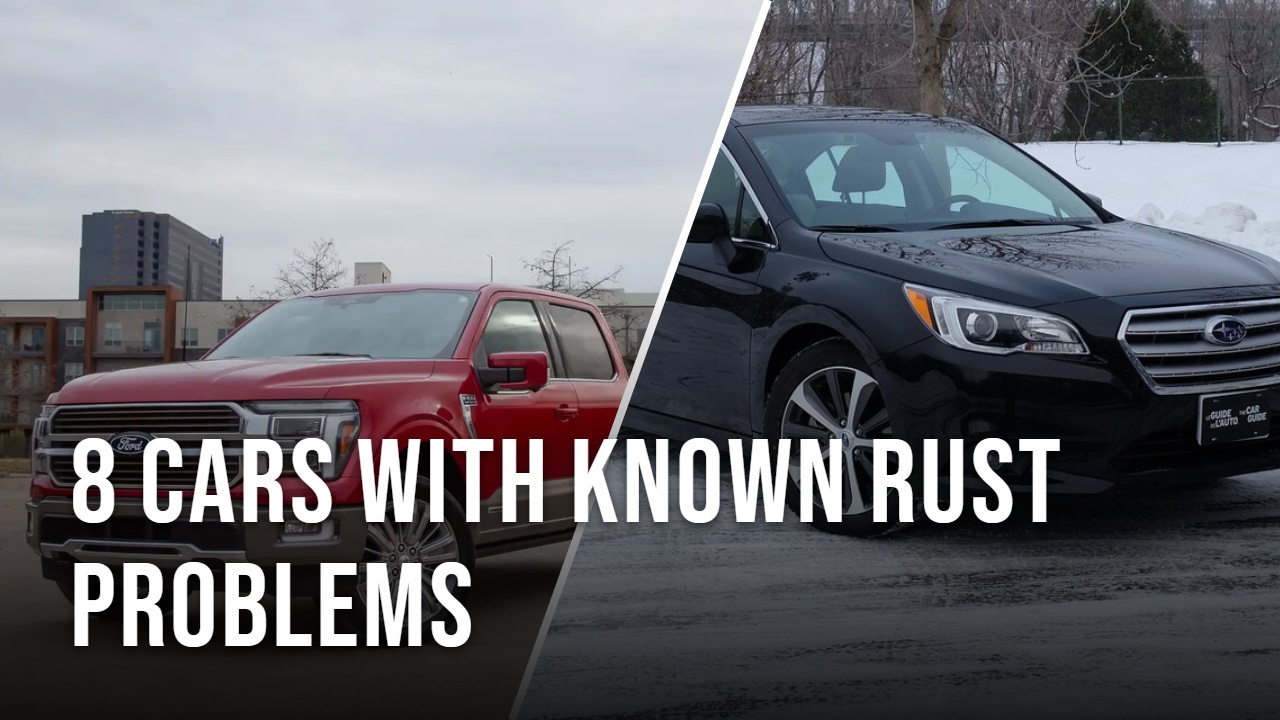
Rust is a serious concern for used car buyers because corrosion can affect more than a vehicle’s appearance. Surface rust on panels may only create cosmetic issues, but corrosion that reaches frames, suspension mounting points, brake components, or structural areas can create expensive repairs and safety concerns.
Certain vehicles have gained reputations for rust problems because of design weaknesses, exposure to road salt, manufacturing issues, or insufficient corrosion protection during production.
Some cases have been supported by manufacturer service campaigns, technical service bulletins, safety investigations, or repeated owner complaints.
This article looks at eight vehicles with documented rust concerns and explains the evidence behind those claims. The focus is not to suggest that every example of these vehicles will develop corrosion, since maintenance history, climate, storage conditions, and previous repairs make a major difference.
A vehicle from a dry region may remain in excellent condition, while the same model driven through snowy areas with heavy road salt may face greater corrosion risks. Understanding known rust patterns helps buyers inspect used vehicles more carefully and make better decisions before purchasing.
Also Read: 5 Best Toyota RAV4 Years vs 5 to Skip
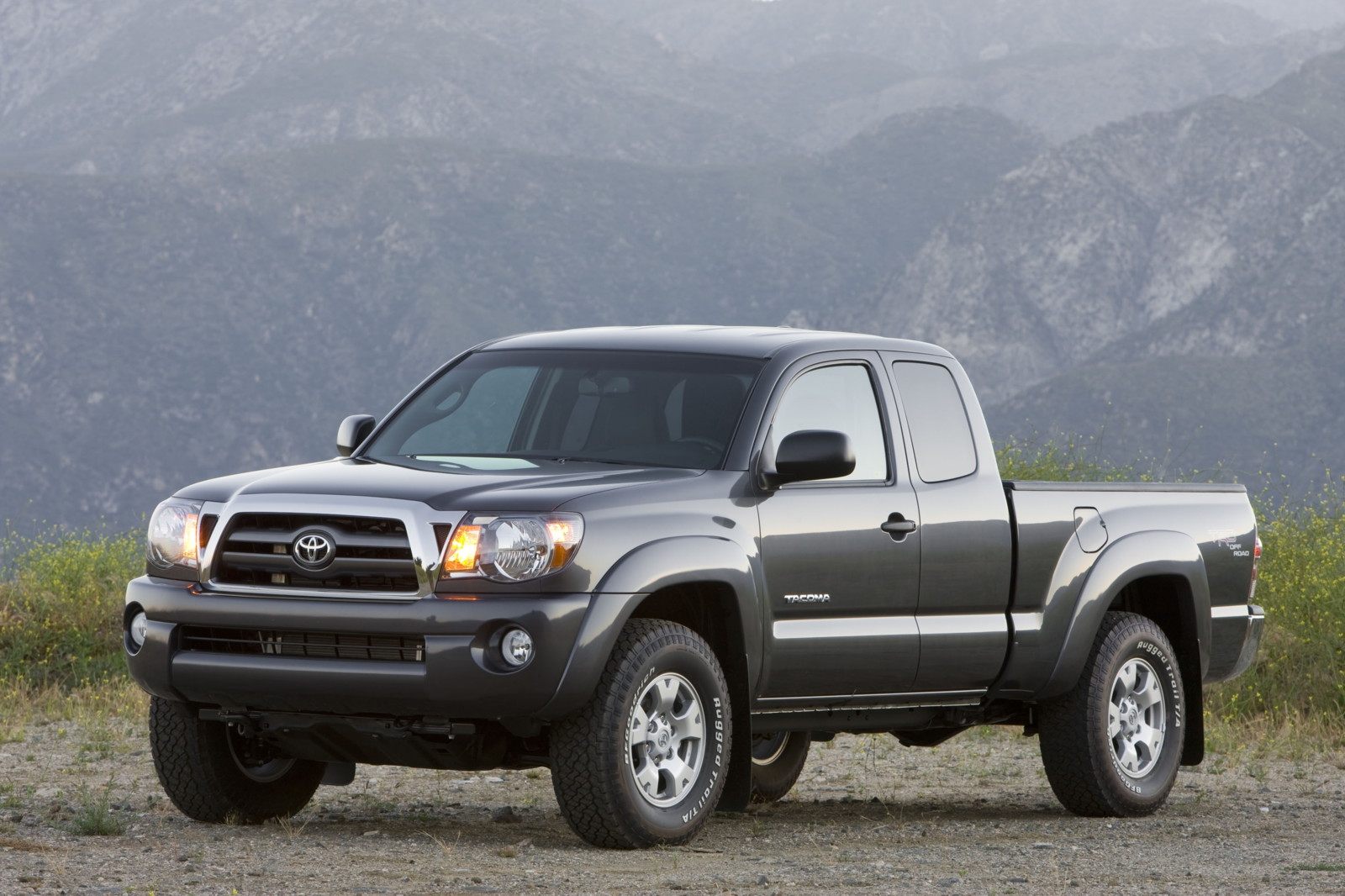
- Engine: 2.7-liter inline 4-cylinder / 4.0-liter V6 gasoline engine
- Horsepower: 159 hp (2.7L) / 236 hp (4.0L V6)
- Torque: 180 lb-ft (2.7L) / 266 lb-ft (4.0L V6)
- Length: 190.4 to 221.3 inches (depending on cab and bed configuration)
- Width: 74.6 inches
1. Toyota Tacoma (2005 to 2017): Frame Corrosion Concerns
The Toyota Tacoma has built a strong reputation for reliability, but certain model years developed well-known frame corrosion concerns.
The issue became especially associated with trucks operated in areas where winter road salt is commonly used. Instead of being limited to outer body panels, the problem involved the vehicle’s frame, which is a critical structural component.
Toyota acknowledged frame corrosion concerns through service campaigns involving specific Tacoma model years. Technical service information referenced significant rust perforation concerns affecting frame assemblies on 2005 to 2008 Tacoma models, with corrosion-resistant compound applications used as part of the response.
Later Tacoma models from 2011 to 2017 were also included in a campaign addressing frame corrosion reports in certain cold-climate regions with high road salt exposure.
The evidence behind the Tacoma rust problem comes from official Toyota campaigns and technical documentation rather than only individual owner experiences.
The manufacturer’s response included inspections, protective treatments, and frame replacement procedures for vehicles that met specific conditions. These actions showed that the corrosion concern was significant enough to require a structured repair program.
Buyers considering an older Tacoma should inspect the frame carefully, especially around the rear frame sections, cross members, suspension attachment areas, and areas where dirt and moisture can collect.
A clean-looking exterior does not always indicate a healthy frame because corrosion often begins underneath the vehicle, where it receives less attention. A Tacoma with proper rust prevention treatment and a history from a region with limited salt exposure can still be a dependable used truck.
However, anyone shopping for affected model years should verify whether previous corrosion-related repairs were completed and should avoid assuming that Toyota’s reputation for durability automatically means every Tacoma is free from rust risks.
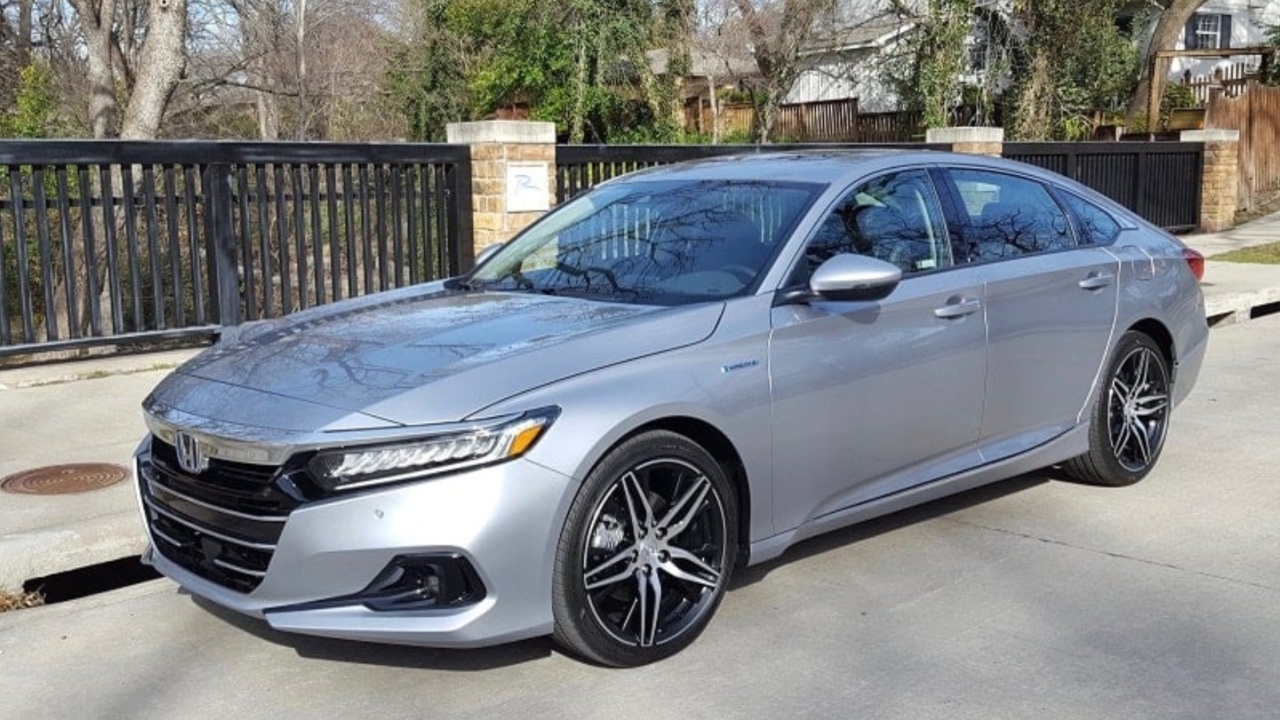
- Engine: 2.4-liter inline 4-cylinder / 3.5-liter V6 gasoline engine
- Horsepower: 177 to 190 hp (2.4L) / 268 hp (3.5L V6)
- Torque: 161 to 162 lb-ft (2.4L) / 248 lb-ft (3.5L V6)
- Length: 194.1 inches
- Width: 72.7 inches
2. Honda Accord (Selected Models): Rear Subframe Rust Concerns
The Honda Accord has been sold for decades and is widely recognized for durability, fuel efficiency, and practicality. Certain Accord models, however, have faced corrosion-related concerns involving structural components rather than simple paint or surface oxidation.
Rear subframe corrosion has been a major area of attention because this component supports important suspension connections.
Honda has addressed rust-related safety concerns through recalls affecting certain vehicles where corrosion could weaken the rear subframe. The concern involved corrosion in areas where protective coatings were not sufficient, creating a possibility of structural deterioration in vehicles exposed to environments with heavy road salt use.
A rust problem involving a subframe is different from ordinary exterior corrosion. A rusty door edge or wheel arch may be expensive to repair, but corrosion affecting suspension support areas can influence vehicle stability and handling. This is why manufacturers treat structural rust concerns more seriously than cosmetic corrosion.
Used car buyers looking at older Accord models should inspect underneath the vehicle, especially around the rear suspension mounting areas. Signs such as flaking metal, heavy scaling, repaired sections, or fresh undercoating hiding damaged areas deserve closer examination. A professional inspection can help identify corrosion that is difficult to see during a quick vehicle check.
The Accord remains a popular used vehicle choice, but buyers should research the specific model year and check whether any corrosion-related campaigns apply. A well-maintained example can provide many years of service, while a vehicle with neglected underbody corrosion may require costly repairs.
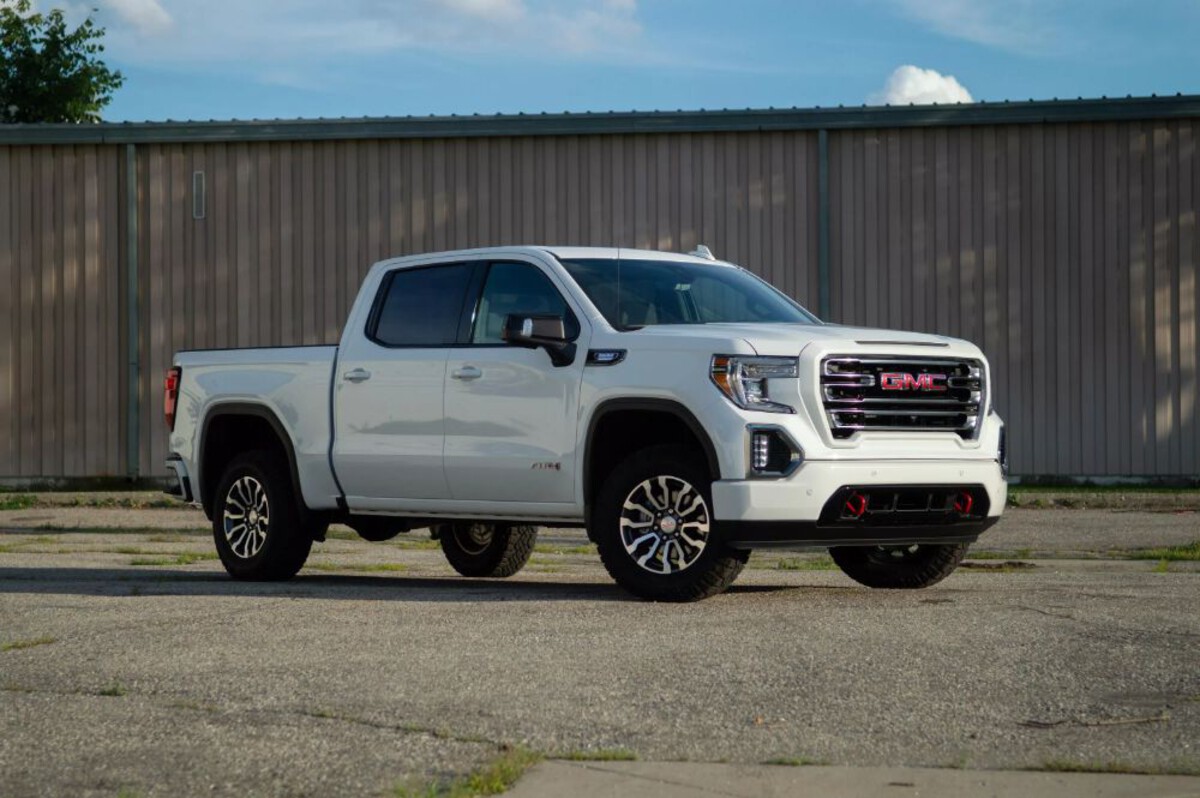
- Engine: 4.3-liter V6 / 4.8-liter V8 / 5.3-liter V8 / 6.2-liter V8 gasoline engine
- Horsepower: 195 hp (4.3L) / 295 hp (4.8L) / 315 hp (5.3L) / 403 hp (6.2L)
- Torque: 260 lb-ft (4.3L) / 305 lb-ft (4.8L) / 338 lb-ft (5.3L) / 417 lb-ft (6.2L)
- Length: 205.6 to 249.2 inches
- Width: 79.9 inches
3. Chevrolet Silverado and GMC Sierra (Selected Older Models): Frame and Body Rust Issues
Pickup trucks often face harsh conditions because many owners use them for towing, hauling, and driving through environments where mud, moisture, and road chemicals collect underneath.
Certain older Chevrolet Silverado and GMC Sierra models have developed reputations among owners for rust affecting rocker panels, wheel areas, and underbody sections.
Many complaints surrounding these trucks involve corrosion in regions that experience winter salt exposure. The combination of steel body panels, trapped moisture, and limited cleaning underneath the vehicle can accelerate rust development. Areas such as cab corners and rocker panels are common inspection points on older examples.
The evidence for these concerns has largely come from long-term ownership reports, repair discussions, and automotive inspection experience rather than a single major corrosion campaign covering all models.
Rust patterns vary significantly depending on location, maintenance habits, and whether protective treatments were applied. Buyers inspecting older Silverado or Sierra trucks should look beyond the paint condition. A truck may appear clean from several feet away while having serious corrosion underneath.
Checking the frame rails, suspension areas, brake lines, fuel lines, and cab mounting points provides a clearer picture of its condition. A rust-free example from a dry climate can still be an excellent purchase. However, trucks that spent many winters in areas with salted roads require careful evaluation before purchase because repairing advanced corrosion can cost more than expected.
- Engine: 2.5-liter inline 4-cylinder / 4.0-liter V6 gasoline engine
- Horsepower: 152 hp (2.5L) / 261 hp (4.0L V6)
- Torque: 171 lb-ft (2.5L) / 281 lb-ft (4.0L V6)
- Length: 205.5 inches
- Width: 72.8 inches
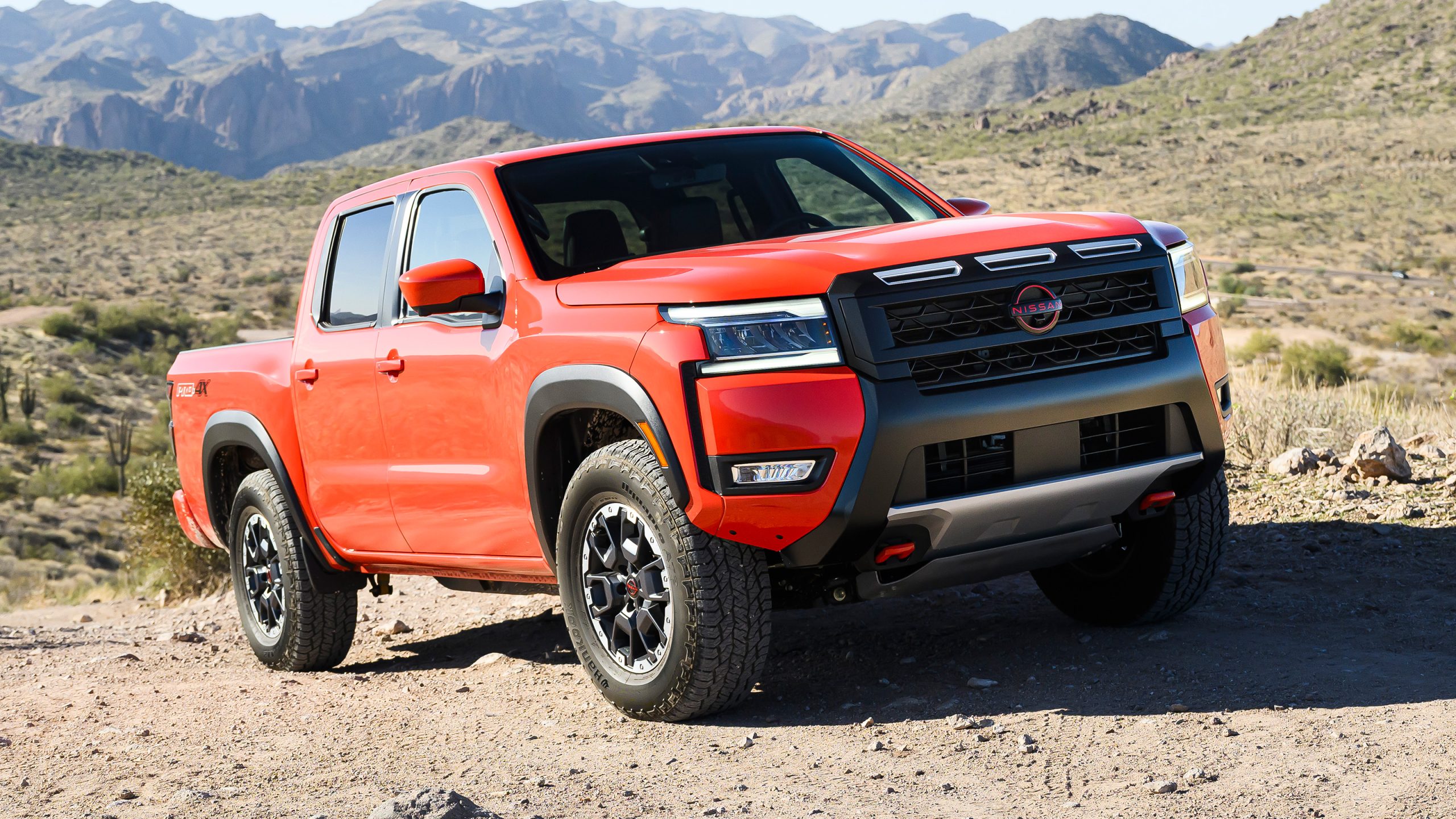
4. Nissan Frontier (2005 to 2010): Frame Rust Problems
The second-generation Nissan Frontier, especially models produced from 2005 through 2010, developed a reputation for frame corrosion concerns. Similar to some other pickup trucks, the main issue involved the vehicle’s frame rather than only the visible body panels. Since the frame provides the foundation of the truck’s structure, serious corrosion in this area can create expensive repair challenges.
Nissan acknowledged frame corrosion concerns affecting certain Frontier models through a class action settlement and related repair programs. The concerns focused on excessive rust that could weaken the vehicle frame in areas exposed to moisture and road salt. Documentation from legal filings and owner reports showed that corrosion complaints were concentrated among vehicles operated in states where winter road treatments are common.
The affected Frontier trucks were especially vulnerable because moisture, dirt, and salt could become trapped in areas of the frame.
Over time, repeated exposure could lead to scaling rust, weakened metal, and holes developing in sections that are difficult to inspect without lifting the vehicle. Owners in northern regions frequently reported discovering severe frame corrosion after several years of use.
The evidence behind the Frontier rust issue is supported by Nissan’s response to corrosion complaints and documented legal action. The company provided inspections and repair options for qualifying vehicles, showing that the issue went beyond isolated owner experiences.
A truck that received corrosion treatment or frame repairs may still be a reasonable purchase, but buyers should confirm the work was completed properly.
Anyone shopping for a used Frontier from these years should inspect the frame carefully. Warning signs include heavy rust flakes, holes in the frame rails, damaged cross members, and areas covered with thick undercoating that may hide corrosion. A vehicle history report and professional inspection can provide additional information before purchase.
Also Read: 10 Cheapest Everyday Cars to Insure in 2026
- Engine: 2.0-liter / 2.3-liter / 2.5-liter inline 4-cylinder gasoline engine
- Horsepower: 148 hp (2.0L) / 160 hp (2.3L) / 167 hp (2.5L)
- Torque: 135 lb-ft (2.0L) / 150 lb-ft (2.3L) / 168 lb-ft (2.5L)
- Length: 178.3 to 180.3 inches
- Width: 69.1 inches
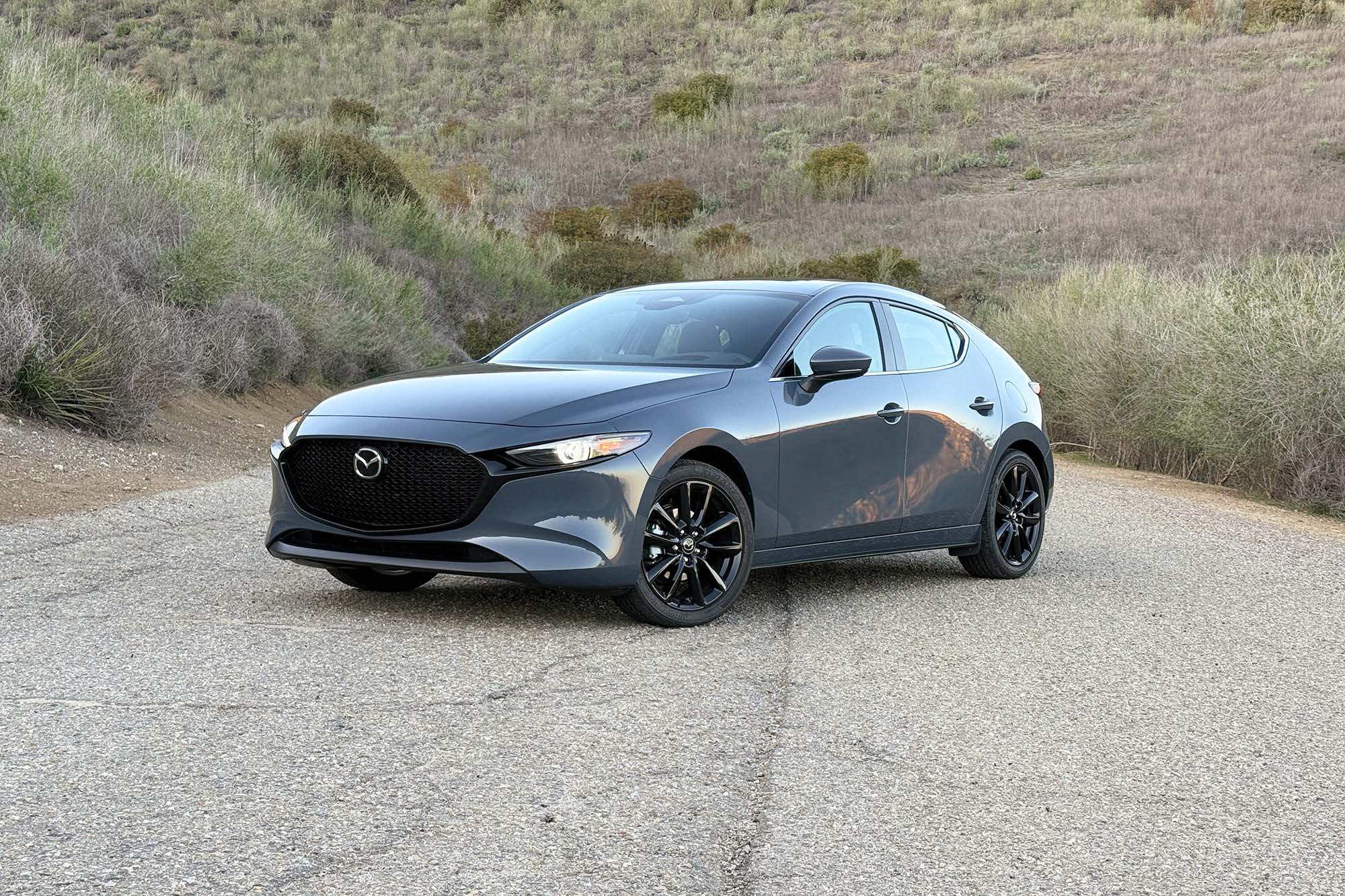
5. Mazda3 (2004 to 2013): Wheel Arch and Body Rust Concerns
The Mazda3 gained popularity because of its engaging driving experience, efficient engines, and practical design. However, some early Mazda3 models developed corrosion problems, particularly in areas where moisture and road debris collected. Wheel arches, fenders, and lower body sections became common locations for rust complaints.
The owner reports that rust frequently appears around the rear wheel arches and quarter panels. The issue was more noticeable in regions with heavy winter weather and road salt use.
The design of certain body areas allowed dirt and moisture to remain trapped, creating conditions where corrosion could begin beneath the paint.
Mazda addressed corrosion concerns through warranty extensions and repair programs in some markets. The company also issued service information related to corrosion inspection and repair procedures. These actions provided evidence that certain Mazda3 models experienced repeated corrosion problems rather than random isolated cases.
The rust issue on the Mazda3 is generally different from the frame corrosion seen on some trucks. In many cases, the problem affected body panels rather than the vehicle’s primary structure. However, repairing rusted quarter panels or wheel arches can still become expensive because proper repair often requires cutting damaged metal and repainting large sections.
Used Mazda3 buyers should inspect the edges of wheel arches, door bottoms, trunk areas, and areas behind plastic trim. Fresh paint in these locations may indicate previous repairs. A vehicle with small surface rust may be manageable, but extensive bubbling paint usually indicates corrosion underneath.
The Mazda3 remains a popular used compact car, especially among drivers looking for reliability and enjoyable handling. Buyers who find a rust-free example with good maintenance records can still benefit from the model’s strengths.
Careful inspection is important because corrosion severity varies greatly depending on where the car spent most of its life.
- Engine: 3.8-liter V6 / 3.6-liter Pentastar V6 gasoline engine
- Horsepower: 202 hp (3.8L) / 285 hp (3.6L)
- Torque: 237 lb-ft (3.8L) / 260 lb-ft (3.6L)
- Length: 152.8 inches (2-door) / 184.9 inches (Unlimited)
- Width: 73.7 inches
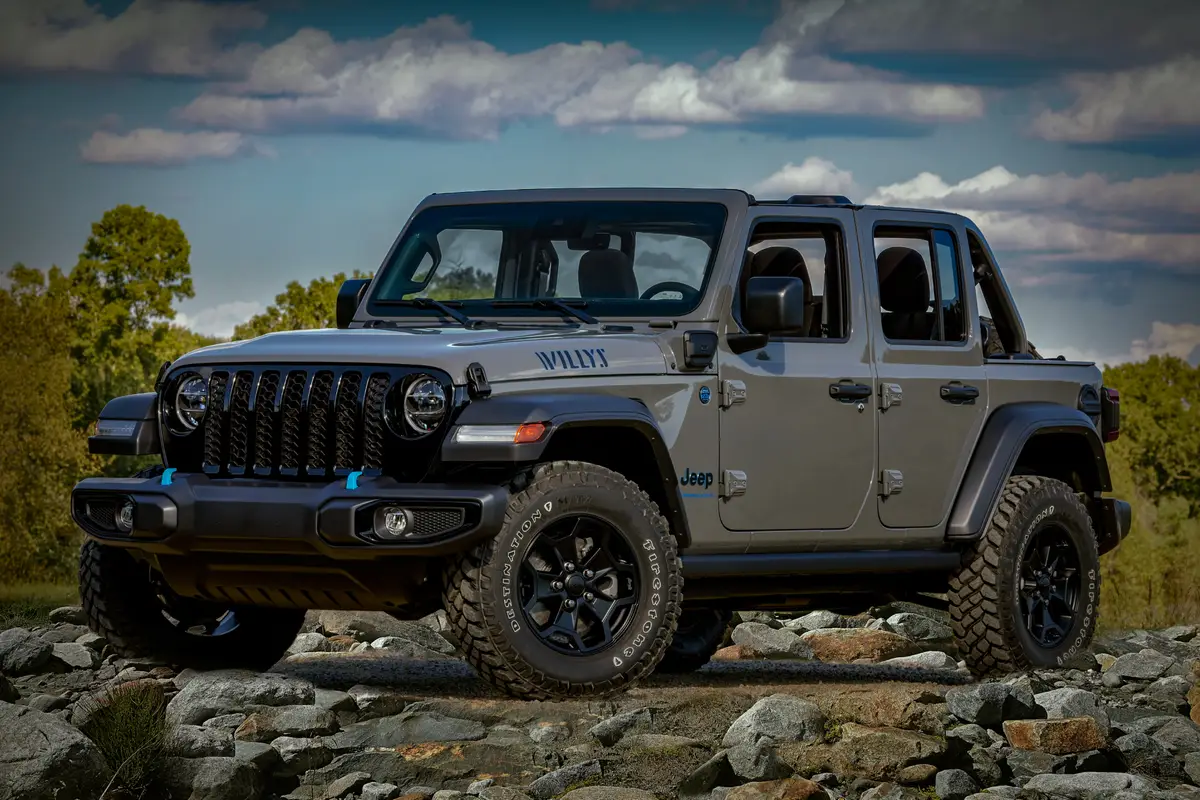
6. Jeep Wrangler (Various Generations): Body and Frame Corrosion Issues
The Jeep Wrangler is known for off-road capability and a rugged design, but its construction and typical usage conditions can create opportunities for rust development.
Many Wranglers spend time on trails, near mud, water, and dirt, which can collect in areas that are difficult to clean. Some generations have developed common corrosion points involving body panels, hinges, frames, and underbody components.
Owner communities have repeatedly documented rust problems affecting certain Wrangler models, particularly vehicles used in regions with winter road salt or coastal environments. Common areas include the frame, floor sections, windshield hinges, door hinges, and body mounts.
The Jeep Wrangler’s removable panels and exposed design can make maintenance more important than with many ordinary passenger cars. Water can enter areas around seals and drainage points, while mud trapped underneath can hold moisture against metal surfaces. Without regular cleaning and protection, corrosion can progress faster.
The frame is the most important area to inspect on older Wranglers. Surface rust is common and may not necessarily indicate a serious problem, but deep scaling, holes, or weakened mounting points can affect safety and repair costs. Some owners apply rust prevention products regularly to reduce long-term damage.
Evidence of Wrangler rust concerns comes mainly from long-term ownership reports, repair documentation, and repeated inspection findings. The problems are not universal because climate, maintenance, and vehicle use have a major impact. A Wrangler from a dry region may remain in excellent condition for decades.
Buyers interested in a used Wrangler should examine the vehicle carefully rather than focusing only on mileage or modifications. Off-road upgrades may improve capability but can also make inspection more complicated if they cover important areas. A careful evaluation of the frame and body condition is essential before buying.
- Engine: 4.2-liter V6 / 4.6-liter V8 / 5.0-liter V8 / 5.4-liter V8 / 6.2-liter V8 gasoline engine
- Horsepower: 202 hp (4.2L) / 248 to 292 hp (4.6L) / 360 hp (5.0L) / 300 to 320 hp (5.4L) / 411 hp (6.2L)
- Torque: 260 lb-ft (4.2L) / 294 to 320 lb-ft (4.6L) / 380 lb-ft (5.0L) / 365 to 390 lb-ft (5.4L) / 434 lb-ft (6.2L)
- Length: 213.1 to 248.9 inches
- Width: 78.9 inches
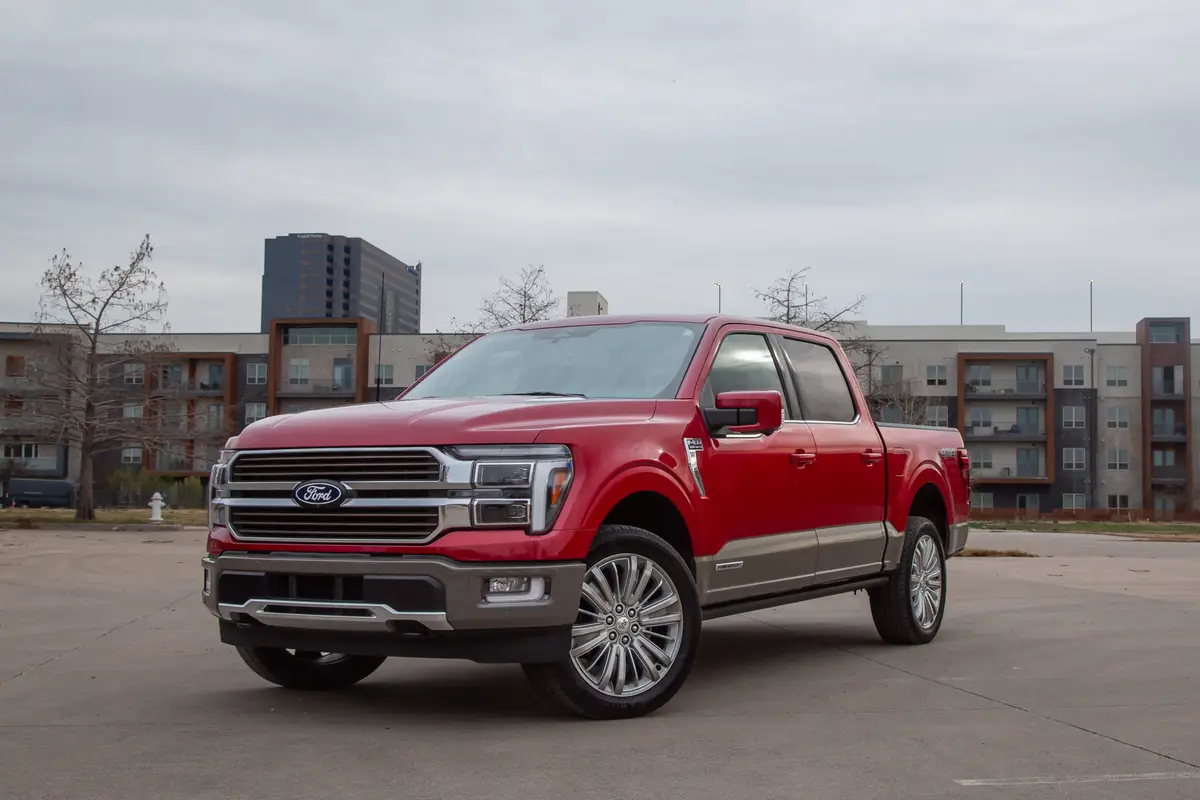
7. Ford F-150 (Older Generations): Rust Around Body Panels and Frames
The Ford F-150 has been among the best-selling pickup trucks for many years, but certain older generations have experienced corrosion complaints. The most common concerns involve aluminum or steel body components, depending on the generation, along with traditional rust areas such as rocker panels, cab corners, and underbody sections.
Older steel-bodied F-150 trucks often developed corrosion in areas exposed to moisture, road salt, and debris. Cab corners and rocker panels were frequent problem areas because these sections could trap water and contaminants. Once rust began beneath protective coatings, repairs could become extensive.
The introduction of aluminum body panels on newer F-150 generations changed the type of corrosion concerns owners discussed.
Aluminum does not rust like steel, but it can experience different forms of corrosion when exposed to certain contaminants or when protective barriers are damaged. Ford provided repair guidance for some aluminum corrosion-related concerns through dealer technical information.
Long-term owner experiences and repair records have provided much of the evidence regarding F-150 corrosion patterns. These reports help identify common trouble areas, though they do not mean every truck from a particular year will experience the same issue.
Buyers considering an older F-150 should inspect the underside, wheel wells, door edges, tailgate areas, and cab mounting points. Trucks used for commercial purposes or in harsh climates may require additional attention because they often experience greater exposure to damaging conditions.
A properly maintained F-150 can remain a reliable work vehicle for many years. The key factor is identifying whether corrosion is cosmetic or whether it has reached structural components. A professional inspection is valuable for older trucks because hidden rust can be difficult to detect.
- Engine: 2.5-liter Boxer 4-cylinder / 3.0-liter Boxer 6-cylinder / 3.6-liter Boxer 6-cylinder gasoline engine
- Horsepower: 170 hp (2.5L) / 245 hp (3.0L) / 256 hp (3.6L)
- Torque: 170 lb-ft (2.5L) / 215 lb-ft (3.0L) / 247 lb-ft (3.6L)
- Length: 186.4 inches (Legacy) / 189.0 inches (Outback)
- Width: 71.7 inches
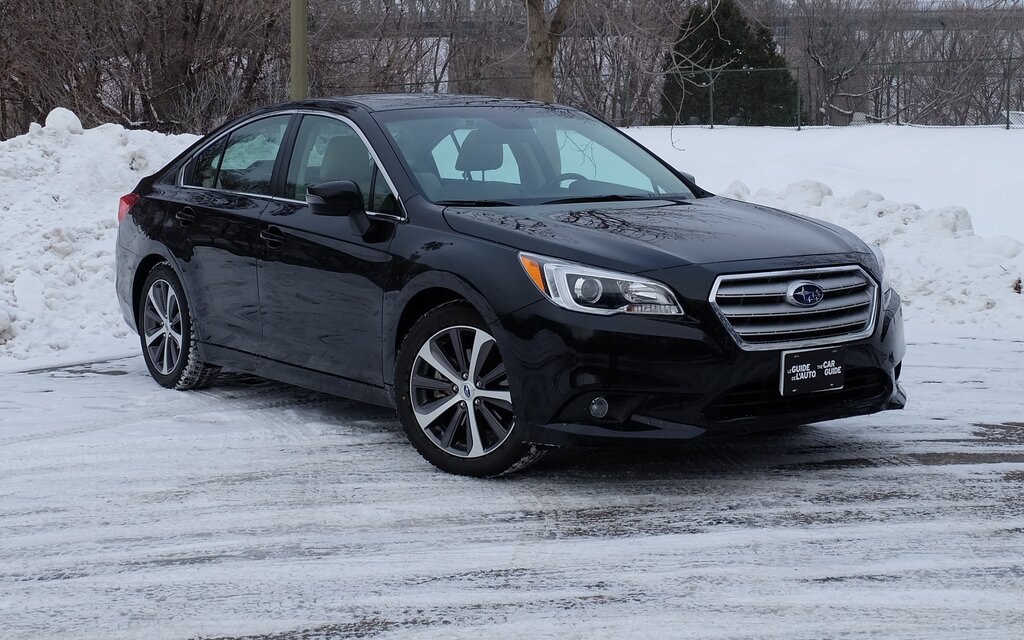
8. Subaru Legacy and Outback (Older Models): Underbody and Suspension Rust Concerns
Subaru vehicles have earned a reputation for durability, all-weather capability, and long service life. However, certain older Legacy and Outback models developed corrosion concerns, particularly in regions where road salt is heavily used during winter. The main areas of concern included underbody sections, suspension components, brake lines, and structural mounting points.
Subaru acknowledged corrosion concerns through recalls and service campaigns involving specific vehicles. One example involved certain Legacy and Outback models where corrosion could affect rear suspension components in areas exposed to salt and moisture.
The National Highway Traffic Safety Administration documented investigations and recall information related to corrosion risks affecting specific Subaru vehicles. The design of many Subaru vehicles places important mechanical components underneath the vehicle where they are exposed to road spray, snow, and salt.
Regular cleaning can reduce the buildup of corrosive materials, but vehicles that spend years in harsh winter climates may still develop significant rust if protective measures are not taken.
The evidence surrounding Subaru rust concerns comes from government safety records, manufacturer actions, and repeated owner experiences.
These sources show that corrosion problems were serious enough in certain cases to require inspections and repairs. However, rust severity varies greatly between vehicles because environmental exposure plays a major role.
Used Subaru buyers should inspect the rear subframe, suspension mounting points, brake lines, exhaust system, and floor areas. Warning signs include thick rust scale, weakened metal, damaged fasteners, and recently applied coatings that may hide existing corrosion.
A well-maintained Subaru from a dry climate may have little corrosion even after many years. Buyers should focus on the actual condition of the vehicle rather than relying only on the reputation of the model. A detailed inspection can help separate a reliable example from a vehicle that may require major repairs.
