The Tesla Model Y has become one of the best-selling vehicles in the United States thanks to its impressive combination of electric range, quick acceleration, advanced software, and access to Tesla’s extensive Supercharger network.
It offers strong efficiency, generous cargo space, and a minimalist interior that appeals to many buyers. For these reasons, it remains one of the benchmarks in the electric SUV segment.
However, no single vehicle leads in every category. Competing manufacturers have developed electric SUVs that surpass the Model Y in specific measurable areas such as charging speed, ride comfort, towing capacity, interior craftsmanship, off-road capability, luxury features, and passenger space.
Depending on a buyer’s priorities, these strengths may outweigh the advantages offered by Tesla’s popular crossover.
This article focuses on objective comparisons rather than personal opinions. Every vehicle listed outperforms the Tesla Model Y in at least one clearly defined category using manufacturer specifications, EPA data, IIHS or NHTSA safety information where applicable, or verified performance figures.
That does not mean the Model Y is an inferior vehicle. Instead, it demonstrates that buyers with different needs can find alternatives that better match their priorities.
Whether you value premium craftsmanship, ultra-fast charging, rugged off-road capability, greater towing capacity, or a quieter highway ride, these eight vehicles provide compelling reasons to look beyond the Tesla Model Y while remaining among the strongest electric SUVs available in the American market.
Also Read: 10 Assembly Plants That Build More Than One Brand
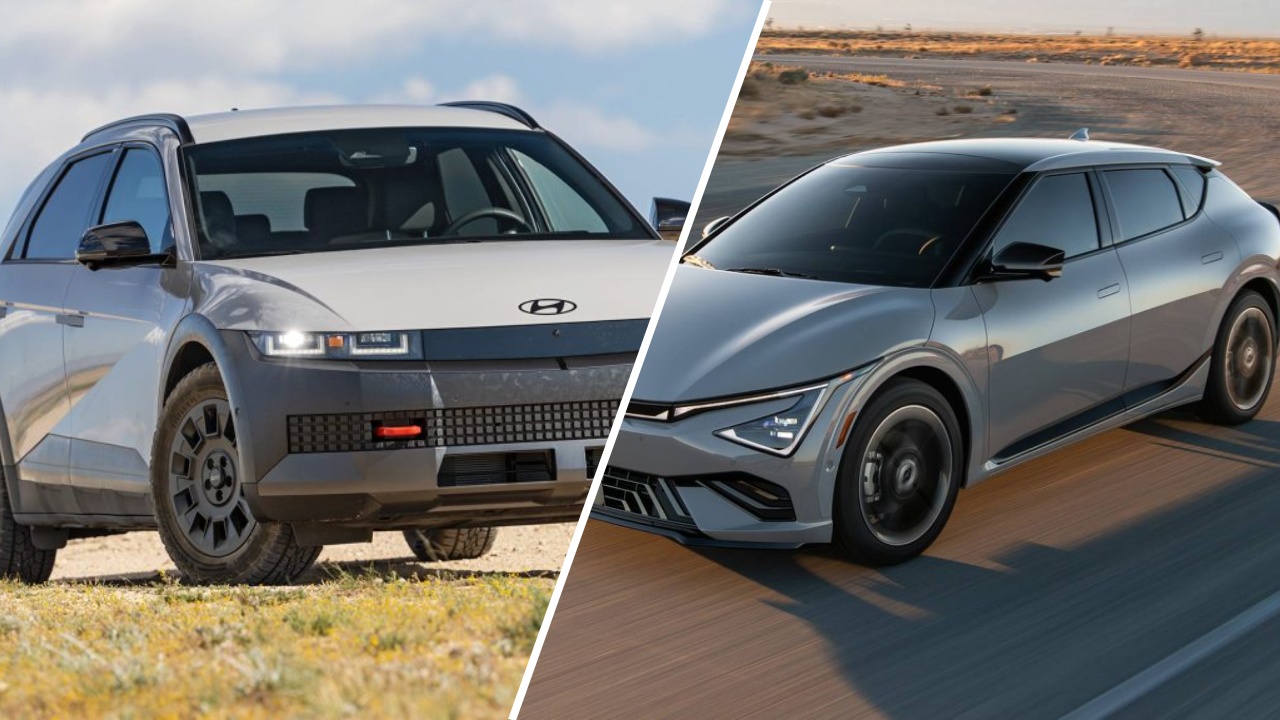
1. Hyundai Ioniq 5
The Tesla Model Y delivers excellent efficiency and strong real-world range, but the Hyundai Ioniq 5 establishes a clear advantage in one of the most important aspects of EV ownership: charging speed.
Built on Hyundai Motor Group’s advanced 800-volt E-GMP platform, the Ioniq 5 can accept significantly higher DC fast-charging rates than the Model Y under ideal conditions.
When connected to a compatible high-power charger, Hyundai states the battery can charge from 10 percent to 80 percent in approximately 18 minutes, allowing drivers to spend less time waiting during long-distance travel.
The Ioniq 5 also distinguishes itself through ride quality. Its longer wheelbase, carefully tuned suspension, and quieter cabin create a smoother highway experience than the firmer-driving Model Y. Many reviewers have praised the Hyundai for absorbing road imperfections with greater composure while maintaining confident handling.
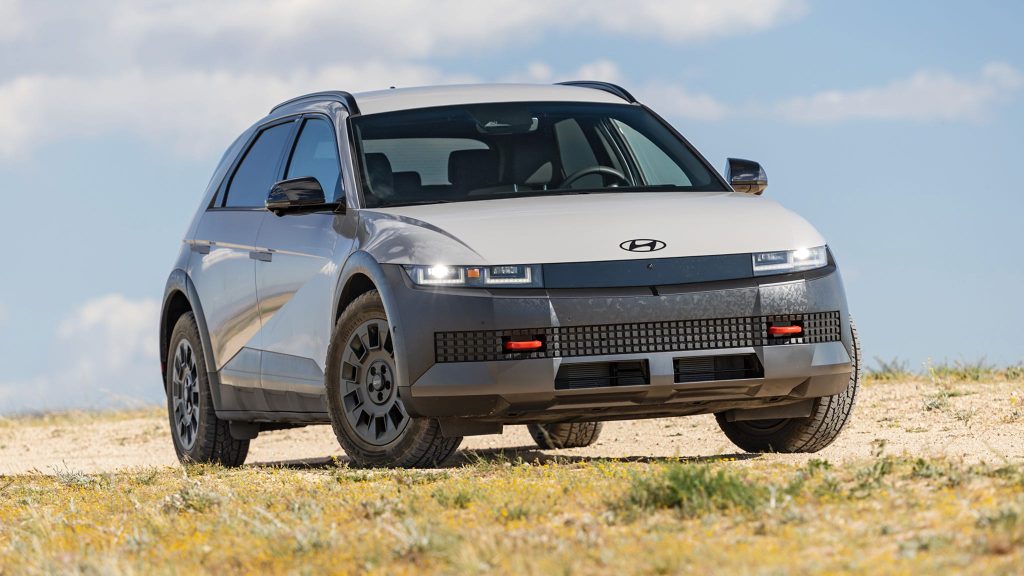
Another feature unavailable on the Model Y is Vehicle-to-Load capability. This system allows the Ioniq 5 to supply electricity to appliances, camping equipment, power tools, or emergency household devices directly from the traction battery. The feature adds practical versatility for outdoor enthusiasts and emergency preparedness.
The Hyundai Ioniq 5 offers a cabin design that balances modern technology with everyday usability. Its interior features supportive seats, high-quality materials, and physical controls for commonly used functions, making key adjustments quick and intuitive. Drivers who prefer traditional buttons and switches over fully touchscreen-based interfaces may appreciate the more familiar and user-friendly layout.
The Tesla Model Y continues to hold advantages in software integration and Supercharger access. However, when the comparison centers on charging technology, ride comfort, cabin usability, and power export capability, the Hyundai Ioniq 5 demonstrates measurable strengths that many buyers will consider more valuable.
Specifications
- Engine: Dual permanent-magnet electric motors
- Torque: 446 lb-ft
- Horsepower: 320 hp
- Length/Width: 183.3 inches / 74.4 inches
2. Rivian R1S
The Tesla Model Y excels as a family-oriented electric crossover, but it was never designed to serve as a serious off-road vehicle or heavy-duty adventure SUV. The Rivian R1S fills that role by combining high-performance electric propulsion with genuine trail capability, making it the superior choice for buyers who regularly venture beyond paved roads.
Its greatest advantage is its capability. The R1S offers substantially higher towing capacity than the Model Y, with properly equipped versions capable of pulling up to 7,700 pounds. That difference allows owners to tow larger campers, boats, and utility trailers that would exceed Tesla’s towing limits.
Off-road hardware further separates the Rivian from the Model Y. Adjustable air suspension can raise ground clearance significantly for difficult terrain, while multiple drive modes optimize traction for mud, sand, rocks, and snow.
Independent electric motors provide precise torque distribution, enabling remarkable grip without relying solely on conventional differentials. These features make the R1S one of the few electric SUVs capable of tackling demanding off-road trails directly from the factory.
Passenger space and versatility also favor the Rivian. It offers genuine three-row seating, additional cargo flexibility, and practical storage solutions such as a spacious front trunk and numerous accessory options designed for camping and overlanding.
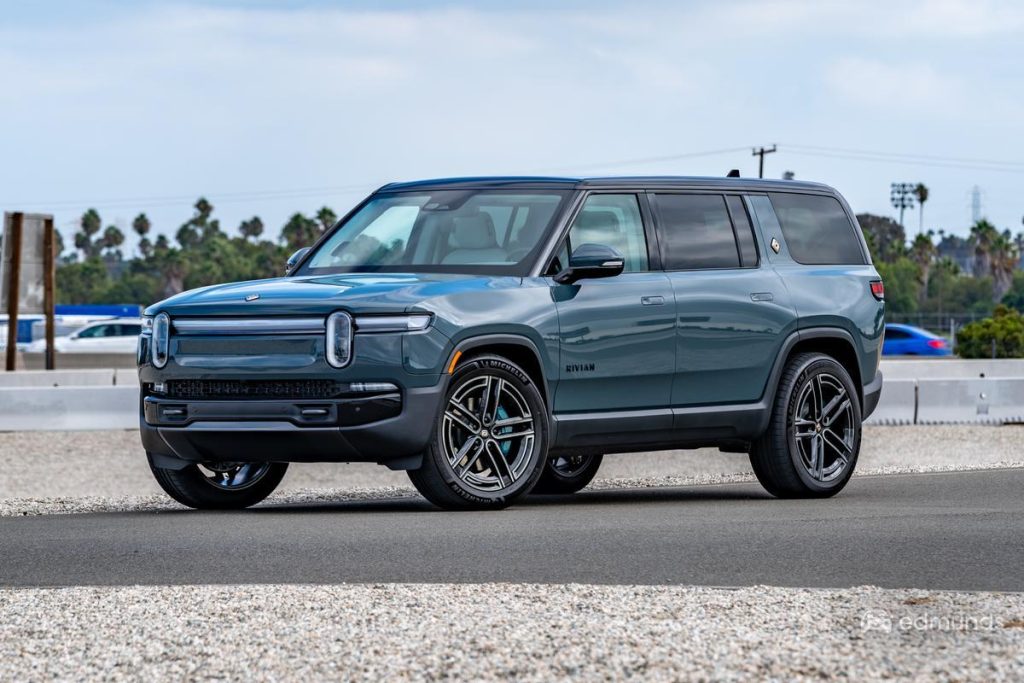
While the Model Y remains more efficient and generally less expensive, the R1S clearly outperforms it in towing capability, off-road performance, passenger capacity, and adventure-focused versatility.
Buyers whose lifestyle includes frequent outdoor travel or towing will find that the Rivian provides abilities that extend far beyond the mission of Tesla’s compact crossover.
Specifications
- Engine: Dual electric motors
- Torque: 610 lb-ft
- Horsepower: 533 hp
- Length/Width: 200.8 inches / 79.3 inches
3. Kia EV6
The Tesla Model Y has earned its reputation through strong efficiency and a mature charging ecosystem, but the Kia EV6 demonstrates that charging speed and driver engagement can be equally important. Sharing Hyundai Motor Group’s advanced 800-volt E-GMP platform, the EV6 is engineered to minimize charging stops while delivering a sportier driving experience.
Its biggest measurable advantage is DC fast charging. When connected to a compatible 350-kW charger, Kia states the EV6 can recharge from 10 percent to 80 percent in about 18 minutes.
The Model Y typically requires more time to reach the same state of charge under comparable conditions because it uses a lower-voltage electrical architecture. For drivers who regularly take long highway trips, shorter charging sessions can noticeably reduce total travel time.
The EV6 GT also raises the performance bar. With up to 576 horsepower in GT form, it accelerates from 0 to 60 mph in roughly 3.4 seconds, making it quicker than the standard Tesla Model Y Long Range and competitive with the Model Y Performance.
Unlike many high-performance EVs, the EV6 GT combines that acceleration with well-balanced handling and responsive steering that many automotive reviewers have praised.
Kia also includes vehicle-to-load functionality, allowing the high-voltage battery to power household appliances, camping equipment, or electronics during outages and outdoor activities.
The cabin features a curved dual-screen layout, supportive seats, and a combination of physical controls and touchscreen functions that many drivers find more intuitive than a touchscreen-only interface.
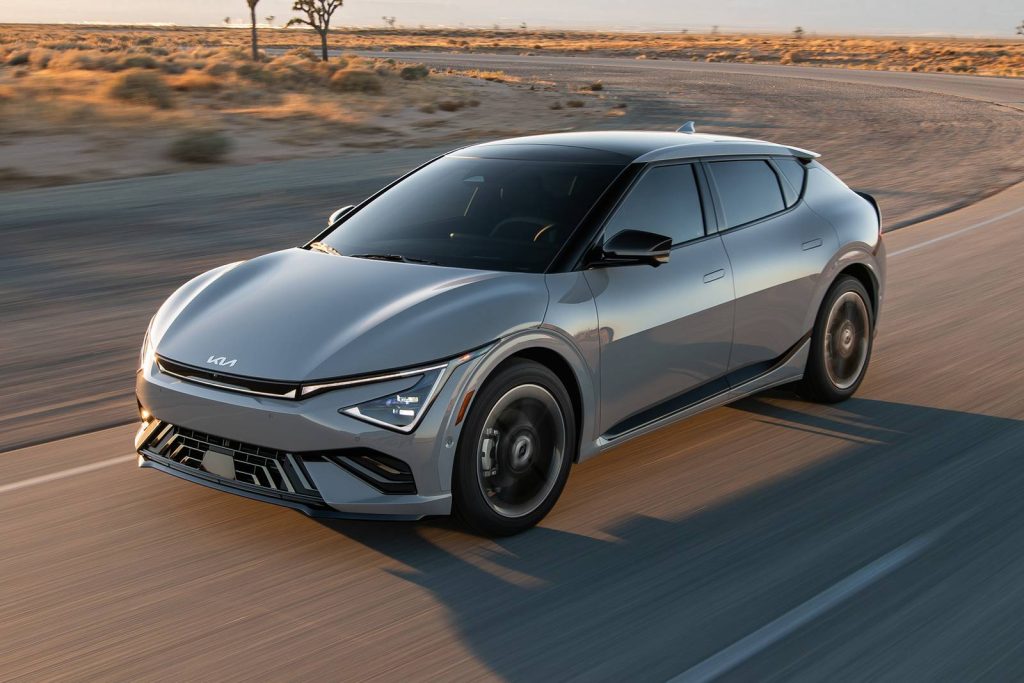
The Tesla Model Y continues to lead in charging network availability and cargo capacity. However, buyers seeking ultra-fast charging, stronger driving dynamics, and greater day-to-day versatility will find the Kia EV6 outperforming Tesla’s crossover in several objective categories.
Specifications
- Engine: Dual permanent-magnet electric motors
- Torque: 545 lb-ft
- Horsepower: 320 hp
- Length/Width: 184.8 inches / 74.4 inches
4. BMW iX
The Tesla Model Y focuses on efficiency and software, while the BMW iX is designed to deliver premium comfort without compromising electric performance. Instead of chasing the minimalist approach, BMW invested heavily in cabin refinement, ride quality, and luxury features, creating an SUV that excels in areas many premium buyers value most.
The first noticeable difference is interior craftsmanship. High-quality leather or available sustainable materials, genuine wood trim, crystal-style controls, and meticulous fit and finish give the iX a distinctly upscale feel.
The Tesla Model Y’s minimalist cabin remains functional, but the BMW provides a richer environment that more closely resembles traditional luxury SUVs.
Ride comfort is another measurable advantage. Standard air suspension on many iX models, combined with adaptive dampers and extensive sound insulation, results in a remarkably quiet cabin.
Independent road tests consistently show that the iX absorbs broken pavement and highway expansion joints more effectively than the firmer-riding Model Y, reducing fatigue during long-distance travel.
Performance remains impressive despite the emphasis on comfort. The iX xDrive50 produces 516 horsepower and reaches 60 mph in under five seconds while delivering an EPA-estimated driving range of up to 309 miles.
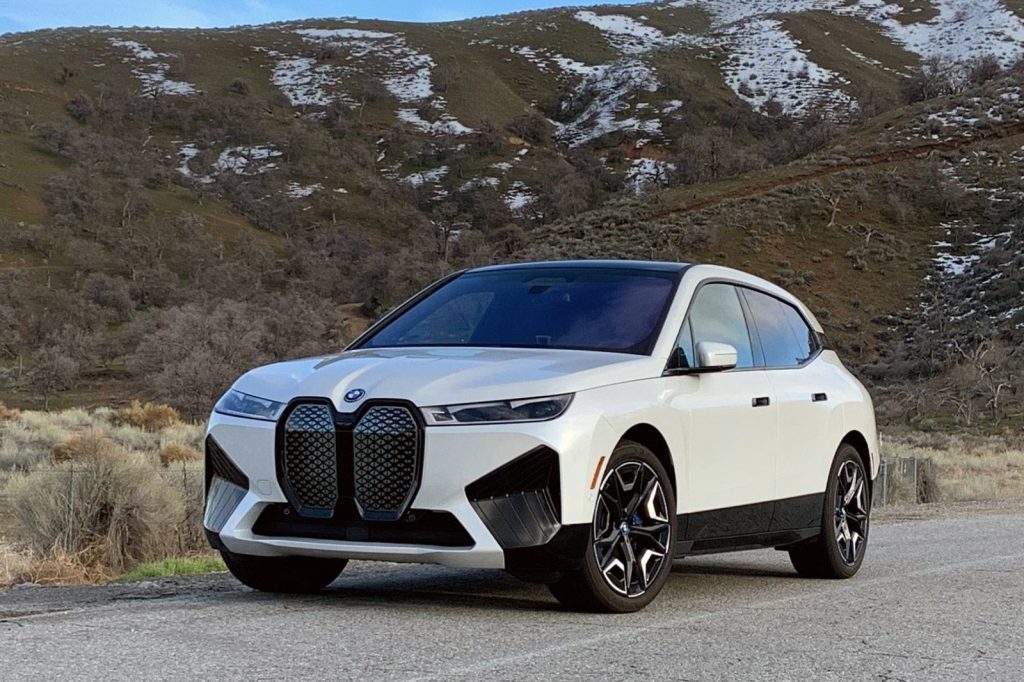
Advanced driver assistance technologies, a panoramic curved display, and BMW’s latest iDrive infotainment system further enhance the ownership experience.
The Model Y still benefits from Tesla’s software ecosystem, lower purchase price, and excellent efficiency. Nevertheless, buyers who prioritize luxury, quieter highway cruising, superior ride quality, and premium interior materials will find the BMW iX outperforming the Tesla Model Y in those clearly defined categories.
Specifications
- Engine: Dual electric motors
- Torque: 564 lb-ft
- Horsepower: 516 hp
- Length/Width: 195.0 inches / 77.4 inches
5. Lucid Gravity
The Tesla Model Y is recognized for its efficiency and practicality, but the Lucid Gravity enters the market to raise the standard for electric SUVs in range, charge performance, and interior packaging.
Developed by the company behind the record-setting Lucid Air, the Gravity incorporates technology that allows it to outperform the Model Y in several measurable categories.
One of its biggest advantages is the driving range. Lucid projects an EPA-estimated range of more than 440 miles for certain Gravity configurations, substantially exceeding the Model Y Long Range. That additional range reduces charging frequency on cross-country trips and provides greater flexibility for drivers in regions with fewer charging stations.
Charging capability is equally impressive. The Gravity’s 900-volt electrical architecture supports extremely high charging rates on compatible DC fast chargers, enabling hundreds of miles of range to be added in a short stop. This advanced system is designed to minimize downtime and improve long-distance usability.
Passenger accommodation also favors the Lucid. Unlike the two-row Tesla Model Y sold in the United States, the Gravity offers genuine three-row seating while maintaining generous cargo space. Clever packaging made possible by Lucid’s compact electric drive units creates a roomy cabin despite the vehicle’s aerodynamic exterior.
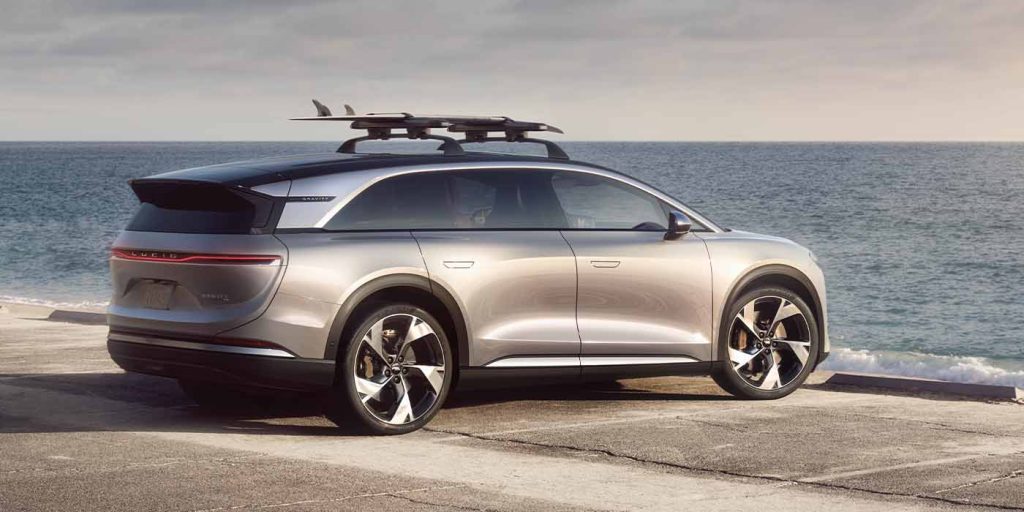
Luxury is another distinguishing factor. Premium materials, expansive digital displays, advanced driver assistance technology, and a refined suspension provide a more upscale experience than Tesla’s minimalist interior. Buyers seeking a flagship electric SUV may appreciate the additional comfort and craftsmanship.
The Model Y remains a strong value and benefits from Tesla’s extensive charging ecosystem. However, for buyers who place greater importance on maximum driving range, ultra-fast charging capability, luxury appointments, and family-oriented interior space, the Lucid Gravity establishes a measurable advantage.
Specifications
- Engine: Dual electric motors
- Torque: Approximately 909 lb-ft
- Horsepower: Up to 828 hp
- Length/Width: 198.2 inches / 78.7 inches
6. Cadillac Lyriq
Luxury means different things to different buyers, and Cadillac approached the Lyriq with an emphasis on refinement rather than minimalism. While the Tesla Model Y prioritizes technology and efficiency, the Lyriq focuses on delivering a quieter ride, premium craftsmanship, and comfort expected from a luxury SUV.
Open the door, and the difference becomes immediately apparent. Soft-touch materials cover much of the cabin, genuine metal accents enhance the interior, and available Nappa leather upholstery creates an upscale atmosphere.
A stunning 33-inch curved LED display stretches across the dashboard, combining the digital instrument cluster and infotainment system into a single high-resolution screen while maintaining a clean layout.
Ride quality is one of the Lyriq’s strongest advantages. Cadillac engineers tuned the suspension for smooth highway cruising, resulting in excellent isolation from road imperfections.
Independent testing consistently notes that the Lyriq offers a quieter cabin than the Model Y, thanks to extensive sound insulation, acoustic glass, and careful chassis tuning. Drivers covering long interstate distances often experience less fatigue because of the reduced road and wind noise.
Technology remains competitive as well. General Motors’ Super Cruise system offers one of the most advanced hands-free highway driving systems available in the United States on compatible roads. Combined with a premium AKG audio system and comprehensive driver assistance features, the Lyriq provides a luxury-focused ownership experience.
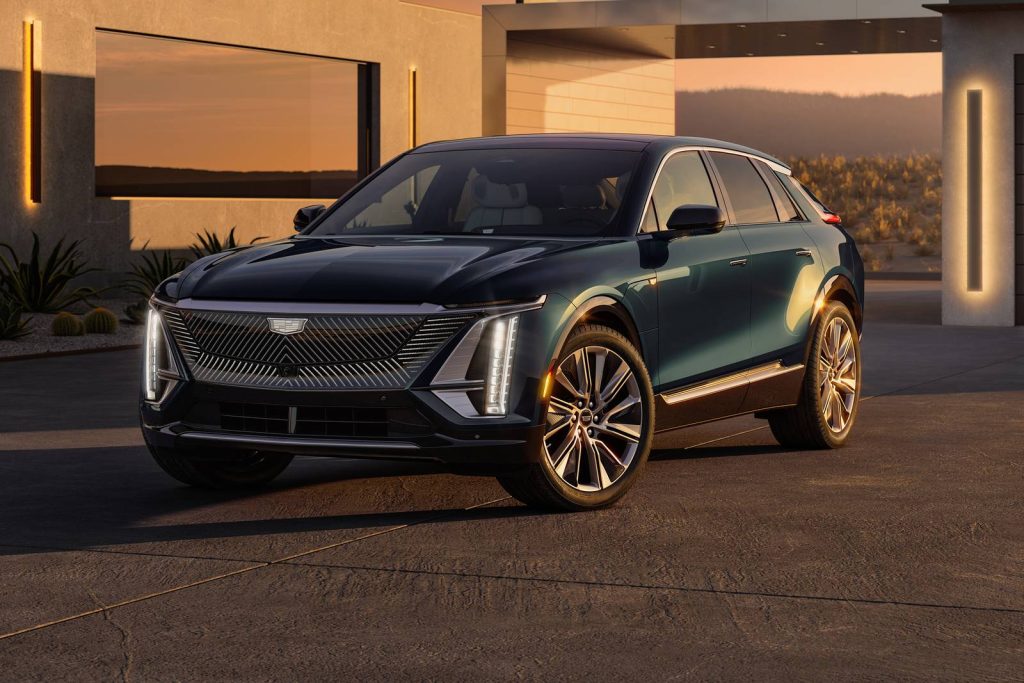
Tesla continues to lead in charging infrastructure integration and software updates. However, buyers seeking a more traditional luxury SUV with superior ride comfort, a quieter interior, premium materials, and advanced hands-free driving technology will find the Cadillac Lyriq outperforming the Model Y in those objective areas.
Specifications
- Engine: Dual permanent-magnet electric motors
- Torque: 450 lb-ft
- Horsepower: 515 hp
- Length/Width: 196.7 inches / 77.8 inches
7. Porsche Macan Electric
Performance remains a core part of Porsche’s identity, and the all-electric Macan continues that tradition in the EV segment. The Tesla Model Y Performance delivers impressive acceleration, but the Macan Electric focuses on creating a more engaging experience through carefully tuned suspension, precise steering, and a well-balanced chassis that enhances driver involvement.
For buyers who place driving dynamics above outright efficiency, the Porsche establishes a measurable advantage.
The Macan Electric rides on the Premium Platform Electric architecture developed with Audi and uses an 800-volt electrical system.
This allows exceptionally fast DC charging on compatible chargers, with Porsche stating the battery can charge from 10 percent to 80 percent in about 21 minutes under ideal conditions. That helps reduce charging stops during long-distance travel.
Handling is where the Porsche truly separates itself. Features such as adaptive air suspension, Porsche Active Suspension Management, rear-axle steering on certain trims, and near-perfect weight distribution provide remarkable stability through corners.
Independent automotive testing consistently ranks the Macan Electric among the best-driving electric SUVs available in the United States, with steering feedback and body control that exceed those of the Model Y.
Interior quality also reflects Porsche’s premium positioning. High-grade materials, supportive sport seats, multiple digital displays, and excellent build quality create an environment that feels more luxurious than Tesla’s minimalist cabin.
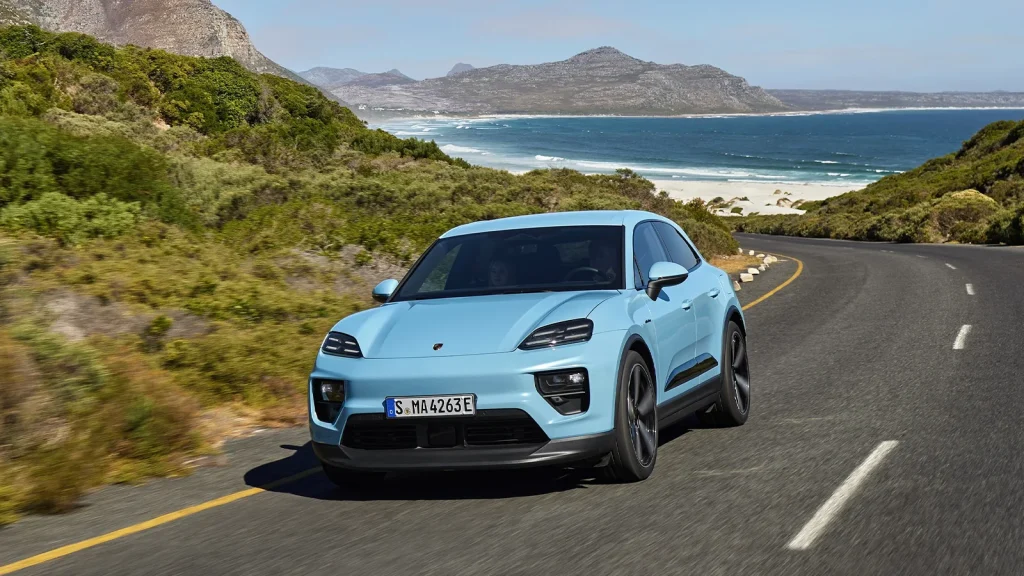
The Model Y continues to offer greater value and a larger Supercharger network. However, buyers seeking class-leading handling, premium craftsmanship, and advanced chassis engineering will find the Porsche Macan Electric outperforming Tesla’s crossover in the categories that matter most to enthusiastic drivers.
Specifications
- Engine: Dual permanent-magnet electric motors
- Torque: 833 lb-ft
- Horsepower: 630 hp
- Length/Width: 188.3 inches / 76.3 inches
8. Volvo EX90
Safety has been a core value of Volvo for decades, and the EX90 continues that tradition by introducing some of the most advanced occupant protection and driver assistance technologies currently available in a production SUV.
Although the Tesla Model Y has earned excellent crash-test ratings, the EX90 surpasses it in several measurable safety and family-oriented categories.
One of the EX90’s defining features is its roof-mounted LiDAR sensor, which works alongside multiple cameras, radars, and ultrasonic sensors to detect vehicles, pedestrians, cyclists, and obstacles at greater distances than camera-only systems can achieve in many situations.
Volvo designed this sensor suite to enhance collision avoidance and improve the effectiveness of its advanced driver assistance technologies.
The EX90 also includes a sophisticated driver understanding system that monitors eye movement and head position.
If the system detects distraction, fatigue, or a potential medical emergency, it can issue escalating warnings and ultimately bring the vehicle to a controlled stop if the driver does not respond. This technology goes beyond the driver-monitoring capabilities found in the Model Y.
Practicality is another strength. The EX90 offers three rows of seating for up to seven occupants, making it a more suitable option for larger families. The cabin emphasizes comfort with premium materials, excellent sound insulation, and a minimalist Scandinavian design that balances technology with ease of use.
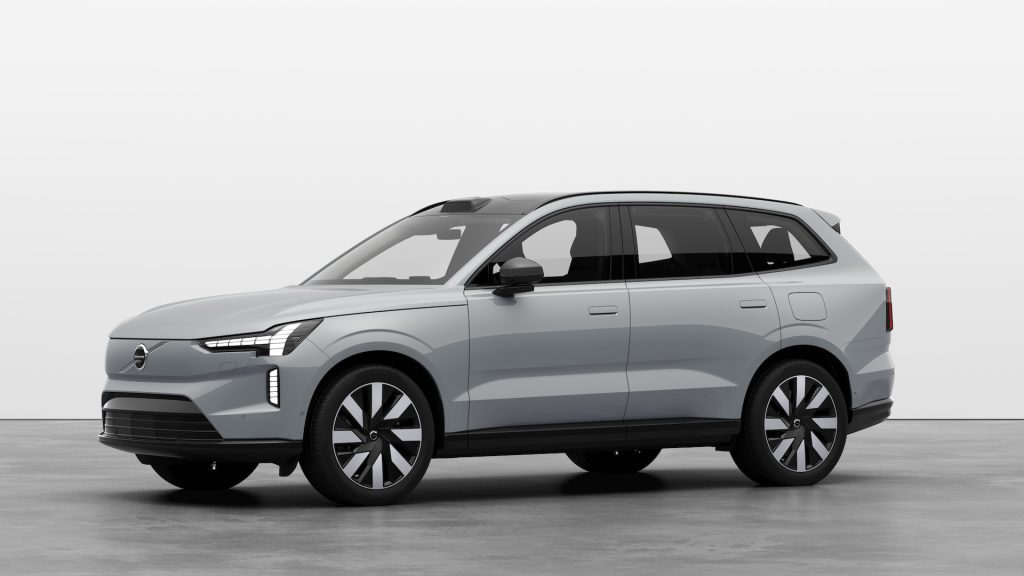
Tesla’s Model Y remains more affordable and highly efficient. However, buyers whose priorities center on cutting-edge safety technology, three-row practicality, premium comfort, and family-focused engineering will find the Volvo EX90 outperforming the Model Y in those clearly defined areas.
Specifications
- Engine: Dual permanent-magnet electric motors
- Torque: 671 lb-ft
- Horsepower: 510 hp
- Length/Width: 198.3 inches / 77.3 inches
Also Read: 10 Vehicles Already Confirmed for a 2028 Redesign