
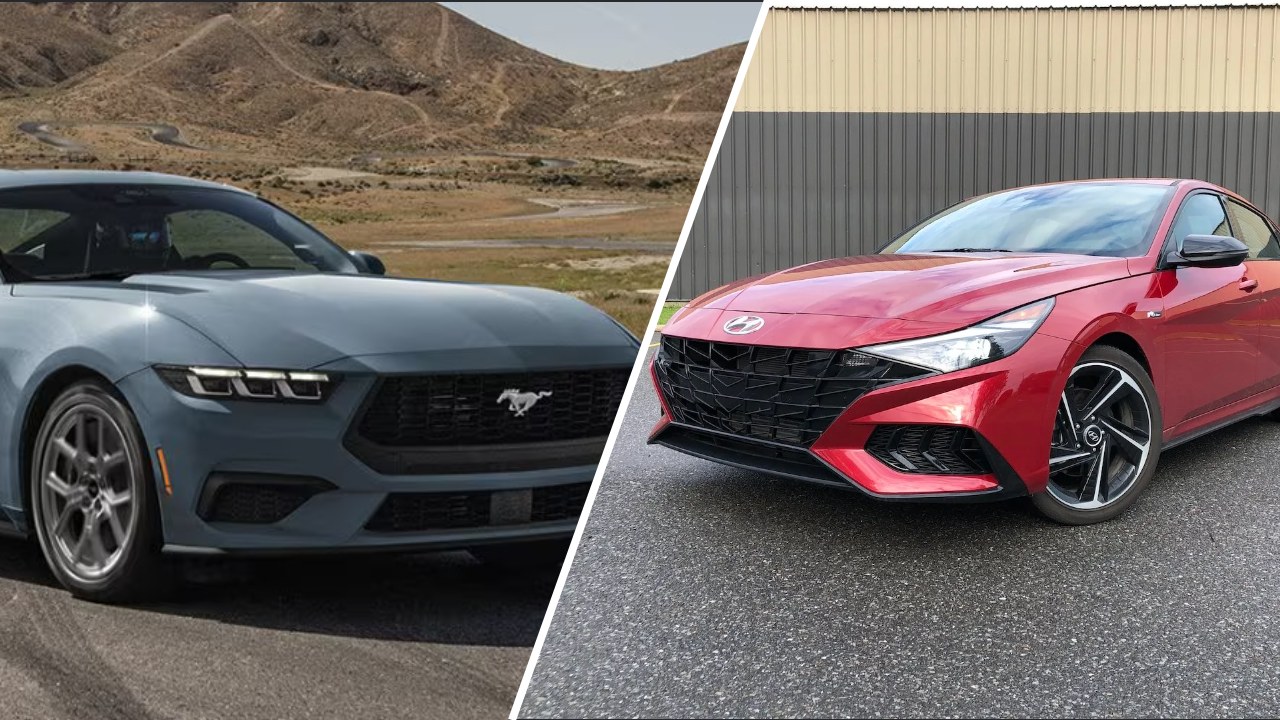
Modern car design has changed dramatically as manufacturers compete to create vehicles that look faster, sportier, and more aggressive. Exterior styling has become a major factor in attracting buyers, especially as many customers want their cars to have a performance-inspired appearance even when they choose practical engines and everyday driving features.
This demand has encouraged automakers to add design elements such as large air openings, sporty body extensions, and exhaust-style details that may not always serve a functional purpose.
Fake vents and fake exhaust outlets have become common features across different vehicle segments, from affordable hatchbacks to premium SUVs and performance-oriented sedans.
These elements are often added to create a more dramatic appearance, improve visual balance, or connect a regular model with a brand’s racing heritage. While some enthusiasts criticize these designs for being purely cosmetic, manufacturers argue that modern vehicles require a balance between engineering needs, aerodynamic efficiency, and customer expectations.
This article looks at eight modern cars that feature fake vents, fake exhausts, or decorative styling elements designed to create a stronger visual impact.
Understanding why these features exist helps explain how automotive design has evolved and why appearance plays such an important role in today’s vehicle market.
Also Read: 10 Luxury Cars With the Least 10-Year Maintenance Costs
- Engine: 3.0-liter turbocharged inline-six petrol engine (B58)
- Horsepower: 382 hp (US specification)
- Torque: 500 Nm (369 lb-ft)
- Length: 4,713 mm
- Width: 1,827 mm
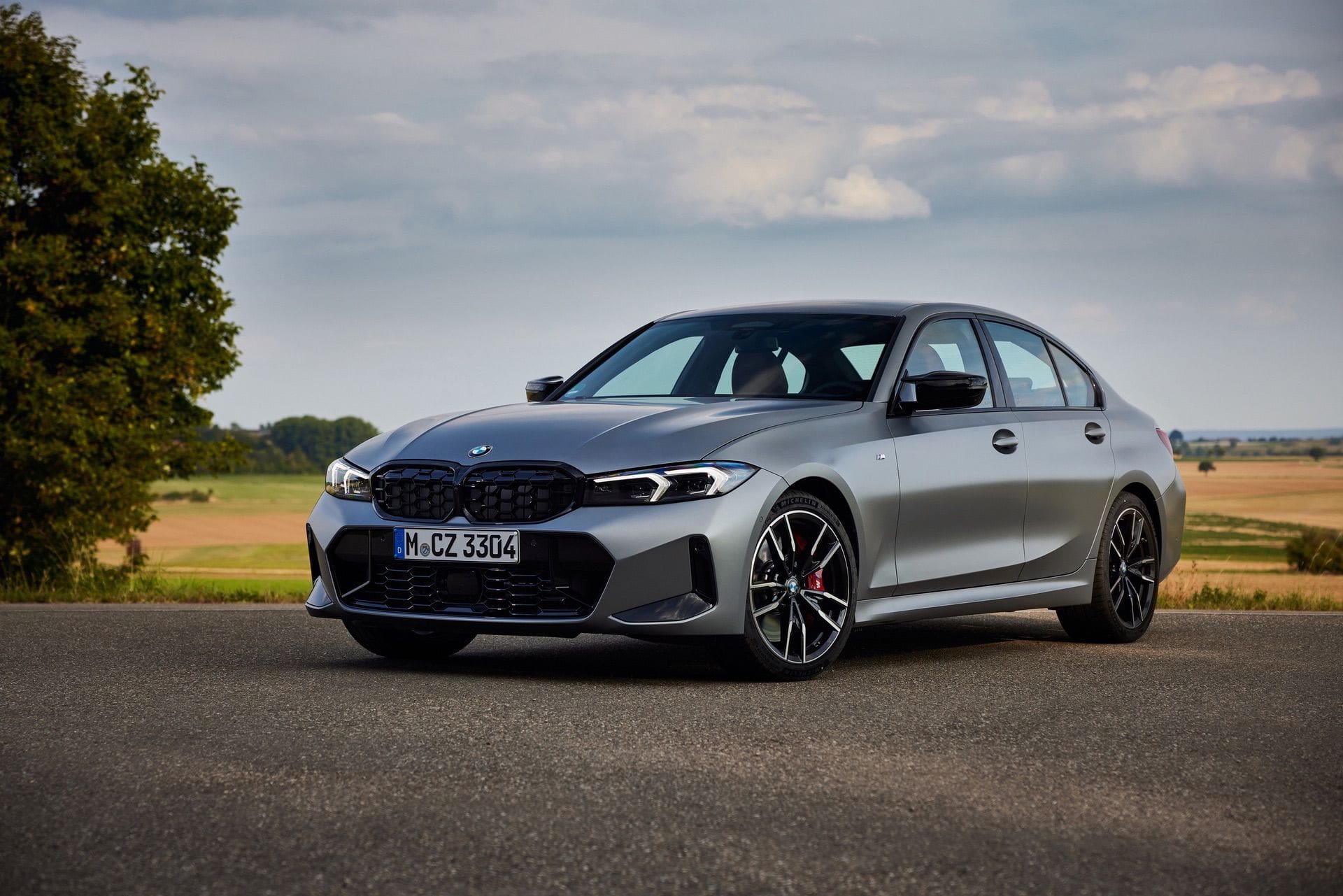
1. BMW M340i
BMW has built a strong reputation for producing cars with sporty designs, and the company’s modern lineup often uses aggressive styling to create a connection with its high-performance M division.
The BMW M340i is a powerful sports sedan, but some of its exterior details have received criticism from enthusiasts who believe certain elements are more about appearance than function.
The rear design of the M340i includes exhaust-style outlets that create a wider and more performance-focused look. While the vehicle does have a real exhaust system, the surrounding trim can make the outlets appear larger and more dramatic than the actual mechanical components behind them.
This approach helps the sedan maintain a muscular appearance without requiring an extreme exhaust layout similar to that of full M models.
The front and side areas of many modern BMW models also include decorative vent-like features. These openings often resemble functional aerodynamic components found on racing cars, but some are mainly designed to improve the visual flow of the body panels. They give the vehicle a lower and wider appearance, which is usually associated with better handling and performance.
Automakers use these styling techniques because many buyers associate aggressive shapes with speed and advanced engineering.
A vehicle with a simple body design may appear less exciting compared with a model featuring sharp lines, dark trim, and large openings. The visual connection between design and performance remains powerful among car buyers.
The BMW M340i shows how modern vehicles combine real engineering with carefully designed cosmetic details. While some features contribute to aerodynamics, others exist mainly to create a stronger road presence. This combination has become common across the automotive industry as manufacturers try to satisfy both practical needs and emotional expectations.
- Engine: 2.0-liter turbocharged four-cylinder petrol engine
- Horsepower: 221 hp
- Torque: 350 Nm (258 lb-ft)
- Length: 4,549 mm
- Width: 1,796 mm
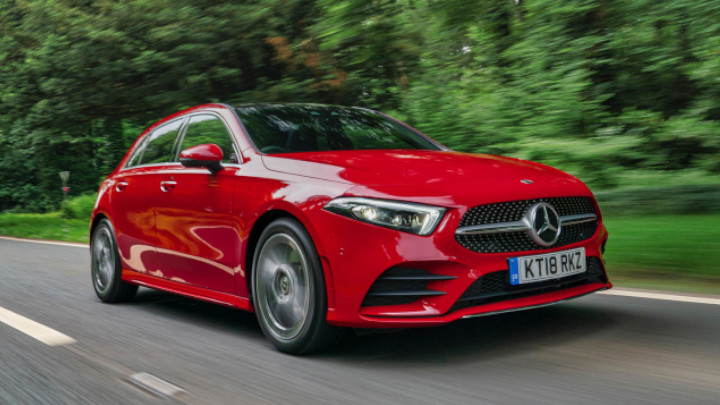
2. Mercedes-Benz A-Class AMG Line
The Mercedes-Benz A-Class AMG Line demonstrates how performance styling has moved beyond traditional sports cars. The AMG Line package gives the compact sedan and hatchback a more aggressive appearance inspired by Mercedes’ high-performance AMG models. However, several exterior details are designed mainly for visual appeal rather than for improving performance.
The rear bumper design includes exhaust-style elements that create the impression of a more powerful engine. In some versions, the visible exhaust appearance comes from decorative trim rather than actual tailpipes.
This design choice allows Mercedes to provide a sporty appearance across different engine options, including models focused on efficiency and everyday transportation.
The front bumper also uses large openings and sharp styling lines that resemble performance-focused vehicles. Some of these areas are not fully functional air channels. Instead, they help create a wider and more aggressive front profile. The design language suggests speed and technology even when the vehicle is equipped with smaller engines.
The use of decorative features allows manufacturers to create different versions of the same vehicle platform. A buyer who wants a premium appearance can choose the AMG Line package without purchasing a high-performance AMG model.
This strategy has become popular because many customers appreciate sporty styling but do not necessarily need extreme power.
The Mercedes-Benz A-Class AMG Line represents the modern trend of bringing racing-inspired design to everyday vehicles. While enthusiasts may debate whether fake vents and exhausts belong on cars, these features continue to appear because they successfully attract buyers looking for a more exciting appearance.
- Engine: 2.0-liter turbocharged four-cylinder petrol engine
- Horsepower: 261 hp
- Torque: 370 Nm (273 lb-ft)
- Length: 4,762 mm
- Width: 1,847 mm
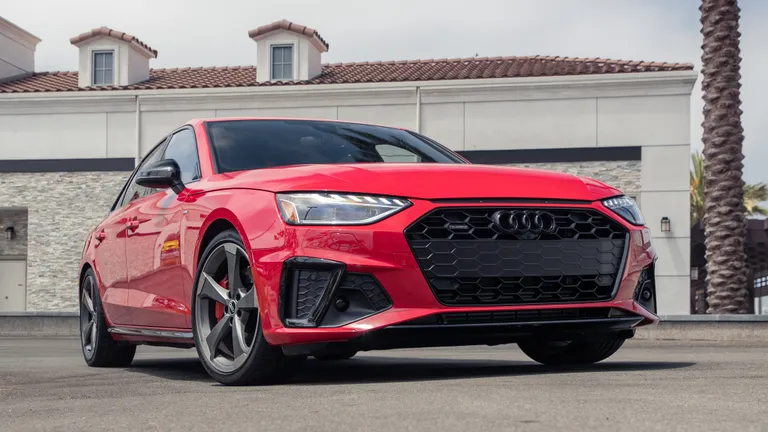
3. Audi S Line Models
Audi’s S Line packages are another example of sporty styling being offered on vehicles that are not full-performance models. Cars such as the Audi A4 S Line, A6 S Line, and Q models use design elements inspired by Audi’s S and RS performance vehicles. These details create a premium and athletic appearance without changing the vehicle into a dedicated performance machine.
Many Audi S Line models feature rear designs with exhaust-style outlets integrated into the bumper. In some cases, these openings are decorative and do not represent the actual exhaust path.
The real exhaust components may be positioned differently underneath the vehicle, while the visible design focuses on creating symmetry and a cleaner appearance. The front bumper designs also feature large air openings that may appear to support cooling or aerodynamic improvements.
Some vents are functional, while others exist mainly to maintain the aggressive appearance associated with Audi’s performance lineup. This approach creates a visual connection between regular models and more expensive versions.
Audi uses consistent design language across its range because brand identity is important in the premium car market. A customer choosing an S Line model often wants the appearance of a higher-performance vehicle without the cost or maintenance requirements of an RS model. Styling packages allow manufacturers to meet that demand.
The popularity of Audi S Line models shows that modern buyers place significant value on exterior design. Features such as fake vents and decorative exhausts may not change driving performance, but they influence how people feel about a vehicle. In many cases, emotional appeal plays a major role in purchasing decisions.
- Engine: 1.6-liter turbocharged four-cylinder petrol engine
- Horsepower: 201 hp
- Torque: 265 Nm (195 lb-ft)
- Length: 4,710 mm
- Width: 1,825 mm
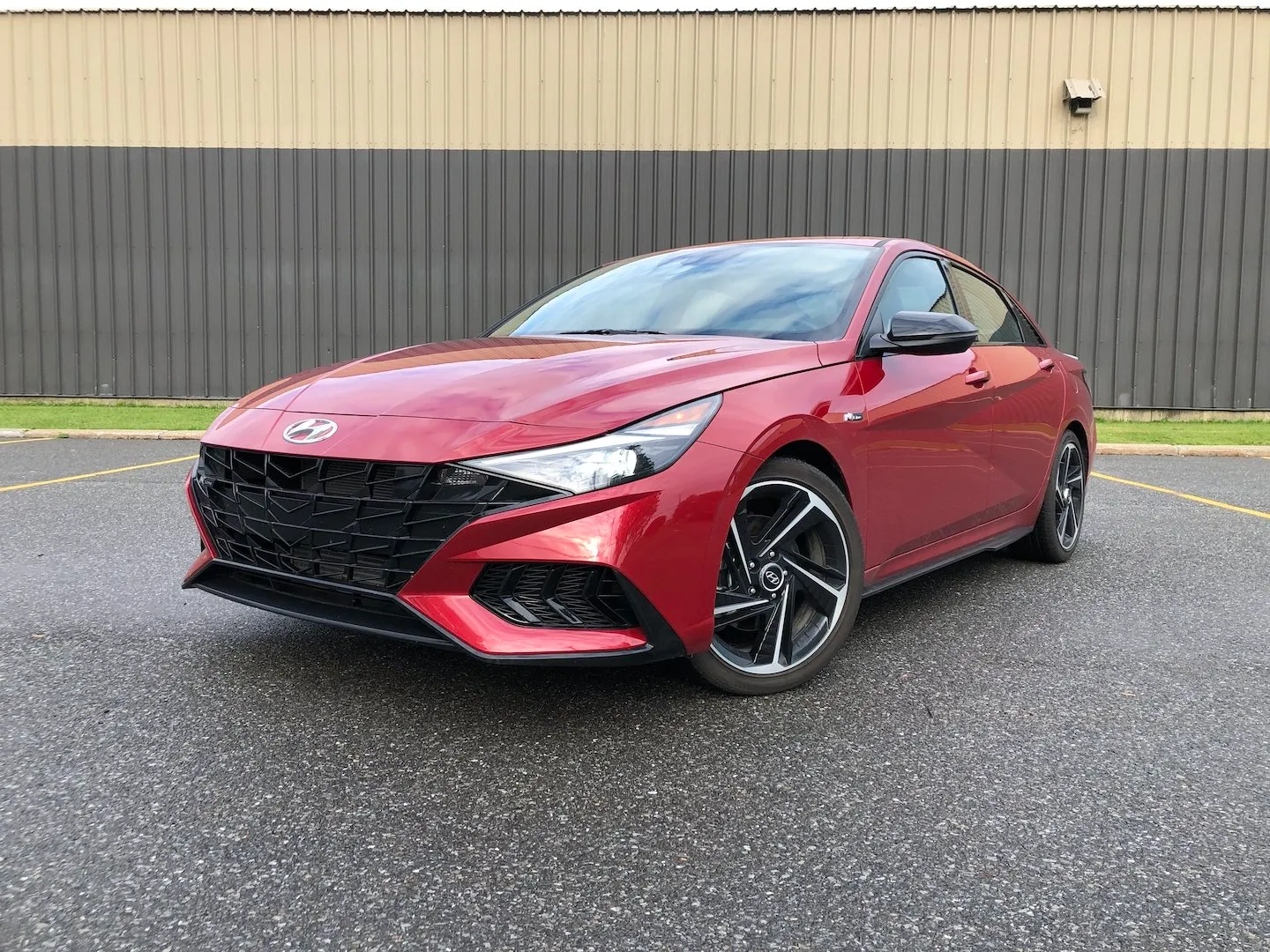
4. Hyundai Elantra N Line
Hyundai has changed its design approach significantly in recent years, creating vehicles with sharper styling and stronger visual identities.
The Hyundai Elantra N Line is a good example of how sporty appearance packages have become popular among everyday cars. It borrows several styling ideas from Hyundai’s high-performance N models while remaining focused on practical daily driving.
The rear bumper design of the Elantra N Line includes sporty exhaust-style details that make the sedan appear more performance-oriented. These elements create a connection with racing-inspired vehicles, even though the model is not the full Elantra N performance variant. The decorative appearance helps distinguish the N Line trim from standard versions of the car.
The front section features aggressive bumper shapes and vent-like openings that give the vehicle a lower and wider appearance. Some of these details are designed to guide airflow, while others mainly improve the visual character of the car.
Manufacturers carefully shape these areas because buyers often judge a vehicle within seconds based on exterior appearance.
Hyundai’s approach shows how performance styling has become accessible to more customers. A buyer may appreciate the appearance of a sports sedan but may not want the higher costs associated with a dedicated performance model. The N Line package provides a middle option by offering sporty design features without extreme performance equipment.
The Elantra N Line represents a broader industry trend where appearance and performance branding are closely connected.
Fake vents and decorative exhaust designs are not limited to expensive vehicles anymore. They have become common tools for making regular cars appear more exciting and connected to motorsport-inspired designs.
- Engine: 2.5-liter four-cylinder petrol engine (hybrid option also available in some markets)
- Horsepower: 206 hp (gas model)
- Torque: 250 Nm (184 lb-ft)
- Length: 4,920 mm
- Width: 1,840 mm
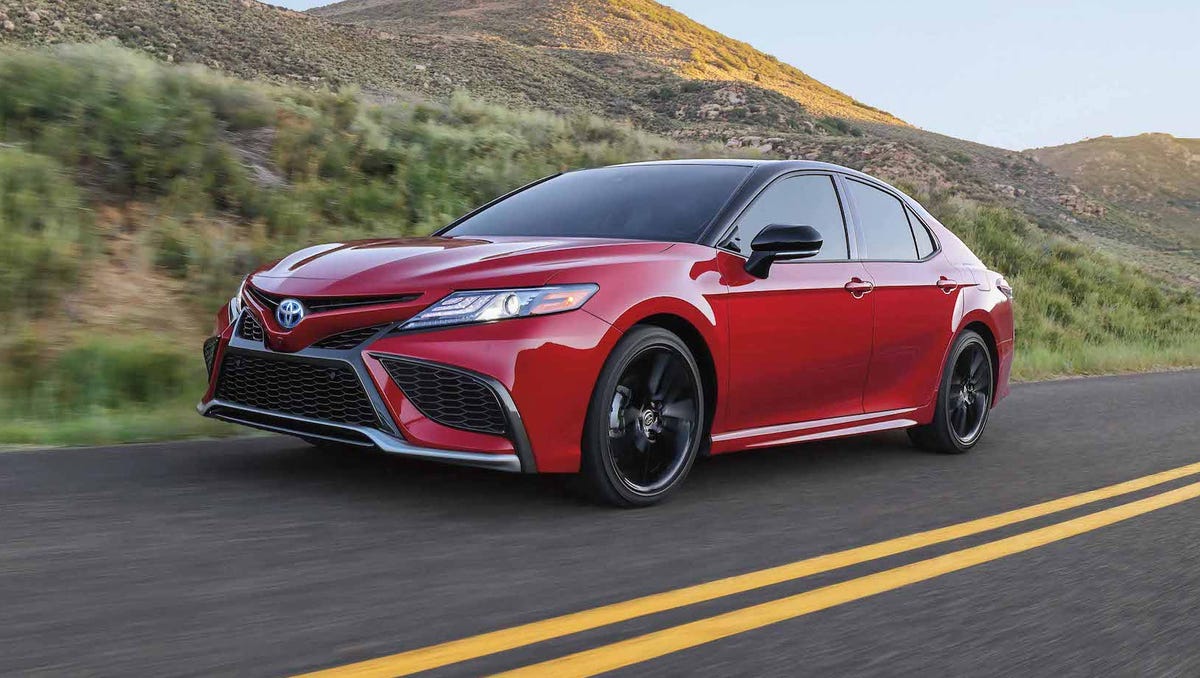
5. Toyota Camry XSE
The Toyota Camry has traditionally been known as a comfortable and reliable family sedan, but modern versions have adopted much more aggressive styling. The Camry XSE trim demonstrates Toyota’s effort to attract buyers who want practicality combined with a sportier appearance.
The rear design of the Camry XSE includes exhaust-style features integrated into the bumper area. These elements create a more powerful visual impression and make the sedan appear lower and wider. While some versions have genuine exhaust outlets, certain styling components around them are mainly decorative and designed to improve appearance.
The front bumper uses large openings and sharp design lines that give the car a more athletic character. Some areas serve aerodynamic purposes, while others exist to create a stronger visual identity.
This design philosophy has become common as manufacturers attempt to make family-oriented vehicles look more dynamic.
Toyota’s use of aggressive styling on the Camry reflects changing customer expectations. Many buyers no longer want vehicles that look purely practical. They want designs that communicate personality and energy while still providing comfort, reliability, and efficiency.
The Camry XSE shows how even traditionally conservative vehicle categories have adopted sporty styling trends. Fake vents and decorative exhaust elements help create emotional appeal, making a familiar sedan appear more exciting without changing its fundamental purpose as a comfortable daily vehicle.
- Engine: 1.5-liter turbocharged four-cylinder petrol engine
- Horsepower: 180 hp
- Torque: 240 Nm (177 lb-ft)
- Length: 4,675 mm
- Width: 1,801 mm
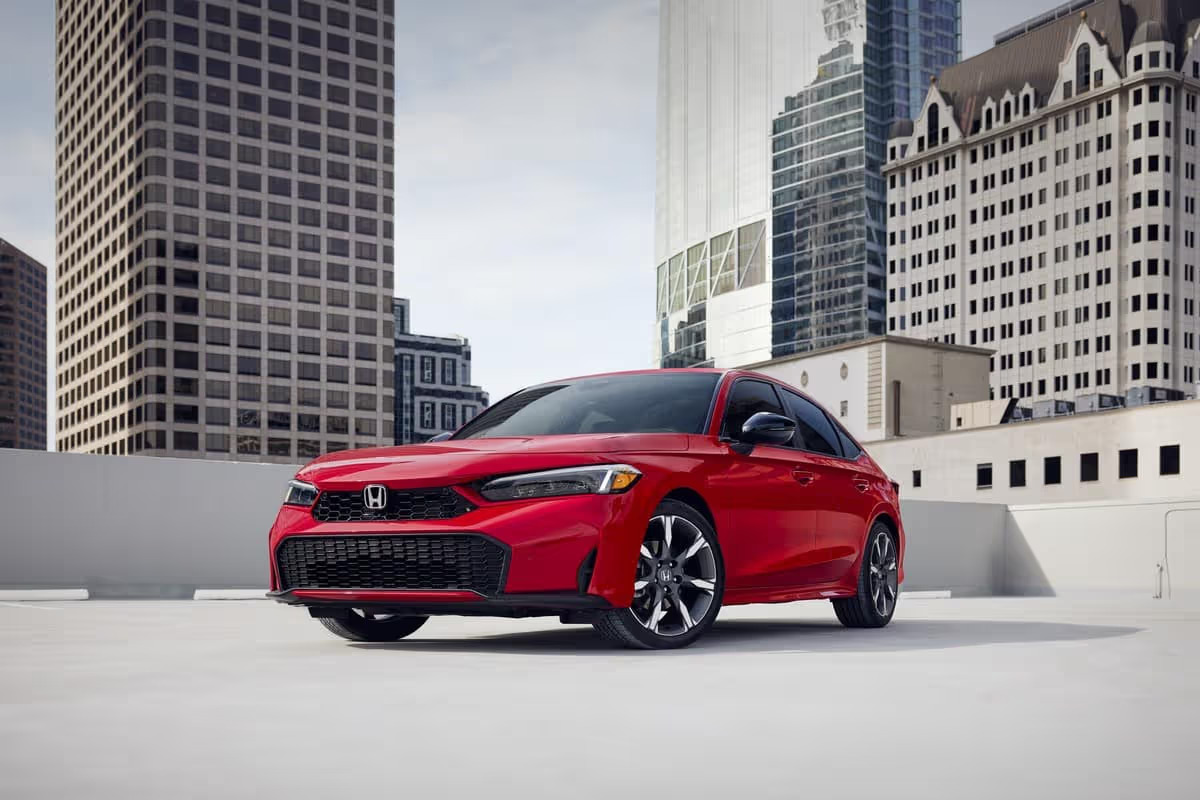
6. Honda Civic Sport Touring
The Honda Civic has always had a strong connection with younger drivers and enthusiasts. Modern versions continue this tradition by offering trims with sporty designs that make the compact car look more aggressive. The Civic Sport Touring includes several styling elements that create a performance-inspired appearance.
The rear bumper design includes exhaust-related styling features that enhance the vehicle’s sporty character. While the car uses a genuine exhaust system, some surrounding design details are intended mainly for appearance. These features create visual balance and make the rear section look more purposeful.
The front and side sections of the Civic use sharp lines and aerodynamic shapes. Some vent-like details are functional, helping manage airflow around the vehicle, while others exist to create a more aggressive appearance. The combination gives the Civic a modern and athletic look.
Honda understands that design plays an important role in attracting buyers. Many customers who choose compact cars want something practical but do not want a vehicle that feels boring. Sport-focused trims provide extra visual appeal while maintaining everyday usability.
The Civic Sport Touring represents how mainstream manufacturers use styling packages to connect regular vehicles with performance culture. Fake vents and decorative details may not improve horsepower or handling, but they contribute to the personality of the car.
- Engine: 2.3-liter turbocharged four-cylinder EcoBoost petrol engine
- Horsepower: 315 hp (2024+ model)
- Torque: 476 Nm (350 lb-ft)
- Length: 4,810 mm
- Width: 1,916 mm
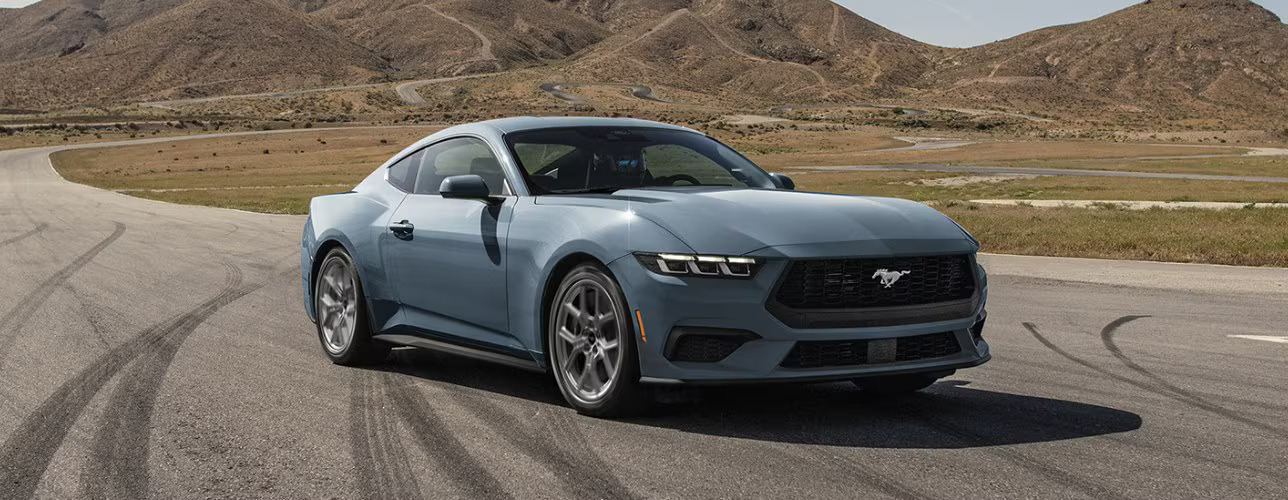
7. Ford Mustang EcoBoost
The Ford Mustang has a long history as a performance icon, making its styling extremely important to buyers. The modern Mustang EcoBoost provides a lower-cost entry point into Mustang ownership while keeping many of the design characteristics associated with the famous muscle car.
The Mustang’s exterior includes several aggressive styling elements, including vent-like shapes and exhaust-related details that enhance its appearance. Some features are functional, while others exist to create a connection with higher-performance Mustang versions. The goal is to maintain the vehicle’s powerful image across different trims.
The rear styling often uses large exhaust outlets or decorative elements that emphasize the car’s width. These details help communicate performance even when the model uses a smaller engine compared with V8-powered versions. The visual connection between design and power remains a major part of Mustang identity.
The front fascia includes openings designed around cooling needs and aerodynamic management. However, some surrounding shapes are included mainly to make the car look more aggressive. Designers understand that sports car buyers expect dramatic styling as part of the ownership experience.
The Mustang EcoBoost highlights the challenge manufacturers face when designing multiple versions of the same vehicle.
Every model needs to maintain the emotional appeal of the nameplate while meeting different price and performance requirements. Decorative vents and exhaust-style features help achieve that balance.
- Engine: 3.5-liter naturally aspirated V6 petrol engine
- Horsepower: 311 hp
- Torque: 380 Nm (280 lb-ft)
- Length: 4,710 mm
- Width: 1,840 mm
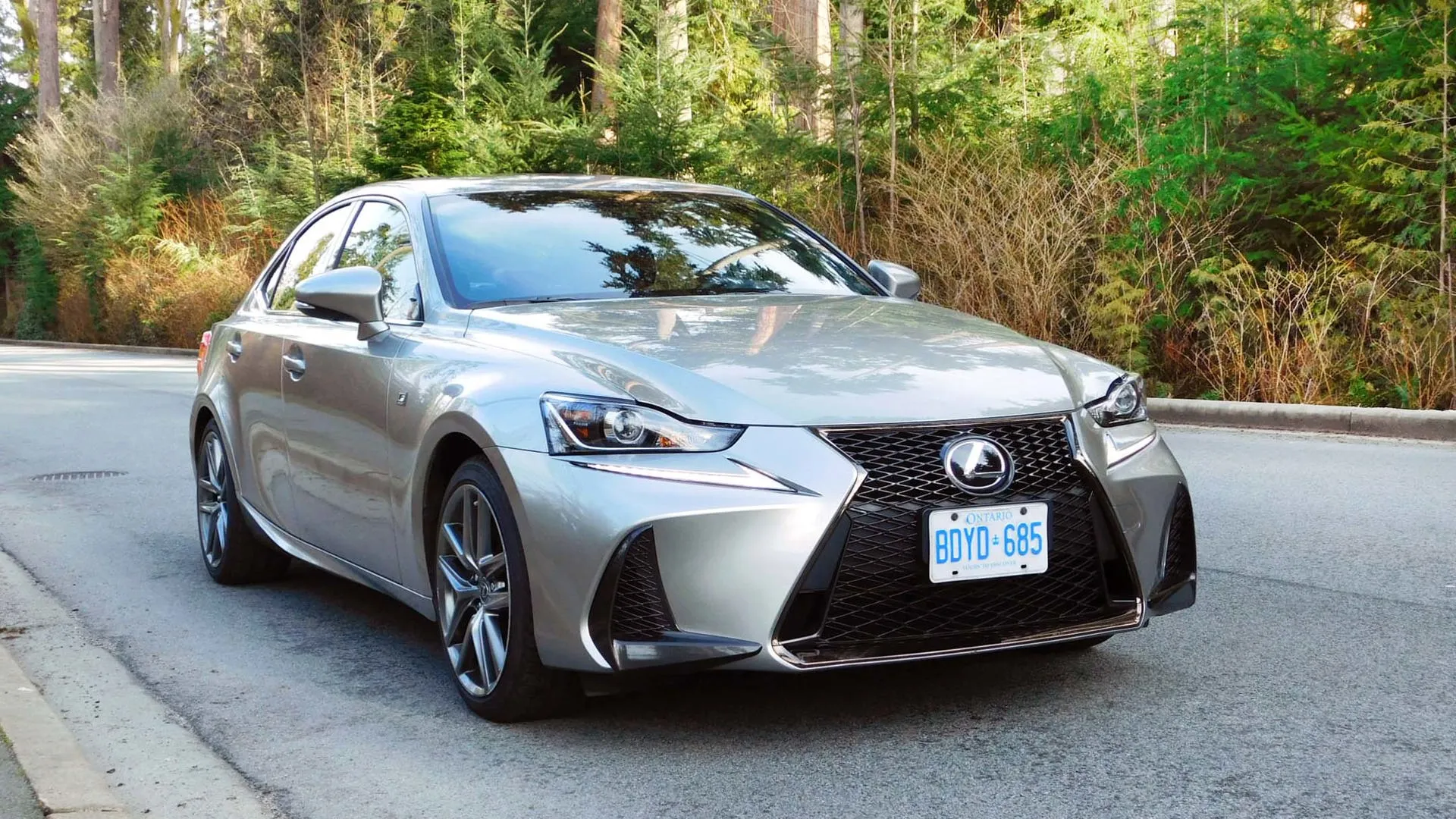
8. Lexus IS F Sport
The Lexus IS F Sport combines luxury styling with sporty design elements inspired by Lexus performance models. The F Sport package gives the sedan a more aggressive appearance through unique bumpers, wheels, and exterior details.
The rear design includes exhaust-style features that create a stronger performance image. Some elements are designed mainly for visual impact rather than to represent major mechanical differences. These details help separate the F Sport version from standard Lexus IS models.
The front grille and bumper design features large openings and sharp shapes that create a more powerful appearance. While some areas support cooling and airflow management, other sections are primarily aesthetic. The design creates a connection with Lexus’ higher-performance vehicles.
Luxury manufacturers frequently use styling packages because many customers want a premium appearance without extreme performance characteristics. The F Sport trim provides a balance between comfort, technology, and sporty visual appeal.
The Lexus IS F Sport demonstrates how modern automotive design focuses heavily on emotional connection. Fake vents and decorative exhaust elements may not change how a vehicle drives, but they influence how owners perceive their cars.
Also Read: 10 Slowest Sports Cars Ever Made
