
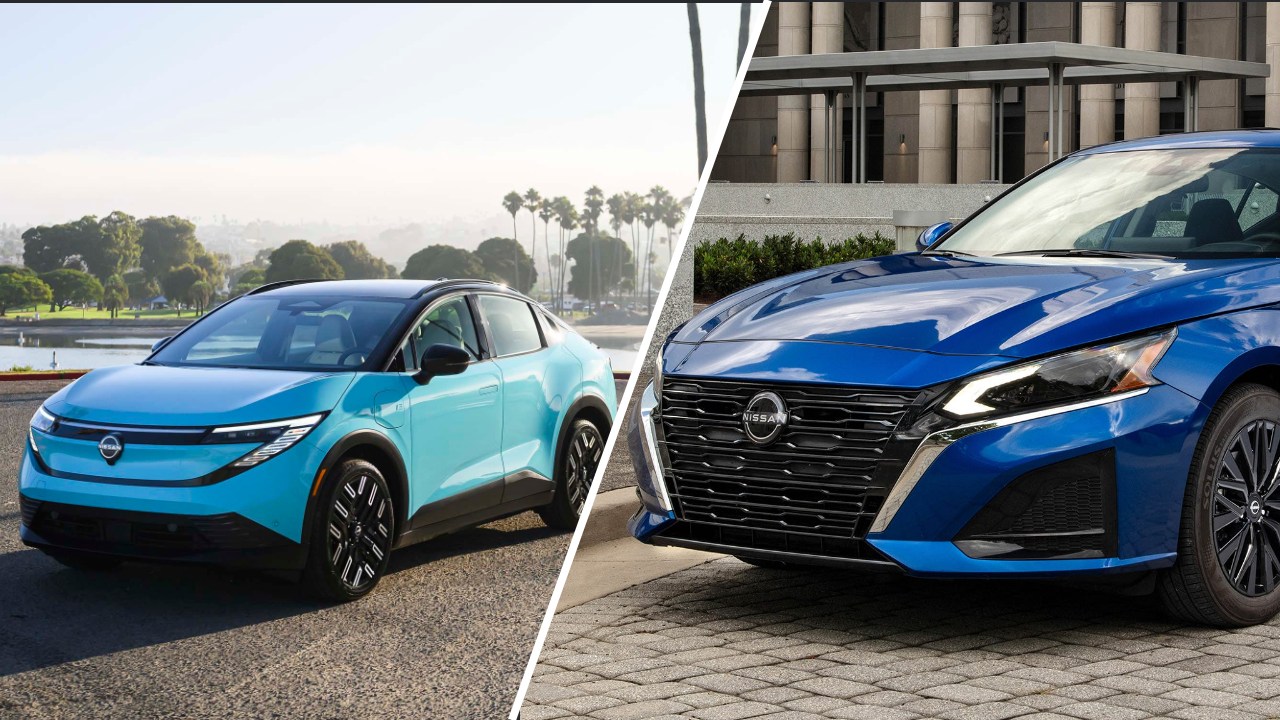
The used car market changes constantly as buyers respond to pricing, fuel costs, reliability concerns, technology features, and changing driving habits. Recent market data has shown that several Nissan models are facing longer selling times compared with many competing vehicles.
A large share of the slowest-selling used vehicles list has been occupied by Nissan models, with nine out of the ten positions reportedly belonging to the brand. This trend has attracted attention among buyers, sellers, and automotive analysts because the speed at which a used vehicle sells often reflects current consumer preferences.
A slow-selling vehicle does not always mean a poor-quality vehicle. Factors such as market demand, vehicle type, ownership costs, depreciation patterns, and buyer expectations can influence how quickly a used car changes hands.
Nissan has produced many popular vehicles over the years, including sedans, crossovers, and electric models, but some models may face challenges in today’s competitive used car environment. Understanding the reasons behind this trend can help consumers make smarter decisions when buying or selling a used Nissan vehicle.
Also Read: 10 Three-Pedal Cars That Keep Driving Fun Alive
Nissan’s Strong Presence Among Slow-Selling Used Vehicles
The used vehicle market is shaped by supply and demand. When a large number of similar vehicles are available, but fewer buyers are searching for them, those vehicles can remain listed for longer periods.
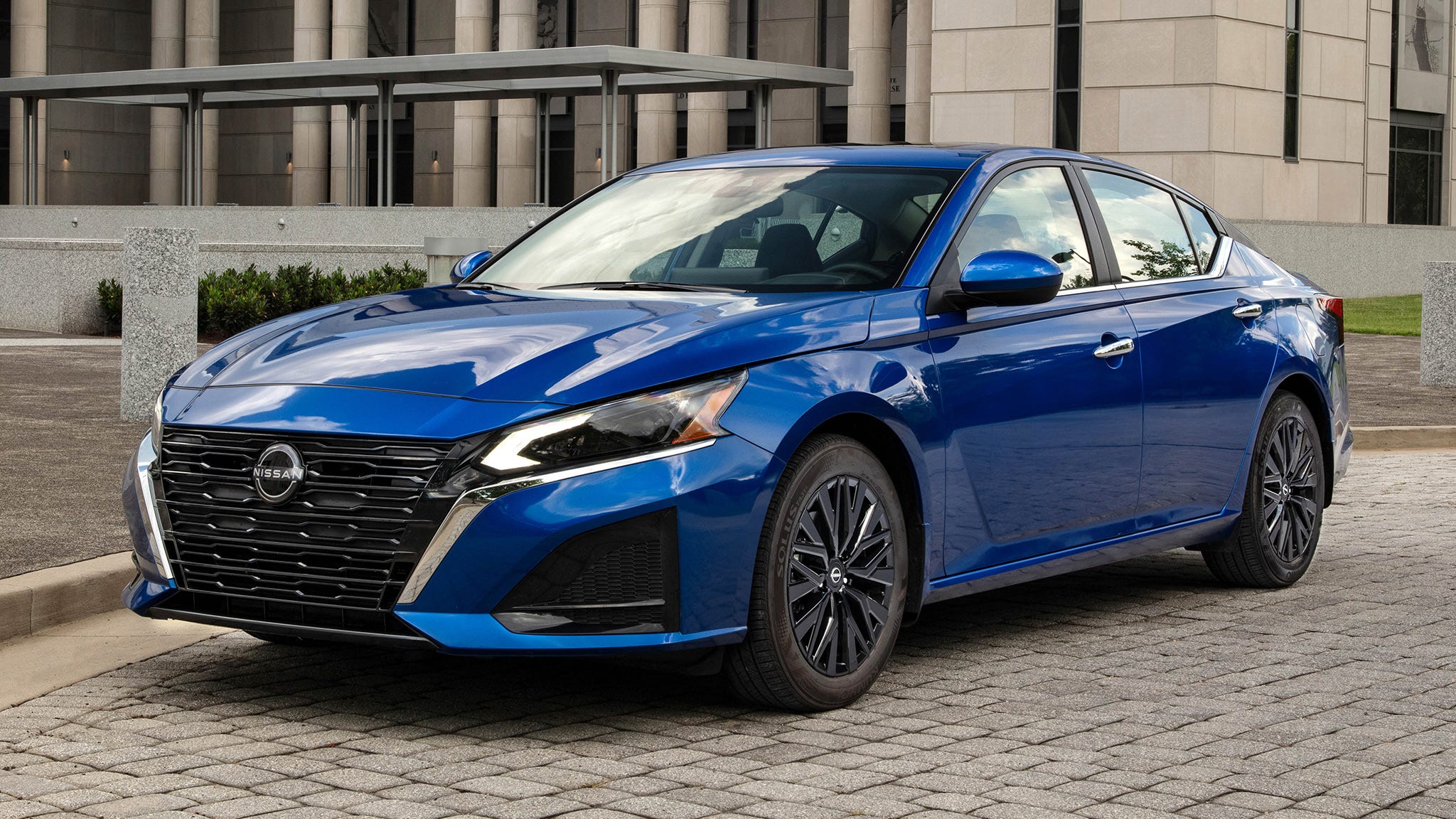
Recent rankings of slow-selling used cars have highlighted a strong Nissan presence, with several Nissan models appearing near the bottom of sales speed comparisons. This does not necessarily indicate that Nissan vehicles lack quality, but it suggests that certain models may not match current buyer preferences.
Nissan has built a reputation for producing affordable and practical vehicles. Models such as the Altima, Rogue, Sentra, Pathfinder, and Leaf have served different groups of drivers looking for value, comfort, and efficiency.
However, used car shoppers today often focus heavily on resale value, advanced safety technology, fuel economy, and long-term ownership costs. When a vehicle does not stand out in these areas compared with newer competitors, demand can weaken.
Changes in consumer interest have also affected traditional vehicle segments. Sedans, for example, have experienced reduced demand as many buyers have shifted toward SUVs and crossovers.
Nissan has several sedan models that remain useful and dependable, but market trends have moved many customers toward larger vehicles with higher seating positions and flexible cargo space. This shift can contribute to longer selling times for certain used cars.
Another factor affecting used vehicle sales is brand perception. Buyers often consider previous ownership experiences, reliability ratings, repair costs, and resale history before making a decision.
Nissan has many loyal customers, but some shoppers remain cautious about specific models due to concerns related to maintenance expenses or previous mechanical issues reported by owners. These perceptions can influence buying decisions even when individual vehicles may be in good condition.
The number of vehicles available in the used market can also affect sales speed. If dealerships and private sellers have a large supply of particular Nissan models, buyers may have more choices and less urgency.
This creates more competition among sellers and can lead to longer listing periods. Pricing adjustments are often needed when demand does not match available inventory.
Why Some Nissan Models Face Challenges in the Used Market
Vehicle depreciation plays a major role in used car sales. Cars that lose value quickly can become attractive to budget-conscious buyers because they offer lower purchase prices.
However, faster depreciation can also signal weaker demand among consumers. Nissan models appearing on slow-selling lists may experience this situation, where lower prices help attract buyers, but demand still develops more slowly than expected.
The popularity of SUVs and trucks has changed the competitive landscape. Many drivers who previously purchased midsize sedans are now choosing compact SUVs because they offer more space and a higher driving position. Nissan has competitive crossover models, but older sedan models and some less popular vehicle categories may struggle to attract attention in a market focused on utility vehicles.
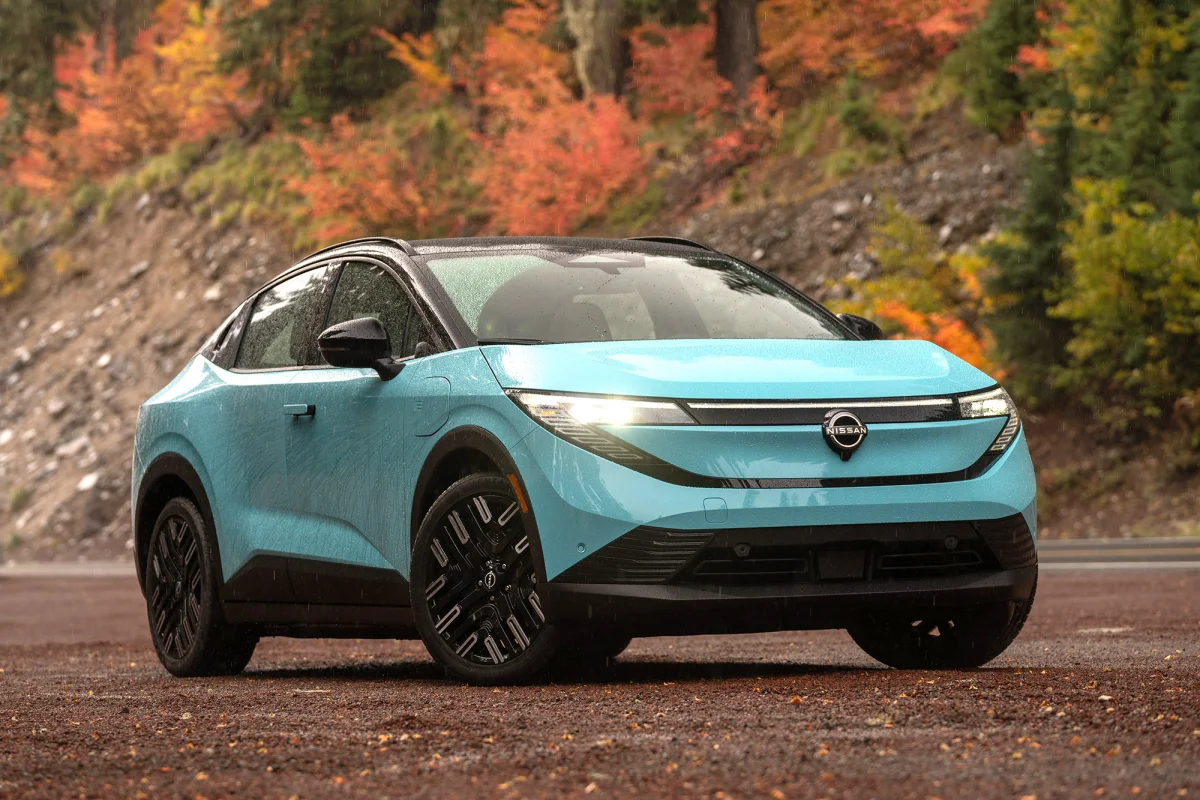
Electric vehicles also present unique challenges in the used market. Nissan’s Leaf was among the early mass-market electric cars and helped introduce many drivers to battery-powered transportation.
However, rapid improvements in electric vehicle technology have changed buyer expectations. Newer EV models often offer longer driving ranges, faster charging abilities, and updated technology, which can affect demand for older electric vehicles.
Pricing strategy is another important consideration. A used vehicle that is priced too close to newer alternatives may struggle to attract buyers.
Consumers compare monthly payments, warranty coverage, technology features, and financing options before making decisions. Dealerships selling slower-moving models often need to adjust prices to make these vehicles more appealing.
The condition and history of individual vehicles remain important. A Nissan model that appears on a slow-selling list can still be a smart purchase if it has proper maintenance records, low mileage, and a clean history report. Used car rankings provide information about general market behavior, but they do not determine the quality of every individual vehicle.
What This Means for Used Car Buyers
For buyers, slower-selling vehicles can create opportunities. Cars that spend more time on dealership lots may offer stronger negotiation possibilities because sellers are often motivated to complete a transaction.
A Nissan model with good maintenance records and reasonable pricing could provide significant value for someone looking for reliable transportation without paying premium prices.
Buyers should focus on the specific vehicle rather than only the brand or market ranking. Factors such as service history, mileage, previous ownership, and inspection results are essential when evaluating a used car. A vehicle that sells slowly may simply have a smaller audience rather than serious problems.
Researching common ownership costs is also important. Insurance rates, fuel economy, replacement parts, and repair expenses can affect the total cost of ownership. Nissan vehicles are generally known for affordability, but costs can vary depending on the model, year, and condition.
Professional inspections can help buyers make confident choices. A mechanic can identify potential issues that may not be visible during a short test drive. This step becomes especially valuable when purchasing older vehicles or models that have experienced lower demand.
The slow-selling status of a vehicle can benefit careful shoppers. Instead of avoiding these models completely, buyers can use market conditions to negotiate better prices and find vehicles that meet their needs. A less popular used car can still provide dependable transportation when properly selected.
The Future of Nissan in the Used Vehicle Market
Nissan continues to adapt to changes in the automotive industry. Consumer demand is shifting toward electrification, advanced technology, and versatile vehicle designs. Manufacturers must continue improving products to meet changing expectations and maintain strong resale performance.
Future Nissan vehicles may benefit from updated designs, improved technology, and stronger competition in growing segments.
The company has continued investing in new vehicle development, including electrified options and redesigned models aimed at attracting modern buyers. These efforts could influence how Nissan vehicles perform in the used market in the coming years.
The used car market will continue responding to economic conditions and consumer preferences. Interest rates, fuel prices, and new vehicle availability all affect buying decisions. A vehicle that sells slowly during one period may become more attractive later if market conditions change.
For Nissan owners looking to sell, presentation and pricing remain critical. A well-maintained vehicle with detailed records, professional cleaning, and competitive pricing can attract buyers even in a challenging segment. Sellers who understand market conditions can improve their chances of completing a successful sale.
The presence of Nissan models among the slowest-selling used vehicles highlights changing buyer behavior rather than a simple judgment about vehicle quality.
Each model has different strengths and weaknesses, and purchasing decisions should be based on individual needs, research, and vehicle condition. For buyers seeking value, these market trends may create opportunities to find affordable transportation with careful evaluation.
Also Read: 10 SUVs That Changed the Automotive Industry Forever
