
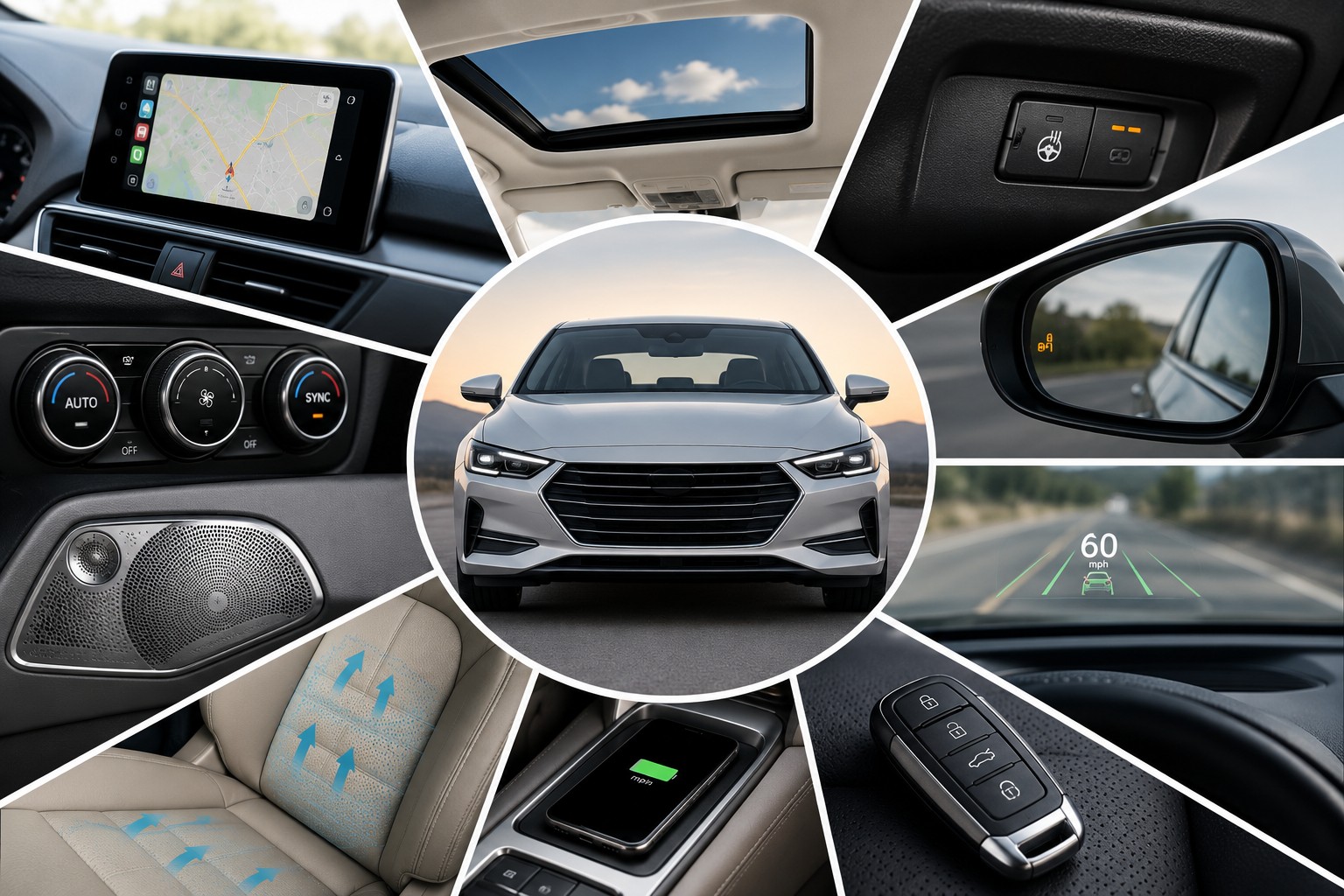
Car buyers today are paying more than ever for “smart” technology. Yet, according to multiple J.D. Power studies conducted over the past decade, a huge share of that technology sits completely unused.
J.D. Power’s Tech Experience Index and earlier DrIVE Report have tracked this pattern since 2015. The firm surveys tens of thousands of new-vehicle owners within their first 90 days of ownership. Their consistent finding: automakers keep adding tech, but owners often ignore it, misunderstand it, or actively dislike it.
A third of the technologies studied had at least half their owners not using them within the first 90 days, with many saying they never intend to. This isn’t a one-time fluke either. The pattern has repeated in 2015, 2020, 2021, and again in 2024.
Below are ten specific features that J.D. Power’s research shows are frequently paid for but rarely, if ever, used. Each one comes with the actual usage data behind it, not just guesswork.
1. In-Vehicle Concierge Services
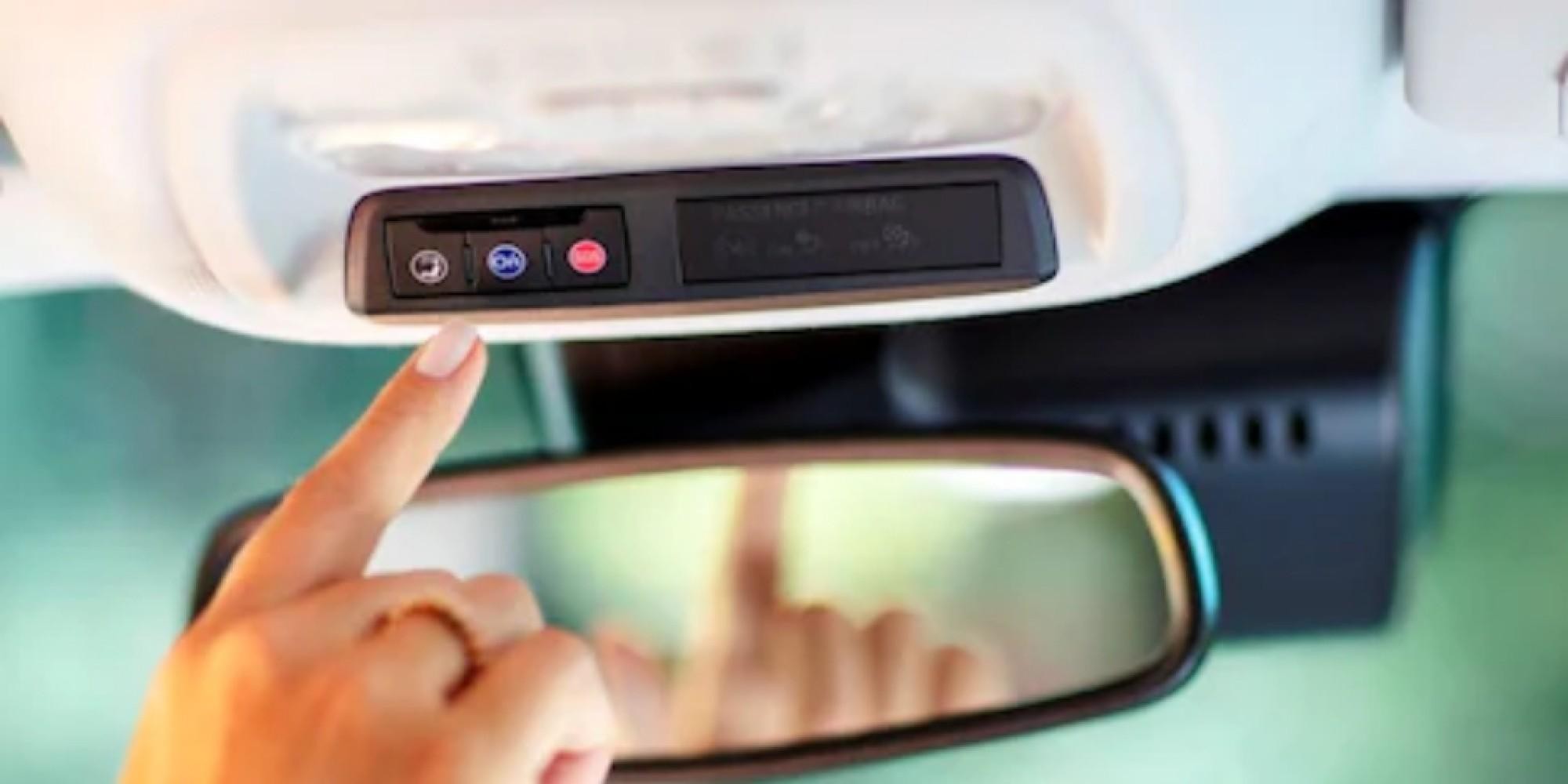
Many vehicles, especially from GM and other legacy brands, come bundled with concierge-style services like OnStar. These let drivers press a button to book restaurant reservations or get personal assistance.
The idea sounds convenient on paper. In practice, owners rarely reach for it. J.D. Power’s 2015 DrIVE Report found that 43 percent of owners never used their in-vehicle concierge feature, such as OnStar. That’s nearly half of all buyers paying for a service they never touch.
Kristin Kolodge, who led J.D. Power’s driver interaction research at the time, was blunt about the implication. She noted that this essentially means consumers are paying for something they simply don’t use.
The core issue is habit. Most drivers already carry a smartphone with GPS, restaurant apps, and voice assistants built in. Calling a car concierge line feels redundant when Google Maps or Yelp does the same job faster. Many owners don’t even remember the feature exists after the first week.
Dealers often struggle to explain how to activate these services during vehicle handoff. That knowledge gap compounds the low usage numbers even further. Automakers bundle concierge access into trim packages, which raises the sticker price. Owners end up subsidizing a feature they’ll likely never call on.
This has remained a consistent theme across nearly a decade of J.D. Power surveys. Concierge tech is a textbook case of “nice in theory, ignored in practice.”
2. Mobile Wi-Fi Hotspots
Factory-installed Wi-Fi hotspots were once marketed as a major selling point for family vehicles. The pitch: keep kids entertained and stay connected on long drives. The reality looks very different according to J.D. Power’s data. The 2015 DrIVE study found 38 percent of new-vehicle owners never used their factory-installed mobile Wi-Fi hotspot.
That’s more than one in three buyers paying a monthly or annual data fee for a feature sitting dormant. The reasons are fairly simple once you think about it.
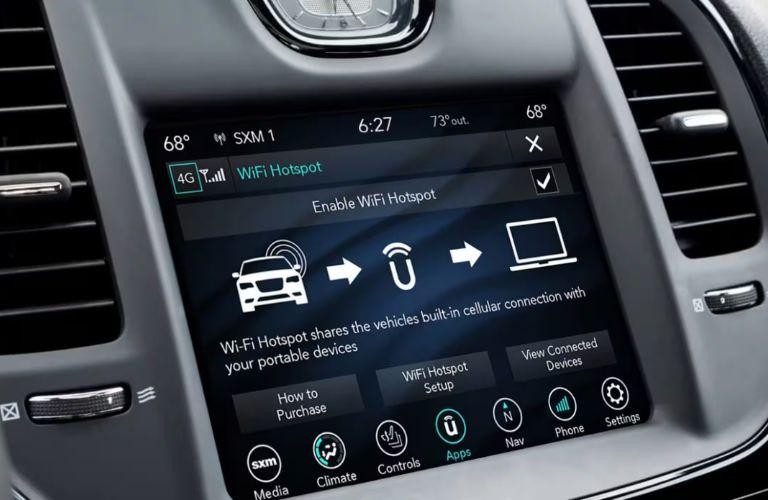
Most passengers already have unlimited data plans on their own phones. A car-based hotspot competing against a phone’s own connection is often just redundant infrastructure. There’s also a cost barrier working against adoption. Many in-car Wi-Fi systems require a separate subscription on top of the vehicle’s purchase price.
Owners frequently forget to activate the trial period before it expires. Once the free trial ends, most simply let the service lapse rather than pay to continue it.
Rear-seat passengers, the supposed target audience, usually have their own devices with cellular data anyway. This makes the vehicle hotspot feel like a solution to a problem that no longer exists. Automakers have continued bundling this technology into higher trims regardless. Buyers keep paying the premium even as usage data shows minimal real-world benefit.
3. In-Vehicle Digital Marketplace
Some newer vehicles, particularly from luxury brands, include an in-dash marketplace. This lets drivers order food, reserve parking, or shop directly from the center screen. The data on this feature is stark. J.D. Power’s 2021 study found that 61 percent of owners have never used the in-vehicle digital marketplace technology.
Even more telling, 51 percent of those non-users said they simply have no need for it. This isn’t confusion about how to use the feature. It’s a flat rejection of the entire premise. Drivers already have this functionality on the phone in their pocket, and it works better there.
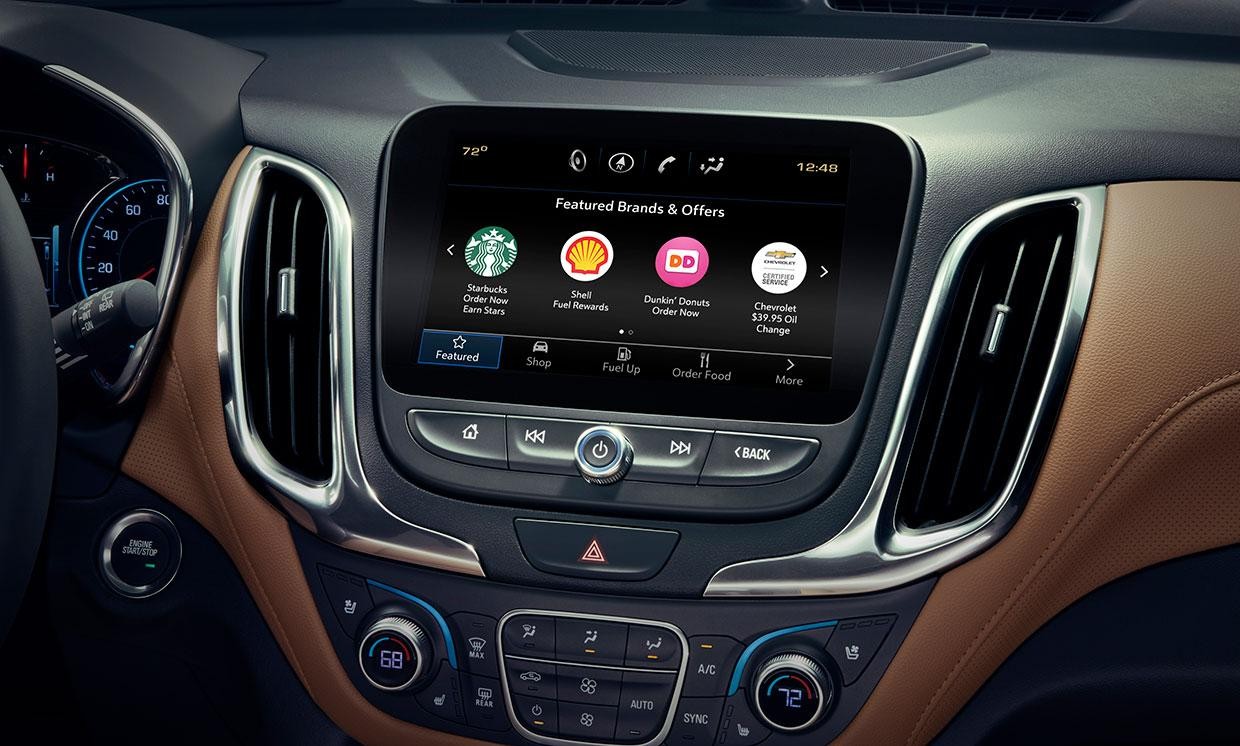
Ordering food through a car’s touchscreen while parked is objectively slower than using a phone app. There’s no real advantage that offsets the added complexity. J.D. Power’s Kristin Kolodge pointed out that rising vehicle prices are partly driven by this added content, and it’s only worthwhile if owners actually get value from it. In this case, they clearly aren’t.
The marketplace feature requires account setup, payment linking, and navigation through unfamiliar menus. Most owners never get past the initial setup screen. This feature exemplifies a broader trend of automakers copying smartphone functionality. Duplicating what a phone already does rarely convinces drivers to switch habits.
4. Driver/Passenger Communication Systems
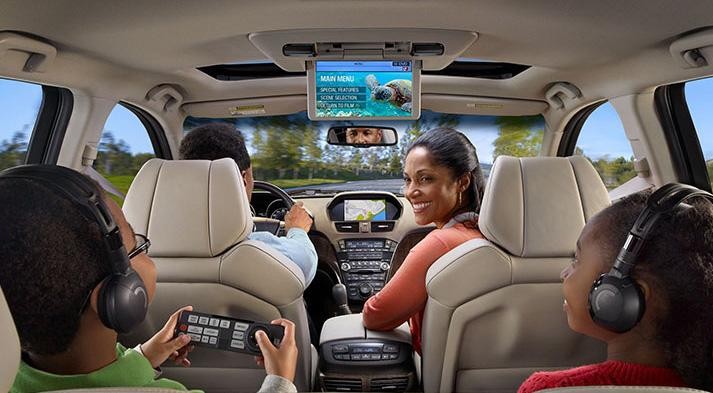
Some vehicles, especially minivans and three-row SUVs, include intercom-style systems. These let the driver talk to rear-seat passengers without turning around or raising their voice.
It sounds like a smart safety and convenience feature at first glance. The usage numbers tell a very different story. J.D. Power’s 2021 Tech Experience Index found 52 percent of owners have never used the driver and passenger communication technology. Of those non-users, 40 percent said they simply have no need for the feature.
Most families find that raising their voice slightly works just fine. The technology solves a problem that barely existed for most households. Parents with young kids in car seats might expect to use this heavily. In practice, many forget the feature exists until months into ownership, if ever.
The system also requires activation through a menu that isn’t always intuitive. Buried settings mean owners often abandon the feature before giving it a fair try. Automakers continue including it as a marketing bullet point for family-oriented trims. The feature photographs well in showroom brochures even if it rarely gets touched at home.
This is a clear example of tech designed around a hypothetical use case rather than an actual driver need. J.D. Power’s data confirms the gap between marketing and reality.
Also Read: 8 Cars With the Smallest Factory Fuel Tanks
5. Interior Gesture Controls
Gesture controls let drivers wave a hand to adjust volume, skip songs, or answer calls. Automakers pitched this as futuristic and effortless when it first appeared. The reality has been much rockier. J.D. Power’s 2024 study found interior gesture controls caused 43.4 problems per 100 vehicles, among the highest of any feature tested.
On top of that, 21 percent of owners using this technology said it lacks functionality altogether. That’s a rare combination of high frustration and low usefulness.
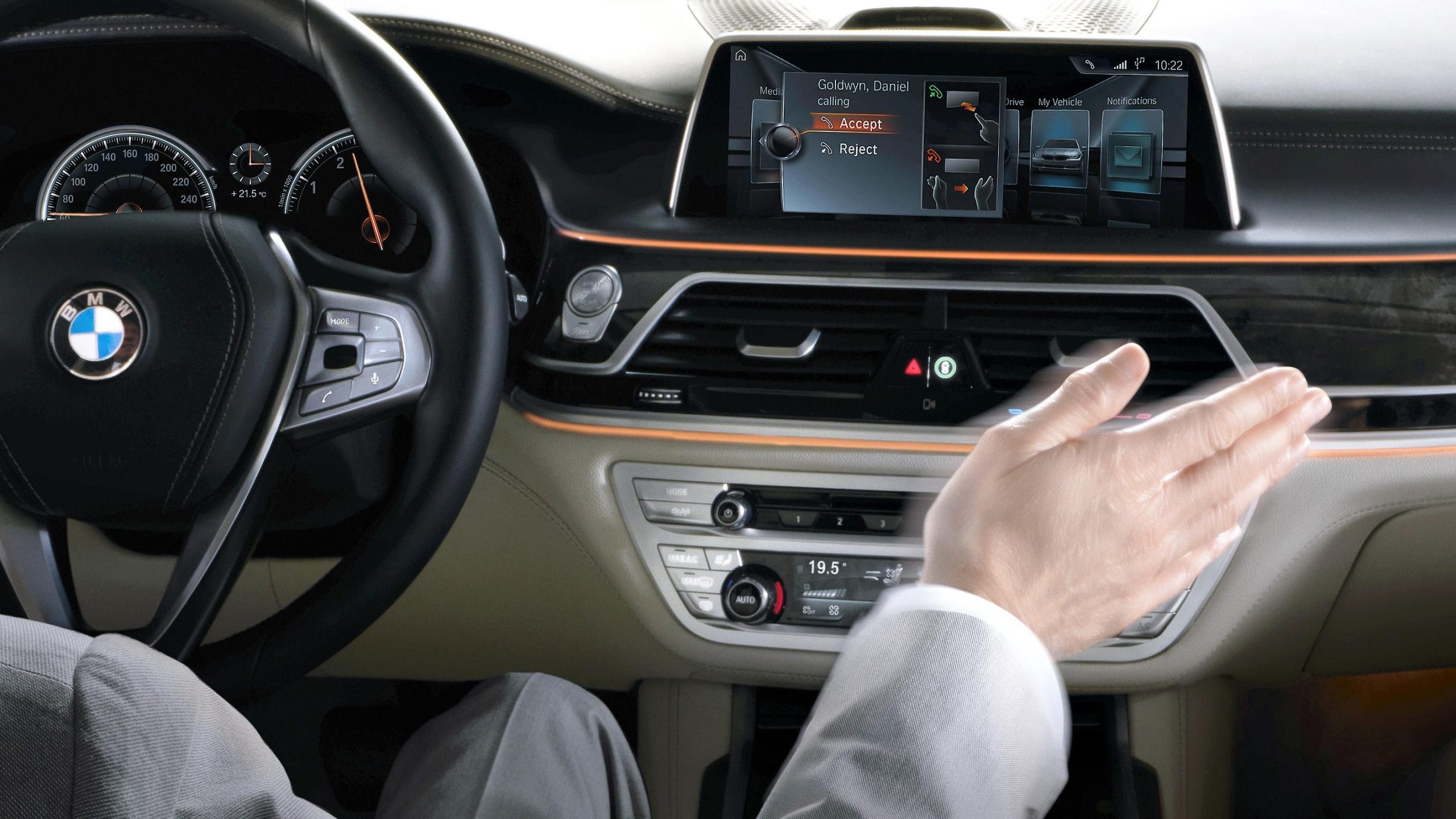
J.D. Power’s Kathleen Rizk explained that recognition-based technologies like gesture controls try to solve problems owners never actually had in the first place. They were built around a concept, not a demonstrated need.
Simple physical buttons or voice commands do the same job with far less friction. A wave gesture needs precise hand positioning and lighting conditions to register correctly.
The 2024 Japan Tech Experience Index similarly ranked interior gesture controls among the lowest-scoring features for both execution and future installation intention. This confirms the pattern isn’t limited to the U.S. market.
Drivers quickly revert to touchscreens or steering wheel buttons after a few failed gesture attempts. The novelty wears off fast once reliability becomes an issue. This is one of the clearest cases in J.D. Power’s research of a headline-grabbing feature that underdelivers. It sounds impressive in a commercial, but frustrates in daily use.
6. Facial Recognition
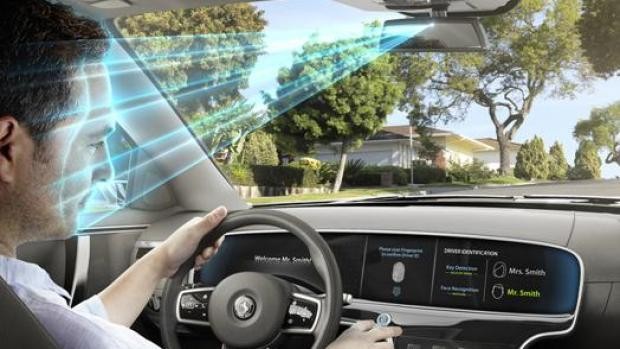
Facial recognition in vehicles is typically used for driver profile switching or drowsiness monitoring. It automatically adjusts seat position, mirrors, and infotainment based on who’s detected behind the wheel.
This sounds convenient for multi-driver households. J.D. Power’s data suggests otherwise for most owners. The firm’s research found facial recognition rated poorly in its survey of new 2024 model-year vehicle owners. It sat alongside fingerprint readers and gesture controls as some of the weakest-performing technologies tested.
J.D. Power described these recognition technologies as trying to solve a problem owners didn’t know they had. Most single-driver households simply have no use case for it.
Even multi-driver households often find manual seat memory buttons faster and more reliable. Facial recognition also raises privacy concerns for some buyers who prefer not to have cameras tracking their face.
Lighting conditions, sunglasses, and even facial hair changes can confuse recognition systems. This leads to failed logins and manual overrides that frustrate rather than help.
Japan’s 2024 study echoed this, ranking facial recognition among the lowest-scoring technologies for both execution and installation intent. The global pattern is consistent across markets.
Automakers keep pushing this as a premium differentiator in luxury trims. Buyers pay extra for a feature that, per J.D. Power’s data, rarely earns its keep.
7. Fingerprint Readers
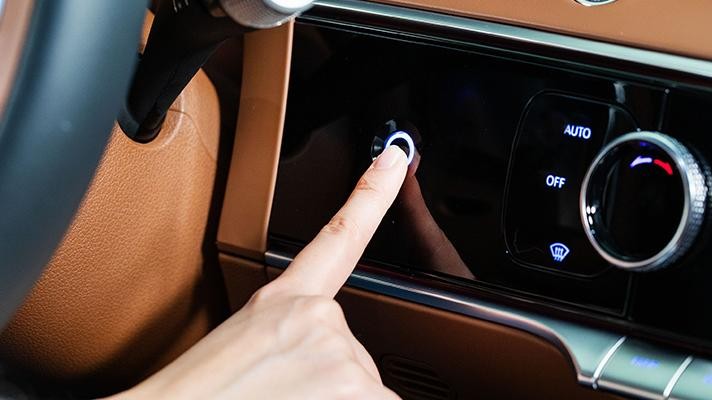
Fingerprint readers function similarly to facial recognition. They’re meant to authenticate drivers, unlock personalized settings, or even start the engine without a traditional key.
The feature borrows a familiar concept from smartphones. But cars aren’t phones, and the use case doesn’t translate cleanly. J.D. Power’s 2024 Tech Experience Index study rated fingerprint readers poorly alongside facial recognition and gesture controls.
These three technologies consistently cluster at the bottom of owner satisfaction rankings. Cold weather, wet hands, or minor cuts can all interfere with fingerprint sensor accuracy. That unreliability pushes owners back toward a simple key fob or push-button start.
J.D. Power’s broader 2024 findings noted that recognition technologies unsuccessfully try to solve a problem owners didn’t know they had. Fingerprint readers fit squarely into that category.
Unlike a phone, which is used dozens of times daily, a car is entered and started far less often. That lower frequency of use means the friction of scanning a fingerprint rarely feels worth it.
Most owners default back to physical keys or remote start apps within the first few weeks. The novelty fades quickly once a single failed scan causes delay. This is another feature that photographs well in advertising but struggles in daily practice. J.D. Power’s consistent low scores confirm it across multiple years now.
8. Passenger-Side Infotainment Screens
Some higher-end vehicles now include a second infotainment screen dedicated to the front passenger. It allows separate navigation, media, or streaming access independent of the driver’s display.
This seems like a strong feature for road trips and family drives. J.D. Power’s usage data suggests it’s rarely worth the added cost. J.D. Power found that only 10 percent of vehicles have a front passenger seat occupied on a daily basis. That alone limits how often the screen could even be used.
The firm also noted that dealers already struggle teaching owners how to use the primary infotainment screen, let alone a second one. Complexity compounds low daily relevance.
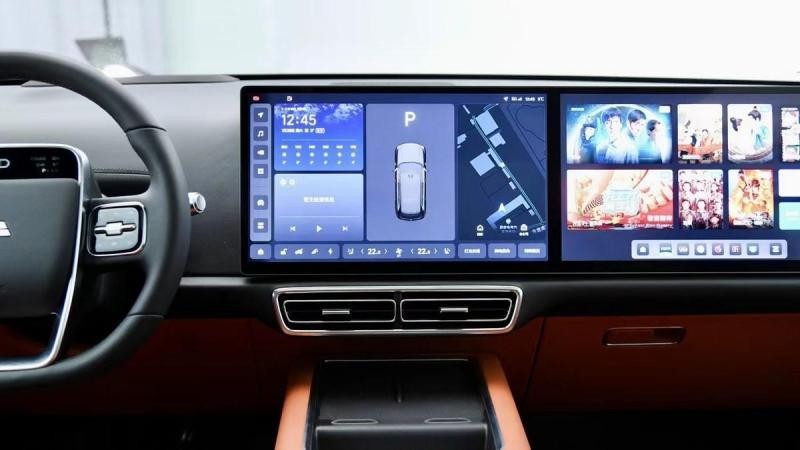
J.D. Power’s 2024 study specifically classified passenger displays as “not necessary” based on owner feedback. That’s a direct verdict from the people actually paying for it. Passengers who do ride along typically default to their own phones for entertainment anyway. A dedicated screen competes against a device most people already prefer using.
The added hardware also raises manufacturing costs, which get passed to buyers. That premium rarely gets recouped in actual usage. This is a clear case of a feature built for an imagined use case rather than a common one. The data simply doesn’t support its inclusion for most buyers.
9. Hands-Free and Hands-On Driving Assistance
Advanced driver assistance systems, including hands-free highway driving modes, have expanded rapidly across new vehicles. Automakers market these heavily as premium safety and convenience upgrades.
Owner sentiment tells a more mixed story. J.D. Power found hands-on driving assistance scored just 7.61 out of 10 for perceived usefulness, among the lowest-rated ADAS features surveyed.
Although the hands-free version incorporates more advanced technology, it received only a marginally higher score of 7.98. The results indicate that the added features did not lead to a substantial increase in owner satisfaction.
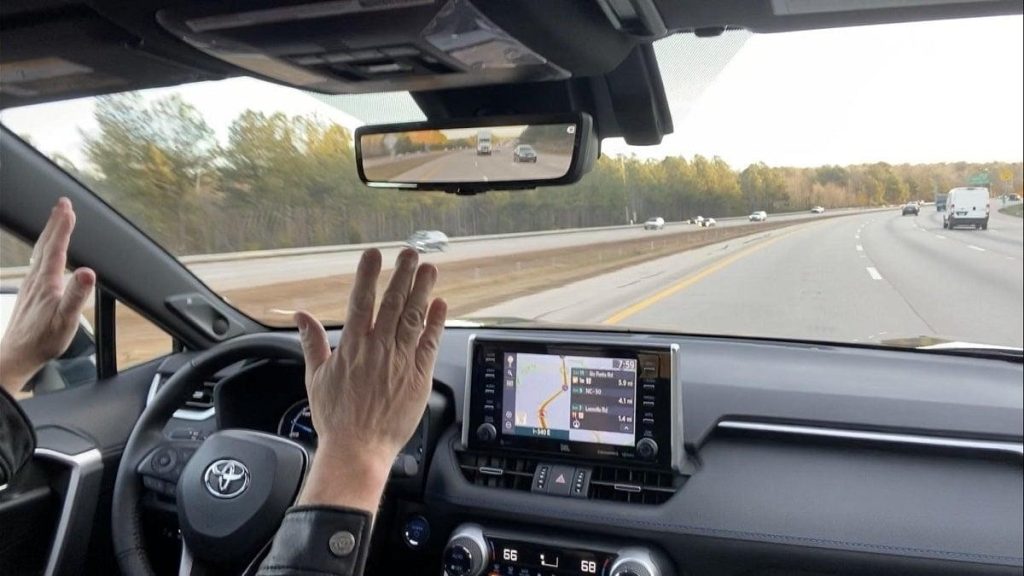
J.D. Power noted that owners tend to appreciate features that address specific concerns, like visual blind spots when backing up. General-purpose driving assistance doesn’t fit that mold as clearly.
J.D. Power’s Kathleen Rizk explained the hands-free feature doesn’t significantly change the user experience because it fails to solve a known problem. Drivers already know how to steer; this feature answers a question few asked.
Many owners also remain uneasy trusting the car with steering control. That hesitation limits regular use even among owners who have access to the feature.
J.D. Power’s own key findings describe drivers as still preferring hands-on control despite growing availability of these ADAS systems. The comfort gap remains wide. This is a costly option bundle on many trims. Yet the actual reported usefulness barely edges above a passing grade.
10. Automatic and Self-Parking Systems
Self-parking systems let the car take over steering during parallel or perpendicular parking maneuvers. The pitch is obvious: remove the stress of tight parking spots. Adoption numbers tell a different story, though. Reports citing J.D. Power found that around 35 percent of owners avoided using self-parking systems like Toyota’s IPAS altogether.
Trust appears to be the biggest barrier here. A separate AAA study found only about a quarter of drivers trusted self-parking systems, even when the systems outperformed manual parking.
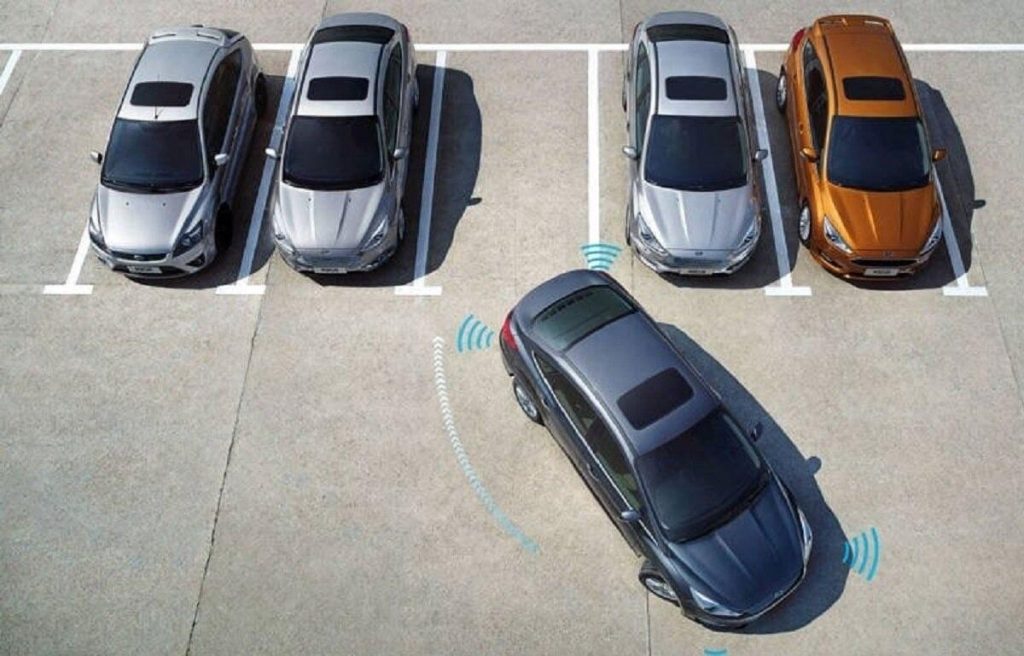
Many drivers simply feel more comfortable parking manually. Ceding control to the vehicle, even briefly, creates hesitation that outweighs the convenience benefit. The feature also tends to work more slowly than an experienced driver parking manually. That speed mismatch discourages regular use even among curious early adopters.
Owners in areas with ample easy parking, like suburban driveways or open lots, have little reason to ever engage the feature. It’s most useful in dense urban environments, which represent a smaller share of buyers.
This creates a mismatch between where the technology is marketed and where it’s actually needed. Suburban buyers pay for city-specific tech they’ll rarely use. Across J.D. Power’s broader research, this fits the recurring theme perfectly. Impressive demo, limited real-world adoption.
Also Read: 10 SUVs That Changed the Automotive Industry Forever
