
Reaching 250,000 miles is a milestone that relatively few vehicles ever achieve. For many owners, it represents years of dependable service, consistent maintenance, and engineering capable of withstanding hundreds of thousands of miles of driving, road trips, and heavy workloads.
While some models develop expensive mechanical problems before reaching that point, others continue running reliably well beyond a quarter-million miles.
According to a recent iSeeCars study analyzing more than 402 million vehicles, the average vehicle has only a 4.8% chance of reaching 250,000 miles. One SUV, however, stands far above the rest.
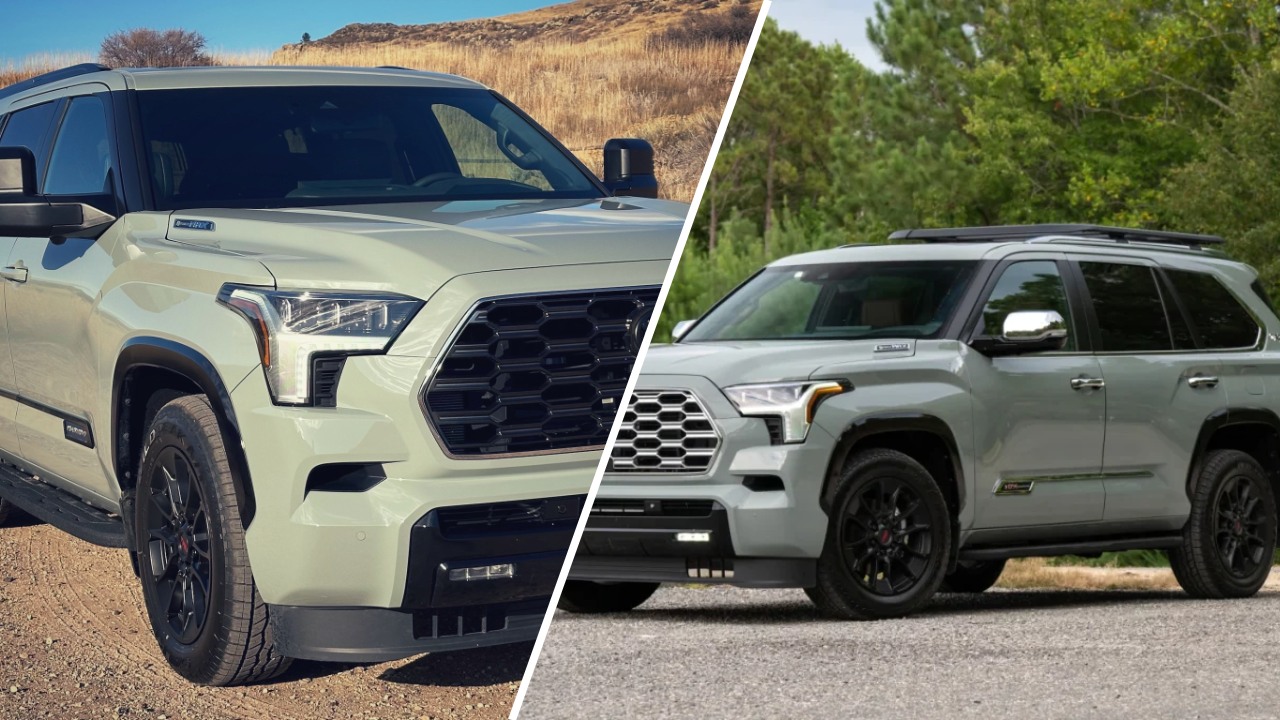
The Toyota Sequoia posted a remarkable 39.1% probability, making it the highest-ranked SUV in the study and giving it roughly eight times the likelihood of reaching 250,000 miles compared with the average vehicle.
The findings reinforce a reputation the Sequoia has built over more than two decades as one of the most durable full-size SUVs sold in the United States.
That impressive statistic is not the result of luck. It reflects Toyota’s long-standing engineering philosophy, robust powertrains, heavy-duty construction, and a loyal owner base that often keeps these SUVs on the road for many years.
From dependable V8 engines to a strong body-on-frame platform, several factors help explain why the Sequoia consistently ranks among America’s longest-lasting vehicles.
Also Read: 10 Automakers That Build the Most Vehicles in America, Ranked
Why the Toyota Sequoia Is America’s Longest-Lasting SUV
The Toyota Sequoia has been recognized for durability almost since it debuted for the 2001 model year. Built on a truck-based platform shared with the Toyota Tundra, the Sequoia was designed to handle demanding workloads while still providing the comfort expected from a family SUV.
While most crossover SUVs are designed with comfort and efficiency in mind, the Sequoia stands out for its robust capability, strong towing performance, and lasting reliability.
The latest iSeeCars longevity study further reinforces that reputation. Researchers analyzed more than 402 million vehicles sold between 1981 and 2025, identifying which models were most likely to reach 250,000 miles.
Rather than simply counting a few high-mileage examples, the study estimates the statistical probability that a given model will achieve that milestone based on registration and odometer data collected across the United States.
For comparison, the average vehicle included in the study has only a 4.8% probability of reaching 250,000 miles. In contrast, the Toyota Sequoia achieved a 39.1% probability, the highest among all SUVs analyzed.
Put another way, a Sequoia is approximately eight times more likely than the average vehicle to surpass a quarter-million miles, an extraordinary difference in an industry where many vehicles are retired well before reaching 200,000 miles.
The Sequoia’s impressive capabilities stem from several key engineering features, chief among them its body-on-frame construction. This design, commonly found in full-size pickup trucks, uses a separate steel frame as the vehicle’s structural foundation. In contrast, most crossover SUVs employ a unibody design that integrates the body and chassis into a single unit. The body-on-frame approach enhances strength and durability, making the Sequoia better suited for heavy towing, hauling, and demanding driving conditions.
This configuration generally provides greater resistance to twisting under heavy loads, improves durability when towing, and better withstands years of rough-road use. While it adds weight, it also creates a stronger foundation for long-term ownership.
Toyota has also earned a reputation for conservative engineering. Rather than pushing engines to produce maximum horsepower from relatively small displacement, the company has historically favored proven designs operating well within their mechanical limits.
Lower stress on engine components often translates into reduced wear over hundreds of thousands of miles, especially when routine maintenance is performed on schedule.
Earlier generations of the Sequoia played a significant role in building this reputation. First-generation models were powered by Toyota’s legendary 4.7-liter 2UZ-FE V8, an engine originally developed for trucks and SUVs.
Featuring a cast-iron engine block and robust internal components, the 2UZ-FE became known for regularly exceeding 300,000 miles with proper maintenance. Many examples remain on American roads today with exceptionally high odometer readings.
The second-generation Sequoia introduced the 5.7-liter 3UR-FE V8, another truck-focused engine designed for durability as much as performance.
Producing strong towing capability while maintaining Toyota’s reputation for reliability, the 3UR-FE became one of the most respected naturally aspirated V8s in the full-size SUV segment.
Combined with durable Aisin automatic transmissions, these powertrains helped establish the Sequoia as a preferred choice for families, outdoor enthusiasts, and commercial users seeking dependable long-term transportation.
Maintenance habits also contribute to the Sequoia’s impressive longevity. Vehicles capable of reaching 250,000 miles typically receive regular oil changes, transmission servicing, cooling system maintenance, and suspension repairs throughout their lives.
Sequoia owners are known for keeping their vehicles for extended periods rather than replacing them every few years, creating a larger population of high-mileage examples that continue to demonstrate the SUV’s durability.
Toyota’s extensive dealer network and widespread parts availability further support long-term ownership. Replacement components remain readily available even for older models, making major repairs more practical and cost-effective than with many low-volume competitors.
Independent repair shops are also familiar with Toyota’s truck-based platforms, helping reduce maintenance complexity as vehicles age.
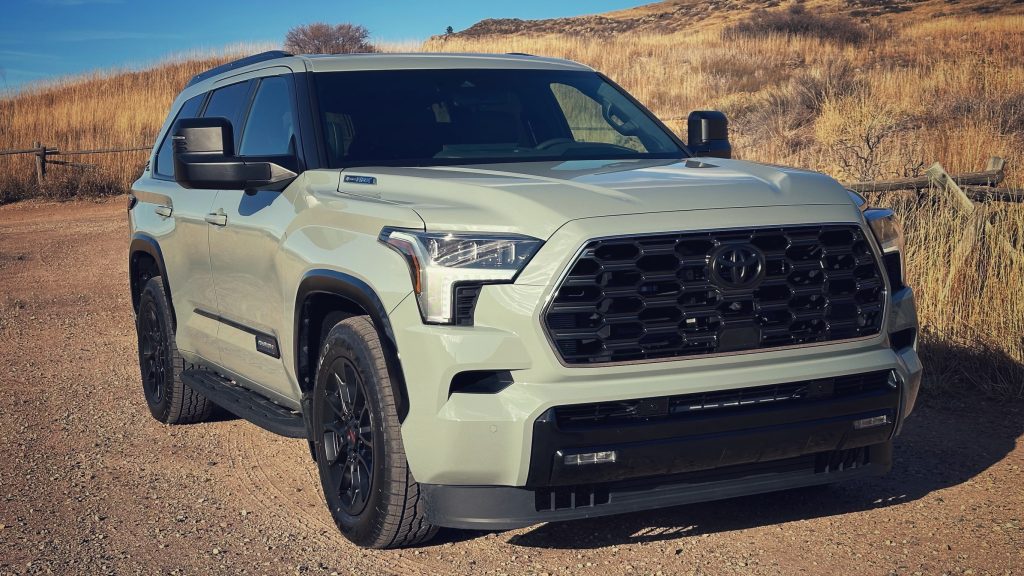
The third-generation Sequoia introduced for the 2023 model year moved away from naturally aspirated V8 power, replacing it with Toyota’s i-Force Max twin-turbocharged 3.4-liter V6 hybrid.
While this powertrain has not yet accumulated enough real-world mileage to prove whether it can match its predecessors over 250,000 miles, Toyota designed it using many of the same durability principles applied to the Tundra and Lexus LX.
Because it remains relatively new, however, the iSeeCars ranking is driven primarily by earlier Sequoia generations that have already demonstrated exceptional long-term reliability over decades of ownership.
What Makes the Sequoia Reach 250,000 Miles So Often?
The Toyota Sequoia’s remarkable longevity is not the result of a single outstanding component. Instead, it comes from a combination of durable engineering, proven powertrains, heavy-duty construction, and a design philosophy that prioritizes reliability over chasing headline performance figures.
When these qualities are paired with regular maintenance, the result is an SUV that has repeatedly demonstrated an ability to remain dependable long after many competitors have been retired.
One of the biggest contributors is the 4.7-liter 2UZ-FE V8 found in first-generation Sequoias. Introduced as part of Toyota’s truck engine family, the 2UZ-FE was engineered with durability in mind rather than maximum horsepower.
Its cast-iron engine block provided exceptional strength under heavy loads, while its conservative power output reduced stress on internal components.
Timing belt replacement at the recommended intervals is essential, but owners who keep up with scheduled maintenance frequently report mileage well beyond 250,000 miles, with some examples exceeding 350,000 miles without requiring major engine rebuilds.
The second-generation Sequoia continued that tradition with the 5.7-liter 3UR-FE V8, one of Toyota’s most respected truck engines. This naturally aspirated V8 delivered more power and torque than its predecessor while maintaining the company’s reputation for long-term dependability.
Designed for use in both the Sequoia and the Toyota Tundra, the engine was built to handle heavy towing, demanding road conditions, and years of continuous use.
Rather than relying on high turbocharger boost to produce power, the 3UR-FE delivers its performance through generous displacement and a robust engine design. By eliminating the additional mechanical demands of forced induction, it experiences less stress on critical components, contributing to its durability and long-term reliability.
Transmission reliability has also played an important role. Toyota paired these engines with Aisin automatic transmissions, which have earned an excellent reputation across numerous Toyota and Lexus trucks and SUVs.
While no automatic transmission is immune to wear, regular fluid servicing and proper cooling have allowed many Sequoia transmissions to remain reliable well beyond 200,000 miles. Their reputation for durability has helped owners avoid one of the most expensive repairs commonly associated with aging vehicles.
The Sequoia’s body-on-frame construction further contributes to its longevity. Shared with Toyota’s pickup truck platform, the separate ladder frame is designed to withstand heavy towing, rough terrain, and repeated loading without placing excessive stress on the body structure.
Although body-on-frame vehicles are typically heavier than crossover SUVs, the added strength often pays dividends during long-term ownership. Suspension components, frame mounts, and chassis hardware are designed for truck-level durability, allowing the Sequoia to perform demanding tasks year after year.
Another advantage is Toyota’s conservative approach to engine calibration. Rather than extracting every possible horsepower from relatively small engines, Toyota traditionally favors moderate tuning that leaves a comfortable safety margin for long-term reliability.
Lower operating stress translates into reduced wear on pistons, bearings, connecting rods, and cooling components. This philosophy may sacrifice some peak performance compared with competitors, but it has consistently benefited owners who plan to keep their vehicles for decades.
Routine maintenance also plays a major role in the Sequoia’s success. Regular oil changes, cooling system service, brake maintenance, and differential fluid replacements help preserve the drivetrain over hundreds of thousands of miles.
Owners who tow frequently often service their transmissions more often than the minimum factory schedule, further extending component life. Because Toyota has produced truck-based SUVs for decades, replacement parts remain widely available, and independent repair shops are highly familiar with the platform.
While the Sequoia ranks first among SUVs in the iSeeCars study, it is not the only Toyota to demonstrate exceptional longevity. Models such as the Toyota Land Cruiser and Toyota 4Runner also rank near the top thanks to their truck-based construction and proven mechanical designs.
Outside of Toyota, full-size SUVs, including the Chevrolet Suburban and GMC Yukon, have also developed reputations for reaching very high mileage when properly maintained. The Honda Pilot is another strong performer, particularly among unibody SUVs, though its probability of reaching 250,000 miles remains well below the Sequoia’s class-leading 39.1%.
Prospective buyers should remember that even the most reliable SUV is not immune to age-related wear. High-mileage Sequoias may eventually require suspension components, wheel bearings, water pumps, radiators, alternators, or steering parts to be replaced.
Earlier 2UZ-FE models also require periodic timing belt service, and neglecting that maintenance can result in expensive repairs. Fortunately, these issues are generally predictable and well understood by technicians, making long-term ownership less intimidating than with many complex luxury SUVs.
The latest third-generation Sequoia introduces Toyota’s i-Force Max 3.4-liter twin-turbocharged hybrid V6, replacing the long-running V8 engines.
Although it delivers significantly more power, torque, and improved fuel economy, it has not yet accumulated enough real-world mileage to determine whether it can match the extraordinary longevity of previous generations.
It will likely take another decade of ownership data before researchers can accurately compare its long-term durability with the legendary V8-powered Sequoias.
Ultimately, the Toyota Sequoia’s place at the top of the iSeeCars rankings reflects decades of proven engineering rather than a single impressive feature.
A rugged truck platform, durable powertrains, dependable transmissions, a conservative design philosophy, and disciplined maintenance habits have combined to create one of the most durable SUVs ever sold in the United States.
For buyers seeking a vehicle capable of remaining reliable well past 250,000 miles, few models have a stronger track record.
Should You Buy a Used Toyota Sequoia?
For buyers seeking a full-size SUV capable of delivering years of dependable service, the Toyota Sequoia remains one of the strongest options on the used market. Its 39.1% probability of reaching 250,000 miles, according to the iSeeCars study, highlights a level of durability that few SUVs can match.
For families, outdoor enthusiasts and owners who prefer keeping a vehicle for the long term, the Sequoia continues to stand out.
The 2008 to 2022 second-generation Sequoia is generally considered the best choice. Powered by Toyota’s 5.7-liter 3UR-FE V8, it combines strong towing capability with an excellent reputation for reliability.
Earlier first-generation models equipped with the 4.7-liter 2UZ-FE V8 are also highly regarded, though buyers should verify that the required timing belt replacements were completed on schedule.
Before purchasing any used Sequoia, reviewing maintenance records is essential. Look for evidence of regular oil changes, transmission service, and cooling system maintenance. A thorough inspection should also include the frame for rust, along with suspension, steering, and brake components, especially on higher-mileage examples.
Fuel economy is one of the Sequoia’s biggest compromises. Older V8 models typically deliver fuel economy in the mid-teens, but many owners accept that trade-off in exchange for exceptional reliability, generous passenger space, and impressive towing capability.
The latest Sequoia now uses Toyota’s i-Force Max twin-turbocharged hybrid V6, which offers improved performance and efficiency. However, because the powertrain is still relatively new, it has not yet built the decades-long track record of the earlier V8 models.
The Sequoia’s position at the top of the iSeeCars rankings reflects more than a single impressive statistic. Its truck-based construction, durable powertrains, and proven reliability have made it one of the few SUVs with a realistic chance of surpassing 250,000 miles.
For buyers who value longevity above all else, a well-maintained Toyota Sequoia remains one of the safest long-term purchases in the used SUV market.
Also Read: 10 Hyundai Tucson Model Years That Tell the Whole Story
