
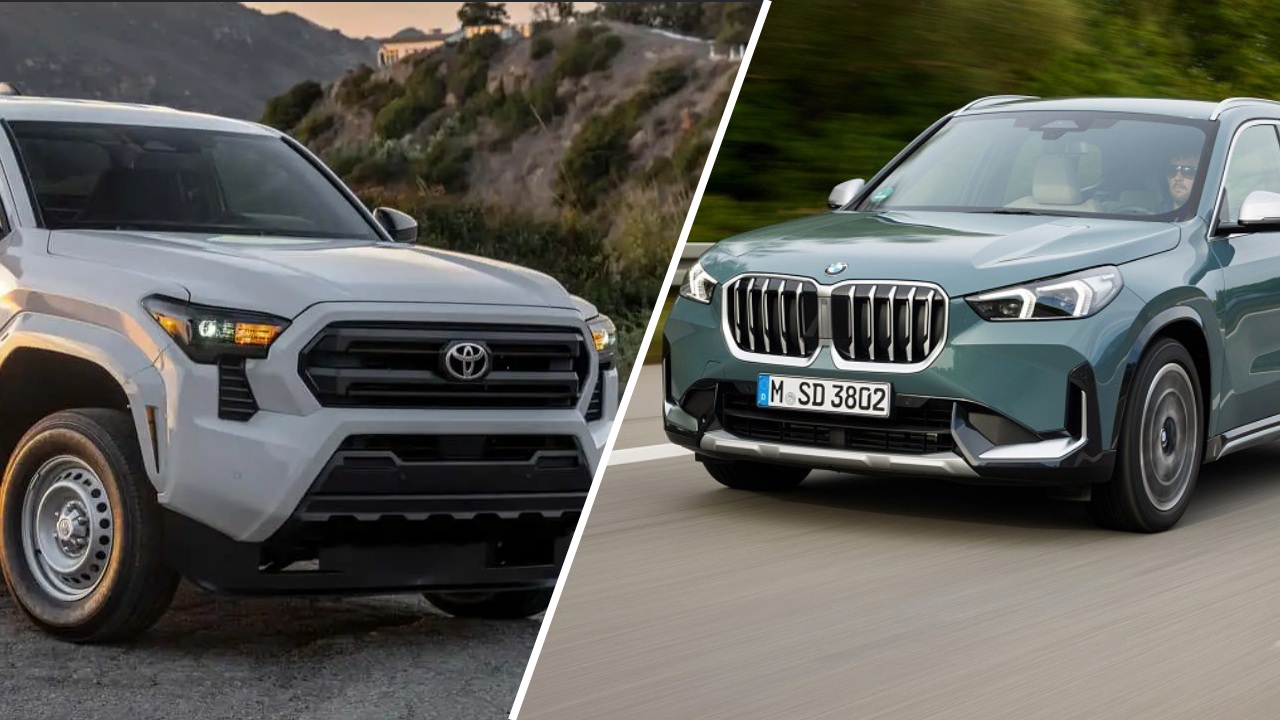
Buying the base trim of a new vehicle often seems like the smartest financial decision. The lowest starting price attracts budget-conscious shoppers, and many assume the essential features will be enough for everyday driving.
However, some vehicles have such large gaps between the entry-level model and the next trim that the base version becomes difficult to recommend. Missing comfort features, limited technology, basic interior materials, and fewer convenience options can reduce long-term satisfaction.
Before making a purchase, it is worth comparing the entire lineup instead of focusing only on the sticker price. Here are eight models where the base trim offers the least value.
Also Read: 10 Three-Pedal Cars That Keep Driving Fun Alive
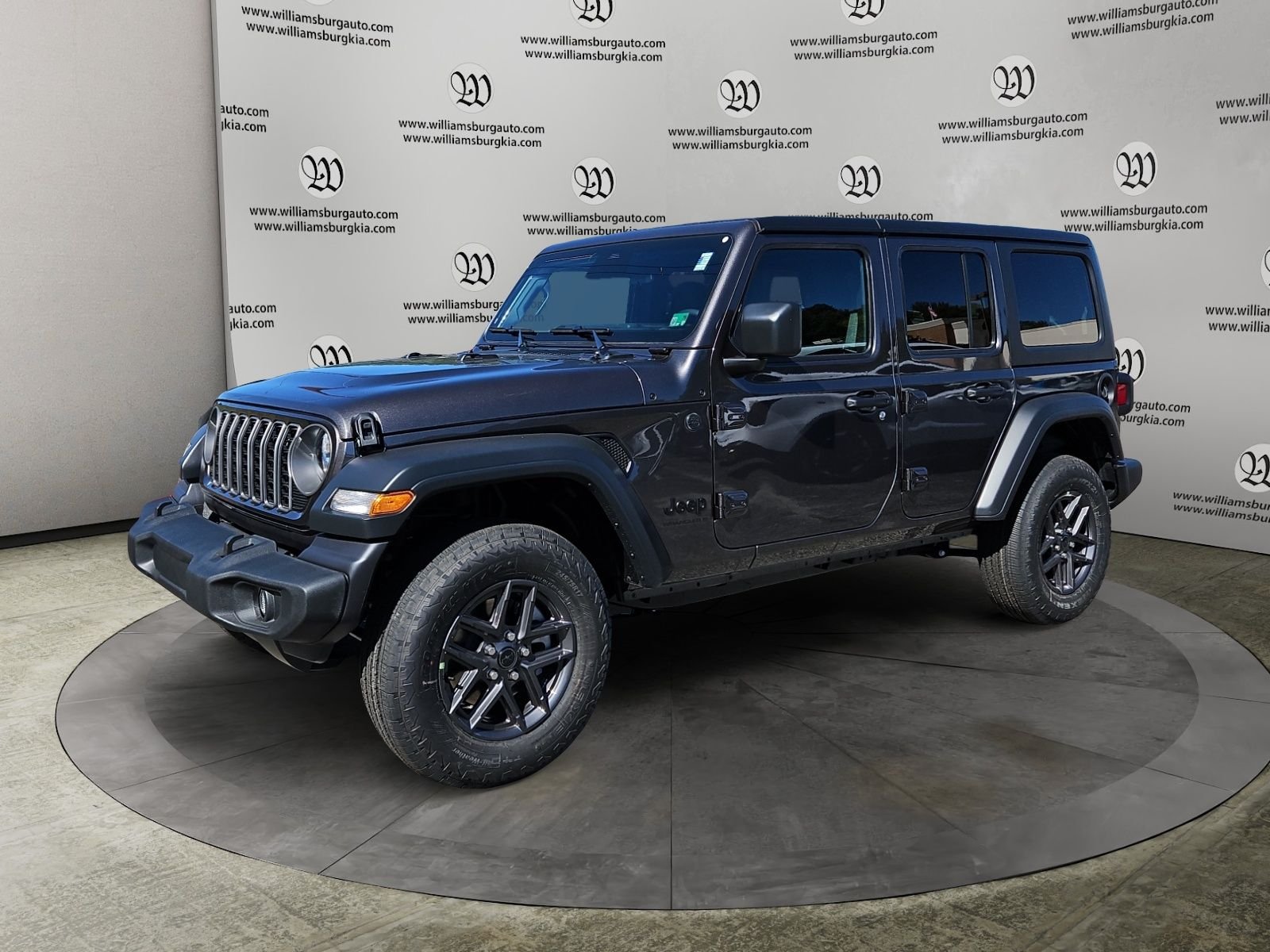
- Engine: 3.6-liter Pentastar V6 (standard), 285 hp
- Horsepower: 285 hp
- Torque: 260 lb-ft (353 Nm)
- Length: 188.4 in (4,785 mm)
- Width: 73.9 in (1,877 mm)
1. Jeep Wrangler Sport
The Jeep Wrangler Sport gives buyers access to the famous off-road SUV at the lowest possible price, but the savings come with several compromises. While it delivers the classic Wrangler experience, the cabin feels noticeably more basic than higher trims.
Buyers looking for a vehicle that works equally well on highways and trails may find the standard equipment list underwhelming. Simple interior finishes, limited convenience features, and fewer technology options make the base model feel less refined than many rivals in the same price range.
The biggest drawback is the amount of equipment reserved for higher trims. Features such as larger infotainment displays, upgraded seating materials, automatic climate control, and extra driver assistance systems often require moving to a more expensive version.
These upgrades are not simply cosmetic. They improve comfort during daily driving and make the Wrangler easier to live with throughout the year. Many buyers eventually customize their Wrangler with aftermarket accessories. That flexibility is part of the vehicle’s appeal, but it also increases ownership costs.
After adding upgraded wheels, improved lighting, better tires, or interior accessories, the price difference between the Sport and a higher trim becomes much smaller. Paying more upfront can sometimes save money while providing factory-installed equipment backed by the manufacturer.
Resale value also favors better-equipped Wranglers. Used vehicle shoppers often search for trims that include larger touchscreens, advanced safety technology, and premium interior features.
Vehicles with these upgrades typically attract more attention and may command stronger resale prices compared with entry-level versions.
The Wrangler Sport remains a capable off-road vehicle with solid mechanical performance, but buyers planning to use it every day may find greater value in trims that include additional comfort and technology. Spending more at the time of purchase can create a better ownership experience over several years.
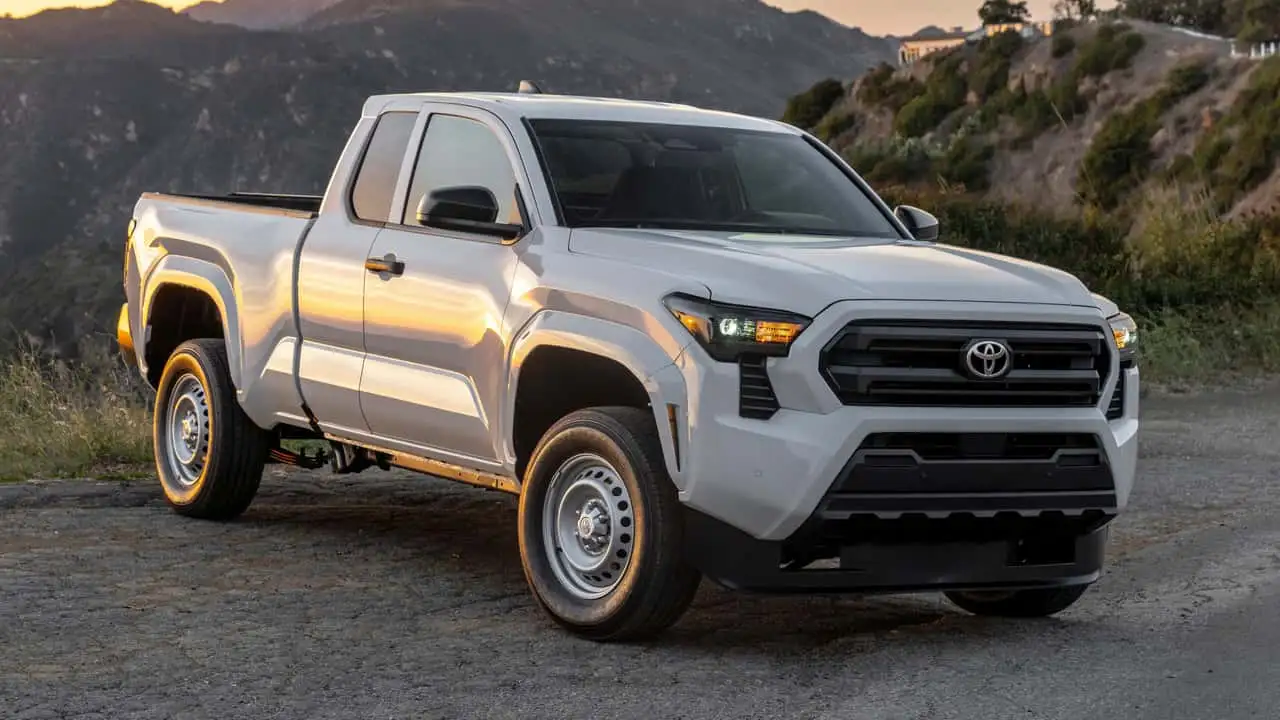
- Engine: 2.4-liter turbocharged inline-4
- Horsepower: 228 hp
- Torque: 243 lb-ft (329 Nm)
- Length: 213.0 in (5,410 mm)
- Width: 77.9 in (1,979 mm)
2. Toyota Tacoma SR
The Toyota Tacoma has earned a strong reputation for reliability, durability, and resale value. Those qualities make it a popular midsize pickup for both personal and professional use.
However, the base SR trim feels quite basic when compared with the rest of the lineup. Buyers expecting a well-equipped truck may quickly notice that several desirable features are unavailable without upgrading.
Inside the Tacoma SR, practicality takes priority over comfort. The cabin includes the essentials, but higher trims introduce upgraded upholstery, larger digital displays, wireless smartphone connectivity, improved audio systems, and additional convenience features.
These improvements have a noticeable effect on everyday driving, particularly for owners who spend hours behind the wheel.
Safety technology has become an important factor for truck buyers, and while the Tacoma includes several standard safety systems, additional convenience features remain limited in the base trim.
Higher trims provide a more complete package that appeals to families and commuters who expect modern technology in a new vehicle.
Appearance is another important consideration. Entry-level trucks typically feature basic wheels, minimal exterior trim, and more modest interior materials. Although these design elements have no impact on performance, they play a significant role in how the vehicle looks and feels during everyday ownership.
Many buyers later spend money upgrading wheels, lighting, or trim pieces to achieve the appearance they originally wanted.
The Tacoma SR still benefits from Toyota’s reputation for long-term dependability, but shoppers willing to stretch their budget slightly often receive much better value from higher trims. Better comfort, stronger feature content, and improved styling make the ownership experience feel more complete without changing the truck’s dependable nature.
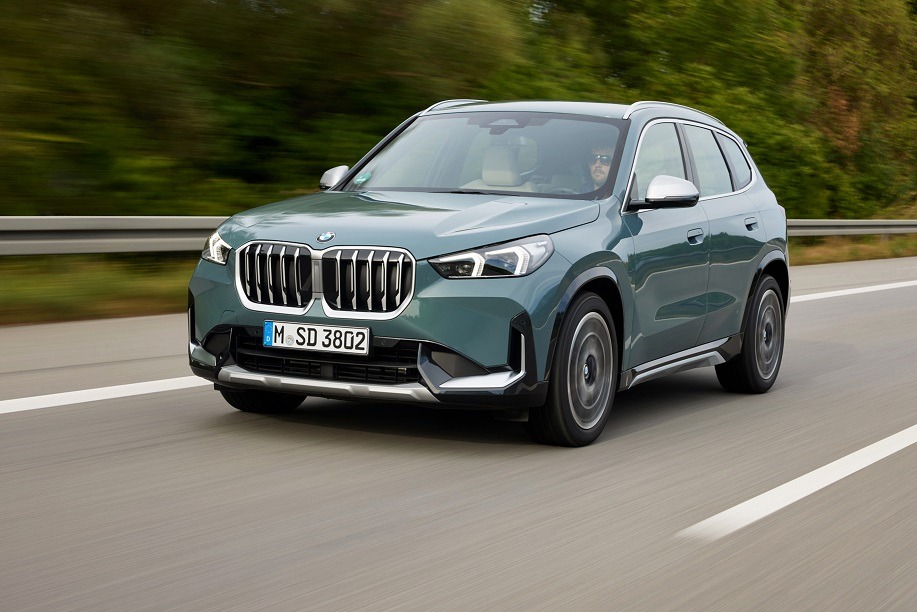
- Engine: 2.0-liter turbocharged inline-4
- Horsepower: 241 hp
- Torque: 295 lb-ft (400 Nm)
- Length: 177.2 in (4,500 mm)
- Width: 72.6 in (1,845 mm)
3. BMW X1
Luxury vehicles attract buyers who expect premium craftsmanship, advanced technology, and refined driving dynamics. The BMW X1 delivers enjoyable performance and practical interior space, yet the base trim leaves out several features that many customers associate with the luxury segment. While it carries the BMW badge, the entry-level configuration may not fully meet expectations.
The standard interior is clean and functional, but several premium touches require additional packages or higher trims.
Buyers often discover that features such as upgraded upholstery, enhanced ambient lighting, premium audio systems, and additional driver assistance technology increase the final purchase price significantly. These options improve both appearance and everyday usability.
Technology plays a major role in the luxury market. Buyers expect seamless smartphone integration, advanced navigation, digital displays, and convenience features that simplify daily driving.
The entry version provides the basics, but better-equipped trims feel far more competitive against luxury rivals. The additional technology helps justify the premium price associated with the brand.
Driving enjoyment remains a strength across the lineup, yet comfort also matters during long trips. Upgraded seating, improved interior materials, and enhanced cabin insulation found in higher trims create a quieter and more relaxing environment. Those differences become more noticeable after months of ownership rather than during a short test drive.
The BMW X1 remains an appealing compact luxury SUV, but the base trim serves primarily as the entry point into the lineup. Buyers seeking the premium experience the brand is known for often receive much stronger value by selecting a better-equipped version with features that improve comfort, convenience, and long-term satisfaction.
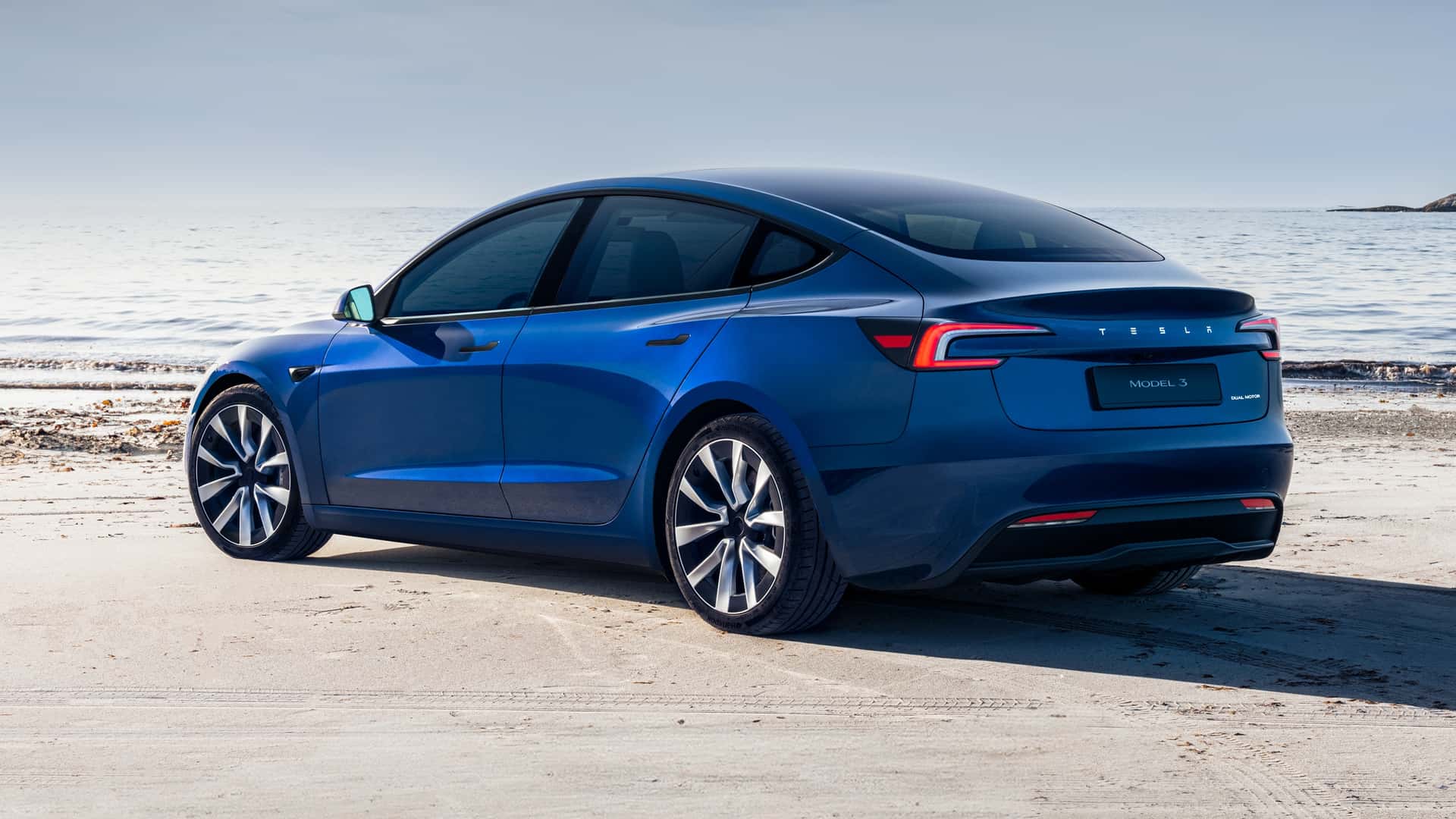
- Engine: Single rear-mounted electric motor
- Horsepower: 257 hp (estimated)
- Torque: 310 lb-ft (420 Nm, estimated)
- Length: 185.8 in (4,720 mm)
- Width: 72.8 in (1,849 mm)
4. Tesla Model 3
The Tesla Model 3 has become a benchmark in the electric sedan segment thanks to its impressive efficiency, quick acceleration, and software-focused driving experience.
The base trim includes the essential features that have made the vehicle a popular choice, but it may not offer the strongest value for the price. Buyers who explore the entire lineup often find that moving up to a higher trim level provides worthwhile upgrades that enhance comfort, convenience, and driving enjoyment in everyday use rather than only on special occasions.
Range is an important factor for electric vehicle ownership, and this is where the higher trims begin to justify their added cost. Extra driving range reduces charging stops during long trips and gives owners greater flexibility in daily use.
Drivers who frequently travel outside urban areas may appreciate the added confidence that comes with a larger battery and fewer charging interruptions. Over several years of ownership, this convenience can outweigh the initial difference in purchase price.
Performance is another area where the entry model falls behind its more expensive counterparts. While the standard Model 3 is responsive, higher trims offer significantly quicker acceleration and improved handling characteristics.
These upgrades create a more engaging driving experience without sacrificing efficiency. Buyers who enjoy spirited driving often find that the additional performance transforms the car into something far more exciting.
The cabin follows Tesla’s minimalist design philosophy across every trim, but premium versions introduce features that improve comfort and refinement.
Better audio quality, upgraded interior materials, and additional convenience features help create a more upscale atmosphere. These improvements become especially valuable for owners who spend long hours commuting or frequently travel with passengers.
The base Tesla Model 3 remains an excellent electric sedan, particularly for buyers entering the EV market for the first time. However, shoppers who can comfortably extend their budget may find greater long-term satisfaction with a higher trim that combines stronger performance, additional range, and extra comfort features into a more complete package.
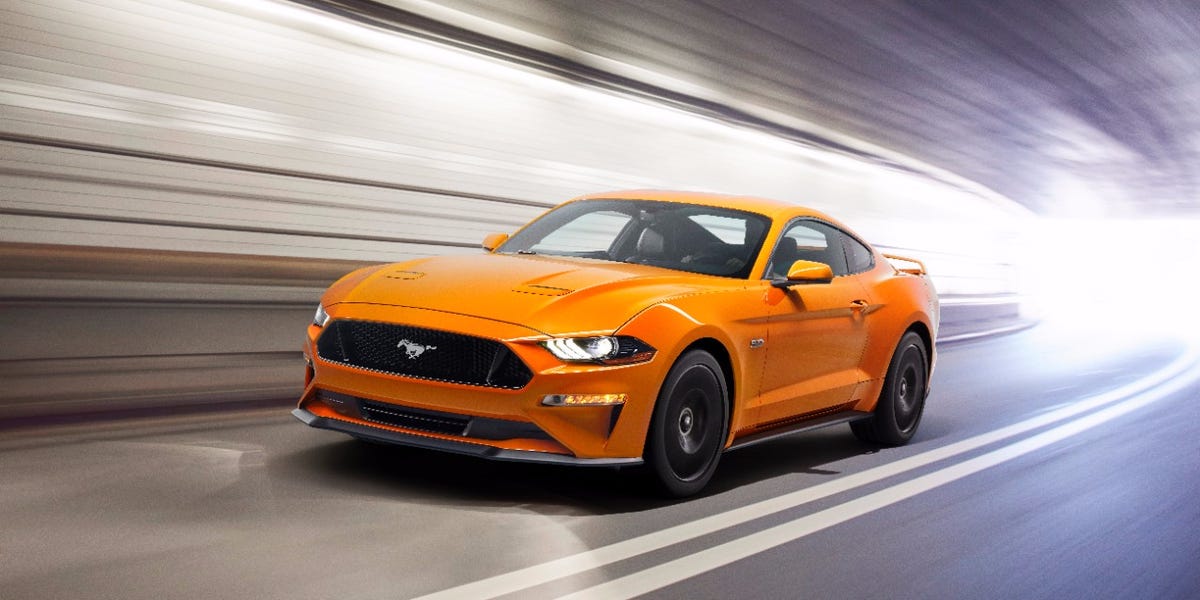
- Engine: 2.3-liter turbocharged EcoBoost inline-4
- Horsepower: 315 hp
- Torque: 350 lb-ft (475 Nm)
- Length: 189.4 in (4,811 mm)
- Width: 75.4 in (1,915 mm)
5. Ford Mustang EcoBoost
The Ford Mustang EcoBoost offers an affordable path into the legendary Mustang lineup. Its turbocharged engine delivers respectable performance while maintaining better fuel efficiency than the V8-powered alternatives.
Even so, the base trim leaves out several features that many buyers expect from a modern sports coupe. The result is a vehicle that performs well but can feel less rewarding than its higher-priced siblings.
Interior quality is an area where the differences become apparent. The standard cabin includes functional materials and essential technology, but upgraded trims introduce larger digital displays, premium upholstery, enhanced audio systems, and additional comfort features.
These improvements make the interior feel more special and better match the sporty image associated with the Mustang name.
Many performance enthusiasts consider more than just engine power when selecting a sports car. Suspension setup, upgraded brakes, selectable driving modes, and wheel packages all play an important role in shaping the way the car handles and feels on the road.
Many of these enhancements are available only on higher trims or through optional performance packages. Buyers who choose the base version may eventually wish they had invested in these factory-installed upgrades instead of considering aftermarket modifications.
Exterior styling also changes across the lineup. Higher trims often receive distinctive wheels, upgraded lighting elements, unique body accents, and appearance packages that make the vehicle stand out. While these differences do not affect performance directly, they add to the emotional appeal that attracts many buyers to a sports car in the first place.
The Mustang EcoBoost remains enjoyable to drive and offers solid value compared with many performance cars.
However, shoppers searching for the complete Mustang experience often receive better value by selecting a trim that combines stronger equipment levels with additional performance and comfort features. The higher purchase price can lead to greater satisfaction throughout the ownership period.
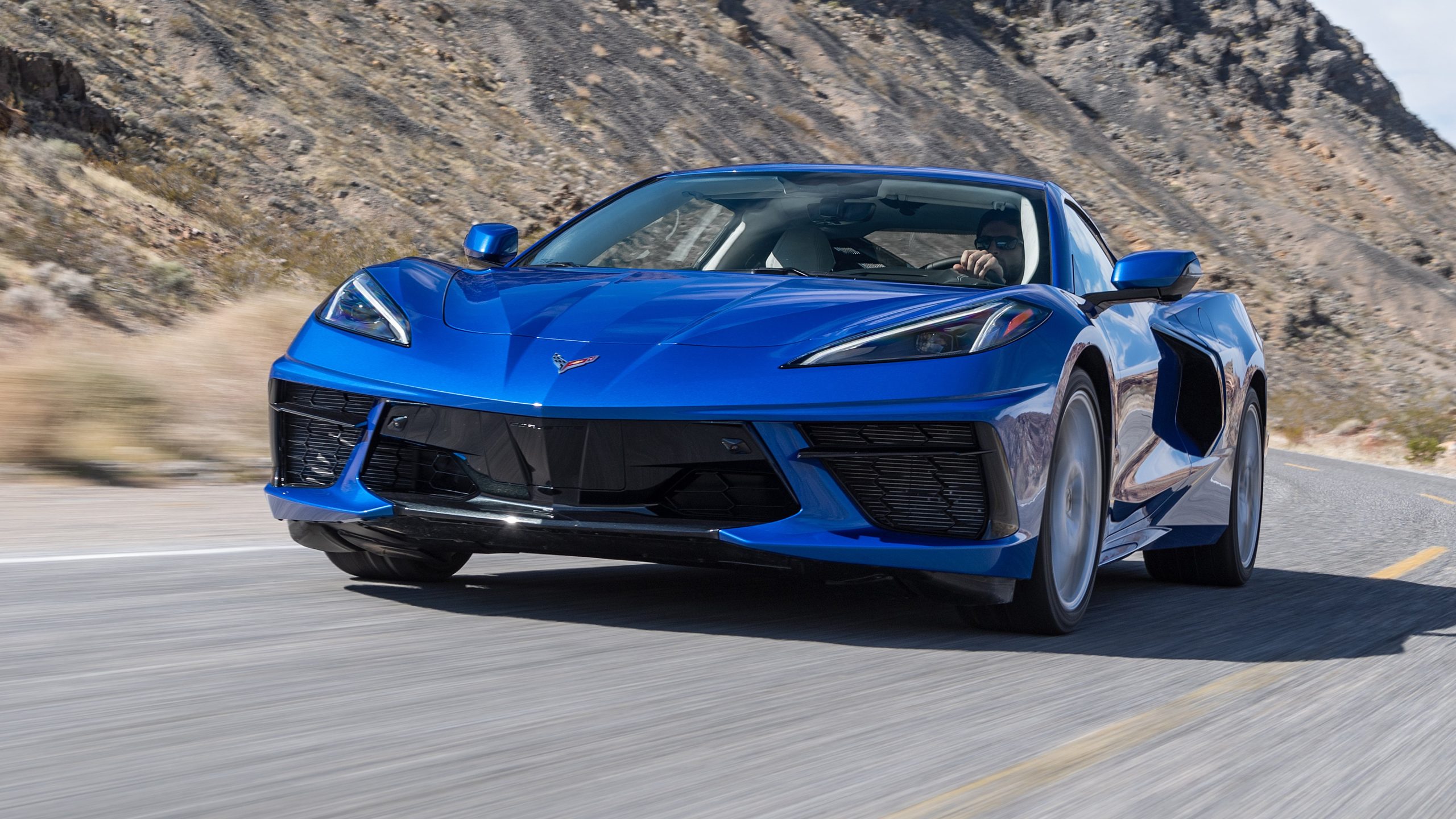
- Engine: 6.2-liter naturally aspirated V8
- Horsepower: 490 hp
- Torque: 465 lb-ft (630 Nm)
- Length: 182.3 in (4,631 mm)
- Width: 76.1 in (1,934 mm)
6. Chevrolet Corvette Stingray
The Chevrolet Corvette Stingray delivers performance that rivals sports cars costing much more. Its powerful engine, sharp handling, and striking design have earned widespread recognition among driving enthusiasts.
Even with these strengths, the base trim may not represent the best value for buyers seeking a premium sports car experience. The entry version focuses primarily on performance while leaving several desirable features for higher trims and option packages.
Inside the cabin, the standard Corvette provides a driver-focused layout, but upgraded versions introduce better seating materials, enhanced interior finishes, premium technology, and greater customization options.
These additions create an environment that feels more appropriate for a high-performance vehicle in this price category. Drivers who spend extended time behind the wheel are likely to appreciate the extra refinement.
Technology also plays a larger role than many people expect in a modern sports car. Premium audio systems, advanced driver assistance features, performance data displays, and additional convenience equipment improve the ownership experience without reducing the vehicle’s thrilling character.
Buyers who initially choose the base trim sometimes realize that adding individual options pushes the final price close to that of a higher trim.
Performance packages available on upper trims further strengthen their value. Improved suspension components, upgraded braking systems, and track-focused equipment enhance handling and driver confidence.
Enthusiasts who plan to participate in track days or spirited weekend drives often benefit from selecting these factory-engineered upgrades rather than modifying the vehicle later. The base Corvette Stingray remains an outstanding performance machine that delivers impressive capability straight from the factory.
However, buyers who want the best combination of luxury, technology, and performance may find that moving beyond the entry trim creates a more rewarding ownership experience. The additional investment often results in a sports car that feels more complete every time it is driven.
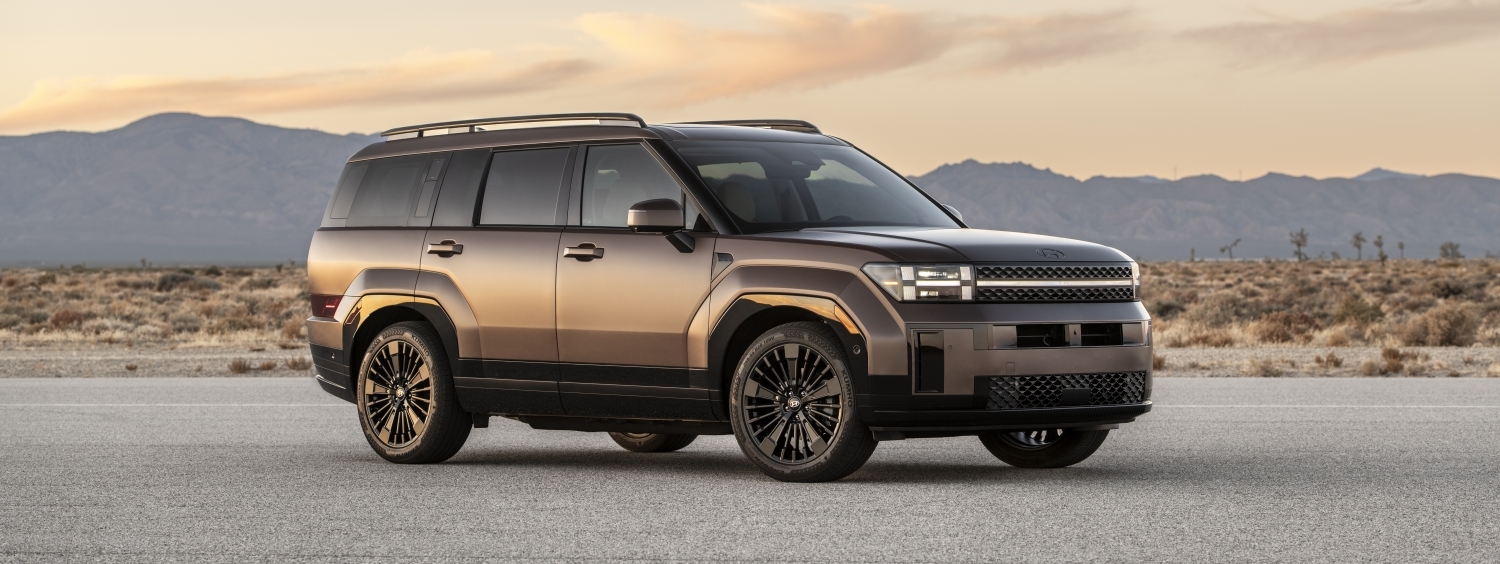
- Engine: 2.5-liter turbocharged inline-4
- Horsepower: 277 hp
- Torque: 311 lb-ft (422 Nm)
- Length: 190.2 in (4,830 mm)
- Width: 74.8 in (1,900 mm)
7. Hyundai Santa Fe SE
The Hyundai Santa Fe has earned recognition for offering a spacious interior, practical design, and a generous list of standard safety features.
The SE trim serves as the entry point to the lineup and keeps the starting price competitive, but it does so by leaving out several features that many families consider important. Buyers comparing the entire range often find that the next trim delivers a much stronger balance between cost and equipment.
The cabin in the SE trim is comfortable enough for daily transportation, yet the materials and technology feel relatively simple when placed beside higher versions. Features such as upgraded upholstery, larger infotainment displays, wireless charging, heated front seats, and dual-zone climate control are either unavailable or require moving to a more expensive trim.
These additions improve comfort during long drives and make everyday commuting more enjoyable for both the driver and passengers. Convenience also becomes a deciding factor for many buyers. Families frequently use their SUVs for school runs, grocery shopping, road trips, and weekend activities.
Extra storage solutions, power-operated tailgates, improved seating adjustments, and enhanced connectivity features available in higher trims simplify these daily tasks. While none of these features are essential, they contribute to a more satisfying ownership experience over several years.
Exterior styling differences further separate the base trim from the rest of the lineup. Larger alloy wheels, upgraded lighting, roof rails, and additional design details give higher trims a more premium appearance.
These visual upgrades help the Santa Fe compete with rivals that include more attractive styling even in their lower trim levels. Buyers who care about resale value may also find that well-equipped versions appeal to a broader audience in the used vehicle market.
The Hyundai Santa Fe SE remains a dependable and practical midsize SUV with plenty of space for families. However, the relatively small jump in price to the next trim often brings a much longer list of useful features. For buyers planning to keep the vehicle for many years, the added comfort and convenience make the higher trim a smarter investment.
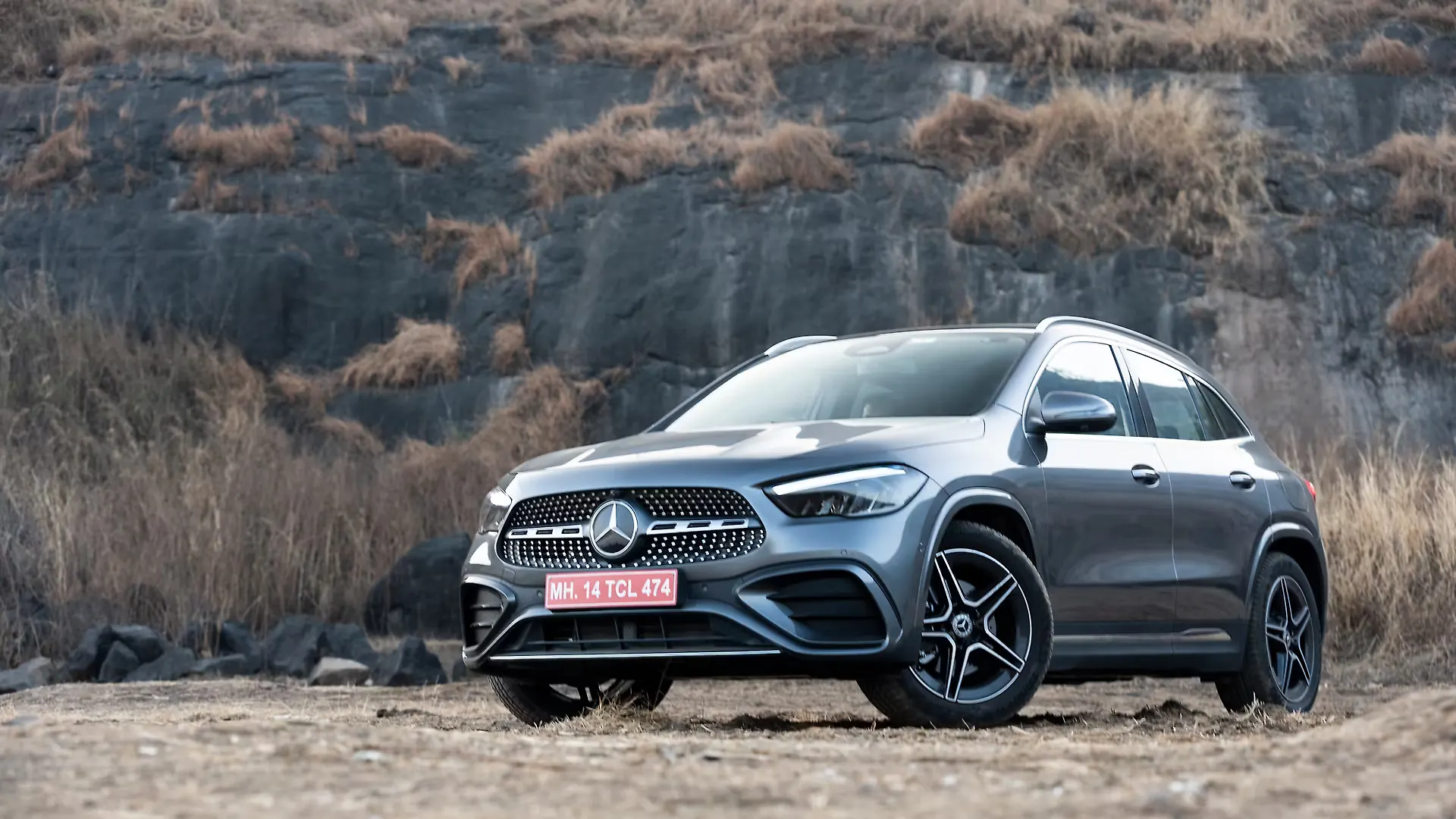
- Engine: 2.0-liter turbocharged inline-4
- Horsepower: 221 hp
- Torque: 258 lb-ft (350 Nm)
- Length: 173.6 in (4,410 mm)
- Width: 72.2 in (1,834 mm)
8. Mercedes-Benz GLA
The Mercedes-Benz GLA introduces buyers to the luxury crossover segment with an attractive starting price and recognizable brand identity.
While the base trim provides access to the premium badge, it does not always deliver the refined experience many customers expect. Several important features are reserved for optional packages or higher trims, making the entry-level model feel less competitive within the luxury market.
Interior quality is where these differences become most noticeable. The standard cabin is well assembled, but premium upholstery, enhanced ambient lighting, upgraded trim materials, and advanced seating options are typically found on more expensive versions.
These features create a richer atmosphere that better reflects the expectations associated with a luxury vehicle. Buyers moving from mainstream brands may notice the difference immediately after comparing trims side by side.
Technology has become a major selling point in premium vehicles, and the GLA is no exception. Larger digital displays, improved navigation functions, premium sound systems, and additional driver assistance technologies often require spending beyond the base trim.
These upgrades improve convenience, safety, and entertainment while helping the vehicle remain competitive with other luxury crossovers in its class.
Driving comfort also improves with higher trims that include enhanced suspension tuning, better seating support, and extra convenience features.
Luxury buyers usually spend considerable time in their vehicles, making these improvements worthwhile over the long term. A lower purchase price may seem attractive initially, but missing features can reduce satisfaction after the excitement of owning a new vehicle begins to fade.
The Mercedes-Benz GLA remains an appealing compact luxury SUV with strong styling and enjoyable driving manners. However, buyers seeking the premium experience associated with the brand often receive greater value by selecting a higher trim. The additional equipment creates a more polished vehicle that feels closer to what most luxury customers expect.
Also Read: 10 SUVs That Changed the Automotive Industry Forever
