
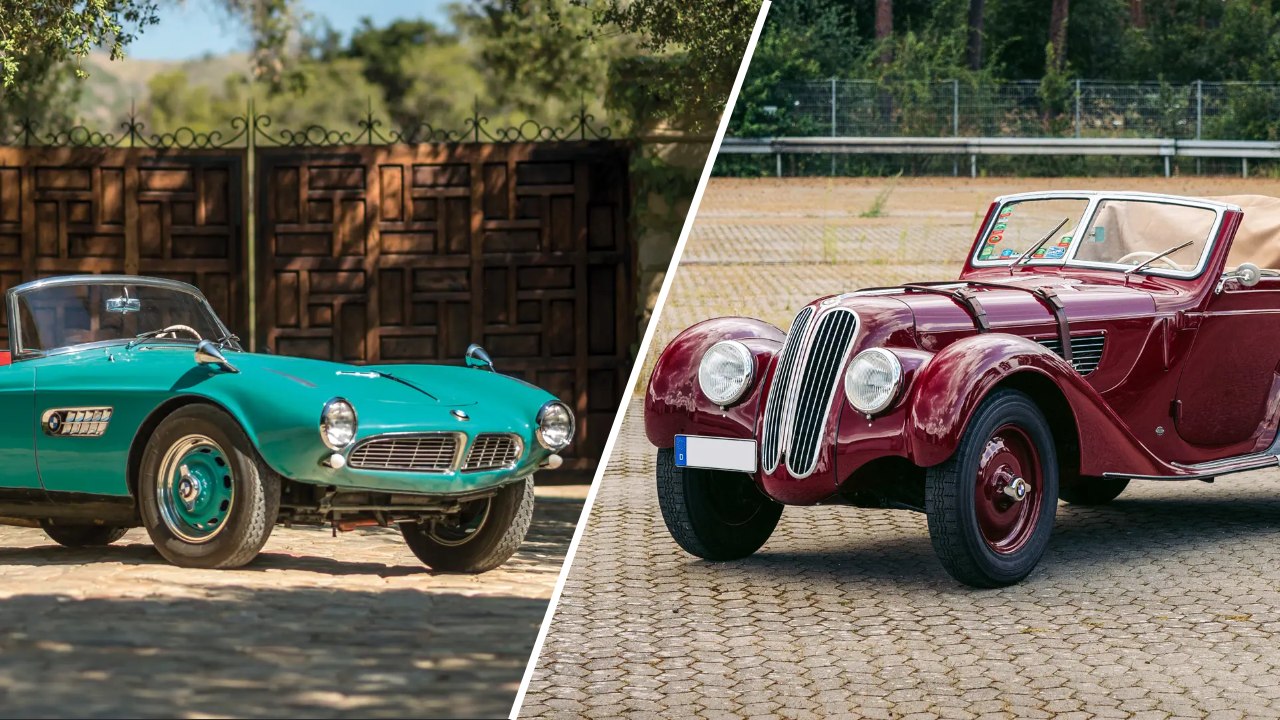
BMW has built a reputation for creating performance cars, luxury vehicles, and motorsport legends that attract collectors worldwide. While many BMW models are admired for their engineering and driving experience, a select group has reached extraordinary prices at major auctions.
These cars are valued not only for their design and mechanical achievements but also for their racing history, rarity, ownership records, and cultural importance. From elegant roadsters of the 1950s to legendary racing machines, these BMWs represent the highest levels of collector interest.
The following list highlights eight of the most expensive BMWs ever sold through public auctions and explains why they achieved remarkable values.
Also Read: 10 Three-Pedal Cars That Keep Driving Fun Alive
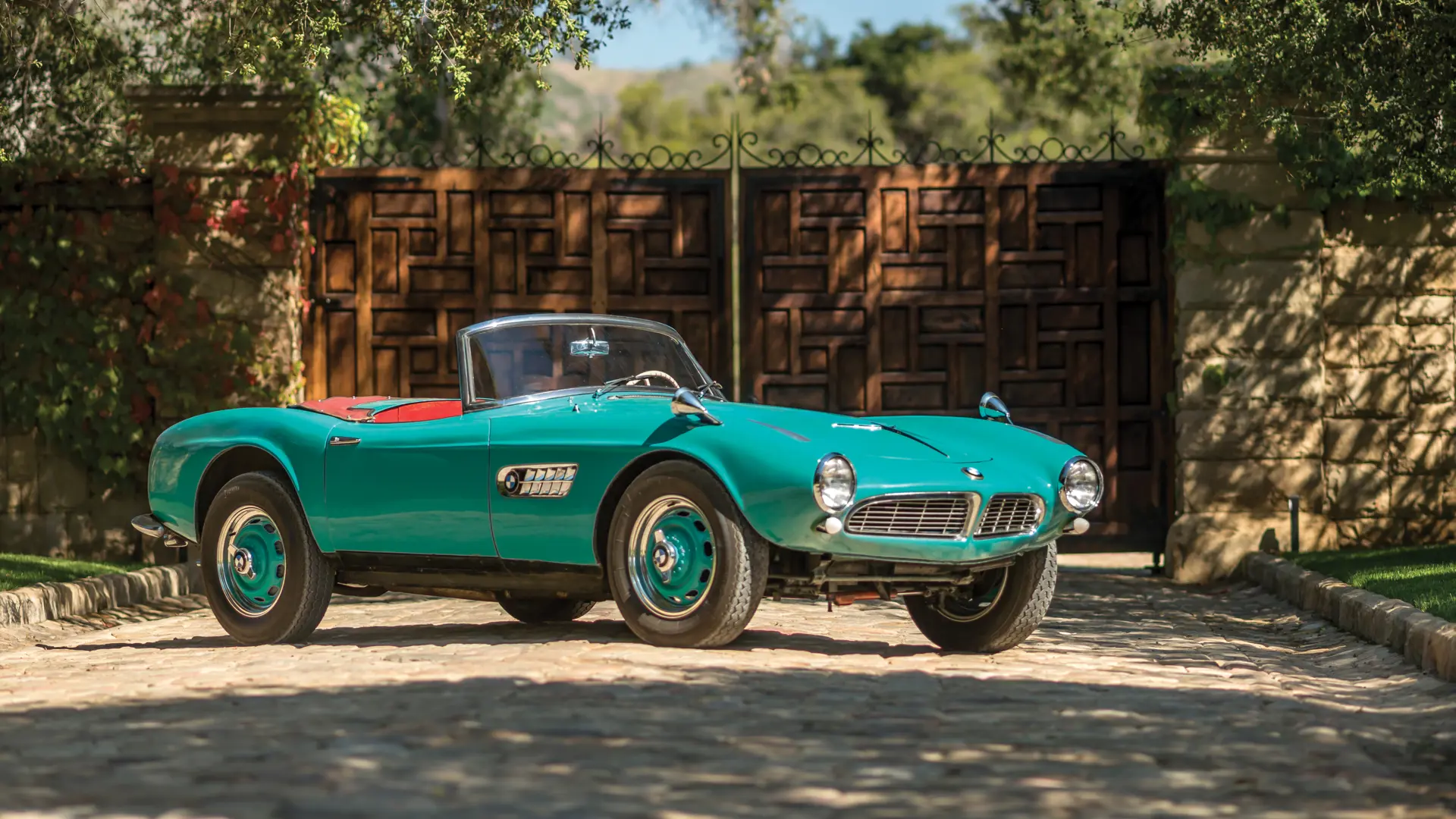
- Engine: 3.2-liter naturally aspirated V8 (OHV)
- Torque: Approximately 245 Nm (181 lb-ft)
- Horsepower: 150 hp
- Length: 4,380 mm (172.4 inches)
- Width: 1,650 mm (65.0 inches)
1. 1957 BMW 507 Roadster: Approximately $5 Million
The 1957 BMW 507 Roadster holds the title as the most valuable BMW sold at a public auction. This exceptional example reached a price of around £3.8 million at the Bonhams Goodwood Festival of Speed auction in 2018, which translated to slightly more than $5 million at the time.
The car gained significant attention because it was owned from new by British motorcycle and Formula One champion John Surtees. Its unique history combined with the rarity of the BMW 507 helped push bidding to record levels.
The BMW 507 was introduced in the 1950s as a stylish sports car aimed at wealthy buyers, particularly in the American market. Designed by Albrecht Graf von Goertz, the roadster featured smooth body lines, a lightweight aluminum construction, and a 3.2-liter V8 engine.
The model was intended to compete with prestigious sports cars of the era, but production costs made it difficult for BMW to sell profitably. Only a limited number were produced, making surviving examples highly desirable among collectors today.
The Surtees-owned example had several qualities that increased its auction value. Cars connected to famous personalities often attract additional attention because they carry a documented story beyond their mechanical specifications.
Surtees was the only person to win world championships on both motorcycles and Formula One cars, giving the BMW a connection to motorsport history. The vehicle also remained associated with him for decades before being offered for sale.
Collectors often place great importance on originality, ownership history, and documentation when determining the value of classic cars.
A rare vehicle with a clear history can command a significantly higher price than an identical model without important background information. The BMW 507 already had strong collector appeal because of its design and scarcity, but the connection with Surtees transformed this particular example into a landmark auction car.
The record achieved by this BMW 507 demonstrates how classic car values are influenced by emotional and historical factors. Modern performance figures are not the only elements that determine worth in the collector market.
Heritage, craftsmanship, rarity, and famous ownership can turn an automobile into a piece of automotive history. The 1957 BMW 507 Roadster remains a symbol of BMW’s early ambitions and continues to represent the brand’s most valuable auction achievement.
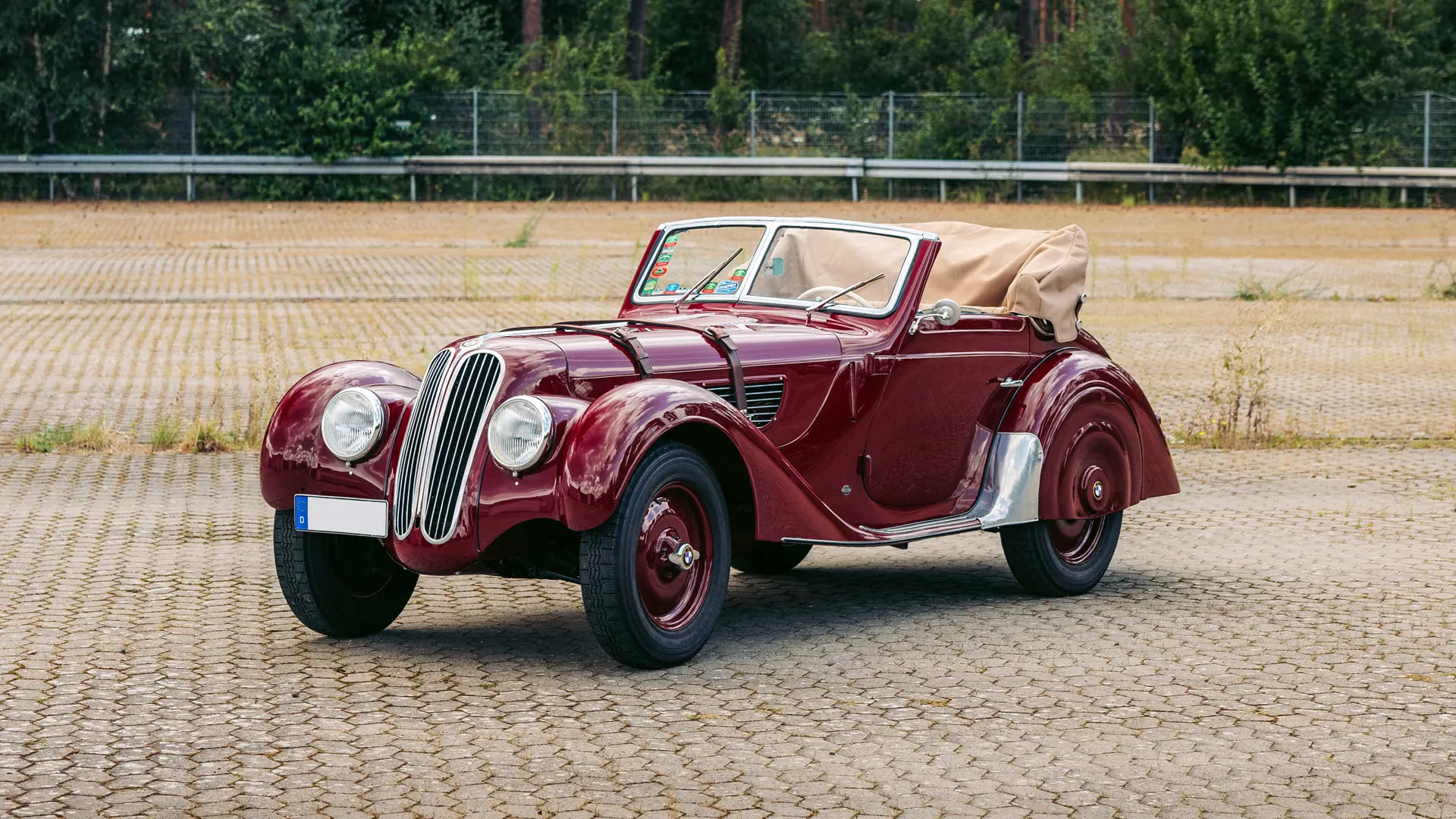
- Engine: 2.0-liter naturally aspirated inline-six
- Torque: Approximately 129 Nm (95 lb-ft)
- Horsepower: 80 hp
- Length: 3,900 mm (153.5 inches)
- Width: 1,550 mm (61.0 inches)
2. 1937 BMW 328 Roadster: Around Several Million Dollars
The BMW 328 Roadster is among the most important pre-war sports cars created by BMW. Produced during the late 1930s, the model established BMW as a serious manufacturer of performance vehicles. Today, well-preserved and historically significant examples can reach multi-million-dollar prices at specialist auctions because of their racing achievements and limited production numbers.
The BMW 328 was powered by a 2.0-liter six-cylinder engine and became famous for its lightweight construction and impressive handling.
At a time when many sports cars focused mainly on engine power, the 328 demonstrated the importance of balanced engineering. Its success in European racing events helped build BMW’s reputation for creating driver-focused automobiles.
A major factor behind the value of the BMW 328 is its connection to motorsport. The model competed successfully in events such as the Mille Miglia, where it earned recognition for reliability and speed. Racing history adds significant value to collector vehicles because enthusiasts seek cars that played an important role during their original era.
The rarity of surviving BMW 328 examples also contributes to their high prices. Many vehicles from the 1930s were lost due to wartime destruction, accidents, or neglect. Cars that survived with authentic components and documented histories have become highly prized by collectors searching for historically meaningful automobiles.
The BMW 328 represents the foundation of BMW’s sporting identity. Long before the creation of the M division and modern performance models, the 328 showed that BMW could combine advanced engineering with competition success. Its place in automotive history ensures that exceptional examples remain among the most valuable BMW vehicles ever offered at auction.
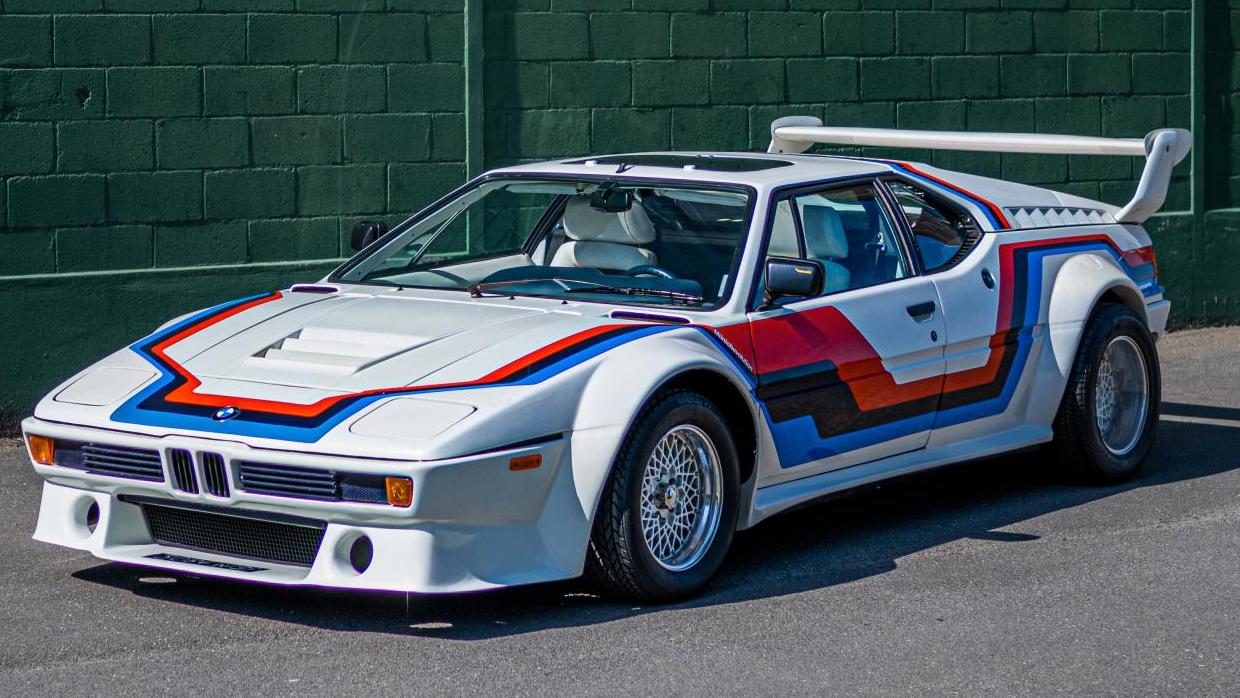
- Engine: 3.5-liter naturally aspirated inline-six (BMW M88/1)
- Torque: Approximately 390 Nm (288 lb-ft)
- Horsepower: Around 470 hp
- Length: 4,360 mm (171.7 inches)
- Width: 1,820 mm (71.7 inches)
3. 1979 BMW M1 Procar: Around $900,000 to Over $1 Million
The BMW M1 Procar represents a major chapter in BMW’s motorsport history. Developed during the late 1970s, the M1 was created as a homologation vehicle for racing, with the Procar version becoming famous through the BMW Procar Championship.
These racing machines combined advanced engineering, aggressive styling, and competition-focused modifications, making them highly desirable among collectors today. Well-preserved examples with documented racing histories have achieved auction prices approaching or exceeding the million-dollar mark.
The development of the BMW M1 was closely linked to BMW’s ambition to compete at the highest levels of international motorsport. The company planned to enter Group 5 racing, but changes in regulations affected those plans.
BMW then created the Procar Championship, where modified M1 race cars competed before Formula One events during the 1979 and 1980 seasons. The series featured famous drivers and gave the M1 significant motorsport exposure.
The M1 Procar featured a more aggressive setup compared with the standard road version. It included aerodynamic improvements, racing suspension components, lightweight materials, and a powerful version of BMW’s inline-six engine. The car delivered impressive performance for its era and became recognized as a symbol of BMW’s engineering ability. Its dramatic appearance and racing purpose helped establish its legendary status.
Auction values for M1 Procars are influenced heavily by their competition history. A car that participated in official racing events or was driven by a driver can command much higher prices than a standard example.
Collectors often search for vehicles with authentic race records because these cars represent important moments in motorsport rather than simply being rare production models.
The BMW M1 Procar remains a favorite among enthusiasts because it connects BMW’s road-car heritage with its racing ambitions. Its limited production numbers, unique design, and association with professional racing make it a valuable collector vehicle.
While prices vary depending on condition and history, exceptional examples continue to attract strong interest whenever they appear at major auctions.
- Engine: 3.2-liter naturally aspirated inline-six (BMW M30)
- Torque: Approximately 286 Nm (211 lb-ft)
- Horsepower: 206 hp
- Length: 4,660 mm (183.5 inches)
- Width: 1,730 mm (68.1 inches)
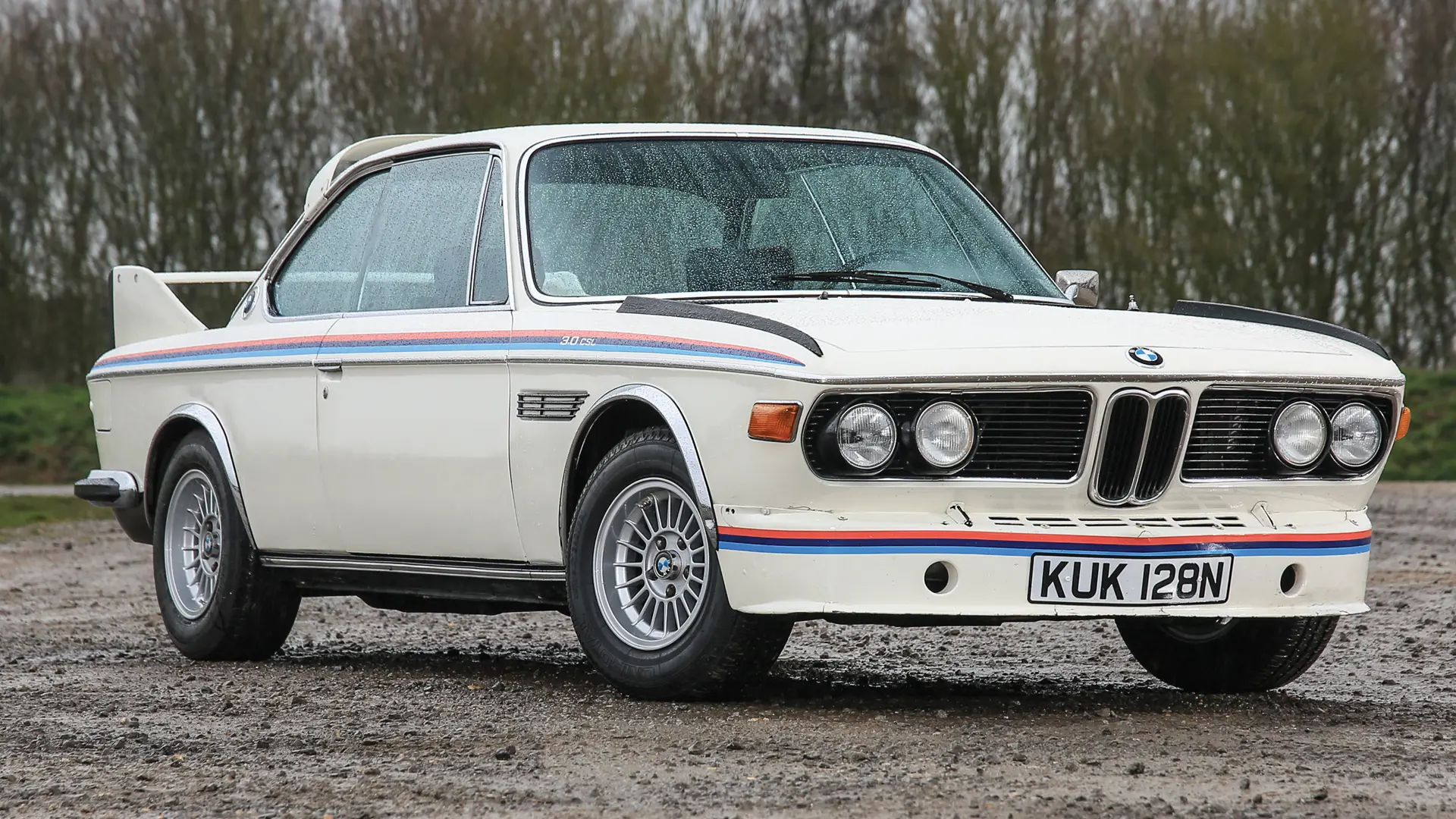
4. 1975 BMW 3.0 CSL Batmobile: More Than $1 Million
The BMW 3.0 CSL Batmobile is considered a landmark model in BMW’s performance history. Created during the 1970s, the car introduced many enthusiasts to BMW’s ability to combine motorsport technology with road-going vehicles.
The nickname “Batmobile” came from its distinctive aerodynamic body kit, which included a large rear wing, front air dam, and additional aerodynamic features designed for racing performance.
The original BMW 3.0 CSL was developed as a lightweight version of the E9 coupe. The “CSL” name stands for Coupe Sport Lightweight, highlighting the company’s focus on reducing weight to improve performance.
BMW used aluminum body panels, thinner materials, and other weight-saving methods to create a more competitive machine. These changes made the CSL highly successful in European touring car racing.
The racing achievements of the 3.0 CSL played a major role in establishing BMW Motorsport. The model achieved victories in major competitions, including the European Touring Car Championship. Its success helped BMW build a stronger reputation in motorsport and eventually contributed to the creation of the BMW M division, which produces the company’s highest-performance vehicles today.
Collector interest in the 3.0 CSL Batmobile comes from several factors, including rarity, racing heritage, and design significance. Only a limited number of examples were produced, and original cars with authentic components are especially valuable. Vehicles connected to racing history or famous collections can achieve particularly high auction results.
The BMW 3.0 CSL Batmobile remains an important piece of automotive history because it represents the connection between BMW’s racing programs and its production cars.
Modern BMW M vehicles carry some of the same principles introduced by the CSL, including lightweight engineering, performance development, and motorsport-inspired design. This historical importance keeps demand strong among serious collectors.
- Engine: 3.2-liter naturally aspirated V8
- Torque: Approximately 245 Nm (181 lb-ft)
- Horsepower: 150 hp
- Length: 4,380 mm (172.4 inches)
- Width: 1,650 mm (65.0 inches)
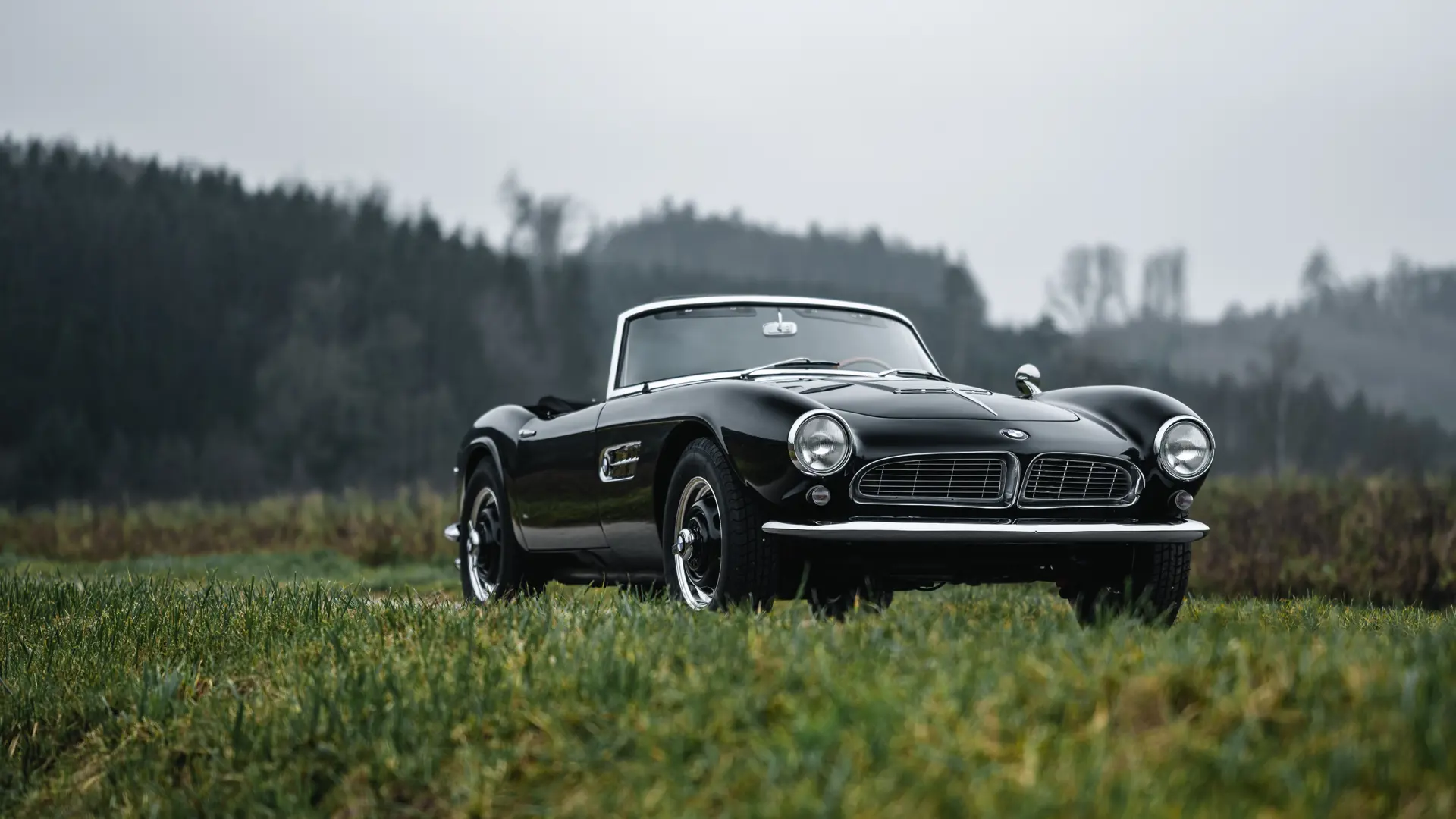
5. 1958 BMW 507 Series II Roadster: Around $2 Million Plus
The BMW 507 appears multiple times among valuable BMW auction records because of its rarity and timeless design.
While the John Surtees-owned example achieved the highest recorded price, other well-maintained 507 Roadsters have also reached impressive auction results. The Series II models are especially admired because they represent the refined version of BMW’s iconic 1950s sports car.
The BMW 507 was designed during a period when BMW wanted to compete with prestigious European sports car manufacturers. The company aimed to create a vehicle that would appeal to wealthy customers, especially in the United States.
Its elegant styling, handcrafted aluminum body, and V8 engine gave it a unique character, but its high production costs made it difficult for BMW to achieve commercial success.
Only 252 examples of the BMW 507 were produced between 1956 and 1959. This extremely limited production number is a major reason why surviving cars are so valuable today. Many examples have undergone careful restoration, while others remain prized because they retain original parts and documentation.
The Series II BMW 507 introduced several improvements over earlier versions. Changes included better interior features, improved storage solutions, and refinements that made the car more practical for owners. These updates helped create a more polished version of an already rare sports car.
Today, the BMW 507 represents a combination of beauty, engineering, and historical importance. Collectors value the model because it showcases BMW’s craftsmanship during an important period in the company’s development. Exceptional examples continue to attract attention at prestigious auctions, where rarity and history often determine final selling prices.
- Engine: 2.0-liter naturally aspirated inline-six
- Torque: Approximately 129 Nm (95 lb-ft)
- Horsepower: 80 hp
- Length: 3,900 mm (153.5 inches)
- Width: 1,550 mm (61.0 inches)
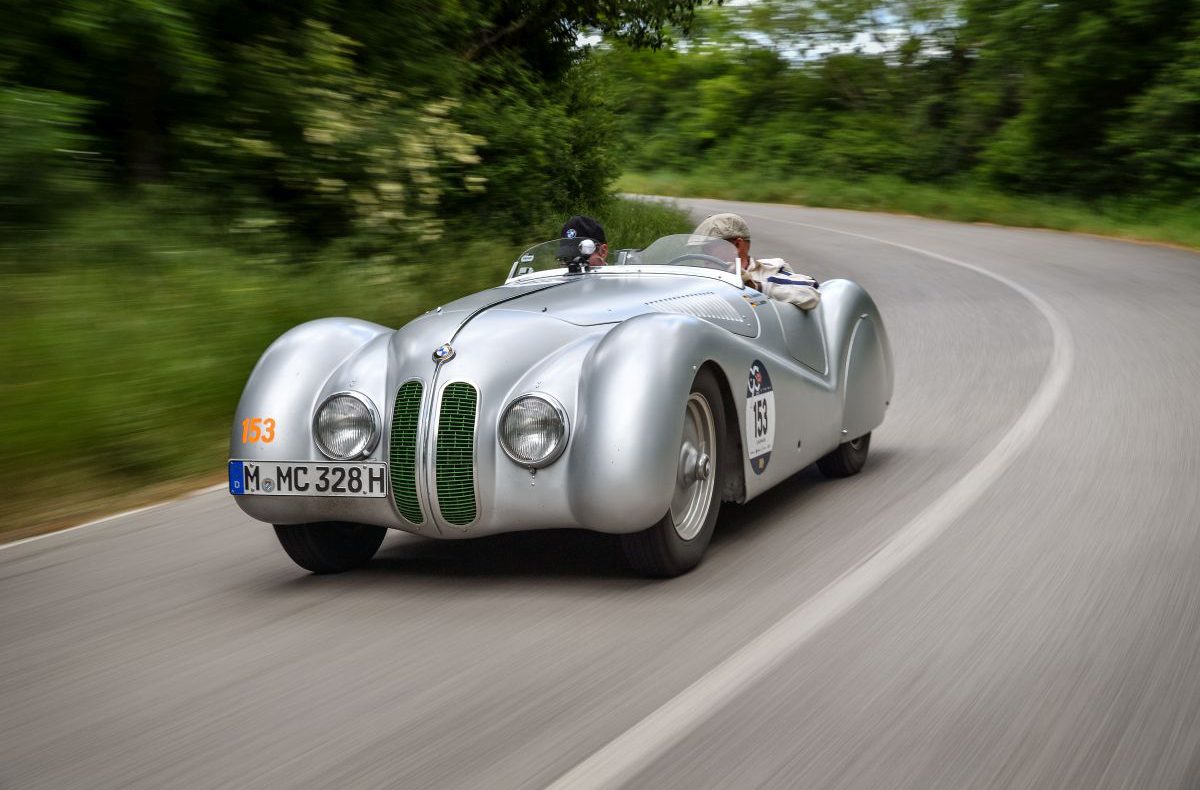
6. BMW 328 Mille Miglia Roadster: Multi-Million Dollar Potential
The BMW 328 Mille Miglia Roadster is among the most historically significant BMW racing cars ever created. The connection between the 328 and the famous Mille Miglia endurance race has made these vehicles highly desirable among collectors.
Cars with documented participation in major races can achieve extraordinary prices because they represent authentic chapters of motorsport history.
The Mille Miglia was one of the most demanding road races of the early twentieth century. It tested vehicle reliability, speed, and driver skill across thousands of kilometers of Italian roads.
The BMW 328 performed exceptionally well during this period, earning recognition against strong competition from European manufacturers.
Special racing versions of the BMW 328 were created with improved aerodynamics and lightweight construction. These vehicles demonstrated BMW’s technical creativity and helped establish the company’s reputation for producing sports cars with excellent handling characteristics. Their success became an important foundation for BMW’s later performance models.
Auction buyers often focus on provenance when evaluating historic racing vehicles. A car’s documented competition history, restoration quality, and originality can greatly influence its value. The most important examples are not simply old vehicles but preserved pieces of racing heritage.
The BMW 328 Mille Miglia Roadster remains highly respected because it represents BMW before the modern era of luxury and performance vehicles. It shows the company’s early commitment to engineering excellence and competition success. Exceptional examples continue to be among the most sought-after BMW models among collectors worldwide.
- Engine: 3.5-liter naturally aspirated inline-six (BMW M88/1)
- Torque: Approximately 330 Nm (243 lb-ft)
- Horsepower: 277 hp
- Length: 4,360 mm (171.7 inches)
- Width: 1,824 mm (71.8 inches)
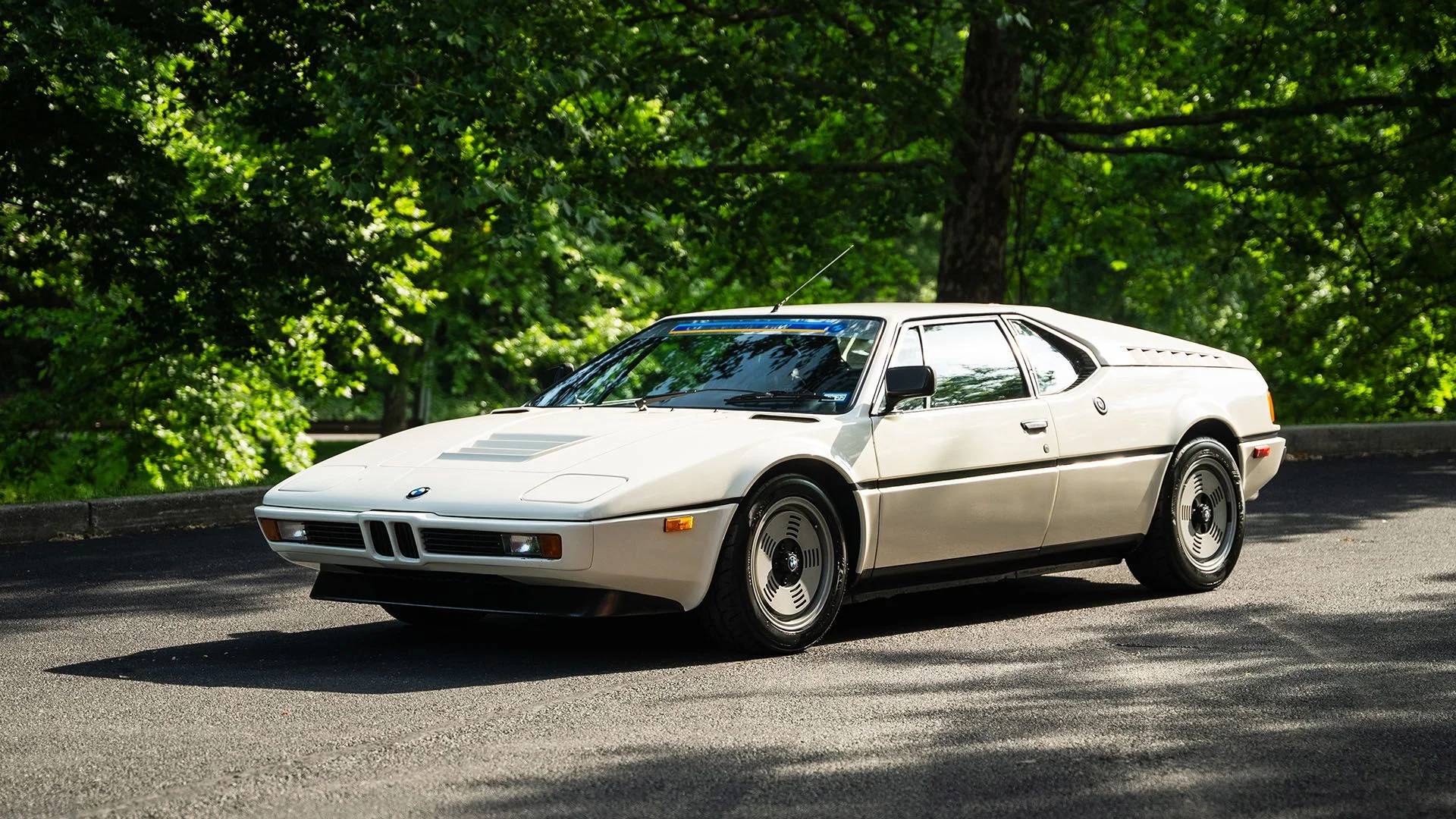
7. 1981 BMW M1: Around $600,000 to Over $900,000
The BMW M1 is among the most recognizable performance cars ever produced by BMW. Although it was originally developed as a racing machine, the road-going version became a highly valued collector vehicle because of its rarity, design, and importance in BMW’s history.
Exceptional examples have achieved auction prices approaching or exceeding the million-dollar range depending on condition, mileage, originality, and ownership history.
The creation of the BMW M1 was a major step for BMW Motorsport. Before the M1, BMW had already built a strong reputation through touring car competition, but the company wanted to enter international sports car racing.
The M1 project was designed around a mid-engine layout, which was unusual for BMW production vehicles at the time. This engineering approach created a car with excellent weight distribution and a distinctive driving character.
The BMW M1 featured a 3.5-liter inline-six engine developed by BMW Motorsport. The engine produced strong performance for its era and was paired with a manual transmission that appealed to driving enthusiasts.
The exterior design was created by Giorgetto Giugiaro’s design company, giving the M1 a sharp, aerodynamic appearance that remains attractive decades later.
The value of the BMW M1 comes from its combination of rarity and historical significance. Production numbers were extremely limited, with fewer than 500 road versions built. The model also holds importance because it was BMW Motorsport’s first independently developed production car. This connection gives it a special place among BMW collectors.
Auction results for BMW M1 models vary widely because collectors carefully examine every detail before bidding. Cars with low mileage, original specifications, and complete documentation often achieve the highest prices. Examples connected to famous collections or significant events can attract even greater attention from buyers seeking rare automotive history.
The BMW M1 continues to represent BMW’s commitment to performance engineering. Modern M vehicles carry the influence of the original M1 through their focus on driving dynamics and motorsport-inspired technology. For collectors, owning an M1 means owning a piece of BMW’s transformation into a globally recognized performance brand.
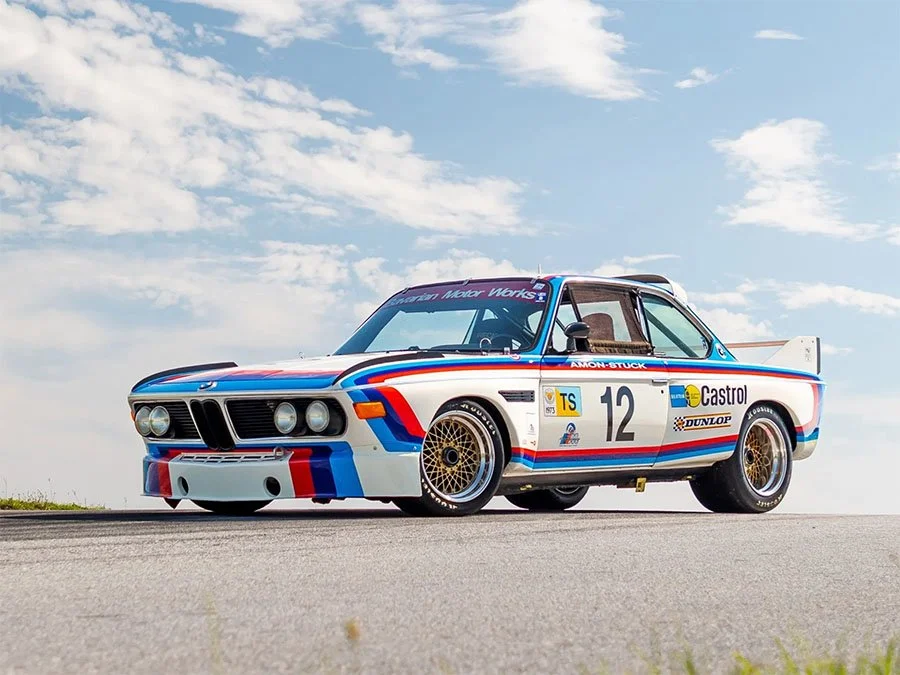
- Engine: 3.2-liter naturally aspirated inline-six (BMW M30 racing specification)
- Torque: Approximately 330 Nm (243 lb-ft)
- Horsepower: Around 430 hp (race specification)
- Length: 4,660 mm (183.5 inches)
- Width: 1,730 mm (68.1 inches)
8. 1970s BMW 3.0 CSL Racing Cars: Around $500,000 to Several Million Dollars
The BMW 3.0 CSL racing cars remain among the most important competition vehicles produced by BMW. While standard road versions are valuable, genuine factory racing examples with proven motorsport backgrounds can reach much higher prices at specialist auctions. Their success on international circuits and their role in developing BMW Motorsport make them highly desirable collector vehicles.
The racing version of the 3.0 CSL was created during BMW’s push into European touring car competition. Engineers focused on reducing weight, improving aerodynamics, and increasing performance.
The result was a vehicle that could compete against some of the strongest manufacturers of the era. The CSL became a symbol of BMW’s engineering approach, where careful development and balance were prioritized.
The car achieved major success during the 1970s, winning multiple championships and establishing BMW as a serious motorsport competitor. These achievements helped create the foundation for BMW Motorsport GmbH, which later became responsible for famous models such as the M3, M5, and other high-performance vehicles.
Original racing CSL models are extremely valuable because many competition cars were modified, damaged, or lost after their racing careers ended. Surviving examples with complete histories are considered automotive treasures. Collectors often pay significant amounts for cars that still retain authentic racing equipment and documentation.
The auction market for historic BMW race cars has grown as interest in classic motorsport vehicles continues to increase. Buyers are not only purchasing transportation but also acquiring important examples of engineering history. The 3.0 CSL represents a period when BMW established its identity through competition.
The continued popularity of the 3.0 CSL shows how motorsport success can influence a vehicle’s long-term value. Its combination of racing achievements, limited availability, and recognizable design ensures that it remains among the most respected BMW collector cars ever created.
Also Read: 10 SUVs That Changed the Automotive Industry Forever
