
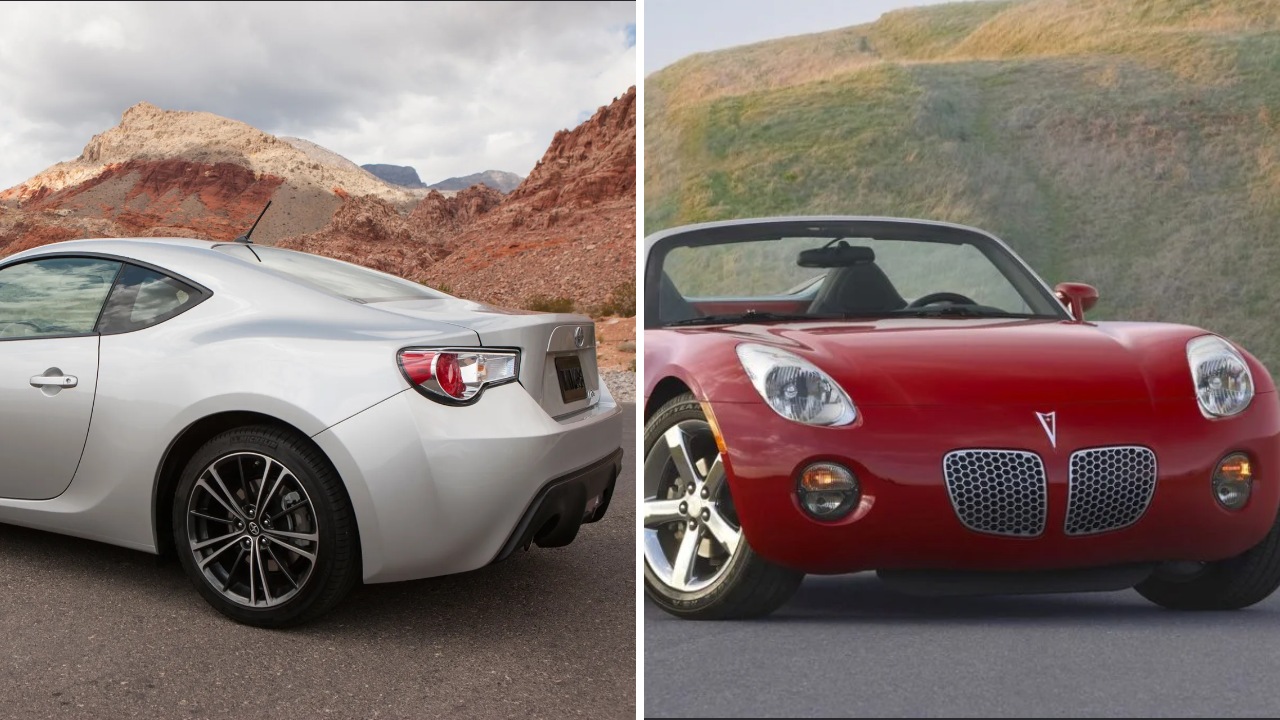
The automotive industry has experienced major changes during the past three decades, with several well-known brands disappearing from showrooms around the globe.
Companies that once represented innovation, luxury, affordability, or a unique driving experience eventually struggled with market shifts, financial problems, changing customer preferences, and corporate decisions.
Names such as Saturn, Hummer, Scion, and Mercury became part of automotive history after years of recognition among drivers. Their stories reveal how difficult it can be for car manufacturers to maintain relevance in a competitive market. This article examines nine automakers that vanished and explains what led to their decline and disappearance.
Also Read: 10 EVs Ranked by Charging Speed
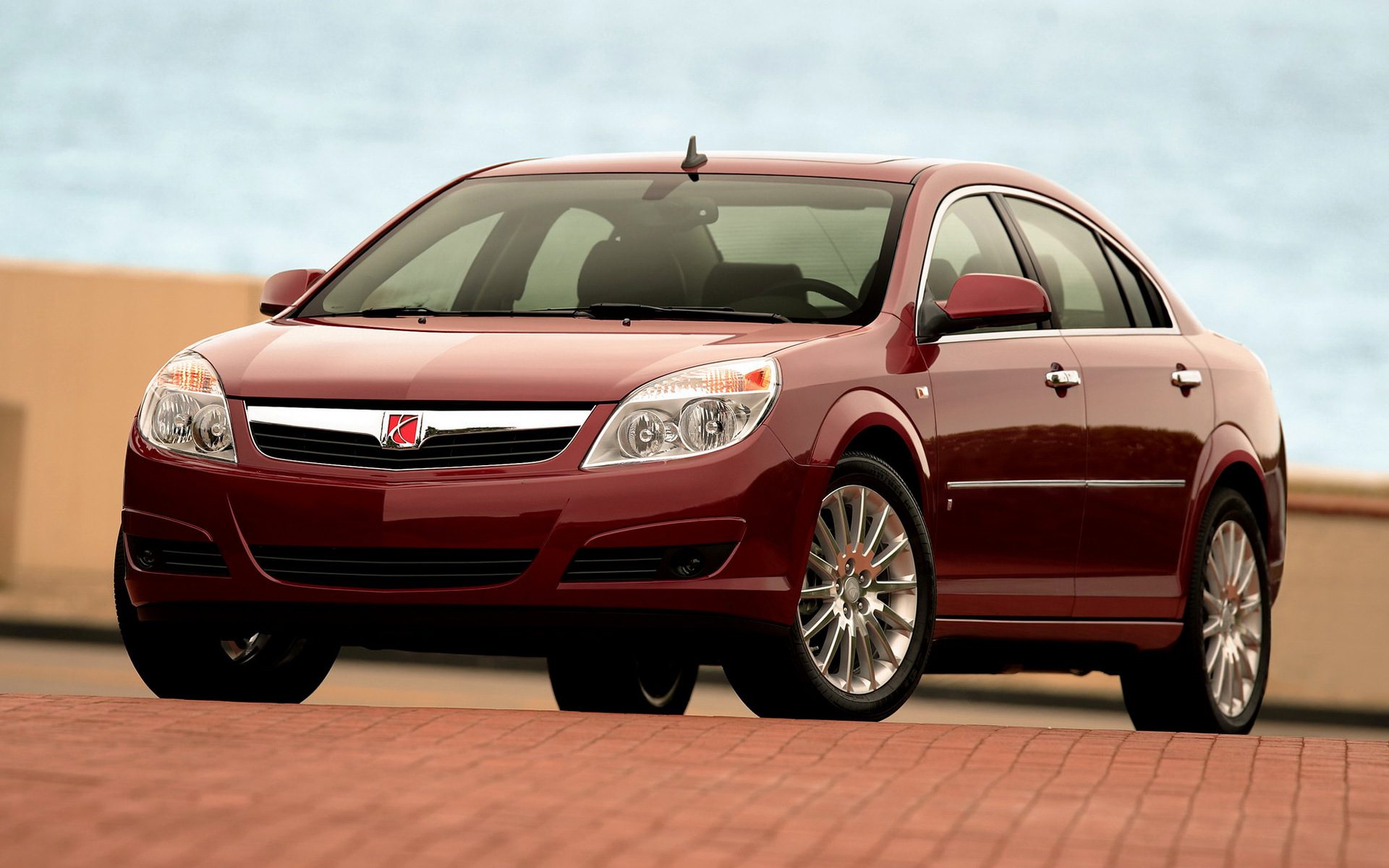
1. Saturn: General Motors’ Failed Experiment in Customer Experience
Saturn was introduced by General Motors in 1990 as a completely new approach to building and selling vehicles. The brand was created to compete with successful Japanese automakers that had gained popularity in the United States through affordable pricing, strong reliability, and efficient manufacturing methods.
General Motors wanted Saturn to operate differently from its existing divisions, with separate factories, unique dealerships, and a customer-focused sales process. The company promoted Saturn with the slogan “A different kind of company, a different kind of car,” creating expectations that it would bring a fresh identity to the American automotive market.
The first Saturn models arrived in 1991, including the compact SL sedan, SC coupe, and later the SW wagon. These vehicles featured plastic body panels designed to resist dents and rust, along with simple engineering intended to reduce ownership costs.
Many owners appreciated Saturn vehicles because of their practicality, affordability, and friendly dealership experience. The company also built strong relationships with customers through events and community gatherings. Saturn developed a loyal following, especially among buyers looking for dependable transportation without expensive maintenance.
However, Saturn faced challenges within General Motors’ larger corporate structure. The brand had limited product choices compared with competitors and eventually began sharing vehicle platforms and parts with other GM divisions. This reduced the uniqueness that helped Saturn stand out during its early years.
Models such as the Saturn L-Series and Saturn Relay failed to create strong demand, and the brand struggled to attract new buyers. The company’s image became less distinct as consumers noticed similarities between Saturn vehicles and other GM products.
The financial crisis of 2008 placed additional pressure on General Motors. The company entered bankruptcy protection and began reviewing its many brands to reduce costs.
Saturn was considered for sale, but a planned deal with the Penske Automotive Group failed because a suitable manufacturing partner could not be secured. Without a buyer, General Motors decided to discontinue Saturn. Production ended in 2009, and the final Saturn vehicles were sold in 2010.
Saturn remains an interesting example of how a promising idea can struggle when business conditions change. The brand succeeded in creating customer loyalty and introducing new ideas, but it could not maintain enough sales volume to survive.
Today, Saturn vehicles still have dedicated owners, and many enthusiasts remember the brand as a unique attempt to rethink the traditional car-buying experience.
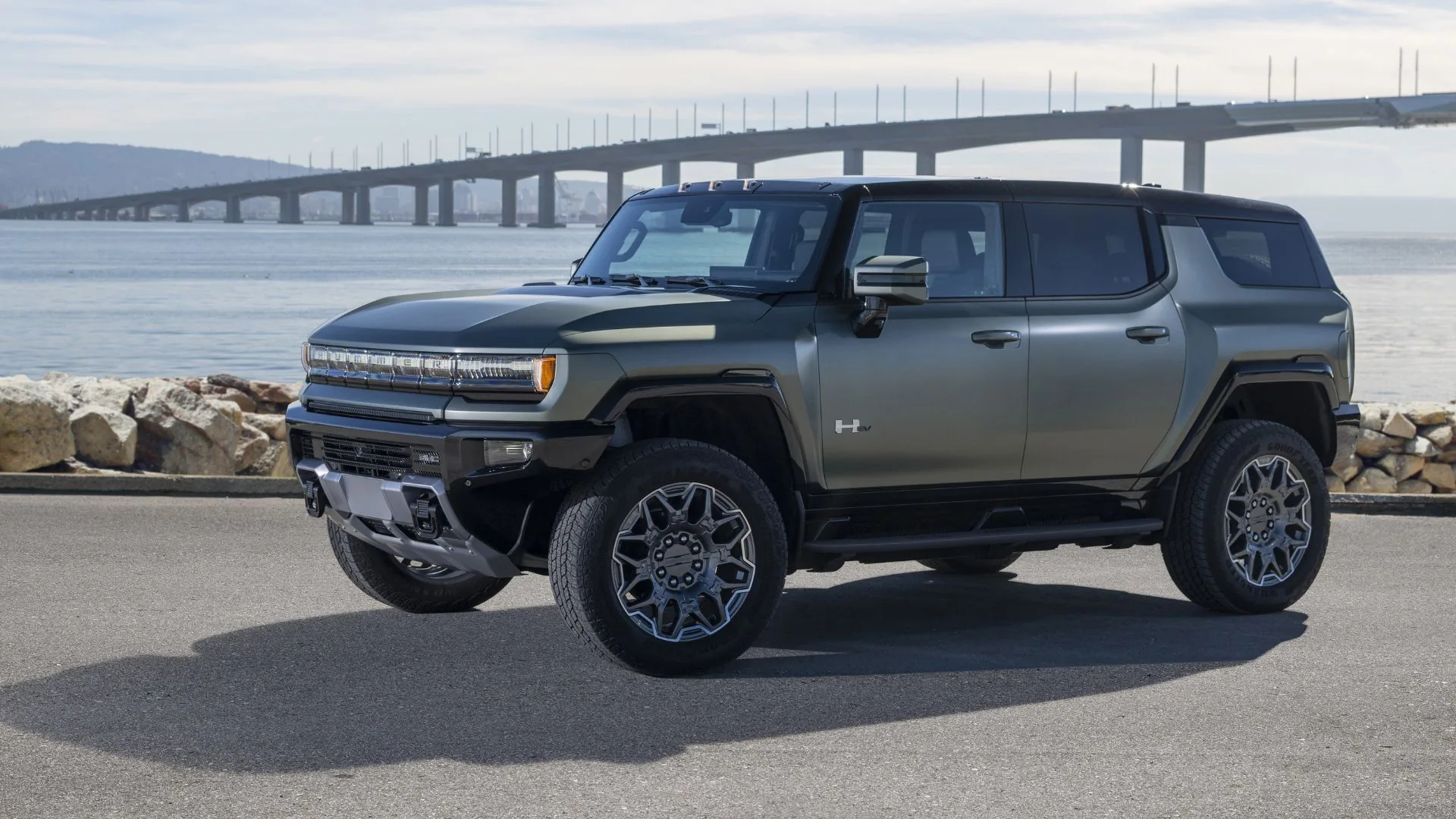
2. Hummer: From Military-Inspired Icon to Discontinued Brand
Hummer became famous because of its connection to the military vehicle known as the High Mobility Multipurpose Wheeled Vehicle, commonly called the Humvee. General Motors purchased the rights to produce civilian versions and launched the Hummer brand in 1998.
The original Hummer H1 attracted attention because of its enormous size, rugged design, and connection to military technology. It quickly became associated with celebrities, luxury lifestyles, and off-road capability.
The Hummer H2 arrived in 2002 and expanded the brand’s appeal by offering a vehicle designed more for everyday drivers. It kept the aggressive appearance of the original model but provided more comfort and features.
The Hummer H3 followed in 2005 as a smaller and more affordable option. For several years, the brand enjoyed strong recognition and became a symbol of large sport utility vehicles during a period when fuel prices were relatively low and demand for SUVs was growing.
Market conditions changed significantly during the late 2000s. Rising fuel costs, increased environmental concerns, and changing consumer preferences reduced demand for large vehicles with poor fuel efficiency.
Hummer’s image became increasingly controversial as buyers began paying more attention to emissions and operating costs. Sales declined, and General Motors faced severe financial difficulties during the global economic downturn.
As part of its restructuring plan, General Motors decided to discontinue Hummer in 2010. Attempts to sell the brand to another company did not succeed, leading to the end of production.
The decision reflected broader changes in the automotive market, where smaller vehicles and fuel-efficient technology gained importance. Years later, General Motors brought back the Hummer name as an electric vehicle sub-brand under GMC.
The modern Hummer EV represents a major shift from the original models by using electric power technology while maintaining the brand’s focus on size, strength, and performance. The return shows how automotive names can disappear and later be redesigned for a different era.
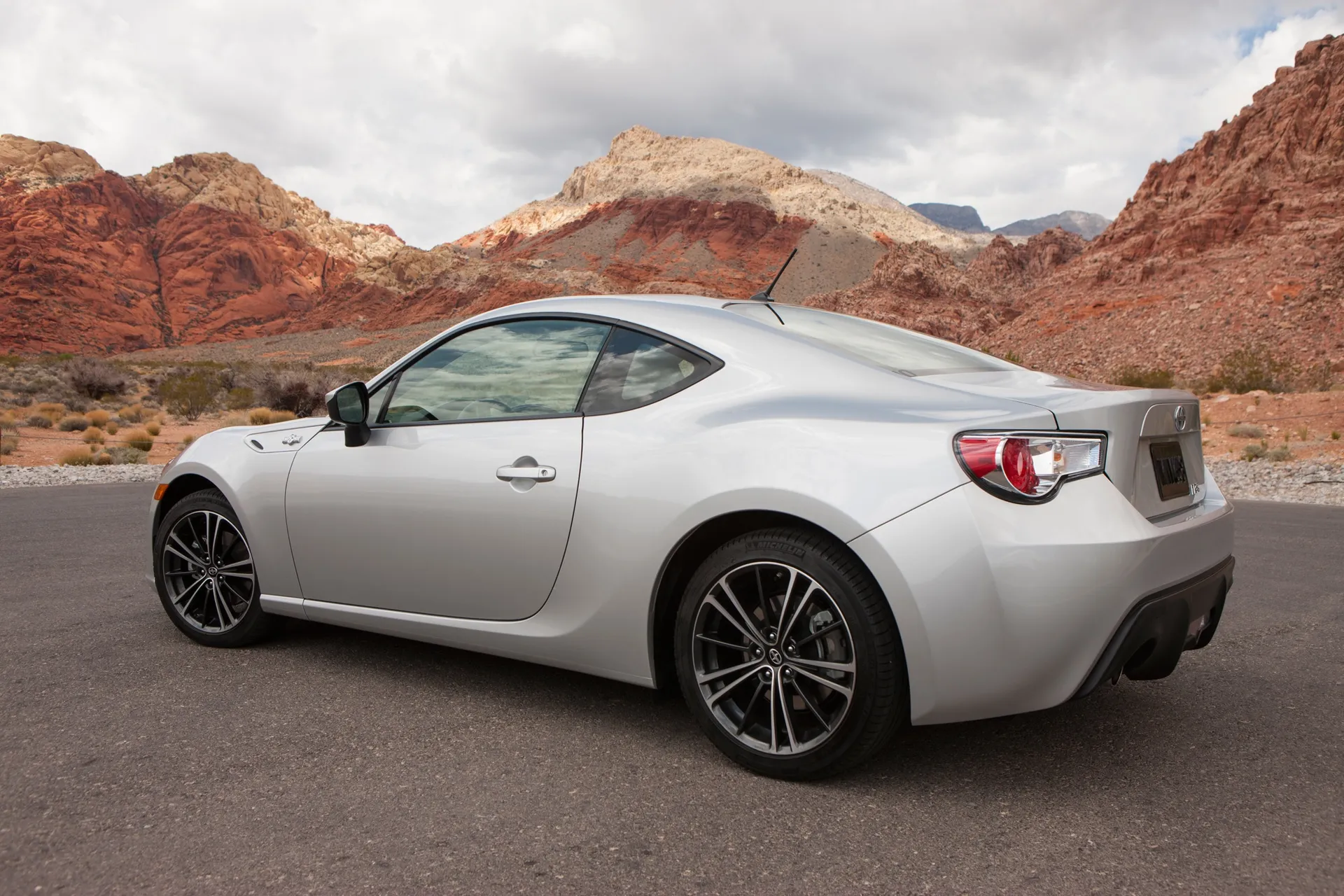
3. Scion: Toyota’s Attempt to Reach Younger Buyers
Scion was launched by Toyota in 2003 as a brand designed specifically to attract younger customers in North America. Toyota had built a strong reputation for reliability and long-term ownership, but the company wanted to create a fresh image that would appeal to buyers who viewed traditional Toyota vehicles as practical but less exciting.
Scion focused on affordable pricing, customizable designs, and a relaxed purchasing experience that removed many common dealership pressures.
The first Scion models included the xA hatchback, xB compact wagon, and tC sports coupe. These vehicles were marketed toward drivers who wanted personalization options, modern styling, and useful features without spending a large amount of money. Scion dealerships promoted simple pricing strategies, where vehicles were sold with fewer negotiations.
The brand also connected with younger audiences through music events, lifestyle campaigns, and partnerships with creative communities. During its early years, Scion achieved noticeable success. The boxy xB became especially popular because of its unusual design, spacious interior, and affordable price.
The tC also gained attention among drivers interested in sporty styling and customization. Many owners modified their Scion vehicles with aftermarket parts, helping create a strong enthusiast community around the brand.
Over time, Scion struggled to maintain its original purpose. Many younger buyers who were the target audience faced financial challenges, including higher education costs and changing transportation habits.
The vehicles also began competing with Toyota models that offered similar features and pricing. As Toyota expanded its own lineup with more stylish and affordable options, Scion’s identity became less clear.
Toyota discontinued the Scion brand in 2016 after more than a decade of production. Several Scion models were transferred into the Toyota lineup, including the Scion FR-S, which became the Toyota 86 in many markets. The brand’s disappearance showed the difficulty of creating a separate identity within a larger automotive company.
While Scion did not survive, its influence remains visible through vehicles that focused on personalization, technology, and affordable performance.
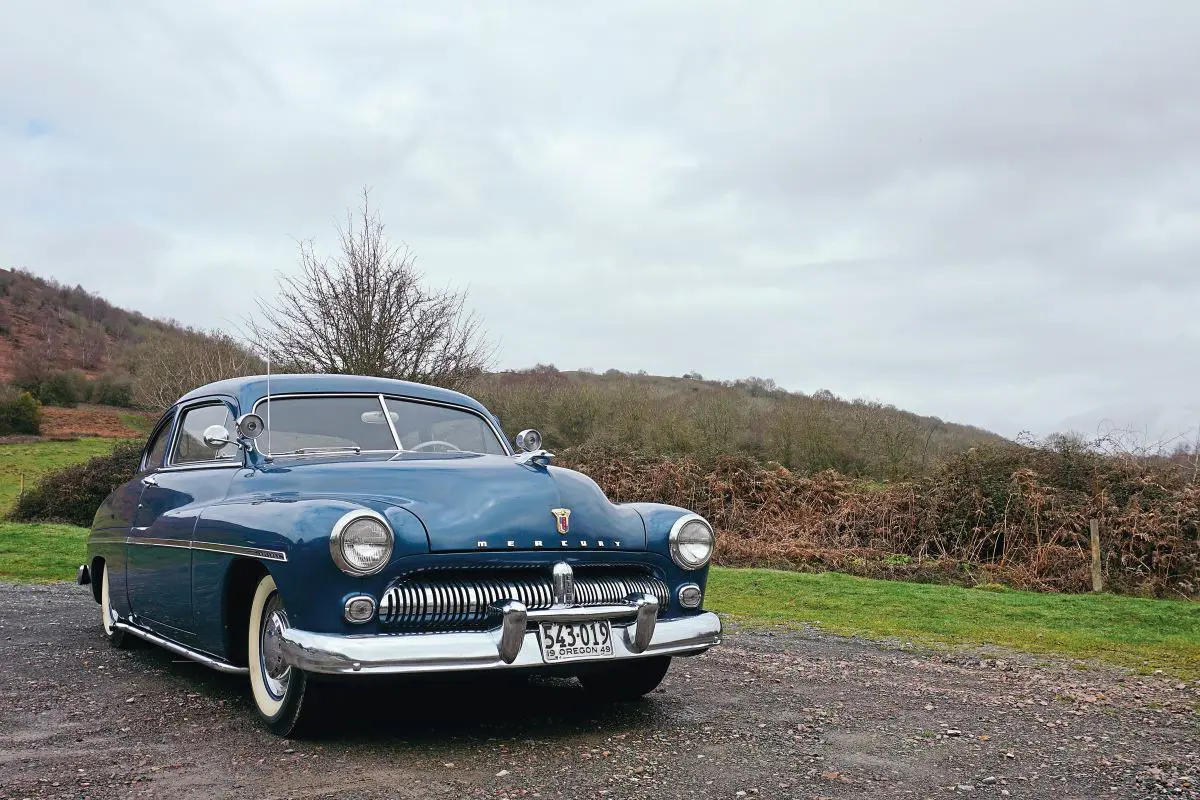
4. Mercury: Ford’s Long-Running Middle-Market Brand
Mercury was created by Ford Motor Company in 1938 as a brand positioned between Ford and Lincoln. The goal was to provide customers with vehicles that offered more style, comfort, and premium features than standard Ford models while remaining more affordable than luxury Lincoln vehicles.
For decades, Mercury served as an important part of Ford’s strategy by attracting buyers who wanted something more refined without moving into the luxury segment.
During much of the twentieth century, Mercury developed a strong reputation. Models such as the Mercury Cougar, Grand Marquis, and Sable gained recognition among American drivers.
The brand appealed to customers who valued comfort, smooth performance, and traditional styling. Mercury vehicles often shared engineering with Ford models but included different designs, upgraded interiors, and additional features to create a more premium experience.
The automotive industry experienced a major shift in the 1990s and 2000s as purchasing decisions evolved. Rather than choosing vehicles based primarily on established brand identities, consumers increasingly evaluated features, reliability, technology, and long-term value.
Many customers found it difficult to understand the difference between Mercury and Ford models because the vehicles often shared platforms and components. This reduced the brand’s ability to establish a clear identity.
Ford attempted several strategies to strengthen Mercury, including introducing updated designs and expanding its product range. However, sales continued to decline. The company also faced financial challenges during the late 2000s and began reducing its number of brands to focus resources on stronger performers.
Ford announced the end of Mercury in 2010, and the final vehicles were produced that same year. The decision ended a more than 70-year history. Mercury’s disappearance represented a major shift in the automotive industry, where companies began simplifying their brand structures and concentrating on fewer, stronger names.
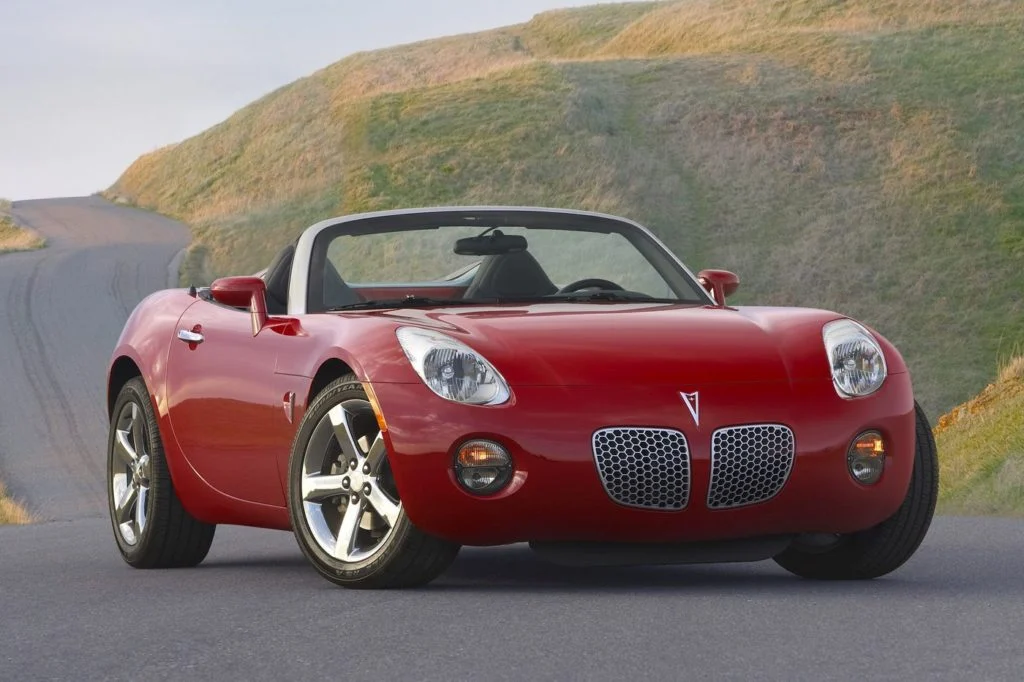
5. Pontiac: A Performance Brand That Could Not Survive
Pontiac was established by General Motors in 1926 and became known for producing vehicles with sporty designs, powerful engines, and strong performance appeal.
The brand developed a unique reputation during the 1960s and 1970s through models such as the GTO, Firebird, and Trans Am. These vehicles helped Pontiac become closely associated with American muscle car culture and attracted generations of performance enthusiasts.
The Pontiac GTO is often credited with helping start the muscle car movement. Introduced in 1964, it combined a midsize body with a powerful V8 engine, creating a formula that influenced many competitors.
The Firebird and Trans Am later became cultural icons, especially after appearances in movies and television. Pontiac built an image around excitement and driving enjoyment rather than simple transportation.
By the 1980s and 1990s, Pontiac faced increasing challenges. General Motors struggled with overlapping brands, and many Pontiac vehicles shared platforms with Chevrolet, Buick, and Oldsmobile models.
Although models like the Pontiac Grand Prix and Pontiac Bonneville continued to find buyers, the brand’s identity gradually became less distinct. Performance-oriented vehicles still appealed to enthusiasts, but they could not generate enough momentum to reverse declining sales trends.
The 2008 financial crisis created severe problems for General Motors. The company entered bankruptcy protection and began eliminating brands as part of a major restructuring effort. Pontiac was selected for closure because GM believed it needed to focus on fewer brands with stronger market positions.
Production of Pontiac vehicles ended in 2010. The brand left behind a lasting legacy among car enthusiasts who continue to collect and restore Pontiac models. Its history demonstrates how important brand identity can be and how even famous names can disappear when corporate priorities and market conditions change.
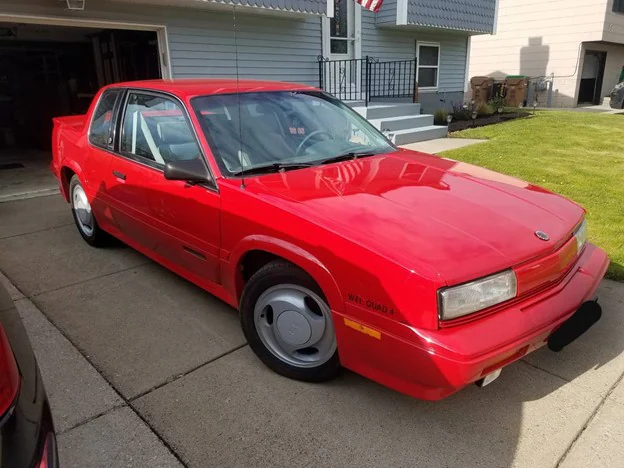
6. Oldsmobile: A Historic Brand That Lost Its Place
Oldsmobile was among the oldest automobile brands in the United States, founded in 1897 before becoming part of General Motors in 1908.
The company played an important role in automotive history by introducing several innovations and producing vehicles that appealed to American families. For much of the twentieth century, Oldsmobile represented a balance between affordability, comfort, and advanced engineering.
The brand introduced several memorable vehicles, including the Cutlass, 88, and Toronado. The Oldsmobile Toronado, launched in 1966, became famous as one of the first modern American front-wheel-drive cars.
Oldsmobile also gained attention for its Rocket V8 engines, which contributed to the brand’s performance reputation during the muscle car era. During the 1970s and 1980s, Oldsmobile enjoyed strong sales and remained one of General Motors’ most recognized divisions.
The Cutlass became one of the best-selling cars in America, attracting customers who wanted reliable transportation with a more upscale feel. However, competition increased as Japanese manufacturers gained market share with vehicles known for efficiency and durability.
General Motors struggled to maintain clear differences between its brands. Oldsmobile vehicles often shared designs and technology with Chevrolet, Buick, and Pontiac models, making it harder for customers to understand why they should choose Oldsmobile. Efforts to modernize the brand produced mixed results, and newer models failed to create the same excitement as earlier successes.
General Motors announced the discontinuation of Oldsmobile in 2000, and production ended in 2004. The closure marked the end of more than a century of automotive history. Oldsmobile remains remembered by collectors and enthusiasts who appreciate its contributions to vehicle design and engineering.
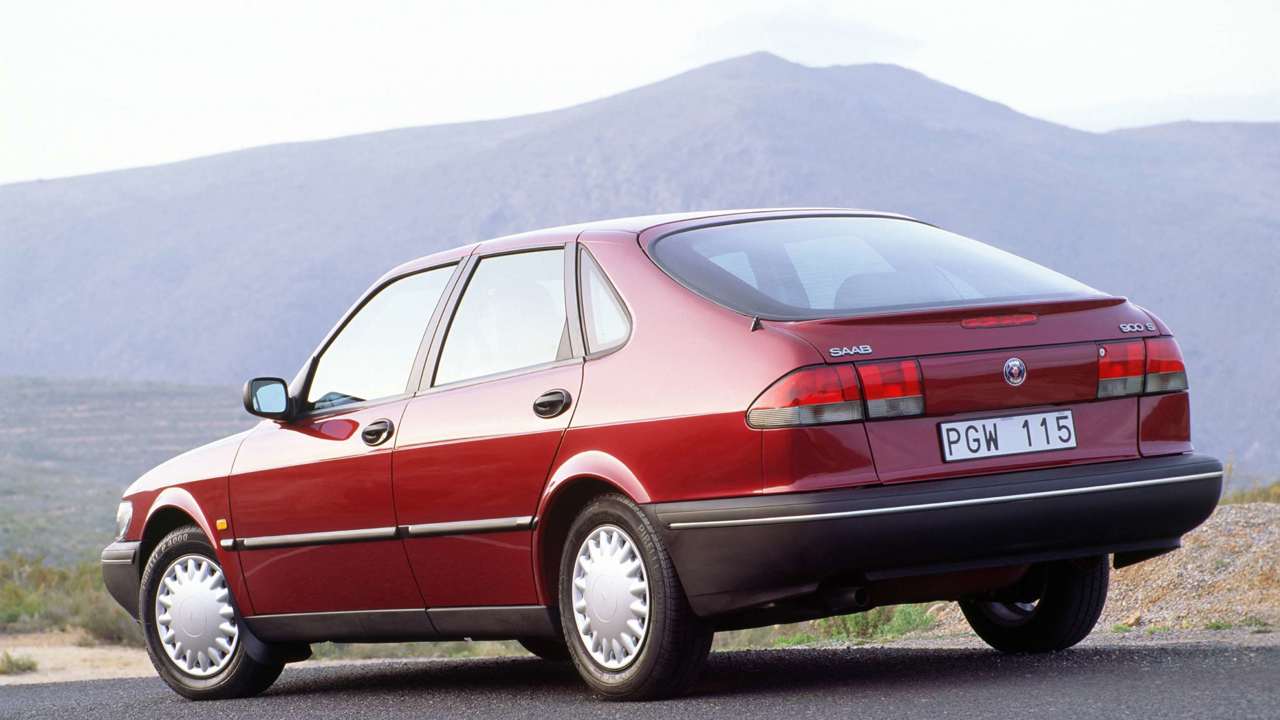
7. Saab: A Unique Swedish Brand That Could Not Find Stability
Saab began as an aircraft manufacturer in Sweden before entering the automotive industry in the late 1940s. The company introduced its first production car, the Saab 92, in 1949 and quickly developed a reputation for unusual engineering, safety-focused designs, and innovative technology.
Unlike many mainstream automakers, Saab created vehicles with distinctive styling, advanced features, and a strong focus on driver comfort. This unique approach helped the brand develop a dedicated group of loyal customers around the world.
Throughout the 1970s, 1980s, and 1990s, Saab became known for models such as the Saab 900 and Saab 9-3. The Saab 900 gained popularity because of its unusual design, strong safety features, and turbocharged engines.
The brand attracted professionals and drivers who wanted something different from common luxury vehicles. Saab’s aircraft heritage influenced its approach to vehicle design, with attention given to aerodynamics, visibility, and practical interior layouts.
Saab faced financial difficulties for many years as competition increased in the global automotive market. In 1989, Saab’s automotive division separated from the aircraft company, and General Motors purchased a majority stake before taking full ownership in 2000.
GM attempted to make Saab more profitable by sharing technology and components with other brands. While this reduced costs, it also created criticism among Saab enthusiasts who felt the vehicles were losing their unique character.
The global financial crisis of 2008 created serious problems for General Motors, which decided to sell or close several brands. Saab was sold to the Dutch company Spyker Cars in 2010, but the new ownership group struggled with financial issues and production interruptions.
Attempts to secure additional investment did not provide enough support for the company to continue normal operations.
Saab production stopped in 2011, ending a long history of distinctive Swedish automobiles. The Saab name remains respected among automotive enthusiasts who appreciate the brand’s focus on innovation, safety, and individuality. The company’s story shows how difficult it can be for smaller manufacturers to compete in an industry dominated by large global corporations.
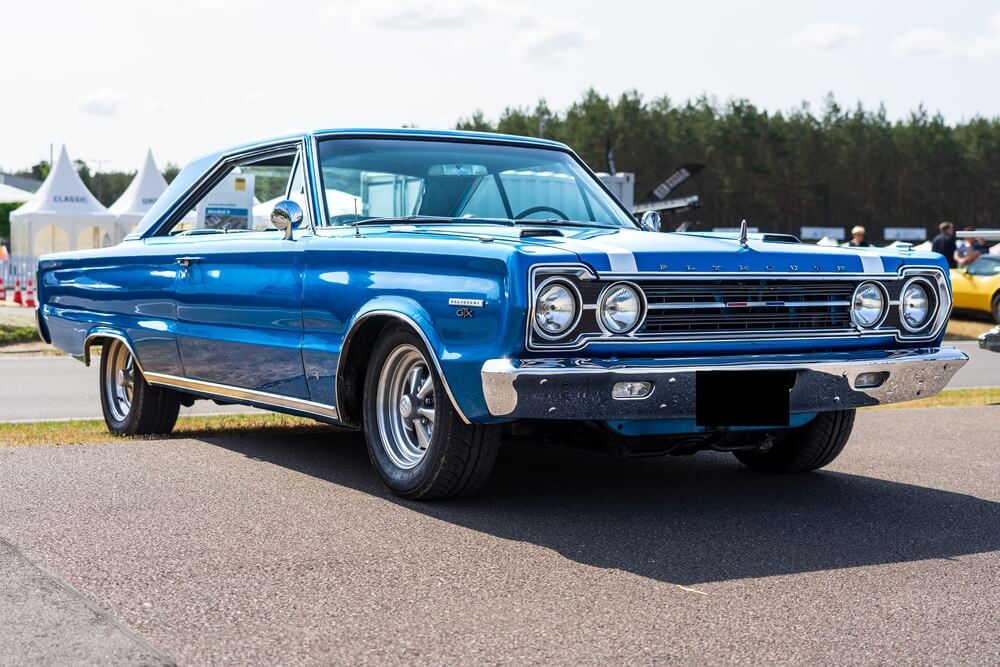
8. Plymouth: Chrysler’s Historic Brand That Faded Away
Plymouth was introduced by Chrysler Corporation in 1928 as a brand designed to compete with affordable vehicles from Ford and Chevrolet.
The company positioned Plymouth as a value-focused brand that offered dependable transportation at competitive prices. For many decades, Plymouth played an important role in Chrysler’s lineup and became a familiar name among American families.
During the 1950s and 1960s, Plymouth gained attention for stylish designs and performance-oriented vehicles. Models such as the Plymouth Barracuda, Road Runner, and GTX became important parts of American muscle car history.
The Road Runner was particularly successful because it offered strong performance at a lower price compared with many competing performance cars. Plymouth’s connection with racing and high-powered engines helped build its reputation among enthusiasts.
The brand remained active through the 1970s and 1980s, but changing market conditions created difficulties. Chrysler faced financial struggles and increasing competition from foreign manufacturers. As customer preferences shifted toward fuel-efficient vehicles, minivans, and imported cars, Plymouth’s traditional identity became less clear.
During the 1990s, Chrysler began reducing differences between its brands. Many Plymouth vehicles shared designs with Dodge models, making it harder for customers to see a reason to choose Plymouth.
The company attempted to give Plymouth a younger image with vehicles such as the Plymouth Neon and Prowler, but these efforts did not produce enough sales growth.
Chrysler announced the end of Plymouth in 2001, with the final Plymouth vehicles produced that year. The brand’s disappearance ended more than seven decades of automotive history. Today, Plymouth remains highly respected among collectors because of its classic muscle cars and memorable designs from earlier decades.
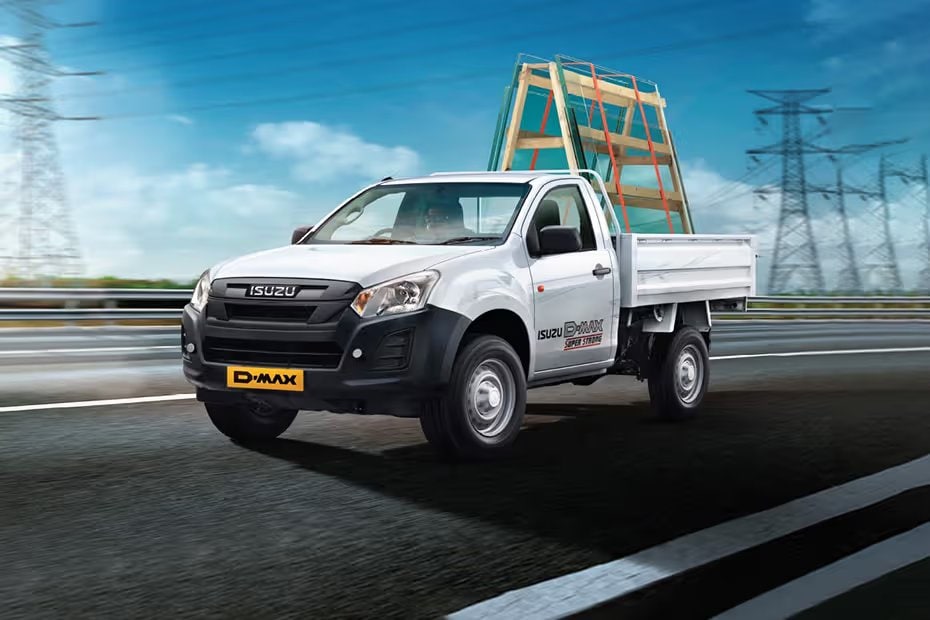
9. Isuzu Passenger Vehicles: A Brand That Left the Car Market
Isuzu began as a Japanese automotive company with a long history in vehicle manufacturing. While the company continues producing commercial vehicles and trucks in various markets, its passenger vehicle presence in the United States ended in the early 2000s.
During its years selling consumer vehicles, Isuzu became recognized for durable SUVs, practical designs, and partnerships with other automakers.
The brand gained attention in North America through models such as the Isuzu Trooper, Rodeo, and Amigo. The Trooper became especially popular among drivers who wanted a capable SUV with strong off-road abilities. During the 1990s, when sport utility vehicles became increasingly popular, Isuzu benefited from growing demand for rugged vehicles.
However, Isuzu faced challenges as the SUV market became more competitive. Larger manufacturers introduced more advanced and widely available models, while Isuzu’s limited lineup made it difficult to maintain strong sales.
The company also relied heavily on partnerships with other manufacturers, which reduced its ability to create a completely independent identity.
By the early 2000s, Isuzu’s passenger vehicle sales in the United States had declined significantly. The company stopped selling passenger cars and SUVs in the American market in 2008. Its remaining focus shifted toward commercial trucks and other business areas.
Isuzu’s disappearance from the consumer vehicle market demonstrates how changing competition and limited product choices can affect an automaker’s future. Many drivers still remember Isuzu SUVs for their durability and capability, especially those who owned models designed for outdoor activities and long-term use.
