

Gas mileage used to be the one category where trucks simply couldn’t compete with a compact SUV, full stop. That old assumption doesn’t hold up anymore. Turbodiesel inline-sixes, gas-electric hybrid systems, and clever unibody engineering have handed modern trucks fuel economy numbers that match or beat what you’d get from a standard gasoline RAV4, Rogue, or Escape.
Based on official EPA Combined estimates, the ten trucks below prove that hauling capability and strong highway numbers aren’t mutually exclusive anymore. If you’ve been avoiding a truck because you assumed it would drain your wallet at the pump, this list might change your mind completely.
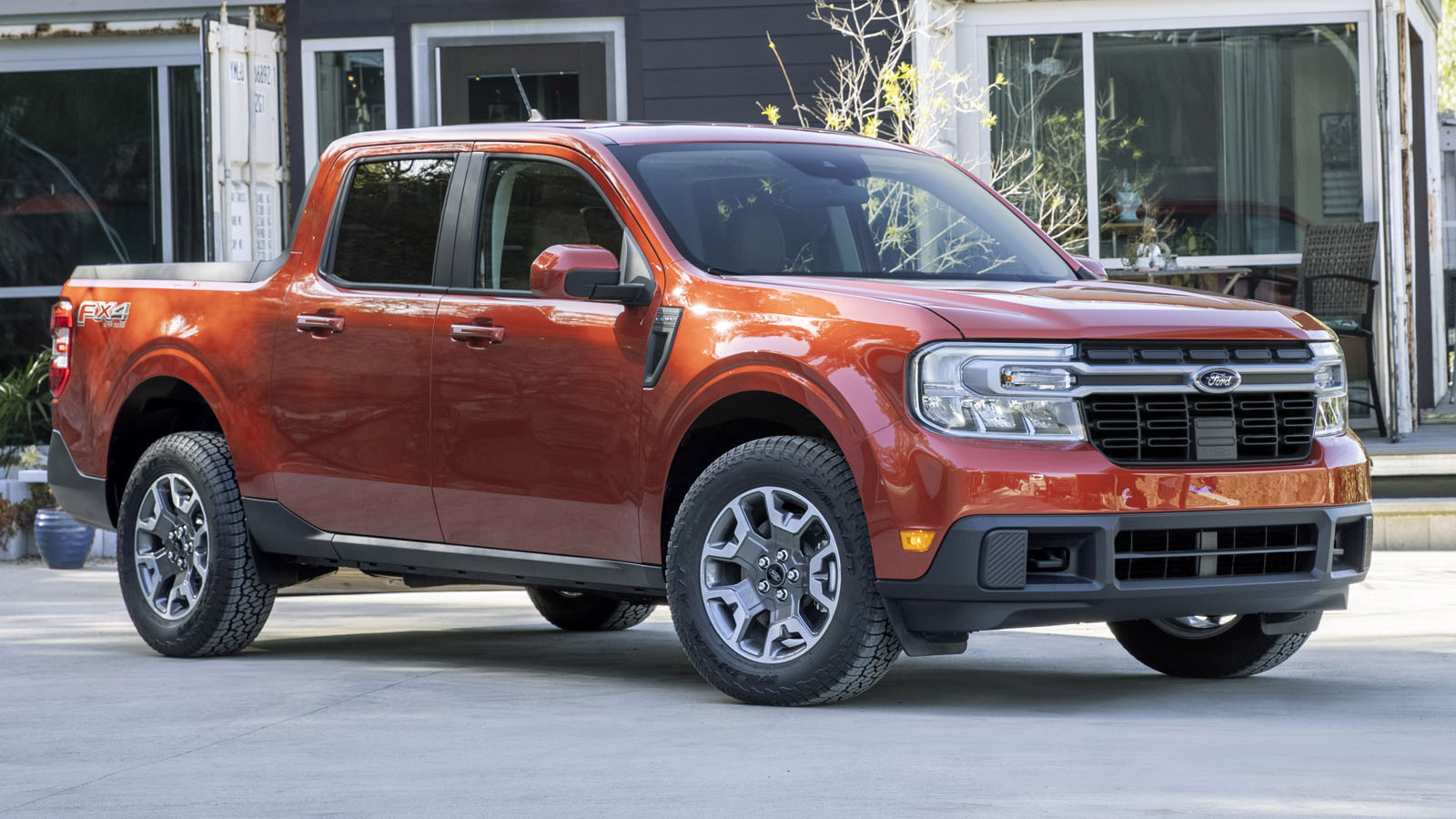
1. Ford Maverick Hybrid
- Engine: 2.5L 4-Cylinder Hybrid
- Horsepower: 191 hp
- Torque: 155 lb-ft
- Size: 199.7 inches Long x 72.6 inches Wide
- EPA Combined: 37 to 38 MPG
Nobody expected a pickup truck to post numbers this close to a hybrid sedan, yet here we are. Ford built the Maverick Hybrid around a standard hybrid powertrain rather than treating electrification as an expensive add-on option, which kept pricing accessible while still delivering genuinely impressive efficiency. That decision paid off in a big way once EPA figures came back.
Commuters shopping this segment have taken notice, especially buyers who need occasional hauling capability but don’t want to sacrifice daily fuel costs to get it. A small pickup bed still handles home projects, weekend trips to the hardware store, and light hauling duties, all while sipping fuel at a rate that embarrassed plenty of compact SUVs when comparisons first started circulating.
Unibody construction plays a major role in this achievement, since it sheds weight compared to traditional body-on-frame truck architecture without sacrificing structural integrity. Lighter weight means the hybrid system doesn’t have to work as hard, which translates directly into the mileage figures buyers see posted on the window sticker.
Reviewers who tested this truck against comparable compact SUVs came away surprised more than once, since few expected a genuine pickup to outperform crossovers built specifically around efficiency. That surprise factor has helped drive strong sales since launch, with buyers actively seeking out the hybrid variant over the standard gasoline version specifically because of these numbers.
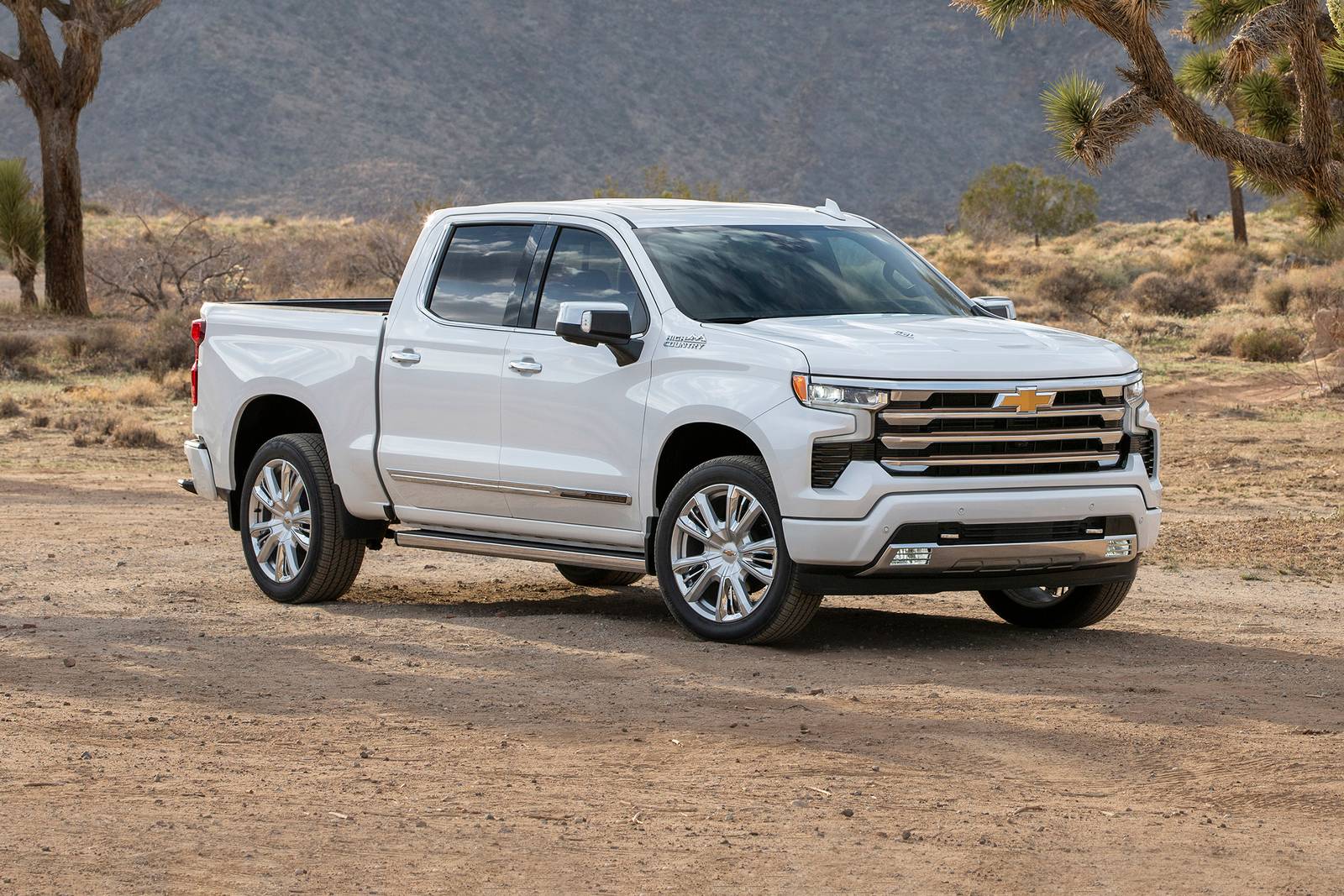
2. Chevrolet Silverado 1500 (2WD Duramax Diesel)
- Engine: 3.0L Turbocharged Inline-6 Diesel
- Horsepower: 305 hp
- Torque: 495 lb-ft
- Size: 231.7 inches Long x 81.2 inches Wide
- EPA Combined: 26 MPG (23 City / 29 Highway)
Full-size trucks rarely get associated with fuel efficiency, but Chevrolet’s Duramax inline-six diesel challenges that assumption directly. This engine delivers torque figures that dwarf most compact SUVs on the road today, all while returning highway numbers that hold their own against smaller, lighter competitors most people would assume win easily.
Diesel engines have always leaned toward efficiency during steady highway cruising, and the Duramax inline-six capitalizes on that strength particularly well. Long-haul drivers benefit the most here, since sustained highway speeds let this engine settle into its efficiency sweet spot, something stop-and-go city driving can’t replicate quite as effectively.
Towing capability remains a major selling point alongside these mileage figures, meaning buyers don’t have to choose between fuel economy and genuine work capability. That combination matters enormously for contractors, farmers, and anyone regularly pulling a trailer who still wants reasonable fuel costs during the unloaded miles between job sites.
Chevrolet positioned this Duramax option specifically for buyers who need a full-size truck’s payload and towing numbers without accepting the fuel costs traditionally associated with that size class. Given how few full-size trucks can post highway numbers in the high twenties, this engine option stands out as a genuine engineering accomplishment rather than a marginal improvement over standard gasoline alternatives.
Also Read: 9 Trucks That Cost More Than a Corvette
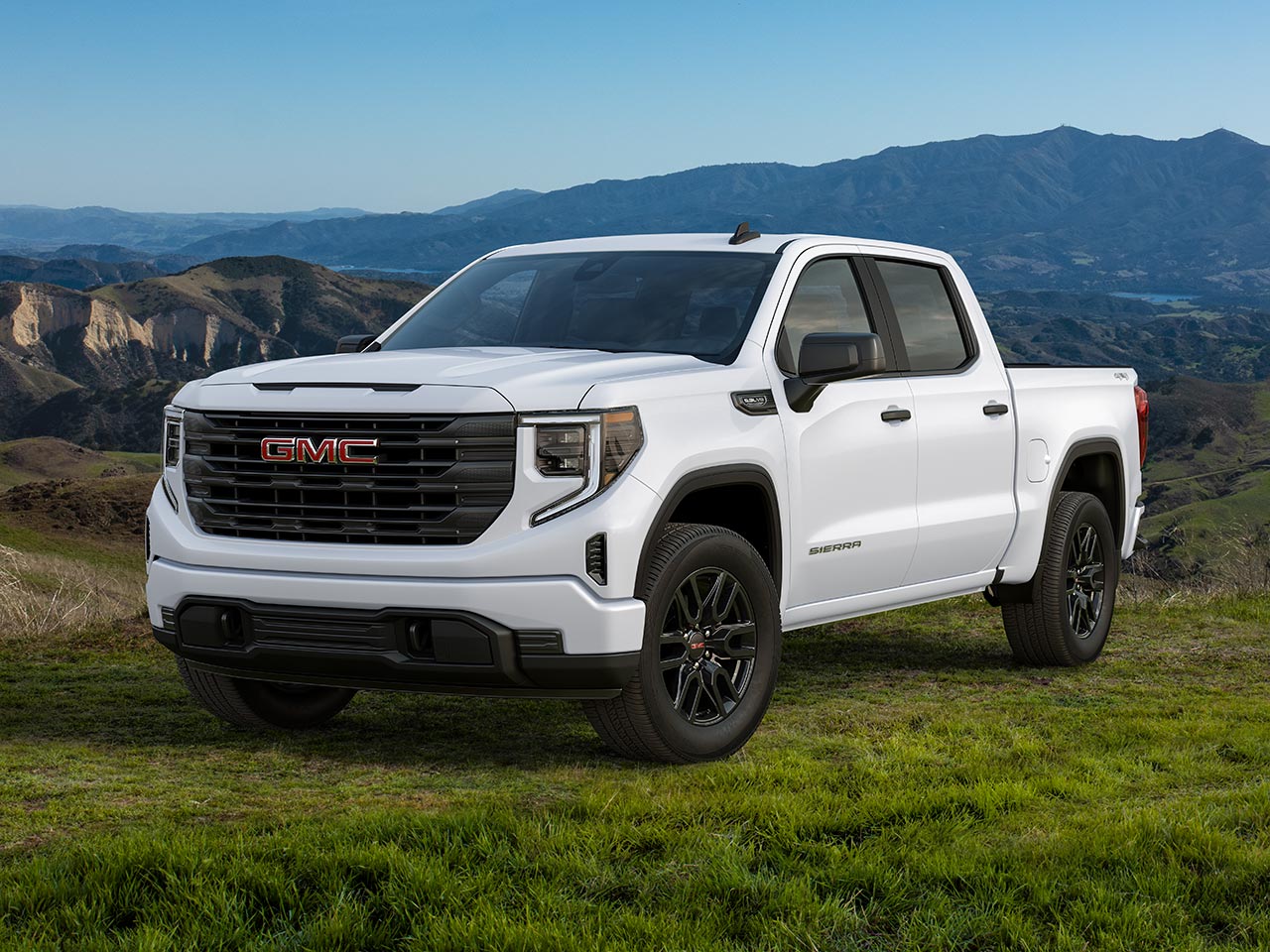
3. GMC Sierra 1500 (2WD Duramax Diesel)
- Engine: 3.0L Turbocharged Inline-6 Diesel
- Horsepower: 305 hp
- Torque: 495 lb-ft
- Size: 231.9 inches Long x 81.2 inches Wide
- EPA Combined: 26 MPG (23 City / 29 Highway)
Built on the same platform as the Chevrolet Silverado, the GMC Sierra comes with the trusted Duramax inline-six diesel engine. Buyers enjoy the same fuel economy and performance, though the Sierra carries its own styling and character. Since both trucks share much of their engineering, drivers receive the same dependable capability without giving up anything that makes the powertrain stand out.
Anyone who spends plenty of time on the highway will appreciate what this truck delivers. Its highway fuel economy of 29 mpg is close to what many gasoline compact SUVs achieve during daily driving. The diesel engine also produces strong torque, making it much easier to maintain highway speeds without putting the engine under unnecessary pressure. Long journeys feel smoother, and drivers can cover many miles with less effort behind the wheel.
Many people see the Sierra as a pickup with a more refined feel, and that reputation becomes even stronger when paired with excellent fuel economy. Drivers who once avoided full-size trucks because of fuel expenses may now find the Sierra worth considering. It provides the size, strength, and comfort expected from a large pickup without making fuel costs seem impossible to manage.
Inside the cabin, the Sierra delivers a comfortable environment with modern technology that improves daily driving. It also offers solid towing ability, making it useful for work, travel, or hauling heavy loads. Comfortable seats, confident highway performance, and fuel economy that compares well with much smaller vehicles help this diesel-powered Sierra stand out as an excellent full-size truck for many buyers across different driving needs today.
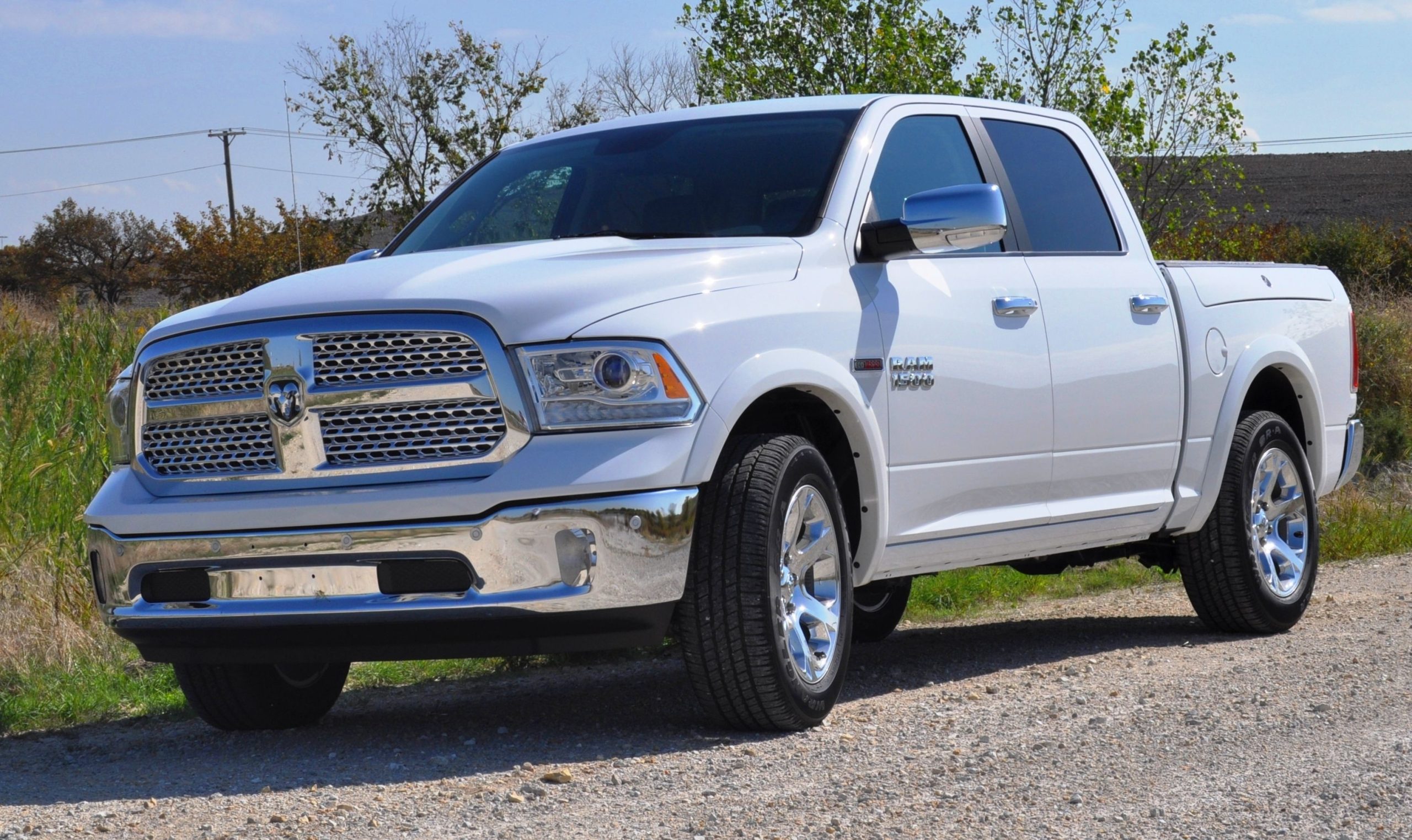
4. Ram 1500 EcoDiesel (2WD Legacy Models)
- Engine: 3.0L Turbocharged V6 Diesel
- Horsepower: 260 hp
- Torque: 480 lb-ft
- Size: 228.9 inches Long x 82.1 inches Wide
- EPA Combined: 26 MPG (22 City / 32 Highway)
Fuel economy like 32 mpg on the highway is something very few full-size pickup trucks can match. That figure helped the Ram 1500 EcoDiesel V6 earn a solid reputation among drivers who spend plenty of time on the road. Instead of chasing the highest horsepower numbers, this engine became popular because it could travel long distances while using much less fuel than many competing trucks in its class.
Strong torque is another reason many buyers appreciated this diesel engine. It delivers enough pulling power for demanding jobs without sacrificing fuel economy during highway driving. Whether towing a trailer or carrying heavy cargo, the EcoDiesel handles the work confidently while keeping fuel consumption under control.
That combination made it attractive to people who wanted a capable truck without dealing with the high running costs often linked to full-size pickups. Rather than introducing something completely different, Ram kept this diesel engine as a trusted option within the 1500 lineup.
Many owners had already spent years driving it, giving potential buyers plenty of real ownership experiences to consider before making a purchase. Those reports supported the fuel economy figures and showed that the engine could serve drivers well when maintained properly.
Drivers who regularly cover long highway distances are likely to enjoy the biggest rewards from this powertrain. The engine performs best during steady cruising, where its fuel-saving ability becomes much more noticeable than in heavy city traffic. Anyone comparing a full-size truck with a compact SUV because of fuel expenses should take a closer look at the Ram 1500 EcoDiesel before making a final buying decision.
5. Hyundai Santa Cruz (2.5L FWD)
- Engine: 2.5L Naturally Aspirated 4-Cylinder
- Horsepower: 191 hp
- Torque: 181 lb-ft
- Size: 195.7 inches Long x 75.0 inches Wide
- EPA Combined: 25 MPG (22 City / 30 Highway)
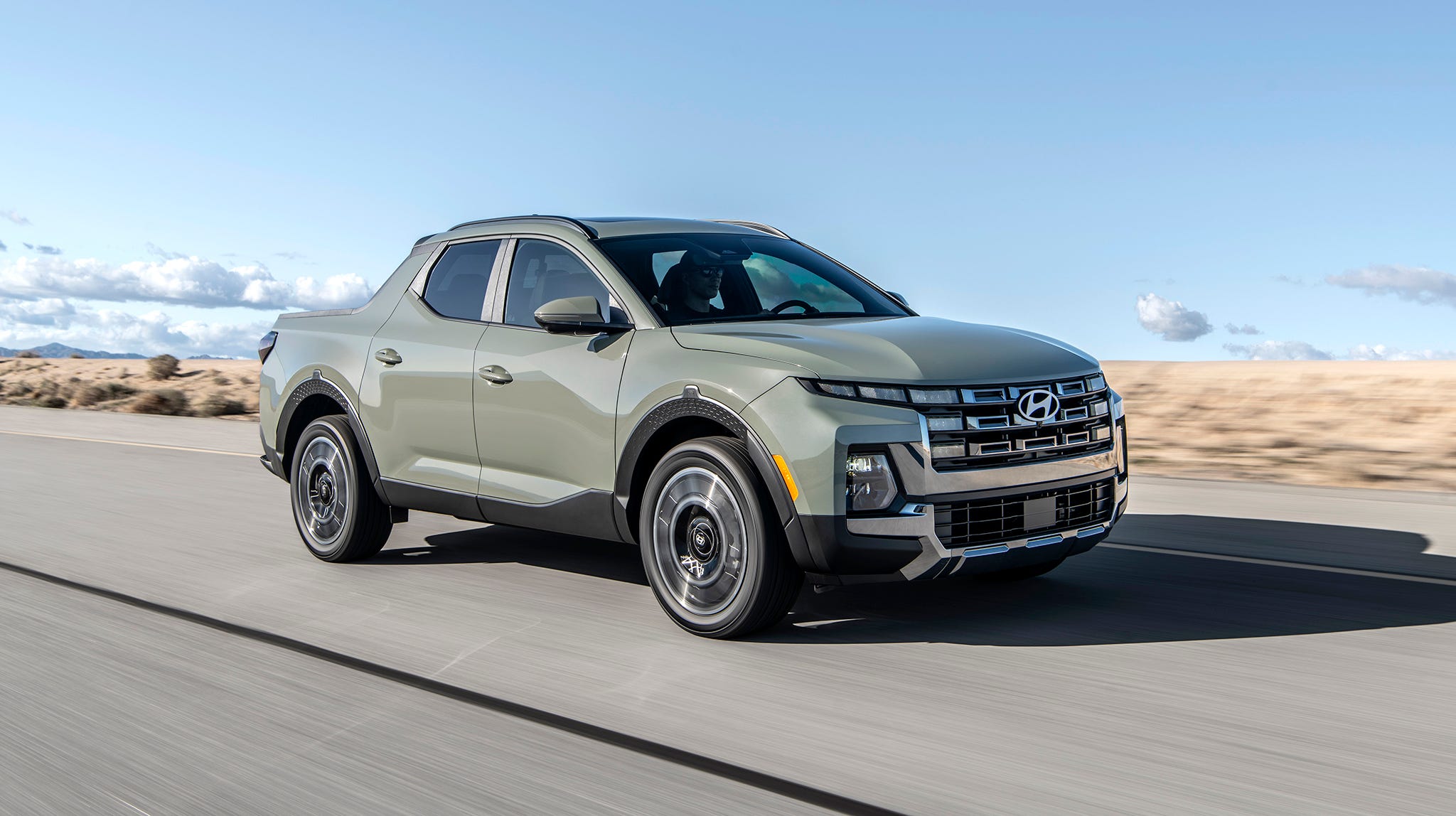
Hyundai took a genuine gamble building a pickup truck from scratch, and the Santa Cruz answered that risk with numbers that hold their own against traditional compact SUVs built by far more established truck manufacturers. A 30 mpg highway rating puts this small truck squarely in competition with crossovers that have owned this efficiency conversation for years.
Front-wheel drive contributes meaningfully to these figures, since it avoids the added weight and drivetrain loss that comes with all-wheel drive systems. Buyers who don’t need serious off-road capability benefit directly from that choice, trading a bit of traction versatility for genuinely improved fuel economy during daily driving.
Styling sets the Santa Cruz apart from more traditional truck competitors as well, borrowing design cues from Hyundai’s crossover lineup rather than following conventional pickup proportions. That crossover-adjacent approach extends beyond looks into how the truck actually drives, feeling closer to a car-based SUV than a traditional body-on-frame pickup.
Buyers cross-shopping this truck against compact SUVs often come away surprised at how little they’re giving up in daily comfort while gaining genuine bed space and hauling flexibility. That combination of practicality and efficiency has helped the Santa Cruz build a dedicated following among shoppers who want pickup functionality without abandoning the fuel economy expectations they’ve grown accustomed to from smaller vehicles.
6. Ford F-150 PowerBoost Hybrid (2WD)
- Engine: 3.5L Twin-Turbo V6 Hybrid
- Horsepower: 430 hp
- Torque: 570 lb-ft
- Size: 231.7 inches Long x 79.9 inches Wide
- EPA Combined: 25 MPG (25 City / 25 Highway)
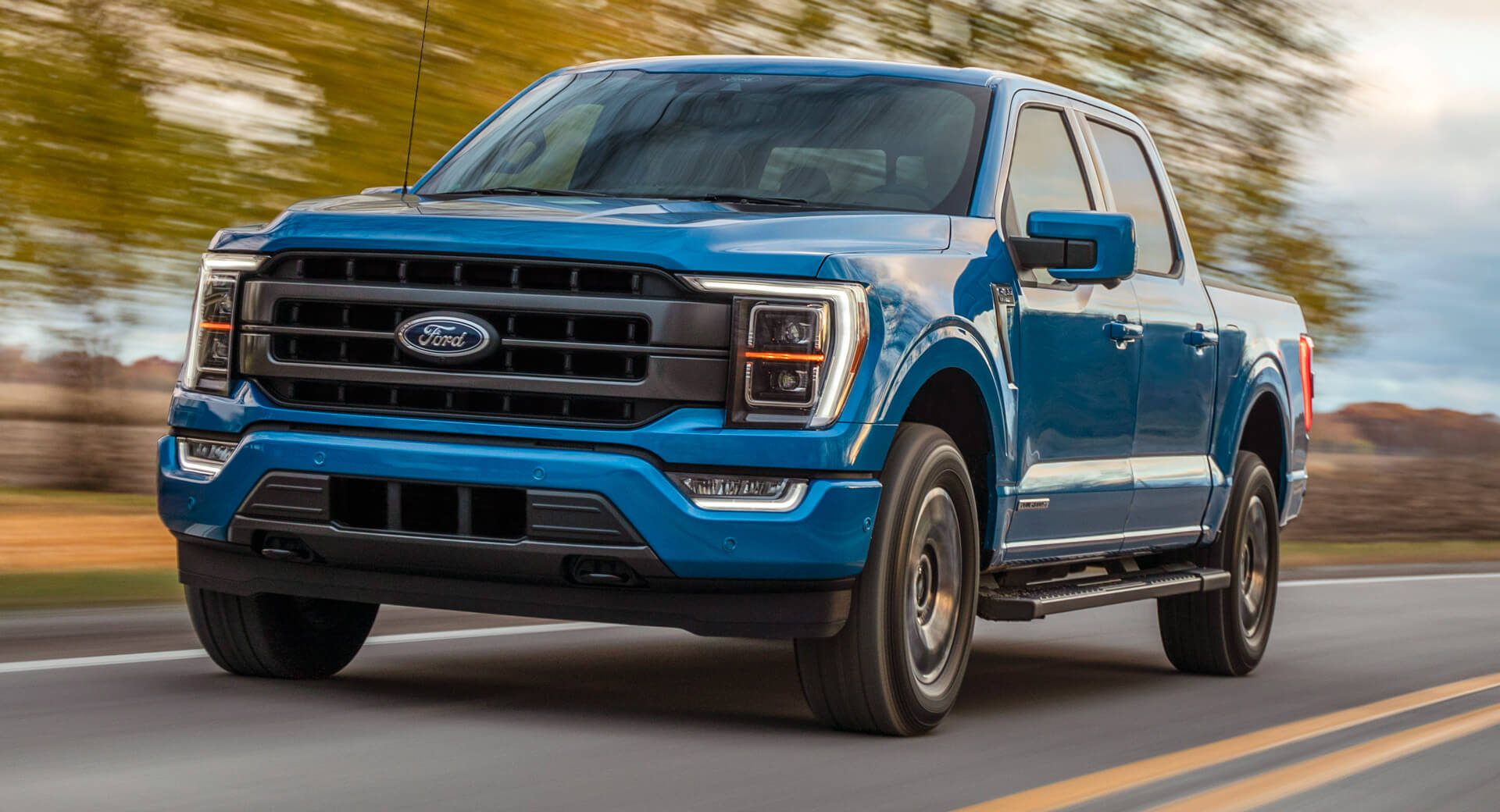
Power and efficiency rarely show up together in the same sentence, yet Ford’s PowerBoost Hybrid delivers both without asking buyers to compromise on either front. A twin-turbo V6 paired with hybrid assistance produces genuinely serious horsepower and torque numbers, the kind normally reserved for trucks that guzzle fuel at a much faster rate.
What makes this powertrain particularly interesting is its identical city and highway rating, both landing at 25 mpg. That consistency suggests the hybrid system contributes meaningfully across every kind of driving condition rather than only shining during stop-and-go traffic where hybrids traditionally perform best.
America’s best-selling truck carrying this kind of efficiency number matters enormously for the broader market conversation. Buyers who might never have considered a hybrid powertrain now have access to one wearing the most trusted truck badge in the country, removing a major psychological barrier that’s kept some shoppers away from electrified trucks entirely.
Onboard power generation capability adds practical value beyond just fuel savings, letting owners run tools or appliances directly from the truck’s battery system. That versatility, combined with genuinely strong numbers across both power and efficiency, makes the PowerBoost Hybrid one of the more well-rounded options for buyers who refuse to choose between capability and reasonable fuel costs.
7. Ford Maverick EcoBoost (FWD)
- Engine: 2.0L Turbocharged 4-Cylinder
- Horsepower: 238 hp
- Torque: 277 lb-ft
- Size: 199.7 inches Long x 72.6 inches Wide
- EPA Combined: 25 MPG (23 City / 30 Highway)
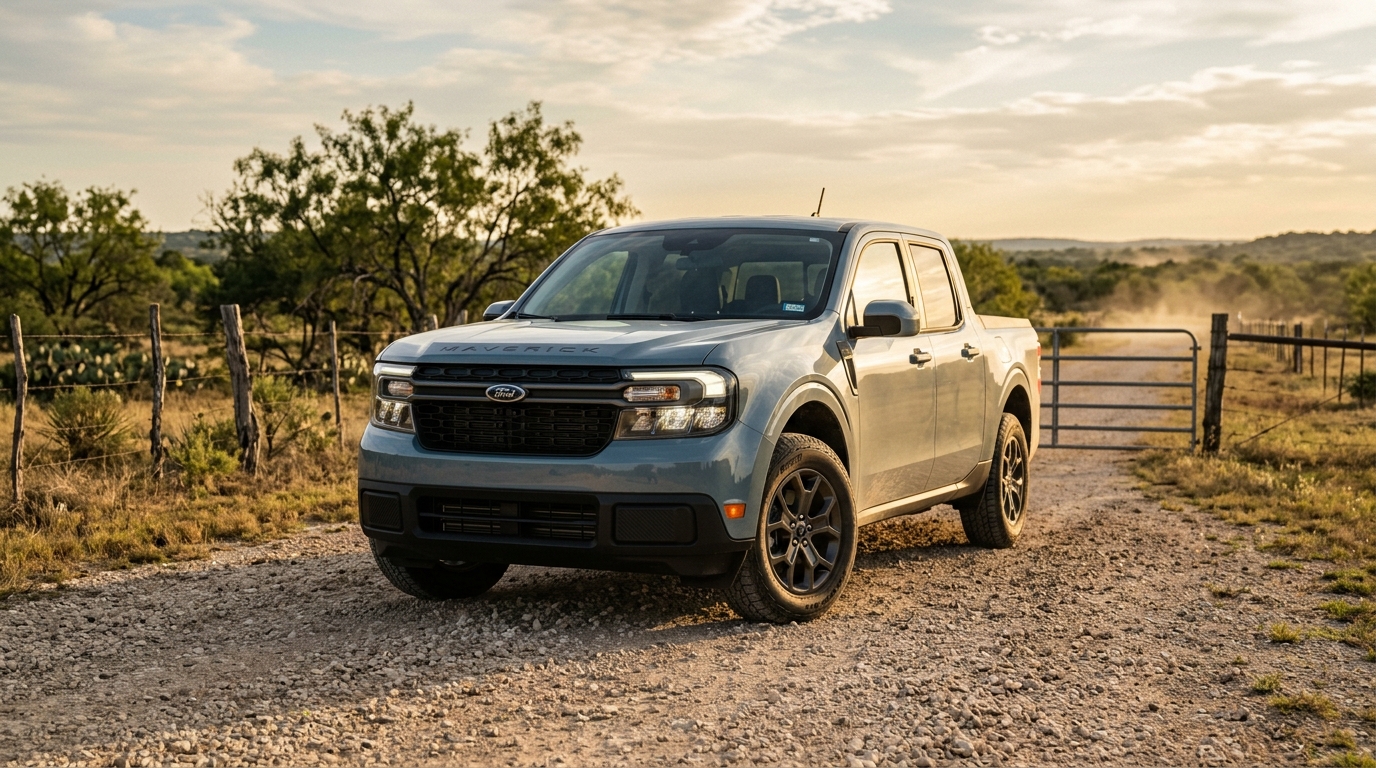
Some buyers prefer stronger performance without giving up good fuel economy, and the Ford Maverick EcoBoost meets that need quite well. While the hybrid version delivers better fuel savings, the turbocharged EcoBoost engine provides higher horsepower and torque for drivers who enjoy quicker acceleration.
Even with that extra power, it still records highway fuel economy that compares well with many compact SUVs. A highway rating of 30 mpg shows that this version remains an economical choice. Choosing front-wheel drive helps reduce weight and mechanical losses, allowing the turbocharged four-cylinder engine to respond quickly without using excessive fuel.
Drivers benefit from lively performance during daily driving while still enjoying fuel economy that keeps running costs within reason. It is a practical balance for people who expect more from their pickup. Another advantage comes from its stronger towing ability. Thanks to the extra torque produced by the EcoBoost engine, this Maverick can pull heavier loads than the hybrid version.
That makes it suitable for buyers who occasionally tow small trailers, boats, or equipment while still needing a comfortable vehicle for everyday use. It offers enough strength for those extra tasks without making fuel economy a major concern. Price is another area where the EcoBoost Maverick remains attractive.
The difference between it and the hybrid version is small enough to give buyers a real choice based on their driving needs. Drivers looking for better performance without paying heavily at the fuel station will appreciate what it offers. It also delivers the added convenience of a pickup bed, something many compact SUVs cannot provide for everyday practical use.
8. Toyota Tacoma i-Force Max Hybrid
- Engine: 2.4L Turbocharged 4-Cylinder Hybrid
- Horsepower: 326 hp
- Torque: 465 lb-ft
- Size: 213.0 inches Long x 77.9 inches Wide
- EPA Combined: 23 MPG (22 City / 24 Highway)
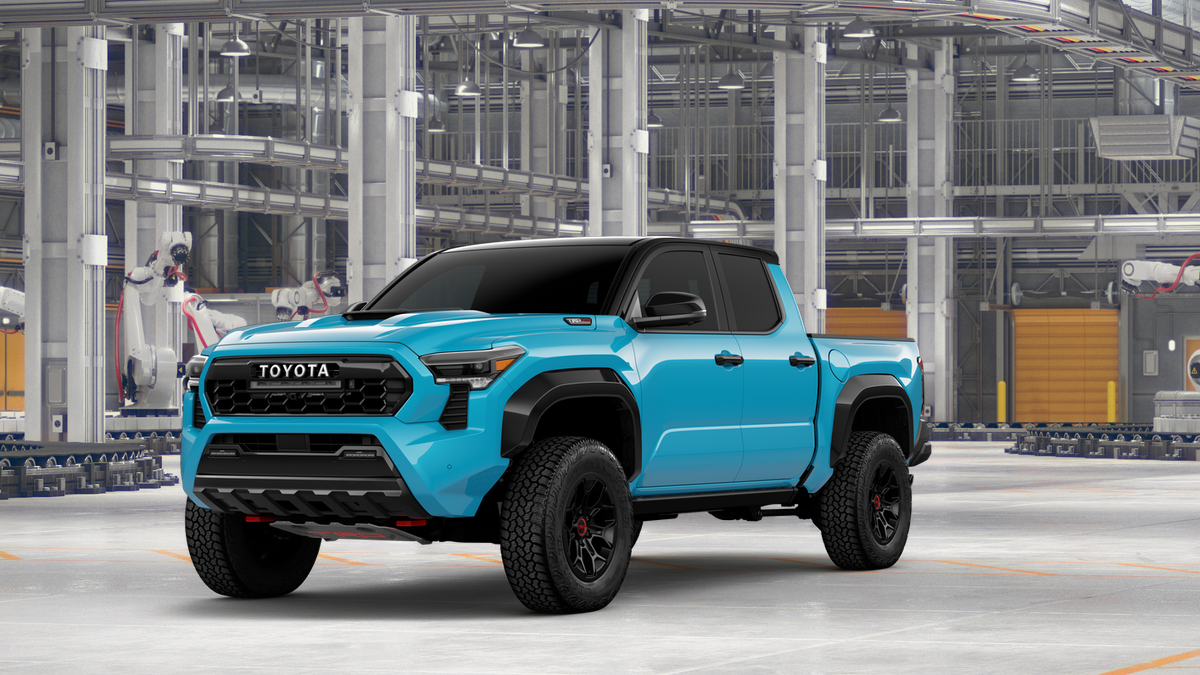
Toyota’s midsize truck lineup has always carried strong brand loyalty, and the hybrid i-Force Max powertrain gives that loyal following genuine reason to feel validated. Horsepower and torque numbers here rival what you’d find in much larger trucks, yet the hybrid assistance keeps fuel economy at a level that holds up reasonably well against compact SUV competitors.
Off-road capability remains a core part of the Tacoma’s identity, and this hybrid powertrain doesn’t ask buyers to sacrifice that reputation to gain efficiency. Drivers get genuine trail capability alongside a fuel economy figure that wouldn’t have seemed possible from a truck this powerful just a few years back.
That torque figure deserves particular attention, since 465 lb-ft gives this midsize truck towing and hauling capability that punches well above its weight class. Combining that muscle with hybrid assistance shows Toyota understood buyers wanted genuine capability first, with efficiency layered on top rather than treated as the primary selling point.
Resale value has historically favored Toyota trucks, and early data suggests the hybrid Tacoma continues that trend. Buyers researching this truck find a combination of brand trust, proven off-road credibility, and genuinely competitive fuel economy that makes it an easy recommendation for shoppers who refuse to compromise on capability while still caring about what they’re spending at the pump.
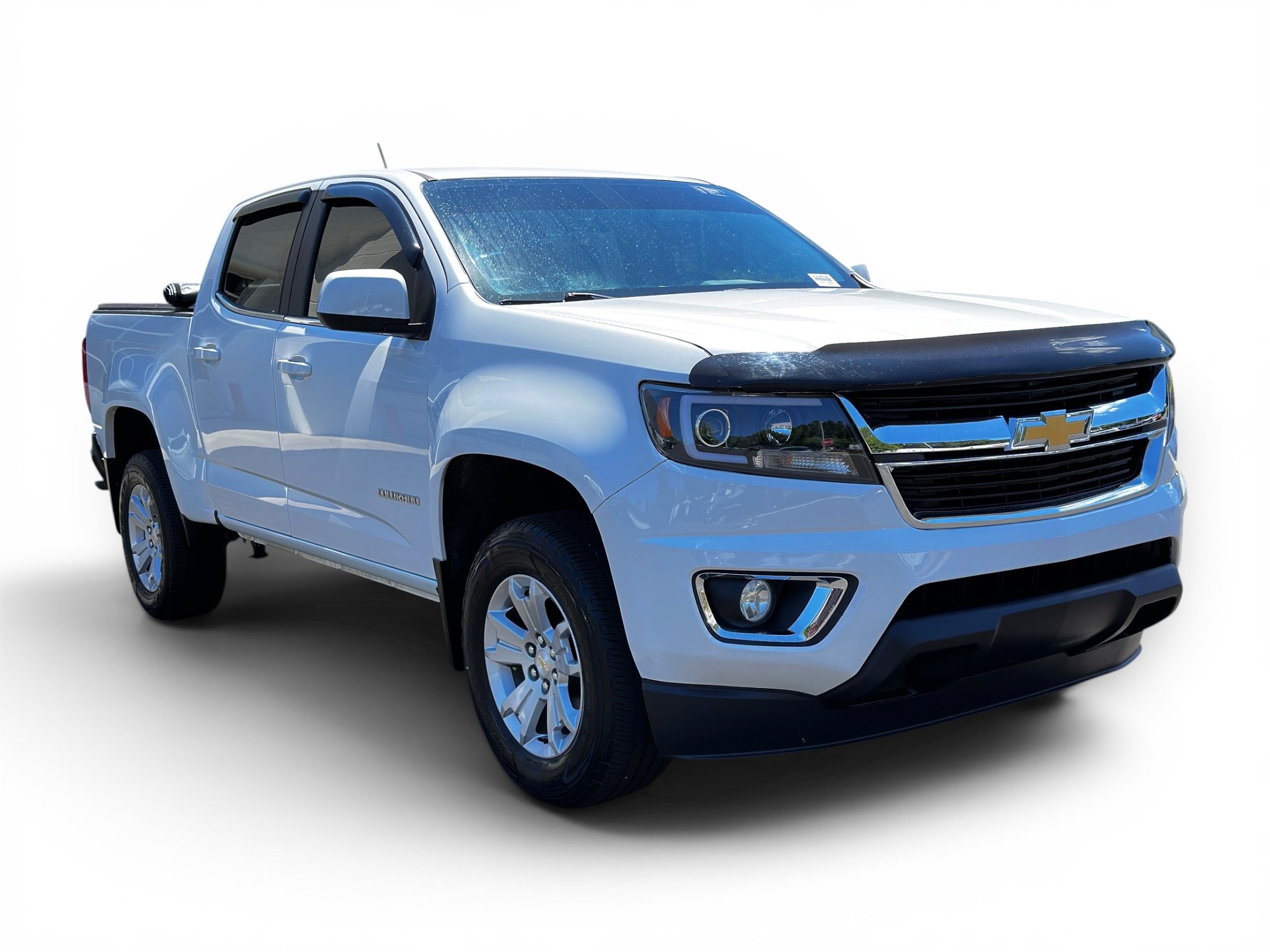
9. Chevrolet Colorado (2WD)
- Engine: 2.7L Turbocharged 4-Cylinder
- Horsepower: 237 hp
- Torque: 260 lb-ft
- Size: 213.0 inches Long x 78.8 inches Wide
- EPA Combined: 21 to 22 MPG (20 City / 24 Highway)
Chevrolet’s turbocharged four-cylinder gives the Colorado genuinely strong horsepower for its class, and that power comes without demanding the fuel penalty buyers might expect from an engine this capable. A 24 mpg highway figure keeps this midsize truck within reasonable striking distance of compact SUV competitors, even if it doesn’t lead the pack outright.
Two-wheel drive configurations benefit from reduced weight and drivetrain loss compared to their four-wheel drive counterparts, a pattern that shows up consistently across nearly every truck on this list. Buyers who don’t need serious off-road capability can lean into that efficiency advantage without sacrificing much in daily usability.
Payload and towing figures remain genuinely strong throughout the Colorado lineup, giving buyers real work capability alongside these efficiency numbers. That combination matters for shoppers who need a truck that handles actual jobs, not just one that looks capable while quietly underperforming when asked to pull real weight.
Chevrolet’s positioning here targets buyers who want genuine midsize truck capability without stepping up to full-size fuel costs and dimensions. Given how many compact SUVs struggle to crack 24 mpg on the highway once real-world driving conditions come into play, this Colorado configuration holds its ground respectably well against vehicles specifically engineered around efficiency as their primary selling point.
Also Read: 8 Trucks That Lose Value Fastest in Their First Three Years
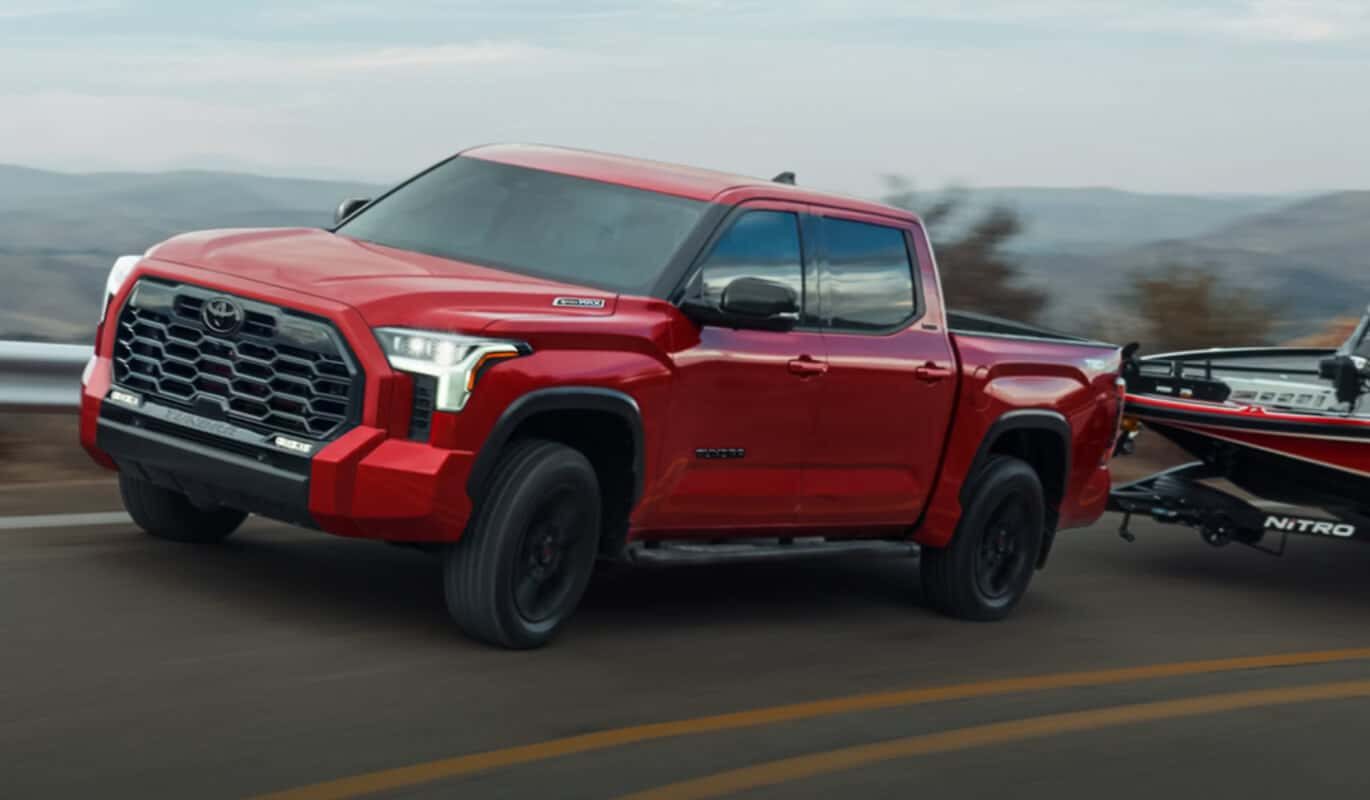
10. Toyota Tundra i-Force Max Hybrid (2WD)
- Engine: 3.4L Twin-Turbo V6 Hybrid
- Horsepower: 437 hp
- Torque: 583 lb-ft
- Size: 233.6 inches Long x 80.2 inches Wide
- EPA Combined: 22 MPG (20 City / 24 Highway)
Closing out this list is a full-size truck that delivers numbers most buyers wouldn’t expect from something this large and this powerful. Toyota’s twin-turbo hybrid V6 produces genuinely massive horsepower and torque figures, the kind typically associated with heavy fuel consumption rather than mileage figures that compete with compact SUVs.
That 583 lb-ft torque rating stands out immediately, giving this truck serious towing and hauling credibility without sacrificing the efficiency gains hybrid assistance provides. Buyers get genuine full-size capability paired with a powertrain engineered to squeeze meaningful fuel savings out of every driving situation, from city commuting to highway cruising.
Toyota’s hybrid systems have earned strong reliability reputations across its broader lineup, and that trust extends directly to this Tundra variant. Buyers considering a full-size truck specifically for its hybrid technology can lean on years of proven Toyota hybrid engineering rather than gambling on unproven new technology from a less established source.
Given the size and power on display here, a 24 mpg highway rating represents genuine engineering achievement rather than a marginal improvement. For buyers who need full-size towing and payload capability but still want fuel costs that don’t spiral out of control, this Tundra proves that bigger trucks and reasonable mileage numbers no longer have to remain separate conversations entirely.
