
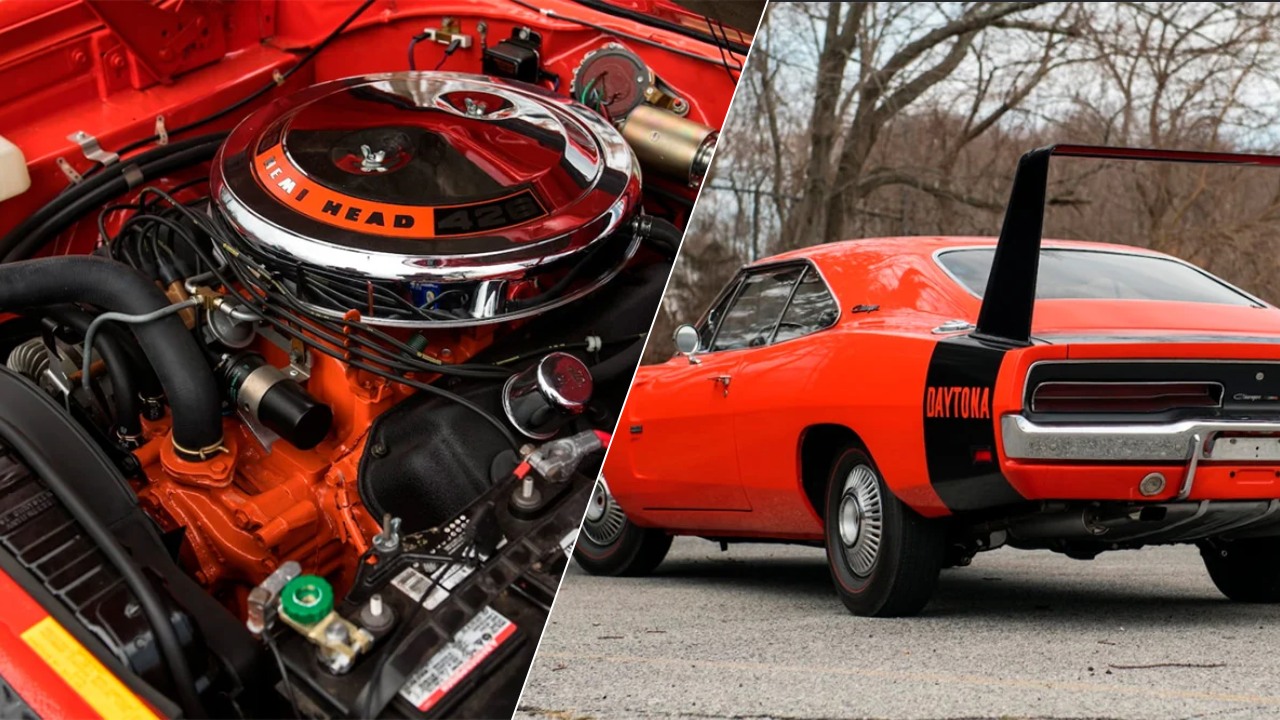
In March 1970, NASCAR driver Buddy Baker made racing history by becoming the first driver to break the 200 mph barrier on a closed course in a stock car. Behind the wheel of the famous winged Dodge Charger Daytona, Baker reached a record speed that changed how people viewed American racing technology.
The run took place at the Chrysler proving grounds in Chelsea, Michigan, where the aerodynamic Dodge demonstrated the power of engineering, horsepower, and innovation. The achievement became a defining moment for NASCAR, showing that properly designed machines could push the limits of speed far beyond expectations.
The Birth of the Winged Dodge Charger Daytona
The late 1960s brought intense competition between American manufacturers in NASCAR. Companies such as Dodge, Ford, and Plymouth were constantly searching for ways to gain an advantage on the track. Engine power was already reaching impressive levels, but engineers discovered that aerodynamics could make an even greater difference at high speeds.
This thinking led Chrysler to create the Dodge Charger Daytona, a car designed specifically to dominate NASCAR superspeedways.
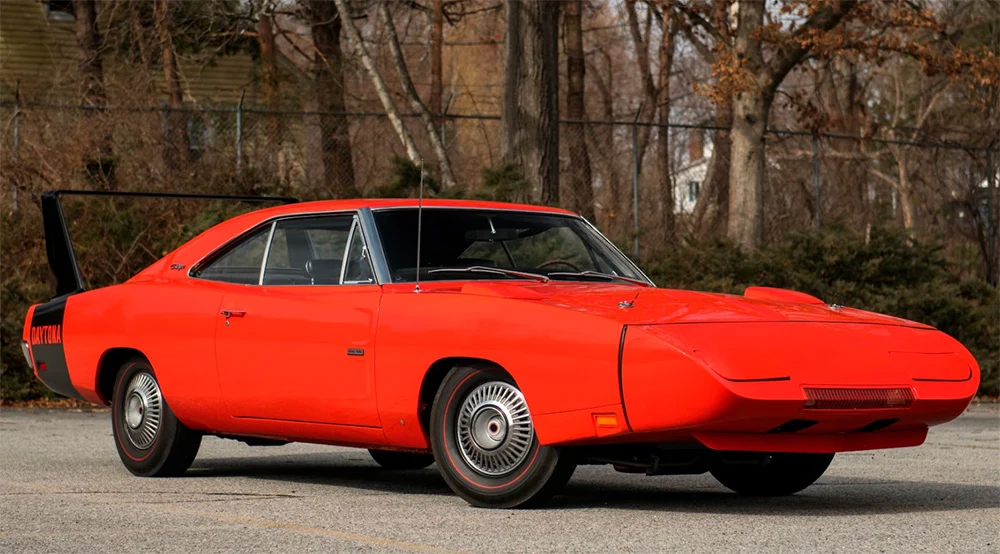
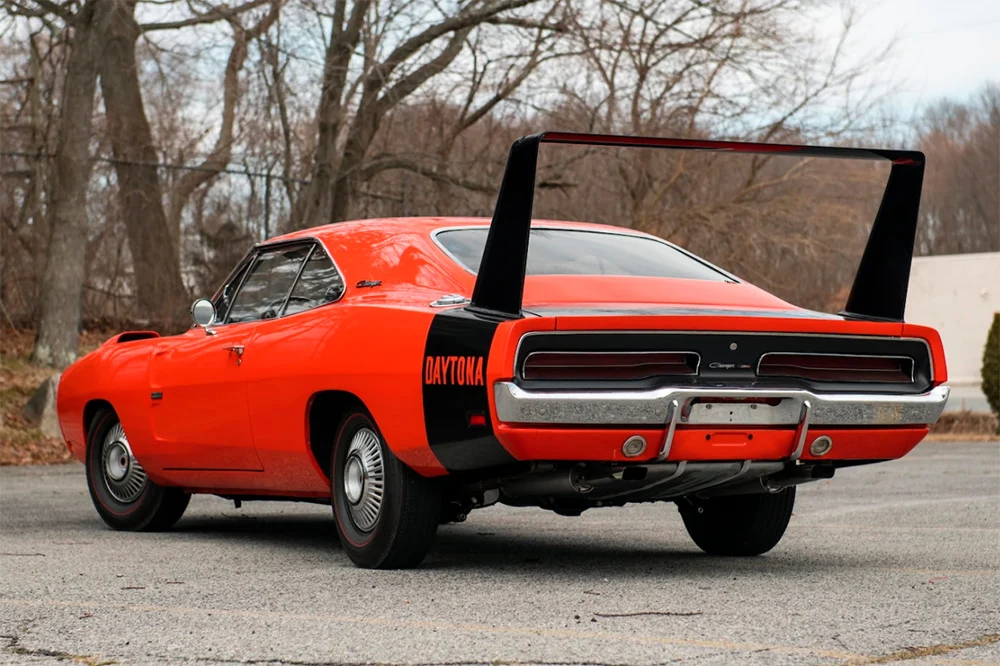
The Charger Daytona was based on the standard Dodge Charger body but received several major aerodynamic improvements. The most noticeable feature was the massive rear wing mounted high above the trunk.
While the wing attracted attention because of its unusual appearance, it served a serious purpose. It helped provide stability at high speeds by increasing rear downforce and improving control when the car was moving at extreme velocities.
Another major change was the pointed nose cone fitted to the front of the car. The standard Charger had a more upright front design, which created more aerodynamic drag. The Daytona replaced that design with a smoother nose that allowed air to move more efficiently over the vehicle. Engineers also added special fender modifications and aerodynamic treatments to reduce resistance.
The development of the Charger Daytona was closely connected to NASCAR competition. Dodge needed a vehicle capable of challenging Ford’s aerodynamic race cars, especially at tracks where top speed mattered more than tight handling. The result was a machine that looked very different from traditional stock cars of the period.
When the Charger Daytona arrived in 1969, it immediately proved its potential. Driver Bobby Isaac won races with the car, and it became clear that aerodynamic design was becoming a major factor in NASCAR success. The Daytona represented a new approach where science and engineering became just as important as raw horsepower.
Buddy Baker’s Historic 200 MPH Run
Buddy Baker was already an accomplished NASCAR driver when he climbed behind the wheel of the winged Dodge. Known for his smooth driving style and ability to handle powerful race cars, Baker was the perfect person to demonstrate what the Charger Daytona could achieve.
His connection with Chrysler’s racing program placed him at the center of one of the most important speed tests in motorsports history.
On March 24, 1970, Baker drove a Dodge Charger Daytona at the Chrysler proving grounds in Chelsea, Michigan. During the closed-course test, he reached a speed of 200.447 mph. This was the first time a NASCAR stock car officially surpassed 200 mph on a closed course. The number became a symbol of how far American racing technology had advanced.
The achievement was not simply about having a powerful engine. The Daytona’s success came from combining aerodynamic design with a high-performance powerplant.
The car used Chrysler’s famous 426 Hemi engine, a legendary racing engine known for producing enormous power. However, without proper aerodynamic improvements, reaching such speeds would have been extremely difficult.
At speeds approaching 200 mph, air resistance becomes a major challenge. The faster a car travels, the more energy it needs to overcome aerodynamic drag. The Charger Daytona’s design allowed it to cut through the air more efficiently, helping Baker maintain incredible speed while keeping the car stable.
The record-setting run also showed the importance of driver skill. Controlling a stock car at more than 200 mph requires concentration, experience, and confidence. Baker’s ability to manage the powerful Daytona during the test proved why he was considered among NASCAR’s elite drivers.
The Talladega Connection and NASCAR’s Aerodynamic Revolution
The Charger Daytona became famous through its connection with Talladega Superspeedway, one of NASCAR’s fastest and most challenging tracks. Talladega opened in 1969 and was built with long straightaways and wide banking that allowed cars to reach remarkable speeds. The track quickly became a place where aerodynamic advantages could make a significant difference.
When the Daytona entered competition, it demonstrated that traditional stock car shapes were no longer enough for maximum performance.
The winged design gave Dodge an advantage on high-speed tracks where reducing drag and improving stability were critical. The car changed expectations for what NASCAR vehicles could achieve.
The success of the Daytona encouraged Chrysler to create a similar machine under the Plymouth brand. The Plymouth Superbird followed the same basic philosophy, featuring a tall rear wing and aerodynamic nose. These cars became some of the most recognizable vehicles in NASCAR history because of their unusual appearance and incredible performance.
The 1970 racing season highlighted how quickly technology was changing. Manufacturers were using wind tunnel testing, advanced engineering methods, and specialized designs to gain an edge. The winged cars showed that motorsports had entered a new era where aerodynamics played a central role.
However, NASCAR eventually changed its rules to limit the dominance of these cars. The extreme speeds produced by the Daytona and Superbird raised concerns about competition balance and safety. Rule changes reduced their advantages, and the era of the massive winged stock cars ended sooner than many fans expected.
Even with their short competitive lifespan, the Charger Daytona and Superbird left a lasting impact. They proved that innovation could completely transform racing performance. Their influence can still be seen in modern NASCAR vehicle development, where aerodynamic efficiency remains a key factor.
The Legacy of Buddy Baker and the Winged Dodge
Buddy Baker’s 200 mph achievement became a major milestone in American motorsports history. It represented a moment when stock car racing reached a new level of speed and technical development. The record helped establish Baker as one of NASCAR’s most respected drivers and secured the Charger Daytona’s place among legendary race cars.
The significance of the accomplishment extends beyond the number itself. Breaking 200 mph showed what could happen when talented drivers worked with advanced engineering. The achievement required cooperation between drivers, mechanics, designers, and manufacturers.
Baker continued to build an impressive racing career after the record run. He later won the 1980 Daytona 500 and remained involved in NASCAR as a broadcaster and racing personality.
His career reflected the evolution of stock car racing from the powerful but simpler machines of earlier decades to the highly engineered cars seen later.
The Charger Daytona also became a highly valued collector car. Its unique appearance, limited production numbers, and connection to racing history made it highly desirable among enthusiasts. Today, examples of the Daytona are considered important pieces of American automotive history.
The story of Baker and the Daytona continues to inspire car fans because it represents a period when manufacturers pushed boundaries through creativity and competition. The winged Dodge was not just a fast vehicle. It was a demonstration of how engineering ideas could reshape an entire sport.
Why the 1970 Speed Record Still Matters Today
More than five decades later, Buddy Baker’s 200 mph run remains a defining achievement in NASCAR history. Modern race cars are faster, safer, and built with technology that was impossible to imagine in 1970. However, the importance of that first 200 mph barrier has not faded.
The Charger Daytona showed that speed was not created only through bigger engines. Aerodynamics, vehicle balance, and engineering decisions were equally important.
This lesson continues to influence racing teams today as they search for small improvements that create major performance gains.
The record also represents the competitive spirit of American automobile manufacturers during the muscle car era. Companies invested heavily in racing because success on the track helped build excitement around their street vehicles. The Daytona became a symbol of Dodge’s willingness to experiment and take risks.
For many racing fans, the winged Dodge represents a unique moment when creativity and performance came together. The car looked unlike anything else on the road or track, and its achievements matched its appearance. Few vehicles have created such a strong connection between design and racing success.
Buddy Baker’s historic run remains a reminder that major breakthroughs often come from combining talent with innovation. The Charger Daytona’s 200 mph milestone was not just a record. It was a turning point that changed how people understood speed, technology, and competition in NASCAR.
Also Read: 10 Sedans That Pack More Than You’d Expect
